2027 Technical Communication Affordability by State: Where Students Pay the Most and Least

Co-Founder and Chief Data Scientist
Choosing between a technical communication program in-state or out-of-state often involves more than comparing tuition alone. For example, a student weighing a $10,000 annual in-state tuition versus a $25,000 out-of-state option must also consider that living expenses can add 40-60% more to total costs, depending on the state's housing market and local economic conditions. Recent 2024 data shows states with higher tuition often coincide with greater living costs, complicating affordability despite scholarship opportunities.
This dynamic forces technical communication students to balance immediate savings against long-term financial burdens and career flexibility across regions. This article examines state-by-state affordability to reveal where technical communication education is most and least accessible, helping students make data-informed enrollment choices.
Key Things to Know About Technical Communication Affordability by State
- States with lower published tuition for technical communication often have higher living costs or limited local industry ties, which can increase overall student expenses and reduce internship availability.
- In-state tuition discounts may incentivize staying local, but employers in high-demand tech hubs often prioritize graduates from elite or regionally renowned programs regardless of state tuition savings.
- Recent 2024 data show enrollment shifts toward online technical communication programs in mid-cost states reflect students balancing total cost and timely degree completion, impacting long-term debt and workforce entry timing.
- Key Things to Know About Technical Communication Affordability by State Key Things to Know About Technical Communication Affordability by State
- Which States Have the Most Affordable Technical Communication Degree Programs? Most Affordable State Programs
- Which States Have the Highest Technical Communication Degree Costs? Highest State Tuition Costs
- How Much Does a Technical Communication Degree Cost by State? Degree Costs by State
- Why Does Technical Communication Affordability Vary So Much Between States? State Affordability Variations
- How Do In-State and Out-of-State Tuition Rates Affect Technical Communication Affordability? In-State vs. Out-of-State Rates
- How Does the Cost of Living Impact Overall Technical Communication Affordability by State? Living Costs and Affordability
- Which States Offer the Best Value for a Technical Communication Degree? Best Value State Degrees
- What Financial Aid and Scholarship Opportunities Can Reduce Technical Communication Costs? What Financial Aid and Scholarship Opportunities Can Reduce Technical Communication Costs?
- Are Online Technical Communication Degree Programs More Affordable Than On-Campus Options? Are Online Technical Communication Degree Programs More Affordable Than On-Campus Options?
- Is a Technical Communication Degree Worth the Cost Based on Career Outcomes and ROI? Degree ROI and Outcomes
Which States Have the Most Affordable Technical Communication Degree Programs?
States with more affordable technical communication degree programs typically combine robust public funding with residency policies that favor in-state students, shaping the real cost to learners beyond sticker tuition. For example, Wyoming's significantly lower average in-state tuition-about $4,800 annually compared to the national average near $10,400-is not solely a reflection of institutional pricing but also of state-level spending priorities and a lower cost of living. Students from outside such states face a tradeoff: paying substantially higher out-of-state fees or seeking residency qualifications to access these savings, which can affect enrollment choices and potentially delay degree completion. These institutional and policy-driven differences highlight why evaluating the full state-by-state tuition costs for technical communication degrees requires considering both financial aid opportunities and the practical realities of where a student can claim residency status.
Financial aid availability further nuances affordability as seen in states like Mississippi, where over 70% of students in technical communication programs receive some form of assistance, effectively lowering net costs and reducing loan dependence. However, lower costs often accompany smaller program offerings or less geographic convenience, requiring students to weigh affordability against factors like program size and employer recognition. For budget-conscious learners navigating state-level tuition landscapes, understanding how public university funding, residency discounts, and aid networks interplay is critical. Those balancing cost with career prospects might also explore relationships between investment in these degrees and outcomes, considering data such as the top 10 highest paying degrees that shed light on longer-term value beyond upfront expenses.
Which States Have the Highest Technical Communication Degree Costs?
States with the highest technical communication degree costs generally reflect complex interactions between limited public funding, high local living expenses, and institutional composition. For example, states that enforce steep out-of-state tuition rates alongside housing markets with inflated costs sharply increase the total price tag for nonresident students. Such pricing dynamics often push students to reassess if attending an in-state public university, pursuing online programs, or considering less costly states can deliver comparable outcomes without the severe financial burden. According to 2024 figures from the National Center for Education Statistics, some public universities in these regions impose out-of-state fees that, when combined with living expenses and additional costs, surpass $40,000 annually, forcing a nuanced balance between program prestige and affordability.
The concentration of specialized technical communication programs in states with fewer public seats often leads to heavy reliance on private institutions, where tuition tends to be higher and financial aid more competitive but less predictable. Residency policies exacerbate disparities, with nonresidents facing significantly higher fees even though post-graduation employability in technical communication roles depends more on skills and portfolio than alma mater location. Consequently, students must weigh geographic cost disparities against potential local job market advantages or the flexibility of remote study alternatives that might reduce living and indirect expenses. These conditions illustrate the importance of strategic decision-making beyond sticker prices, where the opportunity costs of relocation, program duration, and financial aid eligibility critically shape the real affordability and return on investment.
One technical communication student from a high-cost state described hesitating over enrolling locally due to stark out-of-state fees for a highly ranked program, ultimately finding moderate relief by completing core coursework online from an in-state public university. This student acknowledged the unsettling uncertainty of whether the premium on a prestigious private institution truly aligned with career opportunities in their region. Their budgeting included unexpected expenses related to commuting and materials, revealing how sticker price often underestimates total costs. This cautious approach allowed them to maintain financial stability while building relevant skills, a tradeoff that many prospective students must navigate when confronting diverging cost structures across states.
How Much Does a Technical Communication Degree Cost by State?
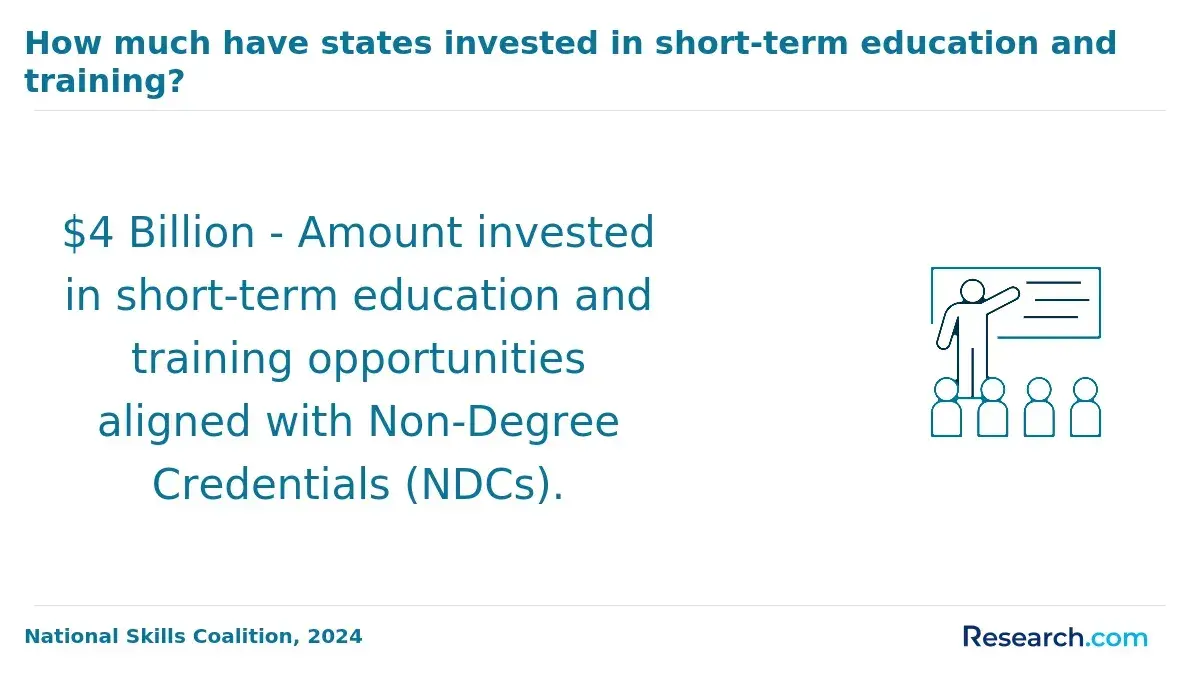
Tuition costs for technical communication degrees vary widely across states, reflecting differences in public funding priorities, in-state versus out-of-state tuition policies, and institutional types. For example, states like Wyoming and New Mexico offer in-state public tuition averaging between $6,000 and $7,000 annually, while states such as California and Massachusetts often exceed $15,000, with out-of-state students facing costs sometimes doubling that amount. These disparities complicate budgeting for prospective students, especially when factoring in higher living expenses common in regions with elevated tuition, which can substantially increase the total price of attendance beyond tuition alone.
State investment in higher education heavily influences these patterns; some areas consistently sustain public institutions through dedicated appropriations, maintaining relatively stable tuition rates. Others pass more costs to students amid budget shortfalls, driving prices upward. For budget-conscious learners, this means locating programs in states with robust public funding and lower living costs might reduce reliance on loans or scholarships. However, those willing to relocate or utilize online options could offset high sticker prices in costly states by accessing in-state rates elsewhere or avoiding relocation expenses, but must weigh these alternatives against employer expectations tied to regional credentials and networking opportunities.
Financial aid availability varies substantially and can alter net costs, yet it rarely equalizes state-by-state tuition differences completely. Private programs often carry higher initial price tags but may offer institutional aid that narrows the gap, presenting tradeoffs between sticker price and actual expense. According to the 2024 National Center for Education Statistics, students should critically evaluate how tuition, state funding, cost of living, and aid combine to shape both educational accessibility and long-term debt burdens when selecting a technical communication degree location.
Why Does Technical Communication Affordability Vary So Much Between States?
Variations in technical communication degree cost differences by state are primarily shaped by differing state funding priorities and institutional mixes. States that invest heavily in public higher education typically offer lower in-state tuition, making programs more accessible, while those with diminished education budgets pass greater costs onto students. For instance, residents in states with high living expenses like California often face tuition and fees 30-50% above levels seen in more affordable regions such as the Midwest. These disparities influence whether students remain in-state, pursue costly private options, or seek online alternatives, complicating long-term educational planning and transfer decisions.
Regional factors affecting technical communication affordability extend beyond funding to include the balance between private and public providers, as well as state-specific financial aid programs. Private institutions frequently raise tuition to offset limited subsidies, which can skew average costs higher in states dominated by such schools. Meanwhile, targeted grants available in some states can meaningfully reduce out-of-pocket expenses for students focused on technical and professional communication. Rising demand for the degree in certain areas may also push institutions to limit enrollment or increase prices, further impacting accessibility and shaping student enrollment behavior across state lines.
Prospective learners evaluating where to pursue a technical communication degree must weigh these complex funding and market variables alongside their career goals. For those prioritizing cost-efficiency, exploring out-of-state online programs or identifying states with robust financial support could be beneficial. Resources highlighting the cheapest online master's in counseling provide parallel examples of affordability strategies relevant to technical communication candidates navigating diverse state landscapes.
How Do In-State and Out-of-State Tuition Rates Affect Technical Communication Affordability?
Residency-based tuition policies directly shape the financial feasibility of pursuing a technical communication degree, often determining whether a student's educational investment aligns with their long-term career goals. Public institutions typically offer substantially lower in-state tuition, funded through state subsidies, with out-of-state rates averaging around 60% higher nationwide according to 2024 data from the National Center for Education Statistics. This steep cost difference can influence not only program selection but also decisions about relocation or establishing residency, particularly since states with reciprocity agreements may soften these barriers by allowing near-border students to pay reduced tuition. For students weighing technical communication programs, attending in-state or leveraging reciprocity can mean saving tens of thousands over a multi-year degree, whereas paying out-of-state tuition without residency reclassification often raises the total cost of attendance beyond what some learners can realistically manage.
The rise of online technical communication degrees complicates this calculus by offering standardized tuition rates irrespective of residency, yet students must carefully evaluate whether financial aid eligibility mirrors that of on-campus programs, since disparities here can offset nominal savings. Private colleges also present a flat tuition model that eliminates residency-based price variation but typically at a premium higher than public in-state rates. Consequently, the strategic interplay between residency requirements, tuition differentials, and financial aid can substantially impact affordability and institutional choice. Prospective students should incorporate these variables into their financial planning, especially when balancing out-of-state curiosity against budget constraints and the practical timelines involved in qualifying for residency status.
A recent graduate recalled hesitating before enrolling out-of-state due to technical communication tuition costs nearly triple those of in-state peers. Despite the appeal of a well-regarded program, the absence of reciprocity and the inability to establish residency quickly strained their finances. They later reflected that moving to a neighboring state with a reciprocity agreement might have halved tuition expenses but worried the quality and networking opportunities would differ, illustrating the difficult tradeoffs students face as they navigate both affordability and program value in practical terms.
How Does the Cost of Living Impact Overall Technical Communication Affordability by State?
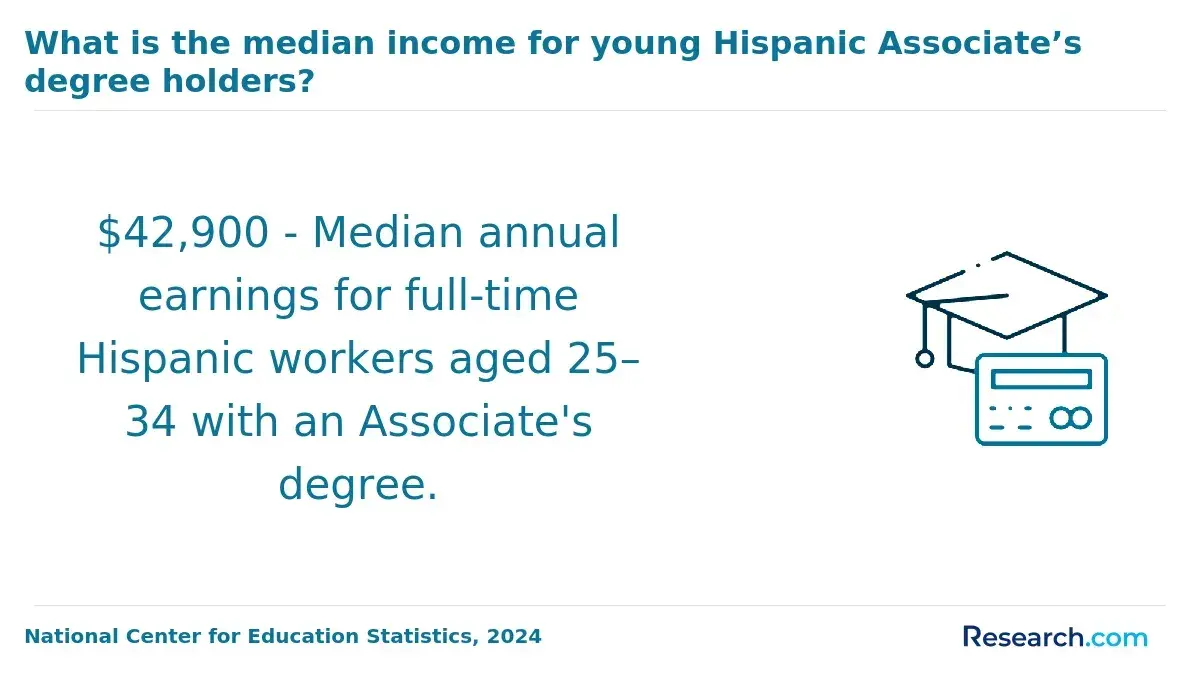
Housing costs are a decisive factor shaping the real financial commitment of pursuing a technical communication degree across states, often outweighing tuition differences. For students in high-rent states like California or New York, median housing expenses can surpass the national average by more than 50%, requiring greater reliance on loans or part-time work and influencing decisions about where to live or attend school. Conversely, in states with more affordable housing markets such as Ohio or Arkansas, students may manage lower overall expenses but face distinct employment landscapes post-graduation, which affects the return on their educational investment. These geographic disparities necessitate a nuanced understanding of how state-by-state cost of living impact on technical communication degree expenses extends well beyond sticker tuition.
Transportation, food, healthcare, and utilities further complicate this financial equation. In sprawling metro areas with limited public transit, car ownership costs add a significant burden, while dense urban centers may lower transport expenses but drive up housing and food costs. States like Alaska and Hawaii present elevated food prices and healthcare costs, intensifying daily living expenses for students and altering affordability calculations. Factoring these living costs alongside tuition is critical when deciding whether to enroll in a particular state's program or consider alternatives such as online learning options. Students seeking a technical communication program may also explore resources like online masters in mental health counseling that offer flexibility and potential savings when geographic cost differences threaten to undermine educational goals.
Which States Offer the Best Value for a Technical Communication Degree?
States with lower in-state tuition rates do not automatically offer the best financial outcomes for Technical Communication students. The true value comes from balancing tuition costs with degree completion rates, availability of financial aid, and the strength of local job markets for technical communicators. For instance, while Texas and Georgia offer public universities with tuition under $8,000 annually, they also benefit from metropolitan tech hubs that actively recruit graduates, which can reduce employment friction after graduation. This contrasts with higher-tuition states like Massachusetts or California, where elevated living expenses and average student debt above $30,000 can erode the prospective return on investment despite perceived academic prestige.
Factors such as residency-based tuition policies significantly affect affordability; students who can establish residency in states like North Carolina benefit from reduced costs that private or out-of-state options cannot match. Additionally, public institutions in these states often allocate state-funded scholarships and aid targeted at lower- and middle-income students, improving access beyond raw sticker price comparisons. Evaluating how long programs typically take to complete is also crucial, as extended time increases total costs and delays entry into relevant technical communication roles, where starting salaries nationally average between $50,000 and $60,000. Therefore, the cheapest tuition alone does not guarantee the strongest value if completion rates are low or local employment opportunities are limited.
What Financial Aid and Scholarship Opportunities Can Reduce Technical Communication Costs?
Federal and state financial aid programs are pivotal in shaping the real cost of pursuing a technical communication degree, particularly for students weighing affordability differences across states. About 85% of undergraduates receive some form of aid, with Federal Pell Grants-capped at $7,395 annually-serving as a critical baseline for many low- and moderate-income learners. Yet, eligibility hinges tightly on income and enrollment, meaning students in states with limited or no complementary state grants often face greater reliance on loans or employer tuition benefits. For instance, a student in California might leverage robust state-funded grants alongside Pell aid, whereas a peer in a less generous state may need to prioritize merit scholarships or employer support to bridge the affordability gap.
Institutional scholarships and merit-based awards frequently target full-time, credential-focused students, inadvertently disadvantaging part-time and nontraditional learners who might already be balancing work and family obligations. Employer-sponsored tuition assistance can mitigate some of these barriers, sometimes covering tuition fully but often requiring multi-year employment commitments in return. Tuition reciprocity programs that grant in-state rates out-of-state can also shift cost calculus but demand careful navigation of residency and application criteria to maximize benefit. Students must plan strategically-not only to secure aid but to maintain eligibility and optimize stacking rules-to avoid unexpected financial shortfalls and ensure their investment aligns with long-term career prospects in technical communication.
Are Online Technical Communication Degree Programs More Affordable Than On-Campus Options?
Online technical communication degree affordability in the United States varies considerably based on factors beyond headline tuition rates. While average tuition for online programs is often 15-20% lower than on-campus equivalents, state residency rules can limit these savings by imposing out-of-state fees on remote learners. Additionally, technology costs-such as advanced software and hardware necessary for coursework-and limited availability of institutional scholarships for online students reduce the overall affordability advantage. Working adults balancing employment and study may find opportunity costs favorable for online learning, but those with access to affordable campus housing or employer-sponsored tuition benefits may face comparable total expenses in a traditional setting.
When evaluating a cost comparison of online versus on-campus technical communication programs, housing, transportation, and meal costs often tip the scales for on-campus learners, especially in states with high living expenses. However, online students sometimes contend with hidden expenses and stricter financial aid policies that can complicate budgeting. These tradeoffs emphasize the need for prospective students to factor in residency regulations, enrollment status, and program delivery mode when assessing affordability. For tailored degree options that reflect emerging workforce needs across modalities, some may also consider parallels in other fields, such as masters in clinical psychology online, to anticipate similar logistical and cost considerations.
Is a Technical Communication Degree Worth the Cost Based on Career Outcomes and ROI?
The value of a technical communication degree varies substantially depending on state-specific tuition costs, local industry demand, and graduate outcomes. For example, students in California or New York may find that higher tuition expenses are offset by robust employer demand and salaries consistent with a median annual wage near $78,000, as reported by the Bureau of Labor Statistics in 2024. In contrast, pursuing the degree in states with lower technical writer salaries could lengthen the time required to recoup educational investments, especially when opportunity costs and debt burdens are considered. This creates a distinct tradeoff between upfront affordability and long-term earning potential that prospective students must carefully evaluate in relation to their career goals and geographic flexibility.
Beyond tuition rates alone-which range from roughly $7,000 to $30,000 annually-students should factor in program quality, graduation rates, and employment placement success when assessing technical communication degree return on investment by state. Programs with higher completion and placement rates tend to reduce financial risk and improve ROI by helping students enter the workforce sooner. Additionally, the growing prevalence of remote work in technical communication expands prospects beyond immediate state labor markets, allowing graduates to pursue positions nationwide. For learners exploring alternatives or supplemental paths, understanding how to become an AI trainer with no experience also presents relevant workforce pathways worth considering within or adjacent to technical communication careers.
Career outcomes and earning potential for technical communication graduates in the US depend on integrating tuition affordability with market demand and personal circumstances. Students should weigh the benefits of enrolling in less costly in-state programs against potentially slower ROI and limited local opportunities. Conversely, higher tuition in some states may justify the investment when paired with employer engagement and strong placement records. Ultimately, this decision requires a nuanced, practical approach that extends beyond sticker price to encompass long-term career implications and financial realities.
References
- Making College Affordable: Providing Low-Income Students with the Knowledge and Resources Needed to Pay for College - Jack Kent Cooke Foundation https://www.jkcf.org/research/making-college-affordable-providing-low-income-students-with-the-knowledge-and-resources-needed-to-pay-for-college/
- Technical Communication https://www.mnsu.edu/programs/technical-communication/
- Scholarships, Grants & Loans https://www.anokatech.edu/financial-aid-fafsa/scholarships-grants-loans/
- Plain Language Advances Technical Communication https://centerforplainlanguage.org/plain-language-advances-technical-communication/
- Technical communications https://www.starkstate.edu/academics/programs/technical-communications/
- Importance of Cost of Living | Goldwater Institute https://www.goldwaterinstitute.org/cost-of-living/
- The Effects of Rising Student Costs in Higher Education - Ithaka S+R https://sr.ithaka.org/publications/the-effects-of-rising-student-costs-in-higher-education/
- Average Cost of College [2025]: Yearly Tuition + Expenses https://educationdata.org/average-cost-of-college
- Types of Student Finanical Aid | Forsyth Tech https://www.forsythtech.edu/students/how-to-pay-for-college/types-of-aid/
- Technical Communication https://genreacrossborders.org/research/technical-communication
Other Things You Should Know About Technical Communication
Longer programs often mean higher overall tuition costs, even if per-credit rates are lower in some states. Students should evaluate total time-to-completion alongside tuition rates to estimate the full financial commitment. Prioritizing states with shorter, well-structured programs can reduce living expenses and lost income opportunities, which often outweigh marginal savings from cheaper per-credit prices in longer programs.
States with affordable tuition but limited technical communication job markets may force graduates to relocate or face underemployment. Lower upfront education costs can be offset by fewer local opportunities or lower salaries post-graduation. Students should consider states where tuition is reasonable and the local industry demand aligns with their career goals to maximize both affordability and employability.
Programs with heavy course loads or rigid schedules may limit students' ability to work part-time, intensifying financial strain regardless of tuition rates. Conversely, states offering flexible, hybrid, or part-time programs can improve affordability by allowing students to balance earnings and expenses. Prioritizing programs' structural compatibility with personal schedules is essential for realistic financial planning beyond sticker tuition price.
Tuition alone rarely captures all educational expenses; some states impose high mandatory fees, materials costs, or technology surcharges that elevate the actual price. These can disproportionately impact affordability for students already managing tight budgets. Careful review of total program costs, including non-tuition fees specific to each state, is critical to avoid unexpected financial burdens during enrollment.