2027 Technical Communication Salary Trends Report: Are Wages Keeping Up With Tuition and Inflation?

Co-Founder and Chief Data Scientist
A prospective technical communication student weighs the decision to invest in a degree amid rising tuition and inflation. Determining if the financial return justifies the cost requires more than comparing starting salaries. It demands an understanding of how wages, education expenses, and the overall economy interact over time. This context shapes whether earning a technical communication degree remains a sound investment in today's economic climate.
Salary growth, tuition hikes, and inflation often progress at different rates, complicating value assessments based solely on paychecks. Evaluating long-term earning potential and purchasing power offers a clearer picture of affordability and financial benefit. This article examines recent salary trends alongside tuition costs and inflation for technical communication graduates. It further explores return on investment, affordability, and the factors that influence the degree's lasting economic value.
Key Things to Know About Technical Communication Salary Trends
- Graduate salaries in technical communication rose 4% in 2024, slightly below inflation, indicating that wage growth currently fails to offset rising tuition and living expenses.
- Experience and cross-discipline skills, such as UX design, increasingly dictate earning potential, highlighting the need for targeted specialization beyond basic degrees.
- Long-term income gains depend on continuous skill adaptation due to emerging AI tools automating routine tasks, potentially compressing entry-level wages but rewarding advanced expertise.
- Key Things to Know About Technical Communication Salary Trends Key Things to Know About Technical Communication Salary Trends
- What Is the Current Salary Outlook for Technical Communication Graduates? Salary Outlook
- Are Technical Communication Salaries Keeping Up With Inflation? Inflation Impact
- How Do Tuition Costs Compare With Technical Communication Salary Growth? Tuition vs Salary
- Does a Technical Communication Degree Deliver a Positive Return on Investment? Degree ROI
- Which Industries Offer the Highest Salaries for Technical Communication Graduates? Which Industries Offer the Highest Salaries for Technical Communication Graduates?
- Which States and Cities Offer the Highest Pay for Technical Communication Professionals? Which States and Cities Offer the Highest Pay for Technical Communication Professionals?
- How Do Technical Communication Salaries Grow Throughout a Career? Career Growth
- How Do Technical Communication Salaries Compare With Similar Degrees? Salary Comparison
- How Is Employer Demand Affecting Technical Communication Salary Trends? Employer Demand
- How Can Students Maximize Their Lifetime Earnings With a Technical Communication Degree? Maximizing Earnings
What Is the Current Salary Outlook for Technical Communication Graduates?
The salary outlook for technical communication graduates in 2024 indicates moderate wage growth, but this must be weighed against rising costs in education and inflation. Recent data from the U.S. Bureau of Labor Statistics shows a median annual wage near $78,000 for technical writers, with entry-level positions starting around $55,000.
However, earning potential varies significantly based on specialization and location; for example, professionals working in technology hubs like Seattle or Boston may earn over $95,000, though higher living expenses in these areas often diminish net financial gains. This variation highlights why two graduates with identical degrees might experience different salary outcomes depending on their career choices and geographic settings.
Beyond initial salaries, long-term career progression and skill diversification are crucial for enhancing earning power in technical communication fields. Employers increasingly value candidates with digital proficiencies such as UX design or multimedia content development, which can lead to higher and more stable pay over time.
Projected job demand remains steady, yet tuition inflation-having surged over 40% in the last decade for communication-related programs-raises important considerations for prospective students. Those evaluating the financial value of a technical communication degree should also look at career pathways that combine academic credentials with practical experience, rather than focusing solely on average starting salaries.
Understanding these factors is vital when assessing whether a technical communication degree offers a sustainable return on investment. For instance, graduates who pursue specialized skills aligned with industry demands are more likely to overcome the challenges posed by stagnant wage increases and increased education costs.
Prospective students interested in expanding their qualifications might explore options like BCBA masters programs as part of a broader strategy to boost their career prospects. Ultimately, interpreting the current salary outlook amid evolving market conditions requires balancing immediate earnings with the potential for advancement and adaptability in a competitive workforce.
Are Technical Communication Salaries Keeping Up With Inflation?
Nominal wage increases in technical communication do not automatically mean graduates experience improved purchasing power. Recent data from the U.S. Bureau of Labor Statistics' Occupational Employment and Wage Statistics shows a 4.5% growth in median technical writer salaries from 2022 to 2023, slightly outpacing the 3.8% rise in the Consumer Price Index.
However, this parallel masks critical disparities, particularly for early-career professionals whose starting salaries typically grow by only 2-3%, lagging behind inflation and the nearly double-rate increase in tuition costs over the past decade.
For example, a recent graduate entering the field might see nominal income gains but still feel the squeeze of higher living and education expenses, delaying the point at which their degree's economic value surpasses inflation-adjusted breakeven.
Technical communication salary growth compared to inflation varies significantly across industries and regions, influencing long-term earning potential. Workers in STEM-dominant sectors such as software documentation or biotech are more likely to enjoy wage increases above inflation, while those in traditional publishing or less competitive markets often fall behind.
Beyond base pay, benefits and bonuses offer some mitigation but generally do not keep pace with rising tuition inflation, further affecting real earnings for newcomers. Prospective students facing rising costs might evaluate options like the cheapest online counseling degree as an example of how strategic educational choices can impact return on investment amid these financial challenges.
How Do Tuition Costs Compare With Technical Communication Salary Growth?
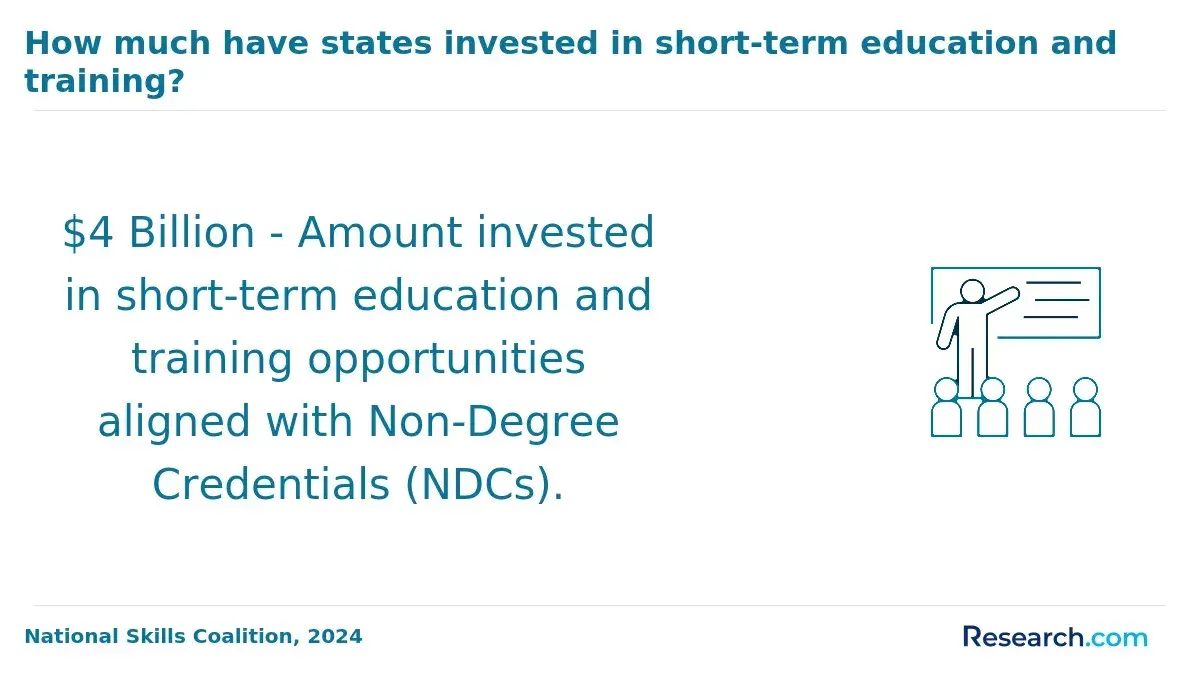
Tuition inflation for technical communication programs has outstripped salary growth for graduates, complicating the financial outlook for many students. According to 2024 data from the National Center for Education Statistics, average annual in-state tuition at public four-year institutions is approximately $11,000, while private non-profit colleges often exceed $35,000.
Early-career technical communication professionals earn between $55,000 and $65,000 annually, with mid-career salaries ranging from $75,000 to $85,000, based on reports by the Society for Technical Communication and PayScale. This means tuition costs have risen around 3% to 5% annually, surpassing the 2% to 3% average yearly growth in salaries, creating a widening gap that challenges the financial return on investment for some graduates.
Evaluating tuition alongside salary trajectories reveals meaningful differences in how individuals experience this dynamic. For example, a student attending a private institution who finances education through loans faces higher upfront debt and slower net income growth compared to a peer at a public university with lower tuition and less borrowing.
Geographic and sector-based salary variations further influence the balance between education cost and earning power. This nuanced interplay suggests that prospective students must consider not only sticker price and starting salaries but also debt load, time to repay loans, and regional job markets to assess the true economic tradeoffs of pursuing technical communication.
One recent graduate recalled hesitating between enrolling in a prestigious but costly private program or a more affordable public college. Although initially drawn to the private option's reputation, concerns about accumulating debt and modest salary increases prompted a last-minute switch to the public university.
This decision helped reduce graduate loan burdens, allowing more financial breathing room during early career years. The graduate reflected that weighing tuition against realistic salary progression forced a deeper evaluation of long-term stability rather than short-term prestige, a tradeoff many entering this field face amid tuition inflation outpacing their earning growth.
Does a Technical Communication Degree Deliver a Positive Return on Investment?
Return on investment (ROI) in higher education extends beyond initial earnings, encompassing the balance between tuition costs and long-term career benefits such as salary growth, job stability, and advancement opportunities. For a technical communication degree, this means weighing rising education expenses against the consistent demand for professionals skilled in producing clear, accessible content across sectors like software development, healthcare, and engineering.
Although median starting salaries for technical communication graduates-approximately $60,000 in 2024 according to the U.S. Bureau of Labor Statistics-lag slightly behind STEM fields, steady wage growth amid inflation suggests a resilient earning trajectory over time.
Consider a graduate who finances a four-year technical communication program where tuition increases about 4% per year, outpacing the roughly 2.5% annual wage growth typical in the field. While this erosion challenges immediate financial gains, the continued need for skilled communicators in specialized industries often leads to incremental salary raises and career longevity.
Additionally, leveraging internships and certifications can enhance employability and accelerate earning potential, as noted by research from the Georgetown University Center on Education and the Workforce. Ultimately, the true ROI hinges on individual career choices, economic conditions, and how well graduates capitalize on opportunities that extend beyond initial salary figures.
Which Industries Offer the Highest Salaries for Technical Communication Graduates?
Technical communication salary trends by industry in the US reveal a distinct clustering of higher compensation within sectors demanding specialized knowledge and complex documentation skills. Graduates equipped with the ability to clearly convey intricate technical concepts frequently find their highest earning potential in industries characterized by rapid innovation, regulatory complexity, or scientific precision.
According to the U.S. Bureau of Labor Statistics and recent 2024 salary surveys, these sectors often pay well above the median for technical communication professionals. Analyzing these trends helps students and career changers prioritize industries that align with their skills and financial goals.
The following industries typically offer the highest salaries for technical communication graduates:
- Information Technology: This sector offers the highest median salaries due to the continuous demand for documentation of software products, APIs, and user interfaces. Technical communicators in IT commonly work as software documentation specialists, API writers, or UX content designers, needing strong technical aptitudes combined with clear writing proficiency.
- Scientific Research: Fields such as biotechnology, pharmaceuticals, and environmental science reward clear, compliant communication that supports complex research methodologies and regulatory filings. These roles demand both scientific literacy and precision, often requiring advanced understanding of the subject matter to produce high-quality documents.
- Finance and Insurance: This sector requires detailed reports, compliance documentation, and user guides related to financial instruments, risk assessment, and regulatory frameworks. Graduates with strong analytical and writing skills find opportunities as compliance writers and financial documentation specialists, roles that command higher salaries due to the sector's regulatory complexity.
- Semiconductor Industry: Specialized in designing and producing microchips, this industry pays well because of the need for precise technical manuals, process documentation, and product specification sheets. Communicators skilled in electronics or engineering concepts are especially valued here.
- Information Services: Organizations providing data management, cloud services, and IT solutions employ technical communicators to create product documentation and training materials. This sector pays premium wages as businesses rely on clear, scalable documentation for complex IT ecosystems.
By focusing on these high-paying industries, graduates can strategically invest in skills that enhance both their employment demand and salary growth. For instance, a technical communication graduate specializing in API documentation within a software development firm might see salaries significantly above average, reflecting the critical business need for accurate and efficient software manuals.
For those weighing educational options, exploring programs related to these sectors alongside related fields such as a masters in human resources online can provide broader career flexibility and insight into workforce trends.
Which States and Cities Offer the Highest Pay for Technical Communication Professionals?
Technical communication salaries vary significantly across the United States, reflecting the influence of local economies, industry clusters, and living costs. While higher wages often appear in technology and research hubs, these figures do not always translate to greater financial stability once expenses are considered.
Selecting a location after completing a Technical Communication degree requires weighing salary potential against cost of living, housing, and local opportunities for career growth.
The following list identifies key states and metro areas where pay tends to be highest and outlines critical factors to evaluate before relocating or starting work:
- California - San Francisco Bay Area: Dominated by technology giants and innovative startups, this region offers some of the nation's top salaries for technical communicators, often surpassing $90,000 annually. The robust demand is fueled by the need to simplify complex product information, yet prospective professionals must consider the exceptionally high housing costs and living expenses that significantly reduce net income.
- Washington - Seattle Metro: Home to major aerospace and software firms, Seattle provides salaries approaching those in California's tech corridor, typically in the high $80,000 range. The city's thriving industries offer ample job opportunities, but rising living costs and real estate prices require balancing compensation against affordability.
- Massachusetts - Boston Area: A hub for biotechnology and healthcare research, Boston offers competitive compensation for technical communicators engaged with specialized scientific content. The market rewards expertise, but students should evaluate tuition debt alongside the city's steep cost of living, which can erode take-home pay.
- Texas - Austin: Emerging as a tech and creative center, Austin offers a pleasant compromise between salary and cost of living, with wages slightly below West Coast levels but more affordable housing. The city's growth presents expanding career options but also requires managing expectations about nominal income versus real purchasing power.
- Colorado - Denver: With a growing tech presence and relatively moderate living costs compared to coastal cities, Denver attracts technical communicators seeking strong salaries paired with better affordability. The region's balance may appeal to those prioritizing quality of life over peak earnings.
How Do Technical Communication Salaries Grow Throughout a Career?
Technical communication salaries generally show steady growth as professionals accumulate experience and broaden their skill sets. Entry-level roles start with median salaries between $55,000 and $65,000, focusing on core writing and editing tasks. As practitioners reach mid-career after about five to ten years, compensation typically rises to between $75,000 and $90,000, often reflecting expanded responsibilities such as project oversight and collaboration with cross-functional teams.
Beyond ten years, senior technical communicators and managers frequently exceed $100,000 annually, particularly when they specialize in high-demand areas like API documentation or assume leadership positions that require strategic input.
The divergence between individual career paths becomes clear when comparing two graduates with identical degrees. One may remain focused on foundational writing, seeing moderate salary increases, while the other actively pursues advanced skills, certifications, or management opportunities, resulting in faster and higher salary growth.
Key factors influencing long-term earnings include specialization, leadership roles, and the ability to adapt to emerging content technologies. According to data from the U.S. Bureau of Labor Statistics and the Society for Technical Communication, these elements significantly shape earning potential over time, although overall salary progression may not fully outpace inflation or rising education costs.
One technical communication graduate recalled weighing the decision to pursue a specialized certification early in their career, despite the added expense and time commitment. They hesitated, concerned about immediate financial strain, but ultimately earned the credential and shifted into a UX writing role within a software company.
This transition corresponded with a notable salary jump several years later, validating their choice to invest in skill development despite initial uncertainty. Their experience highlights how deliberate professional growth choices can meaningfully influence salary trajectories beyond baseline degree credentials.
How Do Technical Communication Salaries Compare With Similar Degrees?
Technical communication degrees offer competitive salaries that generally stand above traditional communications fields but fall short of some STEM disciplines. Graduates in this area often secure roles demanding specialized skills in translating complex technical information into clear, accessible documents across industries like technology and healthcare.
With median annual wages near $82,000 for technical writers according to recent Bureau of Labor Statistics data, the field provides a practical balance between specialized expertise and attainable entry-level salaries.
Below is a comparison with related degrees to clarify how career earnings typically measure up, highlighting important tradeoffs for prospective students evaluating technical communication salary compared to related degrees:
- Communications: Graduates typically start with median salaries between $70,000 and $75,000 but benefit from broader job options including marketing, public relations, and media. The lower technical barrier can mean slower early wage growth, though opportunities diversify with experience.
- Journalism and General Writing: These fields tend to have lower starting salaries, often under $60,000, since roles focus more on content creation than specialized technical knowledge. Job markets here can be less stable, contributing to income variability.
- Computer Science and Engineering: Careers in these sectors usually command median salaries above $100,000 due to higher technical demand and rigorous training. The investment in education is larger but corresponds to significantly higher payoffs.
- STEM-Adjacent Fields: Technical communication aligns with these areas through steady salary increases but may lag behind in catching up with tuition inflation. These fields often offer more sustainable growth than purely creative degrees.
For students concerned about balancing educational costs with realistic earnings, exploring the cheapest online colleges can help mitigate debt burdens while entering this moderately lucrative field.
How Is Employer Demand Affecting Technical Communication Salary Trends?
Employer demand directly shapes salary trends for technical communication professionals by influencing how competitive the market is for qualified candidates and how aggressively companies hire and compensate talent. For example, in fields like technology or healthcare where product complexity demands clearer documentation, employers compete for candidates with advanced skills in user experience design or digital content management.
This competition can lead to premium salaries for specialists, yet average wage growth remains modest, reflecting broader economic conditions. According to the U.S. Bureau of Labor Statistics 2024 projections, job openings in technical communication are expected to grow by about 6% through 2032, slightly outpacing the average for all occupations, but salary increases generally align with inflation rather than substantially exceed it.
Key factors shaping employer demand include industries' reliance on accessible, precise communication, the pace of technological change, and organizational budgets that determine compensation strategies. For a recent graduate, choosing to specialize in multimedia authoring tools or digital content management might mean better pay prospects compared to a generalist role.
Yet, rising tuition and inflation create a challenging tradeoff, as wage increases often lag behind education costs. Prospective students weighing these factors would benefit from exploring flexible, cost-effective educational paths such as the best online MPA, which highlight how evolving employer demand influences compensation across technical communication-related occupations.
How Can Students Maximize Their Lifetime Earnings With a Technical Communication Degree?
Maximizing lifetime earnings with a technical communication degree requires deliberate choices aligned with market demands and verified data from authoritative sources. High salaries correlate strongly with specialization in sectors like technology, healthcare, and aerospace, as confirmed by the U.S. Bureau of Labor Statistics and National Association of Colleges and Employers 2024 report.
Combining specialized skills with advanced education and certifications further boosts earning potential. Consider this: a graduate focusing solely on broad communication skills may earn a median salary, while one who gains expertise in AI-driven documentation and healthcare tech can command significantly higher pay over time.
The following strategies offer targeted actions to increase long-term financial returns in this field:
- Industry Specialization: Concentrate on high-growth industries such as technology and healthcare where demand for technical communicators drives higher salaries and job security according to labor statistics.
- Advanced Credentials: Pursue master's degrees or certifications like Certified Professional Technical Communicator (CPTC), which studies show can increase salaries by 15% or more compared to bachelor's-only holders.
- Technical Proficiency: Develop skills in emerging tools such as single-sourcing software and AI documentation platforms to enhance value to employers and differentiate yourself in the job market.
- Geographic Targeting: Seek employment in metropolitan areas with thriving tech hubs where wage premiums for technical communication professionals are notably higher.
- Continuous Learning: Engage with professional organizations and stay current on industry trends to maintain competitiveness and open opportunities for promotion and higher pay.
- Networking: Build relationships within the field to uncover hidden job markets and advancements that are often not publicly advertised but substantially improve earning trajectories.
- Multidisciplinary Skills: Integrate UX design, content strategy, and multimedia documentation into your skill set, which are consistently linked with better compensation in 2024 salary surveys by the Society for Technical Communication.
References
- The price of college is rising faster than wages for people with degrees | USAFacts https://usafacts.org/articles/is-college-worth-it-the-price-of-college-is-rising-faster-than-wages-for-people-with-degrees/
- What Are the Highest Paying Jobs in the Field of Communications? - Best Communications Degrees https://www.bestcommunicationsdegrees.com/faq/what-are-the-highest-paying-jobs-in-the-field-of-communications/
- Technology ROI: How to measure and maximise the value of your technology investment - Zenzero https://zenzero.co.uk/news/technology-roi-how-to-measure-and-maximise-the-value-of-your-technology-investment
- Why is the cost of college rising so fast? https://ssti.org/blog/why-cost-college-rising-so-fast
- Technical Writer Career Outlook https://clickhelp.com/clickhelp-technical-writing-blog/technical-writer-career-outlook/
- The Defensive Job Market- Tech Sentiment in 2026 https://www.dice.com/hiring/recruitment/reports/tech-sentiment-report
- Career Paths To and From Technical Writing | MadCap Software https://www.madcapsoftware.com/blog/career-paths-technical-writing/
Other Things You Should Know About Technical Communication
Many technical communication roles demand significant multitasking across documentation, user experience, and cross-team coordination, often without proportional salary increases. This imbalance can lead to burnout or stagnant career growth if employers do not recognize the expanding scope with commensurate pay. Prospective candidates should prioritize positions or employers known for valuing workload fairness, even if starting salaries are initially lower, as sustainable pace often supports longer-term salary gains.
Specializing in high-demand tools or niche industries can accelerate salary growth but may limit flexibility across sectors. Conversely, broad skills enable adaptability but often lead to slower wage increases. Students must weigh their willingness to commit to a specialty versus maintaining versatile skill sets, with salary potential typically higher for those who develop deep expertise aligned with emerging technologies or regulatory environments.
Online programs often offer cost savings and flexible pacing but may lack the networking and hands-on project components valued by employers, which can influence hiring and salaries. In-person programs usually provide stronger experiential learning opportunities that better prepare graduates for higher-paying roles. Applicants should consider program reputation, access to industry connections, and practical experience opportunities as critical factors influencing long-term earning potential beyond tuition costs.
Given that technical communication salaries can plateau early without proactive career management, professionals should seek roles offering continual learning, cross-disciplinary collaboration, or leadership opportunities to justify raises. Prioritizing positions where employers invest in skill development or assign responsibilities linked to business outcomes tends to result in more robust salary advancements. Passive reliance on tenure is unlikely to keep wages aligned with rising living costs.