2027 Remote Work Report for Information Technology Graduates: Flexible Roles, Pay, and Hiring Trends

Co-Founder and Chief Data Scientist
Information Technology graduates often face a challenging job market where remote positions are abundant but unevenly distributed across roles and experience levels. Entry-level candidates might find that many flexible jobs prioritize skills in cloud computing, cybersecurity, or software development, while other areas see slower remote adoption.
Hiring managers increasingly rely on technical assessments and portfolio quality over formal degrees. According to recent workforce data, 40% of IT roles in the US offer remote options, yet competition remains intense for these spots. This article breaks down the remote opportunities, compensation realities, and hiring patterns crucial for new graduates to navigate this shifting landscape effectively.
Key Points About Working Remotely for Information Technology Graduates
- The average annual salary for remote Information Technology roles is approximately $83,000, with variations driven by specialization and experience, informing realistic income expectations for recent graduates targeting remote positions.
- Remote jobs commonly include software development, cybersecurity analysis, network administration, and technical support, each requiring targeted skills and certifications, shaping the credential and skill priorities for remote hiring eligibility.
- Graduates face competitive timelines that demand early acquisition of practical experience and mastery of industry-relevant tools, crucial for alignment with employer expectations and successful navigation of remote job selection processes.
- Key Points About Working Remotely for Information Technology Graduates Key Points About Working Remotely for Information Technology Graduates
- Are there remote work opportunities in the Information Technology industry? Remote Opportunities
- Which Information Technology niches offer remote roles? Which Information Technology niches offer remote roles?
- What entry-level Information Technology roles allow remote work? Entry-Level Roles
- What is the average salary of Information Technology graduates who are working remotely? Average Salary
- Do remote Information Technology jobs pay the same as on-site roles? Pay Comparison
- What benefits do remote Information Technology employees receive? What benefits do remote Information Technology employees receive?
- Where can Information Technology graduates look for remote jobs? Where to Find Jobs
- What do Information Technology employers look for in candidates? What do Information Technology employers look for in candidates?
- How can Information Technology graduates prepare for remote roles? Preparing for Remote Roles
- How can Information Technology graduates if remote roles are a good fit for them? How can Information Technology graduates if remote roles are a good fit for them?
Are there remote work opportunities in the Information Technology industry?
Remote and hybrid roles dominate the early-career landscape in the Information Technology sector, with about 35% of entry-level positions advertised as fully remote and 50% hybrid. The remaining 15% require full on-site presence. This distribution reveals employers prioritize flexible arrangements while maintaining some in-office engagement, reflecting the ongoing balance between autonomy and teamwork.
Hybrid work arrangements vary significantly depending on regional compliance laws and organizational workflows. For example, companies in states with strict labor regulations might mandate more frequent in-office hours to meet training or supervision standards. Cloud platforms and asynchronous communication tools enable teams to collaborate effectively despite geographic dispersion, but flexibility often hinges on local policies and project demands.
A recent study found 68% of IT employers expect some weekly in-office presence, balancing remote benefits with direct collaboration and mentorship needs. Graduates should weigh these dynamics when selecting educational paths that emphasize digital fluency and remote communication skills, preparing to negotiate flexibility amid increasing return-to-office trends.
Practical decision making in this evolving environment requires understanding that fully remote gigs exist but are less frequent than hybrid roles. Entry-level graduates must realistically assess employer expectations, skill requirements, and location constraints to align career strategies with genuine workplace models.
Which Information Technology niches offer remote roles?
Remote roles in Information Technology concentrate in niches where tasks are measurable, digitally accessible, and require minimal physical presence for effective execution. Employers increasingly favor candidates proficient in these areas, as evidenced by a 17.8% rise in remote job listings for software development, the backbone for many digital platforms. For example, a software developer can independently manage coding projects from any location, making collaboration asynchronous through tools like version control and cloud repositories. Considering the diverse demands of remote Information Technology roles, the following niches stand out for their suitability to flexible, off-site work.
Below are key Information Technology niches offering remote roles:
- Software Development: Focused on creating and maintaining applications and software, this niche thrives on code that can be written, tested, and deployed remotely. The modular nature of development supports distributed teams working asynchronously.
- Cybersecurity: Entails monitoring systems and analyzing threats to protect digital assets. Because surveillance and threat analysis tools operate online, professionals can perform duties without physical presence.
- Cloud Computing: Involves managing cloud infrastructures and optimizing resources. Cloud platforms allow remote control and automation, suiting remote staff tasked with scalability and maintenance.
- Data Analysis and Business Intelligence: Centers on interpreting large datasets and generating insights. Analysts work primarily with digital information, preparing reports accessible to stakeholders without onsite attendance.
- IT Project Management and DevOps Engineering: Combines coordination and automation to facilitate deployment pipelines. These roles bridge remote and onsite teams, using collaboration platforms and automated workflows.
- Network Engineering: Traditionally hands-on, this niche now incorporates remote configuration and monitoring tools, enabling support for distributed network infrastructures despite physical hardware limitations.
Remote Information Technology job roles in the United States increasingly intersect with educational pathways that emphasize flexible completion timelines. For those exploring this, 1 year EdD programs online exemplify how accelerated credentials can complement rapid entry into high-demand remote positions.
What entry-level Information Technology roles allow remote work?
Entry-level remote roles in Information Technology reflect a clear demand for flexible staffing combined with specialized technical skills. These positions rely heavily on structured workflows, measurable outputs, and established communication protocols that enable effective virtual collaboration. For graduates evaluating flexible remote positions for Information Technology graduates, the following roles represent typical entry points. Each requires a unique skill set matched to foundational IT functions and allows for practical, distributed work environments.
- Technical Support Specialist: This role involves managing customer or user technical issues through ticketing systems such as Zendesk. Candidates need communication skills and basic networking knowledge to troubleshoot remotely. Employers favor those familiar with incident management and customer service, making remote execution feasible due to the digital nature of support interactions.
- Junior Software Developer: Entry-level developers focus on writing, debugging, and unit testing code using languages like Python or JavaScript. Familiarity with version control systems such as Git is essential. Development tasks naturally align with remote work given the need for independent coding and cloud-based repositories facilitating collaboration.
- IT Help Desk Technician: This job supports end-users by resolving hardware and software issues, often tracked through platforms like ServiceNow. Candidates should grasp fundamental IT concepts and demonstrate strong communication. Since interactions are ticket-driven and remote tools are standard, these roles adapt well to remote workflows.
- Cybersecurity Analyst (Entry-Level): Responsibilities include monitoring security alerts and analyzing vulnerabilities using SIEM tools. Certifications like CompTIA Security+ add credibility. The analytical and monitoring aspects can be conducted remotely, provided secure access to organizational infrastructure is maintained.
- Cloud Operations Associate: Focused on deploying and monitoring cloud environments such as AWS or Azure, this role demands familiarity with cloud platforms. Tasks are largely virtual, supporting remote work in maintaining infrastructure and responding to operational issues.
- Data Analyst Assistant: Tasks include cleaning data, generating reports, and updating dashboards with tools like Excel and Tableau. The role requires analytical ability and proficiency with entry-level visualization software. Remote work suits this role due to the digital handling of data and reporting.
A recent labor market analysis found that 32.7% of IT job listings at the junior level advertised remote or hybrid options, with Technical Support and Software Development roles comprising nearly 60% of these postings. This concentration indicates practical routes where recent graduates can expect reliable remote opportunities, particularly when they develop both technical proficiency and self-management skills required for distributed teams. Choosing remote work means balancing autonomy with strong communication.
Graduates pursuing CACREP online counseling programs should likewise consider how flexible remote positions for Information Technology graduates can integrate into broader career planning, especially when digital agility shapes eligibility and performance in entry-level IT jobs.
What is the average salary of Information Technology graduates who are working remotely?
The average remote salary for Information Technology graduates in the US typically ranges from $58,000 to $65,000 annually for entry-level roles. This baseline reflects employer demand and geographic wage adjustments, balancing costs of living with a growing remote workforce. Compensation often increases with skill development beyond initial hiring.
Earnings for remote IT jobs vary widely depending on certifications and technical expertise required. For example, roles demanding specialized cybersecurity or cloud certifications typically pay above median, while general IT support positions might start lower. A 2024 industry report revealed 47% of remote hires in IT started below $60,000, showing significant wage dispersion based on role and employer size.
When comparing the typical pay scale for remote Information Technology jobs to related entry-level fields like software development, IT roles remain competitive but less lucrative overall. Software developers and cybersecurity specialists often command higher starting wages due to certification standards and project complexity, which underscores the importance of strategic credentialing.
Graduates should weigh starting salaries against longer term prospects, including skill advancement and role complexity. Selecting flexible learning options, such as a one year online master's in communication, can enhance remote work potential beyond baseline pay.
Do remote Information Technology jobs pay the same as on-site roles?
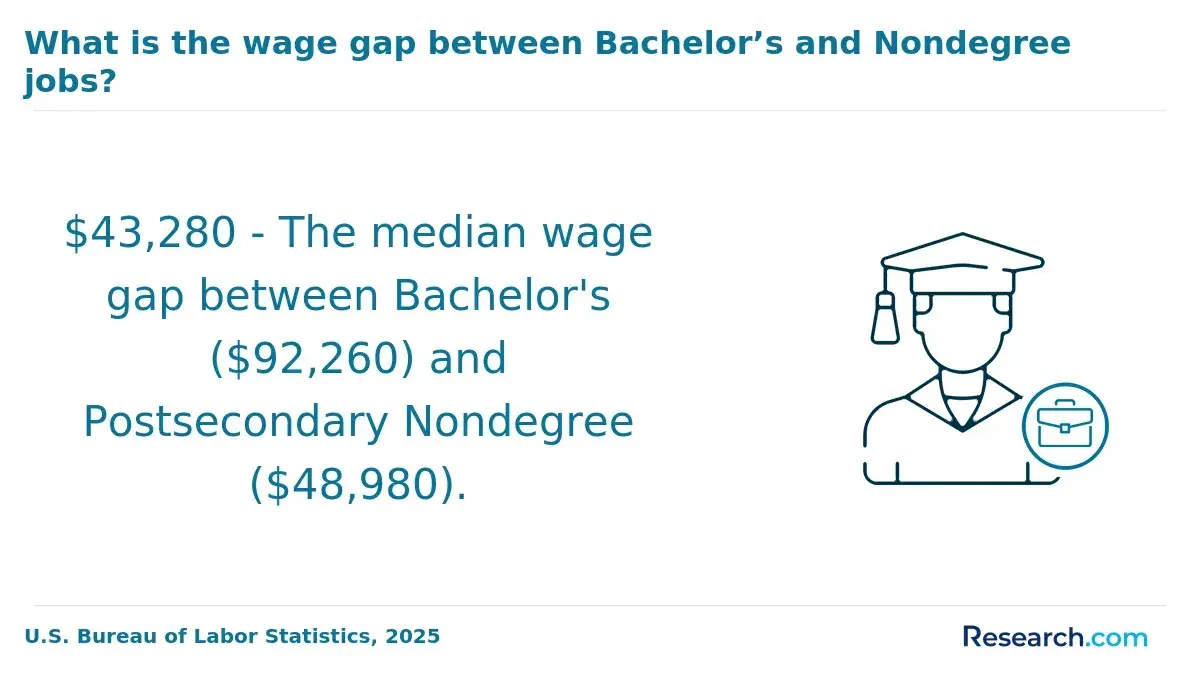
Remote Information Technology jobs generally pay less than on-site roles, with a 10% to 15% average pay gap for workers living in lower-cost regions. However, some employers aim for salary parity, especially in competitive tech hubs where remote and on-site salaries align more closely to retain talent.
Compensation packages vary widely due to geographic pay localization. Many firms adjust salaries based on local cost-of-living or regional averages, rather than offering flat national rates. This practice means identical roles can have differing pay depending on where employees live, influencing graduates' decisions based on personal location.
A 2024 workforce study found that 38.7% of companies provide remote workers with dedicated home-office stipends. These stipends help offset base salary reductions but do not fully replace the value of travel allowances or on-site benefits, illustrating the nuanced trade-offs between pay and remote work expenses.
Entry-level Information Technology graduates must balance salary differences with savings on commuting and improved flexibility. Understanding an employer's remote pay strategy is crucial to evaluating total compensation beyond headline salary figures in this evolving job market.
What benefits do remote Information Technology employees receive?
Remote Information Technology employees often receive benefit packages that extend beyond conventional offerings, reflecting the unique demands of flexible work environments. For example, a junior developer working for a midsize software firm may gain critical support through equipment stipends and flexible paid time off, allowing focus on deliverables without technology or burnout distractions. Such benefits directly impact job satisfaction and productivity by addressing challenges of decentralized settings. The following list outlines key benefit programs common among remote IT roles and why they matter for sustaining performance and engagement.
- Healthcare and Retirement Plans: Employers typically offer traditional healthcare options expanded to cover wide geographic areas, ensuring remote workers have essential medical and financial safety nets. Competitive retirement plans remain vital for long-term financial security amid uncertain freelance or contract transitions.
- Home Office Equipment Stipends: Monthly or annual allowances reimburse hardware, software, or ergonomic furniture expenses. This investment prevents technical disruptions and health issues that could arise from poorly equipped workspaces.
- Flexible Paid Time Off Policies: Flexible PTO acknowledges the blurred work-life boundaries remote roles often create. It helps maintain mental health and prevents burnout, enabling sustained engagement and productivity.
- Professional Development Support: Coverage for certifications and training courses promotes ongoing skill advancement, which is critical in fast-evolving IT fields to remain competitive and adaptive.
Industry data shows 63% of IT employers now allocate stipends for remote work expenses, correlating with a 12% higher workplace satisfaction among remote tech employees, according to recent organizational studies. This trend highlights the shifting employer focus from salary alone toward comprehensive support packages that underpin retention and job performance.
One remote software analyst shared that initially, the offered PTO seemed standard until the company introduced flexible scheduling and periodic home office reimbursements. They recalled, "Having a budget to upgrade my chair and monitor relieved constant back pain, making long coding sessions manageable. The ability to take PTO without rigid schedules allowed me to care for my family during a personal crisis without guilt. These perks felt like genuine investment in my wellbeing, which made tough deadlines less stressful." This mixture of tangible equipment support and adaptable time off proved decisive in their commitment to stay within the remote workforce despite occasional isolation challenges.
Where can Information Technology graduates look for remote jobs?
Securing remote roles for Information Technology graduates requires a strategic mix of platforms offering both broad visibility and specialized focus. For example, a recent graduate targeting a cybersecurity analyst role might find general job boards overwhelming, missing niche opportunities. Instead, leveraging sector-specific marketplaces and professional communities can reveal positions not openly advertised, a critical advantage given that 62% of remote entry-level tech hires come through targeted talent platforms or networking, according to recent recruitment data. Below is a breakdown of key online channels useful for remote job hunting in IT.
- AngelList: AngelList connects candidates predominantly with startups, which often provide flexible and remote-friendly work environments. Its model allows job seekers to engage directly with founders and hiring managers, facilitating early communication on expectations and culture fit crucial to remote success.
- Dice: Dice focuses on technology-oriented roles and prioritizes skills matching through keyword filters and tailored job alerts. This specificity reduces time sifting through unrelated listings and increases exposure to openings requiring detailed technical expertise.
- GitHub: GitHub functions both as a collaborative development platform and a networking site where contributions serve as practical portfolios. Recruiters actively review candidates' repositories, enabling transparent assessment beyond resumes, which is vital when hiring remote talent.
- Stack Overflow Jobs: This platform offers a curated list of technical vacancies with emphasis on community validation. User reputation and knowledge-sharing elements contribute to a more informed hiring process, aligning candidate expertise with employer needs.
- Reddit Communities: Subreddits dedicated to IT fields, such as cybersecurity and software development, create informal yet influential hubs for unadvertised roles, referrals, and peer advice, offering a grassroots alternative to traditional job boards.
What do Information Technology employers look for in candidates?
Information Technology employers hiring for remote roles prioritize candidates demonstrating a combination of validated skills, practical experience, and technical fluency. For example, a candidate who has built a project portfolio showing successful implementation of cloud infrastructure in asynchronous team settings gains distinct advantage. Employers screen applicants to quickly identify those who can navigate specialized platforms and deliver measurable results in distributed environments. Key qualifications typically include the following areas:
- Cloud Computing Proficiency: Mastery of platforms like AWS or Azure is essential. Employers assess familiarity with configuring, managing, and optimizing cloud resources, ensuring candidates can support scalable, remote-accessible infrastructures critical for continuity and performance.
- Industry Certifications: Credentials such as CompTIA Security+, Cisco's CCNA, or Certified Kubernetes Administrator validate applicants' foundational knowledge. These certifications serve as initial screens to reduce hiring risks by confirming that candidates meet baseline technical standards demanded by remote teams.
- Practical Coding and Systems Design: Real-world coding tests and system design challenges evaluate problem-solving under pressure. With 68% of remote IT employers requiring practical coding simulations, this skill set reflects the ability to debug, innovate, and maintain complex systems remotely.
- Portfolio of Relevant Projects: Demonstrating successful remote collaboration through a portfolio signals an applicant's adaptability and communication skills. This practical evidence often weighs more than theoretical knowledge, showing the ability to handle remote workflows efficiently.
- DevOps Tool Experience: Knowledge of tools like Docker and Jenkins highlights automation and continuous integration competencies. These attributes streamline deployment cycles and team coordination in asynchronous settings, which are critical in remote work structures.
These hiring trends for Information Technology graduates emphasize ongoing skill upgrades and portfolio development for sustainable remote careers. Candidates are encouraged to explore online degree programs for seniors or others that offer flexibility and credit transfer options to accelerate degree completion while building these skills.
How can Information Technology graduates prepare for remote roles?
Information Technology graduates seeking remote roles must strategically align their skills with the realities of distributed work. Success depends on mastering digital collaboration tools, earning practical certifications, and demonstrating capability through project portfolios. For example, a graduate applying to a remote cloud support role will need proficiency in both cloud platforms and asynchronous communication tools. The following strategies outline essential preparations for these flexible roles.
- Master Collaborative Technologies: Proficiency in platforms like GitHub, Slack, Jira, and cloud services such as AWS or Azure is critical. These tools facilitate remote project management and communication, enabling graduates to integrate seamlessly into virtual teams and maintain productivity without direct supervision.
- Obtain Relevant Certifications: Earning credentials like CompTIA Security+ or AWS Certified Solutions Architect bridges theory and practical skills. Certifications validate specialized knowledge and increase employability by signaling readiness for the demands of remote IT positions that often require secure, scalable, and efficient system management.
- Develop a Project Portfolio: Showcasing independent work such as web applications or automation scripts serves as tangible evidence of job readiness. Research indicates graduates with portfolios demonstrating applied skills have a 27.4% higher hireability rate for remote roles compared to those relying solely on academic qualifications.
- Establish Reliable Remote Infrastructure: Ensuring high-speed internet, capable hardware, and effective video conferencing tools is indispensable. A dependable tech setup eliminates workflow interruptions, allowing immediate contribution and aligning with employer expectations for seamless remote operation.
- Foster Self-Management Skills: Remote IT roles require disciplined time management and proactive communication. Graduates must cultivate habits for timely reporting and accountability to offset the lack of in-person oversight commonly found in on-site roles.
Information Technology graduates preparing for flexible remote IT roles in the technology sector benefit from combining digital tool proficiency with hands-on experiences and recognized certifications. Some may also consider exploring specialized pathways like GIS degree programs, which increasingly offer remote options aligned with workplace demands.
How can Information Technology graduates if remote roles are a good fit for them?
Information Technology graduates fit well into remote roles when they critically assess whether their personal traits and work preferences match the unique demands of distributed work environments. For instance, a graduate who thrives in structured team settings but struggles with managing distractions might quickly find remote work isolating and less productive. To gauge fit, graduates should consider several practical criteria that affect daily performance and long-term satisfaction in remote positions. Below are key factors to evaluate before committing to remote IT roles.
- Self-Discipline and Time Management: Remote employees must consistently deliver results without direct oversight. Aspiring IT professionals should honestly assess their ability to maintain focus and adhere to schedules independently, as lapses here often lead to missed deadlines and burnout in flexible setups.
- Communication Proficiency: Strong written communication skills are essential, as clear and concise interaction over email, chat, and video calls compensates for lack of in-person cues. Graduates should consider their comfort and competence in remote collaboration tools to avoid miscommunication and project delays.
- Technical Readiness and Workspace: Reliable technology and a distraction-minimized home office form the foundation of productive remote work. Evaluating one's access to stable internet, hardware, and software helps ensure smooth daily operations and reduces stress from technical disruptions.
- Comfort with Social Isolation: Since remote roles often limit face-to-face interaction, graduates must anticipate how reduced in-person networking impacts their motivation and career development. Reflecting on personal social needs and strategies for staying connected is key to preventing isolation-related disengagement.
- Preference for Autonomy and Project Variety: Remote IT work often demands independent task management and problem-solving. Graduates should consider if they enjoy handling diverse assignments solo rather than constant team direction, which influences their engagement and skill growth.
- Understanding Pay Structure and Growth Potential: Remote jobs can differ in compensation and advancement opportunities based on geography and company policy. Careful research into these factors helps graduates align expectations with financial and professional goals.
- Work-Life Boundary Management: With blurred lines between personal and professional time, setting clear routines is critical. Graduates should evaluate their ability to establish boundaries to avoid burnout and maintain mental well-being.
A recent workforce study found that 29.7% of IT employees experience significant professional isolation in remote roles, despite 48.3% valuing better work-life balance, underscoring the trade-offs involved. This evidence highlights why self-assessment along these criteria can prevent premature dissatisfaction and turnover.
One Information Technology graduate shared that their decision to pursue a remote role came after realizing a daily commute and rigid office hours consistently drained their energy. Initially hesitant about working without direct supervision, they started with part-time remote projects to test their self-discipline and communication skills. Over several months, they noticed improved focus within a dedicated home workspace and adapted by scheduling regular virtual check-ins with colleagues, which eased feelings of isolation. Balancing flexible hours with clear work boundaries became central to sustaining productivity and mental health. This stepwise exploration helped confirm the remote path suited their personality and career ambitions, avoiding costly missteps early on.
References
- Admission https://www.i.u-tokyo.ac.jp/edu/course/cs/admission_e.shtml
- Université de Technologie Européenne https://www.univ-tech.eu/competitiveness
- Is a Tech Career Right For You? 3-Minute Quiz - Skillcrush https://skillcrush.com/blog/is-a-tech-career-right-for-you/
- 2025 Most Affordable Online IT Degrees https://www.onlineu.com/most-affordable-colleges/information-technology-degrees
- Technology Competitiveness - Portulans Institute https://portulansinstitute.org/technology-competitiveness/
- Building a Better Future: How Online Student Resources Enhance Learning https://lakewood.edu/building-a-better-future-how-online-student-resources-enhance-learning/
- Online Bachelor of Science in Information Technology (BSc) - Swiss School of Business and Management Geneva https://www.ssbm.ch/online-bachelor-of-science-in-information-technology-bsc/
- How Technology in Education Improves Student Engagement https://www.acc.edu.au/blog/technology-improves-student-engagement/
- What Benefits You Can Get With An IT Course? https://www.ucertify.com/blog/what-benefits-you-can-get-with-an-it-course/
- The European Commission Has Released An IT ... https://eutraining.eu/content/european-commission-has-released-it-specialists-competition
Other Things You Should Know About Information Technology
Remote roles often require greater self-discipline and proactive communication compared to on-site positions. Information Technology graduates should expect a steeper learning curve in managing their own visibility among supervisors and peers, which can slow recognition and promotion if not handled well. Prioritizing skill-building that enhances autonomy, such as mastering remote collaboration tools and delivering measurable results independently, tends to correlate with faster advancement in remote settings.
Remote Information Technology roles frequently come with fluctuating workloads because projects can be distributed globally and timelines may shift with different time zones. Graduates should anticipate periods of intense work followed by lulls and ensure their personal schedules accommodate this inconsistency. Neglecting to plan for workload swings can lead to burnout or disengagement, so choosing programs that train on time management and adaptability is crucial for long-term success.
Company culture plays a more pronounced role in remote environments because traditional cues like office interaction are absent. Information Technology graduates should prioritize researching how organizations support remote workers emotionally and professionally, such as availability of mentorship, feedback routines, and community building. Selecting employers whose remote policies match one's own working style and values significantly increases job satisfaction and retention.
While certifications demonstrate foundational knowledge, hands-on experience with remote project workflows carries more weight in hiring decisions. Graduates should focus on building demonstrable remote work portfolios, including contributions to virtual teams or open-source projects, as these better reflect readiness for remote roles. A balanced approach that supplements practical experience with targeted certifications tailored to remote tools and methodologies often yields the best outcomes.