2027 Public Administration Salary Trends Report: Are Wages Keeping Up With Tuition and Inflation?

Co-Founder and Chief Data Scientist
A prospective public administration student weighs the burden of rising tuition against expected starting salaries. Calculating whether future earnings will outweigh escalating education costs becomes a complex challenge amid fluctuating inflation. This scenario highlights the difficulty in assessing the true financial return of a public administration degree. Prospective and recent graduates must move beyond tuition sticker prices and salary figures alone to understand long-term value.
Salary growth, education expenses, and inflation often diverge, impacting purchasing power differently over time. Without considering these elements together, it is easy to overlook the broader economic forces that shape affordability and financial outcomes.
This article examines public administration salary trends alongside tuition increases and inflation rates. It explores the return on investment, affordability, and the key factors influencing the long-term financial value of earning a degree in this field.
Key Things to Know About Public Administration Salary Trends
- Graduates' median salaries in public administration rose 3.2% in 2024, trailing inflation increases near 4%; this gap diminishes net income gains, complicating return-on-investment calculations for tuition debt.
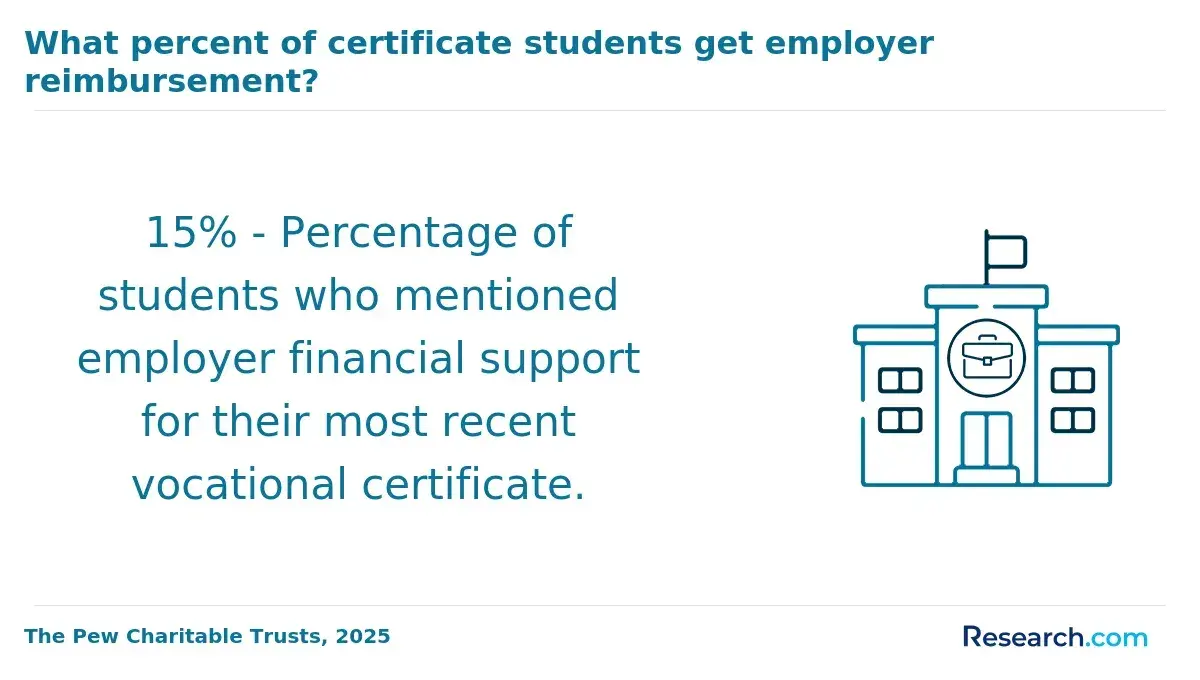
- Rising program costs now consume a larger share of expected early-career earnings, requiring careful evaluation of scholarships and employer tuition support to mitigate long-term financial strain.
- Specialization in budgeting or health policy correlates with 15-20% higher lifetime earnings, highlighting targeted credentialing as a critical factor in overcoming baseline wage stagnation.
- What Is the Current Salary Outlook for Public Administration Graduates? Salary Outlook
- Are Public Administration Salaries Keeping Up With Inflation? Inflation Impact
- How Do Tuition Costs Compare With Public Administration Salary Growth? Tuition vs Salary
- Does a Public Administration Degree Deliver a Positive Return on Investment? Degree ROI
- Which Industries Offer the Highest Salaries for Public Administration Graduates? Which Industries Offer the Highest Salaries for Public Administration Graduates?
- Which States and Cities Offer the Highest Pay for Public Administration Professionals? Which States and Cities Offer the Highest Pay for Public Administration Professionals?
- How Do Public Administration Salaries Grow Throughout a Career? Career Growth
- How Do Public Administration Salaries Compare With Similar Degrees? Salary Comparison
- How Is Employer Demand Affecting Public Administration Salary Trends? Employer Demand
- How Can Students Maximize Their Lifetime Earnings With a Public Administration Degree? Maximizing Earnings
What Is the Current Salary Outlook for Public Administration Graduates?
The current wage outlook for public administration graduates in 2024 reveals a nuanced reality shaped by sector, experience, and location. According to recent data from the U.S. Bureau of Labor Statistics and the National Association of Schools of Public Affairs and Administration, starting salaries typically range from about $50,000 to $58,000, with median wages for professionals in government and nonprofit roles climbing closer to $65,000 to $70,000.
However, two graduates with the same degree may experience very different outcomes: one entering local government might start near $58,000 with slower growth, while another with specialized skills in data analysis in a federal agency could begin near $70,000 and access faster wage progression. This scenario underscores how sector choice and skill specialization critically influence initial compensation and future earnings in public administration.
Interpreting the public administration graduate salary trends 2024 requires considering more than just entry-level pay. Inflation, which rose about 4% last year, has outpaced some wage increases, reducing real income gains, especially for recent graduates facing growing tuition debt.
Nevertheless, long-term outlooks remain steady; employment in related public sector roles is projected to grow 6% through 2032, which often translates into better salaries and promotion opportunities over time. Prospective students should weigh these tradeoffs carefully as they explore options like affordable MBA programs that may further enhance career mobility and earning potential beyond entry-level positions.
Are Public Administration Salaries Keeping Up With Inflation?
Nominal wage increases in public administration often mask a deeper economic reality where purchasing power erodes despite apparent salary growth. For instance, recent data from the U.S. Bureau of Labor Statistics reveals that the average annual wage increase for public administration-related occupations is around 3.1%, while inflation, measured by the Consumer Price Index, stands at approximately 4.2%.
This means that even as salaries rise, they fail to outpace inflation, resulting in a real income decline that affects professionals' ability to cover rising living costs. A mid-level government administrator earning a modest increase may find that essentials like housing and transportation have become less affordable, highlighting the tangible impact of inflation on the workforce.
The impact of inflation on public administration wages is also influenced by constrained public budgets and political decisions that limit salary growth despite rising costs of living. This dynamic complicates recruitment and retention, as individuals weigh public service benefits against stagnating or declining real wages.
For students and career changers, this becomes a critical consideration when evaluating long-term earning potential against the rising tuition costs for public administration programs, which have historically outpaced wage growth. Exploring options like an online psychology master's or other fields may offer more competitive financial trajectories in a more inflation-resilient job market.
How Do Tuition Costs Compare With Public Administration Salary Growth?
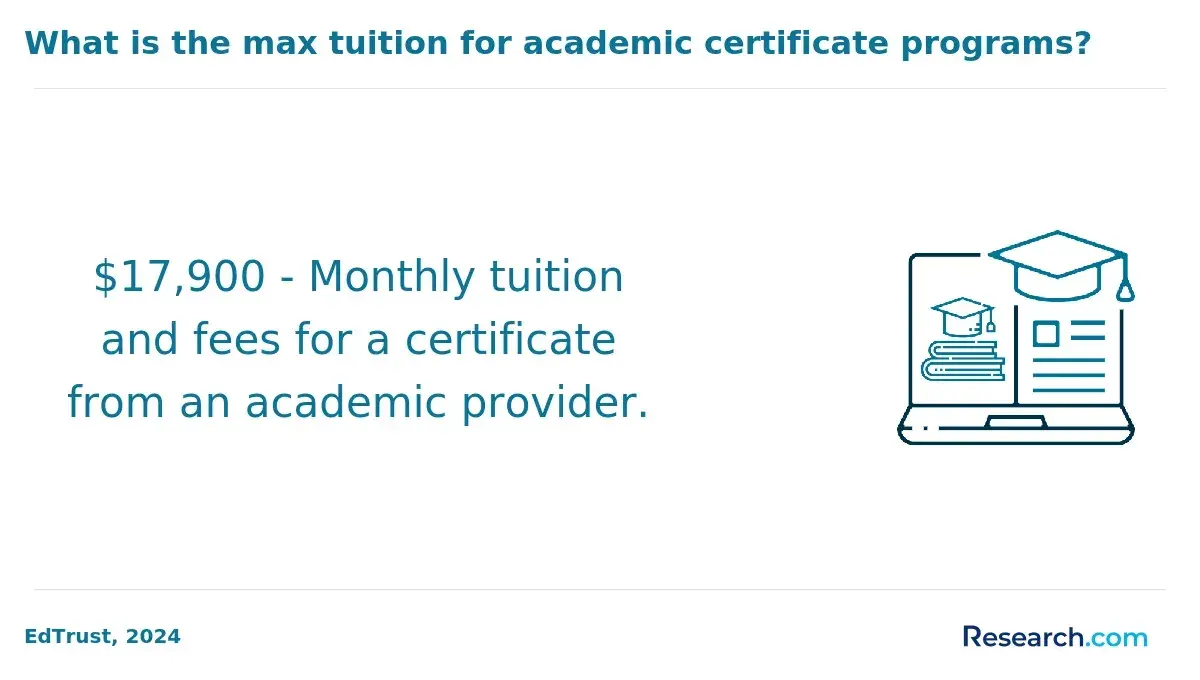
Evaluating tuition costs alongside salary growth provides a clearer picture of the financial realities tied to earning a public administration degree than examining these figures separately. According to 2024 data from the National Center for Education Statistics and the Bureau of Labor Statistics, tuition for a master's in public administration has risen roughly 4.5% annually over five years, outpacing inflation, while early-career salaries increase at about 2.8% per year.
This disparity means that initial educational debt grows faster than likely starting salaries, shaping the financial burden new graduates encounter. For example, a student facing $30,000 in annual tuition costs today may find that their early salary growth is insufficient to keep pace with loan repayments and living expenses, especially compared to someone who completed their degree five years earlier when tuition was significantly lower.
Several factors influence how tuition and salary trends align for public administration graduates, including geographic job markets, sector-specific demand, and individual financial aid packages. Mid-career salaries, which can reach $85,000 to $95,000, often grow closer to or exceed inflation, partially offsetting early earnings challenges.
However, these gains typically materialize only after several years, meaning the initial years post-graduation require careful budgeting and realistic expectations. Students with robust financial support or lower tuition debt may experience the cost-salary dynamic less acutely, while others without such advantages must weigh the risk of escalating tuition relative to delayed salary growth carefully.
One graduate recalled hesitating before enrolling in a top-tier public administration program amid rising tuition announcements. Balancing a full-time job and part-time enrollment, they relied heavily on employer tuition assistance, wary of accruing unmanageable debt given the modest starting salary increases.
Despite concerns, they viewed their education as a long-term investment, noting that mid-career opportunities in government roles eventually improved financial stability. Their experience highlights how access to external support and patience in salary growth timelines critically shape whether rising tuition costs meaningfully impact lifetime earnings from the degree.
Does a Public Administration Degree Deliver a Positive Return on Investment?
Return on investment (ROI) in higher education means weighing the total cost of earning a public administration degree against the long-term financial and professional benefits it can bring. This calculation goes beyond initial salaries, focusing on career trajectory, promotional opportunities, and wage growth over time.
For example, a graduate who incurs $50,000 in tuition fees may start with a modest salary that grows steadily, eventually surpassing inflation-adjusted thresholds after a decade or more as they move into managerial roles. Data from the Urban Institute in 2024 shows tuition for these programs increased roughly 30% over ten years, while salary growth averaged only about 15% when adjusted for inflation, revealing a gap that new graduates should realistically anticipate.
Several factors shape whether a public administration degree yields a positive ROI. Graduates who enter sectors like government, nonprofits, or private consulting often benefit from promotions that significantly boost earnings, typically outpacing inflation after the mid-career point.
Conversely, those in entry-level roles with stagnant wages may struggle to recoup upfront costs quickly. Employer tuition assistance, geographic location, and individual career choices also critically influence financial outcomes. The Partnership for Public Service highlights that for many, it can take 10 to 15 years before salary gains meaningfully offset initial educational expenses, underscoring the importance of a strategic, long-term perspective when evaluating this degree's value.
Which Industries Offer the Highest Salaries for Public Administration Graduates?
The salary prospects for public administration graduates vary notably depending on the industry sector they enter. Understanding which sectors provide the strongest earning potential and career opportunities requires examining not only pay scales but also job stability and regional factors.
For example, a recent graduate working as a budget analyst in the federal government might start with a lower salary than a healthcare administrator at a large urban hospital but benefit from stronger pension plans and job security. Such tradeoffs highlight why prospective students should consider more than salary alone when evaluating opportunities. The top-paying sectors for public administration degree holders by region illustrate these nuances clearly.
Industries that typically offer the highest salaries for public administration graduates include:
- Federal Government: Often the highest-paying sector for public administration roles, federal agencies such as the Congressional Budget Office and the Office of Management and Budget offer competitive salaries combined with comprehensive benefits. Common roles include policy advisors, program managers, and budget analysts, where advanced degrees and experience with regulatory compliance increase earning potential.
- Healthcare Administration: Growing demand for healthcare management professionals in public health organizations and hospital systems has driven salaries up. Positions like hospital CEOs and public health administrators require strong leadership skills and understanding of healthcare policies, making this one of the top-paying sectors.
- Nonprofit Management: Large international and philanthropic organizations often pay well for expertise in grant-making, strategic planning, and program evaluation. Public administration graduates with skills in fundraising and policy implementation tend to secure higher compensation here.
- Consulting Services: Firms advising public agencies and nonprofits on policy implementation and organizational efficiency offer lucrative roles. Consultancy positions reward strong analytical capabilities and sector-specific knowledge, creating opportunities for higher earnings.
- State and Local Government: Particularly in metropolitan areas, roles in urban planning, emergency management, and public safety administration provide competitive wages. While not always matching federal salaries, these positions benefit from union representation and pensions that enhance total compensation.
According to data from the U.S. Bureau of Labor Statistics and the National Association of Schools of Public Affairs and Administration, these sectors continue to dominate top-paying roles for public administration-related occupations nationwide.
Students and career changers considering a public administration degree should also explore interdisciplinary fields and may find value comparing fields like social media marketing, where a social media marketing major attracts different salary dynamics but shares comparable analytical and management skill sets.
Which States and Cities Offer the Highest Pay for Public Administration Professionals?
The potential salary for public administration professionals varies considerably across different states and metropolitan areas, shaped by local economic conditions and sectoral demand. While some regions offer salaries well above the national median, these elevated wages often coincide with significantly higher living costs, making the net financial benefit less clear-cut.
Understanding these tradeoffs is crucial for students and recent graduates assessing whether the investment in a public administration degree will yield sustainable financial returns given their preferred geographical and professional context. Below are key locations where public administration wages tend to be the most competitive, along with factors influencing these outcomes.
- Washington, D.C.: This metropolitan area boasts median wages for public administration roles exceeding $90,000, driven largely by a dense concentration of federal agencies, nonprofits, and consultancy firms. While salaries are the highest nationally, candidates must weigh the steep housing costs and general expenses typical of the D.C. market against these earnings.
- California (San Francisco Bay Area and Los Angeles): Median salaries range between $75,000 and $85,000 due to complex governance structures and robust nonprofit sectors. However, the substantial cost of living and housing market volatility in these cities dilute income gains, requiring prospective workers to consider long-term affordability.
- New York City: Offering salaries near $80,000, New York's vast municipal and nonprofit employment landscape supports these relatively high wages. The city's traditionally high living expenses can significantly impact disposable income despite the nominal pay advantages.
- Ohio: States like Ohio provide median public administration salaries in the $50,000-$60,000 range but benefit from lower overall living costs. This balance can translate to more tangible purchasing power and financial stability for professionals starting their careers.
- Georgia: Similarly, Georgia's evolving urban centers provide moderate wages alongside affordable housing and living expenses, presenting a more sustainable entry point for graduates reconciling salary expectations with cost pressures.
How Do Public Administration Salaries Grow Throughout a Career?
Public administration salaries generally begin in the $45,000 to $55,000 range for entry-level roles like administrative assistants or junior coordinators, reflecting data from the U.S. Bureau of Labor Statistics in 2024. Early career growth tends to be modest, with annual raises averaging 3% to 5% as professionals accumulate experience and credentials.
Advancement into mid-level positions often aligns with earning a master's degree or gaining managerial experience, where salaries rise to roughly $70,000 to $90,000, according to the National Association of Schools of Public Affairs and Administration.
However, two graduates with the same degree may see divergent earnings depending on career decisions: one focusing on acquiring specialized skills and leadership roles in municipal government may progress faster, while another remaining in generalist roles might see slower salary increases despite similar experience.
Senior-level salaries in public administration can exceed $100,000, especially for those working in large city governments, federal agencies, or nonprofits, where responsibilities and decision-making authority are greater. Yet, wage growth at this stage is less frequent and often tied to promotions or expanded duties, underscoring the importance of continuous professional development and networking.
Geographic location, sector, and additional certifications or education typically influence long-term earnings more than tenure alone. For example, a public administration professional in a metropolitan area with certifications in budgeting or policy analysis may secure higher compensation than a peer in a smaller market, despite equivalent years of service.
One graduate recalled hesitating to pursue further credentials after entering the workforce, initially content with steady raises in a regional government position. However, after a few years, observing slower growth compared to colleagues prompted a decision to complete a master's degree and obtain budget management certification.
This strategic move led to a promotion and a significant salary boost, alleviating earlier concerns about whether the educational investment would be justified amid rising living costs and tuition fees.
How Do Public Administration Salaries Compare With Similar Degrees?
Salaries for public administration graduates generally start lower than some comparable degree fields but offer steady growth and greater job stability, especially in government roles. Recent data from the U.S. Bureau of Labor Statistics and the National Association of Colleges and Employers shows starting median salaries for public administration hover between $50,000 and $60,000 annually.
This salary range, while modest, reflects roles that emphasize public service and societal impact rather than swift income gains. Balancing these considerations against the cost of rising tuition and inflation is crucial for prospective students. Below is a comparison of public administration salary outcomes against similar degrees based on recent authoritative data.
- Business Administration: Graduates starting with business administration degrees typically earn median salaries closer to $65,000. These roles often lead to private sector management positions with higher earning potential due to profit-driven environments and broader industry demand, which explains their stronger salary trajectory over time compared to public administration.
- Political Science: Starting salaries for political science graduates are usually around $55,000. Careers often involve policy analysis or government work, similar to public administration, but the slightly higher median is influenced by opportunities in lobbying, consulting, or legal fields requiring specialized expertise.
- Law and Economics: These degrees command notably higher starting salaries, frequently exceeding $70,000, because they demand technical skills and qualifications suited for specialized roles with higher market value, such as legal counsel or economic analysis positions, making them less directly comparable in broad public service contexts.
- Public Administration: While the salary range is comparatively lower, averaging $50,000 to $60,000 initially and growing into the $70,000 to $85,000 range mid-career, the field offers greater job security and incremental wage growth that can be attractive for those valuing stability over rapid financial gain.
For those weighing education paths, integrating public administration studies with graduate education or specialized skills may be necessary to reach competitive salary levels akin to related fields.
Additionally, exploring what jobs can you get with an AI degree might offer alternative routes to higher earning potential. Understanding public administration salary comparison with similar degrees reveals its distinct real-world tradeoffs, emphasizing public service motivation alongside moderate financial returns.
How Is Employer Demand Affecting Public Administration Salary Trends?
Employer demand significantly shapes salary trends within public administration by influencing how competitive organizations are in recruiting qualified talent. For instance, as government agencies and nonprofit sectors expand programmatic efforts, the demand for policy analysts and program managers rises, often leading to more aggressive compensation strategies to attract skilled candidates.
Still, strong employer demand does not guarantee uniform wage growth because factors such as organizational budgets and economic conditions temper salary increases. A realistic scenario is a recent graduate entering a midsize city government facing increased competition among agencies for professionals with strategic management expertise, which might result in a slightly higher starting salary but still constrained overall by budget limits.
According to the U.S. Bureau of Labor Statistics data updated in 2024, public administration-related occupations have seen moderate growth in job openings, which typically supports some wage growth; however, the average increases have lagged behind inflation nationally. This divergence highlights an important dynamic in public administration employer demand trends, where rising tuition and inflation costs outpace salary gains for many positions.
Critical factors shaping demand include the need for advanced degrees and specialized skills such as data analysis, which can enhance earning potential but do not fully offset economic pressures or shifts toward part-time employment. Prospective students should weigh these market realities carefully when considering the long-term value of a degree in public administration.
While demand influences salaries, the complex interplay of experience, specialization, and policy priorities moderates pay scales across different regions. Those aiming to enhance career prospects might explore related fields or interdisciplinary roles, including forensic careers, which sometimes offer alternative paths with distinct demand and compensation patterns.
Ultimately, employer demand boosts hiring activity and can accelerate wage growth but often within the constraints of public sector budget environments and broader economic factors.
How Can Students Maximize Their Lifetime Earnings With a Public Administration Degree?
Maximizing lifetime earnings with a public administration degree requires purposeful decisions beyond completing coursework. Recent data from the U.S. Bureau of Labor Statistics (2024) and the National Association of Colleges and Employers (2024) pinpoint several factors that strongly influence long-term financial growth for graduates.
Career trajectories that lead to senior management or specialized roles significantly increase earnings over time. The following targeted strategies provide actionable pathways to achieve these outcomes.
- Advanced Credentials: Obtaining a Master of Public Administration (MPA) or certifications like Certified Public Manager (CPM) typically results in higher salaries and quicker promotions by signaling expertise and commitment to the field.
- Geographic Flexibility: Relocating to urban centers or regions with a dense government presence offers better compensation and expanded opportunities, reflecting regional economic disparities highlighted by NACE.
- Specialized Skills Development: Focusing on in-demand competencies such as data analytics, public finance, and project management enhances marketability and positions graduates for high-responsibility roles.
- Strategic Networking: Building connections through internships and professional relationships in government agencies or nonprofits opens doors to leadership tracks and exclusive job openings.
- Sector Diversification: Targeting sectors like federal government, healthcare administration, or environmental policy increases job stability and wage growth potential due to steady demand.
- Early Career Positioning: Prioritizing roles with managerial or policy analysis responsibilities early accelerates career progression, as demonstrated in labor market trends.
References
- What Does a Public Administrator Do? https://www.allbusinessschools.com/public-administration/career-paths/
- MPA Careers and Salaries https://teach.com/online-ed/government-degrees/online-masters-public-administration/mpa-careers/
- The price of college is rising faster than wages for people with degrees | USAFacts https://usafacts.org/articles/is-college-worth-it-the-price-of-college-is-rising-faster-than-wages-for-people-with-degrees/
- Is College Worth It? A Comprehensive Return on Investment Analysis - FREOPP https://freopp.org/whitepapers/is-college-worth-it-a-comprehensive-return-on-investment-analysis/
- Masters in Public Administration Salary Outlook https://www.careersinpublichealth.net/resources/masters-public-administration-salary-outlook/
- What Can I Do With a Master’s in Public Administration? https://www.callutheran.edu/programs/articles/what-can-do-with-masters-public-administration/
- Online Guide to Public Administration & Policy Careers https://publicadministrationpolicy.org/career/
- 5 High-Paying Public Administration Jobs | TUW https://www.tuw.edu/school-news/5-top-paying-public-administration-jobs/
- Average Cost of College [2025]: Yearly Tuition + Expenses https://educationdata.org/average-cost-of-college
- Public sector pay trends: A post-pandemic analysis https://www.jobsgopublic.com/public-sector-salary-trends-report
Other Things You Should Know About Public Administration
Unpaid internships often serve as gateways to entry-level roles in public administration but can delay income growth and increase debt burdens. While these positions may offer valuable experience and networking opportunities, students must balance immediate financial strain against potential long-term salary gains. Prioritizing internships with clear pathways to paid employment or substantial professional development can mitigate risks associated with lost wages during training periods.
Advanced certifications can provide a competitive edge by signaling specialized expertise to employers, but their impact on salary varies widely across sectors and job roles. In some agencies, certifications may accelerate promotions or salary steps, while in others, they add little quantifiable value beyond the degree itself. Students should evaluate the cost and time investment in certifications relative to concrete employer expectations and the specific subfield they intend to enter.
Positions reliant on grant funding often face salary volatility tied to political priorities and budget cycles, resulting in less predictable income trajectories. This instability can limit long-term financial planning and increase job insecurity despite nominal wage levels that may appear competitive initially. Graduates are advised to seek roles with diversified funding sources or those embedded within stable government budgets to safeguard salary stability over time.
Simply comparing nominal salaries ignores significant regional variations in living costs that affect real income and purchasing power. A salary that appears sufficient in one city may fall well short in another with higher housing and transportation expenses. Prospective students should prioritize programs and employment markets where adjusted wages align more closely with their financial realities rather than rely on headline salary averages that omit contextual cost factors.