2027 Online vs Campus Public Administration Outcomes Report: Graduation Rates, Cost, and Career Trade-Offs

Co-Founder and Chief Data Scientist
Balancing previously earned credits while choosing between online and campus public administration programs poses a significant challenge for working professionals. In 2024, only 58% of institutions accepted over 75% of transfer credits, highlighting systemic barriers that prolong degree completion and inflate costs. This selective credit acceptance reveals a broader institutional reluctance to accommodate non-traditional learners, often forcing students to retake courses or extend their studies. Additionally, graduation rates vary notably between delivery modes, affecting time-to-degree and long-term career outcomes. This article assesses graduation rates, total expenses, and career trade-offs associated with online versus campus public administration education to guide informed decision-making.
Key Things to Know About Online vs Campus Public Administration Outcomes
- Graduation rates for campus-based public administration programs average about 60% within six years, compared to roughly 45% for online, reflecting in-person cohort dynamics that support completion but limit flexibility.
- Average total costs for online programs tend to be 15-25% lower than campus equivalents, primarily due to reduced fees and travel, impacting budget-conscious students but potentially affecting institutional resource access.
- Employers report a modest preference for campus graduates in leadership roles, citing stronger experiential learning and networking, which shapes career trajectories and advancement opportunities in public sector environments.
- Key Things to Know About Online vs Campus Public Administration Outcomes Key Things to Know About Online vs Campus Public Administration Outcomes
- What Are the Biggest Differences Between Online and Campus Public Administration Program Outcomes? Online vs Campus Outcomes
- How Do Graduation Rates Compare Between Online and Campus Public Administration Programs? Comparing Graduation Rates
- Why Do Online and Campus Public Administration Students Have Different Completion Rates? Why Completion Rates Differ
- How Do Online and Campus Public Administration Programs Compare on Total Cost? Total Cost Comparison
- What Hidden Costs Should Students Expect in Online vs Campus Public Administration Programs? Hidden Program Costs
- How Does Financial Aid Affect the Cost of Online and Campus Public Administration Programs? Financial Aid Impact
- Do Online and Campus Public Administration Graduates Have Different Career Outcomes? Comparing Career Outcomes
- How Do Employers View Online vs Campus Public Administration Degrees? How Do Employers View Online vs Campus Public Administration Degrees?
- Which Public Administration Degree Format Offers Better Flexibility for Working Adults? Which Public Administration Degree Format Offers Better Flexibility for Working Adults?
- How Should Students Choose Between an Online and Campus Public Administration Program? Choosing Your Program Format
What Are the Biggest Differences Between Online and Campus Public Administration Program Outcomes?
Cost considerations extend beyond sticker tuition; online public administration students often face additional expenses such as technology fees and proctored exam costs, which, combined with typically higher average debt from attending less selective institutions, complicate the financial equation. Campus students, by contrast, benefit from broader access to institutional aid and scholarships, often reducing net costs despite potentially higher upfront fees. Prospective students looking for budget-conscious options might explore the cheapest online colleges that accept FAFSA, but must also weigh these factors against longer debt exposure and delayed graduation timelines.
Employer preferences and career trajectories further differentiate these program paths. Many value experiential learning components such as internships and practicums more common in campus-based public administration programs, which enhance field readiness and professional networking. Online students might trade off this immersive experience for geographic flexibility and scheduling convenience but risk weaker engagement with peer and faculty networks that support timely career transitions. Understanding how these dynamics interact with individual goals and local labor market demands is crucial for students navigating the distinct costs and career trade-offs in public administration learning formats.
How Do Graduation Rates Compare Between Online and Campus Public Administration Programs?
Graduation rates in public administration programs differ substantially based on the delivery method, reflecting underlying variations in student profiles and institutional support structures. Campus-based programs typically report completion rates near 60% within six years, driven largely by full-time students who benefit from consistent course pacing, cohort interactions, and direct access to faculty and campus services. Online programs, by contrast, tend to have rates closer to 35-45%, a gap influenced by a higher proportion of part-time learners juggling work, family, or other commitments, which can delay progression despite the formal rigor often matching that of in-person options. Hybrid formats generally fall between these extremes, leveraging some in-person interaction that can bolster engagement and retention while retaining flexible scheduling for working students.
Raw graduation statistics can be misleading without accounting for program design and student circumstances. Online students often face uneven advising access, diverse academic preparation, and stop-out risks heightened by external demands, factors that campus settings mitigate through structured cohorts and on-site resources. Additionally, measurement discrepancies-such as varying definitions of enrollment status or inclusion of transfer students-complicate direct comparisons. Prospective students should weigh how these completion dynamics align with their personal situations, balancing the potential for a more immersive and timely campus experience against the scheduling flexibility online formats offer but with greater persistence challenges.
One recent graduate recalled hesitating before choosing an online program despite a full-time job and family obligations. Concerned that a self-paced format lacked the momentum and support structures of campus cohorts, they extensively researched attrition trends and talked to alumni about advising availability and cohort models. Ultimately, enrolling part-time online allowed managing commitments without commuting, though they remained vigilant about using academic support to prevent falling behind-a balancing act reflecting the nuanced trade-offs in online versus campus public administration completion paths.
Why Do Online and Campus Public Administration Students Have Different Completion Rates?
Differences in completion rates between online and campus public administration students primarily stem from the structural demands and demographic profiles inherent to each learning mode rather than academic quality alone. For example, online learners often juggle part-time enrollment alongside employment and family responsibilities, which extends time-to-degree and increases the risk of interruption or withdrawal. National data from the National Center for Education Statistics in 2024 highlight that over half of online public administration students attend part-time, compared to just one-fifth of campus counterparts, illustrating how enrollment patterns influence persistence and progression.
Campus programs typically benefit from built-in cohort dynamics, scheduled course sequencing, and direct access to advising and support services, which help maintain academic momentum and lower stop-out rates. Conversely, the asynchronous nature of many online offerings requires self-directed pacing, which can challenge students with inconsistent schedules or limited institutional touchpoints. For prospective students, understanding these differences means assessing not just graduation rates but also how their personal circumstances-such as work hours, need for peer interaction, and advising availability-align with program design elements that impact timely completion.
Moreover, demographic factors play a critical role: online students tend to be older, more diverse in educational backgrounds, and often return after breaks or transfer credits, complicating academic planning and counseling effectiveness. This heterogeneity requires institutions to adapt support frameworks to individual pacing and credit evaluation, which remains less developed in many online programs. Recognizing these operational realities helps learners interpret completion statistics beyond surface-level figures and make informed choices about whether an online or campus pathway best suits their capacity to sustain continuous enrollment and meet career objectives.
How Do Online and Campus Public Administration Programs Compare on Total Cost?
Total cost differences between online and campus public administration programs are shaped by more than just tuition rates, as practical factors like residency requirements, fees, and living expenses heavily influence the financial picture. While online tuition often runs about 10% to 20% lower, campus students face added mandatory charges for technology, health, and campus activities, along with significant housing and commuting costs that can exceed $12,000 annually. This tends to raise the overall expense for in-person learners, sometimes resulting in higher debt despite scholarship opportunities more frequently available on campus. On the other hand, online students may shoulder smaller technology fees but typically avoid relocation and transportation costs-a tradeoff particularly relevant for working professionals balancing studies with employment.
Choosing between online and campus formats impacts not only finances but also time-to-degree and debt planning. Online learners often benefit from employer tuition assistance and flexible pacing, which can reduce borrowing needs and support continuous employment, though transfer credit policies and program length influence total borrowing and completion rates. Evaluating these variables in the context of real-world demands is crucial; for example, a part-time student pursuing a public administration degree online may control costs better through employer support and avoid the extra indirect expenses that campus attendance entails. Prospective students weighing a cost comparison including these practical elements will find more nuanced insights than conventional sticker pricing, particularly when matching their educational path to career progression and lifestyle priorities. For those interested in an online counseling degree, similar cost dynamics and support opportunities apply within related fields.
What Hidden Costs Should Students Expect in Online vs Campus Public Administration Programs?
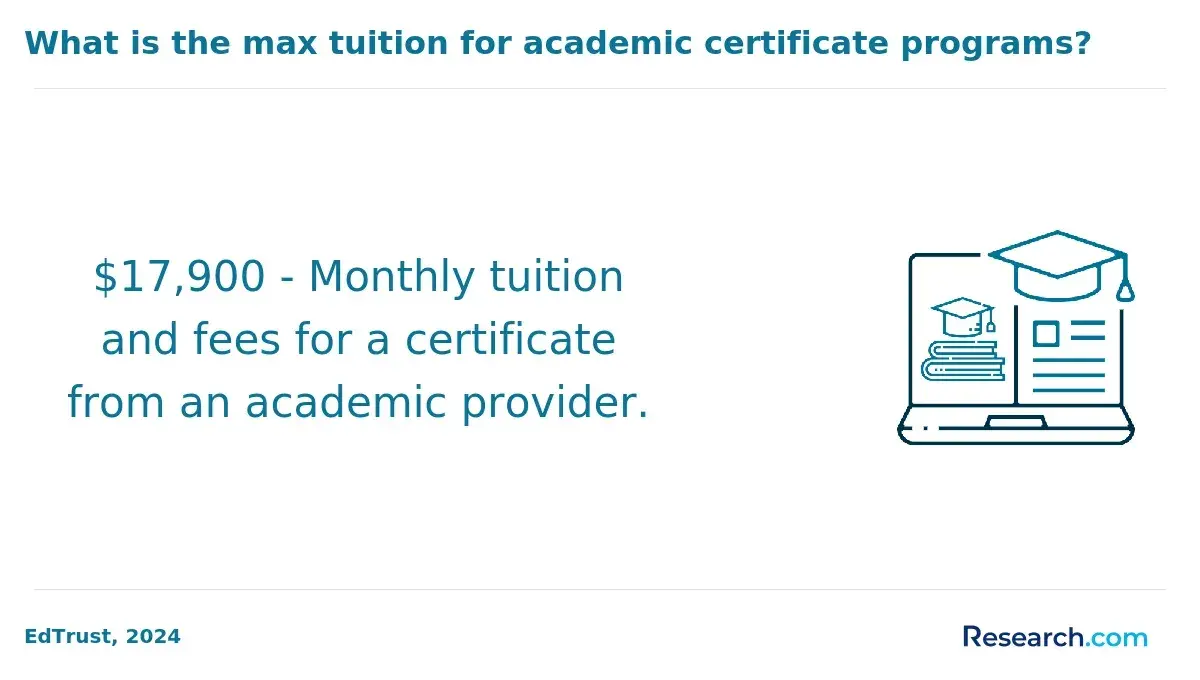
The total expenses of public administration programs extend well beyond tuition, with the format significantly shaping hidden costs that affect both budgeting and career planning. Online students often face additional technology fees, typically adding 5% to 10% on top of tuition, covering essential software and proctoring platforms required for remote participation. Meanwhile, campus-based students incur notable outlays for commuting, parking, and off-campus housing, which averages between $8,000 and $12,000 annually near many public administration programs, according to the College Scorecard 2024 data. These factors can complicate choices for students balancing full- or part-time employment, particularly those with childcare duties, due to the rigid scheduling and time lost to travel, which rarely appear in upfront cost estimates but materially impact net affordability and completion timelines.
Field internships introduce another critical dimension, where campus students may benefit from embedded local placements included in tuition, yet online learners often shoulder extra travel or accommodation expenses to fulfill these requirements independently. The U.S. Department of Education's 2024 report highlights that technology upkeep-ranging from hardware updates to reliable high-speed internet-can add $500 to $1,200 yearly for online participants, further narrowing the cost gap. Financial aid disparities also play a role; on-campus scholarships and work-study opportunities can be less accessible remotely, potentially increasing the net price for online students despite lower advertised costs. Ultimately, students must weigh these often-overlooked expenses relative to personal circumstances, academic pacing, and employment commitments when selecting program formats.
One recent graduate recalled hesitation after uncovering unexpected fees while comparing programs. Although the online program advertised a lower tuition rate, she found herself needing to budget separately for required specialized software licenses and higher internet costs, which campus students did not face. Meanwhile, onsite options demanded a costly monthly parking permit and limited childcare flexibility that threatened her job hours. This nuanced financial picture forced her to reconsider the supposed savings of each path, leading to a cautious yet informed decision aligning with her work-life balance rather than upfront sticker price alone.
How Does Financial Aid Affect the Cost of Online and Campus Public Administration Programs?
Financial aid packages significantly shape the real cost comparison between online and campus public administration programs, but their structures and impacts differ in ways that affect student decisions. Campus students often have access to institution-specific scholarships and assistantships that reduce direct expenses, while online enrollees may face fewer such opportunities, especially for federally funded campus-based aid like Federal Work-Study. This disparity means online learners must weigh the benefit of flexible scheduling against potential limitations in traditional aid, particularly when factoring in residency rules and additional technology fees unique to remote programs.
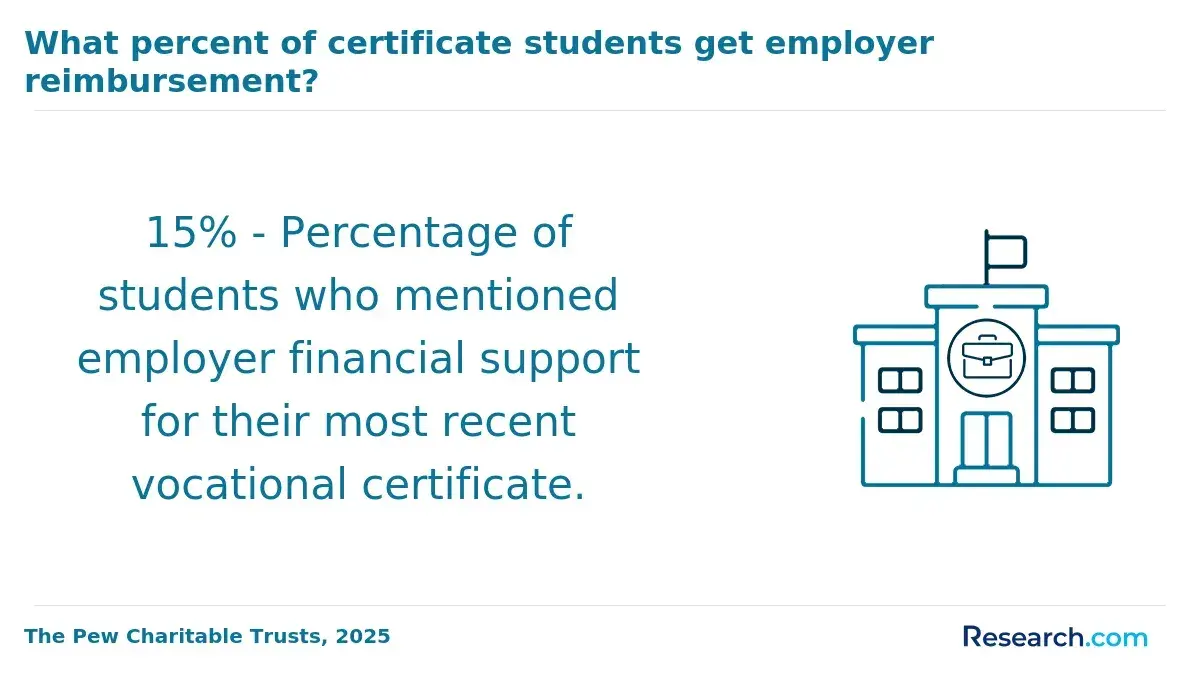
For working adults, employer tuition reimbursement emerges as a crucial affordability advantage for online public administration program costs, with roughly 40% of online enrollees benefiting from this aid compared to about 25% for campus students. However, online students frequently assume higher average student debt due to part-time enrollment and longer program durations, which increase loan reliance. Those comparing aid packages must consider how borrowing decisions and program pacing influenced by financial aid affect their overall investment, balancing flexible pathways with the financial tradeoffs of slower completion and less direct campus-based support.
The complexity of aid factors underscores why students planning enrollment should assess the full financial aid landscape tailored to their format choice. Online students should evaluate the net price after grants, employer benefits, and expanded scholarship offerings accessible to remote learners. At the same time, campus-based candidates must factor in quicker access to some federal programs and richer campus aid but also potentially higher living costs. These considerations align closely with employment realities and personal circumstances, framing how aid informs decisions about pursuing a sports management degree online or related pathways within public administration education.
Do Online and Campus Public Administration Graduates Have Different Career Outcomes?
Career outcomes for graduates of online and campus public administration programs tend to converge under specific conditions, particularly when programs hold recognized accreditation and provide robust experiential components. Employer preference, however, often leans toward campus degrees in regions where direct access to internships, fieldwork, and face-to-face networking is integral to hiring decisions. For example, a graduate seeking a municipal government role in a mid-sized city might find better early career mobility through campus programs due to stronger alumni connections and visible internship experience valued by local hiring managers.
Licensure and certification eligibility rarely differ between online and campus formats if accreditation standards such as NASPAA are met, and transcripts typically do not indicate mode of delivery, which helps minimize credential bias. Still, 2024 data from the Society for Human Resource Management reveal that about 62% of public sector employers regard campus degrees as more rigorous, often citing the depth of practical engagement. Meanwhile, online graduates benefit from greater scheduling flexibility and reduced educational costs but may confront challenges in forming professional networks critical for advancing in public administration roles.
Price and initial earnings represent a notable tradeoff: while online graduates often accumulate less debt, initial salaries may trail those of campus peers by a modest margin according to workforce outcomes data. Career advancement for online alumni can depend heavily on leveraging prior work experience and active pursuit of virtual mentorship and networking opportunities to offset fewer in-person advantages. The decision between online and campus public administration education thus hinges less on long-term employability and more on immediate professional connections and experiential access shaped by program design and local labor market conditions.
How Do Employers View Online vs Campus Public Administration Degrees?
Employer acceptance of online public administration degrees increasingly depends on nuanced factors beyond mere delivery format, with accreditation and institutional reputation playing decisive roles. A 2024 survey by the National Association of Colleges and Employers found that 68% of employers accept online public administration credentials when awarded by regionally accredited institutions, but this acceptance is heavily influenced by whether the program demonstrates rigor comparable to campus-based options. Hiring managers in government and large nonprofit sectors often scrutinize whether candidates' transcripts reflect applied experiences such as internships or capstone projects, as these elements serve to validate graduate readiness and offset concerns about online students' networking opportunities.
Delivery format can influence career trajectories differently depending on industry norms and employer familiarity with online education. For instance, candidates who combine hybrid learning with strong professional portfolios frequently mitigate biases, whereas those whose programs lack experiential components may face barriers in environments valuing direct socialization and collaboration. Workforce data from SHRM highlight that online degree holders with relevant work experience and demonstrated competencies remain competitive, though some employers still perceive campus degrees as more traditional or prestigious, a perception partly anchored in transcript wording rather than substantive content.
Ultimately, selecting between online and campus public administration programs requires weighing how a program's accreditation, curriculum relevance, and experiential learning match the targeted employers' expectations. The critical variable shaping employer trust is less delivery mode and more whether the credential aligns with established industry standards and clearly signals academic rigor, practical training, and professional preparation in a field where outcomes and hands-on readiness are paramount.
Which Public Administration Degree Format Offers Better Flexibility for Working Adults?
Flexibility for working adults pursuing a public administration degree hinges not just on delivery mode but on how programs accommodate complex schedules and practical requirements. Online public administration programs often provide asynchronous coursework, offering adults managing shift work or caregiving responsibilities crucial control over when they engage with material. However, these programs frequently require synchronous sessions or in-person practicums-approximately 40% of hybrid and online graduate formats mandate this-limiting pure flexibility. By contrast, campus-based programs tend to have fixed schedules and cohort activities that can conflict with employment, but they may better facilitate direct faculty interaction and networking, important for some career paths despite commute burdens averaging 30 minutes each way.
When choosing between online versus campus public administration programs for adult learners, it is essential to consider the impact of scheduling limitations on persistence and graduation. Online students face challenges balancing competing demands, often reflected in graduation rates lagging 10-15% behind traditional settings. Nevertheless, employer support for online degrees, due to alignment with work demands, can enable career continuity. The tradeoff includes potential reduced engagement versus the time and cost saved by avoiding commutes and rigid attendance-key factors for adults balancing multiple life domains. For adults evaluating flexible degree formats, including hybrid or evening options, understanding these nuances supports informed decisions that weigh both academic outcomes and workforce practicalities.
Beyond public administration, similar considerations apply in other fields where flexibility and expedited learning are priorities-such as computer science-where accelerated pathways can further align education with employment goals. Those interested may explore options like a fast track computer science degree for comparison, reflecting interrelated trends in adult education preferences and outcomes.
How Should Students Choose Between an Online and Campus Public Administration Program?
Choosing between an online and campus public administration program hinges on evaluating how format influences graduation rates, access to professional networks, and career prospects. Campus programs typically show higher four-year graduation rates-around 45% versus roughly 30% for online-alluding to the structured environment and sustained faculty engagement that support persistence. For students balancing work or caregiving, online options offer flexibility but may extend time to degree and reduce face-to-face internship opportunities, which many employers in public administration still highly value. Graduates from campus programs often benefit from cohort connections that enhance real-world collaboration skills, an aspect reflected in employer preferences noted in a 2024 hiring study.
Cost considerations extend beyond tuition, as online programs eliminate commuting and housing expenses but sometimes charge comparable or higher per-credit fees, complicating straightforward affordability comparisons. Financial aid availability varies with enrollment status and institutional policies, adding another layer students must weigh when projecting total expenses. Additionally, some state licensure requirements favor coursework from regionally accredited campus institutions, influencing long-term mobility for public sector careers. Evaluating online vs campus public administration program outcomes involves balancing these trade-offs in scheduling stability, financial impact, and employer expectations, with an eye toward personal circumstances and career goals.
Prospective students interested in a bachelor's in project management or similar fields should carefully assess program delivery modes against their persistence likelihood and networking needs. Optimal choice reflects more than cost or convenience; it demands considering potential opportunity costs, sequence dependencies in required courses, and the qualitative advantage of in-person engagement for public administration degree choice factors.
References
- Why Choose a Master's in Public Administration (MPA) https://www.pointloma.edu/resources/business-leadership/why-choose-masters-public-administration-mpa
- In-Person Learning vs. Online Learning: Which Is Right for You? | ACE Blog https://ace.edu/blog/examining-in-person-instruction-from-a-virtual-mindset-what-can-we-improve/
- The Hidden Costs of College: What Students Don’t Plan For – The Coach Space https://thecoachspace.com/blog/hidden-costs-of-college/
- 2025 Most Affordable Online Public Administration Degrees https://www.onlineu.com/most-affordable-colleges/public-administration-degrees
- Best Online Master’s in Public Administration (MPA) Programs https://www.onlinemastersdegrees.org/best-programs/public-administration-mpa/
- How Employers View Online Degrees: Interviews with Nine Hiring Executives https://www.onlineeducation.com/features/how-employers-view-online-degrees
- Master's in public administration | edX https://www.edx.org/masters/masters-in-public-administration-online
- Best Online BPA Degree Programs 2026 https://publicadministrationpolicy.org/degree/bachelor-of-public-administration/
- MPP vs. MPA: Which Degree Should You Choose? https://claremontlincoln.edu/news-blog/mpp-vs-mpa/
- Opportunities After Online MA In Public Administration https://www.university24x7.com/blog/opportunities-after-online-ma-in-pa
Other Things You Should Know About Public Administration
Campus-based programs generally provide more immediate access to peer interaction, faculty mentorship, and live events, which help build professional networks that can be crucial for job placements in government or nonprofit sectors. Online programs often lack this spontaneous interaction, making networking more deliberate and sometimes less effective for students who do not actively engage in virtual or local professional communities. For those prioritizing quick integration into a public administration network, on-campus programs may offer stronger pathways to career advancement, while online students need to invest in external networking outside the classroom.
Online students often juggle studies alongside full-time jobs or family responsibilities, which can create significant pressure to self-manage time and maintain consistent motivation without in-person accountability. This challenge may slow progress or reduce depth of engagement in complex policy or analysis projects typical in public administration curricula. Campus students, by contrast, follow more structured schedules with face-to-face support, which generally helps sustain momentum and deeper involvement. Prospective online learners should consider whether their personal discipline aligns with the heavier self-directed demands these programs require.
Campus programs often emphasize experiential learning such as group projects, simulations, and internship placements, which facilitate development of leadership, negotiation, and decision-making skills in a real-time environment. Online programs may offer fewer synchronous collaborative opportunities, potentially limiting hands-on leadership practice critical in public sector roles. However, high-quality online programs that integrate interactive sessions and require applied case work can partially compensate. Students focused on roles requiring immediate leadership readiness might prioritize campus programs or carefully evaluate online offerings' experiential components before enrolling.
While initial employer perceptions of online degrees have improved, long-term career mobility in public administration hinges more on demonstrable skills, professional experience, and networking than on program format alone. Campus programs may give an edge in early-career entry points through stronger alumni networks and internship access, which can accelerate upward movement. Online programs suit mid-career professionals seeking credential renewal or skill augmentation without career interruption. Therefore, students should prioritize format alignment with their current career phase, recognizing that real-world performance and connections ultimately drive advancement.