2027 Public Administration Tuition Inflation Report: How Fast Are Program Costs Rising?

Co-Founder and Chief Data Scientist
Public Administration programs face unique cost pressures driven by workforce demands for multidisciplinary expertise, complex regulatory landscapes, and increased emphasis on applied policy analysis. The need for specialized faculty with government or nonprofit experience elevates salary costs, while technology investments for data analytics and virtual simulations add operational expenses. Recent 2024 data from the American Society for Public Administration highlight a 7% tuition increase in these programs, reflecting institutional responses to intensifying accreditation standards and partnerships with public agencies. Notably, the rising proportion of mid-career students pursuing advanced Public Administration education signals shifting professional development models and evolving workforce requirements.
Key Things to Know About Public Administration Tuition Inflation
- Tuition inflation for public administration programs outpaces general higher education costs by 3% annually, pressuring students to weigh immediate financial burdens against long-term career benefits.
- Rising program costs can limit applicant diversity, as employers increasingly emphasize practical experience over degrees, reshaping workforce entry points and credential valuation.
- Escalating tuition delays degree completion for many, constraining timely workforce reentry and amplifying opportunity costs, which complicates planning around education-to-employment transitions.
- Key Things to Know About Public Administration Tuition Inflation Key Things to Know About Public Administration Tuition Inflation
- How Much Has Public Administration Tuition Increased Over the Past Decade? How Much Has Public Administration Tuition Increased Over the Past Decade?
- How Does Public Administration Tuition Inflation Compare to Overall Inflation? How Does Public Administration Tuition Inflation Compare to Overall Inflation?
- Which Types of Schools Have Experienced the Fastest Public Administration Tuition Growth? Tuition Growth by School Type
- What Factors Are Driving Rising Costs in Public Administration Degree Programs? Tuition Cost Drivers
- How Does Public Administration Tuition Growth Vary by State and Region? Tuition Growth by State
- Are Online Public Administration Programs Becoming More Affordable Than Campus-Based Programs? Online Program Affordability
- How Have Financial Aid and Scholarships Changed as Public Administration Tuition Has Increased? Impact on Financial Aid and Scholarships
- How Does Rising Public Administration Tuition Affect Student Debt After Graduation? Impact on Student Debt
- Do Higher-Cost Public Administration Programs Deliver Better Career Outcomes or Earnings? Impact on Career Outcomes
- What Do Current Tuition Trends Suggest About the Future Cost of a Public Administration Degree? What Do Current Tuition Trends Suggest About the Future Cost of a Public Administration Degree?
How Much Has Public Administration Tuition Increased Over the Past Decade?
Over the past decade, tuition for public administration programs in the United States has risen sharply, with data from the National Center for Education Statistics and the U.S. Department of Education College Scorecard reflecting an increase of roughly 40% to 50% in nominal terms since 2014. When adjusted for inflation, this growth moderates to about 20% to 30%, yet still indicates that fees are climbing faster than general consumer prices. This decade-long tuition growth trend for public administration programs mirrors patterns across social sciences but remains somewhat lower than hikes seen in highly technical or in-demand fields. Such cost escalations present real challenges for students aiming to enter public service careers where salary growth tends to be gradual and often constrained by public sector budgets.
Several intertwined factors drive these tuition increases, including declining state funding for higher education, which shifts more financial burden onto students. Universities have also expanded program offerings to integrate experiential components and specialized policy training, which can elevate operational expenses through faculty, technology, and administrative overhead. Additionally, changes in enrollment dynamics and greater institutional prioritization of strategic investments further influence pricing. These forces contribute to tuition inflation that outpaces wage growth for many public administration graduates, intensifying debt considerations and complicating decisions about investment in education relative to career returns.
For prospective students, rising tuition costs have amplified concerns regarding affordability and return on investment in public administration. Balancing program quality with economic feasibility requires scrutiny of financial aid, potential salary trajectories, and alternative pathways, including more affordable or online options like cheap PhD programs online. Transparency about costs and outcomes remains critical, as does careful evaluation of how tuition increases affect long-term career planning and workforce readiness in public service roles.
How Does Public Administration Tuition Inflation Compare to Overall Inflation?
Tuition inflation for public administration degree programs has consistently outpaced general consumer inflation, with annual increases often ranging between 3% and 6% according to data from the National Center for Education Statistics and the College Board. In comparison, the Consumer Price Index maintained by the U.S. Bureau of Labor Statistics has remained closer to 2% to 3% over the same period. This sustained divergence indicates that the cost pressures within public administration programs exceed those affecting broader consumer goods and services, reflecting unique sectoral dynamics not captured by standard inflation measures related to national higher education inflation trends.
The gap between tuition inflation and overall inflation reflects structural shifts in higher education finance, including reduced state funding for many public institutions and expanded administrative and operational expenditures. Institutions have faced rising costs for faculty compensation, technology upgrades, and compliance with regulatory requirements, alongside increased investment in student services and infrastructure. These factors contribute to the heightened inflation rate in public administration programs relative to typical economic inflation, underscoring how program costs are shaped by institutional behavior and funding models rather than market price shifts alone.
For students, this persistent inflation gap signals growing affordability challenges, often translating into heavier borrowing and more pressure to evaluate long-term return on investment carefully. Understanding how rising costs intersect with the demand for credentials in public and nonprofit sectors is critical for making informed decisions about graduate education pathways. Evaluating other fields where cost growth might differ, such as cybersecurity programs, can provide additional context when comparing tuition trends and career outcomes across disciplines.
Which Types of Schools Have Experienced the Fastest Public Administration Tuition Growth?
Tuition growth for public administration programs varies widely based on institutional type, funding sources, and program delivery formats. Analyzing these differences is critical to understanding cost trajectories and assessing long-term value from a financial and educational standpoint. Shifts in public funding, enrollment demand, and institutional priorities shape how tuition evolves across various school categories offering public administration degrees.
- Public Universities: These institutions often rely heavily on state appropriations, which have been shrinking or growing modestly, leading to moderate tuition increases around 3% annually. While public universities offer relatively affordable in-state tuition rates, budget constraints push them to adjust prices to maintain program quality and expand services, balancing accessibility with financial sustainability.
- Private Nonprofit Universities: Supported mainly through tuition revenue, endowments, and donations, these schools face pressures to invest in specialized faculty and facilities. This often causes tuition to grow faster than public counterparts, though still generally slower than for-profit institutions, reflecting efforts to sustain prestige and competitive program offerings in an increasingly crowded market.
- Private For-Profit Institutions: For-profit schools have experienced the steepest tuition growth, averaging about 6.5% annually as reported by the National Center for Education Statistics in 2024. Their business models emphasize flexible, career-oriented programs, but depend largely on tuition revenue without substantial public funding, leading to aggressive pricing strategies tied to enrollment incentives and marketing investments.
- Research-Intensive Universities: These schools often offer graduate-level public administration programs that require considerable investment in faculty research support and infrastructure. Their tuition growth reflects both resource intensity and the premium placed on specialized curriculum, leading to higher price inflation compared to regional or teaching-focused institutions.
- Regional Colleges and Community Colleges: Offering associate degrees or certificates in public administration or related fields, these institutions generally show the slowest tuition increases, typically under 2% annually. Their funding models rely on state/local support and a mission to provide access and affordability, limiting their ability to raise tuition aggressively despite rising costs.
- Online Universities: Growing demand for flexible, remote learning options influences pricing strategies here. While online programs may reduce some overhead expenses, investments in technology platforms and student support services contribute to moderate tuition growth that varies widely depending on institutional affiliation and scale.
What Factors Are Driving Rising Costs in Public Administration Degree Programs?
Rising costs in public administration degree programs stem from a complex blend of institutional and economic pressures rather than any singular cause. Over the past five years, tuition growth for these programs has exceeded general inflation rates by nearly 3% annually, reflecting broader shifts in higher education funding and resource allocation. Institutions must balance maintaining academic quality with evolving market demands, which introduces layered financial tradeoffs impacting program affordability. This interplay affects public and private institutions differently but commonly drives continuous tuition escalation beyond simple cost increases.
Key contributors include declining state appropriations for public universities, which has heightened dependence on tuition revenue to cover operational expenses. Faculty compensation also plays a substantial role, as public administration often requires hiring practitioners with government or nonprofit expertise commanding competitive salaries. Simultaneously, schools expand administrative functions to manage regulatory compliance and accreditation requirements, adding to overhead costs. Investments in digital learning infrastructure further elevate expenses as programs integrate hybrid and online models to meet student expectations. These factors combine within institutional budgets, resulting in sustained upward pressure on tuition despite efforts to control individual cost elements.
A graduate from a mid-sized state university recalls her admission experience navigating these rising costs. She applied under a rolling admissions system and waited anxiously as offers of financial aid arrived late in the process, forcing her to delay enrollment decisions while weighing increasingly expensive tuition estimates. "Knowing how much the program was going to cost," she explained, "made me hesitant to commit right away, especially since the additional fees and technological resource charges weren't clear initially." Her experience underscores the practical challenges students face managing financial uncertainty amplified by expanding program expenses and institutional funding complexities.
How Does Public Administration Tuition Growth Vary by State and Region?
Tuition growth for public administration programs varies widely across U.S. states and regions due to complex differences in public funding levels, institutional types, and local economic conditions. States with constrained higher education budgets often see steeper tuition increases as public universities compensate for reduced state appropriations by shifting more costs onto students. Conversely, regions with more stable or robust funding streams typically experience slower tuition inflation. Additionally, the mix of public, private, and research-intensive institutions influences pricing strategies, as universities with greater reliance on state support or competitive research grants sometimes limit tuition growth relative to private or less subsidized programs. Understanding these dynamics offers important context beyond simple geographic tuition comparisons.
Key drivers of regional variation include disparities in state appropriations for higher education and the resulting funding gaps within public university systems. Areas with strong labor market demand for public sector expertise, especially in metropolitan hubs, may see programs raising tuition more aggressively to invest in program enhancements aligned with employer needs. Cost of living differences further amplify tuition growth, making programs in high-expense regions like the Northeast and West Coast more costly annually. States with concentrations of research universities and private institutions can maintain higher tuition levels, justified by program prestige and resource intensity. Regional policy choices about funding stability, workforce alignment, and institutional mission thus create uneven public administration tuition growth rates by state, reflecting more than just market forces.
These disparities affect student mobility and affordability, shaping where prospective public administration students enroll and how they assess return on investment. Programs in high-growth tuition states likely impose greater long-term financial burdens but may align with stronger job markets and professional networks. Conversely, programs with slower tuition growth offer more accessible pricing but tend to correlate with less robust employment environments or fewer institutional resources. Students considering educational pathways, including options like an online PsyD, should weigh these tradeoffs carefully, recognizing that public administration tuition growth rates by state and regional differences in public administration program costs reflect deeper structural and policy-driven trends in U.S. public higher education finance.
Are Online Public Administration Programs Becoming More Affordable Than Campus-Based Programs?
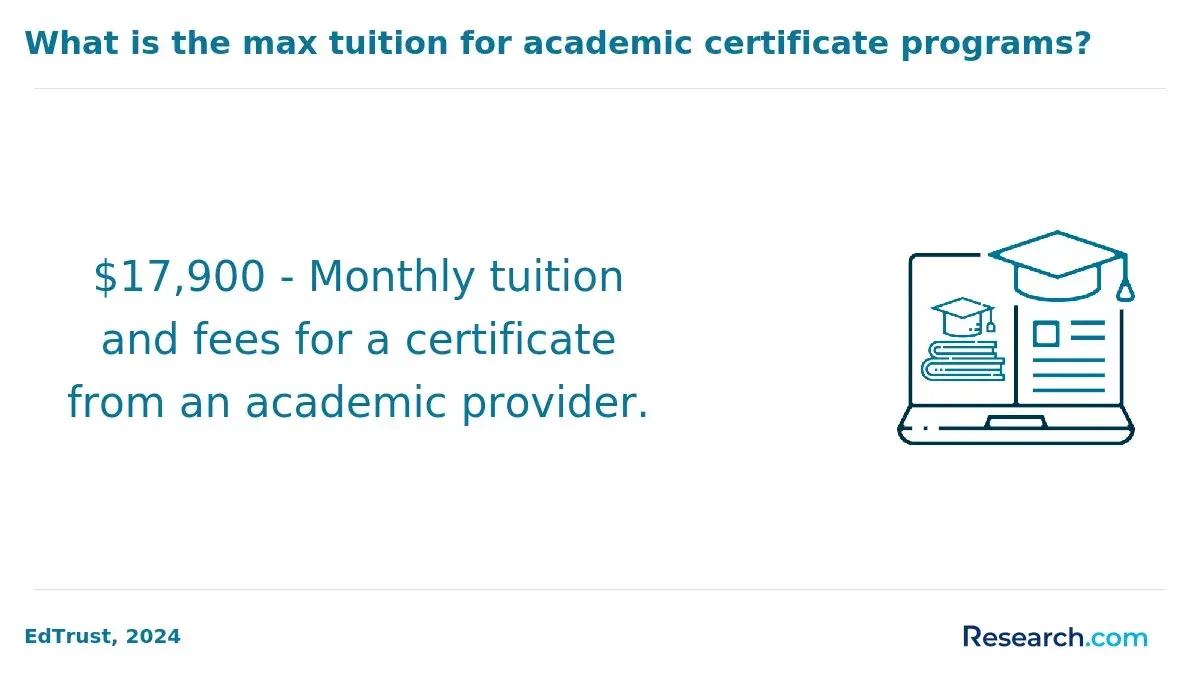
Online public administration programs have generally maintained a cost advantage over traditional campus-based degrees, though this gap is gradually narrowing as institutions refine their pricing strategies for digital offerings. Unlike campus programs that often include fees tied to physical facilities and on-site services, online programs typically adjust tuition to reflect differing cost drivers, such as technological infrastructure and remote student support. According to a 2024 report from the National Center for Education Statistics, tuition inflation for online master's degrees in public administration has grown at roughly 3.2% annually over three years, compared to about 4.5% for on-campus programs, indicating slower-but still persistent-increases for digital formats. This illustrates a structural trend where online education can be more affordable but is increasingly impacted by institutional investments and market expectations.
The key factors shaping these affordability differences revolve around cost structures unique to each delivery model. Online programs reduce expenditures related to physical classrooms, maintenance, and campus operations, which traditionally weigh heavily on tuition for in-person degrees. However, these savings are partially offset by significant investments in digital platforms, instructional design tailored to remote learners, and expanded virtual student services that support retention and engagement. Faculty workloads may also adjust, sometimes requiring new models of course delivery that complicate straightforward cost reductions. Consequently, the relative affordability of online public administration degrees depends on how institutions balance tech investments and student service demands against infrastructure savings, making pricing disparities a combination of strategy and operational realities rather than merely lower sticker prices.
An online public administration graduate recalled the uncertain timing of her admissions process, which reflected broader institutional dynamics influencing affordability. Applying late in the rolling admissions cycle, she experienced multiple delays awaiting official acceptance and financial aid estimations, which complicated her budget planning. "I felt caught between wanting to secure a spot quickly and needing more clarity on costs," she reflected, emphasizing how unpredictable decision windows and evolving tuition structures can challenge applicants' capacity to evaluate affordability confidently. Her experience underscores that beyond headline tuition numbers, navigating online program costs involves strategic timing and understanding the nuances in institutional pricing and funding models.
How Have Financial Aid and Scholarships Changed as Public Administration Tuition Has Increased?
Financial aid and scholarship availability for public administration programs have not proportionally matched significant tuition increases in recent years. While institutional funding for aid has grown, much of this expansion favors targeted merit-based scholarships or graduate assistantships rather than broad need-based grants. This shift has intensified competition among students, with limited scholarship pools often skewed toward high-achieving candidates or those displaying leadership potential. Consequently, many students, especially those from economically diverse backgrounds, face higher out-of-pocket costs despite nominal increases in overall aid budgets.
Several factors drive this evolving aid landscape. Federal and state funding adjustments lag behind sharp tuition rises, creating persistent gaps in net affordability that institutions attempt to mitigate through tuition discounting strategies like assistantship tuition waivers. This approach, while beneficial for some enrolled graduate students, does not broadly alleviate cost burdens and reduces funds available for direct scholarships. Moreover, the strategic emphasis on merit-based aid aligns with institutional goals to attract competitive applicants but can disadvantage mid-career students or those prioritizing financial need. Rising reliance on federal loans further compounds debt risks for public administration graduates, as scholarship coverage shrinks relative to program costs.
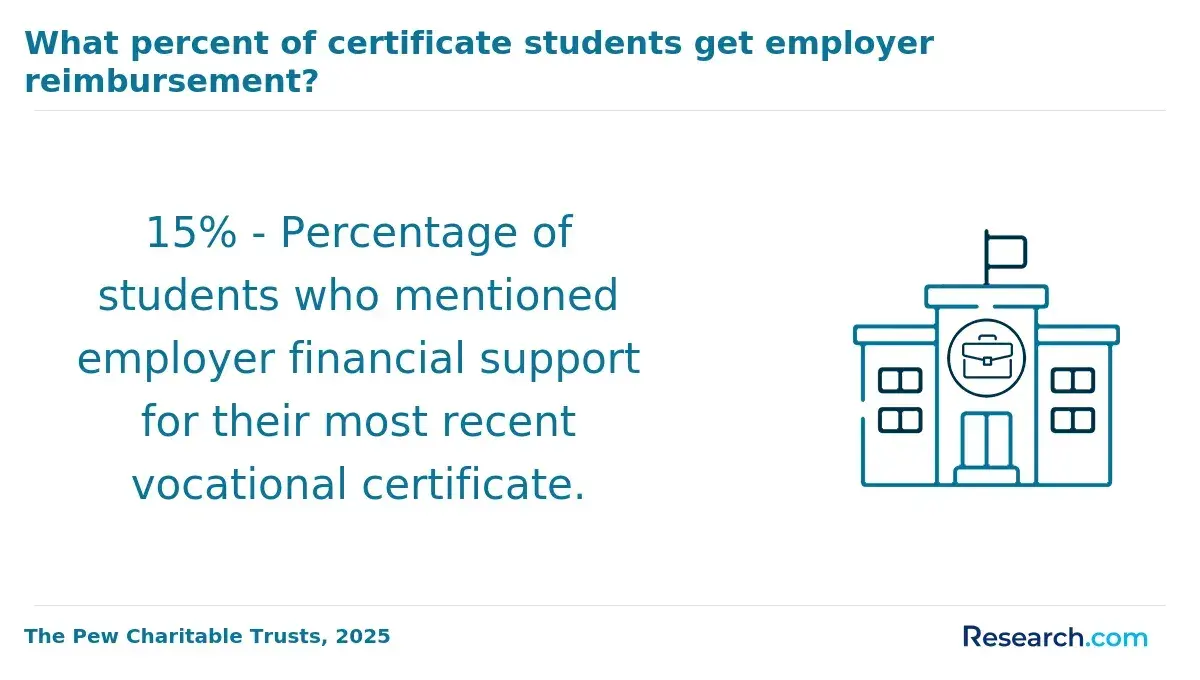
The net effect of these trends is a mixed picture for public administration students. Despite incremental increases in financial aid resources, net prices have generally risen, contributing to higher loan dependence and longer-term financial strain. Employer partnerships offering partial tuition reimbursement mostly benefit incumbent public sector workers, limiting accessibility for newcomers or career changers. As a result, financial aid dynamics increasingly influence program choice, affecting who can realistically afford public administration education and shaping the demographic and professional composition of enrolled cohorts. Awareness of these nuanced funding realities is essential for prospective students evaluating investment versus potential career returns.
How Does Rising Public Administration Tuition Affect Student Debt After Graduation?
Rising tuition costs in public administration programs have led to a significant increase in student borrowing levels, directly impacting the amount of debt graduates carry into their early careers. As tuition inflates faster than available financial aid, many students must rely more heavily on federal and private loans to cover their education expenses. This financing gap is particularly pronounced for traditional college-age students who often lack substantial personal savings or employer-sponsored tuition benefits, deepening their dependence on borrowed funds. Data from 2024 shows that these heightened borrowing levels typically translate into larger loan balances upon graduation, elevating monthly repayment obligations and shaping graduates' financial decision-making.
Several factors contribute to this evolving debt landscape. The widening disparity between rising tuition fees and stagnant or limited financial aid amplifies debt accumulation, while tuition differences between public and private institutions create varied borrowing pressures depending on where students enroll. During study periods, interest accrues on unsubsidized loans, further inflating principal balances that graduates must address post-completion. Additionally, income variability among public administration graduates affects repayment capacity; many enter public sector roles with salaries that lag behind private sector counterparts, complicating debt management. Such dynamics underscore the importance of understanding public administration tuition impact on student loan debt beyond nominal borrowing increases.
These rising debt levels carry broader consequences for graduates' financial stability and career choices. Elevated repayment burdens can prolong financial stress and delay critical wealth-building steps like homeownership. Although income-driven repayment plans and loan forgiveness programs offer some relief, their eligibility criteria and execution can be inconsistent, leaving many borrowers vulnerable. Consequently, prospective and current students increasingly weigh these financial realities when selecting programs and institutions, critically assessing the long-term return on investment. This financial calculus also influences workforce composition, as mounting debt may push graduates toward higher-paying positions outside traditional public service roles, impacting retention and mission-driven career pathways. For those evaluating advanced education options in public administration, comparing cost structures alongside outcomes-as highlighted in fields ranging from public service to the online environmental engineering degree domain-can provide a more comprehensive perspective on program value.
Do Higher-Cost Public Administration Programs Deliver Better Career Outcomes or Earnings?
The rising tuition costs for public administration programs prompt an important question: do higher expenses correlate with better career outcomes or earnings? Current evidence, including the U.S. Department of Education's College Scorecard (2024), indicates that program cost alone is not a reliable predictor of stronger employment prospects or significantly higher salaries. Even as some institutions charge premium tuition, the earnings premium for graduates often remains modest, especially after accounting for student debt repayments. This suggests that, while cost may reflect institutional resources or brand, it is insufficient as a standalone metric for evaluating the impact of a public administration degree on career advancement or financial returns.
Key factors influencing career outcomes extend beyond tuition rates and include institutional prestige, specialized program offerings, access to internships through established employer networks, geographic location, and the strength of alumni connections. For example, elite programs with well-developed internship pipelines and partnerships with government or nonprofit agencies can provide meaningful experiential learning and networking advantages that translate into larger employment opportunities and slightly enhanced starting salaries. However, as data from the National Center for Education Statistics (2024) show, starting salary differences between high-cost and more affordable public administration programs often fall within a narrow 5-10% range, which can be diminished by higher loan obligations. Consequently, prospective students must consider how factors such as curriculum relevance and real-world engagement compare with price points in informing optimal educational choices.
For those weighing the impact of public administration program tuition and career outcomes comparison, a nuanced approach to return on investment is critical. Candidates should evaluate whether the program's career services, specialization depth, and employer reputation align with their professional goals, rather than relying principally on cost as a signal of value. Assessing outcomes requires attention to potential debt burdens relative to anticipated earnings, regional job markets, and the ability to leverage networks after graduation. Additional insights into related public sector education pathways could be informed by resources such as is a library science degree worth it, which also explores comparable considerations for degree affordability and career returns.
What Do Current Tuition Trends Suggest About the Future Cost of a Public Administration Degree?
Recent tuition trends for public administration degrees show a pattern of steady increases that outpace general inflation and overall higher education costs. Data from the National Center for Education Statistics in early 2024 reveals an average annual tuition growth rate of about 4.5% over five years for these programs, exceeding the 3.8% rise across all disciplines. This pattern indicates that, absent significant structural changes, the future cost trajectory for public administration degrees will likely remain upward, reflecting persistent inflation-adjusted growth rather than stabilization or decline.
The primary forces driving this sustained tuition escalation include reductions in state funding, which shift a greater financial burden onto students, and heightened demand for graduates with specialized policy and management skills. Institutions are also investing more heavily in technology-enhanced learning and experiential components, raising operational costs. Moreover, expansion of online program offerings requires upfront development expenses and ongoing maintenance, which institutions factor into tuition pricing. These elements combine to create a cost structure that is unlikely to contract, even as student demographics and delivery models evolve.
Prospective students should interpret these trends with caution, recognizing that rising tuition contributes to affordability challenges and influences borrowing and enrollment decisions. Adult learners balancing work and family commitments may especially feel the impact of these increases, given limited alternative financial support options. As tuition growth continues, careful evaluation of program value relative to career outcomes and personal finances becomes essential to informed decision-making about public administration education pathways.
References
- Average Cost of College Over Time: Yearly Tuition Since 1970 https://educationdata.org/average-cost-of-college-by-year
- Do Student Loans Drive Up College Tuition? https://www.richmondfed.org/publications/research/economic_brief/2022/eb_22-32
- Most Affordable Master’s In Public Administration | - GradSchoolHub.com https://www.gradschoolhub.com/affordable/online/masters/public-administration-private/
- Affordable Public Administration Master's Online https://online.barry.edu/degrees/business/masters-public-administration/general-concentration/affordable-mpa-program/
- Three Things You Should Know About Inflation and the Higher Education Price Index https://www.commonfund.org/blog/four-things-you-should-know-about-inflation-and-the-higher-education-price-index
- Tuition and Fee Charges Versus Inflation at Public and Private Four-Year Colleges (1987 to 2025) https://educationalpolicy.org/epigraph-260505/
- College Costs Skyrocketing? Here's Why It's So Darn Expensive https://meetpaidly.com/blog/understanding-rising-college-costs
- Public Policy and Administration by the Numbers | Insight Into Academia https://insightintoacademia.com/public-policy-and-administration-by-the-numbers/
- Current Trends and Issues in Public Administration https://www.columbiasouthern.edu/blog/blog-articles/2022/april/current-trends-and-issues-in-public-administration/
- Why is the cost of college rising so fast? https://ssti.org/blog/why-cost-college-rising-so-fast
Other Things You Should Know About Public Administration
Tuition inflation often outpaces improvements in curriculum innovation or faculty expertise, which means higher costs don't automatically translate to better learning outcomes. Students should critically assess whether new tuition prices reflect enhanced experiential opportunities, updated policy training, or expanded network access that align with employer expectations. Prioritizing programs that demonstrate tangible curricular advancement rather than just brand recognition helps reduce the risk of paying premium prices for stagnant educational value.
Increasing costs can push students toward accelerated tracks or part-time enrollment to minimize total spending, but this can compromise thorough skill development and networking opportunities essential in public administration careers. Condensed programs might limit exposure to diverse policy issues or reduce internship durations, which are critical for career readiness. When evaluating program length, prospective students should balance tuition savings against the potential loss of practical experience and employer-valued competencies.
Programs with deep ties to public agencies and nonprofits may charge higher tuition, but these connections often provide better internship placements, mentorship, and job placement rates. Investing more in such networks can yield stronger career outcomes and faster employment, mitigating the burden of higher upfront costs. For students with clear career goals in competitive public or nonprofit sectors, paying a premium for robust employer linkages can be a strategic, long-term investment.
In 2027, rising tuition in public administration can deter students from entering due to cost concerns, impacting accessibility. Prospective students might weigh program costs against potential career benefits, opting for alternatives with lower expenses or seeking financial aid.