2027 Professional Writing Tuition Inflation Report: How Fast Are Program Costs Rising?

Co-Founder and Chief Data Scientist
The rising tuition costs in professional writing programs reflect distinct structural pressures unlike those in other disciplines. Increased employer demand for digital content expertise has driven programs to invest heavily in updated technology and hybrid delivery models, raising operational expenses. Accreditation standards now emphasize real-world portfolio development and multimedia proficiency, requiring specialized faculty and extended practicum components.
Between 2022 and 2024, enrollment in professional writing master's programs grew by 7%, prompting institutions to expand resources but also intensifying cost pressures. The prevalence of non-traditional, often older students within this field suggests evolving workforce demands and a shift toward lifelong education, impacting program design and pricing.
Key Things to Know About Professional Writing Tuition Inflation
- Professional writing tuition increased by nearly 7% annually as of 2024, outpacing general inflation; this rapid rise limits accessibility and necessitates earlier financial planning to avoid disproportionate debt burdens.
- Employers increasingly value practical communication skills over formal credentials, complicating the ROI of costly professional writing degrees and shifting emphasis to portfolio development versus purely academic achievement.
- Longer program durations, driven by escalating credit costs, create a tradeoff where students face higher total expenses but may gain incremental specialization; this forces prioritization between depth of study and timely workforce entry.
- Key Things to Know About Professional Writing Tuition Inflation Key Things to Know About Professional Writing Tuition Inflation
- How Much Has Professional Writing Tuition Increased Over the Past Decade? How Much Has Professional Writing Tuition Increased Over the Past Decade?
- How Does Professional Writing Tuition Inflation Compare to Overall Inflation? How Does Professional Writing Tuition Inflation Compare to Overall Inflation?
- Which Types of Schools Have Experienced the Fastest Professional Writing Tuition Growth? Tuition Growth by School Type
- What Factors Are Driving Rising Costs in Professional Writing Degree Programs? Tuition Cost Drivers
- How Does Professional Writing Tuition Growth Vary by State and Region? Tuition Growth by State
- Are Online Professional Writing Programs Becoming More Affordable Than Campus-Based Programs? Online Program Affordability
- How Have Financial Aid and Scholarships Changed as Professional Writing Tuition Has Increased? Impact on Financial Aid and Scholarships
- How Does Rising Professional Writing Tuition Affect Student Debt After Graduation? Impact on Student Debt
- Do Higher-Cost Professional Writing Programs Deliver Better Career Outcomes or Earnings? Impact on Career Outcomes
- What Do Current Tuition Trends Suggest About the Future Cost of a Professional Writing Degree? What Do Current Tuition Trends Suggest About the Future Cost of a Professional Writing Degree?
How Much Has Professional Writing Tuition Increased Over the Past Decade?
Tuition for professional writing programs in the United States has risen between 35% and 45% over the past decade, as reported by sources such as the National Center for Education Statistics and the U.S. Department of Education College Scorecard. This rate of increase exceeds typical inflation and wage growth, creating notable affordability challenges for students and families. Public institutions have experienced steady annual tuition hikes around 3% to 4%, while private colleges often report even steeper increases of over 5% annually. These changes reflect broader trends in higher education but also underline the particular pressures on professional writing program costs amid evolving market demands.
Several factors have driven these increases, including significant reductions in state funding for public universities, which force institutions to shift more costs onto students. Private programs respond to market demand for writing and communication skills with investments in specialized faculty and advanced technology, both raising operational expenses. The tuition trajectory also varies by delivery mode: online and hybrid professional writing programs sometimes offer competitive pricing but can also maintain premium rates tied to brand reputation. These dynamics contribute to the complex financial landscape prospective students encounter when evaluating ten-year professional writing program tuition inflation rates.
Rising costs carry implications beyond sticker price, impacting student debt levels and the overall value proposition of professional writing degrees. Higher tuition does not consistently translate into greater employment prospects or salary premiums, leading students to consider alternative credentials or work experience paths for entry into writing-related fields. When weighing educational investment, applicants may also examine labor market data highlighting the most lucrative majors and how professional writing fits within that spectrum. These realities frame the essential trade-offs regarding affordability, career outcomes, and long-term return on investment in an increasingly competitive educational environment.
How Does Professional Writing Tuition Inflation Compare to Overall Inflation?
Tuition inflation in professional writing programs has consistently outpaced general consumer price inflation, with recent data reflecting a 4% to 5% annual increase compared to approximately 3.2% in overall inflation rates reported by the U.S. Bureau of Labor Statistics Consumer Price Index. This divergence highlights that the rise in professional writing tuition is not simply a reflection of broader economic inflation, but a product of distinct institutional and operational factors. Trends in professional writing program costs versus national inflation reveal that these programs face cost pressures unique from those affecting the average basket of consumer goods. Higher education's specialized nature, especially in professional writing disciplines, contributes to tuition escalation beyond what typical wage or price inflation would suggest.
The gap between professional writing tuition inflation and overall inflation stems largely from structural shifts in higher education financing and cost drivers. Public subsidies and state funding for many institutions have declined over time, forcing schools to recoup lost revenues through higher tuition. Additionally, administrative spending has expanded alongside investments in technology for remote learning, specialized writing labs, and enhanced student support services, all of which raise operational costs. These factors, coupled with the inherently labor-intensive demands of low student-to-faculty ratios required for personalized writing instruction, exacerbate tuition increases and place professional writing programs on a steeper inflation trajectory.
For students and families, this widening affordability gap affects decisions around enrollment and long-term return on investment, particularly given relatively modest wage growth outside of top-tier writing careers. Rising tuition inflation pressures borrowers to take on more debt or seek alternative pathways, including part-time or non-traditional study options. Understanding these cost dynamics is critical, especially when comparing professional writing to fields with less steep tuition increases, such as certain STEM or business programs where efficiency gains may be greater. Navigating affordability may also involve exploring financial aid avenues or programs ranked among top online accounting programs, which often demonstrate different funding and cost structures that impact overall education expenses.
Which Types of Schools Have Experienced the Fastest Professional Writing Tuition Growth?
Tuition growth for professional writing programs shows notable variation across institution types, shaped by distinct funding mechanisms, enrollment trends, and program delivery models. Private nonprofit institutions typically register faster tuition increases due to specialized offerings and smaller class sizes, while public institutions face constraints linked to state funding and broader access mandates. Understanding these underlying dynamics is crucial for assessing cost trajectories and anticipating the financial implications for prospective students weighing program value against price inflation.
- Private Nonprofit Universities: These schools often lead tuition growth, averaging increases around 5.4% annually, fueled by reliance on tuition revenue, investment in program specialization, and maintaining low student-to-faculty ratios. Their financial models allow more pricing flexibility, but rising costs may heighten affordability challenges for adult learners paying independently or through limited employer support.
- Public Universities: Facing varying degrees of state appropriations, public universities usually report moderate tuition growth. While flagship institutions may invest in research and program expansion-putting upward pressure on costs-system-wide budget constraints and political factors limit rapid tuition hikes, helping preserve relative affordability for in-state students.
- For-Profit Institutions: These schools frequently demonstrate volatile tuition trends influenced by market demand and regulatory oversight. Tuition levels can rise quickly with aggressive recruitment strategies but may be offset by higher student turnover and financial aid scrutiny, creating an unstable cost environment for professional writing tracks.
- Regional Colleges: Smaller in scale and regional in focus, these institutions often maintain modest tuition increases. Limited endowments and the need to attract local nontraditional students encourage restrained pricing, although fewer resources and less program specialization may impact perceived value.
- Research-Intensive Universities: High operational costs related to faculty research, technology infrastructure, and interdisciplinary curricula can drive tuition upwards. However, these institutions typically offset some expenses via grants and endowments, resulting in tuition growth that balances investment in academic quality with maintaining competitive access.
- Online Universities: Frequently positioned as flexible options for adult learners, online providers experience varied pricing pressure. While digital delivery reduces facility costs, investment in technology platforms and course development can prompt tuition increases, especially as programs strive to match the rigor and reputation of traditional offerings.
What Factors Are Driving Rising Costs in Professional Writing Degree Programs?
Rising costs in professional writing degree programs reflect a confluence of institutional and economic dynamics rather than a singular trend. These programs often operate within a complex higher education funding environment where public support has waned, prompting institutions to substitute dwindling state allocations with higher tuition revenues. The specificity of professional writing as a discipline also means unique budget pressures: programs require faculty with specialized expertise who command premiums exceeding average humanities salaries, and smaller class sizes reduce opportunities to distribute fixed costs evenly. This combination of niche academic labor markets and constrained enrollment scale intensifies cost escalation beyond general inflationary patterns.
Key financial pressures include growing faculty compensation-a 4.2% annual average increase reported in humanities and communication fields by the National Center for Education Statistics-and expanded administrative functions that extend well beyond instruction, such as personalized advising and career services integral to writing programs. Concurrently, significant investments in digital learning platforms, multimedia resources, and software licenses raise operational expenses that traditional budget models struggle to absorb without passing costs to students. This is compounded in settings where universities expand administrative staffing faster than instructional staff, pushing overhead closer to a quarter of total expenditures in some reports. Taken together, these structural elements reinforce an upward trajectory in tuition and fees, challenging the affordability calculus for prospective students who must weigh narrower program scale and intensified faculty credentials against potential employment outcomes.
One professional writing graduate described their admissions experience as a delicate balance between timing and financial readiness. Facing rolling admissions deadlines, they delayed submitting applications briefly to better prepare financially, uncertain how tuition hikes might shift between application rounds. The candidate noted a period of anxiety waiting for cost disclosures from several programs, recognizing that even modest increases could affect their decision-making amidst scholarship uncertainties. This experience highlighted how rising expenses are not only systemic but also directly influence students' strategic planning and sense of urgency during enrollment cycles.
How Does Professional Writing Tuition Growth Vary by State and Region?
Tuition growth for professional writing degree programs varies significantly across states and regions, influenced by divergent funding structures, institutional types, and local economic conditions. Variations in state appropriations for public universities, the presence of private institutions, and regional cost-of-living disparities shape the pace and scale of tuition increases. This uneven growth is not simply a matter of geographic location but reflects deeper systemic differences in how higher education is financed and how universities respond to regional market pressures. Recognizing these complexities is essential for prospective and current students evaluating long-term affordability in a changing educational landscape.
Key drivers include fluctuating state funding levels which directly impact public universities' reliance on tuition revenue. States with shrinking or stagnant appropriations often exhibit faster tuition growth as universities shift more costs to students. Additionally, regions with concentrated research universities or private institutions often experience higher tuition inflation due to operational costs and competitive recruiting. Demand in local labor markets for skilled communicators and technical writers also influences program expansion and pricing strategies, while cost-of-living differences amplify regional disparities in education expenses. Notably, states in the Northeast and West report tuition increases above 4% annually in many professional writing programs, contrasting with slower growth under 2.5% in parts of the Midwest, reflecting these systemic funding and economic dynamics. These patterns illustrate how professional writing tuition growth by state ties closely to broader education financing and economic ecosystems.
These regional tuition disparities have practical implications for access, affordability, and student decision-making, often prompting consideration of out-of-state programs or online options to mitigate escalating costs. Affordability gaps driven by tuition inflation may heighten reliance on student loans, affecting long-term financial outcomes for graduates. Understanding how tuition growth differs and the underlying causes helps students and families estimate return on investment more accurately in an increasingly complex higher education market. Those weighing options might also explore accelerated pathways as alternatives, such as a fast track construction management degree programs, highlighting the strategic value of choosing programs that align with career and financial goals.
Are Online Professional Writing Programs Becoming More Affordable Than Campus-Based Programs?
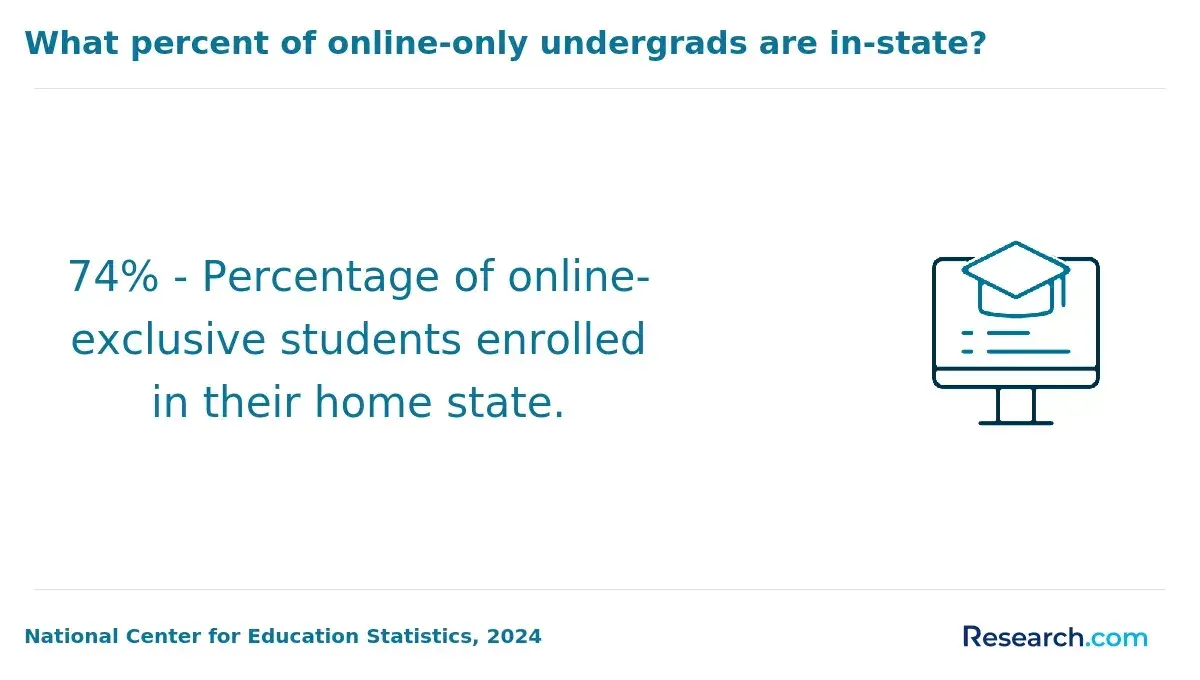
Online professional writing programs consistently present a lower tuition baseline compared to campus-based alternatives, though both formats have faced similar inflationary pressures recently. In 2024, tuition inflation rates for these programs hovered around 3%, reflecting broader higher education trends rather than delivery-specific pricing strategies. However, the nominal cost disparity remains meaningful, with online offerings typically charging between 25% and 35% less per credit hour. This gap is not simply a matter of sticker price but stems from fundamentally different institutional approaches to pricing and resource allocation based on the mode of instruction and student engagement.
The primary drivers of this affordability differential lie in the contrasting institutional cost structures underpinning online versus on-campus programs. Campus-based courses incur substantial expenses related to maintaining physical infrastructure, including classrooms, maintenance, and on-site personnel. Conversely, while online programs remove many of these facility costs, they invest significantly in digital learning platforms, technology licensing, and specialized instructional design to accommodate asynchronous and scalable delivery models. Faculty workload structures may also differ, with online instructors sometimes managing larger cohorts supported by automated or asynchronous tools. Additionally, student services such as virtual advising, tech support, and proctoring introduce unique operational costs that can partially offset tuition savings. According to data from the National Center for Education Statistics and the Education Data Initiative in 2024, despite these added digital overheads, online professional writing programs remain consistently more economically accessible, driven by institutional strategies prioritizing scalability and reduced physical overhead.
A former graduate of an online professional writing program recalled the complexity of timing her application amid a rolling admissions process. Initial hesitation arose from uncertainty about financial aid timelines and technology readiness requirements, which delayed her full commitment. She described feeling caught between the urgency to secure a spot before cohort capacity filled and the need to finalize work-related obligations that could impact her study schedule. Ultimately, the program's affordability relative to campus options proved decisive but required strategic planning to navigate admission windows and avoid costly deferments. This experience highlights that while lower tuition can reduce barriers, prospective students must consider administrative timing and preparatory demands integral to making online education both affordable and feasible.
How Have Financial Aid and Scholarships Changed as Professional Writing Tuition Has Increased?
As tuition for professional writing programs has accelerated, financial aid and scholarship structures have shifted but often lag behind these rising costs. Institutional aid budgets have expanded in absolute terms, yet this growth seldom matches the pace of tuition inflation, resulting in a tighter aid-to-cost ratio for many students. Schools increasingly emphasize merit-based scholarships aimed at attracting top-tier applicants, which narrows financial support for moderate- and low-income students. Concurrently, the overall composition of aid has evolved, with some programs developing targeted awards linked to industry partnerships, yet these remain limited in scale and competitive in access.
Key drivers behind these trends include intensified competition among institutions to enroll high-achieving students, which incentivizes preferential merit aid over broad-based need assistance. Federal and state funding changes compound this effect; for example, despite slight increases to programs like the Pell Grant, inflation-adjusted aid values have diminished compared to the early 2010s, failing to keep up with ongoing tuition hikes. State budget variability, particularly post-pandemic, further influences institutional capacity to subsidize costs. As a result, many campuses rely on tuition discounting strategies focused on selective aid rather than increasing net affordability for all students.
This dynamic affects net price stability and financial outcomes for students pursuing professional writing degrees. Since aid growth often favors a subset of applicants, many face greater out-of-pocket expenses and increased borrowing needs, influencing long-term debt burdens and return on investment considerations. These funding patterns also shape program accessibility, potentially narrowing the demographic diversity of enrollees and forcing prospective students to weigh scholarship eligibility criteria carefully against anticipated employability outcomes and total educational costs.
How Does Rising Professional Writing Tuition Affect Student Debt After Graduation?
Rising tuition costs in professional writing programs have directly escalated student borrowing, compelling many enrollees to increase reliance on loans to afford their education. As the cost of attendance outpaces available financial aid for a growing share of students, debt loads swell noticeably at graduation. The professional writing tuition impact on student loan debt in the US is evident, notably when private or specialized institutions charge substantially more than public options, forcing higher upfront borrowing. These consistent tuition inflations heighten the likelihood that students exhaust grant and scholarship resources, shifting the entire financial burden onto loans. Consequently, monthly repayment obligations grow, often disproportionately to entry-level salaries graduates receive.
Several systemic factors compound this dynamic. The widening gap between tuition expenses and financial aid leaves adult learners particularly vulnerable, as they typically juggle family and work while lacking the parental support networks available to traditional students. Interest accrual during extended study periods further magnifies total debt, especially as income opportunities in writing-related fields vary broadly and frequently fall below thresholds favorable for rapid repayment. This disparity underscores crucial tradeoffs prospective students must evaluate in program cost versus realistic earning potential. Evidence suggests that student debt trends linked to rising professional writing program costs also involve varied repayment outcomes depending on institution type and demographic profiles.
The cumulative effect increases repayment stress, with more graduates enrolling in income-driven repayment plans or facing default risks despite available loan forgiveness initiatives. Elevated debt may deter some prospective students from pursuing professional writing degrees, impacting degree value perception and altering program demand. Understanding these financial pressures and realistic income trajectories can inform more strategic educational investments. Those considering advanced degrees in related fields may also explore alternatives such as child psychology masters programs that offer different affordability and outcome profiles within evolving workforce contexts.
Do Higher-Cost Professional Writing Programs Deliver Better Career Outcomes or Earnings?
The relationship between tuition costs at professional writing programs and subsequent career outcomes or earnings is complex and not strictly linear. Although higher-cost programs may claim enhanced prestige or more extensive resources, such attributes do not consistently translate into proportionally better employment rates or sustainable salary increases. Data from the U.S. Department of Education's College Scorecard (2024) reveals that while graduates from premium-priced professional writing programs often report starting salaries approximately 10-15% higher than those from less expensive counterparts, this advantage reduces notably within five years after graduation. Hence, considering higher tuition alone as an indicator of career or earnings success risks oversimplifying the many dynamics influencing job market outcomes.
Several factors beyond price play critical roles in shaping career trajectories for professional writing graduates. Institutional reputation may provide initial networking leverage and access to internships or employer partnerships, valuable for early job placement, but geographic location, program specialization, and alumni networks often weigh equally. Certain high-cost programs emphasize portfolio development and sustained mentorship that can enrich practical skills and open doors to industry-specific opportunities, although similar outcomes are achievable through more affordable, well-structured institutions or alternate certification pathways. Evaluating the return on investment for professional writing degrees requires examining these qualitative differentiators in addition to sticker price because regional labor markets and evolving employer expectations heavily influence how program prestige affects long-term career prospects.
Prospective students should adopt a strategic approach to program selection that balances cost considerations with an informed assessment of career services, skills application emphasis, and real-world exposure. Given the rising tuition trends in some elite professional writing programs, the decision to invest heavily should rest on clear evidence of enhanced outcomes rather than assumptions about name recognition alone. For those exploring accessible educational paths, options such as the easiest bachelor degree to get in related fields can provide cost-effective routes to workforce readiness. Ultimately, students must weigh tuition expenses against measurable labor market returns and personal adaptability to maximize the practical value of their educational investment.
What Do Current Tuition Trends Suggest About the Future Cost of a Professional Writing Degree?
Recent tuition trends indicate that the cost of a professional writing degree is likely to continue rising at a rate exceeding general inflation. According to the National Center for Education Statistics 2024 report, average annual tuition and fees at public four-year institutions increased by 3.9% over the last year, outpacing the consumer inflation rate of 2.8%. This pattern of sustained above-inflation tuition growth reflects long-term structural changes in higher education pricing rather than short-term volatility, suggesting that prospective students should expect steadily increasing financial commitments when pursuing these degrees.
Several factors drive this upward pressure on tuition. Institutional funding constraints often leave colleges reliant on tuition revenue, especially as state support fluctuates. Additionally, growing demand for specialized writing expertise across industries pushes program expansions and investments in updated curricula. Online and hybrid learning modalities, essential for meeting adult learner needs, also require continuous technology upgrades and enhanced student services, further adding to institutional costs. These elements collectively contribute to tuition trajectories not merely reflecting inflation but embodying changing resource allocation and educational delivery priorities.
For students, particularly adult learners who may have limited access to institutional aid compared with traditional college-age peers, these rising tuition trends underscore affordability challenges and greater reliance on borrowing or employer assistance. Evaluating future program costs alongside expected salary gains and alignment with employer needs becomes critical. Tuition forecasts thus serve not only as cost projections but as indicators of institutional priorities and market positioning, informing more strategic educational decisions in a dynamic labor market.
References
- Inflation Has Yet to Affect Tuition, but Students Still Feel the Rising Costs | Insight Into Academia https://insightintoacademia.com/inflation-has-yet-to-affect-tuition-but-students-still-feel-the-pain-of-rising-costs/
- Why writing skills will benefit you as a working professional https://blogs.reading.ac.uk/careers/why-writing-skills-will-benefit-you-as-a-working-professional/
- Masterâs Degree in Professional Writing https://www.towson.edu/cla/departments/english/programs/professional-writing-masters/
- How Much Do Writing Courses Cost? https://blog.nobledesktop.com/learn/writing/how-much-is-a-writing-course
- The College Writing Center in Times of Crisis | Los Angeles Review of Books https://lareviewofbooks.org/article/the-college-writing-center-in-times-of-crisis
- Professional Writing https://lakeland.edu/degrees/professional-writing
- The Long-Term Effects of Student Loans | ACE Blog https://ace.edu/blog/the-long-term-effects-of-student-loans/
- How college tuition inflation has impacted college costs https://finance.yahoo.com/news/college-tuition-inflation-cost-college-221647962.html
- Writing Studies | English Programs https://cod.edu/academics/areas/english/writing-studies/index.html
- College Tuition Inflation: The Rising Price Of Education | Bankrate https://www.bankrate.com/loans/student-loans/college-tuition-inflation/
Other Things You Should Know About Professional Writing
Rising tuition costs do not always correlate with improved program quality or outcomes. Students should closely evaluate whether increased tuition funds enhanced faculty expertise, updated curricula, or access to industry-standard tools, which directly impact employability. Prioritizing programs that demonstrate clear investment in experiential learning and portfolio development offers a better return on elevated costs than those relying merely on brand name or prestige.
Rapid tuition increases may pressure students to enroll sooner rather than later to avoid higher fees, but rushing can undermine program fit and readiness. Those who can afford to delay enrollment should instead use that time to strengthen writing skills independently or seek lower-cost certificate options to improve competitiveness before committing to an expensive degree. Balancing cost avoidance with ensuring adequate preparation maximizes long-term career benefits despite rising costs.
Higher tuition can raise student expectations for personalized instruction and hands-on projects, which can intensify program demands. As costs rise, programs may impose heavier workloads reflecting professional standards, expecting students to commit more time developing diverse writing portfolios that employers value. This tradeoff means students must consider if they can balance increased financial and time investment without compromising academic success or well-being.
Students should prioritize programs with transparent career support and employer connections over simply cheaper or more expensive options. Paying more isn't justified unless the program actively facilitates internships, networking, and skill certifications aligned with industry needs. Investing tuition in such targeted outcomes reduces the risk that high costs will translate into poor employment returns.