2027 Professional Writing Admissions Trends Report: Acceptance Rates, GPA Expectations, and Test Policy Changes

Co-Founder and Chief Data Scientist
Admissions criteria in professional writing programs increasingly reflect adjustments to shifting labor market demands and the evolving role of writing specialists within diverse industries. Rising interdisciplinary expectations and the need for digital fluency influence GPA baselines and prerequisite selections, while faculty capacity and accreditation guidelines shape enrollment limits. Changes in standardized testing policies, including the growing acceptance of test-optional applications, signal adaptive institutional responses to varied applicant profiles and resource constraints. Analyzing acceptance rates and academic requirements within this context reveals how programs balance quality, accessibility, and workforce relevance. Notably, the growing presence of non-traditional, often older students suggests an expanding pathway for career changers and lifelong learners, indicating the field's dynamic professional evolution.
Key Things to Know About Professional Writing Admissions Trends
- Recent data shows acceptance rates for professional writing programs have declined by 5% since 2023, reflecting heightened selectivity and signaling increased competition for limited cohort spots.
- Average GPA expectations hover around 3.3, emphasizing consistent academic performance; this tradeoff pressures applicants to prioritize specialized writing coursework over broader electives for stronger portfolios.
- Widespread test-optional policies reduce upfront cost barriers but shift evaluation emphasis to writing samples and recommendations, requiring applicants to strategically bolster experiential credentials early in the process.
- Key Things to Know About Professional Writing Admissions Trends Key Things to Know About Professional Writing Admissions Trends
- What Are the Current Acceptance Rates for Professional Writing Degree Programs? Current Acceptance Rates
- What Is the Average GPA of Accepted Professional Writing Students? GPA Requirement
- Are SAT or ACT Scores Still Required for Professional Writing Degree Programs? SAT/ACT Requirement
- How Many Professional Writing Programs Have Adopted Test-Optional Admissions Policies? Test-Optional Programs
- What Non-Academic Factors Do Professional Writing Admissions Committees Consider? What Non-Academic Factors Do Professional Writing Admissions Committees Consider?
- Which Types of Schools Are the Most Selective for Professional Writing Applicants? Which Types of Schools Are the Most Selective for Professional Writing Applicants?
- How Do Admissions Standards Differ Across States and Regions? Admission Standards by State
- How Do Admissions Requirements Compare Between Online and Campus Programs? Online vs On-Campus Admissions
- Is There a Relationship Between Admissions Standards and Student Success? Admission Standards & Student Success
- How Can Students Strengthen a Professional Writing Program Application? Program Application Preparation
What Are the Current Acceptance Rates for Professional Writing Degree Programs?
Recent analysis of admission data from 2023-2024, including information from the U.S. Department of Education College Scorecard, highlights that acceptance rates for professional writing degree programs typically fall between 40% and 70%. Programs with greater selectivity, often linked to universities strong in liberal arts or communication disciplines, tend to have acceptance rates closer to or below 40%. This pattern reflects a competitive applicant pool where portfolio reviews and writing samples weigh heavily alongside GPA requirements. In contrast, institutions focusing on accessibility and workforce development may admit over 70% of applicants, accommodating a wider range of student backgrounds and emphasizing practical entry over exclusivity. These variations in professional writing program admission statistics by region and institution type underscore differing enrollment demands and capacity constraints across the country.
Differences in acceptance rates often arise from institutional prestige, resource availability, and applicant volume, with public, private, and online programs each navigating distinct challenges. Competitive institutions prioritize tighter admission standards to maintain program reputation, while others balance enrollment goals with broader community engagement and non-traditional student inclusion. The shift toward holistic admissions that value portfolios, experience, and personal statements alongside academic metrics further complicates raw acceptance rate interpretation. For students and advisors, understanding how these factors interplay is critical for matching applications to program profiles effectively, especially in regions where supply and demand for professional writing programs vary widely.
Broader implications suggest that acceptance rates represent not only selectivity but also strategic positioning within the professional writing education landscape. Programs that maintain moderate admission rates often emphasize career-relevant writing skills and industry connections over prestige alone. Consequently, applicants should weigh acceptance figures alongside outcomes like employability and program focus. Aligning with this perspective, those interested in accelerated pathways may also consider exploring options like the easiest EdD programs, which reflect similar trends in balancing accessibility and rigor within graduate education markets.
What Is the Average GPA of Accepted Professional Writing Students?
Data from recent institutional admissions reports and education databases consistently show that the average GPA requirements for accepted professional writing students in the United States typically fall between 3.2 and 3.7 on a 4.0 scale. Programs with more stringent admissions criteria, often housed in well-established universities, usually admit students with GPAs at the higher end of this spectrum, reflecting greater academic preparedness standards. Conversely, institutions with more accessible admission policies may accept applicants with GPAs closer to 3.0, particularly when balanced by strong portfolios or relevant professional experience. These GPA benchmarks illustrate an admissions landscape where academic performance serves as a key but not exclusive marker of student quality and potential in professional writing admission GPA benchmarks in the United States.
Several factors influence GPA expectations across professional writing programs, including institutional selectivity, program demand, and the grading systems at public, private, and online colleges. Highly selective programs emphasize consistent performance in coursework related to English, literature, and writing-intensive subjects, while less selective or online-focused programs might prioritize a broader set of applicant strengths beyond GPA. This variability underscores how GPA functions as a signal filtered by institutional type and target student outcomes rather than a uniform cutoff. Additionally, some programs adopt test-optional policies, shifting greater weight onto academic records and writing samples, which can affect GPA's interpretive role during admissions.
Understanding these GPA trends helps applicants and advisors assess competitiveness and tailor preparation strategies effectively. GPA thresholds shape applicant behavior by encouraging maintenance of a solid B average and bolstering complementary materials to mitigate risks tied to marginally lower GPAs. These nuances also influence perceptions of program rigor and selectivity, contributing to the complex decision-making process faced by prospective students, including transfers, whose evaluation often requires additional scrutiny. For those exploring intersections with healthcare or counseling disciplines, pathways such as online clinical mental health counseling programs illustrate similar admissions dynamics worth considering in broader academic planning.
Are SAT or ACT Scores Still Required for Professional Writing Degree Programs?
As of 2024, most professional writing degree programs do not require SAT or ACT scores for admission, reflecting a widespread shift toward test-optional or test-blind policies, according to recent College Board and NCES data. These programs increasingly emphasize holistic application reviews that prioritize GPA, writing portfolios, and personal statements over standardized testing metrics. However, certain selective or regionally accredited institutions may still request scores as optional supplements, particularly when applicants present nontraditional transcripts or need additional evaluative context. Such flexibility means standardized test scores are seldom critical, but submitting them can occasionally enhance an application's comprehensiveness in competitive admissions settings.
The movement away from mandatory SAT/ACT requirements is driven by multiple intersecting factors including equity concerns, institutional strategies to broaden access, and differentiated standards among public, private, and highly selective schools. Test-optional policies help reduce barriers for applicants from diverse backgrounds while aligning with employer emphasis on actual writing skills rather than abstract test performance. At the same time, some institutions maintain score requirements to preserve perceived rigor or meet accreditation norms, illustrating a nuanced landscape where standardized testing remains relevant but increasingly marginal. Admission decisions now balance these considerations alongside GPA and demonstrated writing ability, reflecting evolving priorities in professional writing education.
One student recalled their experience navigating these admissions changes amid uncertainty and timing pressures. With rolling admissions underway, they hesitated to send their ACT score after a late testing date, unsure if it would matter given the rising test-optional trend. Ultimately, they chose to submit their writing samples and GPA, using the score only as a backup after confirming it wouldn't negatively affect their chances. The process underscored the practical challenge of weighing whether to invest time and resources in standardized tests when schools increasingly prioritize direct evidence of writing proficiency and academic consistency.
How Many Professional Writing Programs Have Adopted Test-Optional Admissions Policies?
By 2024, approximately 60% to 70% of professional writing programs in the United States have implemented test-optional admissions policies, according to data from FairTest and institutional reports compiled by the National Center for Education Statistics. This shift is particularly marked among mid-tier public universities and liberal arts colleges, which form a substantial segment of the professional writing landscape. While many programs no longer mandate standardized test scores like the SAT or ACT, a minority of highly selective or niche programs continue to require them, maintaining these components as part of their comprehensive application assessments.
The movement toward test-optional admissions stems from several intertwined factors, including increased scrutiny of standardized tests' predictive validity for writing-centered disciplines and growing concerns about equity and access for underrepresented populations. The COVID-19 pandemic accelerated this trend by disrupting test administration schedules, prompting many institutions to adopt flexible policies that they have since upheld. Competition among institutions for diverse applicant pools also encourages a focus on holistic review criteria such as GPA, writing samples, and personal statements, which can offer a more nuanced appraisal of candidates' abilities relevant to professional writing.
Adopting test-optional policies has contributed to notable shifts in application behaviors and admissions dynamics. Programs reporting these approaches frequently observe higher application volumes, though this does not always translate directly into increased selectivity, as assessment frameworks now weigh qualitative factors more heavily. For prospective students, these changes require adapting application strategies to emphasize strengths beyond test scores, impacting how they prepare portfolios and personal narratives to align with evolving admission expectations in professional writing programs.
What Non-Academic Factors Do Professional Writing Admissions Committees Consider?
Admissions decisions in professional writing programs increasingly reflect a holistic review approach, where committees assess a combination of academic credentials and non-academic attributes to identify candidates with well-rounded potential. This process moves beyond traditional metrics like GPA and test scores, focusing on how applicants can meet the practical demands of professional writing careers. Understanding how professional writing programs evaluate personal statements and experience reveals critical insights into the broader applicant evaluation frameworks shaping selection strategies.
- Writing Portfolio Quality: Committees place significant weight on the originality, versatility, and effectiveness demonstrated in writing samples. Unlike grades alone, portfolios provide tangible evidence of an applicant's applied communication skills and their ability to engage diverse audiences, which is essential for professional writing roles.
- Interpersonal and Communication Skills: Admissions panels look for indications of teamwork, adaptability, and professionalism through recommendations and interviews. These attributes align closely with employer priorities, as a 2024 study by the National Association of Colleges and Employers highlights oral and written communication as top graduate competencies.
- Leadership and Relevant Experience: Involvement in writing-related extracurriculars, internships, or leadership roles signals motivation and industry exposure. Such experiences demonstrate practical problem-solving and networking skills that complement academic achievement and suggest readiness for collaborative work environments.
- Personal Statements and Interviews: These components allow committees to assess candidates' goals, ethical perspectives, and cultural awareness. Holistic review recognizes how personal narratives reflecting challenges overcome or unique viewpoints contribute to richer classroom dynamics and professional adaptability.
- Professional Demeanor and Commitment: Evidence of sustained engagement with writing, whether through consistent extracurricular activity or long-term projects, reflects a candidate's seriousness and resilience. These traits help predict success in professional writing programs, which demand both creativity and discipline beyond academic aptitude.
Such non-academic admissions criteria for professional writing programs form an essential complement to quantitative measures, enabling a more nuanced selection process that prioritizes actual employability and workforce readiness. Candidates must therefore prepare a balanced combination of technical writing skills and real-world competencies to align with evolving admissions priorities.
Applicants weighing their educational options might also consider related pathways; for instance, some seek the most affordable MBA programs, which similarly emphasize applied skills and leadership development.
Which Types of Schools Are the Most Selective for Professional Writing Applicants?
Admissions selectivity for professional writing programs varies notably across institution types due to differences in applicant demand, program size, funding models, and reputational factors. Institutions balancing broad access against specialized offerings display distinct admissions competitiveness, shaped by how they allocate limited seats amid varying applicant volumes. Understanding these dynamics helps clarify why some schools maintain stringent entry standards, while others adopt more accessible admissions frameworks.
- Flagship Public Universities: These schools often manage higher application volumes with relatively larger professional writing cohorts, which typically results in moderate selectivity. Acceptance rates commonly range from 45% to 60%, reflecting a balance between accessibility and program capacity. Their funding structures and state mandates promote broader enrollment, making them less selective than private counterparts but still maintaining notable GPA thresholds around 3.3.
- Private Liberal Arts Colleges and Specialized Institutions: With smaller program sizes and focused, practice-intensive curricula, these colleges face intense competition for limited slots. Their admissions weigh writing portfolios, samples, and interviews heavily, often with acceptance rates below 30%. The selective nature reflects both the personalized mentorship offered and the demand for rigorous academic and creative qualifications, resulting in GPA expectations exceeding 3.6.
- Research Universities with Established Writing Programs: These institutions represent the most competitive tier, with acceptance rates sometimes dipping below 20% for professional writing majors. They attract applicant pools with strong academic records (GPAs above 3.7) and polished writing samples. Despite frequently adopting test-optional admissions, many heavily scrutinize submitted standardized test results due to highly limited program capacity and significant reputational stakes tied to faculty expertise and research output.
How Do Admissions Standards Differ Across States and Regions?
Admissions standards for professional writing degree programs reflect complex regional dynamics rather than simple geographic distinctions. Recent data from the National Center for Education Statistics (NCES) illustrates that programs in densely populated coastal regions, such as the Northeast and West Coast, often enforce higher academic criteria, including GPA thresholds generally above 3.3, accompanied by holistic assessments like portfolio reviews and personal statements. Conversely, institutions in less urbanized parts of the Midwest and South tend to adopt more flexible entry standards, with GPA cutoffs near 2.75 and greater emphasis on experiential qualifications over standardized test scores, which aligns with broader access goals. These disparities indicate that admissions competitiveness is intrinsically tied to local demand and institutional capacity rather than uniform national benchmarks.
Key factors driving this variation include differences in public funding priorities, regional labor market needs, and educational infrastructure. States with larger media, publishing, and technology sectors sustain higher enrollment pressures and can maintain selective admissions to align graduates' skills with employer expectations for critical thinking and digital literacy. In contrast, regions with less saturated professional writing job markets often prioritize accessibility and practical competencies, reflecting workforce realities and population demographics shaped by urban-rural divides. Institutional selectivity thus varies not only by applicant pool size but also by the interplay of state education policies and the economic environment surrounding program delivery.
One graduate recalled navigating admissions across multiple states and noted the challenge of timing applications amid rolling decisions. They described feeling uncertain when programs with higher GPA demands required extensive portfolio preparation, causing delays in submitting materials. Meanwhile, options with lower thresholds and quicker decisions appeared less competitive but offered a practical route forward. This experience underscored the importance of understanding each program's admissions rhythms and weighing immediate accessibility against long-term career fit within diverse regional contexts.
How Do Admissions Requirements Compare Between Online and Campus Programs?
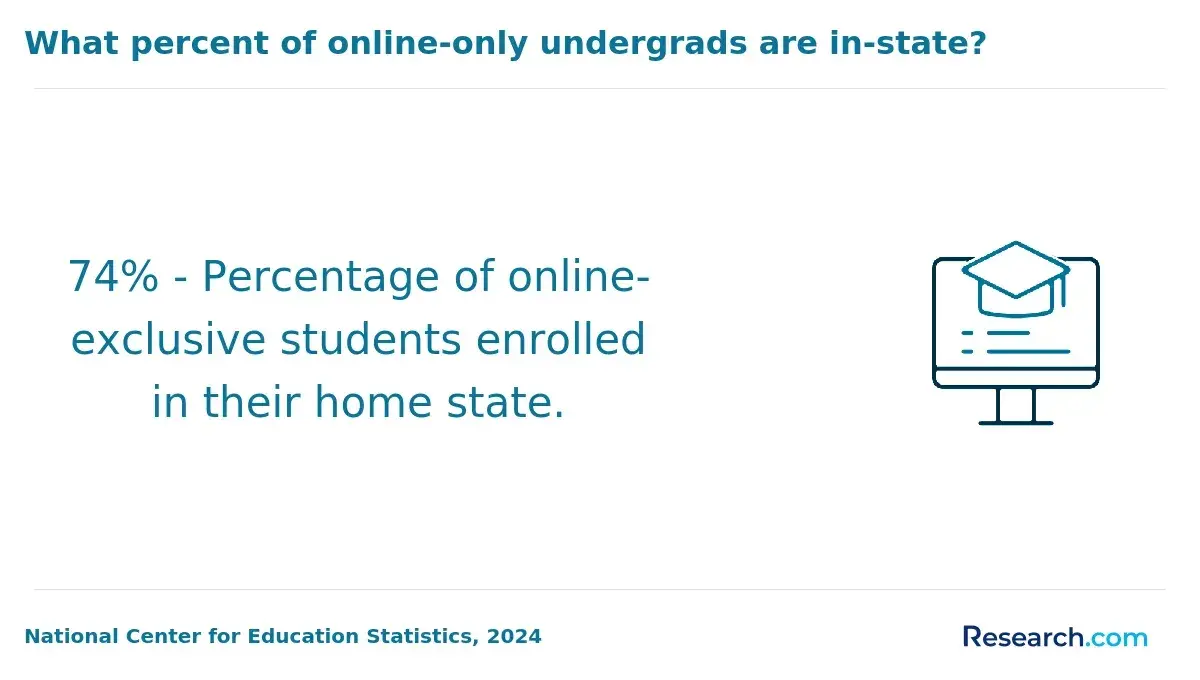
Admissions requirements for online and campus professional writing programs exhibit distinct patterns shaped by institutional policies and student demographics. Recent 2024 data from reputable education research centers indicate that roughly 70% of online professional writing programs adopt test-optional or test-blind policies, compared to about 40% among campus programs. Online programs typically allow more flexibility in GPA thresholds and emphasize professional portfolios and relevant work experience, reflecting their broader appeal to nontraditional and working adult students. These nuances are essential to understand when evaluating online versus campus professional writing program admissions requirements comparison, as the variance signals different academic and experiential expectations aligned with program delivery formats.
The discrepancies in admissions criteria primarily stem from differing accessibility goals and enrollment strategies. Online programs often aim to scale effectively and provide access to a wider range of applicants by relaxing standardized testing and academic benchmarks. This approach suits diverse adult learners balancing education with other commitments. By contrast, campus programs maintain higher selectivity to preserve traditional academic standards and leverage face-to-face mentorship opportunities. Institutional prioritization of enrollment demand and support resources also influences these divergent frameworks, affecting student preparedness and attrition risks.
These admissions differences carry broader implications for candidate decision-making and perception. Prospective students may weigh the tradeoff between flexibility and perceived rigor, influencing application patterns and long-term career outcomes. Understanding such tradeoffs is critical when considering regional differences in professional writing program acceptance rates and assessing program value beyond surface-level criteria. For students comparing pathways, examining practical program demands, delivery mode impacts, and outcomes helps align choices with professional goals. For further insights on navigating online degree options, see research on the best online architecture degree as a comparative model for flexible, scalable programs in related fields.
Is There a Relationship Between Admissions Standards and Student Success?
Recent data from the National Center for Education Statistics (NCES) shows that professional writing admissions standards and student academic success are linked, particularly through higher GPA thresholds and selective acceptance rates improving retention and graduation metrics. However, this correlation is not linear; marginal gains in outcomes diminish when admissions criteria become excessively strict, potentially filtering out applicants with strong practical skills who might thrive if given proper support. A 2024 report emphasizes that while initial academic confidence correlates with higher incoming GPA and test scores, long-term career outcomes depend more heavily on factors such as internships, writing experience, and faculty mentorship rather than admissions selectivity alone.
This complexity reflects differences in student demographics, institutional resources, and program designs, which can shape success independent of entrance requirements. Holistic admissions, incorporating writing samples and relevant experience alongside GPA and test results, can capture a broader range of candidate potential aligned with workforce needs. Access to academic support services and curriculum flexibility further mediates outcomes, highlighting that selectivity is one of many intersecting variables influencing graduation rates and career readiness in professional writing degree programs.
For prospective students and advisors, the practical takeaway is that admissions selectivity by itself is an unreliable proxy for educational quality or career trajectories. Employers increasingly prioritize digital literacy and communication agility over narrow academic metrics. To evaluate program fit and success likelihood, applicants should consider how admissions policies intersect with institutional support and opportunities for applied learning. Exploring program options with varying admissions models, including those with test-optional policies, may better accommodate diverse learner profiles. For those interested in accelerated paths blending technical skills, reviewing a fastest cyber security degree might also provide insight into interdisciplinary professional preparation.
How Can Students Strengthen a Professional Writing Program Application?
Successful professional writing program applications result from demonstrating a nuanced combination of academic preparation, relevant writing experiences, and clear alignment with program objectives. Admissions committees assess applicants not solely on minimum GPA thresholds but on evidence of readiness for the demands of advanced writing study and commitment to the field. These evaluations reflect a holistic review that values academic rigor, practical application, and the applicant's potential to thrive within both the program and professional environments.
Applicants who clearly connect their skills and experiences to professional writing's evolving requirements often stand out in competitive pools where a 3.0 cumulative GPA is generally expected, but where writing-intensive coursework performance may carry particular weight. Portfolios, personal statements, and extracurriculars function collectively to illustrate fit and applied competence rather than isolated achievements.
- Targeted Academic Preparation: Prioritizing high grades in composition, rhetoric, and technical writing signals to admissions officers that applicants possess foundational writing skills critical for success. This targeted focus often weighs more than general GPA, especially in selective programs where course relevance is a key differentiation factor.
- Curated Writing Portfolio: Submitting a diverse, polished portfolio showcases versatility and professional readiness beyond standardized metrics. Admissions panels view portfolios as direct evidence of writing ability and adaptability to various styles and formats required in the profession.
- Relevant Practical Experience: Engagement in internships, writing clubs, or publishing projects provides concrete evidence of applied skills and initiative, which many programs associate with stronger job market outcomes and program retention.
- Strategic Personal Statements: Crafting statements that explicitly link past experiences to professional writing goals demonstrates thoughtful self-awareness and clear motivation, characteristics highly regarded during holistic applicant reviews.
- Industry Awareness and Trend Integration: Highlighting knowledge of current professional writing trends such as digital content strategy or cross-platform communication signals preparedness for contemporary challenges, increasing perceived applicant suitability and adaptability.
References:
- How I learned to improve my professional writing skills in 3 steps https://learn.rumie.org/jR/bytes/how-i-learned-to-improve-my-professional-writing-skills-in-3-steps/
- Application Requirements | MIDS https://mids.ch/admissions/requirements/
- Academic vs Professional Writing https://www.eminentediting.com/post/academic-writing-vs-professional-writing
- Which Colleges Are Test Optional in 2025-2026? | Ivy Coach https://www.ivycoach.com/the-ivy-coach-blog/standardized-testing/test-optional-colleges-list/
- Home https://www.husson.edu/online/blog/2022/10/11-tips-to-improve-business-writing-skills
- Professional Writing https://www.gordon.edu/humanities-social-sciences/programs/professional-writing
- Professional Writing https://lakeland.edu/degrees/professional-writing
- The Growing Test Optional Movement https://www.compassprep.com/test-optional/
- English and Professional Writing, B.A. https://www.park.edu/academics/explore-programs/english-and-professional-writing-b-a/
- Which Colleges Are Test-Optional in 2026? https://fortunaadmissions.com/which-colleges-are-test-optional-2026/
Other Things You Should Know About Professional Writing
Increasingly competitive professional writing programs often raise GPA thresholds, reflecting heightened academic scrutiny. However, a higher GPA requirement does not always correlate with a lighter workload; many programs expect rigorous writing portfolios and project management skills that demand consistent time investment. Applicants must prioritize maintaining steady academic performance while building practical writing samples, balancing GPA ambitions with real-world skill development that employers value.
Test-optional policies can be advantageous for applicants whose standardized test scores previously undermined their applications, shifting more weight onto GPA and writing samples. Nonetheless, applicants with inconsistent GPAs should understand that admissions committees may compensate by scrutinizing qualitative elements like personal statements and portfolios more intensely. Candidates should therefore focus on demonstrating writing competence and intellectual engagement to offset any perceived academic inconsistency.
Applicants need to carefully balance program selectivity with curriculum relevance; applying solely to less competitive programs might increase admission odds but could offer fewer networking or career opportunities. Conversely, targeting highly selective programs with strong industry ties can yield better long-term outcomes but entails greater risk of rejection. Prioritizing programs aligned with specific career goals and proven graduate employability data is critical to optimizing both acceptance chances and return on educational investment.
For transfer students, navigating schools with stable admissions policies is generally preferable, as fluctuating test requirements can complicate application strategies and delay progress. Programs with clear, transparent criteria enable better planning and reduce uncertainty, especially when balancing transfer credits and curriculum alignment. However, applicants facing tight deadlines or unfinished prerequisites might benefit from schools offering flexibility in test assessments, despite potential tradeoffs in program rigor or selectivity.