2027 Paralegal ROI by Institution Type: Public vs Private vs Nonprofit Online Programs

Co-Founder and Chief Data Scientist
Consider a prospective paralegal student weighing three online programs: public, private, and nonprofit. Tuition differences are stark, but beneath the surface, graduation rates and student debt outcomes diverge more sharply. A 2024 National Student Clearinghouse report found that public institutions maintain higher six-year completion rates for online credentials than private counterparts-an important factor given that slower completion often correlates with higher debt and diminished career prospects.
Employer preference also varies by institution type, affecting job placement. This article analyzes how these variables shape paralegal ROI across institution types, helping readers evaluate costs, outcomes, and career value to choose wisely.
Key Things to Know About Paralegal ROI by Institution Type
- Public programs typically offer lower tuition but may have longer completion times; this tradeoff affects debt exposure and delays workforce entry, critical for cost-conscious students balancing work and study.
- Private online institutions often boast stronger employer networks and specialized accreditation, enhancing job market signaling but at higher upfront costs, thus influencing long-term career advancement opportunities.
- Nonprofit online programs frequently provide more flexible learner support services and adaptive pacing, facilitating timely completion for working adults, yet their varied reputation requires careful evaluation of ROI relative to investment.
- Key Things to Know About Paralegal ROI by Institution Type Key Things to Know About Paralegal ROI by Institution Type
- What Does ROI Mean for a Paralegal Program and How Is It Measured? Understanding Paralegal Program ROI
- How Do Public, Private, and Nonprofit Online Paralegal Programs Differ in Overall Value? Value by Institution Type
- How Do Tuition Costs Affect the ROI of a Paralegal Program Across Institution Types? Tuition Costs and ROI
- How Do Graduation Rates Influence Paralegal Program ROI? Graduation Rates Impact ROI
- What Role Do Career Outcomes Play in the ROI of a Paralegal Degree? Career Outcomes and ROI
- How Does Student Debt Impact the Long-Term ROI of a Paralegal Program? Debt vs. Long-Term ROI
- How Do Flexibility and Adult Learner Support Affect Paralegal Program Value? Flexibility and Program Value
- How Do Accreditation and Institutional Reputation Influence Paralegal ROI? How Do Accreditation and Institutional Reputation Influence Paralegal ROI?
- How Does Time-to-Degree Affect the ROI of Public, Private, and Nonprofit Paralegal Programs? How Does Time-to-Degree Affect the ROI of Public, Private, and Nonprofit Paralegal Programs?
- How Can You Choose the Best Paralegal Program Based on Your ROI Goals? Choosing Programs by ROI
What Does ROI Mean for a Paralegal Program and How Is It Measured?
ROI for a paralegal program requires careful weighing of factors beyond sticker tuition prices to include total educational costs, student debt loads, and the likelihood of timely completion. For instance, a public online program with lower tuition but a higher completion rate often yields a more favorable return than a more expensive private program whose median graduation rate trails by 15%, as found in a 2024 National Center for Education Statistics report.
Time-to-degree is a crucial consideration since extended enrollment can increase opportunity costs like foregone wages, and programs with strong learner support and flexible delivery models typically enhance both completion speed and program value. Institutional reputation and career services further shape ROI by influencing long-term employability and wage growth potential, which may not be immediately apparent in initial salary comparisons.
Public programs commonly maintain stronger regional employer connections, benefiting job placement, while nonprofit and some private options may specialize in niche areas valued by select employers. Measuring roi for online paralegal education programs involves integrating these qualitative dimensions with quantitative outcomes such as debt-to-income ratios and job placement rates to better forecast durable career benefits tailored to individual circumstances.
Because student goals vary-some prioritize affordability, others seek specialized expertise or rapid entry into the workforce-ROI calculations must align with these priorities rather than generic cost-based formulas. Prospective students often underestimate the full cost of attendance, including ancillary expenses, and over-focus on upfront tuition, sometimes overlooking practical comparisons like how much is the RN program evaluations that reveal hidden financial implications.
Ultimately, the best paralegal program ROI emerges from a balanced assessment of educational quality, completion likelihood, manageable debt, and career outcomes that correspond to one's professional objectives and financial realities.
How Do Public, Private, and Nonprofit Online Paralegal Programs Differ in Overall Value?
The value of public, private, and nonprofit online paralegal programs hinges largely on tradeoffs between cost, support services, and career outcomes rather than tuition alone. Public programs generally offer lower tuition and a stronger track record of graduation success, with data from the U.S. Department of Education's College Scorecard showing an 8% higher average graduation rate compared to nonprofit peers. This contributes to shorter time-to-degree and less accumulated debt, making public options appealing for those prioritizing affordability and timely entry into the workforce.
Conversely, private programs tend to deliver more personalized instruction and smaller class sizes, but this often results in significantly higher debt-around 35% more than public graduates-without a clearly consistent advantage in employer recognition within the paralegal field. Nonprofit programs frequently serve students seeking flexibility and practical skills, particularly adult learners and career changers, but their graduates may face slightly lower median starting salaries and less favorable employment outcomes than those from public institutions.
Choosing between these institution types involves navigating these nuanced differences: public programs balance cost and institutional prestige effectively for many, private options may justify their price for those valuing individualized attention despite debt risks, and nonprofit offerings fit learners who need adaptable scheduling while maintaining reasonable career preparation. Understanding these distinctions helps students align their financial limitations and professional goals with a program's capacity to deliver tangible long-term benefits.
One prospective student struggled to decide after comparing a lower-cost public online paralegal program known for its strong graduation rates against a pricier private institution promising dedicated mentorship and brand recognition. Concerned about the 35% higher average debt linked to private programs and uncertain if the prestige would translate into better job prospects locally, the student also weighed a nonprofit program's flexible schedule that accommodated a full-time work commitment but offered less robust career placement support.
Ultimately, relief came from identifying a public program with accredited faculty and targeted career services that balanced affordable tuition with proven outcomes aligned with personal ROI expectations.
How Do Tuition Costs Affect the ROI of a Paralegal Program Across Institution Types?
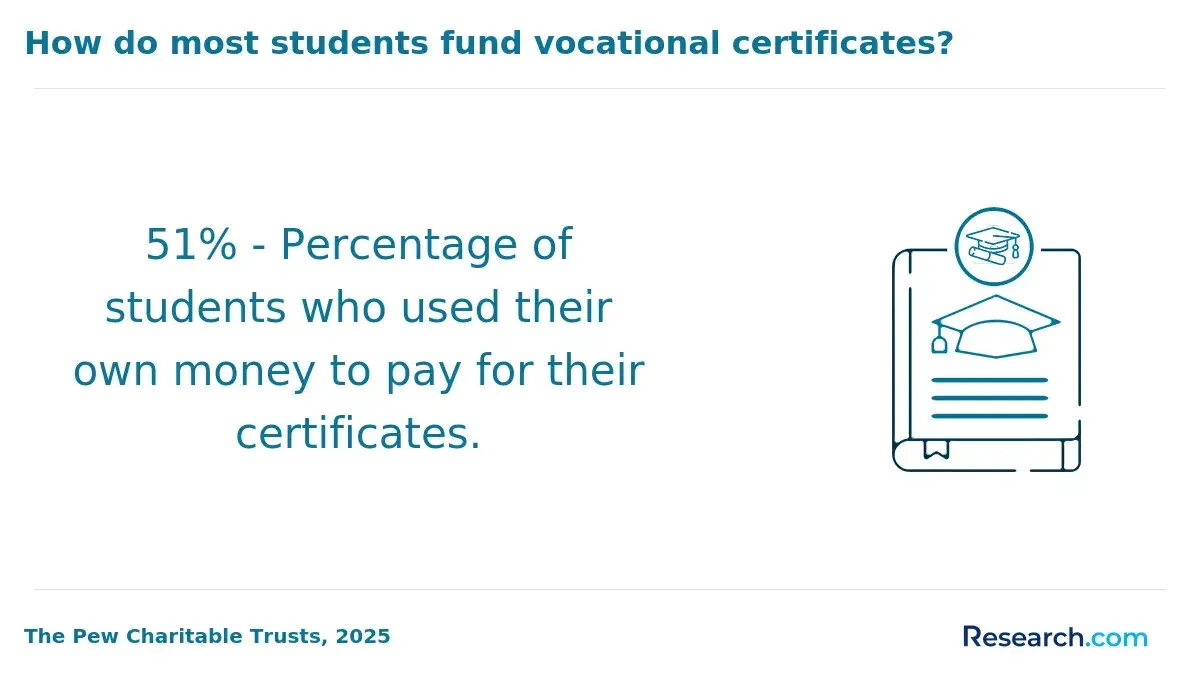
Tuition costs play a critical role in determining the true return on investment for online paralegal programs, but lower sticker prices do not guarantee better financial outcomes. Public institutions typically charge between $8,000 and $12,000 for online paralegal certifications, while private schools often exceed $20,000, with nonprofit programs falling somewhere in between.
However, according to the National Center for Education Statistics 2024 report, net prices after grants and scholarships can reduce this gap substantially, with public and nonprofit programs dropping costs by approximately 30%, compared to only around 10% for private programs. This difference in aid availability often means lower debt burden for students opting for public or nonprofit routes, directly influencing long-term financial stability post-graduation.
Despite higher tuition, some private institutions justify their cost through enhanced services such as personalized career counseling, employer networking, and flexible scheduling, which can accelerate job placement and improve career progression. This added value might be decisive for students who prioritize strong employment outcomes or have unique scheduling and credit transfer needs.
Yet, these benefits are not uniform-program completion rates and support quality vary widely, and a pricey program with poor retention can negate potential ROI gains. For many working adults or transfer students balancing cost with predictability, public and nonprofit online paralegal programs often strike a more practical balance, especially when entry-level salaries averaging $50,000 to $60,000 create pressure to avoid excessive educational debt.
How Do Graduation Rates Influence Paralegal Program ROI?
Graduation rates significantly shape the return on investment (ROI) in paralegal education, as they directly influence student persistence, time-to-degree, and debt accumulation. According to 2024 data from the National Center for Education Statistics, public online paralegal programs often report graduation rates around 60-65%, higher than private (50-55%) and nonprofit programs (55-60%).
This disparity reflects differences in student demographics and institutional missions-public institutions typically serve more traditional, full-time learners, while private and nonprofit programs attract working adults balancing jobs and families, which can depress completion despite added flexibility and support. For cost-conscious adult learners, understanding how graduation success affects paralegal education return means weighing these tradeoffs between pacing, institutional context, and financial impact.
Graduation rates are a useful but incomplete proxy for ROI, as they do not fully capture employability or skill acquisition valued by legal employers. Studies from the Education Policy Institute highlight that enhanced advising and modular course design in online programs improve completion odds and long-term career outcomes regardless of institution type.
Students should consider how well programs support persistence alongside affordability, since prolonged enrollment increases costs without credential payoff. Those comparing options might also examine related pathway investments, such as choosing programs aligned with broader workforce demands, similar to how many consider the cheapest RN-BSN online program when balancing cost and career goals in healthcare fields.
What Role Do Career Outcomes Play in the ROI of a Paralegal Degree?
Career outcomes fundamentally shape the return on investment for paralegal degrees by influencing both time to employment and the ability to avoid excessive debt burden. According to National Center for Education Statistics data from 2024, about 78% of graduates from accredited online paralegal programs find legal employment within a year, but this figure can vary considerably depending on whether the program is public, private, or nonprofit.
Public programs tend to offer stronger local employer connections and lower tuition, which translates into quicker job placement and less debt, enhancing net ROI for cost-sensitive students. In contrast, private institutions often charge higher tuition yet may provide more specialized career services that improve mobility and access to niche roles, though at the cost of heavier financial commitments.
Nonprofit programs often strike a middle ground, aligning curriculum with regional legal market demands while balancing affordability, but the real implication for students lies in how these factors interact with employer recognition and practical readiness rather than credential alone. Employers increasingly prioritize practical competencies and relevant experience over degree prestige, making programs that integrate applied training and networking more valuable in the competitive paralegal labor market.
For students weighing investment against outcome, the decision often hinges on the balance between immediate job placement advantages and long-term adaptability in evolving legal environments. Graduates from public programs may find quicker returns due to lower debt, but those from private or nonprofit programs could benefit from greater upward mobility or credential recognition in specialized sectors.
Ultimately, understanding these tradeoffs-training quality, cost, and employer engagement-is essential for an accurate and personalized ROI assessment beyond simple earnings comparisons. One graduate of an online paralegal program recounted initially questioning whether the degree would significantly affect career progression or remain a financial strain.
After completing a nonprofit program with a tailored curriculum, this individual found that employer nods to the credential opened doors to internal promotions focused on compliance work and project management. Although the upfront costs were higher than some public options, the expanded responsibilities and networking opportunities gradually validated the investment. Their experience highlights how real-world career outcomes-beyond initial salary-can substantively influence the perceived value and practical ROI of paralegal education over time.
How Does Student Debt Impact the Long-Term ROI of a Paralegal Program?
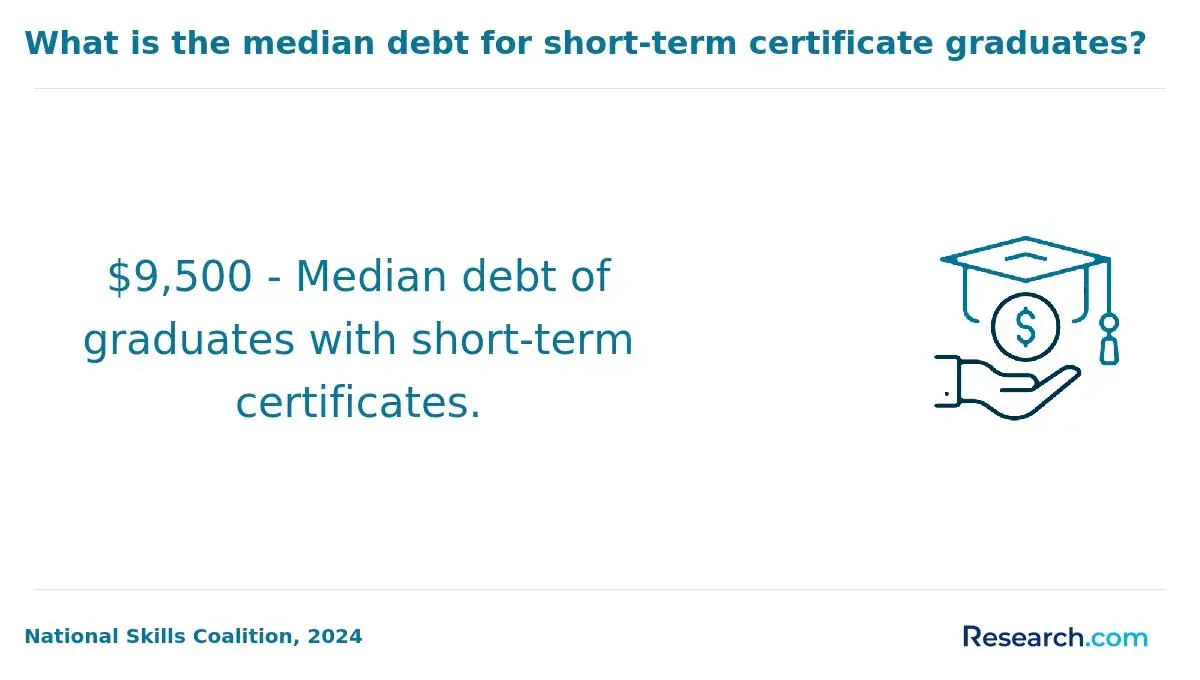
The long-term ROI of a paralegal program is heavily influenced by student debt levels, which vary significantly across public, private, and nonprofit online institutions. Borrowing from private schools typically results in nearly double the debt compared to public counterparts, increasing monthly repayment burdens that often erode financial gains post-graduation. For example, a graduate from a private online program may face a prolonged repayment timeline that limits economic mobility, especially in paralegal careers where starting salaries are moderate and wage growth can be slow.
Public programs generally offer lower tuition and stronger financial aid, translating to lower debt and a more manageable repayment schedule, which tends to preserve long-term financial returns. However, these programs may require longer completion times or offer fewer specialized tracks, factors that can slightly alter the ROI equation by affecting time-to-employment and career advancement.
Nonprofit online schools fall in the middle, balancing flexible schedules with moderate debt, but students must carefully assess debt relative to credential quality and job market alignment, as some may still carry significant federal loan burdens that impact financial resilience. Graduation rates and employment outcomes are also critical when evaluating paralegal program student debt impact on ROI; higher completion reduces the risk of debt without credential attainment, thereby improving net returns.
Cost alone should not dictate decisions-students must weigh borrowing against factors like educational quality, credential recognition, and market demand to find true value. For those comparing financing options, consulting specialized resources such as the best online exercise science degree guides can offer insights into balancing debt with practical career outcomes across fields and institutions.
How Do Flexibility and Adult Learner Support Affect Paralegal Program Value?
Program flexibility and targeted adult learner support critically shape the practical return on investment for online paralegal programs, directly affecting completion rates and total educational costs. For example, working professionals balancing job and family demands benefit significantly from asynchronous courses and part-time options, which reduce opportunity costs by allowing students to progress without sacrificing income.
However, choosing between public institutions offering broadly accessible, lower-cost flexibility with limited personalized career services and nonprofit programs with specialized advising, military accommodations, and transfer-friendly policies presents a distinct tradeoff: the former may stretch out time-to-degree, while the latter often accelerates progression through tailored support, impacting long-term affordability and employment readiness.
Private online paralegal programs, despite often charging higher tuition, sometimes fail to deliver proportional adult learner services, leading to mixed outcomes where enhanced student satisfaction does not consistently translate to better job placements. Key support elements proven to improve persistence include robust academic advising, career counseling, and early intervention strategies, which nonprofit programs tend to emphasize, boosting graduation rates by roughly 10% over baseline levels.
These factors are vital considerations for students weighing the financial and time investments of different institutional types, as increased flexibility coupled with effective retention initiatives can shorten time-to-degree and reduce debt load, thereby enhancing overall program value in a competitive employment landscape.
How Do Accreditation and Institutional Reputation Influence Paralegal ROI?
Accreditation and institutional reputation critically shape the return on investment for Paralegal graduates by directly influencing employer trust, credit transferability, and eligibility for licensure or graduate study. For example, a degree from an American Bar Association (ABA)-approved program often carries more weight with employers and legal institutions, which can translate into higher initial employment rates-averaging 15% greater than those from non-accredited programs, according to a 2024 NCES report.
However, students should recognize that accreditation alone does not guarantee outcomes; academic rigor, student support, and relevant curriculum remain essential factors affecting employability and salary growth. Institutional reputation adds complexity to these considerations. While graduates from well-known public universities frequently benefit from established employer networks and lower tuition, private and nonprofit online programs might justify higher costs through flexibility or unique curriculum designs tailored for working adults.
Given the debt burden often associated with private institutions, cost-conscious students must weigh institutional prestige against graduation outcomes and career placement rates rather than assume reputation equates directly to return on investment. In many labor markets, regional or employer preferences heavily influence hiring, making it crucial to assess how local reputation and programmatic accreditation interact with practical concerns such as student debt, tuition expenses, and long-term career mobility when comparing options.
How Does Time-to-Degree Affect the ROI of Public, Private, and Nonprofit Paralegal Programs?
Time-to-degree directly shapes the return on investment in public, private, and nonprofit paralegal programs by affecting both tuition exposure and opportunity costs. For example, students at private nonprofit institutions typically graduate in about 2.6 years versus 3.2 years at public schools, reducing both direct educational costs and delayed workforce entry time.
However, accelerated programs often require intense, full-time study that may not suit working adults balancing employment and family, while public programs' part-time options offer flexibility but can extend debt and completion timelines. Transfer credit acceptance at public institutions also shortens time-to-degree for some students, improving affordability and broadening practical pathways to completion.
Completion rates profoundly influence how time-to-degree impacts overall educational value. Private nonprofits generally achieve higher graduation rates, which helps justify higher tuition as more students realize credential benefits on a predictable timeline. Conversely, public options often emphasize accessible, flexible pacing, which supports persistence but may delay credentialing and career transitions.
Nonprofit online programs sometimes blend accelerated pathways tuned to career changers, seeking a balance between speed and comprehensive preparation aligned with employer expectations. For students weighing debt burden against fast credentialing, understanding these nuances is crucial to avoid sunk costs from incomplete programs and to optimize alignment with personal and market timing.
Ultimately, discerning how time-to-degree influences the return on investment in public, private, and nonprofit paralegal programs depends on a student's responsibilities, financial situation, and career aims. Those prioritizing affordability and part-time study may favor longer timelines with flexible public programs, while others needing a quicker transition into the workforce might target private or nonprofit accelerated tracks.
For adult learners assessing these tradeoffs, consultation of resources like what to do with a bioinformatics degree offers valuable parallels on balancing degree duration and market outcomes.
How Can You Choose the Best Paralegal Program Based on Your ROI Goals?
Determining the best paralegal program for maximizing return on investment depends more on a student's individual goals and circumstances than on whether the institution is public, private, or nonprofit. Public online programs often attract learners seeking lower tuition and greater financial aid options, which can minimize upfront costs and reduce debt, a crucial factor given recent data showing private nonprofit students carry nearly twice the average debt.
However, private and nonprofit programs may offer more intensive career support, specialized accreditation, or higher graduation rates, which can translate into stronger employment prospects and faster returns despite their higher sticker prices. Graduation rates above 60% correlate with improved post-completion employment outcomes, according to 2024 National Center for Education Statistics reports, so students should weigh institutional completion support alongside costs.
Flexibility is also critical: public institutions frequently offer part-time or accelerated pathways that enable working adults to maintain income while studying. ROI calculations must consider these tradeoffs-higher initial expenses may be justified by quicker degree completion and better job placement, especially for those balancing family or work commitments.
Ultimately, how to evaluate paralegal program ROI for online students hinges on aligning tuition, debt, accreditation, and career outcomes with personal employment status and time-to-degree goals. In some cases, choosing a program that balances affordability with strong career services-even if privately operated-can yield better net value. Prospective students may also benefit from exploring related fields with growing demand, such as online master's in marriage and family therapy, to hedge career options in evolving legal-adjacent professions.
References
- 8 Things to Consider When Choosing a Paralegal Program - Paralegal College | Center for Advanced Legal Studies https://paralegal.edu/blog/8-things-to-consider-when-choosing-a-paralegal-program/
- How to measure the return on investment (ROI) of legal tech and communicate it to the business - LawVu https://lawvu.com/articles/how-to-measure-the-return-on-investment-roi-of-legal-tech-and-communicate-it-to-the-business/
- Paralegal Schools: Types of Studies and Paralegal Degrees https://www.allcriminaljusticeschools.com/legal-and-paralegal/paralegal-programs/
- 5 Easy Ways to Measure the ROI of Training https://kodosurvey.com/blog/5-easy-ways-measure-roi-training
- Should I Get a Paralegal Certificate or Two-Year Degree? https://www.online-paralegal-degree.org/certificate-or-two-year-degree/
- How a Virtual Paralegal Certificate Can Kickstart Your Legal Career https://www.utsa.edu/pace/news/how-paralegal-certificate-kickstart-legal-career.html
- Pros and Cons of Different Paralegal Certificate Programs https://www.paralegalinst.com/pros-and-cons-of-paralegal-certificate-programs
- Bridging Education and Opportunity: Exploring the ROI of Higher Education and Workforce Development — HCM Strategists https://hcmstrategists.com/resources/ucmfwg7ha7zzeug6nb3dlawh3poziz
- The ROI of Adopting Legal Management Technology? https://www.lexzur.com/how-to-measure-the-roi-of-adopting-legal-management-technology/
Other Things You Should Know About Paralegal
Yes, but the impact varies depending on the employer's familiarity with and value placed on different institution types. Public and nonprofit online programs often emphasize practical skills with lower costs, which appeals to employers focused on proven competencies rather than brand recognition.
In contrast, some private institutions may carry stronger name recognition, potentially opening doors in competitive legal markets, but this advantage comes with higher tuition and no guaranteed improvement in hands-on training. Ultimately, employer preference hinges more on the program's curriculum relevance and graduates' demonstrated abilities than institution type alone.
Program design varies notably: public institutions often offer streamlined, affordable curricula focused on core legal assistant competencies, which can shorten time-to-completion and lower total expenses. Private programs may provide broader elective options or specialization tracks but can extend completion time and increase costs, diluting ROI if those extras don't translate into higher pay.
Nonprofit programs sometimes strike a balance, offering flexibility and targeted skill-building suited for working adults. Prospective students should weigh whether additional features justify the costs and fit their employment goals to optimize financial and professional returns.
For working adults balancing job demands, nonprofit and public programs frequently offer more practical ROI due to flexible pacing and affordability without sacrificing essential skills training. Public programs especially tend to have more predictable costs and credit transfer policies, reducing financial risk.
Nonprofit programs may offer specialized support services and networking opportunities tailored to adult learners. Prioritizing these institution types can minimize debt burdens while maintaining marketable competencies, which is critical for those unable to pause employment or take on significant financial strain.
Resources such as career services, alumni networks, and employer partnerships often differ by institution type and influence post-graduation opportunities. Private schools might have extensive connections with elite law firms, potentially facilitating entry into specialized roles, but these come at a premium cost.
Public and nonprofit programs typically focus on access and workforce readiness, offering solid if less exclusive job placement support that benefits graduates entering regional or mid-level legal markets. Students aiming for upward mobility should consider how institutional resources align with their geographic and sector targets, as these can impact salary growth and leadership prospects over time.