2027 Paralegal Salary Trends Report: Are Wages Keeping Up With Tuition and Inflation?

Co-Founder and Chief Data Scientist
Imagine a prospective paralegal student scrutinizing the rising costs of tuition alongside projected salaries after graduation. With higher education expenses climbing and inflation eroding purchasing power, the simple question of whether a paralegal degree pays off financially becomes complex. Comparing graduate salaries not only to tuition but also to inflation rates is essential to understand the real value of investing in this career path. This evaluation matters more today, as salary growth, education costs, and inflation rarely advance in sync.
Assessing salary trends requires looking beyond starting pay to consider long-term earning potential and affordability amid economic shifts. Rising tuition may outpace salary increases, making it critical to analyze whether these factors converge favorably over time. This article examines paralegal salary trends, tuition costs, inflation, and the return on investment to offer a clear picture of the financial viability of a paralegal degree. Understanding these elements helps prospective and recent graduates make informed decisions about their education and career trajectory.
Key Things to Know About Paralegal Salary Trends
- Average paralegal salaries grew 3% annually from 2021 to 2024, lagging behind a 5.2% average increase in tuition, signaling that rising education costs outpace entry-level wage gains.
- Inflation-adjusted earnings for graduates have stagnated, indicating that returning graduates must weigh debt burdens carefully against moderate wage growth in competitive markets.
- Long-term earning potential hinges on specialization and geographic location, with certifications and roles in metropolitan areas offering up to 20% higher salaries, impacting strategic career planning.
- Key Things to Know About Paralegal Salary Trends Key Things to Know About Paralegal Salary Trends
- What Is the Current Salary Outlook for Paralegal Graduates? Salary Outlook
- Are Paralegal Salaries Keeping Up With Inflation? Inflation Impact
- How Do Tuition Costs Compare With Paralegal Salary Growth? Tuition vs Salary
- Does a Paralegal Degree Deliver a Positive Return on Investment? Degree ROI
- Which Industries Offer the Highest Salaries for Paralegal Graduates? Which Industries Offer the Highest Salaries for Paralegal Graduates?
- Which States and Cities Offer the Highest Pay for Paralegal Professionals? Which States and Cities Offer the Highest Pay for Paralegal Professionals?
- How Do Paralegal Salaries Grow Throughout a Career? Career Growth
- How Do Paralegal Salaries Compare With Similar Degrees? Salary Comparison
- How Is Employer Demand Affecting Paralegal Salary Trends? Employer Demand
- How Can Students Maximize Their Lifetime Earnings With a Paralegal Degree? Maximizing Earnings
What Is the Current Salary Outlook for Paralegal Graduates?
The current earning outlook for paralegal graduates is shaped by multiple factors, including geographic location, specialized skills, and sector demand. Median salaries for paralegals in 2024 hover near $54,900, according to the U.S. Bureau of Labor Statistics, which reflects moderate wage growth but remains somewhat behind inflation and tuition cost increases. Entry-level pay often starts between $40,000 and $45,000 annually, but two graduates with similar credentials can have markedly different outcomes. For example, a graduate working in a large metropolitan area with a focus on intellectual property could earn well above the median, while another in a smaller jurisdiction supporting general litigation might see lower starting wages despite holding the same degree. This variation underscores the importance of strategic specialization and location choice when assessing paralegal graduate salary trends 2024.
Interpreting this salary data requires looking beyond initial paychecks to understand long-term career dynamics. The job market for paralegals is expected to grow roughly 7% over the next decade, aligning with average occupational demand, which suggests stable opportunities for advancement and salary progression. Certification and expertise in niche areas such as corporate law can further enhance salary potential over time. However, graduates should weigh these prospects against the backdrop of rising tuition fees, which have been growing at about 5% annually, a pace that entry-level wages haven't matched. This financial gap means some may struggle to recoup educational investments quickly, especially in higher-cost cities where the cost of living often diminishes purchasing power. Those exploring career options might also consider the variability similar to what exists in fields with competitive admissions, as observed in contexts like nursing school acceptance rate, where initial conditions heavily influence eventual outcomes.
Are Paralegal Salaries Keeping Up With Inflation?
Nominal wage increases for paralegal occupations over the past few years have averaged around 3% annually according to the U.S. Bureau of Labor Statistics, but this figure masks a crucial economic reality: wage growth has lagged behind inflation, which has run closer to 4% to 5% yearly. This means that although paralegals may see higher paychecks in dollar terms, their real earning power-the amount they can actually spend-has eroded. For instance, a newly graduated paralegal earning a median salary today may be unable to cover the same basket of living expenses as a counterpart earning slightly less just a few years ago, emphasizing that rising wages do not necessarily translate into improved financial security.
Prospective students evaluating whether paralegal salary growth versus inflation justifies the cost of education should carefully consider how tuition fees for accredited paralegal programs have also climbed substantially, often outpacing wage hikes. When the upfront and ongoing educational costs rise faster than salaries, the net economic benefit of obtaining a paralegal degree shrinks, presenting a tradeoff that can affect long-term financial sustainability. Factors such as geographic location, employer size, and the ability to negotiate compensation also influence whether paralegal wages are keeping pace with rising costs. Understanding these variables alongside the general trend is vital for those weighing investment in paralegal education against uncertain wage growth trajectories.
In many cases, entering students might benefit from exploring programs that minimize financial risk, including those where is the TEAS test required for all nursing programs to gain insight into varying educational prerequisites and associated costs. Considering wage stagnation amid increasing expenses, strategic career planning-such as seeking roles with higher growth potential or supplementing paralegal skills-becomes essential for maintaining purchasing power over time. This balanced view helps prospective paralegals navigate a challenging landscape where real income gains are not guaranteed despite nominal wage increases.
How Do Tuition Costs Compare With Paralegal Salary Growth?
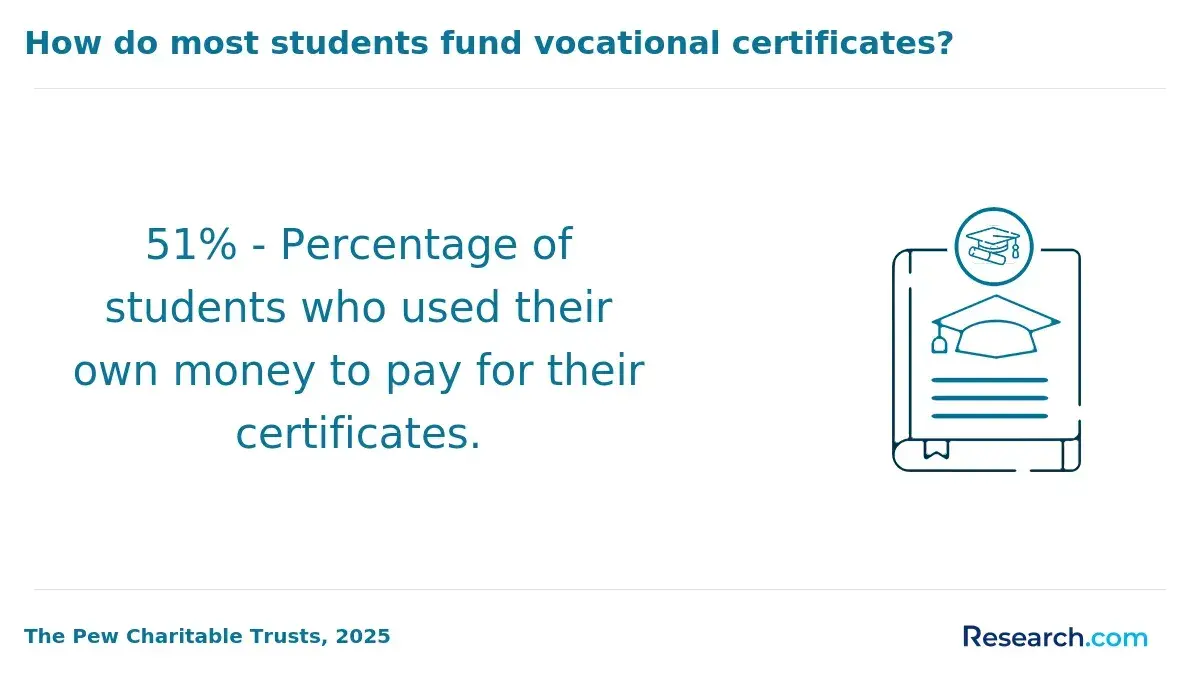
Evaluating paralegal education costs against salary growth offers a more nuanced measure of value than viewing tuition or earnings in isolation. In 2024, average tuition for paralegal certificate programs typically falls between $5,000 and $15,000, while median starting salaries hover near $48,000 annually, rising to about $62,000 mid-career, according to data from the National Center for Education Statistics and the Bureau of Labor Statistics. Although salaries modestly increase over time, their growth often lags behind the steady rise in tuition fees, which have climbed around 3% per year compared to salary growth rates under 2% for early-career paralegals. This widening gap means students face higher upfront educational expenses without immediate proportional salary gains, making the timing of repayment and earning progression critical to financial planning.
Consider two prospective students: one pursues a paralegal certificate at a community college where tuition remains moderate, balancing manageable debt with steady wage growth. Another opts for a program with higher tuition near urban centers, accumulating greater debt while facing similar salary trajectories after graduation. For the latter, the lag in salary increases relative to tuition inflation intensifies financial pressure, especially if repayment begins shortly after entry-level wages. Various factors-including geographic differences, institutional costs, and individual career pace-further influence whether the investment pays off within a reasonable timeframe. Understanding this dynamic equips students to assess their risk tolerance and long-term earnings potential more realistically.
One recent graduate reflected on navigating these financial trade-offs, recalling the hesitation before enrolling in a certificate program that had increased tuition by nearly 10% since their initial inquiry a year earlier. "I worried about balancing monthly loan payments with a starting salary not much above minimum wage in my area," they recalled, "but I chose the program for its strong local connections and hoped the experience would lead to quicker raises." Over two years, while their salary rose slowly, the graduate gained specialized skills that opened doors to higher-paying roles in mid-sized firms, validating the upfront cost despite the initial financial strain. This experience highlights how individual circumstances and local job markets shape the complex relationship between paralegal education expenses and salary growth.
Does a Paralegal Degree Deliver a Positive Return on Investment?
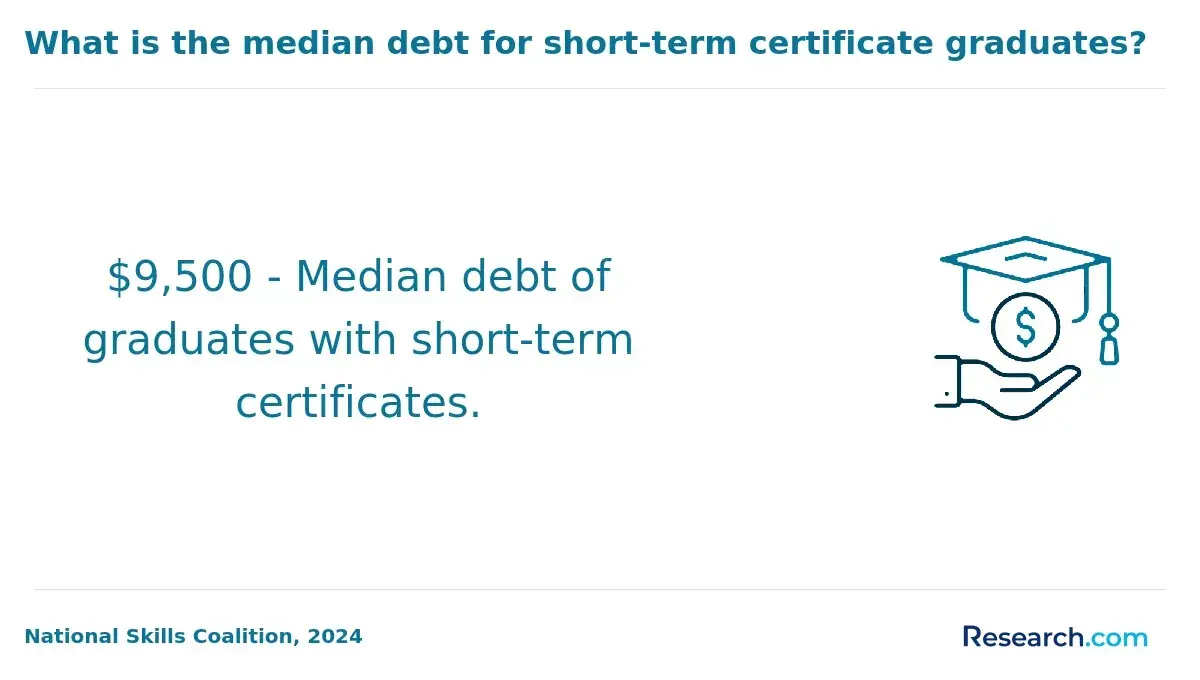
Return on investment (ROI) in higher education is more than just comparing upfront costs to starting salaries; it reflects how tuition expenses weigh against long-term career prospects, earning trajectories, and opportunities for professional advancement. For a paralegal degree, this means assessing whether the initial financial outlay leads to sustained income growth and job stability over time. For example, a graduate who incurs $20,000 in tuition but secures a median annual salary near $55,000 with steady demand in legal support roles may find ROI increasingly positive after several years in the field, especially as experience and certifications begin to enhance earnings and job security.
Factors such as increasing tuition fees-which have been rising about 4% annually-relative to moderate salary growth complicate this calculation. The U.S. Bureau of Labor Statistics projects a 7% employment growth for paralegals through 2032, suggesting stable demand but not explosive wage increases. Therefore, students from accredited programs that offer certification eligibility and strong networking connections stand to gain a better ROI by reducing job search time and unlocking higher pay brackets. Conversely, those facing steep student debt without such advantages might struggle to achieve a meaningful return within the expected timeframe.
Ultimately, the financial value of a paralegal degree depends on individual circumstances including local labor market conditions, program cost, and career ambitions. While broad data indicate a generally favorable outlook, recent trends in rising education expenses and modest salary gains require prospective students to weigh these tradeoffs carefully. Using up-to-date government and industry data helps frame ROI not as a fixed number but as a nuanced, evolving calculation influenced by economic variables and personal strategy.
Which Industries Offer the Highest Salaries for Paralegal Graduates?
Deciding whether to pursue a paralegal degree involves careful assessment of the industries that offer the highest salaries for paralegal graduates in the United States. Data from the U.S. Bureau of Labor Statistics and other leading sources in 2024 reveal that top-paying industries correspond largely with sectors demanding specialized legal expertise and those managing high-stakes transactions. Prospective and current students can leverage this insight to target fields with stronger earning potential and sustainable job growth. Below is an analytical breakdown of the top paying industries for paralegal professionals nationwide.
- Finance and Insurance: This sector leads in compensation by employing paralegals for compliance, regulatory affairs, and transactional support. Strong attention to detail and knowledge of financial regulations are essential to navigate complex contracts and risk management frameworks.
- Legal Services - Corporate Law: Large metropolitan law firms handling corporate law, mergers and acquisitions, and intellectual property law tend to offer elevated pay. Paralegals here manage high volumes of intricate legal documents, requiring expertise in business and legal processes.
- Federal Government: Agencies focused on tax law, environmental policy, and national security provide stable, structured pay scales often keeping pace with inflation. Paralegals employed here benefit from predictable compensation growth and legal specialization aligned with public regulations.
- Healthcare: The expanding healthcare sector demands paralegals knowledgeable in healthcare compliance and medical law. Specialized certifications and familiarity with regulatory healthcare statutes enhance earning prospects in this growing field.
- Intellectual Property Firms: Paralegals supporting patent, trademark, and copyright litigation gain a premium due to the technical knowledge required. Precision in managing proprietary information and complex case documentation contributes to higher wages.
- Energy and Environmental Law: Companies and agencies in energy sectors require paralegals experienced in environmental regulations and resource management law. Expertise in this niche supports compliance with evolving legal standards, justifying greater compensation.
- Nonprofit and Small Law Offices: While generally lower paying, these settings offer valuable stability and mission-driven work, though they rank lower on the list of top paying industries for paralegal graduates.
For example, a paralegal with a focus on corporate law working at a large New York City firm may earn significantly more than a counterpart at a small nonprofit office in a less urban region. This pay difference underscores the importance of targeting sectors aligned with one's skills and desired income to offset rising tuition costs effectively. Prospective students should also consider complementary educational paths that can enhance their legal foundation, such as programs highlighted by institutions offering the cheapest online master's in nutrition, which exemplify diverse affordable avenues for further education. Understanding top paying industries for paralegal-related occupations enables informed decisions about both immediate job prospects and long-term career trajectories.
Which States and Cities Offer the Highest Pay for Paralegal Professionals?
Geographic location plays a critical role in determining the earning potential for paralegal professionals, with wide disparities influenced by regional economies, demand for legal services, and local cost factors. According to 2024 data from the U.S. Bureau of Labor Statistics, states like California, New York, and Massachusetts provide some of the highest average annual wages for paralegals, often exceeding $70,000. However, elevated salaries often come paired with substantially higher living expenses and educational costs, which can diminish net financial benefits. A paralegal earning $85,000 in San Francisco may face steep housing costs that reduce disposable income compared to a peer earning less in a more affordable city. The tradeoff between gross salary and local expenses should be a key consideration when selecting where to study and work. Below are notable high-paying regions along with essential contextual factors to weigh.
- California (San Francisco Bay Area): The tech and corporate headquarters concentration drives demand for specialized legal support, pushing average paralegal salaries above $85,000. Despite lucrative pay, soaring housing costs and tuition fees in this metro area significantly impact overall financial gains, requiring careful assessment of lifestyle expenses.
- New York (New York City): Home to major law firms and financial institutions, New York City offers paralegal wages typically exceeding $75,000. The dense legal market creates varied opportunities but comes with a steep cost of living and high educational expenses that may offset nominal earnings advantages.
- Massachusetts (Boston): Boston's legal sector, anchored by top law schools and corporate hubs, supports paralegal salaries in the $70,000-plus range. Students benefit from strong career entry points but must consider above-average living and tuition costs.
- Washington, D.C. Metro Area: The intersection of government, lobbying, and legal industries results in competitive paralegal compensation around $65,000 to $75,000. While pay is substantial, the cost of living and rising tuition warrant scrutiny for newcomers.
- Illinois (Chicago): Chicago's broad legal and corporate base supports salaries generally between $65,000 and $75,000. Moderate living expenses relative to coastal cities may improve net income, though tuition inflation remains a concern.
- Texas (Dallas-Fort Worth): This metro area offers somewhat lower pay, around $50,000 to $60,000, but benefits from a comparatively affordable cost of living. Paralegals may find better financial balance despite wages trailing top coastal markets.
- Ohio (Columbus and Cleveland): With salaries often ranging from $45,000 to $55,000, Ohio's paralegal market is more moderate but paired with low living costs and reasonable tuition, increasing overall net disposable income.
How Do Paralegal Salaries Grow Throughout a Career?
Paralegal salaries generally rise throughout one's career, though the rate often varies by experience, location, and specialization. Entry-level paralegals typically start with a median annual wage near $55,000, according to 2024 figures from the U.S. Bureau of Labor Statistics. As professionals gain five to ten years of experience, salaries can grow to around $75,000, with those holding certifications or working in in-demand legal sectors possibly earning 20% more than the median. However, workplace setting matters: paralegals in corporate law or major urban centers tend to see faster pay increases than those in smaller markets or public service roles. Senior or supervisory positions may command salaries exceeding $90,000, especially after a decade or more of experience, according to recent industry salary analyses.
The difference in long-term salary growth often hinges on career choices and ongoing professional development. For example, two graduates with identical paralegal degrees may follow different paths: one pursuing certifications and niche legal fields might experience steady raises and promotions, while another remaining in entry-level roles in less competitive regions may see slower wage growth. The strongest contributors to higher earnings include specialized legal knowledge, managerial responsibilities, and geographic location. Yet, paralegal wage growth averaging 2-3% annually tends to lag behind tuition inflation rates exceeding 3%, raising concerns about the return on investment in legal education over time.
One paralegal degree graduate shared how she hesitated before leaving a stable public sector job for a private firm that offered certification support and more exposure to corporate law. Within five years, her salary increased significantly, validating the initial risk. She reflected, "Had I stayed where I was, my earnings would have barely budged." Her experience underscores that beyond the degree, strategic decisions about specialization and employer type critically influence how paralegal salaries evolve throughout a career.
How Do Paralegal Salaries Compare With Similar Degrees?
Data from the U.S. Bureau of Labor Statistics highlights a nuanced landscape for those evaluating the earning potential of a paralegal degree. While median annual wages for paralegals and legal assistants hover around $56,000, comparisons to similar degree holders reveal important tradeoffs. Differences often stem from industry demand, program length, and specialized credentials, affecting long-term financial outcomes. Below are key comparisons that illustrate how paralegal salaries stand relative to related fields, helping clarify their position in the broader job market.
- Legal Studies Graduates: These graduates typically earn between $58,000 and $62,000, slightly above paralegal wages. Careers in legal studies often include roles such as court reporters and legal analysts, which benefit from broader academic training. The marginal salary premium comes from extended education and specialization opportunities.
- Criminal Justice Degrees: Salaries for criminal justice professionals align closely with paralegal median wages, generally around $55,000 to $60,000. These positions often require similar skill sets focused on law enforcement and public administration, making earning potential comparable due to overlapping industry demands.
- Business Administration Holders: With starting salaries often higher than paralegals, especially in corporate roles, these graduates command pay reflective of broader managerial prospects and marketable skills. The growth potential in IT or business sectors typically surpasses legal assistant positions, explaining the wage gap.
- Certificate and Associate Program Completers: Faster workforce entry is a notable advantage, allowing early earnings that can offset tuition costs. However, as tuition rises with inflation-currently over 4% annually-modest salary growth of about 2% may challenge return on investment without strategic specialization.
One practical consideration involves weighing the speed of employment against long-term salary ceilings. Many paralegal graduates benefit from quicker entry into the workforce than those pursuing longer degrees. Supplementing paralegal credentials with certifications or experience in high-demand legal sectors can bring salaries above the median. For individuals assessing options, understanding these tradeoffs alongside the functional nurse practitioner pathway and other fields can clarify where paralegal roles fit within broader career and earning potential evaluations.
How Is Employer Demand Affecting Paralegal Salary Trends?
Employer demand strongly shapes paralegal salary trends by influencing hiring volume, competition for candidates, and compensation strategies among organizations. According to the U.S. Bureau of Labor Statistics 2024 projections, demand for paralegals is expected to grow about 7% from 2022 to 2032, faster than average for all occupations. This growth results from legal firms and corporations assigning more tasks to paralegals to control attorney costs. However, even with increased hiring activity, salary growth often trails inflation and rising tuition, especially in saturated regional markets with abundant entry-level talent, revealing a complex relationship between demand and wages in the paralegal job market trends and wages.
Consider a specialized compliance paralegal in a metropolitan area where demand outpaces supply. Competition for experienced candidates tends to push salaries higher, though budgets and economic cycles may limit gains. Conversely, entry-level paralegals in such markets might see stagnant wages despite heavy workloads due to supply glut and remote work norms. These dynamics suggest that strong employer demand can spur wage growth, but factors like experience, geographic location, specialization, and organizational financial health heavily moderate actual compensation increases.
For prospective or current paralegals, understanding how employer demand impacts salaries also involves evaluating educational investments against long-term earning potential. Specializing in high-demand fields or regions can improve outcomes amid steady job availability. Those weighing the cost of a paralegal degree should also explore complementary credentials-such as an environmental health and safety bachelor degree online-to diversify skills, given tuition inflation and competitive labor market realities.
How Can Students Maximize Their Lifetime Earnings With a Paralegal Degree?
Maximizing lifetime earnings with a paralegal degree requires strategic choices beyond simply completing coursework. Specialization, certification, and geographic considerations influence long-term income more than a generic education alone. For example, a graduate focusing on corporate law in a major metropolitan area, combined with a professional credential, will likely see faster wage growth than peers in less specialized roles or regions. Students should treat their paralegal education as a foundation to build targeted skills and networks that align with market demand. Below are key strategies shown by the U.S. Bureau of Labor Statistics and National Association of Legal Assistants to boost earning potential effectively.
- Industry Specialization: Focusing on fields like corporate law, healthcare, or intellectual property equips paralegals with in-demand expertise, which commands higher salaries and career stability in competitive sectors.
- Professional Certification: Earning credentials such as Certified Paralegal (CP) or Advanced Certified Paralegal (ACP) increases earning potential by 15-20%, reflecting employer preference for verified skills.
- Continuing Education: Developing competencies in evolving areas like e-discovery or compliance keeps skills relevant, enabling upward mobility and reducing vulnerability to automation.
- Geographic Focus: Targeting employment in metropolitan regions or cities with dense legal markets aligns with higher pay scales influenced by demand and cost of living.
- Networking and Internships: Building connections and gaining reputable experience through internships accelerates entry into higher-paying roles by enhancing employability and insider knowledge.
- Bachelor's Degree Integration: Combining a paralegal certificate with a bachelor's degree correlates with faster advancement and significantly stronger lifetime earnings than lower-level credentials alone.
References
- The price of college is rising faster than wages for people with degrees | USAFacts https://usafacts.org/articles/is-college-worth-it-the-price-of-college-is-rising-faster-than-wages-for-people-with-degrees/
- Paralegal Salary https://onlinemasteroflegalstudies.com/career-guides/become-a-paralegal/salary/
- Paralegal career paths — where does your legal support career go from here? - InfoTrack https://www.infotrack.com/blog/paralegal-career-paths
- Paralegal Salary https://www.becomeaparalegal.org/salaries/
- Is the Paralegal Field Booming? Your Job Outlook Guide https://www.paralegalinst.com/paralegal-job-prospects
- Legal Studies (Paralegal Studies) (A.S.) | A.S. | FSCJ http://www.fscj.edu/program
- Is College Worth it? | Return on Investment Analysis of College Degree https://educationdata.org/college-degree-roi
- Higher income and job demand signals growth for paralegals https://paralegal.edu/blog/higher-income-and-job-demand-signals-growth-for-paralegals/
- Paralegal Salary and Outlook by State https://www.paralegal411.org/salaries/
- What is a Paralegal’s Salary in the UK? Your 2026 Forecast https://www.remitly.com/blog/en-gb/jobs-and-careers/paralegal-salary/
Other Things You Should Know About Paralegal
The structure of paralegal programs-whether certificate, associate, or bachelor's degree-significantly impacts initial salary offers and long-term earnings. Certificate programs often enable quicker entry into the workforce with less tuition debt but may limit advancement opportunities compared to degree programs, which provide broader legal knowledge and higher starting salaries. Prospective students should weigh the increased upfront cost and time of degree programs against the likelihood of higher employer expectations and salary ceilings, prioritizing programs aligned with their intended career trajectory.
Higher wages in paralegal roles frequently coincide with increased workload demands, including complex case management and longer hours. While a salary boost may appear attractive, candidates must assess whether the additional responsibilities and stress levels justify the pay increase, especially given inflationary pressures and unpaid overtime risks. This tradeoff suggests that negotiating clear job descriptions and realistic workload expectations can be more beneficial long term than chasing nominal salary gains.
Employers often expect new paralegals to bring not only legal knowledge but also proficiency in technology, communication, and time management. Salary offers that seem low may reflect a prioritization of candidates who demonstrate comprehensive skill sets beyond coursework. Graduates should consider investing in complementary skills-even post-graduation-to improve their marketability and negotiate better pay, as salary stagnation often results from a mismatch between job expectations and candidate capabilities.
Graduates carrying substantial tuition debt may feel pressured to accept initial lower-paying paralegal roles, limiting their ability to wait for better offers or invest in skill enhancement. Prioritizing lower-cost programs or employer tuition reimbursement options can substantially ease this burden, allowing for more strategic career moves. When evaluating program choices, factoring in potential debt load relative to early salary prospects is crucial for maintaining financial stability in the first years post-graduation.