2027 Paralegal Career Outcomes by Degree Level Report: Pay, Employment, and Advancement Patterns

Co-Founder and Chief Data Scientist
Choosing the right degree level presents a high-stakes dilemma for prospective paralegal students balancing time, cost, and career goals. Recent 2024 data from the National Association of Legal Assistants reveals that individuals with associate degrees experience slower wage growth and fewer advancement opportunities compared to those holding bachelor's credentials-a pattern reflecting employer preferences for deeper legal knowledge. This divergence crucially impacts long-term employability and mobility, especially for working adults weighing immediate employment against future career progression. Understanding these nuanced pay and advancement disparities by degree level is essential. This article examines the latest outcomes to help learners make informed decisions about their paralegal education pathways.
Key Things to Know About Paralegal Career Outcomes by Degree Level
- Associate degrees often enable faster entry into paralegal roles due to lower time and cost barriers, but they limit access to specialized legal sectors where bachelor's credentials are increasingly preferred.
- Data from 2024 show employers favor candidates with bachelor's degrees for advancement; this reflects growing credential inflation and signals restricted promotion pathways for associate-level holders.
- Master's and certificate combinations may offer niche skill enhancement but present a cost-benefit tradeoff, as incremental pay gains rarely offset extended education time or tuition without clear employer recognition.
- Key Things to Know About Paralegal Career Outcomes by Degree Level Key Things to Know About Paralegal Career Outcomes by Degree Level
- What Career Outcomes Can Students Expect From Each Paralegal Degree Level? Career Outcomes by Degree
- How Much Do Paralegal Graduates Earn by Degree Level? Salary by Degree Level
- Which Paralegal Degree Level Offers the Strongest Employment Prospects? Best Degrees for Employment
- What Entry-Level Jobs Can You Get With a Paralegal Degree? Entry-Level Career Opportunities
- How Do Paralegal Degree Levels Affect Career Advancement and Promotion Opportunities? Career Growth by Degree
- Is a Paralegal Degree Worth It Based on Salary, Employment, and ROI? Salary, ROI, and Value
- How Do Associate, Bachelor's, Master's, and Doctoral Paralegal Degrees Compare? Comparing Degree Levels
- Which Industries and Employers Hire Paralegal Graduates by Degree Level? Which Industries and Employers Hire Paralegal Graduates by Degree Level?
- What Skills, Credentials, and Experience Improve Paralegal Career Outcomes? What Skills, Credentials, and Experience Improve Paralegal Career Outcomes?
- Which Paralegal Degree Level Is Best for Your Career Goals? Choosing the Right Degree
What Career Outcomes Can Students Expect From Each Paralegal Degree Level?
Employment and advancement patterns by paralegal credential reveal that certificate programs primarily offer quick entry to support roles but restrict long-term mobility, as many employers prefer candidates with associate or bachelor's degrees combined with professional certification. Associate degrees are the most prevalent, providing a balance of practical and general education that aligns with standard employer requirements and enhances eligibility for credentialing bodies like the National Association of Legal Assistants. For working adults or military-affiliated students, associate programs often present a strategic midway point, allowing for transfer credit use and internship opportunities that improve readiness for varied paralegal tasks while supporting gradual career growth beyond entry-level positions.
Bachelor's degrees typically open pathways to mid-level responsibilities, incorporating critical thinking and legal research skills valued for supervisory or project management roles, particularly in specialized areas such as corporate or intellectual property law. Data from the U.S. Bureau of Labor Statistics (2024) underscores the higher advancement potential tied to this degree level, making it a sound investment for those targeting broader responsibilities or planning eventual graduate study. Advanced degrees such as master's or doctoral credentials, although rare, cater to niche career tracks focused on legal policy, academia, or consultancy, usually requiring prior field experience and certifications. Prospective students weighing the time and cost of these options must factor in their limited availability and the specific leadership or research roles they enable, often outside traditional paralegal practice, contrasting with the more flexible and accessible routes available through certificate, associate, or bachelor's programs that align with industry expectations and support gradual credential layering.
Choosing an appropriate paralegal degree level entails a pragmatic assessment of employment access and credential synergy rather than a simple hierarchy of academic prestige. Employers increasingly demand integrated experience and practical certification alongside formal education, influencing how students combine academic programs with internships and work experience to optimize career mobility. For adult learners balancing other commitments, understanding these real-world tradeoffs is essential, as is exploring flexible degree options like transfer pathways or accelerated certificates that respect prior credits. The growing emphasis on relevant employment and advancement patterns by paralegal credential calls for a nuanced selection process, helping learners align educational investment with foreseeable market demands, a principle equally critical as seen in fields with increasing demand across healthcare systems where the choice of credential shapes long-term opportunities and career trajectory. Those seeking precise program options might consider reviewing easiest DNP programs for parallel insights into strategic degree planning and credential layering.
How Much Do Paralegal Graduates Earn by Degree Level?
Earnings for paralegal graduates vary significantly with the level of credential attained, reflecting a complex interplay of employer expectations, specialization opportunities, and geographic factors. Those with associate degrees or certificates often enter the field faster and with lower upfront costs but generally start with median wages around $50,000 to $55,000 per year, as reported by the U.S. Bureau of Labor Statistics in 2024. In contrast, bachelor's degree holders tend to earn $58,000 to $65,000 annually, benefiting from roles that demand more analytical and communication skills alongside greater job stability and advancement potential. However, the additional time and expense of a bachelor's degree do not always translate directly into proportional wage gains, especially when factoring in varying regional markets or employer types where routine paralegal work predominates.
Master's credentials, while less common in the paralegal profession, typically lead to salaries exceeding $70,000 but are usually tied to niche positions involving specialized legal consulting, research, or management functions rather than commonplace paralegal roles. Adults weighing whether to pursue graduate-level education should carefully consider these tradeoffs in relation to their career stage, as well as employer demand for advanced expertise versus general legal support. Geographical location and law firm size further shape salary trajectories and stability, making the decision to upgrade credentials a balance between upfront investment, transfer credit availability, and realistic outcomes in local job markets rather than a simple path to higher pay.
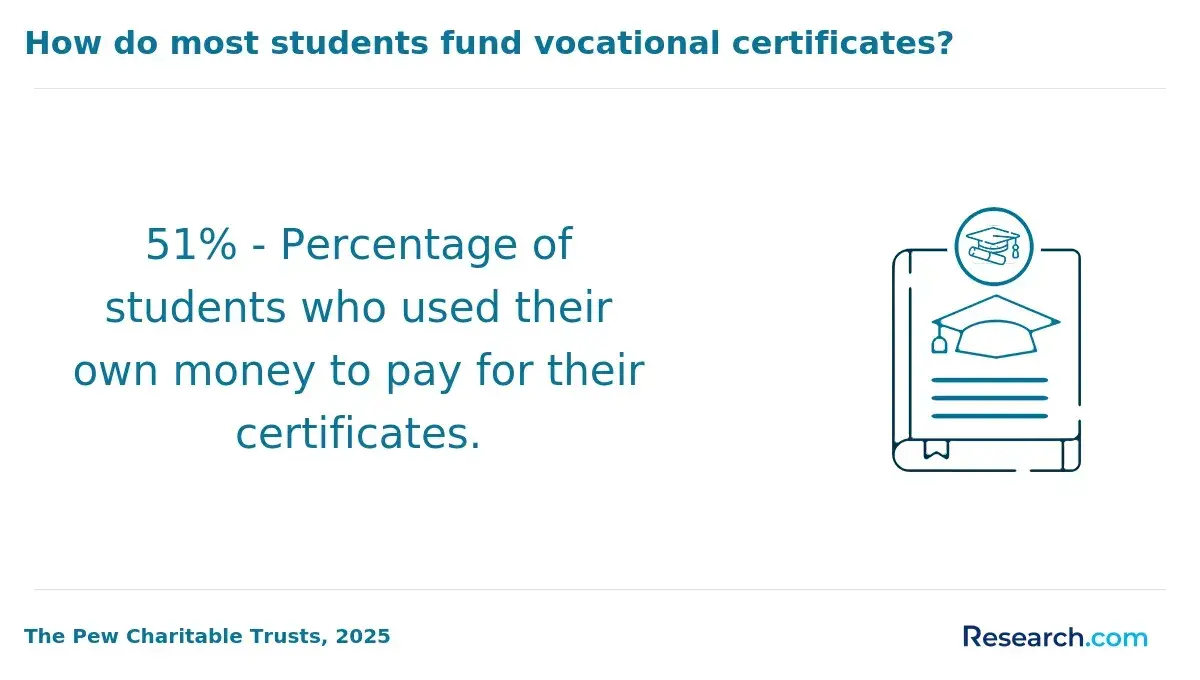
One paralegal graduate shared that initially inclined to pursue a bachelor's degree given the projected salary bump, they hesitated after reviewing regional job postings and speaking with local employers who prioritized practical experience over formal credentials beyond an associate degree. This insight led them to complete a certificate program, enter the workforce sooner, and later consider a bachelor's when a specialized compliance role became attainable. Their experience underscored the importance of aligning educational choices with specific employer expectations and local industry conditions rather than pursuing credentials based solely on national average salaries.
Which Paralegal Degree Level Offers the Strongest Employment Prospects?
Employment prospects for paralegal credentials hinge greatly on the level and scope of study, with associate and bachelor's degrees offering the most reliable entry into the field relative to employer expectations. Many legal employers mandate at least an associate degree, valuing its balance of foundational legal theory and practical skill development, which directly supports on-the-job readiness. For example, in regions with competitive legal markets, an associate degree often meets the minimum threshold to secure roles that provide both steady employment and opportunities for skill-building through internships or assistant positions. According to 2024 U.S. Bureau of Labor Statistics data, candidates with associate degrees typically enjoy higher placement rates and demand compared to those holding only certificates.
Certificates may lead to quicker workforce entry but frequently limit long-term upward mobility and wage growth since many firms view them as insufficient for complex casework or advancement. In contrast, bachelor's degree holders generally command higher wages-around 15-20% more on median earnings-and gain access to specialized or supervisory roles where broader competencies such as research, communication, and technology integration are prized. For working adults weighing options, this often translates into a strategic decision between entering earlier with a certificate or associate credential or investing additional time to enhance career resilience with a bachelor's degree. Advanced degrees like master's or doctorates rarely open typical paralegal roles but target niche functions such as legal consulting, teaching, or leadership pathways, underscoring their value primarily for professionals seeking positions beyond day-to-day paralegal work rather than immediate job market entry.
The distinction between initial employment access and advancement potential is critical: those who prioritize rapid reentry into the workforce might opt for certificate or associate programs, capitalizing on regional demand and employer credential baselines. Conversely, individuals focused on career growth and role specialization should consider how bachelor's and advanced degrees align with evolving labor market trends, certification requirements, and managerial opportunities within legal support services. This layered decision-making process reflects how work experience, geographic factors, and employer preferences collectively shape which paralegal credential delivers the most advantageous balance between hiring prospects and long-term professional development.
What Entry-Level Jobs Can You Get With a Paralegal Degree?
Entry-level paralegal jobs with degree qualifications often reflect a tradeoff between credential level and role complexity. Approximately 65% of paralegal positions require at least an associate degree, with many employers favoring bachelor's degree holders for specialized functions in corporate law or compliance. Those with certificates or associate degrees typically start in generalist roles focused on document handling and client interaction, which may offer less immediate specialization but a foundational platform for skill building. Candidates with limited practical experience should consider internships or fieldwork, as employers increasingly prioritize familiarity with e-discovery software and case management tools, influencing both hiring prospects and early career stability.
Certification remains optional but can distinguish candidates within competitive legal markets and signal readiness for advanced responsibilities. Geographic concentration affects opportunities; urban centers with dense legal industries provide more entry points and clearer growth pathways than rural areas. For students weighing degree options, understanding these entry-level dynamics is essential when planning long-term mobility or graduate studies, especially since some employers provide mentoring programs to facilitate quicker development of technical and transferable skills. Prospective paralegal students exploring flexible routes might consult resources such as online colleges free application listings to identify cost-effective programs aligned with their career goals.
How Do Paralegal Degree Levels Affect Career Advancement and Promotion Opportunities?
The level of education attained significantly influences paralegal advancement, particularly when competing for supervisory and specialized roles. Employers increasingly prefer candidates with bachelor's degrees or higher for leadership positions, as these credentials often signal stronger analytical skills and familiarity with complex legal tasks. For instance, a 2024 National Center for Education Statistics analysis found that 62% of supervisory paralegal job postings required at least a bachelor's degree, indicating that associate degree holders may face limitations progressing beyond entry-level opportunities. While associate degrees and certificates suffice for many initial roles, upward mobility frequently hinges on additional education or specialized credentials, especially in workplaces demanding broader legal knowledge or team management capabilities.
Timing and career flexibility also depend on degree choice; higher degrees can accelerate promotion readiness by qualifying paralegals for varied responsibilities sooner, yet adult learners must weigh the benefit of further study against work experience and existing credits. Transfer pathways allow some to build upon certificates toward bachelor's degrees without duplicating coursework, a crucial factor for those balancing employment, family, or military commitments. However, advanced degrees do not guarantee automatic promotion, as leadership readiness and employer policies also shape internal mobility. Candidates who combine higher education with practical experience and targeted certifications tend to have the strongest prospects for both occupational stability and competitive advancement.
A paralegal student reflected on her decision-making process after five years in an entry-level role: she hesitated at first about pursuing a bachelor's degree, given her work experience and certificate, but ultimately recognized that the higher degree was pivotal for eligibility in supervisory interviews at her firm. She noted that while her certificate had secured her initial hire, managers emphasized the value of a comprehensive degree when delegating strategic case management. This insight tempered her ambition with caution, as she acknowledged the effort required but felt encouraged knowing the degree would open doors she couldn't reach otherwise.
Is a Paralegal Degree Worth It Based on Salary, Employment, and ROI?
Deciding if pursuing a paralegal degree aligns with one's career objectives depends heavily on the degree level and local employment conditions. Associate degree holders often encounter faster entry into the workforce with lower upfront costs and less time out of employment, but they may face limitations in long-term salary growth and upward mobility compared to bachelor's degree graduates. For instance, in urban areas with dense legal markets, paralegals with bachelor's degrees tend to benefit from increased specialization and responsibilities, which employers reward with higher salaries and more advancement opportunities. This real-world dynamic underscores how salary potential and employment stability differ notably by education level, affecting return on investment calculations for working adults and transfer students evaluating further education.
Employment prospects in the paralegal field also vary by specialization and region, with an expected job growth rate above the national average but uneven opportunities across geographies. Individuals balancing part-time study or financial aid options must consider extended program durations that can delay ROI, contrasting with quicker completion times of associate programs. Additionally, career mobility is often tied to certifications from recognized bodies like NALA or NALS, which increasingly influence hiring decisions and may partially substitute for higher degrees in competitive markets. Such factors are critical to weigh when analyzing paralegal degree salary and employment outcomes in relation to the opportunity costs involved.
Prospective students seeking to understand the nuanced tradeoffs of educational paths may also benefit from exploring comparable degree models in related fields, such as the master of science in dietetics, which offers perspective on specialization-driven career advancement and investment risk. Ultimately, a thorough paralegal degree return on investment analysis must balance program costs, completion timelines, and realistic salary trajectories against local market demand and personal circumstances to make informed decisions.
How Do Associate, Bachelor's, Master's, and Doctoral Paralegal Degrees Compare?
Associate degrees remain the most direct route into paralegal employment, with about two-thirds of graduates securing entry-level roles within a year, reflecting employer preference for this credential as baseline proof of readiness. However, this path often limits long-term upward mobility unless augmented by certifications or relevant job experience. Bachelor's degrees, by contrast, substantially broaden eligibility, enabling access to specialized roles like litigation support or corporate law and improving employment stability, as roughly 75% to 80% of bachelor's holders maintain consistent work post-graduation. The ability to transfer credits also makes the bachelor's a strategic choice for those considering further education or leadership positions within legal firms.
Master's degrees tend to serve niche market segments requiring advanced expertise or research proficiency, such as compliance or forensic analysis, but they rarely translate into significant entry-level advantages and are more valued in competitive or specialized legal environments. Doctoral study typically aligns with academic careers or policy work rather than typical paralegal functions, making this level a less practical route for traditional paralegal employment. Students must weigh the mounting financial burden and time investment as degree levels rise against the incremental career benefits, especially when certifications from bodies like NALA or NFPA can often supplement education effectively. Ultimately, deciding whether to stop at an associate or bachelor's, pursue a master's, or embark on doctoral work hinges on realistic career targets, the demand for specialization, and how educational credits can be stacked or leveraged to maximize both employability and advancement potential.
Which Industries and Employers Hire Paralegal Graduates by Degree Level?
Employer preferences for paralegal graduates vary considerably by degree level, affecting not only where graduates find work but also the roles and responsibilities they undertake. Associate degree holders dominate hiring in law firms and smaller corporate legal departments where practical skills and immediate job readiness are prioritized; this credential often leads to entry-level support positions with limited scope for specialization. In contrast, employers in government agencies, healthcare systems, and large corporate compliance units increasingly target bachelor's degree holders for roles involving regulatory oversight and analytical tasks, reflecting a demand for broader legal knowledge and research capabilities. According to U.S. Bureau of Labor Statistics data (2024), nearly half of paralegal positions require at least a bachelor's degree for these more complex functions.
Advancing to master's degrees or specialized certificates signals a shift toward niche areas such as intellectual property, environmental regulation, or health law compliance, with many employers linking these credentials to leadership or policy advisory roles. However, pursuing higher credentials entails tradeoffs; not all sectors value advanced degrees equally, and the time and cost investment may not yield proportional gains in all legal workplaces. For instance, certificate programs often serve working professionals aiming to update skills for regulatory-driven industries like finance and insurance, enabling career mobility without a full degree commitment. Students should consider how degree level correlates with employer screening criteria, job function complexity, and advancement opportunities specific to their target sector rather than assuming a linear progression guarantees broader employment or pay benefits.
These employment patterns exemplify how credential level acts as a proxy for technical ability and critical thinking yet ties closely to employer expectations within diverse legal-adjacent fields. Evaluating outcomes through labor market data and sector-specific demand profiles offers a clearer basis for deciding whether to enter, pause, or advance educationally. Paralegal career planning benefits from aligning degree choices with realistic market entry points, understanding that associate degrees support immediate entry into support roles, bachelor's degrees expand into regulatory and analytical work, and advanced credentials open doors to leadership or specialized practice areas according to IPEDS and National Association of Legal Assistants research (2024).
What Skills, Credentials, and Experience Improve Paralegal Career Outcomes?
Paralegal employment outcomes depend heavily on targeted skill sets and credentials that align with employer demands, particularly when considering degree level. Associate degree holders strengthen their job competitiveness most effectively by combining certifications, such as the Certified Paralegal (CP) credential, with practical experience using legal research software and case management platforms-tools increasingly required to demonstrate immediate workplace readiness. Employers often view a portfolio of internships or apprenticeships as proof of problem-solving ability and client communication skills, critical for securing entry-level roles and facilitating career mobility.
For those holding bachelor's degrees or higher, advancement hinges more on leadership experience, specialization, and communication skills that prepare candidates for supervisory or management positions. Credential stacking remains key; adding certifications and understanding state-specific paralegal certification and licensing requirements can differentiate candidates in competitive markets. Military-affiliated students or individuals with experience in related fields can translate transferable skills to legal settings, enhancing adaptability and long-term employability. However, the tradeoff between technical proficiency and broader analytical training influences paths toward specialized practice versus management tracks.
Working adult learners and transfer students should strategically integrate new credentials with prior academic credits and experiential learning to optimize employment access and promotion readiness. For those balancing continuing education, resources on online BSN to MSN programs illustrate how layered educational investments can complement hands-on experience without excessive time lost. Understanding these dynamics around key skills and experience for paralegal career advancement enables clearer decision-making about whether advancing from an associate to a bachelor's degree will produce tangible benefits aligned with individual career goals.
Which Paralegal Degree Level Is Best for Your Career Goals?
Choosing the right paralegal degree level significantly shapes one's access to employment roles and advancement opportunities within the legal sector. Most entry-level positions remain accessible with an associate degree, which continues to dominate credential completions in 2024, reflecting employer recognition of this credential for foundational paralegal tasks. However, individuals aiming for supervisory roles or specialization often find a bachelor's degree more advantageous, as it aligns with employer expectations for higher autonomy and legal complexity. For working adults or transfer students weighing continuation, the increased time and tuition costs associated with bachelor's programs must be balanced against roughly 20% higher employment rates reported for these graduates in advanced positions, according to IPEDS data. This comparison highlights how different paralegal degree levels yield varying tradeoffs in opportunity cost and career mobility.
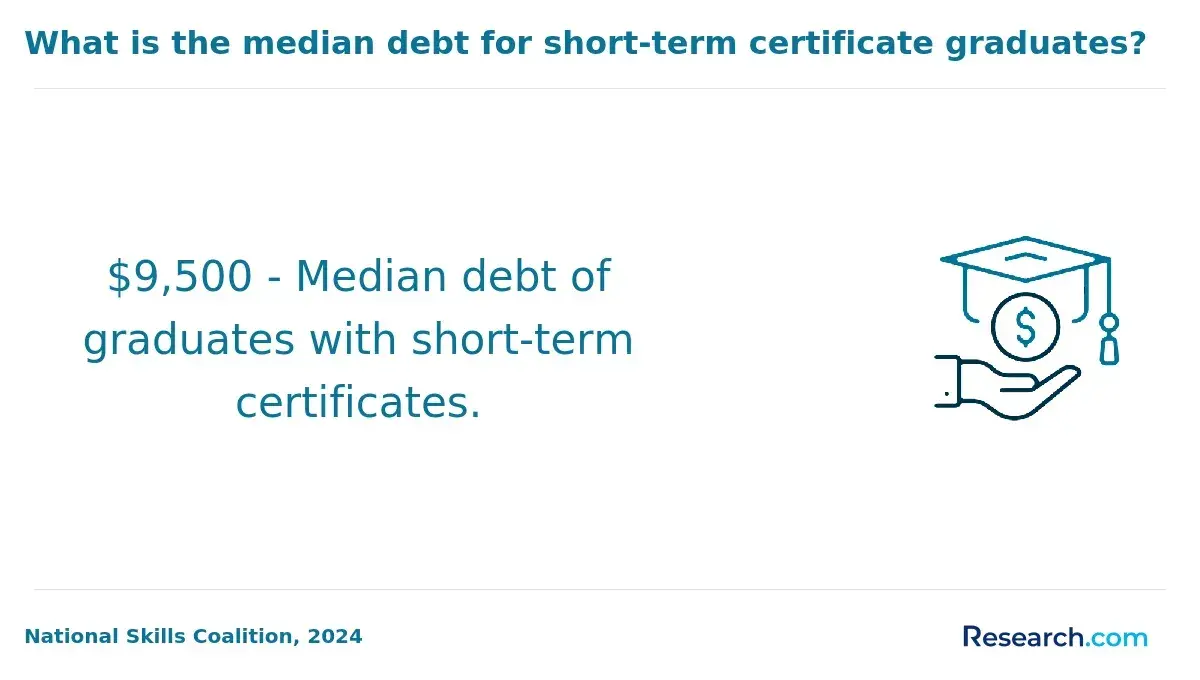
Certificate programs, while often faster and appealing for quick entry or licensure requirements, generally limit long-term career flexibility and upward movement. Those pursuing crossover into legal administration or compliance fields, or planning graduate study, typically benefit from the broader credit transfer and foundational prerequisites supported by bachelor's degrees, despite the steeper debt burden reported by the College Scorecard. Aligning educational pathways with realistic employer expectations and personal timelines is critical, especially for military-affiliated students or working professionals balancing vocational growth with life commitments. For individuals exploring related fields, such as counseling, insight may be drawn from trends in marriage and family therapy master's programs online, where degree level critically influences specialization and credentialing. Comparing employment and salary outcomes by paralegal credential level clarifies how foundational training versus advanced preparation affects both immediate access and longer-term prospects in the legal workforce.
References
- Paralegal Certificate vs Degree: Key Differences https://www.paralegalinst.com/paralegal-certificate-and-degree-programs
- Three (3) Ways to Earn the Paralegal Salary You Desire https://paralegal.edu/blog/three-3-ways-to-earn-the-paralegal-salary-you-desire/
- The Difference Between a Paralegal Certification and Degree | Bryan University Online© https://bryanuniversity.edu/faq/the-difference-between-a-paralegal-certification-and-degree/
- Entry Level Paralegal Jobs (with Salaries) - SEEK https://au.seek.com/entry-level-paralegal-jobs
- How to become a Paralegal with no experience https://www.totallylegal.com/article/how-to-become-a-paralegal-with-no-experience
- What are the Pros & Cons to Being a Paralegal https://www.uscareerinstitute.edu/blog/pros-and-cons-of-being-a-paralegal
- What is a Paralegal? - Career Insights | Teal https://www.tealhq.com/career-paths/paralegal
- Entry Level Paralegal Jobs https://www.jobmonkey.com/paralegal/entry-level/
- 12 Essential Skills for Success in Paralegal Jobs Today https://www.ucumberlands.edu/blog/12-essential-skills-success-paralegal-jobs-today
- Learn about being a Paralegal - Edu Live https://www.edu-live.com/posts/learn-about-being-a-paralegal
Other Things You Should Know About Paralegal
The structure and duration of paralegal programs vary widely, and this impacts practical readiness and employability. Shorter certificates or associate degrees often focus on technical skills, which can be sufficient for entry-level roles but may limit exposure to legal theory or specialization. In contrast, longer bachelor's or master's programs typically provide deeper legal context and more internship opportunities, enhancing job preparedness and employer appeal, especially in competitive markets. Candidates should weigh time investment against their career timeline and consider if a flexible or accelerated program better fits their work-life balance without compromising depth.
Accreditation ensures baseline academic quality, but employer networks often drive job placement success in paralegal careers. Programs with strong ties to regional legal markets frequently offer internships, mentoring, and hiring pipelines that directly translate into employment. For students targeting specific geographic areas, prioritizing programs with established local partnerships can yield faster, more relevant job opportunities, even if those programs are less nationally recognized. When job placement is a key concern, these practical connections typically outweigh broader accreditation prestige.
Employers often expect lower-level degrees like certificates and associate degrees to deliver foundational skills suitable for task-driven roles, whereas bachelor's or master's graduates are anticipated to handle complex legal research, document drafting, and project management. This affects workload and role scope, with higher-degree holders more likely to receive challenging assignments and supervisory responsibilities. Consequently, selecting a degree should reflect your willingness to meet these expectations and your desire for more substantive, less routine work.
Further education can enhance upward mobility and specialization but does not guarantee immediate advancement or pay raises. If your current role involves specialized tasks or leadership potential, investing in a bachelor's or master's degree may unlock new opportunities. However, if your goal is steady, well-compensated work without significant change in responsibilities, experience combined with targeted certifications might be more cost-effective. Assess whether your employer values formal education upgrades versus practical experience before deciding.