2027 Operations Management Student Debt Report: Borrowing, Monthly Payments, and Repayment Risk

Co-Founder and Chief Data Scientist
Operations management programs often require extensive practical experience, combining coursework with internships or cooperative education. These requirements influence borrowing patterns because students frequently balance tuition with living expenses during extended program durations. The field's variable career entry points, including transitions from related industries or graduate pathways, shape repayment risks differently than in more linear disciplines.
According to the National Center for Education Statistics (2024), the median age of operations management enrollees has risen, reflecting a shift toward mid-career learners seeking additional credentials. This trend suggests evolving workforce demands and highlights the complexity behind borrowing decisions and long-term financial commitments within this field.
Key Things to Know About Operations Management Student Debt
- Average monthly payments for operations management graduates vary significantly, with higher debt often leading to longer repayment periods, increasing total interest and affecting long-term financial stability.
- Employers increasingly expect practical experience alongside degrees; heavy student debt may pressure graduates to prioritize higher-paying roles over skill development or sector fit.
- Delaying repayment through income-driven plans can ease short-term burdens but raises risk of higher cumulative costs and debt persistence, influencing career flexibility and financial planning for operations management professionals.
- Key Things to Know About Operations Management Student Debt Key Things to Know About Operations Management Student Debt
- How Much Student Loan Debt Do Operations Management Graduates Typically Have at Graduation? Average Studen Loan Debt
- What Factors Have the Biggest Impact on Operations Management Student Loan Debt? Student Debt Key Factors
- What Is the Average Monthly Student Loan Payment for Operations Management Graduates? Average Monthly Payment
- How Do Repayment Rates Compare Between Public and Private Institutions? Public vs. Private Institution Repayment Rates
- Do Online Operations Management Graduates Have Different Repayment Outcomes Than Campus-Based Students? Online vs. On-Campus Student Loan Repayment
- Which Industries Provide the Best Financial Return Relative to Borrowing Costs? Which Industries Provide the Best Financial Return Relative to Borrowing Costs?
- Does Student Debt Affect Which Jobs Operations Management Graduates Accept? Does Student Debt Affect Which Jobs Operations Management Graduates Accept?
- What Factors Increase Student Loan Repayment Risk for Operations Management Graduates? Loan Repayment Risk Factors
- How Can Operations Management Students Reduce Student Loan Debt While Earning Their Degree? Tips to Reduce Student Debt
- How Should Prospective Students Evaluate Borrowing Risk Before Enrolling? Evaluating Student Debt Risk
How Much Student Loan Debt Do Operations Management Graduates Typically Have at Graduation?
Recent analyses show that the typical student loan debt for operations management graduates at completion tends to cluster between $25,000 and $40,000, with a median near $30,000 according to 2024 federal education data. This range reflects borrowing patterns consistent with broader business-related programs, where about 60% of students graduate with debt.
The figure can fluctuate based on tuition rates that align with business or industrial engineering departments, as well as variations in program length and enrollment status. Understanding this debt load requires considering the balance between investment in technical skills and the realities of financing undergraduate education in fields closely tied to practical workforce demands.
Debt variation across operations management programs is shaped significantly by institutional and demographic factors. Graduates from public universities often carry lighter debt burdens than those from private colleges due to lower in-state tuition costs and more accessible state aid. Part-time versus full-time enrollment also influences borrowing, with extended timelines driving higher cumulative costs.
Additionally, scholarship availability and geographic cost-of-living differences play substantial roles, as rural or lower-income students sometimes shoulder disproportionately high loan amounts. These dynamics illuminate how student loan debt for operations management programs is not uniform but tied to nuanced financial aid structures and enrollment choices.
Higher debt levels present tangible challenges in repayment, especially since entry-level salaries in operations roles may not always align with loan obligations, prompting some graduates to pursue income-driven repayment plans. This reality directly affects financial stability and career decisions, including job selection and negotiation strategies. Prospective students are advised to weigh expected earnings against borrowing needs critically, balancing the value of education against long-term financial implications. For those exploring alternative educational pathways, there are also varied options such as accelerated degrees, as found in fields like psychology online, illustrating broader trends in how program structure impacts debt and career outcomes.
What Factors Have the Biggest Impact on Operations Management Student Loan Debt?
Student loan debt levels among operations management students reflect a complex interplay of institutional pricing frameworks and individual financial realities rather than a single, isolated cause. The magnitude of borrowing hinges on how colleges structure tuition, the availability and type of financial aid, program design, and the socioeconomic circumstances of the student. These factors collectively influence borrowing behavior and the long-term debt burden individuals carry after completing operations management programs.
- Institution Type and Pricing: Private for-profit and private nonprofit institutions generally have higher tuition rates than public universities, leading to greater borrowing requirements. Limited access to subsidized financial aid at these private institutions compounds debt levels, as students often cannot offset elevated costs effectively. This pricing dynamic directly drives up student loan debt and often correlates with differences in institutional aid policies and state funding availability.
- Program Length and Enrollment Patterns: Extended pathways like accelerated bachelor's plus master's combined tracks naturally increase total credit hours and tuition expenses, pushing students to borrow more. Conversely, shorter certificate or associate degree programs impose lower direct costs but may result in tradeoffs related to earnings potential, influencing students' willingness to assume debt. The impact of program format on operations management student debt is thus pivotal, shaping both initial borrowing and repayment trajectories.
- Socioeconomic Factors and Living Expenses: Students from lower-income backgrounds typically borrow beyond tuition to cover essential living costs such as housing, transportation, and technology needed for hybrid or remote learning modalities. These ancillary expenses often elevate overall debt beyond educational costs alone and amplify repayment risk. This highlights how personal financial circumstances intersect with institutional factors to affect total borrowing levels.
- Post-Graduation Earnings Outlook: Entry-level salaries in operations management vary widely, influencing how much risk students are willing to accept in taking on debt. Median wages ranging from $55,000 to $75,000 alter loan repayment feasibility and borrowing behavior, with some students opting to limit loans in anticipation of tighter post-graduation budgets. Employers' expectations and regional salary differences thus indirectly shape the debt students incur.
- Financial Aid and State Funding Policy: Variations in institutional financial aid packages combined with state-level grants targeting workforce-aligned fields, including operations management, create significant disparities. Robust grant programs reduce reliance on loans, while weak or no state aid forces heavier borrowing and debt accumulation. Students navigating this complex aid landscape must weigh these structural funding differences when considering their borrowing strategies.
This nuanced understanding of the factors influencing operations management student loan borrowing supports more informed decision-making around program choice and financial planning. For those interested in alternatives to traditional degree programs, exploring options such as MSW programs online can provide insights into different financial models and debt implications.
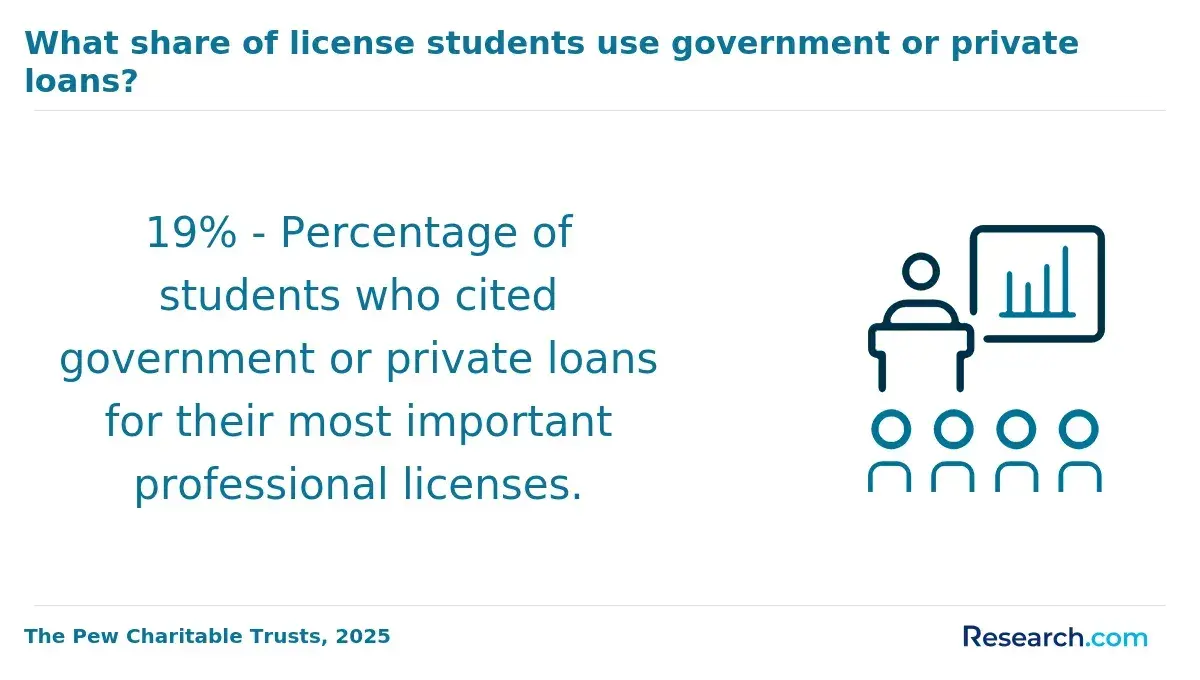
What Is the Average Monthly Student Loan Payment for Operations Management Graduates?
Recent analysis from the U.S. Department of Education and Federal Reserve data suggests that operations management graduates typically encounter monthly student loan payments ranging roughly from $300 to $450. This span reflects the combined effects of moderate borrowing amounts and income levels commonly seen in roles related to supply chain, logistics, or production oversight. Borrowers with debt near the national bachelor's average-around $30,000 to $40,000-generally fall toward the lower end of this monthly payment range when adhering to conventional 10-year repayment schedules. These figures illuminate not just financial obligations but also the alignment between debt burden and early- to mid-career earnings across the field.
Monthly payment differences primarily arise from variations in total loan balances, the repayment plans chosen, and income realities post-graduation. Standard repayment options often trigger higher monthly costs but shorter payoff periods, while income-driven plans can reduce immediate payments significantly, frequently dropping below $300, though extending total interest accrued. Graduates' salaries differ based on industry segment and job level, impacting both their repayment capacity and risk of deferred payments or default. The interplay of debt amount, interest rates, repayment term lengths, and salary progression creates a diverse financial landscape that requires graduates to tailor their repayment strategies carefully to balance sustainability with loan acceleration.
One recent graduate recalled navigating the rolling admissions timeline with some anxiety, delaying their application submission until receiving precise tuition and financial aid details. "I wasn't sure when exactly I'd get the final cost breakdown or how it would impact my borrowing," they explained, noting that incomplete information during the window made it tricky to confidently commit. This uncertainty led them to weigh options carefully, emphasizing the importance of timing and clarity in admissions as critical factors influencing the decision to incur student debt and how manageable subsequent loan payments would be.
How Do Repayment Rates Compare Between Public and Private Institutions?
Data from the U.S. Department of Education's College Scorecard in 2024 reveals that graduates of public universities with operations management degrees generally outperform their private institution counterparts in federal student loan repayment within three years. About 45% of public university graduates reduce their loan balances in this time frame, compared to roughly 38% from private universities. This disparity reflects broader trends in repayment risk, where public school alumni exhibit a moderately lower likelihood of delinquency or default, highlighting inherent differences in post-graduation financial trajectories between these sectors.
The divergence in repayment performance largely stems from variations in tuition costs, borrowing levels, and employment stability after graduation. Public institutions typically charge lower tuition, resulting in smaller initial debt burdens that enhance borrowers' capacity to keep up with payments. Graduates from private universities often carry larger loans, partly due to higher tuition and fees, which can stress repayment even if wages are comparable. Additionally, regional employment conditions favoring public institution graduates contribute to steadier income streams, while private institution alumni may face more variable salary prospects that complicate consistent repayment. These financial realities underscore how debt-to-income dynamics and institutional cost structures critically shape repayment outcomes in the operations management field.
Do Online Operations Management Graduates Have Different Repayment Outcomes Than Campus-Based Students?
Repayment rates for graduates of operations management degree programs differ notably between public and private institutions, reflecting deeper financial and employment realities. According to recent data from the U.S. Department of Education's College Scorecard, about 55% of graduates from public universities reduce their loan principal within three years of completion, whereas private nonprofit institution graduates lag behind at around 48%. This divergence signals more than a simple institutional type effect; it underscores how borrowing patterns and repayment behavior are influenced by the financing environment and post-graduation outcomes that vary across sectors. These differences highlight important nuances for those comparing campus-based vs online operations management student loan outcomes, as online learners disproportionately attend private institutions, impacting aggregated repayment statistics.
The underlying causes of these repayment gaps extend beyond headline repayment rates and relate closely to institutional price points, graduate debt burdens, and earnings capacity. Private institutions generally charge higher tuition, driving students to borrow more and thus face greater repayment stress after graduation. In contrast, public universities often provide a comparatively more affordable education, resulting in lower average debt loads. Additionally, public schools frequently maintain stronger regional employer connections and career support networks, boosting graduates' immediate job prospects and income potential. This combination of lower debt and more stable income streams directly improves repayment performance and reduces financial strain among public institution alumni, a critical consideration in evaluating operations management graduate repayment differences.
These dynamics carry far-reaching implications for student financial health and institutional accountability. Graduates facing heavier debt relative to earnings may experience prolonged repayment periods and greater risk of default or delinquency, which affects not only personal economic mobility but also institutional reputations. Prospective students must assess how repayment performance relates to program value, balancing tuition cost against realistic post-degree income scenarios. For those researching affordable pathways, especially for online programs, exploring options like the cheapest ABA-approved paralegal programs can illustrate the importance of cost-effective program choices in minimizing loan burdens while maintaining workforce alignment.
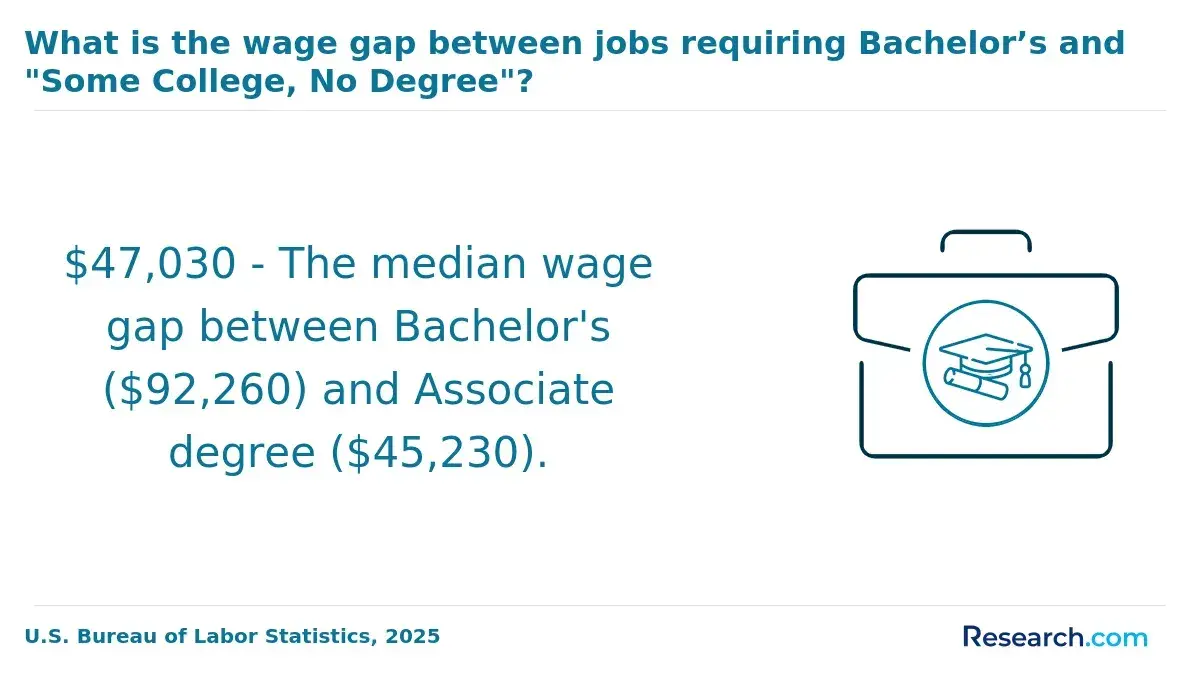
Which Industries Provide the Best Financial Return Relative to Borrowing Costs?
Financial return for operations management graduates varies widely across industries and depends not just on starting salaries but on the interplay between earnings growth, demand stability, and typical borrowing burdens. Evaluating these factors together reveals which sectors genuinely offset student debt through sustainable income trajectories and manageable repayment demands. Recent 2024 data highlights that industries with steady hiring and opportunity for career progression deliver better long-term value relative to the average $30,000-$40,000 student debt load commonly incurred by graduates.
- Technology: Operations management roles in technology frequently command median starting salaries above $65,000, supported by rapid sector growth and innovation-led demand for efficiency experts. This combination accelerates wage increases and reduces repayment risk, enabling graduates to keep loan payments within prudent income percentages over time.
- Manufacturing: Modern manufacturing embraces automation and supply chain optimization, creating steady demand for operations management professionals. Wage growth in this sector tends to track industry expansion, helping graduates service debt relatively quickly while benefiting from established career ladders promoting upward mobility.
- Healthcare Management: Rising complexity in healthcare delivery drives sustained hiring of operations managers who can balance cost controls with quality outcomes. Although initial salaries may lag tech roles slightly, strong demand and wage growth combined with stable employment reduce debt repayment strain for new graduates.
- Logistics and Supply Chain: The essential nature of supply chains in global commerce supports continual recruitment of skilled operations managers. Earnings progression aligns with volume and complexity increases, giving borrowers reasonable repayment leverage despite higher-than-average education costs in some cases.
- Retail and Hospitality: These sectors typically offer lower starting wages, often under $45,000, which elongates loan repayment periods and increases financial risk for graduates. While accessible, the slower salary growth and less consistent demand amplify challenges in managing student debt effectively.
Does Student Debt Affect Which Jobs Operations Management Graduates Accept?
Student debt levels significantly shape which jobs operations management graduates are willing to accept, often prioritizing salary and repayment capacity over other career factors. Graduates carrying substantial loan balances frequently gravitate toward positions with immediate financial rewards or structured benefits like loan repayment assistance to meet monthly obligations. This financial necessity can limit their options, pushing them toward larger firms or sectors known for competitive compensation rather than nascent startups or nonprofit organizations, even when those might offer more aligned or fulfilling long-term roles. According to a 2024 report from the National Center for Education Statistics, nearly 62% of operations management graduates carry student debt averaging over $30,000, underscoring how prevalent and influential debt burdens are in steering initial employment decisions.
Beyond immediate salary considerations, the presence of debt creates broader behavioral and structural constraints on career mobility and industry selection. Graduates with lower debt levels often display greater geographic and sector flexibility, opting for positions prioritizing skill development or work-life balance, such as roles in public agencies or early-stage companies. Conversely, high-debt graduates tend to face tighter debt-to-income ratios, which reduce their willingness to trade short-term financial stability for potential long-term gains, thus affecting their capacity to take risks or pivot within the labor market. These dynamics also inform long-term career planning, as graduates must balance repayment commitments against evolving professional ambitions, choosing jobs that align more closely with their financial realities rather than purely strategic or interest-based criteria. A Federal Reserve Bank study found that nearly half of indebted graduates reported turning down job offers due to insufficient compensation or lack of debt-friendly benefits, illustrating how loan obligations effectively narrow employment pathways.
One operations management graduate shared that during their rolling admissions process, they hesitated to accept any offers until receiving clarity on loan disbursements, which were delayed and uncertain. This uncertainty complicated their ability to evaluate job offers since they needed to forecast how much they could allocate toward student loans immediately after graduation. Balancing the urgency to secure income with wait times for financial aid decisions led to hesitations that ultimately shaped both their job acceptance timing and the types of positions they considered viable. This experience highlighted how the interplay of debt timing and repayment expectations can deeply influence early career moves in operations management fields.
What Factors Increase Student Loan Repayment Risk for Operations Management Graduates?
Student loan repayment risk for operations management graduates arises from a complex interaction of financial, academic, and labor market factors rather than any single cause. The likelihood of repayment difficulty hinges not only on how much is borrowed but also on the stability and growth of post-graduation earnings. Variability in career paths, sector-specific wages, and the types of loans taken all influence repayment outcomes. This nuanced interplay underscores why some graduates experience higher repayment stress than others despite similar educational backgrounds.
- High Debt Burden Relative to Income: Operations management graduates often face significant initial debt loads that outpace their starting salaries. This debt-to-income imbalance limits their ability to allocate sufficient funds for regular loan payments after accounting for living expenses and other financial obligations, thereby elevating repayment risk.
- Employment Sector and Wage Variability: Career opportunities in operations management span industries with differing wage scales and stability. Graduates working in smaller firms or lower-paying sectors are more vulnerable to financial strain, as limited earning potential restricts repayment flexibility and increases the probability of delinquency or default.
- Loan Type and Interest Rate Effects: Dependence on unsubsidized or private loans compounds repayment challenges due to higher interest rates and less adaptable repayment schedules. Unlike federal loans with income-driven plans, these loan types reduce borrowers' capacity to manage payments during income fluctuations, escalating loan balance growth and long-term financial risk.
- Economic and Industry Volatility: Fluctuations in the wider economy and changes within specific industries can disrupt steady employment or wage progression. Such instability worsens repayment vulnerability as borrowers may face unexpected income declines that impede consistent loan servicing.
- Limited Financial Literacy and Planning: Insufficient understanding of loan terms and repayment options frequently contributes to mismanagement of debt obligations. Graduates lacking comprehensive financial planning are more likely to fall behind on payments, increasing the risk of late fees and default.
A 2024 report by the U.S. Department of Education found that roughly 22% of borrowers from business-related majors, including operations management, were at least 90 days delinquent within five years of entering repayment. This figure highlights the real financial vulnerability tied to the interplay of borrowing levels, income variability, and employment stability in this field.
Students considering borrowing for operations management degrees should also explore degrees for felons programs, which may offer alternative financial or educational pathways tailored to distinct workforce segments.
How Can Operations Management Students Reduce Student Loan Debt While Earning Their Degree?
Reducing student loan debt during an operations management degree requires strategic planning and consistent financial awareness. Managing borrowing levels effectively hinges on balancing academic efficiency with optimizing available institutional resources. Students who integrate cost-conscious enrollment decisions and proactively pursue financial aid tailored to their field can significantly limit their debt burden. These measures emphasize debt reduction strategies during operations management degree programs that go beyond surface-level budgeting.
- Choose Accredited Public Institutions - Attending public or in-state colleges often offers substantially lower tuition compared to private schools, decreasing the necessity for large loans. According to the National Center for Education Statistics, attending public universities can reduce tuition costs by over 40%, directly minimizing borrowing requirements.
- Engage in Work-Study or Paid Internships - Participating in employer-sponsored internships or co-op programs tied to operations management offsets living expenses and enhances employability. Research indicates that students involved in co-op experiences graduate with roughly 30% less debt than peers who do not, reflecting the dual benefit of income and career readiness.
- Apply for Field-Specific Scholarships and Grants - Targeting merit-based financial aid narrowly focused on operations management fields can provide critical funding that often goes uncounted in debt analyses. Actively seeking these awards reduces the net cost of education, decreasing overall student debt.
- Leverage Accelerated Degree Programs Carefully - Completing the degree faster limits the number of terms tuition and living expenses accrue, but requires balancing intensified coursework and outside commitments. Not all students can maintain this pace without risking academic performance, so it requires realistic planning.
- Comprehensively Assess Total Cost of Attendance - Beyond tuition, factoring in housing, materials, and transportation costs informs better borrowing decisions. Being diligent about these expenses helps avoid underestimating loan needs and contributes to more accurate financial planning throughout the degree.
Prospective and current students focusing on how to minimize student loan debt for operations management students should concentrate on combining these strategies to reduce borrowing while maintaining educational quality. Facilitating this approach requires a readiness to navigate complex tradeoffs between time, work, and finances specific to the nature of operations management programs.
How Should Prospective Students Evaluate Borrowing Risk Before Enrolling?
Evaluating borrowing risk before enrolling in an operations management degree program is critical for understanding its long-term financial impact. Borrowing risk fundamentally involves balancing total anticipated debt against projected post-graduation income and repayment capacity. This assessment enables prospective students looking at online colleges starting soon to make fiscally responsible decisions about whether an operations management education represents a manageable financial commitment.
- Total Borrowing Estimates: Accurately calculate all associated costs, including tuition, fees, and living expenses. This baseline is essential because the average debt for business-related bachelor's graduates is around $30,000, based on 2024 data from the National Center for Education Statistics, but actual amounts vary widely by institution and location.
- Projected Earnings and Repayment Ability: Analyze realistic starting salaries in operations management, which median about $65,000 annually according to the U.S. Bureau of Labor Statistics. Understanding expected cash flow helps gauge if monthly repayments can be sustained without undue financial strain.
- Debt-to-Income Ratios: Evaluate how loan payments fit within your expected income to avoid cash flow challenges. A high ratio signals greater risk and potential difficulty maintaining essential living costs while repaying debt.
- Program Cost Structures and Institutional Factors: Consider tuition pricing models, availability of scholarships or financial aid, and institutional reputation, as these influence both debt burden and employability outcomes.
- Job Market Stability and Demand Forecasts: Assess sector growth and hiring trends for operations management roles. Stable or growing demand improves prospects for consistent income to service debt.
- Loan Repayment Flexibility: Investigate income-driven repayment plans or forgiveness options relevant to your career path to mitigate risk if earnings fall short of projections.
- Long-Term Salary Growth Potential: Factor in opportunities for wage increases over time, which can alleviate initial repayment pressures and reduce overall loan risk.
References
- Student Debt: A Critical Challenge Facing Professionals — Department for Professional Employees, AFL-CIO https://www.dpeaflcio.org/factsheets/student-debt-a-critical-challenge-facing-professionals
- The Long-Term Effects of Student Loans | ACE Blog https://ace.edu/blog/the-long-term-effects-of-student-loans/
- At ECMC, we help students succeed. | ECMC https://www.ecmc.org/
- Managing Credit Risk as Student Loans Payments Resume | Ncontracts https://www.ncontracts.com/nsight-blog/student-loan-payments-increase-credit-risk
- Repaying your student loan https://www.gov.uk/repaying-your-student-loan/what-you-pay
- Student Loan Calculator: Estimate Your Payments https://www.salliemae.com/college-planning/tools/student-loan-repayment-calculator/
- Borrowers Discuss the Challenges of Student Loan Repayment https://www.pew.org/en/research-and-analysis/reports/2020/05/borrowers-discuss-the-challenges-of-student-loan-repayment
- Average Student Loan Payment [2026]: Cost per Month https://educationdata.org/average-student-loan-payment
- Student Loans - Federal vs. Private: What's the Difference? https://www.sesloc.org/student-loans-federal-vs-private-whats-the-difference/
- The Impact of Student Debt on the Low-Wage Workforce https://workrisenetwork.org/working-knowledge/impact-student-debt-low-wage-workforce
Other Things You Should Know About Operations Management
Opting for specialized tracks like supply chain analytics or quality control often requires additional tuition or extended program time, increasing borrowing. Students must evaluate whether the added debt aligns with clear employer demand in their targeted niche, as these concentrations can boost job prospects but don't guarantee higher starting salaries. Prioritizing concentrations with established industry growth and recruiter interest reduces repayment risk, making borrowing for specialization more justifiable.
Part-time enrollment often spreads borrowing over a longer period, reducing immediate monthly payments but extending debt duration, which can accumulate more interest. Full-time students tend to enter the workforce faster, potentially accelerating income growth critical for steady debt repayment. Choosing between part-time and full-time should factor in personal cash flow, employer tuition assistance availability, and the importance of timely degree completion for career advancement.
Employers increasingly expect graduates to possess not only traditional operations management knowledge but also familiarity with digital tools and industry certifications, which may require additional investment beyond the core degree. Graduates who forgo such certifications to limit borrowing risk might face slower career progression or lower entry salaries. Prioritizing debt toward credentials with recognized ROI can enhance employability and reduce long-term repayment risk, but indiscriminate borrowing for certifications without clear demand should be avoided.
Operations management programs often have periods of intense workload, including project simulations and internships, which can limit students' capacity to work and manage living expenses simultaneously. Students relying on part-time jobs to meet monthly loan payments may find these fluctuations challenging, risking missed payments or additional borrowing. Understanding program demands and creating a realistic budget that anticipates low-income periods can mitigate repayment difficulties post-graduation.