2027 Operations Management Salary Trends Report: Are Wages Keeping Up With Tuition and Inflation?

Co-Founder and Chief Data Scientist
A prospective operations management student weighs the decision to pursue a degree amid rising tuition fees and persistent inflation. The challenge lies in determining if the anticipated salary advancements in operations management justify the upfront educational expenses. This financial calculation extends beyond current pay rates and must include long-term purchasing power affected by inflation. Rising costs in education and living expenses prompt a closer look at whether wages keep pace with these economic pressures.
Salary growth, tuition increases, and inflation rarely align neatly, complicating straightforward evaluations of degree value. Assessments focused solely on starting salaries risk overlooking how inflation erodes real income over time. This analysis explores operations management salary trends alongside tuition costs and inflation, highlighting the return on investment and affordability challenges. Understanding these factors is key to evaluating the degree's long-term financial impact for students and graduates.
Key Things to Know About Operations Management Salary Trends
- Recent 2024 data reveals a 12% real wage stagnation for operations management graduates when adjusted for both rising tuition and inflation, signaling compressed early-career financial gains despite higher degree costs.
- Employer demand for specialized data analytics skills within operations management drives a 15% premium in salaries, emphasizing targeted upskilling's critical role in enhancing long-term earnings over generic degree completion.
- Long-term salary trajectories correlate strongly with industry placement, where graduates entering manufacturing-average 20% lower wages than those in tech or consulting, affecting ROI assessments based on career sector choice.
- Key Things to Know About Operations Management Salary Trends Key Things to Know About Operations Management Salary Trends
- What Is the Current Salary Outlook for Operations Management Graduates? Salary Outlook
- Are Operations Management Salaries Keeping Up With Inflation? Inflation Impact
- How Do Tuition Costs Compare With Operations Management Salary Growth? Tuition vs Salary
- Does a Operations Management Degree Deliver a Positive Return on Investment? Degree ROI
- Which Industries Offer the Highest Salaries for Operations Management Graduates? Which Industries Offer the Highest Salaries for Operations Management Graduates?
- Which States and Cities Offer the Highest Pay for Operations Management Professionals? Which States and Cities Offer the Highest Pay for Operations Management Professionals?
- How Do Operations Management Salaries Grow Throughout a Career? Career Growth
- How Do Operations Management Salaries Compare With Similar Degrees? Salary Comparison
- How Is Employer Demand Affecting Operations Management Salary Trends? Employer Demand
- How Can Students Maximize Their Lifetime Earnings With a Operations Management Degree? Maximizing Earnings
What Is the Current Salary Outlook for Operations Management Graduates?
The current salary landscape for operations management graduates reflects a range influenced heavily by industry, geography, and experience. For example, entry-level professionals often start with salaries between $55,000 and $65,000, whereas those with five or more years in roles related to supply chain or project management can see compensation surpassing $90,000. Regional factors also play a significant role-graduates working in major metropolitan areas like New York or San Francisco often earn 10% to 20% above the national median. This variability demonstrates why two graduates with identical degrees might experience different salary trajectories depending on their chosen sectors and locations.
Interpreting operations management graduate salary trends requires looking beyond initial paychecks to long-term career progression and job demand. While bachelor's degree holders may receive average starting offers of around $66,000 according to recent national surveys, salary growth is frequently supported by gaining certifications such as Six Sigma or Lean Management and accumulating specialized experience. Despite rising education costs and inflation pressures, many roles continue to show steady market demand, particularly in manufacturing, healthcare, and technology sectors, making the degree's return on investment more apparent over time. Those weighing options should consider not just entry pay but also the evolving opportunities for advancement and bonuses integral to many compensation packages.
Ultimately, salary outcomes for operations management degree holders vary widely across individual circumstances and economic conditions. Factors like employer size, regional cost of living, and job function specialization significantly contribute to whether a graduate's salary measures up to national benchmarks. For prospective students evaluating this field, consulting data from authoritative sources supports informed decision-making, especially when compared against the broader context of highest paying majors. This nuanced approach aids in understanding realistic earning potential amid today's complex labor market.
Are Operations Management Salaries Keeping Up With Inflation?
Salary growth for operations management-related occupations has lagged behind inflation in recent years, causing a real decline in purchasing power despite nominal wage increases. Data from the U.S. Bureau of Labor Statistics Consumer Price Index and Employment Cost Index show inflation averaging about 4-5% annually in the past two years, while wage growth for these roles has been closer to 2-3%. For instance, a mid-level operations manager earning $80,000 in 2022 who receives a 3% raise in 2023 ends up with a nominal salary of around $82,400, but this fails to keep pace with inflation near 5%, effectively reducing their real income.
This gap between salary growth and inflation is a core challenge that prospective and current operations management students must consider when evaluating long-term earning potential. The impact of inflation on operations management wages means that even steady nominal raises may not translate into improved financial stability, especially when weighed against tuition costs and living expenses. Moreover, geographic factors and sector differences influence this dynamic; while areas with higher costs of living might offer stronger salary adjustments, these are often offset by correspondingly increased expenses. Career changers and recent graduates should also explore options like an accounting top up degree online as a strategic alternative or supplement, depending on their financial and professional goals.
How Do Tuition Costs Compare With Operations Management Salary Growth?
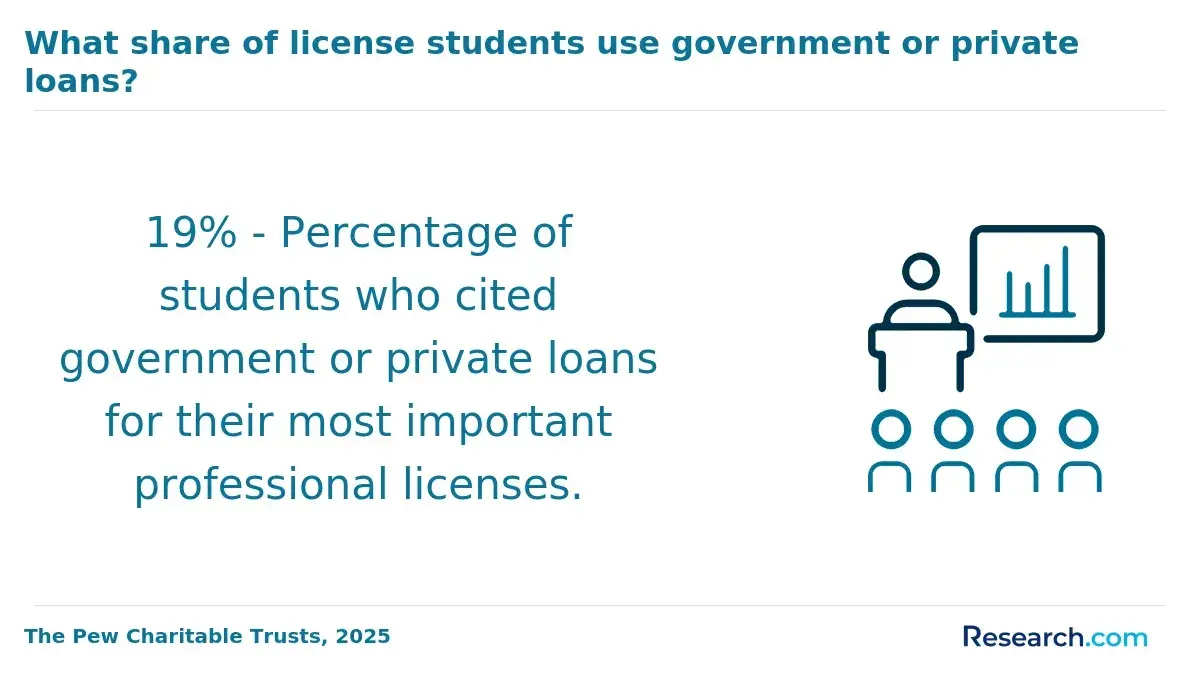
Evaluating the financial return of an operations management degree requires looking beyond isolated figures like tuition or salary alone. Recent data from the National Center for Education Statistics and the Bureau of Labor Statistics reveal that average total tuition for a business-related bachelor's degree, including operations management, has risen to nearly $120,000 at public universities as of 2024. Meanwhile, entry-level salaries for graduates typically range between $58,000 and $65,000, with mid-career earnings increasing to about $85,000 to $95,000 over ten years. Because tuition costs have grown faster than salaries-roughly 4% per year for tuition compared to 3-4% salary growth that barely keeps pace with inflation-students face an investment that doesn't fully recoup its real value through earnings alone.
This imbalance means that two students with similar educational backgrounds might experience vastly different financial outcomes depending on their tuition costs, debt burden, and salary trajectories. For example, one student attending a public institution with scholarships might manage tuition inflation without significant debt, while another enrolling in an expensive private program could see rising loan payments that outstrip salary increases. Additional variables such as loan interest rates, employer tuition aid, or the potential for accelerated degree paths further shape this dynamic. Therefore, assessing salary growth in the context of tuition trends offers a clearer picture of the true cost-benefit balance of an operations management degree than examining each factor independently.
One recent graduate recalled hesitating before committing to a private university program where tuition had escalated sharply over previous years. Although the initial salary offer was respectable, the prospect of managing higher monthly payments for student loans introduced real anxiety about long-term financial stability. The graduate emphasized how proactive scholarship searches and part-time employment helped offset some costs but still highlighted ongoing worry about whether salary growth would ever adequately match the heavy tuition investment. This personal experience underscores how rising educational expenses can complicate otherwise promising salary prospects, making strategic financial planning essential for current and future students in this field.
Does a Operations Management Degree Deliver a Positive Return on Investment?
Return on investment (ROI) for an operations management degree must be assessed by weighing the total cost of education-including tuition hikes and inflation-against the long-term financial and professional benefits that accruals in this field offer. This analysis goes beyond initial salaries and factors in career longevity, skill adaptability, and job market demand. For example, a graduate who incurs $50,000 in student debt but enters a role with median salaries around $95,000 per year-as reported in the 2024 Occupational Employment Report-may see their investment recouped within a decade, especially when accounting for salary growth and career advancement in high-demand sectors like manufacturing and healthcare.
Several key elements influence whether an operations management degree ultimately provides positive ROI. Rising tuition costs have undoubtedly increased the upfront financial burden, often elevating debt levels that can slow wealth accumulation in early career stages. However, the degree's value is bolstered by its alignment with market needs, as employers consistently prioritize operational expertise that leads to leadership roles and salary premiums. According to the National Association of Colleges and Employers, graduates with these skills often outperform peers in related business fields in terms of starting pay and job retention. Still, outcomes vary depending on individual choices such as program selection, geographic location, and industry sector, as well as broader economic conditions like inflation and labor market shifts.
Which Industries Offer the Highest Salaries for Operations Management Graduates?
Salaries for operations management careers are strongly influenced by the complexity and scale of the industries in which professionals work. According to data from the U.S. Bureau of Labor Statistics and 2024 industry reports, sectors demanding strategic oversight and sophisticated process control tend to offer the highest compensation. When evaluating operations management salaries by industry and region, it is important to note that the rewards often correlate with the requirement to manage rapid innovation, compliance, and large-scale logistics. A recent example is a supply chain operations manager at a leading technology firm whose ability to optimize global parts delivery directly impacts revenue and thus commands a top-tier salary. The following industries consistently provide the strongest earning potential for operations management graduates.
- Technology Sector: This industry frequently offers top salaries due to constant innovation and rapid product cycles. Roles in supply chain optimization and operations strategy in tech require strong analytical skills and adaptability, driving compensation well above the national median.
- Manufacturing - Aerospace and Automotive: Incorporating advanced robotics and lean manufacturing principles, these sectors value expertise in quality control and process improvement. Professionals managing complex production lines in such environments typically see competitive pay reflecting operational challenges.
- Finance and Insurance: Operations management roles here focus on streamlining processes and ensuring regulatory compliance. The rise of fintech and digital banking has further increased demand and salaries for operators who can navigate these evolving systems.
- Healthcare Systems and Pharmaceuticals: Efficient management of supply chains, patient flow, and stringent regulations makes this an emerging high-salary industry. Roles often require cross-functional coordination and regulatory knowledge, which enhance earning potential.
- Logistics and Transportation: Given the complexity of global supply chains and just-in-time delivery expectations, operations managers in logistics are critical. Their ability to mitigate delays and reduce costs drives higher wages across regions.
- Energy and Utilities: Operational leadership within energy production and distribution involves risk management and process optimization under regulatory scrutiny. These responsibilities translate into substantial compensation for skilled managers.
While these industries generally outpace inflation in wage growth, prospective students must consider career fit and regional market dynamics as well. For those exploring further education, programs such as the online hospitality management degree may offer relevant operational training applicable across sectors, especially in service-oriented operations.
Which States and Cities Offer the Highest Pay for Operations Management Professionals?
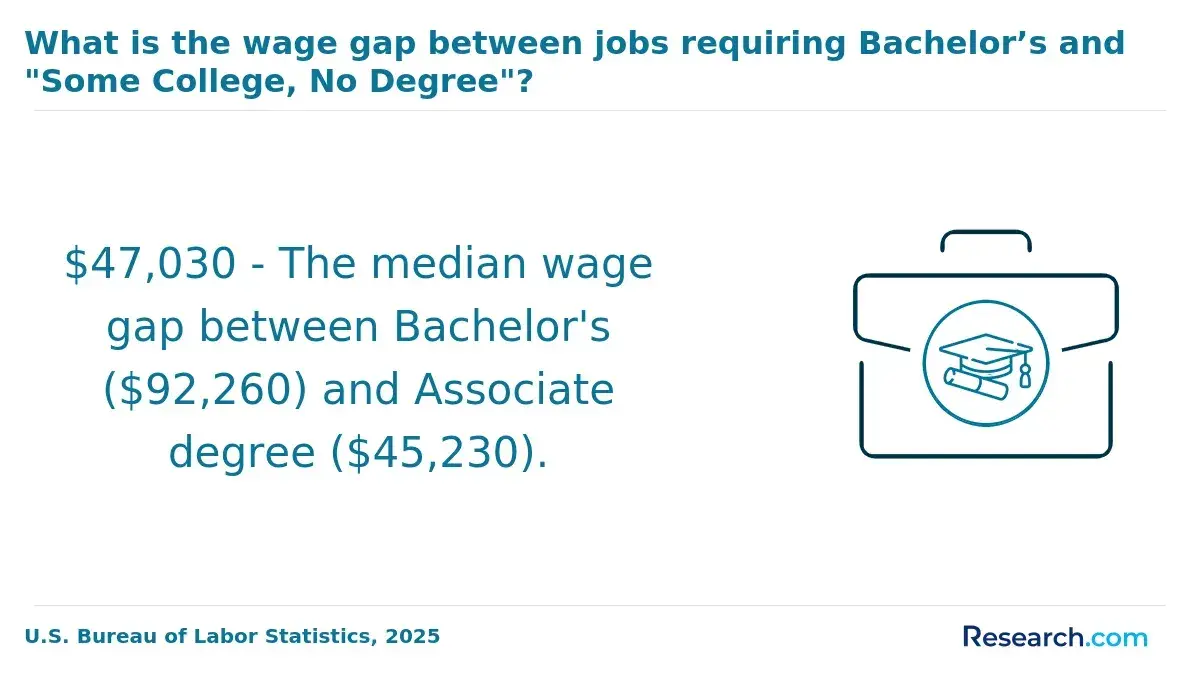
Compensation for operations management professionals varies notably across regions, reflecting local economic strengths and sector concentrations. Wage premiums are often linked to clusters of industries demanding advanced operational expertise, but candidates must weigh salary advantages against high living costs and fluctuating tuition expenses. This dynamic can significantly impact the net financial benefit of pursuing an operations management degree, especially amid inflationary pressures on education and housing. The following highlights key states and metropolitan areas where earnings potential tends to be the strongest, helping prospective students and graduates align their career geography with realistic financial outcomes.
- California: Leading the nation with an average operations management salary above $110,000, California's market benefits from its tech hubs and diverse manufacturing sectors. However, the high cost of living, especially in areas like Silicon Valley, may offset salary gains, requiring professionals to consider lifestyle affordability alongside earning power.
- New York: With typical wages near $105,000, New York's financial services and logistics industries create robust operational management roles. The intense competition and expensive urban environment in New York City should prompt candidates to evaluate whether increased pay compensates for elevated housing and transportation costs.
- San Francisco Bay Area: Metropolitan centers such as San Jose and San Francisco offer some of the highest average salaries, frequently exceeding $120,000. The presence of major technology firms drives demand, but steep housing prices and living expenses demand careful financial planning before relocating.
- Seattle: Rising operations management salaries around $100,000 reflect the influence of thriving aerospace and e-commerce companies. Seattle's somewhat lower cost of living than coastal California provides a more balanced tradeoff between remuneration and expenses.
- Washington D.C. and Boston: These cities support salaries from $95,000 to $105,000 driven by government, consulting, and education sectors. Despite competitive pay, the hefty local cost of living can erode disposable income, making it essential to analyze net earnings after living costs.
- Chicago and Minneapolis: Midwestern cities offer more moderate salaries, typically ranging from $80,000 to $90,000, balanced by significantly lower living expenses. For some graduates, this may translate to higher real income and an improved quality of life compared to coastal metro areas.
How Do Operations Management Salaries Grow Throughout a Career?
Operations management salaries generally rise as professionals gain experience and take on more complex responsibilities, but this growth is neither linear nor guaranteed. Entry-level positions, such as assistant operations managers, typically start with annual salaries between $60,000 and $75,000, depending on the sector and geography, according to the U.S. Bureau of Labor Statistics in 2024. After 5 to 10 years, median salaries often reach between $85,000 and $110,000, reflecting a shift into mid-level management roles where strategic oversight and team leadership become key. Factors like earning advanced certifications or pursuing graduate education can meaningfully increase salary growth, but the pace varies considerably based on choices made around professional development and networking.
By the senior stage-usually after 10 to 20 years in the field-operations managers can earn upward of $130,000 annually, especially those managing entire departments or business units. However, despite this upward trend, wage growth often struggles to keep up with inflation and rising costs of living, including higher education expenses. Two graduates holding the same degree might experience vastly different salary paths: one who pursues continuous learning and seizes leadership roles may progress to six figures within a decade, while another who remains in routine operations roles might see slower salary increases, often below the rate of tuition inflation. Ultimately, sustained investment in skill development and strategic positioning within organizations plays a stronger role in long-term compensation than tenure alone.
One Operations Management graduate recalls hesitating to invest time in a costly certification after just five years on the job. Facing uncertainty about whether the expense was justified, she nevertheless pursued it, motivated by a benchmark report from a national supply management group highlighting higher salaries for credentialed managers. Within two years, she moved from a $78,000 salary to over $95,000, crediting the credential with opening doors to promotion. Her experience underscores how deliberate choices amid typical career milestones can sharply influence salary trajectories in this field.
How Do Operations Management Salaries Compare With Similar Degrees?
Operations management degree earnings present a stable but modest earning trajectory, especially when viewed alongside graduates from related fields. Median salaries typically fall between $70,000 and $85,000, a respectable range but one that often trails degrees with a stronger technical or specialized focus. This difference becomes clearer when considering industries and roles graduates enter, as well as how broader market forces like inflation and tuition affect long-term value. For example, a recent graduate might secure a solid position in healthcare or retail operations but could face slower salary growth compared to peers with degrees in data-intensive or engineering-dominated disciplines.
The following points illustrate key salary and career contrasts among closely related degrees:
- Supply Chain Management: Graduates tend to start with median salaries from $75,000 to $90,000 due to high demand from global logistics firms. Their specialized expertise in optimizing supply networks often leads to quicker salary growth, particularly in multinational corporations facing complex distribution challenges.
- Industrial Engineering: Holding median salaries similar to supply chain management, industrial engineering graduates benefit from integrating engineering principles with process optimization. Their technical skill set is prized in manufacturing and technology sectors, allowing for higher peak salaries and more rapid advancement compared to operations management degree holders.
- Business Analytics: Professionals with this background usually command competitive salaries around the $80,000 mark, leveraging data analysis capabilities that drive strategic business decisions. Compared to operations management salary versus finance graduates, business analytics often offers superior earning potential as data reliance increases across industries.
- Operations Management: With versatility across manufacturing, retail, healthcare, and consulting, these graduates have broader job opportunities but may encounter lower peak salaries. While stable, their earning potential has shown less growth relative to inflation and rising education costs, a trend important for those weighing the cost-benefit of this degree.
Students aiming at long-term return should also explore specialized advanced programs, such as an online PhD criminal justice no dissertation offering, which exemplifies how advanced credentials in niche areas can enhance career prospects beyond typical undergraduate paths in related fields.
How Is Employer Demand Affecting Operations Management Salary Trends?
Employer demand directly influences operations management salary trends by driving competition among companies to attract qualified professionals. For example, a manufacturing firm in the Midwest facing supply chain disruptions may accelerate hiring efforts, increasing salary offers to secure skilled candidates rapidly. This competitive environment often results in wage growth as organizations adjust compensation strategies to fill critical roles promptly. Data from the U.S. Bureau of Labor Statistics projects an 8% growth in operations management employment through 2032, signaling ongoing demand that can elevate salaries, especially in high-demand sectors.
Major factors shaping employer demand include industry expansion, regional economic conditions, and evolving operational complexities in fields such as logistics and healthcare. While strong demand generally supports faster salary growth, actual wages remain influenced by experience level, specialization, and each organization's budget constraints. Regional market differences can lead to localized wage premiums, meaning that earning potential varies depending on industry and geography. For those weighing degree investments, including consideration of education doctoral programs without dissertation, understanding these nuances helps clarify the real financial return amid inflation and rising tuition costs.
Incorporating specialized skills or industry certifications can position graduates to benefit more fully from increasing wage pressures tied to employer demand. As operations management salary growth trends by industry demonstrate, targeted expertise often translates to better compensation opportunities despite moderate overall wage increases in recent years. Balancing this supply-and-demand dynamic with personal career strategy is crucial for evaluating whether the long-term earning potential justifies the upfront educational investment.
How Can Students Maximize Their Lifetime Earnings With a Operations Management Degree?
Maximizing lifetime earnings with an operations management degree requires targeted strategies that extend beyond obtaining basic qualifications. Evidence from the U.S. Bureau of Labor Statistics and the National Association of Colleges and Employers (NACE, 2024) highlights that combining technical skills with leadership enhances long-term income. Consider a graduate who earns a Six Sigma certification while working in healthcare supply chain roles in a metropolitan hub like Dallas; this alignment of skills, industry, and location can materially boost salary growth over time. The following key approaches outline practical, research-backed ways to increase earning potential in operations management careers.
- Technical Certification: Earning credentials like Six Sigma or Project Management Professional (PMP) signals specialized expertise to employers, differentiating candidates in competitive fields and accelerating salary increases.
- Industry Focus: Targeting high-growth sectors such as technology or healthcare supply chains offers median salaries up to 20% above other industries, according to the Association for Supply Chain Management 2024 report.
- Geographic Positioning: Prioritizing employment in metropolitan regions with dense logistics hubs, like Chicago or San Francisco, often results in 15-25% higher salaries than national averages.
- Leadership Skill Development: Building strong managerial and analytical abilities complements technical skills, preparing graduates for advanced roles that command better compensation.
- Graduate Education: Pursuing an MBA with an operations focus supports accelerated advancement and higher pay, especially when combined with relevant work experience.
- Internship Selection: Securing internships in tech-driven operations sectors during the degree helps develop in-demand skills and establishes valuable connections for future openings.
- Lifelong Learning: Continuously updating skills amid evolving technologies ensures sustained relevance and income growth in dynamic markets.
References
- Operations Manager Salary & Career Guide Singapore (2026) | SkillUp https://www.skillup.sg/careers/operations-manager
- High wage growth dynamics and changing benefits - what are the current wage trends? https://en.antal.pl/insights/article/high-wage-growth-dynamics-and-changing-benefits-what-are-the-current-wage-trends
- General and operations managers: Salary, career path, job outlook, education and more - RaiseMe https://www.raise.me/careers/management/top-executives/general-and-operations-managers/
- Operations Manager Career Guide : missions, training, and salary https://www.iscparis.com/en/program/career-guides-operations-manager/
- Operations Management Careers & Salary Outlook | Highest Paying Jobs https://www.businessstudent.com/careers/operations-management-careers/
- Top Jobs After PGDM in Operations Management https://mitsde.com/knowledge-center/jobs-after-pgdm-in-operations-management
- Managing employee pay in high-inflation markets https://www.wtwco.com/en-bm/insights/2024/11/managing-employee-pay-in-high-inflation-markets
- Accessibility Features https://mituniversity.ac.in/blog/mba-operations-management-salary-scope-fees-benefits-career-jobs-syllabus-eligibility-more
- Operation Manager As A Career: Salary, Skills & Top Companies https://unstop.com/blog/career-in-operation-management
- The price of college is rising faster than wages for people with degrees | USAFacts https://usafacts.org/articles/is-college-worth-it-the-price-of-college-is-rising-faster-than-wages-for-people-with-degrees/
Other Things You Should Know About Operations Management
Balancing part-time studies with employment often means slower degree completion but allows earning and gaining work experience simultaneously. Because entry-level salaries may not fully offset tuition and inflation immediately, prioritizing programs with flexible schedules and employer tuition assistance can improve long-term outcomes. Students should assess whether their current employer's support and industry connections justify extending study time over entering the workforce full-time right away.
Specializing in areas like supply chain analytics or quality management often leads to higher starting wages and faster salary growth, especially in technologically advanced sectors. However, a narrow focus can limit flexibility if market demand shifts. Prospective students should weigh specialization benefits against potential risks to adaptability and broader career mobility, especially in volatile economic environments where employers value versatile problem-solving skills.
Intensive operations management programs with demanding coursework can reduce the ability to maintain steady employment, potentially increasing financial strain in the short term. Students without access to employer sponsorship or savings may experience negative cash flow if tuition rises faster than wages during their studies. Prioritizing programs that integrate practical projects and part-time options can help sustain income and minimize delayed earnings, improving net financial returns over time.
Employers increasingly prioritize digital literacy, data analytics, and cross-functional leadership in operations roles, which can inflate the value of degrees offering these emphases. Degrees lacking current technological or strategic content risk stagnating salary growth, even if traditional operations skills remain relevant. Candidates should evaluate how well programs align with evolving employer demands to ensure their education supports sustainable wage progression rather than short-term gains alone.