2027 Operations Management Affordability by State: Where Students Pay the Most and Least

Co-Founder and Chief Data Scientist
Choosing between two operations management programs often means confronting stark tuition differences that can redefine a student's entire financial trajectory. For example, a 2024 study from the National Center for Education Statistics revealed that out-of-state tuition averages nearly 2.5 times higher than in-state rates nationwide, significantly influencing debt levels for students crossing state lines.
In some states, lower sticker prices are offset by higher living costs or limited financial aid, complicating assumptions about affordability. These disparities force prospective students to weigh immediate savings against long-term financial strain, challenging them to prioritize sustainable investment over surface-level bargains.
This article examines state-by-state operations management costs to help pinpoint where programs offer the greatest financial accessibility or pose the steepest economic barriers.
Key Things to Know About Operations Management Affordability by State
- States with lower in-state tuition often have higher living costs, meaning the overall affordability for operations management students may lag behind nominal tuition savings, affecting budgeting and loan needs.
- Out-of-state tuition can double costs, but some employers prioritize graduates' regional experience, complicating decisions-students aiming for local job markets face tradeoffs between cost and employer expectations.
- Growth in state funding cuts correlates with increased borrowing rates among operations management students, highlighting timing risks: delayed enrollment can mean higher debt burdens as affordability pressures mount nationwide.
- Key Things to Know About Operations Management Affordability by State Key Things to Know About Operations Management Affordability by State
- Which States Have the Most Affordable Operations Management Degree Programs? Most Affordable State Programs
- Which States Have the Highest Operations Management Degree Costs? Highest State Tuition Costs
- How Much Does a Operations Management Degree Cost by State? Degree Costs by State
- Why Does Operations Management Affordability Vary So Much Between States? State Affordability Variations
- How Do In-State and Out-of-State Tuition Rates Affect Operations Management Affordability? In-State vs. Out-of-State Rates
- How Does the Cost of Living Impact Overall Operations Management Affordability by State? Living Costs and Affordability
- Which States Offer the Best Value for a Operations Management Degree? Best Value State Degrees
- What Financial Aid and Scholarship Opportunities Can Reduce Operations Management Costs? What Financial Aid and Scholarship Opportunities Can Reduce Operations Management Costs?
- Are Online Operations Management Degree Programs More Affordable Than On-Campus Options? Are Online Operations Management Degree Programs More Affordable Than On-Campus Options?
- Is a Operations Management Degree Worth the Cost Based on Career Outcomes and ROI? Degree ROI and Outcomes
Which States Have the Most Affordable Operations Management Degree Programs?
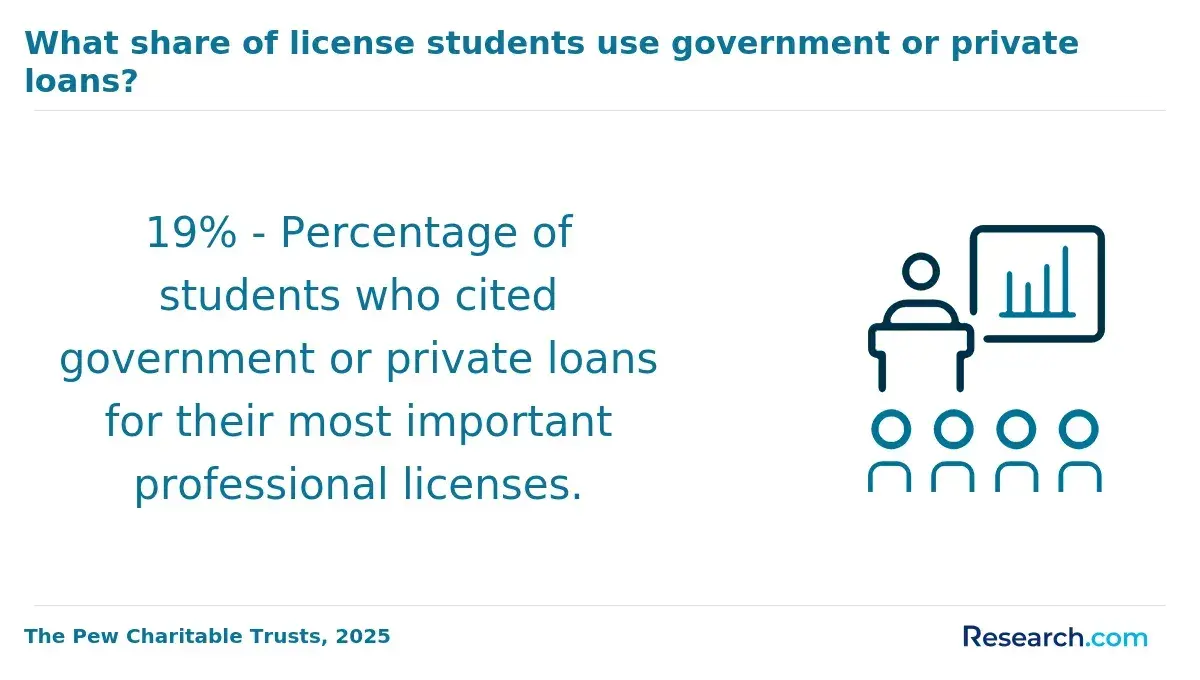
States that consistently provide the most affordable operations management degree programs typically do so by leveraging robust public funding models and targeted residency policies that deliver meaningful cost advantages for in-state students. For instance, Wyoming's average in-state tuition hovering around $5,000-less than half the national public college average-illustrates how state appropriations can subsidize institutional expenses, resulting in lower sticker prices. However, prospective students must weigh tradeoffs beyond tuition alone; a student choosing an affordable state program may face higher living costs or fewer local employment opportunities, impacting overall financial planning and post-graduation outcomes. These practical considerations highlight why many families and budget-conscious learners must evaluate both direct and hidden expenses when comparing the most affordable operations management degree programs by state.
Residency requirements further complicate affordability comparisons, as states with more accessible domicile rules or aggressive financial aid programs like Arkansas allow students to capitalize on in-state tuition benefits more readily, making otherwise costly programs feasible. In contrast, densely populated states with competitive educational markets impose higher fees not only due to demand but also because of operational costs, which can sharply increase total degree expenses. Students enrolling in operations management should also consider the growing impact of online education options, which can mitigate geographic disparities and reduce ancillary costs related to housing or commuting. Exploring alternatives such as BCBA accredited programs online shows how shifting delivery models are reshaping affordability and access in ways that traditional pricing data may not fully capture.
Which States Have the Highest Operations Management Degree Costs?
States with the highest costs for earning an operations management degree typically reflect broader economic and policy-driven factors, not just institutional pricing. Public universities in states like California and New York depend heavily on tuition revenue due to limited state appropriations, which, combined with steep living expenses, push total annual costs well beyond $40,000 for many students as per the 2024 College Board report. These states also have a significant concentration of private institutions with premium tuition rates, plus residency policies that complicate access to in-state rates, making affordability a challenge. For prospective students, this means that enrolling locally may carry a substantial price premium, and alternatives like online programs or cross-state enrollment can be vital trade-offs when balancing cost with career network access and regional employment prospects.
The financial disparities extend beyond tuition, with states in the Midwest and South often benefiting from more generous public funding formulas and lower living costs, creating noticeably more budget-friendly pathways for operations management learners. However, lower cost environments could also imply fewer specialized program options or less access to high-demand local industries, forcing students to weigh immediate affordability against potential resource availability and networking opportunities that influence long-term outcomes. Policy variations in funding, residency rules, and institutional makeup shape these divergent pathways and underscore the importance of a nuanced cost-benefit analysis rather than relying on sticker price alone when choosing where to pursue an operations management degree.
One recent operations management student spent several months comparing costs across states, feeling uncertain about committing to a high-cost public program in a neighboring state with complex residency requirements that would negate in-state tuition benefits. While online program options appeared financially appealing, the student hesitated, concerned about missing in-person networking that could be critical in supply chain-heavy regions. After factoring in unexpected housing and transportation expenses, the student opted for an affordable in-state option, recognizing the tradeoffs between immediate affordability and the uncertain premium of out-of-state credentials, reflecting a careful weighing of practical constraints against academic ambitions.
How Much Does a Operations Management Degree Cost by State?
Variations in the cost of earning an Operations Management degree across states significantly shape student decision-making, especially for those balancing budget constraints with career goals. Public versus private institution enrollment drastically affects tuition rates, with states like California and New York averaging around $12,500 to $13,000 annually for in-state public tuition, while states like Wyoming and New Mexico report nearly half those costs. Prospective students must weigh whether the higher price points of private schools or out-of-state tuition-often two to three times greater than resident rates-justify potential advantages, keeping in mind that the College Board's 2024 report cites Texas out-of-state tuition at about $23,000 per year, more than double the in-state expense.
Cost-of-living differences further complicate financial planning, as higher tuition states often correspond with elevated housing and transportation costs, intensifying total attendance expenses. Meanwhile, robust state grant programs and institutional aid packages can offset sticker prices but vary widely, demanding careful analysis beyond headline tuition figures. For budget-conscious students, this mosaic of tuition, living expenses, and financial aid realities influences whether relocating or selecting a local program makes more sense-particularly as employer emphasis tends to favor practical skills and experience over institutional prestige, diminishing the return on hefty outlays. Online or hybrid offerings may emerge as strategic alternatives for reducing both direct and indirect costs without sacrificing program quality or workforce relevance.
Why Does Operations Management Affordability Vary So Much Between States?
Differences in state funding strategies heavily influence the affordability of earning an operations management degree, as educational institutions adjust tuition to balance their budgets. For example, states like Wyoming and New Mexico allocate higher per-student funding to public colleges, resulting in lower in-state tuition fees, while states facing deep budget reductions-such as California and Illinois-pass increased costs onto students. These funding disparities are compounded by regional variations in cost of living; areas like New York and Massachusetts often embed higher housing and transportation expenses into tuition and fees, complicating direct cost comparisons across regions.
The mix of public and private institutions within a state also shapes affordability. States with a limited public college presence push more students toward private options, which generally carry steeper price tags, further challenging budget-conscious learners. Additionally, residency-based tuition discounts and state-funded financial aid vary widely, influencing return on investment for in-state versus out-of-state students. Enrollment surges in business disciplines can intensify resource strain, prompting tuition hikes as programs strive to maintain relevancy and meet employer expectations for practical curriculum outcomes.
Given these factors, students often weigh options like transferring between institutions, pursuing online programs, or selecting states with stronger funding to optimize costs. The National Center for Education Statistics reports that higher public investment correlates with significantly lower tuition, underscoring the importance of state policy in shaping long-term affordability. For those seeking the easiest 2 year degree to get, understanding these regional and institutional variables is critical to navigating the complex economics of operations management tuition.
How Do In-State and Out-of-State Tuition Rates Affect Operations Management Affordability?
Residency-based tuition creates a significant financial divide in pursuing an operations management degree, with out-of-state rates often pushing total costs beyond many students' budgets. According to 2024 data from the National Center for Education Statistics, in-state students at public four-year institutions pay roughly $10,560 annually, while out-of-state counterparts face an average of $27,020, nearly triple the expense. This disparity shapes program choices as students weigh relocating to establish residency, seek institutions within interstate compacts offering reduced out-of-state fees, or pivot toward fully online programs with flat tuition rates regardless of location. However, these online alternatives may carry hidden costs or vary in employer recognition, complicating straightforward cost-benefit assessments.
State funding priorities and related financial aid policies further influence the net affordability gap. In-state learners often access state-specific grants and scholarships inaccessible to out-of-state enrollees, amplifying initial tuition advantages and affecting long-term debt exposure. Regional economic factors also play a role; students targeting programs in higher-cost states must consider not only tuition but escalating living expenses and limited reciprocity agreements. Consequently, the interplay of tuition rates, aid eligibility, and residency rules must be analyzed carefully by those deliberate about balancing educational value against financial constraints across state lines.
The experience of one recent operations management graduate exemplifies these challenges: after moving to pursue a reputable program, the student struggled with the unexpectedly high out-of-state tuition for the first year before qualifying for residency classification. The transition period strained finances, and they often questioned whether relocating was justified given the steep upfront cost. Ultimately, they found relief in reduced tuition once residency was established, but the initial burden colored their view on affordability and influenced peers' recommendations on timing and enrollment strategies in relation to state residency policies.
How Does the Cost of Living Impact Overall Operations Management Affordability by State?
The true cost of pursuing an operations management degree varies widely across states due to significant differences in living expenses, which often overshadow tuition fees. For instance, a student paying identical tuition in New York faces housing costs two to three times higher than a peer in Missouri, creating vastly different financial pressures. Transportation costs further complicate budgeting: urban areas with robust transit options reduce reliance on private vehicles, while students in sprawling states like Texas may incur substantial expenses maintaining a car. These regional living expenses impact on operations management education costs can shift decisions about part-time work or internship feasibility, directly influencing a student's ability to gain practical experience and manage debt.
Food, healthcare, and utilities compound affordability challenges. Western states typically have 15-20% higher food prices compared to the national average, while healthcare costs fluctuate based on state policies and market conditions, affecting out-of-pocket expenditure. Utilities vary with climate, impacting heating or cooling bills, and access to affordable internet influences remote learning and flexible degree completion strategies-critical factors in today's education landscape. The often-overlooked interaction between these costs and tuition contributes to why "room and board" expenses frequently exceed in-state tuition fees, a reality emphasized in national education data. Budget-conscious students must weigh these layered expenses to optimize their educational investment and explore states offering more balanced economic environments for completing an operations management degree.
For those comparing options, awareness of these cost disparities is essential when evaluating institutions and residency status. Such financial insight can guide choices between in-person and online programs and inform scholarship or aid applications tailored to offset regional living costs. Prospective and current students can also consult detailed resources on specialized operations management MBA pathways to align educational goals with realistic budgeting and career outcomes.
Which States Offer the Best Value for a Operations Management Degree?
Assessing the best value for an operations management degree requires more than identifying the lowest tuition; students must weigh how state policies on in-state tuition rates, availability of financial aid, and institutional support affect total educational costs and completion success. For example, enrolling in Texas public colleges typically offers more than affordable tuition-stable state funding and retention initiatives improve graduation rates, meaning fewer semesters of tuition and less accumulated debt. In contrast, states with higher tuition and living expenses, such as California or New York, often see slower debt repayment and diminished early-career earnings for graduates, which undermines the net return on investment despite the prestige or job market size in those areas.
Moreover, regional economic conditions govern employer demand and salary prospects, a crucial factor as graduates face varying opportunities based on local industry concentration and cost of living. North Carolina and Florida illustrate how moderate tuition combined with lower housing costs can improve financial feasibility, enabling students to maintain manageable debt profiles while accessing markets with growing operations management roles. However, prospective students must also consider public versus private institution options and how residency-based tuition eligibility can either open or limit access within a state's system, significantly impacting affordability and completion timelines. Thus, selecting where to study operations management should integrate these intertwined economic and policy factors rather than rely on sticker price alone.
What Financial Aid and Scholarship Opportunities Can Reduce Operations Management Costs?
Federal aid programs such as the Pell Grant play a pivotal role in determining the true affordability of an operations management degree, especially for students with significant financial need. About 30% of undergraduates received Pell Grants in 2023, according to the National Center for Education Statistics, underscoring how essential this funding is for lowering college expenses in real terms. However, Pell eligibility depends heavily on expected family contribution and household demographics, which vary widely by state, meaning a student's location influences not only tuition rates but also access to these vital resources. This geographic variability creates tangible consequences for budgeting and long-term educational planning, as students in states with higher living costs or less robust aid face steeper net prices, even when their baseline tuition might appear comparable nationwide.
State grants and institutional scholarships further differentiate affordability by residency and academic criteria. For example, Texas' Educational Opportunity Grant specifically targets operations management students attending public universities, amplifying aid for in-state learners relative to nonresidents. Meanwhile, merit-based scholarships often prioritize academic achievement but may exclude many candidates who require need-based support, complicating financial decisions for average students. Employer tuition benefits add another layer, especially for part-time or working students, but access is fragmented by company size and industry, limiting their reliability as a broad cost-reduction strategy. Ultimately, aid stacking policies, renewal eligibility, and residency requirements must be navigated carefully; students who fail to maintain full-time enrollment or in-state status risk losing significant aid, which affects both immediate affordability and feasibility of completing the degree within a desired timeframe.
Are Online Operations Management Degree Programs More Affordable Than On-Campus Options?
Online operations management degree affordability often hinges on more than just published tuition rates, as varying state residency rules and institutional pricing policies can narrow or widen the cost gap between online and on-campus options. For example, a student living outside a university's home state may find out-of-state online tuition rates approaching or even exceeding on-campus in-state fees, complicating assumptions about online programs' cost-effectiveness. Beyond tuition, the elimination of expenses like housing and commuting can substantially reduce total program costs, but technology fees and course materials may offset some savings. These nuanced financial tradeoffs mean that budget-conscious learners must analyze their specific circumstances rather than assume online study uniformly lowers expenses.
The cost comparison of online versus on-campus operations management programs also intersects with financial aid availability and employer perceptions of degree value. Certain scholarships may favor campus-based students, while others support online learners, potentially influencing net costs. Moreover, industries and regions vary in their recognition of online credentials, which can indirectly affect long-term return on investment. Adult learners balancing work and family often appreciate the reduced opportunity costs of online schedules, but must weigh these gains against any tuition premium in their state or the presence of residency restrictions. For those seeking to identify the most financially accessible pathways, reviewing detailed state and institutional policies is essential-akin to evaluating programs like the cheapest online history master's degree where cost structures can similarly differ.
Is a Operations Management Degree Worth the Cost Based on Career Outcomes and ROI?
The viability of an operations management degree hinges on assessing tuition costs alongside career outcomes and regional job markets. States like Wyoming and New Mexico, with lower in-state tuition generally between $6,000 and $8,000, offer more affordable educational pathways compared to high-cost states such as California or Massachusetts, where annual tuition often exceeds $15,000. This tuition disparity significantly influences student debt, with graduates from expensive states typically carrying 30% more debt than their counterparts in more affordable regions. Prospective students must consider that higher tuition does not always equate to proportionally better employment prospects within local markets.
Beyond tuition, time-to-degree completion and institutional support impact ROI by affecting additional living and borrowing expenses. Completion rates above 60% reduce the risk of extended education costs, a crucial factor given the median annual wage of $78,000 for operations management degree holders and a 10% projected job growth over the next decade. Geographic mobility and industry demand-especially in manufacturing and logistics hubs-further shape career outcomes, emphasizing the need to align the degree with both regional employment trends and personal career goals. Budget-conscious learners should weigh these factors along with opportunity costs and potential debt, using data-informed resources such as the bachelor of project management online listings to explore alternatives or supplemental credentials when evaluating operations management degree return on investment in the United States.
References
- States of Affordability: A series on where and why US households struggle to make ends meet | Brookings https://www.brookings.edu/articles/states-of-affordability-a-series-on-where-and-why-us-households-struggle-to-make-ends-meet/
- Digging Out of the U.S. Housing Affordability Crisis | CBRE Investment Management https://www.cbreim.com/insights/articles/digging-out-of-the-us-housing-affordability-crisis
- 50 Most Affordable Operations Management School Programs | UniversityHQ https://universityhq.org/business/operations-management/most-affordable-degrees/
- Best Online Operations Management Degrees of 2025 https://www.supplychainguide.org/degrees/online-operations-management-degrees/
- The Effects of Rising Student Costs in Higher Education - Ithaka S+R https://sr.ithaka.org/publications/the-effects-of-rising-student-costs-in-higher-education/
- Bachelor of Science in Business Administration (BSBA) in Operations Management https://www.tesu.edu/degrees-programs/bachelors/bs-business-administration/operations-management.php
- State-by-State Guide to the Most Affordable Supply Chain Management Associate Degree Programs Offered Through Community Colleges and Private Technical Schools - SupplyChainManagementedu.org https://supplychainmanagementedu.org/editors-choice/most-affordable-supply-chain-management-associate-programs/
- Share On Social https://www.northampton.edu/news/online-vs-on-campus-degree-whats-the-best-option-for-me.html
- 2025 Most Affordable Online Associate Degrees in Management https://www.onlineu.com/most-affordable-colleges/management-associate-degrees
- Top 148 Business Scholarships to Apply for in December 2025 https://bold.org/scholarships/by-major/business-scholarships/
Other Things You Should Know About Operations Management
State economies with robust manufacturing, logistics, or technology sectors often offer stronger job markets for operations management graduates. While affordability is important, students should weigh the likelihood of meaningful local employment opportunities against lower tuition costs in economically weaker states. Choosing a state with higher education expenses may be worthwhile if the local industry demand translates to faster job placement and better salaries post-graduation, enhancing the degree's overall return on investment.
Affordability is crucial, but operations management programs vary widely in focus-from supply chain strategies to service operations-that affect graduate preparedness. Students in states with affordable programs may miss specialized curriculum or connections to leading regional employers if those programs are too generic. Where budget permits, opting for a program that aligns closely with targeted industries or offers experiential learning can significantly improve career outcomes, even if it costs more upfront.
Some states' universities offer accelerated or cohort-based operations management degrees that require intensive course loads but shorten time to completion. While these may have higher per-credit costs, the reduced duration can lower total expenses and lost income from prolonged study. Alternatively, states with more flexible pacing allow working students to spread costs over time but might prolong debt and delay graduation. Students must balance cost savings against realistic time commitments and personal schedules when comparing affordability.
Yes, especially if the state hosts a concentration of industries demanding operations management expertise. Networking and internships in these regions often lead to stronger employment prospects and faster salary growth. Even if tuition is higher, the strategic advantage of proximity to relevant employers and alumni networks may justify the added cost, provided students can manage the financial burden. Prioritizing states with active operations management ecosystems can yield better career momentum than simply chasing the lowest sticker price.