2027 Online vs Campus Materials Science & Engineering Outcomes Report: Graduation Rates, Cost, and Career Trade-Offs

Co-Founder and Chief Data Scientist
Adult learners and transfer students face a critical challenge when choosing between online and campus materials science & engineering programs: how to maximize transfer credit acceptance without extending time-to-graduation. A 2024 national survey reveals that only 62% of transfer credits are fully applied toward degree requirements in these fields, highlighting a growing institutional bottleneck that undercuts degree completion efficiency.
This trend underscores increasing scrutiny of prior coursework, often forcing students into costly additional semesters or prerequisite courses. Employers also weigh program format differently, impacting early career opportunities. This article analyzes graduation rates, total costs, and career trade-offs of online versus campus options to guide informed pathway decisions.
Key Things to Know About Online vs Campus Materials Science & Engineering Outcomes
- Online materials science & engineering programs show a 12% lower graduation rate versus campus-based counterparts, indicating increased self-discipline demands that may extend time-to-degree and impact workforce entry timing.
- Campus programs cost approximately 40% more on average, but employer surveys from 2024 reveal that hands-on lab experience remains a key hiring criterion, challenging fully online graduates' direct industry readiness.
- Employers increasingly recognize hybrid-format graduates with practical internships, reflecting a hiring trend favoring blended experiential learning, which online-only formats often lack, potentially limiting early-career networking and advancement.
- Key Things to Know About Online vs Campus Materials Science & Engineering Outcomes Key Things to Know About Online vs Campus Materials Science & Engineering Outcomes
- What Are the Biggest Differences Between Online and Campus Materials Science & Engineering Program Outcomes? Online vs Campus Outcomes
- How Do Graduation Rates Compare Between Online and Campus Materials Science & Engineering Programs? Comparing Graduation Rates
- Why Do Online and Campus Materials Science & Engineering Students Have Different Completion Rates? Why Completion Rates Differ
- How Do Online and Campus Materials Science & Engineering Programs Compare on Total Cost? Total Cost Comparison
- What Hidden Costs Should Students Expect in Online vs Campus Materials Science & Engineering Programs? Hidden Program Costs
- How Does Financial Aid Affect the Cost of Online and Campus Materials Science & Engineering Programs? Financial Aid Impact
- Do Online and Campus Materials Science & Engineering Graduates Have Different Career Outcomes? Comparing Career Outcomes
- How Do Employers View Online vs Campus Materials Science & Engineering Degrees? How Do Employers View Online vs Campus Materials Science & Engineering Degrees?
- Which Materials Science & Engineering Degree Format Offers Better Flexibility for Working Adults? Which Materials Science & Engineering Degree Format Offers Better Flexibility for Working Adults?
- How Should Students Choose Between an Online and Campus Materials Science & Engineering Program? Choosing Your Program Format
What Are the Biggest Differences Between Online and Campus Materials Science & Engineering Program Outcomes?
Graduation rates reveal significant contrasts between online and campus materials science & engineering programs, with campus students completing at a notably higher rate-around 65% within six years compared to roughly 45% for online learners, according to recent National Center for Education Statistics data. This gap largely reflects the differing student profiles and commitments, as online students often juggle part-time enrollment alongside work or family obligations, making persistence more challenging.
These completion disparities affect not only timelines but also long-term debt exposure and labor market entry, since prolonged enrollment can increase financial strain even if online tuition sticker prices appear lower. Cost and career trade-offs in materials science & engineering programs extend beyond tuition and influence decision-making in practical terms. While online formats typically offer reduced sticker tuition and greater scheduling flexibility, hidden expenses such as technology fees and limited access to scholarships offset some savings.
Conversely, campus study demands additional financial inputs like housing and commuting but provides richer access to labs, internships, and face-to-face mentoring that strengthen employer perceptions and readiness for licensure exams. For working adults weighing these factors, understanding how these variables impact career mobility and employer trust is as crucial as evaluating upfront costs, with choices often hinging on prioritizing either geographic flexibility or immersive hands-on learning environments.
Students evaluating pathways may also explore specialized options such as 2-year online degrees that pay well, reflecting a broader market trend where program format intersects with workforce demands. Campus delivery tends to build stronger peer networks and practical experiences essential in materials science & engineering fields, which can translate into more stable engineering sector employment and better graduate earnings.
How Do Graduation Rates Compare Between Online and Campus Materials Science & Engineering Programs?
Graduation rates in materials science & engineering programs differ significantly between online and campus formats due to variations in student profiles, program structures, and support systems. Campus programs typically exhibit around 65% graduation rates for first-time, full-time students, reflecting their cohort-based models, dedicated lab access, and in-person advising that encourage persistence. Meanwhile, online programs, often enrolling working adults and part-time learners managing complex schedules, report lower completion rates of approximately 40-50%.
These figures mask important nuances: online students may pause studies, transfer credits, or extend timelines to juggle responsibilities, while campus programs tend to serve academically prepared students benefiting from immersive academic environments. Comparing these outcomes without accounting for such variables risks oversimplifying the realities behind completion statistics and student success.
Institutional selectivity and data reporting also affect how graduation rates should be interpreted when choosing a learning format. Online programs vary widely in engagement practices and access to support services like virtual tutoring or proactive advising, factors shown to narrow completion gaps.
Employers increasingly value degrees from both pathways, especially when paired with relevant work experience, yet students must weigh whether the flexibility of online study justifies potentially longer completion times and the need for strong self-directed motivation. Campus-based education often provides a more structured progression but requires on-site attendance, which can add commuting costs and limit flexibility for non-traditional students balancing personal or professional demands.
One graduate recalled spending weeks reviewing program completion data before selecting a campus-based materials science & engineering degree. With a full-time job and family commitments, they initially favored online options but hesitated over concerns about insufficient advising and irregular pacing. The structured cohort experience on campus, regular access to labs, and clear academic milestones ultimately provided a sense of accountability that helped maintain steady progress.
Why Do Online and Campus Materials Science & Engineering Students Have Different Completion Rates?
Completion rates between online and campus materials science & engineering programs often reflect differences in student life circumstances and institutional design rather than program rigor alone. Campus students, who typically enroll full-time, benefit from structured cohorts and scheduled progression checkpoints, which help maintain momentum and reduce attrition.
In contrast, many online learners juggle part-time study alongside employment and family responsibilities, introducing stop-out risk and extended time-to-degree that skew graduation statistics lower, with six-year completion rates around 65% for campus versus 40-50% for online students according to 2024 data from the National Center for Education Statistics.
Beyond enrollment status, access to academic resources plays a critical role: campus students gain sustained interaction with faculty, hands-on lab experiences, and coordinated career services that collectively support retention and employability. Online students often navigate self-paced coursework with limited synchronous engagement and fewer institutional supports like tutoring or advising, challenges that can delay progress or require repeating courses when transfer credits do not fully apply.
These practical trade-offs mean that lower online completion rates partly signal structural and demographic factors, making it essential for prospective students to gauge how their own scheduling flexibility, need for direct support, and ability to manage sequential labs or projects align with the chosen delivery mode.
How Do Online and Campus Materials Science & Engineering Programs Compare on Total Cost?
Cost comparisons between online and campus materials science & engineering programs reveal nuanced financial trade-offs beyond tuition sticker prices. While data from the U.S. Department of Education's College Scorecard (2024) indicate that in-state online tuition is generally 20-30% lower than on campus, technology fees and online proctoring surcharges-ranging from $300 to $1,000 annually-reduce these savings.
Campus learners face additional expenses such as housing and transportation, which often add $12,000 to $15,000 yearly, but receive higher average institutional grants, somewhat narrowing their net cost compared to online students. Students balancing work and study might find that employer tuition assistance and flexible scheduling available through online materials science & engineering program total cost comparison positively influence their financial planning and program length.
However, program requirements involving hands-on lab work necessitate occasional campus visits, introducing unplanned travel and accommodation costs for remote learners. Mandatory campus fees for services such as health and recreation may also increase on-campus expenses, whereas online formats typically reduce them. Prospective enrollees should weigh these factors alongside funding opportunities and the impact of different cost structures on debt and time to degree.
Given these complexities, learners must align their format selection with personal circumstances including residency, employer support, and curriculum demands. For those seeking additional insight into affordable program options across disciplines, a master of library science resource illustrates how financial planning interplays with flexible program designs in professional fields related to STEM education paths.
What Hidden Costs Should Students Expect in Online vs Campus Materials Science & Engineering Programs?
Hidden expenses in materials science & engineering programs often shift the cost-benefit analysis between online and campus formats. While online options may initially appear less expensive, mandatory technology fees-averaging between $100 and $300 per semester-add extra financial burdens, covering tools such as proctoring software and specialized platforms. A 2024 National Center for Education Statistics report reveals that nearly 65% of students in STEM-related online programs pay such fees separately from tuition, complicating financial aid packaging.
Conversely, campus students face significant housing and meal plan charges that can exceed $12,000 annually alongside parking, commuting, and sometimes childcare costs, which may indirectly increase time and money spent. Both paths require fieldwork or lab residencies; these often overlooked travel expenses shift the financial burden regardless of delivery mode and affect scheduling flexibility, impacting work hours and family commitments.
Students must navigate these multifaceted cost structures in real terms since materials science & engineering demands access to expensive, specialized software licenses and physical lab time. Online learners may pay for costly simulation tools without institutional subsidies, while campus students rely on access to campus facilities but face logistical and living expenses.
These trade-offs influence graduation planning and career readiness, particularly as fragmented fee structures for distance learners can increase debt burdens. Understanding how these financial nuances intersect with time commitments and practical learning requirements is essential when selecting the program format best aligned with career and budget constraints.
A recent graduate of a materials science & engineering online program shared how initial plans changed upon encountering cumulative tech fees and unanticipated travel for mandatory lab residencies. They noted, "I chose online to keep working full-time, but software costs and weekend travel for labs added up faster than expected."
On the other hand, campus-based friends faced long commutes and parking fees that cut into their work availability, forcing tough choices about balancing income and coursework. This experience highlights how hidden costs vary by format and underscore the importance of detailed budgeting beyond advertised tuition when deciding between online and campus options.
How Does Financial Aid Affect the Cost of Online and Campus Materials Science & Engineering Programs?
Financial aid impacts net costs differently for students in online versus campus materials science & engineering programs, shaping crucial affordability decisions. Campus students often access a broader range of institutional scholarships and graduate assistantships linked to research or teaching, which can substantially reduce their out-of-pocket expenses. In contrast, online learners typically rely more on federal loans and employer tuition benefits, which vary widely in availability and generosity.
For example, a working professional pursuing an online degree may offset tuition through employer reimbursement but face limited eligibility for need-based federal grants due to part-time enrollment status, consequently extending their program duration and total expenses despite lower daily living costs. The comparison of scholarships and grants for materials science & engineering students reveals that campus enrollees generally benefit from comprehensive aid packages tied to full-time status and residency, improving net price transparency and debt outcomes.
Online students, often classified as non-traditional or part-time, encounter obstacles in maximizing institutional awards, resulting in an average net price higher by several thousand dollars annually when accounting for technology fees. These dynamics necessitate careful evaluation of borrowing levels and pacing strategies, especially since online students must strategically leverage external benefits while managing fewer institutional subsidies. Students weighing their options should consider these trade-offs alongside lifestyle cost differences to better anticipate total investment and career timing.
Prospective learners balancing workforce commitments can find additional insight by reviewing best online master's of social work programs that outline practical financial aid applications in a parallel professional context. This cross-disciplinary perspective highlights the nuanced financial aid impact on online and campus materials science & engineering program costs, reinforcing the importance of evaluation beyond sticker price to actual net expenses affecting debt load and employability timelines.
Do Online and Campus Materials Science & Engineering Graduates Have Different Career Outcomes?
Employer recognition in materials science & engineering tends to hinge more on accreditation and institutional reputation than on whether a degree was earned online or on campus. For instance, graduates holding credentials from regionally accredited programs with established reputations-regardless of delivery mode-often experience similar job placement rates shortly after graduation, typically near 85% according to recent NCES data.
However, engineers entering specialized sectors or those requiring extensive hands-on lab work may find campus-based degrees yield better access to critical experiential learning and face-to-face professional connections, which remain valued by certain employers. Access to internships and alumni networks also differs markedly between formats. Campus students usually benefit from structured internship pipelines and more frequent recruiting events that facilitate direct employer engagement, enhancing local and national job mobility.
In contrast, online learners often must navigate their own paths to practical experience, relying on local opportunities and self-directed networking, which can impact the breadth and depth of their industry relationships. Scheduling flexibility and cost savings-online graduates typically take on less debt-can aid working adults but may trade off some immediacy in hands-on skill development.
Licensure readiness generally aligns across formats given proper accreditation, yet some state engineering boards impose stricter requirements on nontraditional programs, adding a compliance complexity for online students to consider. Choosing between online and campus pathways ultimately involves weighing tangible career trade-offs: the value of embedded internships and networking on campus versus the geographic flexibility and financial advantages online, both of which materially influence early-career options and professional growth trajectories in materials science & engineering.
How Do Employers View Online vs Campus Materials Science & Engineering Degrees?
Employers assessing materials science & engineering degrees increasingly weigh program quality, applied experience, and accreditation over delivery format alone. Data from the National Association of Colleges and Employers indicates that about 65% of employers consider online degrees from accredited institutions as credible as campus degrees, especially when the online program holds recognized accreditation such as ABET.
Nevertheless, nearly 35% express hesitation, mainly due to concerns about hands-on laboratory experience, which remains critical in materials science fields reliant on practical problem-solving and experimental techniques. In hiring scenarios, graduates from online programs often face scrutiny tied to the visibility of experiential learning opportunities, such as internships or capstone projects, which can offset skepticism regarding format.
Employers may initially require additional training or longer onboarding periods for candidates without direct campus lab exposure, affecting early career mobility and salary negotiations. This caution tends to diminish with demonstrated workforce performance.
Hiring managers' familiarity with online education also influences these perceptions; a 2024 SHRM survey found 22% of managers were less confident in candidates whose degrees were entirely online, especially in technically intensive disciplines. Therefore, prospective students should evaluate how effectively online programs integrate practical components and industry partnerships, as these factors shape long-term employment outcomes more than whether the degree was earned on campus or remotely.
Which Materials Science & Engineering Degree Format Offers Better Flexibility for Working Adults?
Flexibility in materials science and engineering online degree programs often translates to control over scheduling, yet practical constraints arise from lab requirements and synchronous sessions that many campus alternatives handle more seamlessly. For working adults juggling caregiving or shift work, asynchronous options reduce commute and fixed class-time burdens, but regional lab partnerships and mandatory weekend residencies can disrupt the presumed ease of online formats.
Campus programs, while less accommodating in pacing and requiring regular physical attendance, frequently offer more direct access to hands-on experiences and cohort-driven support that can enhance completion rates and technical competence critical for employer expectations. The decision between campus vs online materials science and engineering programs for adult learners thus revolves around balancing time management with educational depth.
Online pathways often support stop-out and part-time enrollment policies that help maintain career continuity amid fluctuating personal responsibilities, but may expose students to challenges in exam proctoring and coordinated group work. Meanwhile, campus students incur consistent travel times-typically 30 to 60 minutes each way-which adds hidden cost and time burdens that can delay graduation. Especially when cost is a factor, prospective students might consult resources on cheap online colleges to understand trade-offs between expense, flexibility, and long-term outcomes.
These practical differences underscore that no format universally outperforms the other in suits all working adults. Effective workforce integration depends on realistic scheduling compatibility, hands-on skill accrual, and institutional policies affecting progression. Adult learners should evaluate how each format's demands intersect with their employment, caregiving, and financial situations to optimize their persistence and employability after graduation.
How Should Students Choose Between an Online and Campus Materials Science & Engineering Program?
Students choosing between an online and campus materials science & engineering program must weigh the impact of format on graduation likelihood, costs, and career readiness. Traditional campus programs show higher graduation rates-around 60% within six years per National Center for Education Statistics-reflecting the benefit of structured schedules, face-to-face support, and access to hands-on lab experiences. However, these programs often come with significant indirect costs such as housing and commuting, pushing expenses to $25,000-$40,000 annually.
In contrast, online programs offer greater scheduling flexibility, which may suit working adults or those with caregiving responsibilities, though persistence challenges and reduced direct faculty interaction can affect completion and timely progression. Career outcomes in materials science & engineering hinge on experiential opportunities and employer perceptions, where campus access to internships, research labs, and networking often bolsters job prospects.
Employers in specialized engineering fields tend to prioritize candidates with demonstrated applied skills and accreditation by bodies like ABET, regardless of delivery mode. Students must assess how format affects their ability to meet licensure requirements, engage with professional networks, and navigate course sequencing that supports long-term mobility.
Those balancing affordability and flexibility might also explore options like the online Spanish degree model for insights into managing costs without sacrificing career impact. Comparing graduation rates and career outcomes for online versus campus materials science & engineering students requires careful consideration of these operational and workforce trade-offs.
References
- Making College Affordable by Improving Aid Policy https://issues.org/long-2/
- Which Materials Science Career Path Suits You Best? https://materialssciencejobs.co.uk/career-advice/which-materials-science-career-path-suits-you-best-
- Study Materials Science: All you need to know https://www.study.eu/article/study-materials-science
- How Employers View Online Degrees: Interviews with Nine Hiring Executives https://www.onlineeducation.com/features/how-employers-view-online-degrees
- Materials Science Career Prospects https://www.imperial.ac.uk/engineering/departments/materials/study/undergraduate/materials-science-career-prospects/
- Living in a material world: the importance of materials science and engineering - Futurum https://futurumcareers.com/living-in-a-material-world-the-importance-of-materials-science-and-engineering
- Computational Material Science and Engineering | Cademix Institute of Technology https://www.cademix.org/programs/computational-material-science-and-engineering/
- The Hidden Costs of College: What Students Don’t Plan For – The Coach Space https://thecoachspace.com/blog/hidden-costs-of-college/
- How Do Colleges Determine Your Financial Aid? https://www.mefa.org/article/how-do-colleges-determine-your-financial-aid/
Other Things You Should Know About Materials Science & Engineering
Campus programs typically offer more structured and spontaneous networking opportunities, such as lab collaborations, faculty mentorship, and industry events. These connections can be critical in materials science & engineering fields where employer referrals and research partnerships matter. Online students may need to be more proactive in seeking virtual networking, which can be less effective for building relationships that lead to internships or job offers. For career advancement, students who can leverage campus interactions early often gain stronger professional footholds.
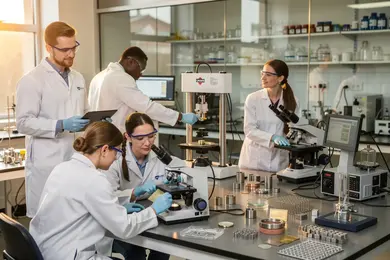
Hands-on lab work is a cornerstone of materials science & engineering education, allowing students to develop practical skills in material characterization and processing. Campus programs usually provide direct access to specialized equipment and supervised experiments, which better prepare students for technical roles. Online programs may offer limited virtual labs or require local lab partnerships, potentially reducing the depth of experiential learning. Graduates without substantial hands-on training might face challenges in technical interviews or on-the-job performance.
Online materials science & engineering programs often demand higher self-discipline and time management due to asynchronous learning and fewer fixed class times. Campus programs typically have more structured schedules but may involve longer on-site hours with labs and group projects. Students juggling work or family might prefer online formats for flexibility but should anticipate a potentially heavier cognitive load due to independent study. Evaluating personal coping strategies and support systems is essential when balancing workload and program format.
Campus programs sometimes update curricula more rapidly due to direct faculty engagement with research and industry partnerships. This exposure helps students keep pace with cutting-edge developments in materials science & engineering. Online programs may lag slightly in curriculum refresh cycles but offer continuous access to course materials post-graduation for ongoing learning. Those focused on immediate immersion in emerging technologies should lean toward campus, while professionals seeking ongoing updates might value online programs' flexibility and extended access.