2027 Materials Science & Engineering Degree Completion Time Report: How Long Students Actually Take to Graduate

Co-Founder and Chief Data Scientist
Degree completion timelines in materials science & engineering often reflect complex tradeoffs beyond standard academic milestones. Students may face delays due to demanding lab requirements, access to specialized equipment, or research project availability. Transfer credits can accelerate progress but also introduce course sequencing challenges, especially when moving between institutions with differing curricula.
According to the National Center for Education Statistics (2024), engineering fields exhibit lower retention after the first year compared to other disciplines, influencing overall graduation rates. Employer expectations for practical experience further shape pacing, as co-op or internship commitments might extend timelines. This article examines actual completion durations, key influencing factors, and trends prospective students should consider realistically.
Key Things to Know About Material Science & Engineering Degree Completion Time
- Most students take longer than the advertised program length. Only about 45% of first-time, full-time bachelor's students graduate within four years, while roughly 64% finish within six years, making the actual completion time longer for many learners.
- The average college graduate is often older than expected. The median age of bachelor's degree recipients is around 23 years, while master's degree recipients are typically in their early 30s, reflecting the growing number of adult and returning students.
- Completing a degree can significantly increase lifetime earnings. Workers with a bachelor's degree earn roughly 65% more per week than those with only a high school diploma, and graduate degree holders typically earn even higher median wages over their careers.
- What Is the Average Graduation Time for Materials Science & Engineering Students? Average Graduation Timeline
- What Factors Have the Biggest Impact on Graduation Speed? Graduation Timeline Factors
- How Does Full-Time Versus Part-Time Enrollment Affect Graduation Timelines? Full-Time vs. Part-Time Graduation Timeline
- Do Online Materials Science & Engineering Students Graduate Faster Than Campus-Based Students? Online vs. On-Campus Graduation Timeline
- How Many Months or Years Can Transfer Credits Save? Transfer Credits
- Do Accelerated Materials Science & Engineering Programs Significantly Reduce Completion Time? Accelerated Program Timeline
- Which Materials Science & Engineering Program Requirements Most Often Extend Graduation Timelines? Factors Extending Graduation Timeline
- Does Taking Longer to Graduate Increase the Cost of a Materials Science & Engineering Degree? Impact on Program Cost
- Does Graduating Faster Improve Career Prospects? Impact on Career Prospects
- Which Scheduling Mistakes Commonly Delay Graduation? Mistakes to Avoid
What Is the Average Graduation Time for Materials Science & Engineering Students?
The typical duration for completing a materials science and engineering degree in the US generally falls between four and five years, with many full-time students finishing within the traditional four-year period. However, this timeline often extends for part-time students or those managing additional responsibilities such as employment or family obligations.
Data from national education statistics in 2024 indicate that a significant portion of students take more than four years, reflecting variability influenced by individual course loads and institutional program structures. Understanding the average time to graduate in materials science and engineering programs requires considering these enrollment patterns alongside academic progression norms.
Several factors drive variation in graduation timelines, including the complexity of credit requirements and the sequencing of prerequisite courses, which can create bottlenecks for students. Transfer students frequently experience delays due to credit transfer restrictions or gaps needing to be filled through extra coursework. Additionally, internships and cooperative education programs-though extending time-to-degree-are integral to building practical skills and improving employability.
The choice between on-campus and online formats can also influence pacing, since flexibility in course scheduling varies widely. Educational planners and students should weigh these elements carefully when estimating completion time, balancing academic demands against hands-on experience and life circumstances.
Since timing affects financial investment and labor market entry, realistic planning around graduation schedules is critical. Graduating closer to the four-year mark is often linked to proactive advising and strategic course planning, while extensions may reflect prioritization of experiential learning and credit management challenges. Evaluating program design and enrollment decisions through the lens of long-term career preparation can help students align graduation planning with workforce expectations.
Those interested in accelerated pathways might explore online doctorate programs for comparison on condensed degree options, though these vary substantially in focus and commitment.
What Factors Have the Biggest Impact on Graduation Speed?
Graduation speed in materials science and engineering master's degree completion time factors is influenced by a complex interaction of academic planning, program structure, and individual circumstances. No single element dictates how quickly students finish, but rather how enrollment strategies, institutional policies, and external obligations align throughout the course of study. Recognizing these dynamics can help students and education planners optimize course loads, enrollment status, and program formats to better navigate timelines.
These factors demonstrate why even within the same program, significant variation in graduation speed is common.
- Enrollment Status and Credit Load: Full-time enrollment is a dominant factor accelerating degree completion because students accumulate credits steadily and maintain continuous momentum. Data from the National Student Clearinghouse Research Center highlights that nearly 65% of full-time undergraduates graduate within six years compared to only about 30% of part-time students. Part-time status often arises from work or personal constraints, which prorates academic effort over more semesters, extending graduation timelines.
- Transfer Credits and Institutional Policies: Students entering with transfer credits from accredited institutions or related technical programs can advance more quickly through materials science and engineering master's degree completion time factors by bypassing introductory coursework. However, variability in how universities accept and apply transfer credits frequently complicates this advantage, sometimes causing delays if extensive credit evaluations or course substitutions are needed.
- Course Sequencing and Program Structure: The specialized and sequential nature of materials science & engineering curricula means that missing a prerequisite or encountering limited course offerings in fall or spring semesters often stalls progress. Programs designed with flexible rotations, summer classes, or diverse elective options naturally permit more efficient scheduling, reducing bottlenecks caused by rigid structures or course scarcity.
- Work Commitments and Financial Pressures: External obligations such as employment, especially when students work more than 20 hours per week, significantly slow progress by forcing part-time enrollment or breaks. The U.S. Department of Education notes that students working extensive hours graduate at notably lower rates within four years. For many working adults balancing coursework with job demands, this tradeoff impacts both time-to-degree and program format decisions.
- Academic Preparation and Support Services: Solid STEM backgrounds and access to institutional resources like tutoring, advising, and mentoring help students navigate the demanding curriculum more rapidly. Conversely, remedial coursework or academic probation often adds semesters to degree timelines. Effective academic support systems are critical to sustaining enrollment momentum, particularly for those without prior technical training in fields related to materials science & engineering.
- Professional Experience and Career Integration: Participation in co-op programs or internships can extend time to graduation by introducing professional commitments that compete with academic schedules. Although this may delay completion, many students enhance job placement prospects, reflecting a tradeoff between speed and employability. Students and advisors must weigh how involvement in workforce integration impacts degree pacing and long-term outcomes.
For those weighing how to manage course load and program format choices, it is useful to explore available resources such as affordable psychology masters programs to compare structural and financial models across disciplines, which may offer contextual insights relevant to navigating enrollment strategies in materials science & engineering graduate education.
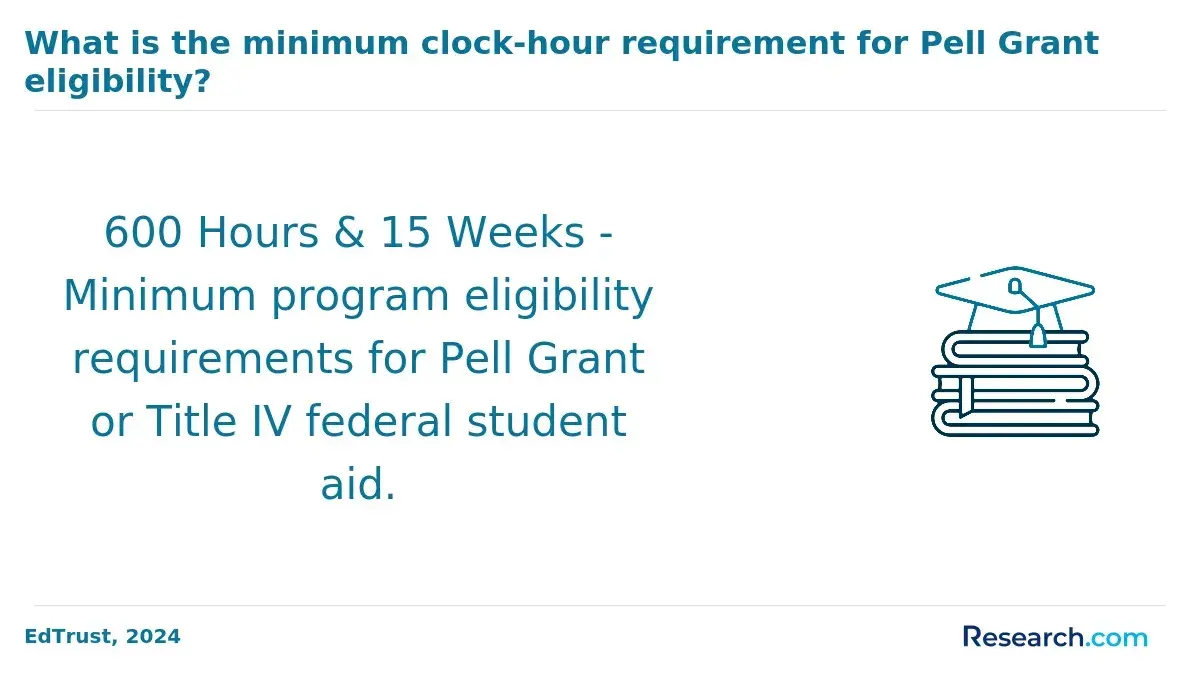
How Does Full-Time Versus Part-Time Enrollment Affect Graduation Timelines?
Full-time enrollment in Materials Science & Engineering programs typically supports degree completion within four to five years, aligning with standard academic progression frameworks. This schedule enables consistent credit accumulation, participation in research components, and engagement with internships without significant delays. Conversely, part-time students often extend their studies to six years or longer, reflecting lighter semester course loads intended to accommodate external obligations.
Data from the National Center for Education Statistics (2024) highlights this divergence, showing that part-time learners take approximately 50% longer on average to graduate compared to their full-time peers.
The difference in graduation timelines stems from several interconnected factors. Full-time students usually follow a structured, sequential course plan with higher credit loads per term, promoting steady academic progress and timely access to advanced labs and capstone projects integral to Materials Science & Engineering curricula. Part-time enrollment introduces a more fragmented pace, often influenced by work schedules, family responsibilities, and sometimes limited availability of required courses during evenings or weekends.
Program delivery formats and institutional flexibility vary, but many part-time students face challenges in coordinating prerequisites and maintaining momentum, contributing to intermittent enrollment patterns that slow degree progress.
Enrollment choices also carry significant implications for financial and career trajectories. Accelerated completion through full-time study often allows earlier workforce entry and the opportunity to capitalize on rising labor market demand for Materials Science & Engineering expertise. In contrast, extended part-time progression increases tuition costs and delays professional qualification, potentially affecting lifetime earnings and advancement.
For students balancing substantial non-academic commitments, the tradeoff involves accepting a longer timeline against essential personal flexibility, emphasizing the importance of strategic planning based on individual circumstances and institutional structures.
Do Online Materials Science & Engineering Students Graduate Faster Than Campus-Based Students?
The common assumption that online materials science & engineering students consistently graduate faster than their campus-based peers is not supported by recent data. Studies from 2024 indicate that the typical duration for online students to complete their bachelor's degrees in engineering often matches or slightly exceeds that of traditional students. While online learning offers scheduling flexibility, this advantage is frequently offset by other factors, such as part-time enrollment and external obligations, resulting in average completion times hovering around 5.2 years compared to approximately 4.7 years for on-campus students, according to the National Center for Education Statistics.
Graduation speed in both formats heavily depends on the interplay of program structure and student circumstances. Online programs often allow self-paced progress and asynchronous coursework, but they can lack immediate access to essential labs and hands-on experiences, sometimes necessitating additional sessions or summer courses. Meanwhile, campus students benefit from integrated facilities and more direct academic advising, though they may have less flexibility for balancing outside responsibilities.
Enrollment status also plays a role; online learners frequently enroll part-time while working or managing family duties, extending their timelines. Conversely, accelerated options aimed at professionals with transfer credits or prior experience sometimes produce faster completion, but such cases are exceptions rather than the norm.
The mode of delivery interacts with discipline-specific demands, such as technical coursework and applied research, shaping time management challenges and career entry timing. For prospective materials science & engineering students, choosing between modalities involves weighing how flexible pacing aligns with personal responsibilities against potential delays due to limited lab access or part-time study. This nuanced balance means that neither online nor campus pathways guarantee a faster track to graduation; instead, success depends on navigating the structural and situational factors unique to each learning environment.
How Many Months or Years Can Transfer Credits Save?
Transfer credits can significantly reduce the time needed to complete a materials science & engineering degree, with savings typically ranging from several months up to more than a year. Students entering programs with substantial, relevant prior coursework-often from community colleges or accredited institutions-can sometimes shorten their path by 12 to 18 months, according to recent data from the National Center for Education Statistics.
However, the extent of these savings depends heavily on how well the transferred credits align with the core curriculum and degree requirements of the new institution. This alignment is crucial since many materials science & engineering programs have rigorous prerequisites and sequencing that affect how transfer credits apply toward graduation timelines.
The actual time saved depends on multiple factors beyond just the volume of transferred credits. Accreditation compatibility ensures that courses meet standards that the receiving institution upholds, while course equivalency plays a decisive role in whether specific credits fulfill major-specific or elective requirements. Institutional policies such as maximum transferable credits and residency mandates require students to complete a minimum number of courses on campus, limiting possible acceleration.
Moreover, the structured integration of laboratory work, capstone projects, and specialized coursework within these programs often means that even fully accepted transfer credits may not bypass essential hands-on components, further influencing the duration of degree completion. Prospective students should evaluate these elements carefully to understand the realistic impact of transfer credit on their academic timeline and overall program progression.
Strategic academic planning becomes essential when transfer credits are involved, as it affects not only time to graduation but also financial costs and course sequencing. Early and thorough consultation with academic advisors is recommended to navigate articulation agreements and institutional requirements effectively. For students exploring pathways to expedite degree completion in related fields, the option of a construction management online degree may offer alternative approaches worth considering.
Ultimately, leveraging transfer credit impact on materials science & engineering graduation time requires a nuanced understanding of institutional frameworks and disciplined course planning to achieve meaningful acceleration without compromising accreditation standards or education quality.
Do Accelerated Materials Science & Engineering Programs Significantly Reduce Completion Time?
Accelerated materials science & engineering programs are structured to compress the traditional degree timeline by increasing credit loads each term, reducing breaks, or offering continuous enrollment opportunities. These programs often integrate a heavier course load or overlapping terms to facilitate earlier graduation compared to standard four-year tracks. However, the intended time savings hinge on a program's ability to sustain a more intense academic pace without compromising essential curriculum components or the opportunity for practical experience. The design aims to deliver core technical competencies faster while maintaining degree rigor, but this balance is delicate and varies considerably across institutions.
Whether these programs meaningfully shorten completion time depends on several intertwined factors. High credit density and compressed semesters can accelerate coursework, but prerequisites and sequencing can impose bottlenecks, especially for transfer students or those entering with uneven prior credits. Additionally, requirements such as internships, co-ops, or lab work typically remain fixed in duration, limiting how much the program can condense without sacrificing experiential learning.
The academic intensity can be a double-edged sword, as some students may struggle to maintain performance under the heightened workload, potentially prolonging their studies through withdrawals or repeated courses. Thus, reduced time to degree is conditional rather than guaranteed, shaped by both structural design and individual capacity to handle accelerated pacing.
Trade-offs inherent in accelerated formats also impact scheduling flexibility and depth of learning. Intensified semesters can constrain students' ability to engage fully with complex materials or pursue supplemental academic support. Moreover, compression may reduce opportunities for meaningful hands-on training or summer internships critical for employer readiness, which can affect long-term employability despite quicker degree completion.
Students must weigh the burden of sustained academic pressure against the potential advantage of entering the workforce earlier, recognizing that condensed programs are not one-size-fits-all solutions but strategic pathways with specific operational implications.
Which Materials Science & Engineering Program Requirements Most Often Extend Graduation Timelines?
Extended graduation timelines in Materials Science & Engineering programs arise less from overall credit totals and more from embedded curricular components that impose structural and scheduling constraints. These requirements often ensure rigorous training and alignment with industry standards but simultaneously create pacing challenges that hinder accelerated degree completion.
Navigating these embedded mandates requires understanding how program design and institutional policies shape course sequencing and workload distribution.
- Laboratory and Experimental Coursework: Intensive lab classes demand sequential scheduling tied closely to theoretical coursework, limiting flexibility in progression. Because hands-on experiments rely on prior theory and fixed lab availability, any missed or repeated sessions delay advancement significantly, reflecting essential skill mastery but reducing acceleration opportunities.
- Research Projects and Thesis Requirements: Many students pursuing honors or research tracks must dedicate substantial time to independent projects involving data collection and analysis. According to a 2024 Lightcast workforce report, approximately 35% of undergraduates in this field undertake research that can extend study time by one to two additional semesters, highlighting the tradeoff between deepened expertise and timely graduation.
- Prerequisite Chains and Course Sequencing: Foundational courses in chemistry, physics, and mathematics are prerequisites for advanced materials courses, enforcing fixed progression pathways. This rigid sequencing restricts students' ability to accelerate, and transfer students often face added delays due to articulation discrepancies, resulting in repeated coursework or postponed higher-level enrollment.
- Transfer Credit Evaluations: Institutional policies on transfer credits vary widely, frequently causing students to retake courses or defer critical classes. These inconsistencies introduce administrative bottlenecks in curricular pathways, often extending degree duration beyond native student timelines and complicating academic planning.
- Internship and Co-op Participation: Practical training through internships or cooperative education is valued highly by employers in manufacturing and technology sectors but commonly prolongs degree completion by at least one academic term. This extension reflects a conscious tradeoff between accelerated graduation and gaining essential applied experience that enhances post-graduate employability.
Does Taking Longer to Graduate Increase the Cost of a Materials Science & Engineering Degree?
Extended timelines in completing a Materials Science & Engineering degree can significantly increase the total tuition and associated educational expenses. Programs charging tuition per term or per credit hour directly amplify costs with each additional semester, particularly when students shift from full-time to part-time status or require extra semesters due to course availability or academic focus changes. Financial aid eligibility often diminishes as students exceed expected degree completion windows, leading to fewer scholarships or loss of employer-sponsored tuition benefits, thereby intensifying out-of-pocket expenses.
This dynamic is central to understanding the cost implications of extended Materials Science & Engineering degree completion, especially for working adults balancing enrollment and financial aid constraints. According to the National Center for Education Statistics, students who extend beyond the typical timeframe face approximately 20% higher education expenses on average, which can delay recouping educational investments through earnings in the engineering labor market, where entry-level salaries typically range in the mid-70,000s to low 90,000s.
The financial impact of delayed Materials Science & Engineering graduation may not always be pronounced, depending on specific institutional tuition models and enrollment designs. Flat-rate tuition structures or programs encouraging flexible pacing allow students to spread coursework without proportional cost increases, and employer tuition assistance often mitigates incremental expenses for those who qualify.
Enrollment decisions, such as balancing course load intensity and taking part-time options, influence how duration translates to cost, with some students leveraging internships or co-op experiences that extend timelines but potentially enhance earning potential long term.
Programs that mirror the adaptability found in certain alternative pathways, similar to offerings in a human services online program, exemplify how academic pacing can be managed to minimize additional costs while accommodating professional and personal commitments in the evolving materials science workforce.
Does Graduating Faster Improve Career Prospects?
Graduating faster from a materials science & engineering program can offer the benefit of entering the job market sooner, potentially providing an early advantage in initial employment timing. However, employers rarely assess candidates solely on the speed of degree completion. Instead, early graduation is one aspect among many influencing hiring decisions, and it rarely outweighs the importance of demonstrated technical skills, relevant experiences, and professional readiness. In fact, the impact of accelerating degree completion depends heavily on the quality of preparation students have secured during their studies.
The primary determinants of whether materials science & engineering career benefits of early graduation materialize include internship experience, demonstrated skill mastery, and the strength of a candidate's professional portfolio. Employers prioritize candidates who have accumulated practical exposure and networked within the industry, which often requires engaging in internships or co-op programs that a hastened timeline may reduce.
The impact of accelerated materials science & engineering degree completion on job placement is therefore mixed, as a shorter program might limit access to critical hands-on learning and industry contacts that significantly influence hiring competitiveness.
Beyond immediate hiring, the trade-offs between finishing quickly and gaining experiential depth can affect longer-term career growth. Employers increasingly seek well-rounded profiles with teamwork, communication abilities, and applied learning—factors less likely to be fully developed in accelerated paths. Students should weigh whether compressing their studies might restrict opportunities for building a robust skill set and professional network.
Those considering an accelerated pace can also explore specialized options such as a bachelor of project management online as an alternative route that balances timing with relevant competencies.
Which Scheduling Mistakes Commonly Delay Graduation?
Graduation delays in Materials Science & Engineering programs often stem less from academic difficulty and more from avoidable scheduling and planning mistakes made during enrollment and course selection. These issues are prevalent across undergraduate and graduate levels, including in part-time or transfer student scenarios.
Understanding how poor sequencing, course load management, and institutional policies interact is critical to maintaining steady academic progression and avoiding extended degree timelines.
- Misaligned Prerequisite Sequencing: Delays frequently occur when students underestimate the complexity and timing of required foundational courses in math, physics, and chemistry. Since advanced materials science courses depend on these, missing or postponing prerequisites blocks enrollment in core subjects, creating a cascade that lengthens the program.
- Improper Course Load Balancing: Students who enroll in fewer than 12 credit hours per semester increase their risk of prolonging graduation; research from the National Center for Education Statistics (2024) reports a 40% higher likelihood of exceeding six years to complete. Conversely, excessive course loads risk burnout and course failure, leading to repeats and withdrawals.
- Delayed or Absent Early Registration: Failing to secure spots in required courses early can force students into later semesters, especially when classes are limited. This scheduling bottleneck reduces flexibility and pushes back timely degree progression.
- Ignoring Non-Regular Terms: Many materials science programs offer summer or intersession courses that ease regular semester burdens. Not leveraging these options often results in heavier fall or spring loads, increasing stress and course failure risk.
- Transfer Credit Misalignment: Transferring between institutions without thorough credit evaluation risks lost or duplicated coursework. This disrupts sequencing and extends time to degree completion as students repeat credits or take additional classes to meet program requirements.
These common scheduling pitfalls arise from the structured, cumulative nature of materials science curricula and institutional enrollment policies that reward proactive planning. Recognizing and addressing these bottlenecks enables students to align academic progress with workforce readiness expectations in this highly technical discipline.
Other Things You Should Know About Materials Science & Engineering
For working adults, prioritizing flexibility in course scheduling often makes more sense than strictly minimizing time to degree completion. Materials science & engineering curricula typically involve complex, sequential courses that are not always available every term. Opting for programs with evening, weekend, or hybrid formats may extend completion time but enhances the ability to balance work and study without sacrificing performance or comprehension, which ultimately supports better long-term job prospects and retention of knowledge.
Changing specialization tracks mid-program in materials science & engineering frequently leads to extended completion times, as core courses and electives vary substantially between subfields like biomaterials, nanotechnology, or metallurgy. Students should carefully consider how well their interests and career objectives align with their current track before switching. If a change is necessary, early consultation with academic advisors can help minimize redundant coursework and reduce delays.
Choosing advanced electives in materials science & engineering can strengthen expertise and improve employability in specialized roles, but overloading on difficult courses may slow degree progress through failed or repeated classes. Students must balance ambition with realistic assessment of their capacity, prioritizing a manageable course load that maintains steady progress without sacrificing GPA or retention. Selecting key advanced courses that align closely with career goals, rather than pursuing all available options, typically yields the best outcomes within standard completion timelines.