2027 Materials Science & Engineering Affordability by State: Where Students Pay the Most and Least

Co-Founder and Chief Data Scientist
Choosing between a public university with $15,000 annual in-state tuition and a private program charging over $45,000 can feel like a make-or-break financial gamble for Materials Science & Engineering students. However, the real cost challenge often lies beyond sticker price-out-of-state students face sharply higher fees, and modest tuition savings in lower-cost states may be offset by steep living expenses or limited financial aid.
Recent 2024 data show that states with aggressive public funding cuts have pushed average tuition up by 8% in the last year, prompting shifts in enrollment patterns as students prioritize affordability alongside program quality. This article analyzes how tuition and living costs across states shape the financial accessibility of Materials Science & Engineering programs, enabling students to pinpoint where pursuing this degree is most economically feasible.
Key Things to Know About Materials Science & Engineering Affordability by State
- State tuition gaps for materials science & engineering show in-state rates often cut costs by over 50%, but higher living expenses in low-tuition states offset savings, influencing net affordability decisions.
- Employers in high-tech hubs favor graduates from states with industry-aligned programs, so paying more out-of-state may enhance local employment opportunities despite higher initial costs.
- Online degree options reduce campus fees yet can delay lab access crucial to materials science & engineering skill development, potentially extending time to degree and overall expenses.
- Key Things to Know About Materials Science & Engineering Affordability by State Key Things to Know About Materials Science & Engineering Affordability by State
- Which States Have the Most Affordable Materials Science & Engineering Degree Programs? Most Affordable State Programs
- Which States Have the Highest Materials Science & Engineering Degree Costs? Highest State Tuition Costs
- How Much Does a Materials Science & Engineering Degree Cost by State? Degree Costs by State
- Why Does Materials Science & Engineering Affordability Vary So Much Between States? State Affordability Variations
- How Do In-State and Out-of-State Tuition Rates Affect Materials Science & Engineering Affordability? In-State vs. Out-of-State Rates
- How Does the Cost of Living Impact Overall Materials Science & Engineering Affordability by State? Living Costs and Affordability
- Which States Offer the Best Value for a Materials Science & Engineering Degree? Best Value State Degrees
- What Financial Aid and Scholarship Opportunities Can Reduce Materials Science & Engineering Costs? What Financial Aid and Scholarship Opportunities Can Reduce Materials Science & Engineering Costs?
- Are Online Materials Science & Engineering Degree Programs More Affordable Than On-Campus Options? Are Online Materials Science & Engineering Degree Programs More Affordable Than On-Campus Options?
- Is a Materials Science & Engineering Degree Worth the Cost Based on Career Outcomes and ROI? Degree ROI and Outcomes
Which States Have the Most Affordable Materials Science & Engineering Degree Programs?
State-level differences in public funding priorities and institutional pricing frameworks significantly shape affordability for materials science & engineering degree programs, creating tangible financial outcomes that influence student choices. For instance, states with robust public university support, such as Wyoming and South Dakota, offer substantially lower in-state tuition rates due to higher state investment per student, often coupled with residency policies that sharply reduce costs for local enrollees. This dynamic means that a student pursuing a materials science & engineering degree in these states can expect tuition near half the national average, directly affecting not only upfront expenses but also long-term debt burden and degree completion feasibility. However, prospective students must weigh these benefits against potential tradeoffs such as limited program variety or fewer private-sector partnerships compared to higher-cost states.
Variations in regional cost of living and access to financial aid further complicate affordability calculations. Materials science & engineering students in states with lower housing and ancillary expenses, like New Mexico, stretch their educational resources more effectively, which reduces the true cost beyond tuition alone. Moreover, the interplay of institutional scholarships and federal grants-an especially critical factor highlighted in 2024 data showing 15-25% lower average graduate debt in affordable states-illustrates the real impact of funding availability on student outcomes. For those comparing the lowest tuition states for materials science & engineering degrees, it is essential to integrate such financial and residency considerations into enrollment decisions since these factors ultimately influence not just immediate affordability but also the overall return on investment of the degree. In weighing these elements, students might also consult rankings of highest paying bachelor degrees to align cost considerations with employment prospects post-graduation.
Which States Have the Highest Materials Science & Engineering Degree Costs?
Higher costs for materials science & engineering degrees in states like California, New York, and Massachusetts reflect a complex mix of state funding limitations, urban living expenses, and university research demands rather than simple tuition hikes alone. With in-state tuition often surpassing $15,000 annually and total attendance costs nearing $35,000, students in these states face a dual challenge: balancing steep tuition with substantial housing and living expenses in major metropolitan areas. Residency rules further complicate affordability, as out-of-state students may encounter doubled tuition fees, limiting access and forcing difficult choices between paying premiums or seeking less costly programs elsewhere. This pricing landscape drives many students to weigh the financial tradeoffs of studying in high-cost locations against the potential benefits of hands-on research opportunities and strong industry ties that often justify these expenses.
For budget-conscious students, differences in public funding and program availability across states heavily influence where they pursue materials science & engineering degrees. States with fewer program options and limited regional reciprocity tend to maintain higher prices due to less competition and stricter residency policies, while other areas may offer more affordable alternatives or online options that help offset costs without sacrificing critical laboratory experience. According to data from the 2024 Integrated Postsecondary Education Data System, total costs in high-demand urban markets are driven significantly by operational expenses tied to attracting faculty and maintaining advanced research facilities, elevating the sticker price beyond tuition alone. Consequently, students must consider not only sticker price but also potential financial aid, relocation expenses, and long-term career alignment when choosing where to study.
A recent graduate recalled the difficulty of deciding whether to enroll at a prestigious public university out of state or find an in-state program with lower costs but fewer research resources. Despite scholarships, the sheer difference in living expenses in the high-cost state made the choice daunting. They ultimately opted for the in-state university while supplementing with summer internships to gain practical experience, reflecting a pragmatic compromise shaped by financial constraints and career goals. This experience highlights how state-to-state cost disparities prompt nuanced financial and educational decision-making for materials science & engineering students aiming to optimize both affordability and program quality.
How Much Does a Materials Science & Engineering Degree Cost by State?
State-related tuition and living cost disparities significantly shape the financial feasibility of pursuing a materials science & engineering degree. For in-state students, average annual tuition can range from around $6,000 in states like Wyoming to over $18,000 in Vermont, according to 2024 data from the Integrated Postsecondary Education Data System (IPEDS). When factoring in out-of-state tuition, those costs often multiply substantially, as seen with California nonresidents facing tuition near $45,000 annually versus approximately $15,000 for residents. Such differences necessitate careful evaluation by students who may need to weigh residency-based tuition advantages against potential relocation expenses or consider online options if available.
Beyond tuition, regional variations in cost of living further complicate the picture. Students attending institutions in higher-cost states such as Massachusetts can encounter overall expenses-including housing and transportation-that exceed those in more affordable states by 30% or more. This divergence affects borrowing needs and can influence the net debt burden upon graduation, making state choices critical not only for upfront costs but also long-term financial health. Additionally, state-specific funding environments matter: some public universities benefit from robust financial aid and scholarship programs that can offset sticker prices for in-state students, while others face budget limitations that raise fees or reduce aid availability, impacting lower-income applicants' access to materials science & engineering education.
These layers of cost and aid variability mean prospective students must analyze more than just tuition rates when comparing programs. Decisions to pursue out-of-state study or remain in-state may hinge on practical tradeoffs between educational quality, institutional funding stability, expected debt, and personal financial circumstances. Such complexity underscores the importance of strategic planning to balance the credentials that employers value with manageable long-term costs-especially as degree completion in accredited programs remains essential for workforce entry. Hence, understanding these multifaceted state-level cost drivers is vital for informed enrollment and economic resilience within materials science & engineering pathways.
Why Does Materials Science & Engineering Affordability Vary So Much Between States?
State funding disparities significantly influence materials science & engineering degree cost differences by state, as public universities in the Midwest and South typically receive more substantial subsidies per student, which lowers in-state tuition rates. This dynamic creates a practical tradeoff for students: choosing institutions in states with robust funding can ease sticker shock but may also mean navigating residency requirements or limited program availability. For example, a student in a high-subsidy state faces lower direct tuition but must consider whether to remain in-state or incur higher non-resident fees elsewhere, which can exceed the tuition advantage and affect long-term educational planning.
Cost-of-living and financial aid are equally pivotal, with high-expense states like California and New York charging more to offset operational costs that include faculty salaries and research infrastructure crucial for materials science & engineering programs. States that implement inclusive residency and affordable tuition policies promote broader access, influencing enrollment decisions and transfer patterns. Students considering a materials science & engineering degree must also assess grant availability, as states with expansive aid programs can substantially reduce the true cost of attendance despite nominal tuition differences. For those comparing alternatives, evaluating options such as online programs or out-of-state opportunities-akin to those found in certain master of social work programs-can be a strategic move to balance quality, cost, and regional demand.
How Do In-State and Out-of-State Tuition Rates Affect Materials Science & Engineering Affordability?
The disparity between in-state and out-of-state tuition significantly influences where students enroll in materials science & engineering programs, often outweighing program quality considerations. Public universities typically charge roughly double for out-of-state students-data from the National Center for Education Statistics shows in-state tuition averaging $11,000 versus $23,000 for out-of-state. This gap means many students weigh the financial benefit of establishing residency or opting for institutions within reciprocity regions, even if that limits geographic and networking opportunities. Securing residency classification or taking advantage of regional agreements can slash costs sharply, but the effort and eligibility criteria involved may delay or complicate enrollment decisions, especially for transfer or nontraditional students.
Private programs and increasingly online offerings tend to bypass residency pricing altogether, yet their flat tuition fees shift emphasis toward financial aid availability and the potential tradeoffs in hands-on experience and local employer connections. In states like California or Texas, more favorable in-state rates align with robust industrial sectors that can facilitate internships and job placement, whereas northeastern states' higher tuition may deter budget-conscious learners despite established research hubs. Ultimately, students must consider whether the additional expenses of out-of-state tuition justify access to specialized faculty or facilities, factoring in long-term debt implications and regional job markets when selecting programs.
One recent graduate recalled choosing between a well-regarded midwestern public university and a state flagship program closer to home. The out-of-state tuition nearly doubled costs, catching them off guard despite preliminary research. Attempting residency status felt uncertain and time-consuming, so the student gambled on paying the higher rate, planning to offset it through internships and scholarships. Reflecting back, they expressed mixed feelings, acknowledging that while the program's reputation eased entering the workforce, the financial burden added persistent stress that shaped their post-graduation decisions and delayed savings goals.
How Does the Cost of Living Impact Overall Materials Science & Engineering Affordability by State?
Housing and transportation costs frequently exceed tuition when assessing the true financial burden of pursuing a materials science & engineering degree, dramatically shaping regional affordability. For example, a student attending a university in New York may face doubled housing expenses compared to a peer in Ohio, despite similar tuition rates, forcing tough choices between on-campus living or long commutes that inflate transportation costs. These disparities complicate enrollment decisions, particularly for those weighing in-state versus out-of-state options or evaluating online alternatives to offset high local living expenses. Understanding these dynamics assists budget-conscious students in anticipating total student debt exposure, factoring in variable healthcare premiums and utility bills influenced by local climate and policy conditions.
Regional living expenses substantially affect materials science & engineering cost of living variations by state, with broader implications beyond immediate affordability. Students in rural or suburban areas may incur higher vehicle-related expenses, while urban residents grapple with transit fares that, although often lower overall, can still strain tight budgets. This nuanced interplay also influences part-time work opportunities and local wage scales, which can mitigate or exacerbate financial pressures during degree completion. For those pursuing specialized tracks, considering alternatives like accelerated mental health counseling programs online may highlight the importance of program pace and delivery method in managing costs without prolonging time to degree.
Which States Offer the Best Value for a Materials Science & Engineering Degree?
Evaluating the value of a materials science & engineering degree requires more than comparing sticker tuition prices across states; understanding how in-state tuition eligibility, total cost of attendance, and local economic opportunities interact is crucial. For example, a student considering North Carolina might find state-funded aid and relatively stable living costs offset the tuition burden, particularly at flagship universities with graduation rates exceeding 65%, which correlates with timely degree completion and reduced debt accumulation. Conversely, attending a prestigious out-of-state program with higher tuition but robust industry connections, like some in Texas, may yield better internship access and salary prospects, potentially balancing higher upfront costs over time.
In states with mature manufacturing or tech sectors, such as Michigan, public universities often provide specialized programs aligned with local industry demands, which can enhance job placement rates and loan repayment feasibility despite moderate tuition expenses. This nuanced value means low sticker costs in isolation rarely guarantee the best return; factors like financial aid options, degree completion likelihood, and proximity to relevant employment hubs weigh heavily in cost-effectiveness. For students who qualify for residency-based tuition discounts or can leverage online study to reduce living expenses, these considerations become pivotal in deciding whether relocation or staying in-state optimizes affordability and career trajectory.
Highly ranked but costly states like California and Massachusetts exemplify the affordability challenge, where strong programs come with elevated living expenses and less accessible financial aid-often pushing total costs beyond practical reach for budget-conscious students. Data from the National Center for Education Statistics and College Scorecard (2024) underscore that the interplay of tuition, completion rates, and regional wage premiums should guide decisions, not raw tuition alone. Ultimately, aspiring materials science & engineering students must analyze institutional outcomes within their specific financial and geographic contexts to identify the pathway that offers sustainable investment and realistic post-graduation rewards.
What Financial Aid and Scholarship Opportunities Can Reduce Materials Science & Engineering Costs?
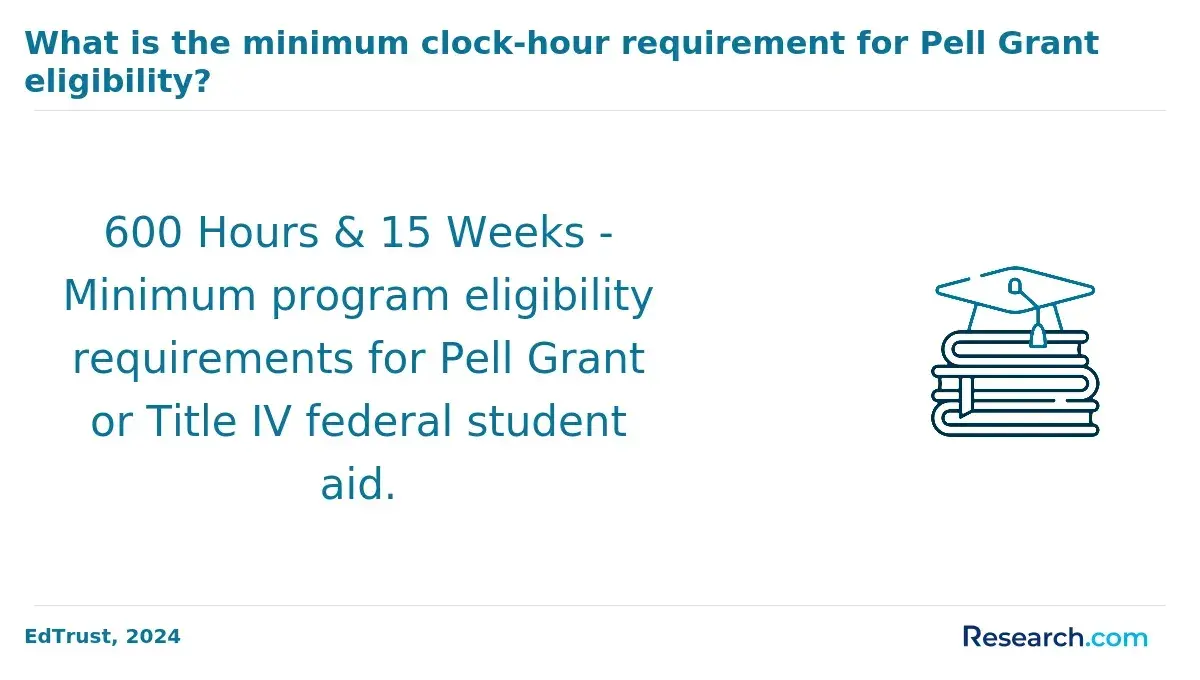
Federal aid programs such as the Pell Grant play a pivotal role in shaping the financial feasibility of a Materials Science & Engineering degree, particularly for students from low- to middle-income backgrounds. According to the U.S. Department of Education's 2024 data, nearly 60% of undergraduates receiving federal aid pursue STEM fields, underscoring the importance of these grants in offsetting high tuition costs. However, the timing of applications and strict eligibility criteria can limit access, especially for part-time students or those enrolling late in the academic year. State grants further influence affordability but vary significantly; for example, Midwestern states with tuition reciprocity agreements allow students from neighboring regions to pay in-state rates, reducing costs and potentially accelerating degree completion by lessening financial stress.
Institutional scholarships-both merit- and need-based-offer meaningful reductions but often require early application and carry non-guaranteed renewal terms, introducing uncertainty that can affect long-term financial planning. Merit scholarships tend to favor students with strong academic records or research credentials, which may disadvantage late-deciding or non-traditional students who enter Materials Science & Engineering programs without established STEM backgrounds. Employer-sponsored tuition benefits provide a practical alternative for working students balancing jobs or internships, aligning academic choices with workforce needs and mitigating debt accumulation. Still, students at private institutions or those studying part-time may face restricted access to state aid, increasing reliance on loans or external scholarships and necessitating careful comparison of institutional aid policies and geographic factors before enrollment.
Are Online Materials Science & Engineering Degree Programs More Affordable Than On-Campus Options?
Online materials science & engineering degree affordability in the United States depends less on straightforward tuition differences and more on nuanced factors like residency policies, technology fees, and program delivery models. While a 2024 NCES report notes average online engineering tuition is 15-20% lower than on-campus costs, this gap narrows considerably when factoring in out-of-state online tuition premiums and mandatory technology expenses unique to engineering coursework. For example, a student living far from campus may save significantly on housing and commuting but could face unexpected costs from specialized software or travel for required in-person labs.
Cost comparison of online versus on-campus materials science & engineering programs by state reveals that public institutions often charge higher rates to non-resident online students, reducing the affordability edge of remote study. Additionally, financial aid and scholarship availability may be more limited or structured differently for online students, influencing net costs and decision-making. Part-time online enrollment, increasingly prevalent in 2023 data, offers flexibility to balance work and study, allowing some to offset opportunity costs by maintaining employment, though hands-on components in materials science & engineering may still necessitate costly campus visits.
Prospective students must weigh these tradeoffs carefully. Those prioritizing savings on living expenses and schedule flexibility might explore online paths, while others dependent on institutional scholarships or intensive lab work could find on-campus study financially and practically comparable. For additional insights into budgeting educational options, especially for related fields, resources like the masters in child psychology online offer relevant models of balancing affordability with academic demands.
Is a Materials Science & Engineering Degree Worth the Cost Based on Career Outcomes and ROI?
Variations in tuition and program efficiency critically shape the practical value of a Materials Science & Engineering degree, especially for budget-conscious students. For instance, pursuing this degree in states like California may lead to substantially higher cumulative student debt-often exceeding $30,000-due to elevated in-state tuition, which affects long-term financial flexibility and career location choices. Conversely, states such as Wyoming offer more affordable tuition, lowering debt burdens and increasing the net return on investment, particularly for students planning to stay and work locally. Career outcomes also depend on program completion rates and time-to-degree, as extended enrollment inflates costs and delays labor market entry, compounding opportunity costs beyond tuition alone.
Employment prospects and ROI are further shaped by geographic industry concentrations and graduate education pathways. Graduates positioned near strong manufacturing or semiconductor sectors face more robust demand, higher starting salaries, and upward mobility, which can justify higher upfront costs if aligned with career goals. Yet, students should evaluate ROI by considering debt load, program quality, and workforce alignment rather than tuition fees in isolation. Those interested in advanced degrees must balance increased lifetime earnings potential against escalating educational expenses and delayed income. For detailed comparisons relevant to STEM fields, including forensics, students can explore resources on forensic career paths and salary.
Ultimately, measuring materials science & engineering degree career outcomes in the United States extends beyond nominal costs to include opportunity costs, geographic mobility, and regional labor market dynamics. Students must weigh affordability against prospective earnings within local industry contexts to maximize return on investment for Materials Science & Engineering graduates by state.
References
- TMS Scholarships - Material Advantage https://materialadvantage.org/financial-opportunities/tms-scholarships
- Student Scholarships | TMS https://www.tms.org/portal/portal/Membership/For_Students/Scholarships.aspx
- Materials science - Wikipedia https://en.wikipedia.org/wiki/Materials_science
- 41 Best Materials Engineering & Technology courses In the USA 2026 https://www.hotcoursesabroad.com/study/training-degrees/us-usa/materials-engineering-technology-courses/loc/211/cgory/yc.4-4/sin/ct/programs.html
- The Effects of Rising Student Costs in Higher Education - Ithaka S+R https://sr.ithaka.org/publications/the-effects-of-rising-student-costs-in-higher-education/
- 2025 Most Affordable Online Master's Programs https://www.onlineu.com/most-affordable-colleges/masters-degrees
- How the Cost of Living Compares Across All 50 States—and What Factors Drive Such Wide Gaps https://finance.yahoo.com/economy/articles/cost-living-compares-across-50-110500273.html
- Materials Science Career Prospects https://www.imperial.ac.uk/engineering/departments/materials/study/undergraduate/materials-science-career-prospects/
- Importance of Cost of Living | Goldwater Institute https://www.goldwaterinstitute.org/cost-of-living/
- What will make college truly affordable? https://www.luminafoundation.org/news-and-views/what-will-make-college-truly-affordable/
Other Things You Should Know About Materials Science & Engineering
States with more affordable tuition often have public universities that may lack cutting-edge research facilities found in higher-cost states. While lower tuition reduces financial stress, students pursuing research-intensive careers should prioritize programs with strong lab infrastructure and faculty expertise, even if it means higher costs. This tradeoff affects learning opportunities and access to emerging technologies, which can be pivotal for employability in advanced materials sectors.
Programs in states with fewer manufacturing or materials-related industries may offer lower tuition but often have limited connections to local employers and internship opportunities. This can delay or complicate practical experience acquisition, crucial for career readiness. Students should assess whether saving on tuition balances against potential challenges in gaining relevant work experience, which directly influences hiring outcomes.
In states where tuition is lower but living expenses remain significant, students may need to work part-time jobs, increasing time pressures during already demanding coursework and lab schedules. This reality can affect learning quality and mental health. Prioritizing both tuition affordability and cost of living stability is critical to sustain the rigorous pace without compromising academic performance or well-being.
While affordability matters, choosing a program with recognized industry ties and a solid reputation often provides better long-term returns through stronger job placement and salary prospects. For budget-conscious students, it may be worth considering slightly higher tuition at a well-connected program versus a cheaper degree with weaker outcomes. Prioritizing programs known for graduate employability can justify short-term expenses with enhanced career growth.