2027 Neurodiagnostic Technology Tuition Inflation Report: How Fast Are Program Costs Rising?

Co-Founder and Chief Data Scientist
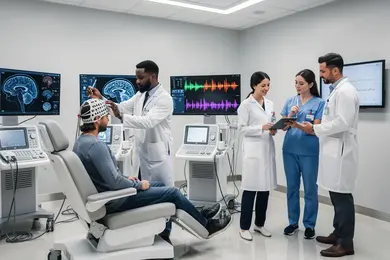
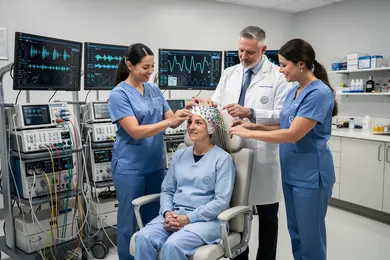
Neurodiagnostic technology programs face unique cost pressures driven by advances in diagnostic equipment and evolving certification requirements. Maintaining cutting-edge laboratories and clinical simulation environments demands significant investment, unlike many other academic disciplines. Recent data from the Commission on Accreditation of Allied Health Education Programs show tuition in neurodiagnostic technology programs increased by over 5% annually since 2022, partly due to expanded faculty specialization and heightened state licensing standards. Additionally, a growing demand for skilled technologists shifts enrollment toward older students who often require flexible scheduling, influencing program delivery costs. This report examines how these structural and operational factors contribute to tuition inflation specific to neurodiagnostic technology education and what they signal about the field's future workforce landscape.
Key Things to Know About Neurodiagnostic Technology Tuition Inflation
- Tuition for neurodiagnostic technology programs has risen over 7% annually since 2022, reflecting inflationary pressures that may constrain access and extend time-to-completion for financially sensitive students.
- Employers increasingly expect graduates to hold advanced certifications alongside degrees, raising total education costs and causing candidates to weigh program affordability against credentialing demands.
- Faster tuition inflation disproportionately affects part-time students balancing work, creating tradeoffs between immediate income needs and long-term career investment in a field with variable regional demand.
- How Much Has Neurodiagnostic Technology Tuition Increased Over the Past Decade? How Much Has Neurodiagnostic Technology Tuition Increased Over the Past Decade?
- How Does Neurodiagnostic Technology Tuition Inflation Compare to Overall Inflation? How Does Neurodiagnostic Technology Tuition Inflation Compare to Overall Inflation?
- Which Types of Schools Have Experienced the Fastest Neurodiagnostic Technology Tuition Growth? Tuition Growth by School Type
- What Factors Are Driving Rising Costs in Neurodiagnostic Technology Degree Programs? Tuition Cost Drivers
- How Does Neurodiagnostic Technology Tuition Growth Vary by State and Region? Tuition Growth by State
- Are Online Neurodiagnostic Technology Programs Becoming More Affordable Than Campus-Based Programs? Online Program Affordability
- How Have Financial Aid and Scholarships Changed as Neurodiagnostic Technology Tuition Has Increased? Impact on Financial Aid and Scholarships
- How Does Rising Neurodiagnostic Technology Tuition Affect Student Debt After Graduation? Impact on Student Debt
- Do Higher-Cost Neurodiagnostic Technology Programs Deliver Better Career Outcomes or Earnings? Impact on Career Outcomes
- What Do Current Tuition Trends Suggest About the Future Cost of a Neurodiagnostic Technology Degree? What Do Current Tuition Trends Suggest About the Future Cost of a Neurodiagnostic Technology Degree?
How Much Has Neurodiagnostic Technology Tuition Increased Over the Past Decade?
Tuition costs for neurodiagnostic technology programs in the United States have surged significantly over the past decade, with recent data from the National Center for Education Statistics and the U.S. Department of Education College Scorecard indicating increases between 35% and 50% since 2014 after inflation adjustments. This growth surpasses average rises in many allied health fields, highlighting a distinct trend of escalating expenses in this specialized area. The steady uptick reflects not only general higher education pricing pressures but also the specific demands of hands-on technical training and certification preparation essential to neurodiagnostic technology. As program costs escalate, prospective students must carefully weigh these trends against employment realities and long-term earning potential within the field.
Several factors contribute to these tuition increases beyond standard inflationary pressures. Institutions have invested more heavily in advanced diagnostic equipment, upgraded clinical partnerships, and expanded experiential learning opportunities to meet employer expectations for comprehensive hands-on training. Additionally, shifts in public funding and resource allocation have prompted some programs to lean on tuition to cover operational costs. The rising demand for qualified neurodiagnostic technologists within healthcare systems further fuels program expansion but also drives up enrollment competition and associated expenses. These dynamics illustrate how financial and workforce considerations intertwine, shaping a tuition landscape that reflects both educational quality initiatives and market forces influencing program affordability.
The financial burden accompanying these tuition hikes compels students to approach neurodiagnostic technology education with a focus on return on investment and long-term career viability. Increased costs often mean higher student borrowing and extended repayment horizons, especially when factoring in supplementary fees like certification exams and clinical placements. Careful program selection and financial planning become crucial, as higher tuition does not automatically ensure better outcomes but typically indicates deeper program rigor and resource intensity. For those exploring advanced healthcare training options, including related pathways such as MSN to DNP online programs, understanding these affordability challenges is key to making an informed decision amid evolving trends in neurodiagnostic technology tuition increases in the United States over the last decade.
How Does Neurodiagnostic Technology Tuition Inflation Compare to Overall Inflation?
Neurodiagnostic technology tuition inflation rates in the United States have consistently exceeded general consumer price inflation over recent years. While the Consumer Price Index from the U.S. Bureau of Labor Statistics shows an annual increase of around 3.5% between 2021 and 2024, tuition and fees for these specialized programs have grown at an estimated 5% to 7% annually, according to data from the National Center for Education Statistics and the College Board. This divergence highlights a widening gap where costs for neurodiagnostic technology education rise more sharply than typical household expenses, reflecting specialized program demands that go beyond broad economic inflation trends.
The structural factors driving this tuition inflation gap include declining state and public subsidies for higher education, leading institutions to shift funding burdens onto students. In addition, operational costs have increased due to expanded administrative services, investments in clinical and laboratory infrastructure specific to neurodiagnostic technology, and ongoing curriculum updates driven by evolving employer expectations and technological advances. These elements combine to create a cost environment where inflation in neurodiagnostic technology program costs outpaces overall inflation, signaling a systemic reallocation of institutional resources toward specialized training capabilities rather than general educational expenses.
For prospective and current students, this gap means that affordability pressures intensify, often necessitating greater reliance on borrowing or extended time-to-degree decisions. The rising differential influences how learners weigh program selection based on long-term value, balancing educational investment against career outcomes in a field sensitive to regulatory and technological change. Those exploring options, including considerations of the best medical billing and coding schools, must consider how these tuition trends intersect with labor market realities and personal financial capacity amid a complex inflation landscape affecting neurodiagnostic technology programs more acutely than broader sectors.
Which Types of Schools Have Experienced the Fastest Neurodiagnostic Technology Tuition Growth?
Tuition growth for Neurodiagnostic Technology programs varies notably by institution type, influenced heavily by differing funding frameworks, enrollment demands, and instructional requirements. Recognizing these distinctions is vital for assessing cost trajectories and program affordability within this specialized healthcare field. Structural factors such as public versus private financial models, program intensity, and expansion strategies directly shape how tuition escalates across various educational settings.
- Private For-Profit Institutions: These schools often exhibit the fastest tuition growth due to reliance on tuition as a primary revenue stream, coupled with aggressive program marketing and expansion to meet increasing healthcare workforce demand. High operational costs and less state support create pressure to raise prices annually, sometimes exceeding 7%, which reflects compounding expenses and competitive positioning.
- Public Community Colleges and Technical Institutes: With significant state funding and mandates to serve local workforce needs, these institutions typically show slower tuition increases around 3-4%. Their focus on accessible, targeted training keeps prices more stable, aligning closely with regional labor market demands and affordability concerns.
- Private Nonprofit Universities: These schools balance tuition revenue with endowment income and donor support, often resulting in moderate tuition growth. Program specialization costs for Neurodiagnostic Technology, coupled with investments in advanced technology labs, can drive steady increases, though slower than for-profit counterparts due to diversified funding sources.
- Research-Intensive Universities: While these institutions may offer Neurodiagnostic Technology programs, their tuition growth reflects broader institutional priorities, including research funding fluctuations and cross-subsidization of graduate education. Specialized program costs combined with limited state appropriations can lead to moderate increases, often driven by resource-intensive curricula and facilities.
- Regional Colleges and Smaller Institutions: Enrollment pressures and limited fundraising capacity can produce variable tuition trends in Neurodiagnostic Technology programs. Some face faster increases to offset smaller economies of scale and infrastructure investments, while others keep growth minimal to maintain local accessibility.
What Factors Are Driving Rising Costs in Neurodiagnostic Technology Degree Programs?
Cost increases in neurodiagnostic technology degree programs stem from a complex interplay of institutional and economic dynamics rather than a single source. These programs require continuous investment in specialized diagnostic equipment, which must be regularly updated to meet evolving clinical standards, driving operational expenses higher. At the same time, healthcare-focused academic departments face pressure to maintain smaller class sizes and expand student support services, efforts aimed at improving educational outcomes but which also raise per-student costs. The cumulative effect of regulatory compliance, including accreditation and curriculum modernization, adds administrative burdens that further inflate overall program expenses.
Underlying these pressures are broader shifts in institutional finance and resource allocation. Public institutions offering neurodiagnostic technology programs have seen reductions in state funding, intensifying their dependence on tuition and fees as revenue sources. Faculty salaries rise notably in this sector due to the need for instructors with both advanced clinical expertise and academic credentials, exceeding average salary growth across other disciplines. Additionally, colleges are expanding administrative roles to oversee compliance and enhance digital learning infrastructures, reflecting growing market demand for blended and technology-rich instructional environments. Recent data from the National Center for Education Statistics confirms an upward trend with annual increases exceeding 5% in instructional and facility costs specific to specialized healthcare programs as of 2024.
One recent graduate recalled struggling with a protracted admissions timeline during the application cycle. The rolling admissions process meant offers arrived sporadically, requiring repeated follow-ups with the program director to clarify deadlines and available seats. "I hesitated to commit before knowing tuition changes or funding options," the graduate reflected, emphasizing how uncertainty around shifting costs and application timing added stress to an already demanding decision. This experience highlights that rising program expenses not only affect affordability but also complicate strategic planning for prospective students navigating limited information and evolving admission schedules.
How Does Neurodiagnostic Technology Tuition Growth Vary by State and Region?
Tuition increases for Neurodiagnostic Technology programs show significant variation across U.S. states and regions, reflecting underlying differences in state educational funding policies, institutional cost structures, and local economic conditions. States with expansive public university systems and higher levels of state appropriations generally see more moderate tuition inflation, while others with constrained funding or growing private institution presence tend to have steeper increases. Variation in regional cost-of-living and healthcare market dynamics further complicates these trends, making neurodiagnostic technology tuition increases by state an important but nuanced metric for evaluating program affordability.
Key factors driving this variation include declining state appropriations for public higher education, which often force institutions to rely more heavily on tuition revenue, particularly in regions without robust funding alternatives. Areas with growing healthcare sectors and strong demand for neurodiagnostic technologists, such as the West Coast and Southeast, experience higher tuition hikes as programs respond to market pressure and capacity limitations. Conversely, Midwestern states with more stable or supplementary public funding often maintain slower tuition growth. Additionally, the concentration of research universities and private colleges-typically located in urban centers with higher operating costs-also elevates program costs relative to less densely populated or heavily subsidized regions.
These disparities have direct implications for student mobility and program choice, as higher tuition growth in certain areas may reduce access for lower-income or out-of-state learners, potentially limiting workforce diversity and regional talent pipelines. Students evaluating these cost differences alongside local labor market prospects must weigh long-term return on investment, especially if wage growth in neurodiagnostic technology roles does not match rising educational expenses. For those exploring alternative credentialing pathways or seeking complementary skills, options such as kinesiology certification online might offer relevant adjunct training in a more cost-effective manner, depending on career goals and geographic mobility considerations.

Are Online Neurodiagnostic Technology Programs Becoming More Affordable Than Campus-Based Programs?
Tuition trends for online neurodiagnostic technology programs have shown a noticeably slower rate of increase compared to traditional campus-based options. Recent data from the National Center for Education Statistics and a 2024 study by the Education Finance Research Institute report that campus program tuition rose at an average annual rate of about 6.5% over the last three years, whereas online programs exhibited a more modest 3.2% increase per year. This pattern reflects distinct pricing strategies aligned with each delivery model's operational realities, where campus-based tuition incorporates extensive facility maintenance and in-person instructional costs, while online tuition structures often capitalize on scalability and digital infrastructure efficiencies.
The affordability gap between online and campus neurodiagnostic technology programs is driven largely by differences in resource allocation. Campus programs incur significant expenses related to physical spaces, specialized equipment upkeep, and staffing requirements for hands-on laboratories and live lectures. In contrast, the online format requires substantial upfront investment in developing robust digital platforms and instructional design, but those costs are amortized over larger student populations, reducing marginal expenses per enrollee. Additionally, faculty engagement models differ, as online programs often employ a mix of asynchronous content delivery supported by periodic synchronous interaction, changing the cost dynamics of faculty time. Notably, student services such as technology support and clinical affiliation coordination introduce unique cost components across both formats, sometimes diluting the purely infrastructure-based savings typically associated with online education.
One graduate of an online neurodiagnostic technology program recalled the complexity of navigating admissions amid rolling deadlines, which at times blurred urgency with uncertainty. They described initially hesitating to submit application materials while comparing tuition rates and program formats, concerned about potential hidden costs and clinical placement availability. The flexibility of the online path helped accommodate their work schedule, but intermittent waiting periods for acceptance notices created pressure to finalize decisions swiftly. This experience underscored how affordability is not simply a function of published tuition figures but involves timing, support services, and logistical considerations in balancing educational investment against career planning.
How Have Financial Aid and Scholarships Changed as Neurodiagnostic Technology Tuition Has Increased?
Financial aid and scholarship support for Neurodiagnostic Technology programs have not kept pace with rising tuition costs, leading to a complex funding environment for students. Institutional aid budgets have expanded only modestly, with a significant portion of growth concentrated in federally backed options such as Pell Grants and subsidized loans rather than direct institutional scholarships. As a result, many students face increased reliance on loan funding, which can elevate debt burdens and affect financial stability after graduation. Scholarship offerings, including merit- and need-based awards specific to neurodiagnostic technology, have remained largely stagnant, with incremental shifts primarily geared toward targeted awards benefiting underrepresented groups or priority workforce sectors.
These changes reflect deeper dynamics driven by market competition, policy adjustments, and strategic institutional responses to tuition inflation. Increased selectivity and merit-based aid are tools employed to attract high-caliber applicants amid growing program demand, yet real-dollar increases in scholarships lag behind rising costs. Government funding policies continue to emphasize broad access through federal grants and loans, but states and institutions have shown limited capacity or willingness to increase non-loan aid proportionally. Tuition discounting strategies remain uneven across programs, often constrained by limited institutional resources and shifting enrollment priorities that favor incumbent workers benefiting from employer tuition reimbursement rather than new enrollees.
The resulting net price for Neurodiagnostic Technology students frequently rises despite aid availability, pushing many to combine personal financing, employer support, and public aid sources. This fragmented aid landscape contributes to greater variability in student debt outcomes and may influence program choices, accessibility, and timely completion rates. Consequently, students and families must navigate a nuanced financial planning process that balances upfront costs with realistic projections of loan repayment burdens and workforce integration timelines, particularly as the gap between tuition inflation and non-loan aid growth widens in this specialized healthcare training field.
How Does Rising Neurodiagnostic Technology Tuition Affect Student Debt After Graduation?
Rising neurodiagnostic technology tuition directly drives increased student borrowing, as tuition inflation outpaces typical financial aid adjustments. Students in these programs often face growing gaps between the cost of attendance and available grants or scholarships, leading to heavier reliance on federal and private loans. This dynamic elevates total loan balances at graduation, which can compound due to interest accrued during study periods. A recent 2024 analysis underscored that as tuition climbs, many neurodiagnostic technology students must borrow more, intensifying monthly repayment demands and extending debt repayment timelines.
Key factors exacerbating these trends include differences in tuition pricing between public and private institutions, with private programs generally contributing to higher borrowing. Regional cost trends for neurodiagnostic technology programs and debt also matter, as geographic variation influences both tuition and living expenses. Disparities in post-graduation income further complicate the return on investment; wage growth in this healthcare niche tends to be moderate, limiting graduates' ability to manage substantial debt burdens efficiently. Borrowers often experience escalating repayment stress, especially those without access to employer tuition assistance or robust income-driven repayment options.
These financial pressures shape not only repayment trajectories but also how prospective students assess degree value and program selection. Increased debt loads can delay milestones such as homeownership or pursuing additional education, particularly for younger graduates who assume long-term salary growth. Adult learners, balancing work and family commitments, might be more cautious about borrowing, emphasizing program accessibility and flexible options that moderate debt despite rising tuition. For those seeking accelerated paths, exploring fast track speech pathology programs offers an example of alternative entry points into healthcare fields with different cost and debt profiles, informing broader decision-making about educational affordability and outcome optimization.
Do Higher-Cost Neurodiagnostic Technology Programs Deliver Better Career Outcomes or Earnings?
Higher tuition costs in neurodiagnostic technology programs do not necessarily correlate with significantly better career outcomes or higher earnings, challenging a common assumption about educational investment. Recent data from the U.S. Bureau of Labor Statistics and accredited research indicates that employment rates for graduates of higher-cost programs exceed those of more affordable alternatives by only about 3%, a relatively marginal difference. Furthermore, starting salaries generally cluster around an average of $60,000 annually regardless of the program price, with geographic factors and certification attainment playing a more substantial role in salary variability than tuition paid.
Beyond program cost, several critical factors affect graduate outcomes. Institutional reputation and specialization depth can provide advantages through established employer networks and alumni connections that facilitate job placement. Nonetheless, many employers prioritize practical skills, clinical training, and certification over whether a program is high-cost or prestigious. Internship pipelines and local industry partnerships often prove decisive in employability, particularly when programs strongly emphasize externship opportunities. These elements combine to influence long-term career trajectories more than the sticker price of a degree, underscoring that financial investment must be balanced against tangible program qualities.
For prospective students evaluating neurodiagnostic technology program tuition versus career earnings comparison, a nuanced return on investment analysis is essential. Rising program expenses must be weighed carefully against likely employment outcomes, debt burden, and geographic labor market conditions. Selecting a lower-cost program with robust clinical training and certification pathways can yield comparable career benefits without excessive financial risk. Understanding these tradeoffs aligns with strategic decision-making to optimize educational and career pathways. For context on related education pathways, resources such as what degree do you need to be an athletic director illustrate the broader importance of aligning credentials, costs, and labor market demand.
What Do Current Tuition Trends Suggest About the Future Cost of a Neurodiagnostic Technology Degree?
Current tuition trends for Neurodiagnostic Technology degree programs indicate a consistent increase in costs that surpasses general inflation rates. Data from the National Center for Education Statistics in 2024 show an average annual tuition growth near 4.8% for specialized healthcare technology programs, exceeding typical household expense rises. This pattern suggests that the future cost of Neurodiagnostic Technology education will continue to outpace inflation, reflecting broader systemic pressures in higher education funding and rising operational expenses. Historical tuition increases also reveal that these programs are affected by sustained demand for qualified technologists amid evolving clinical technologies.
Key drivers influencing these tuition trajectories include constrained public funding for higher education institutions, growing employer demand for specialized neurodiagnostic skill sets, and investments in technology-enhanced learning environments. Expansion of online and hybrid delivery formats may offset some facility costs but require significant upfront investment in digital infrastructure and student support services. Additionally, programs face the challenge of balancing enrollment demand with maintaining educational quality and accreditation standards, which can drive pricing upward. These factors create a nuanced environment where tuition rises are not solely inflation adjustments but reflect complex cost structures and market-driven supply-demand dynamics.
For prospective students planning their educational financing, rising tuition signals increasing reliance on loans or alternative funding, potentially affecting long-term debt burdens. Cost escalation may influence enrollment decisions, pushing some toward shorter certifications or employer-sponsored training options to mitigate expenses. Understanding these tuition forecast realities helps clarify the tradeoffs between educational investment and expected labor market returns within Neurodiagnostic Technology fields, emphasizing the importance of strategic enrollment timing and thorough financial planning.
References
- Tuition & Fees https://medicaleducation.ascension.org/indiana/st-vincent-neurodiagnostic-program/tuition-and-fees
- Neurodiagnostic Technology Program Costs | Wake Tech https://www.waketech.edu/programs-courses/credit/neurodiagnostic-technology/costs
- Neurodiagnostic Tech Salary Guide (+ EEG & Polysomnography) - Trusted Health https://www.trustedhealth.com/allied-career-guide/neurodiagnostic-tech/salary-guide
- The Hidden Cost of Student Debt: How Universities Can Help Break the Cycle - iGrad Financial Wellness | Enrich https://enrich.org/insights/2050/the-hidden-cost-of-student-debt-how-universities-can-help-break-the-cycle
- UNRAVELING THE TRUE DRIVERS OF RISING COLLEGE TUITION AND POLICY PATHWAYS https://ijeber.com/unraveling-the-true-drivers-of-rising-college-tuition-and-policy-pathways/
- Why is the cost of college rising so fast? https://ssti.org/blog/why-cost-college-rising-so-fast
- Trends in Net College Tuition and Financial Aid, 1990–2020 | American Enterprise Institute - AEI https://www.aei.org/research-products/report/trends-in-net-college-tuition-and-financial-aid-1990-2020/
- ASSOCIATE OF SCIENCE IN NEURODIAGNOSTIC TECHNOLOGY - Procirca https://www.procirca.com/associate-of-science-in-neurodiagnostic-technology/
- Tracking College Tuition Growth https://www.richmondfed.org/publications/research/economic_brief/2024/eb_24-23
- Inflation Has Yet to Affect Tuition, but Students Still Feel the Rising Costs | Insight Into Academia https://insightintoacademia.com/inflation-has-yet-to-affect-tuition-but-students-still-feel-the-pain-of-rising-costs/
Other Things You Should Know About Neurodiagnostic Technology
Rising tuition often corresponds with enhanced program offerings, especially increased access to clinical labs and simulation technology vital for neurodiagnostic technology proficiency. However, not all tuition hikes translate to better practical experience; some reflect administrative or facility costs unrelated to learning quality. Students should prioritize programs with clear, robust clinical components and employer partnerships that ensure hands-on training, as these directly impact job readiness in a field reliant on real-world technical skill.
Lower-cost programs may reduce short-term financial burden but sometimes compromise on accreditation status or clinical hours, which are crucial for certification eligibility and acceptance by employers. In neurodiagnostic technology, state licensure and employer hiring often hinge on completion of credential-recognized training with thorough practical exposure. Thus, investing in a moderately costlier but accredited and comprehensive program can be more cost-effective long term by reducing risks of delayed certification or limited job placement.
With tuition costs rising, students may feel pressure to accelerate program completion to limit expenses, potentially opting for heavier course loads or condensed schedules. This intensification can undermine learning absorption and clinical competence, which are critical in neurodiagnostic technology roles that demand precision and consistent practice. Careful planning is needed to balance tuition savings against the necessity for paced, in-depth training that supports successful certification and employment outcomes.
Employers often value specific certifications, clinical experiences, and familiarity with current technologies over program cost alone, meaning cheaper programs without these elements may hinder employment prospects. Prospective students should focus on how well a program's curriculum and experiences align with local employer needs, even if this means accepting higher tuition inflation. Prioritizing employer-aligned training reduces mismatch risks and can improve return on investment by facilitating smoother entry and progression in the neurodiagnostic technology workforce.