2027 Entry-Level Hiring Trends for Neurodiagnostic Technology Graduates: Where New Grads Have the Best Odds

Co-Founder and Chief Data Scientist
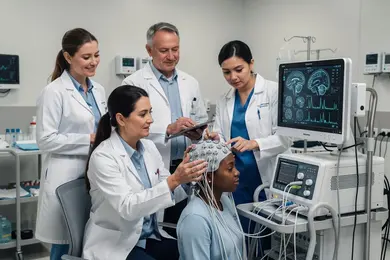
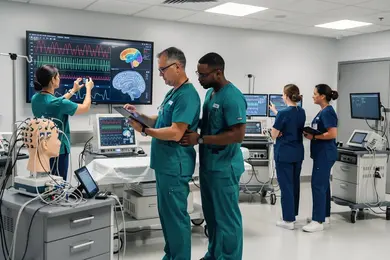
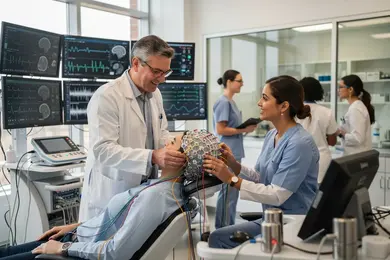
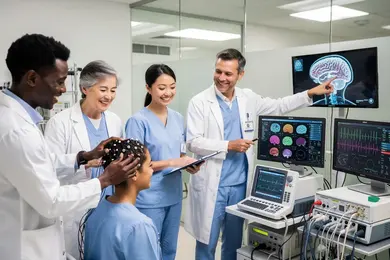
Recent neurodiagnostic technology graduates face a tough dilemma: whether to focus on specialized hospital positions, outpatient clinics, or emerging telehealth roles amid uneven entry-level demand. Many listings still favor candidates with prior experience, leaving new graduates to sift through oversaturated urban markets or lesser-known regional hubs. For example, a 2024 employer survey revealed that 62% of neurodiagnostic hiring managers prioritize skills demonstrated through clinical internships over general degrees, impacting where and how new grads should target applications.
This article identifies the entry-level roles, industries, locations, skills, and hiring conditions where neurodiagnostic technology graduates have the best odds of securing their first professional position.
Key Things to Know About Entry-Level Hiring for Neurodiagnostic Technology Graduates
- Hospitals continue to dominate entry-level hiring for neurodiagnostic technology roles, accounting for over 60% of positions in 2024, highlighting the importance of clinical internship experience for new graduates.
- Job titles such as EEG technologist and IONM technician show distinct hiring patterns; understanding these niches helps candidates target roles aligned with employer demand and credential requirements.
- Graduates in urban healthcare hubs face more competition but greater volume of openings, while rural areas offer fewer jobs yet faster placement, reflecting a tradeoff between access and timing for new professionals.
- Key Things to Know About Entry-Level Hiring for Neurodiagnostic Technology Graduates Key Things to Know About Entry-Level Hiring for Neurodiagnostic Technology Graduates
- What Is the Entry-Level Hiring Outlook for Neurodiagnostic Technology Graduates? Entry-Level Hiring Outlook
- What Are the Best Entry-Level Jobs for Neurodiagnostic Technology Graduates? Best Entry-Level Jobs
- Which Industries Hire the Most Entry-Level Neurodiagnostic Technology Graduates? Top Hiring Industries
- Where Do Neurodiagnostic Technology Graduates Have the Best Hiring Odds? Best Entry-Level Markets
- What Starting Salaries Can Entry-Level Neurodiagnostic Technology Graduates Expect? Entry-Level Salaries
- Which Skills and Certifications Help Neurodiagnostic Technology Graduates Get Hired? Top Skills and Certifications
- How Much Experience Do Entry-Level Neurodiagnostic Technology Jobs Require? Entry-Level Experience Requirements
- What Do Employers Look for in New Neurodiagnostic Technology Graduates? What Do Employers Look for in New Neurodiagnostic Technology Graduates?
- How is AI Affecting Entry-Level Hiring for Neurodiagnostic Technology Graduates? How is AI Affecting Entry-Level Hiring for Neurodiagnostic Technology Graduates?
- How Can Neurodiagnostic Technology Graduates Improve Their Job Search Results? Job Search Strategies
What Is the Entry-Level Hiring Outlook for Neurodiagnostic Technology Graduates?
The entry-level hiring outlook for neurodiagnostic technology graduates reveals a moderately favorable but uneven landscape shaped by employer preferences and location-specific demand. Employment growth aligns with general healthcare technician trends, about 5% through the next decade, indicating steady but not rapid expansion according to the U.S. Bureau of Labor Statistics. Graduates targeting traditional hospital neurology departments or outpatient diagnostic centers typically face more competition, where employers emphasize prior clinical experience, making internships or externships critical for accelerating job placement. Conversely, rural or less populated regions may offer quicker hiring timelines due to a smaller pool of qualified candidates, although job volume there is limited and may require geographic flexibility.
New graduates should weigh their options carefully among available job titles and settings given the distinct regional disparities highlighted by job market data. The best entry-level neurodiagnostic technology jobs by region strongly cluster in states like California, Texas, and Pennsylvania, where large healthcare systems and specialized neurological clinics drive demand. However, these markets often saturate with applicants holding advanced skills in neuroimaging and data analysis, adding layers of competition beyond foundational EEG and EP monitoring competencies. Graduates extending their technical expertise and pursuing strategic internship experiences increase their hiring odds despite these pressures, reflecting employer demand for nuanced skillsets alongside practical exposure.
Economic stabilization in healthcare funding and workforce retirements create openings but reinforce the preference for seasoned candidates, requiring entry-level job seekers to balance targeting well-known centers with emerging research institutions that may offer growth opportunities. Navigating this landscape effectively includes understanding tradeoffs such as prioritizing geographic areas with high job concentration against the longer application timelines in oversubscribed roles. For those still planning or supplementing their credentials, exploring options like the cheapest ADN online programs may support flexibility in certification paths or broaden eligibility in allied health fields related to neurodiagnostic careers.
What Are the Best Entry-Level Jobs for Neurodiagnostic Technology Graduates?
Entry-level roles in neurodiagnostic technology that combine attainable certification requirements, foundational clinical exposure, and consistent employer demand tend to offer the most reliable employment prospects for recent graduates. Positions such as EEG technologist and sleep technologist typically provide these advantages: they require technical skills that align closely with degree training, involve meaningful patient interaction, and exist in a wide variety of clinical settings from hospitals to specialized centers. For instance, EEG technologists perform critical diagnostic tests linked to neurological disorders, and their role is projected to grow by about 7% in the coming decade according to recent federal labor data. In contrast, roles focused on evoked potential or nerve conduction studies often entail more specialized technical expertise and certification hurdles, making them less accessible to new graduates despite offering higher initial compensation and advanced career pathways.
Regional demand also sharply influences hiring outcomes, with states hosting large medical and research institutions offering stronger entry-level openings. While many employers expect some certification-often supported by on-the-job training-recent grads may face the tradeoff of targeting broader but less specialized roles versus pursuing niche positions that require additional credentials. Those who prioritize early certification in common areas like EEG or sleep technology may find a more straightforward pathway to employment and skill development, which can later facilitate shifts into specialized neurodiagnostic functions or supervisory posts. Focusing on roles that balance immediate employability with relevant hands-on experience typically yields better early-career stability than aiming directly for advanced technical categories without prior exposure.
A recent graduate recounted weighing a job offer as a nerve conduction technician against a sleep technologist position. Though the nerve conduction role promised higher pay, it required certification they did not yet possess and limited on-site mentorship. The sleep technologist job, by contrast, offered comprehensive clinical training within a hospital setting and clear prospects for further certification support. Choosing the latter, the graduate appreciated the pragmatic route to building foundational skills and credentials while avoiding the uncertainty and slower entry that a narrowly specialized role might have entailed.
Which Industries Hire the Most Entry-Level Neurodiagnostic Technology Graduates?
The majority of entry-level hiring for neurodiagnostic technology graduates occurs within hospital settings, where nearly 70% of new technologists find employment, according to 2024 data from the U.S. Bureau of Labor Statistics. This concentration is driven by regulatory mandates enforcing neurodiagnostic testing for neurological conditions and intraoperative monitoring, combined with a workforce nearing retirement, generating steady replacement demand. However, hospitals commonly prefer candidates with hands-on clinical practicum experience, and competition can be moderate due to this expectation, making internships or related clinical exposure critical for securing positions.
Outpatient diagnostic centers and specialized neurology clinics represent a growing sector for entry-level roles, often offering more narrowly defined positions like EEG or polysomnography technician. These settings benefit from a rise in outpatient care and telemedicine but tend to demand a narrower skill set, which may limit broader career mobility. While hiring volume here grows faster than in hospitals, job stability can fluctuate with healthcare policy shifts, suggesting graduates weighing opportunities should consider both immediate access and long-term flexibility when targeting these employers.
Smaller-scale recruitment occurs in academic medical centers and research organizations, where neurodiagnostic technologists participate in clinical trials and neurophysiology research, presenting an alternative path for those interested in blending clinical and investigative work. Emerging roles in rehabilitation and epilepsy monitoring units are geographically concentrated in healthcare-heavy states such as California and Texas and emphasize specialized expertise. Graduates aiming at these niches should recognize the tradeoff between specialized knowledge and broader job market adaptability when planning their entry strategies.
Where Do Neurodiagnostic Technology Graduates Have the Best Hiring Odds?
Entry-level hiring odds for neurodiagnostic technology graduates hinge more on employer concentration and industry structure than location alone. Hospitals and specialized clinical diagnostic centers, which comprise about 70% of entry-level openings according to 2024 LinkedIn Workforce Insights, create the most accessible pathways due to established clinical training partnerships and credentialing supports. Metropolitan areas like Boston and Houston, known for their dense clusters of teaching hospitals and medical research institutions, typically exhibit lower applicant-to-job ratios, offering a practical advantage for graduates seeking early-career roles. Conversely, graduates targeting less populous regions with workforce shortages may face fewer available positions but also reduced competition, requiring a strategic balance between opportunity volume and hiring ease.
Where do neurodiagnostic technology graduates have the best hiring odds in the US labor market depends strongly on weighing job availability against factors like cost of living, employer expectations, and proximity to professional networks or internships. Remote or hybrid roles remain scarce due to the hands-on nature of diagnostic procedures, limiting flexibility for those unwilling or unable to relocate near medical centers. For instance, a new graduate focusing solely on rural areas might encounter faster hiring timelines but fewer resources to support ongoing credential development or specialty training. Considering these dynamics alongside options like LVN to BSN programs can inform a well-rounded, evidence-driven job search strategy grounded in 2024 workforce data.
What Starting Salaries Can Entry-Level Neurodiagnostic Technology Graduates Expect?
Starting salaries for entry-level neurodiagnostic technology graduates hinge on multiple variables beyond degree completion, including job setting, geographic region, specialized skills, and prior experience. For instance, a new graduate with epilepsy monitoring certification in a metropolitan hospital may receive a higher salary than one accepting a general technician role in a rural outpatient clinic, where wages tend to be lower but may offer more flexible hours. Recognizing these dynamics helps graduates navigate competing offers that differ not just in pay but also in benefits, training opportunities, and long-term career mobility. Key factors influencing initial compensation include the following:
- Industry Setting: Hospitals and large medical centers typically offer entry salaries at the upper end of the scale due to union contracts and comprehensive benefits, whereas outpatient facilities may provide lower pay but quicker clinical experience.
- Geographic Location: Salaries tend to be higher in metropolitan areas with elevated living costs like New York City or San Francisco, but this often comes with higher expenses, while rural regions pay less but may have less competition for roles.
- Specialization Credentials: Advanced certifications in epilepsy monitoring or intraoperative neuromonitoring generally command premium starting wages because of the technical expertise required.
- Clinical Experience: Internships and previous hands-on training can boost starting offers by several thousand dollars, reflecting employers' valuing of ready-to-work skills.
- Compensation Packages: Total remuneration often includes overtime eligibility, health benefits, retirement plans, and tuition reimbursement, which moderate the impact of initial salary differences.
- Labor Market Demand: Regional shortages in neurodiagnostic technologists can empower graduates to negotiate better pay or quicker advancement in high-demand areas.
A recent graduate described facing a tough choice between two entry-level positions: one in a smaller town offering $45,000 with flexible scheduling and mentorship prospects, and another in a large city with an offer exceeding $60,000 but minimal support and long commutes. Despite the higher paycheck, the graduate hesitated, weighing the potential stagnation against stepping stone value in the lower-paid role. This scenario highlights how starting salaries often reflect strategic tradeoffs rather than straightforward earnings, reinforcing the value of evaluating total opportunity, not just base pay.

Which Skills and Certifications Help Neurodiagnostic Technology Graduates Get Hired?
Employers increasingly prioritize applied skills, digital fluency, and clear evidence of job readiness alongside formal qualifications when hiring entry-level neurodiagnostic technology graduates. A degree alone no longer guarantees strong hiring prospects; practical experience with EEG equipment, certifications from recognized bodies, and familiarity with healthcare IT systems weigh heavily.
For example, a recent graduate pursuing an entry-level role in a neurologic center might find their chances improve significantly by adding an R. EEG T. credential and demonstrating proficiency with electronic health records (EHR) software. In parallel, roles in research or tech-focused environments increasingly require data analytics insights, sometimes including skills in Python or SQL, reflecting a broader shift in the industry's demands. Aligning certification efforts and skill development with the intended employment setting remains crucial for maximizing entry-level hiring success.
Below are key skills and certifications that most improve hiring odds for neurodiagnostic technology graduates:
- Technical EEG Proficiency: Mastery of EEG and neurodiagnostic equipment is fundamental across hospitals and clinics. Employers expect hands-on experience verified through internships or clinical hours, with certifications like R. EEG T. enhancing credibility considerably.
- Healthcare IT Literacy: Familiarity with electronic health records and data management software is increasingly vital in clinical environments. Candidates should highlight practical experience rather than only theoretical knowledge.
- Data Analytics Skills: Emerging roles in research and technologically advanced settings value competencies in data interpretation and software use, including Python or SQL. Demonstrated project work or relevant coursework can differentiate applicants.
- Communication Skills: Clear verbal and written communication to explain complex findings to medical teams and patients is critical. Employers look for evidence of effective communication in clinical internships or detailed case reports.
- Specialized Microcredentials: Certifications in niche areas such as sleep technology or neurophysiological monitoring can increase opportunities in specialized clinics but hold less weight in frontline tech roles.
- Transferable Professional Skills: Critical thinking, attention to detail, and professional conduct remain foundational qualities, especially for high-acuity hospital positions, yet are less quantifiable through formal credentials.
- Project Management Awareness: Basic understanding or certification is more relevant to research or administrative neurodiagnostic roles, supporting interdisciplinary collaboration without replacing clinical skill requirements.
Graduates seeking targeted guidance on enhancing their qualifications may also explore structured pathways such as an ASN program online to strengthen foundational healthcare knowledge alongside neurodiagnostic training.
How Much Experience Do Entry-Level Neurodiagnostic Technology Jobs Require?
Experience requirements for entry-level neurodiagnostic technology positions fluctuate widely, reflecting how employers balance skill verification against labor market realities. Roughly 40% of openings involve no mandatory prior full-time experience, targeting candidates labeled as trainees or junior technicians where certifications and on-the-job learning are prioritized. Conversely, many employers prefer candidates with one to two years of related background, often interpreting internships, clinical practicums, or volunteer roles within neurodiagnostic programs as valid substitutes for formal employment, a perspective supported by recent National Association of Colleges and Employers data indicating that most healthcare employers value these applied experiences as strong readiness indicators.
Hiring expectations also differ notably by employer size, industry complexity, and local workforce supply. Smaller facilities and specialized clinics may emphasize certification credentials paired with experiential learning over extended job histories, whereas larger systems lean toward multi-year experience to meet regulatory and operational demands. Market tightness in certain regions can further relax formal experience barriers, providing openings for applicants with transferable healthcare or technical skills. For new graduates, evaluating job listings that ask for one to three years of experience requires discerning whether documented internships, practicums, or project portfolios align sufficiently with employer definitions of qualifying experience rather than discounting such roles outright.
Applicants should recognize that experience criteria often act as screening tools rather than absolute disqualifiers. A neurodiagnostic technology graduate with well-documented practical exposure and certification may be competitive even when posted requirements suggest more extensive work history. Success hinges on how effectively candidates match their applied learning and credentials to employer expectations within varied hiring contexts, especially in markets where workforce shortages create flexibility. Understanding these nuances helps prioritize applications strategically, avoiding unnecessary exclusion from roles where emerging professionals can enter and advance despite limited traditional employment.
What Do Employers Look for in New Neurodiagnostic Technology Graduates?
Recruiters evaluating entry-level neurodiagnostic technology graduates focus heavily on applied skills and measurable job readiness rather than solely on academic credentials. Relevant hands-on experience, such as internships or clinical practicums, often distinguishes candidates, demonstrating an ability to perform core diagnostic functions under real-world conditions. Employers also scrutinize communication skills essential for interdisciplinary collaboration and patient interaction. Technical proficiency alone is insufficient without adaptability to evolving healthcare technologies, including familiarity with AI-assisted tools and electronic health records. A practical hiring example involves a midsize hospital favoring a candidate who presented a digital portfolio of clinical case analyses over another with strong coursework but limited applied experience. Below are key qualities employers most commonly value in new neurodiagnostic technology graduates.
- Hands-On Competence: Employers expect verified clinical experience through internships or practica that demonstrate proficiency in EEG and nerve conduction studies, directly impacting their confidence in a candidate's immediate productivity.
- Critical Thinking Skills: Problem-solving abilities in dynamic diagnostic settings are prioritized; candidates showcasing case-based decision-making or adaptive responses during clinical rotations gain a competitive advantage.
- Effective Communication: Clear verbal and written communication, evidenced by successful collaboration in multidisciplinary teams or telehealth environments, remains vital for coordinating care and reporting findings accurately.
- Certification and Credentials: While credentials like the Registered Neurodiagnostic Technologist remain valuable for baseline validation, they are increasingly considered supplements to practical application rather than standalone proofs of readiness.
- Digital Fluency: Familiarity with electronic health records, data privacy protocols, and emerging AI diagnostics enhances suitability, reflecting a growing industry emphasis on technological integration.
- Adaptability Across Settings: Employers value candidates who demonstrate versatility through exposure to multiple diagnostic modalities and can quickly adjust to different clinical environments, especially in smaller clinics.
- Teamwork and Independence: Evidence of collaborative work paired with the ability to learn independently in fast-paced, evolving contexts strengthens an applicant's profile for sustainable employment.
According to a 2024 survey by the National Association of Colleges and Employers, nearly 72% of healthcare employers place greater emphasis on demonstrated practical skills than theoretical knowledge alone. This shift underscores a hiring landscape where graduates must align their credentials with tangible experience and relevant soft skills to improve employability.
How is AI Affecting Entry-Level Hiring for Neurodiagnostic Technology Graduates?
AI is reshaping entry-level hiring for neurodiagnostic technology graduates by shifting the focus from purely clinical skills to a hybrid of digital literacy and analytical oversight. Approximately 22% of typical job tasks, especially routine data collection and preliminary analysis, face moderate to high automation potential, pushing employers to favor candidates who can effectively manage AI tools rather than compete with them. For instance, healthcare employers now widely use algorithmic applicant screening that elevates familiarity with AI-enhanced diagnostic software, a trend supported by a 2024 survey showing that 68% of these employers prioritize candidates comfortable with such platforms. This means new graduates must strategically develop skills that complement AI outputs, such as validating automated findings and contributing to ongoing quality improvements.
The practical hiring landscape varies considerably by employer and sector, with institutions increasingly valuing tech-savvy individuals who can balance patient interaction alongside AI oversight. Entry-level roles are evolving toward greater responsibility in managing AI results, requiring supplemental training in biomedical data or informatics to stand out. Graduates who build portfolios demonstrating this blended skill set improve their odds, especially in competitive regions and healthcare systems embracing AI. Prospective applicants should align their upskilling efforts and job search with these technical and human skill overlaps, rather than focusing solely on traditional clinical capabilities. This nuanced approach reflects broader artificial intelligence trends in neurodiagnostic graduate recruitment, where adaptability and continuous learning play critical roles.
Understanding these dynamics aids students and recent graduates in prioritizing market segments and job titles with robust demand. Incorporating knowledge from relevant educational tracks or related fields, such as those addressed in 6 year PharmD programs, can further diversify competencies in adjacent biomedical disciplines. Such cross-disciplinary familiarity can heighten employability in a labor market increasingly defined by AI-augmented workflows and the need for cognitive flexibility across neurodiagnostic technology roles.
How Can Neurodiagnostic Technology Graduates Improve Their Job Search Results?
Targeted job searches typically outperform high-volume, unfocused applications because they align candidate qualifications more closely with employer needs and labor market realities. For example, a neurodiagnostic technology graduate focusing solely on entry-level roles titled EEG technician or clinical neurophysiology specialist in metropolitan areas with dense neurological care providers is more likely to secure interviews than one who broadly applies to generalized technical healthcare roles. Graduates must prioritize industries and geographic regions where demand is highest, such as large healthcare systems and research hospitals, while carefully balancing the tradeoff of less competition in rural locations versus a lower volume of openings. Prioritizing quality applications that showcase certified skills like CNCT and relevant hands-on clinical experience improves the chance of passing automated applicant tracking systems and makes resumes more effective in competitive markets.
Effective entry-level job search tips for Neurodiagnostic Technology graduates in the US market include leveraging strategic timing around hospital recruitment cycles and investing effort in building project portfolios or internships to demonstrate job-readiness. Networking and referrals have measurable impacts, often doubling interview callbacks, yet applicants must supplement connections with evidence-based customization of application materials. Graduates should focus on roles whose requirements closely match their experience rather than dispersing applications widely, which risks diluting preparation and interview success. Incorporating insights from regional workforce analyses with broader data-driven guidance, such as those highlighted in the 2024 LinkedIn Workforce Insights, further refines job search approaches. Additionally, exploring adjacent fields with overlapping certifications can be prudent for some candidates, but careful evaluation of market demand is essential.
Given the financial and practical investment in obtaining credentials, graduates can benefit from resources comparing program outcomes and expenses, including details on speech pathology degree online cost, to assess long-term value and opportunity cost. Balancing local employer demand and professional networking strategies enables graduates to navigate uneven hiring markets more effectively, securing positions aligned with their skills where competition is managed and interview potential is maximized.
References:
- Travel Neurodiagnostic Tech in Florence, SC Travel Neurodiagnostic Tech in Florence, SC https://www.alliedtravelcareers.com/neurodiagnostic-tech-jobs
- Exploring the Role and Career Path of Neurodiagnostic Technologists - Neuro Pathway https://myneuropathway.com/blog/exploring-the-role-and-career-path-of-neurodiagnostic-technologists/
- Neurodiagnostic Technologist - Salary, How to Become, Job Description & Best Schools https://www.onlinedegree.com/careers/medical-healthcare/neurodiagnostic-technologist/
- Neurodiagnostic Tech Certification & Licensure Guide â Trusted Health https://www.trustedhealth.com/allied-career-guide/neurodiagnostic-tech/certification-guide
- How AI is changing the nature of entry level work https://www.weforum.org/stories/artificial-intelligence/how-ai-is-changing-the-nature-of-entry-level-work/
- Neurodiagnostic Technologist - Explore Healthcare Careers - Mayo Clinic College of Medicine & Science https://college.mayo.edu/academics/explore-health-care-careers/careers-a-z/neurodiagnostic-technologist/
- AI's Impact on Graduate Jobs: A 2025 Data Analysis | IntuitionLabs https://intuitionlabs.ai/articles/ai-impact-graduate-jobs-2025
- AI may already be shrinking entry-level jobs in tech, new research suggests | TechCrunch https://techcrunch.com/2025/05/27/ai-may-already-be-shrinking-entry-level-jobs-in-tech-new-research-suggests/
- Is AI responsible for the rise in entry-level unemployment? | Revelio Labs https://www.reveliolabs.com/news/macro/is-ai-responsible-for-the-rise-in-entry-level-unemployment/
- Open Neurodiagnostic Careers71 Open Positions https://jobs.myneuropathway.com/job-board
Other Things You Should Know About Neurodiagnostic Technology
Graduates face a key decision in balancing shorter programs with potentially limited hands-on clinical exposure against longer programs offering more in-depth, supervised patient experience. Employers tend to prioritize candidates who can demonstrate extensive practical skills, even if that means a longer educational timeline. As a result, new grads should favor programs that provide robust clinical rotations and direct patient interaction over abbreviated courses with mostly theoretical focus, since these enhance employability and readiness for complex diagnostic environments.
Geographic constraints can substantially limit job opportunities, especially since demand for neurodiagnostic technologists varies widely by region and facility type. Graduates fixed to urban centers may face more competition despite higher job density, while rural or underserved areas often offer less competitive but more readily accessible entry-level positions. Prioritizing geographic flexibility expands employment chances and may accelerate career progression, so graduates should weigh relocation willingness heavily when assessing the realistic job market.
Workload and job complexity can differ drastically between hospital settings, outpatient clinics, and research facilities. Hospitals often demand longer hours with high patient volumes and variable schedules, while outpatient centers may offer more predictable shifts but narrower procedural scopes. New graduates should consider how employer type aligns with their tolerance for workload intensity and desired early-career learning exposure, since a mismatch can affect job satisfaction and burnout risk.
While certification is critical for career advancement, some entry-level positions allow hiring prior to completing all credentialing if conditional terms are met. Graduates must weigh the benefit of acquiring a job immediately under supervision against the potential disadvantage of slower independent practice without certification. Generally, securing a position that supports certification completion offers the best long-term trajectory, so prioritizing jobs with formal certification sponsorship or mentoring often provides more robust career foundations.