2027 Neurodiagnostic Technology Salary Trends Report: Are Wages Keeping Up With Tuition and Inflation?

Co-Founder and Chief Data Scientist
Consider a prospective neurodiagnostic technology student weighing the costs of tuition against the financial outcomes after graduation. With education expenses rising sharply and inflation eroding purchasing power, understanding whether salary growth matches these pressures is critical. Many face uncertainty about whether the investment in a neurodiagnostic technology degree will provide sufficient long-term financial benefits. This dilemma highlights the need to look beyond initial salary figures when evaluating career prospects in the field.
Salary increases, tuition hikes, and inflation rarely align at the same rate, complicating the picture for students and recent graduates. Analyzing these variables together offers a clearer view of the true return on educational investment and career affordability. This report explores ongoing salary trends, tuition costs, inflation impacts, and the factors shaping the long-term financial value of a neurodiagnostic technology degree.
Key Things to Know About Neurodiagnostic Technology Salary Trends
- Median starting salaries for neurodiagnostic technology graduates increased 4.5% in 2024, outpacing inflation, but rising tuition costs reduce net lifetime returns for many entry-level professionals.
- Specialization certifications correlate with a 12% wage premium, emphasizing the need for early career planning to enhance long-term earning potential despite immediate financial pressures.
- Geographic demand shifts, particularly in urban hospital centers, drive salary growth variability, requiring strategic location choices to maximize ROI amid national salary stagnation trends.
- Key Things to Know About Neurodiagnostic Technology Salary Trends Key Things to Know About Neurodiagnostic Technology Salary Trends
- What Is the Current Salary Outlook for Neurodiagnostic Technology Graduates? Salary Outlook
- Are Neurodiagnostic Technology Salaries Keeping Up With Inflation? Inflation Impact
- How Do Tuition Costs Compare With Neurodiagnostic Technology Salary Growth? Tuition vs Salary
- Does a Neurodiagnostic Technology Degree Deliver a Positive Return on Investment? Degree ROI
- Which Industries Offer the Highest Salaries for Neurodiagnostic Technology Graduates? Which Industries Offer the Highest Salaries for Neurodiagnostic Technology Graduates?
- Which States and Cities Offer the Highest Pay for Neurodiagnostic Technology Professionals? Which States and Cities Offer the Highest Pay for Neurodiagnostic Technology Professionals?
- How Do Neurodiagnostic Technology Salaries Grow Throughout a Career? Career Growth
- How Do Neurodiagnostic Technology Salaries Compare With Similar Degrees? Salary Comparison
- How Is Employer Demand Affecting Neurodiagnostic Technology Salary Trends? Employer Demand
- How Can Students Maximize Their Lifetime Earnings With a Neurodiagnostic Technology Degree? Maximizing Earnings
What Is the Current Salary Outlook for Neurodiagnostic Technology Graduates?
The current salary outlook for neurodiagnostic technology graduates shows moderate wage growth but varies significantly depending on the employment setting, location, and experience level. According to the U.S. Bureau of Labor Statistics data from early 2024, median annual earnings for neurodiagnostic and EEG technologists hover around $65,000, with entry-level roles starting near $50,000 and seasoned specialists or supervisors earning between $80,000 and $90,000. These income differences illustrate how graduates with the same degree can face varied financial outcomes; for example, one may begin in a general hospital setting with a modest salary, while another who specializes or advances to leadership roles in a research facility may see substantially better compensation. Understanding neurodiagnostic technology graduate salary trends requires looking beyond starting pay to the trajectory of opportunities within this evolving field.
Wage increases for neurodiagnostic technologists have slightly outpaced previous years, with annual growth rates around 2-3% reported by industry surveys like those from the Neurodiagnostic Credentialing and Accreditation Association. However, because inflation rates have recently ranged between 4-5%, the actual purchasing power gains remain limited, highlighting the challenge of balancing rising tuition expenses against income potential. Tuition fees for accredited programs have increased by 15-20% over the last five years, prompting candidates to weigh costs carefully. Prospective students should consider long-term career growth and job market demand, as specialties, certifications, and supervisory roles typically command higher salaries with sustained earning potential.
Given these factors, evaluating the current wages for neurodiagnostic technologists only partly captures the economic value of the degree. The aging population and advances in neurological diagnostics predict continued demand, but salary gains may not dramatically outpace inflation or education costs. Those interested in healthcare career pivots might also explore related pathways like online RN to BSN programs for potentially broader opportunities. Ultimately, a pragmatic interpretation combines current salary data with future job prospects, credentialing advantages, and personal career goals rather than focusing solely on entry-level compensation.
Are Neurodiagnostic Technology Salaries Keeping Up With Inflation?
Nominal wage increases in neurodiagnostic technology often mask a more complex reality shaped by inflation. While recent data from the U.S. Bureau of Labor Statistics shows a 4.2% rise in wages for neurodiagnostic technology roles, this increase falls short of the 5.1% inflation rate, effectively reducing the real earning power of professionals in the field. For instance, a graduate entering the workforce expecting a 4.2% salary boost may find that the rising costs of housing, transportation, and daily expenses outpace their income growth, leaving them financially strained despite a higher paycheck. This illustrates how nominal salary gains do not necessarily translate into improved purchasing power or better financial stability.
Factors such as geographic location and local cost of living further complicate whether neurodiagnostic technology salary growth keeps pace with inflation. Metropolitan areas with higher wages also feature elevated living costs, which can negate the benefits of nominal pay increases. Prospective and current neurodiagnostic technology students should weigh these variables carefully when evaluating the return on investment of their education, especially considering that tuition fees for accredited programs continue to rise. Exploring financial aid options, certification paths, or faster routes to employment, such as a 9 month LPN program, may help mitigate the financial pressures that accompany stagnant real wages in this specialized healthcare sector.
How Do Tuition Costs Compare With Neurodiagnostic Technology Salary Growth?
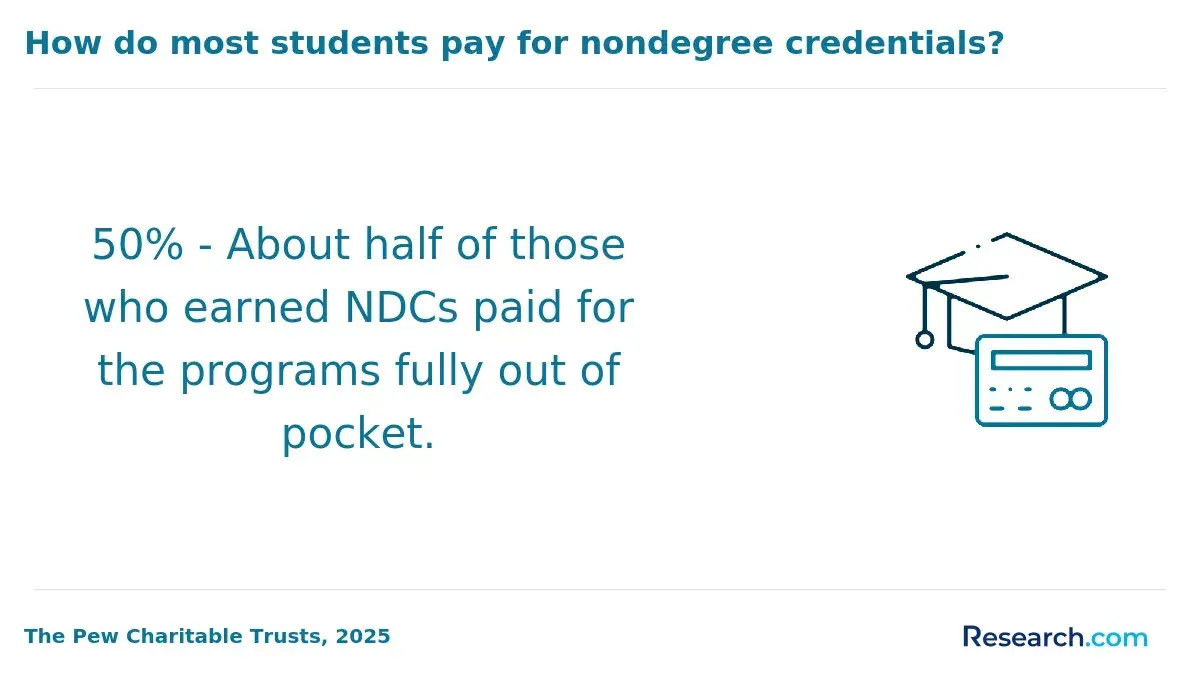
Examining tuition expenses alongside salary growth for neurodiagnostic technology graduates reveals a widening gap with significant financial implications. Recent figures from the National Center for Education Statistics and the Bureau of Labor Statistics show that average tuition costs for associate degrees or certificates in this field have climbed about 4.5% annually over the past five years. Meanwhile, early-career salaries have increased by only roughly 2.3% per year during the same period, with starting wages generally between $50,000 and $60,000. This disparity means students face growing upfront costs that outpace their expected salary increases, a dynamic that complicates straightforward assessments of return on investment.
Looking at tuition or salary growth alone misses the full picture because the balance between these factors directly shapes long-term financial outcomes. For example, a student who enrolled in an affordable program five years ago might now benefit from steady wage growth, while a recent applicant confronting higher tuition fees faces more substantial debt and a slower pace of salary advancement. Additional variables such as regional cost of living, job market shifts, and access to financial aid further influence this balance. Therefore, evaluating neurodiagnostic technology programs requires consideration of these layered and individual-specific factors rather than relying solely on average salary or cost data.
One recent graduate recalls the difficult decision to pursue a neurodiagnostic technology degree amid rising tuition. Initially hesitant, they chose an in-state community college with more manageable costs instead of a pricier private institution nearby. Although their starting salary was at the lower end of the spectrum, this financial restraint minimized loan burdens and allowed them greater flexibility in job choices early on. Reflecting on their experience, they recognize how the interplay of tuition increases and slower salary growth demands careful budget planning, especially when balancing immediate education expenses with the promise of longer-term income gains.
Does a Neurodiagnostic Technology Degree Deliver a Positive Return on Investment?
Return on investment in higher education means weighing the total cost of earning a neurodiagnostic technology degree-tuition, fees, and time spent studying-against the longer-term benefits such as career opportunities, salary growth, and job stability. For instance, a student who completes a two-year accredited program with moderate tuition of around $15,000 may start with an entry-level salary near $60,000. Though tuition costs have risen about 5% annually, according to the National Center for Education Statistics, holding this degree still positions graduates well above median wages for many other healthcare support roles.
However, this payoff depends heavily on several factors: the chosen institution's accreditation, geographic location, and the individual's ability to gain certifications and specialized skills that enhance employability and earnings. While data from the U.S. Bureau of Labor Statistics shows average salaries for neurodiagnostic technologists growing modestly but not fully keeping pace with inflation, the field's projected growth rate remains faster than average through the decade. This suggests that those who pursue ongoing training and advanced credentials may see better income growth and job security, helping offset rising educational costs.
Nonetheless, the ROI for neurodiagnostic technology degrees can vary considerably. A graduate from a high-tuition private program burdened by debt might face a lower return if early wages fail to cover loan repayments comfortably. Conversely, graduates from affordable, accredited programs with strong clinical components and financial aid access often realize a positive long-term return as demand for skilled technologists rises with an aging population. Prospective students should therefore carefully evaluate program quality, credentialing opportunities, and regional labor markets to determine whether the investment aligns with their financial goals and career plans.
Which Industries Offer the Highest Salaries for Neurodiagnostic Technology Graduates?
Salary prospects for neurodiagnostic technology graduates can vary widely depending on the industry, reflecting the technical demands and critical nature of the work involved. Data from the U.S. Bureau of Labor Statistics and the American Society of Neurophysiologic Monitoring in 2024 show that specialized medical and surgical hospitals consistently top the list for highest salaries. These settings require not only strong clinical skills but also the capacity to perform under pressure during complex neurological procedures. For career changers or students considering the financial return of their education investment, understanding these salary differentials can guide strategic job placement decisions. Below are the top salary sectors for neurodiagnostic technology graduates based on current wage trends and industry demand.
- Specialized Hospitals: These facilities offer premium compensation due to the critical role neurodiagnostic technologists play in real-time monitoring during surgeries. Positions here commonly demand advanced certifications and experience in intraoperative neurophysiologic monitoring, which correlates strongly with higher salaries.
- Academic Medical Centers: University-affiliated hospitals and research institutions provide competitive wages, often tied to involvement in clinical studies and advanced neurodiagnostic research. Professionals skilled in emerging diagnostic technologies and research protocols tend to have the upper hand.
- Outpatient Care Facilities: Although salaries are generally lower than hospital settings, outpatient centers are expanding opportunities for neurodiagnostic testing in less acute environments. Experience in patient interaction and efficiency in routine diagnostic procedures enhances earning prospects here.
- Diagnostic Laboratories: These settings prioritize accuracy in neurophysiological data collection and analysis. Technologists with expertise in both clinical and technical software tools often receive higher pay due to their role in supporting multiple healthcare providers and research projects.
- Neurophysiologic Monitoring Services: Companies specializing in remote or on-site intraoperative monitoring provide niche roles with competitive salaries. The blend of technical proficiency and flexible work arrangements can be especially appealing to experienced technologists.
- Government Healthcare Facilities: Hospitals and clinics under government administration offer stable wage growth and benefits. Positions here often involve serving a broad patient demographic and require adaptability to varied neurodiagnostic protocols.
- Technology Development Firms: Some neurodiagnostic technologists transition into roles involving medical device development and software testing. These positions can offer above-average wages due to the specialized knowledge needed in both clinical and engineering domains.
For individuals weighing education costs against career outcomes, aiming for employment in specialized hospital departments or top salary sectors for neurodiagnostic technology graduates may deliver stronger financial returns. Meanwhile, roles in outpatient or government settings, while offering lower pay, provide valuable experience and job stability. Prospective students might also explore advanced qualifications or certifications to enhance their marketability. For those interested in expanding managerial expertise alongside clinical skills, exploring respected online MHA programs can support career mobility within healthcare institutions.

Which States and Cities Offer the Highest Pay for Neurodiagnostic Technology Professionals?
Salary prospects for neurodiagnostic technology professionals vary significantly across states and cities, shaped by local economic conditions, healthcare infrastructure, and living expenses. While some regions offer notably higher wages, these come with elevated costs for education and housing that may diminish net financial gains early in one's career. For example, median wages in top-paying metro areas can exceed national figures by more than 25%, yet prospective students must weigh these benefits against tuition inflation and day-to-day affordability. Careful geographic comparison is essential for those deciding where to pursue training or employment.
Below are key locations known for offering the highest compensation for neurodiagnostic technology roles, along with critical factors impacting the tradeoffs between salary and cost of living.
- California: Home to some of the nation's highest salaries, particularly in metro areas like San Francisco where median annual pay ranges from $85,000 to $95,000. The state's advanced healthcare systems and demand for specialized clinical expertise drive this premium, but California also has among the steepest tuition and housing costs, which can offset early earnings.
- Washington State: Seattle offers competitive wages typically between $80,000 and $90,000 for neurodiagnostic technologists, fueled by a strong healthcare sector and technology-driven economy. Similar to California, higher living expenses and program fees require prospective students to consider financial sustainability over time.
- Massachusetts: Boston stands out with salaries comparable to Seattle's, bolstered by its concentration of research hospitals and academic centers. Students benefit from robust career opportunities, although housing and education costs remain considerable challenges.
- Minnesota: Minneapolis presents a more affordable alternative with moderate salaries closer to $50,000 to $65,000, balancing decent wages with lower overall living and tuition expenses. This region may appeal to those prioritizing cost-efficiency over maximal income.
- Georgia: Atlanta supports a growing healthcare market with salaries in the mid-range nationally, paired with more accessible educational fees and housing costs. This combination can improve net financial outcomes for graduates seeking stable entry points into the field.
How Do Neurodiagnostic Technology Salaries Grow Throughout a Career?
Neurodiagnostic technology salaries generally rise steadily with experience and credential advancement but rarely spike abruptly without strategic career moves. Entry-level technologists typically earn between $50,000 and $60,000, reflecting basic clinical proficiency and initial certification requirements. Within five years, wages commonly increase to the $65,000-$75,000 range as professionals become adept with specialized procedures such as EEG and intraoperative monitoring, and pursue additional certifications like the Registered Neurodiagnostic Technologist (R.N.T.) credential. By mid-career, around 10 to 15 years in, pay commonly ranges from $75,000 to $90,000, though technologists engaged in research or supervisory roles can surpass $95,000, showcasing how specialization and leadership responsibilities contribute substantially to salary growth according to the 2024 data from the U.S. Bureau of Labor Statistics and ASNT.
Consider two graduates starting with similar neurodiagnostic technology degrees: one opts to prioritize ongoing certification and pursues specialty credentials while gaining experience in complex monitoring tasks; the other remains in entry-level clinical roles without additional certifications. Over a decade, the first technologist's salary climbs steadily through granted pay premiums and expanded duties, while the other's salary increment is modest and plateaus early. This divergence underscores that factors like certification renewal, specialization, and role advancement-rather than tenure alone-are the primary drivers of long-term earnings. Geographic location and employer type further influence the top-end salary potential, highlighting that proactive skill and role development are critical to maximizing financial returns in this field.
One neurodiagnostic technology graduate recalls hesitating before pursuing specialty certification due to the time and cost involved. However, after obtaining it and accepting a supervisory role in an advanced intraoperative monitoring unit, the graduate experienced a notable salary increase and greater job satisfaction, which offset the initial investment. Their story illustrates how deliberate professional development decisions-not merely experience length-shape meaningful salary progression over a career.
How Do Neurodiagnostic Technology Salaries Compare With Similar Degrees?
The earnings landscape for neurodiagnostic technology graduates is nuanced when compared with allied health fields. Median salaries hover near $65,000, which positions this career in a moderate range relative to similar healthcare technicians. Job stability driven by consistent demand in neurology and specialized diagnostics often balances slower salary growth against rising education costs. Those evaluating midwestern neurodiagnostic technologist salaries versus related healthcare fields should consider how specialization, geographic location, and employer type influence income potential. Here are key comparisons that illustrate these dynamics.
- Radiologic Technologist: Radiologic technologists typically report median salaries close to $70,000. Their work spans imaging modalities widely used in diagnostics, and increased demand for advanced imaging skills contributes to steady pay growth. The slightly higher median reflects broader clinical applications and frequent opportunities for overtime or shift differentials.
- Diagnostic Medical Sonographer: Sonographers often earn about $75,000 on median, benefiting from high demand in obstetrics, cardiology, and vascular imaging. Advanced certifications can accelerate wage increases here, making it a higher-paying alternative for those willing to invest in specialized training beyond a neurodiagnostic technology degree.
- Cardiovascular Technologist: Median pay for cardiovascular technologists is roughly $63,000, closely aligning with neurodiagnostic salaries. Both roles require technical precision in monitoring, but cardiovascular technologists may experience wider demand fluctuations depending on regional healthcare infrastructure.
In practical terms, a recent graduate weighing a neurodiagnostic technology degree against alternatives might consider tradeoffs between salary ceiling and job stability. While sonography offers greater earning upside, neurodiagnostic technology provides steady employment prospects in specialized neurology fields, justifying a cautious but respectable return on investment despite inflation and tuition hikes. Additionally, those exploring degree options might compare paths through resources like direct entry MSN programs for broader career flexibility.
How Is Employer Demand Affecting Neurodiagnostic Technology Salary Trends?
Employer demand has a direct impact on neurodiagnostic technology salaries by shaping how aggressively healthcare providers compete for qualified technologists. For example, in metropolitan areas with specialized neurological centers facing acute labor shortages, facilities often increase hiring activity and offer higher wages to attract and retain experienced professionals. According to 2024 projections from the U.S. Bureau of Labor Statistics, employment in neurodiagnostic fields is growing faster than the average for all occupations, reflecting strong employer demand that contributes to upward salary pressure. However, this wage growth is not uniform; it varies depending on experience levels, geographic location, and institutional budget constraints.
Regional employer demand trends for neurodiagnostic technologists also affect salary patterns, with higher compensation generally found in urban centers compared to rural areas due to differing demand intensity and cost-of-living factors. While strong demand can accelerate wage increases, salaries must also contend with inflation and rising educational costs, which may temper overall gains. Prospective students should weigh these complex market dynamics, as entry-level salaries often remain modest relative to tuition expenses despite salary improvements among seasoned technologists. Additionally, specialization within neurodiagnostic technology and factors like organizational size can influence pay scales and job security.
Understanding these nuances is essential when evaluating the return on investment for a neurodiagnostic technology degree. For those exploring alternative or complementary fields with related healthcare applications, programs such as a marriage and family counseling degree online may offer different demand trajectories and earning outcomes. Ultimately, solid employer demand can enhance long-term earning potential but should be carefully analyzed alongside tuition trends and local job market conditions.
How Can Students Maximize Their Lifetime Earnings With a Neurodiagnostic Technology Degree?
Lifetime earnings with a neurodiagnostic technology degree depend heavily on deliberate career choices and credentialing strategies rather than just completing the degree. Data from the U.S. Bureau of Labor Statistics (BLS) and the National Association of Neurodiagnostic Technologists (NANT) 2024 survey reveal distinct factors driving long-term salary growth. For example, a recent graduate who earns the Registered Neurodiagnostic Technologist (R.N.T.) certification and targets metropolitan research hospitals can expect faster promotions and higher wages versus peers remaining in smaller outpatient clinics. Practical steps to maximize earnings involve both strategic credentialing and selecting workplaces that reward specialization and experience. Below are key strategies students should consider:
- Obtain Advanced Certification: Earning credentials like the R.N.T. correlates strongly with higher salaries and job placement in specialized settings, enhancing both credibility and bargaining power.
- Target High-Demand Employers: Large metropolitan healthcare centers and government neuroscience facilities tend to offer premium pay and accelerated advancement opportunities.
- Develop Complementary Skills: Adding expertise in areas like sleep technology or epilepsy monitoring diversifies job prospects and may lead to salary bonuses.
- Leverage Geographic Variances: States with shortages of neurodiagnostic technologists such as California and Texas provide competitive wages and sign-on incentives.
- Gain Early Experience: Pursuing internships or entry-level roles at teaching hospitals builds a foundation that supports long-term earnings growth.
- Engage in Continuous Education: Staying current on evolving neurodiagnostic technologies positions technologists for leadership roles and increased compensation over time.
References
- Does College Pay Off? A Comprehensive Return On Investment Analysis - FREOPP https://freopp.org/whitepapers/does-college-pay-off-a-comprehensive-return-on-investment-analysis/
- Exploring the Role and Career Path of Neurodiagnostic Technologists - Neuro Pathway https://myneuropathway.com/blog/exploring-the-role-and-career-path-of-neurodiagnostic-technologists/
- Tuition & Fees https://medicaleducation.ascension.org/indiana/st-vincent-neurodiagnostic-program/tuition-and-fees
- Neurodiagnostic Tech Salary Guide (+ EEG & Polysomnography) - Trusted Health https://www.trustedhealth.com/allied-career-guide/neurodiagnostic-tech/salary-guide
- Neurodiagnostic Technologist https://explorehealthcareers.org/careers/allied-health-professions/neurodiagnostic-technologist/
- Neurodiagnostic Technologists Career Path: Salary, Skills & How to Start https://pathly.com/library/careers/neurodiagnostic-technologists/
- Is College Worth it? | Return on Investment Analysis of College Degree https://educationdata.org/college-degree-roi
- Neurodiagnostic Technologist - Salary, How to Become, Job Description & Best Schools https://www.onlinedegree.com/careers/medical-healthcare/neurodiagnostic-technologist/
- Tuition & Fees - Neurodiagnostic Technology Institute https://neurodiagnostictechnologyinstitute.com/pay-fees/
Other Things You Should Know About Neurodiagnostic Technology
Part-time neurodiagnostic technology programs often extend the timeline before full workforce entry, delaying salary accumulation despite potentially lower immediate tuition costs. Conversely, full-time programs enable quicker completion but may involve higher upfront tuition and living expenses, which can strain finances if early salaries don't sufficiently cover debt. Prospective students should weigh the tradeoff between quicker employment and manageable educational costs, prioritizing the program style that aligns with their financial resilience and career timeline expectations.
Additional certifications can provide crucial leverage for wage growth in neurodiagnostic technology, but they require further investment in time and money. Employers increasingly expect credentials beyond a basic degree, especially for specialized roles, meaning investing in certifications may lead to faster salary advancement. Candidates should prioritize certifications with strong industry demand and clear pathways to higher-paying positions to ensure their certification expenses translate into meaningful income gains.
While salary figures can appear attractive in high-cost regions, the real purchasing power of wages may erode rapidly due to living expenses surpassing inflation wages. Conversely, positions in lower-cost areas may offer smaller nominal salaries but better retain actual disposable income over time. Decision-makers should incorporate cost of living adjustments and long-term affordability into their salary assessments, recognizing that nominal wage increases alone don't guarantee improved financial wellbeing.
Occupational stress and extended hours often characterize neurodiagnostic technology roles, but overtime pay may not consistently offset the workload increase. Employers vary in compensating extra hours, potentially reducing real wage effectiveness and contributing to burnout. Candidates should evaluate job offers critically, emphasizing roles and workplaces that transparently account for overtime compensation or maintain reasonable workloads to sustain wage fairness and job satisfaction.