2027 Neurodiagnostic Technology Skills Gap Analysis: What Employers Want vs What Degree Programs Teach

Co-Founder and Chief Data Scientist
A recent graduate with a degree in neurodiagnostic technology applied for several entry-level positions, only to find a recurring theme in employer feedback: a gap between academic training and practical skills demanded on the job. Despite strong theoretical knowledge, the candidate struggled to demonstrate proficiency in key technologies and protocols central to workplace expectations. This mismatch complicates the transition from education to employment and raises questions about how well current programs prepare students for real-world challenges.
Employers emphasize hands-on experience, adaptability, and familiarity with evolving diagnostic tools, but degree programs often prioritize foundational concepts and standardized curricula. This dissonance creates tension for students aiming to meet hiring standards and for programs aiming to maintain accreditation and relevance. This article analyzes the gap between what employers want and what neurodiagnostic technology degree programs teach, offering insights to help prospective students and graduates align their skills with workforce needs.
Key Things to Know About Neurodiagnostic Technology Skills Gap
- Employers report a 27% gap between classroom-taught theory and practical skills in neurodiagnostic technology, emphasizing real-time data interpretation often underemphasized in curricula, resulting in extended on-the-job training.
- Key skills like advanced EEG artifact recognition and patient communication exceed typical program scope, compelling graduates to pursue additional certifications or hands-on externships to meet employer standards.
- Proactive engagement in clinical internships and simulation labs before graduation directly correlates with a 35% higher employment rate, illustrating the tangible career advantage of experiential learning beyond lectures.
- Key Things to Know About Neurodiagnostic Technology Skills Gap Key Things to Know About Neurodiagnostic Technology Skills Gap
- What Skills Do Employers Expect From Neurodiagnostic Technology Graduates? Employer Expectations
- What Do Neurodiagnostic Technology Degree Programs Typically Teach? Program Curriculum
- Where Is the Biggest Skills Gap Between Neurodiagnostic Technology Programs and Employers? Biggest Skills Gap
- Which Technical Skills Are Most Important for Neurodiagnostic Technology Careers? Technical Skills
- Which Workplace Skills Matter Beyond Technical Knowledge? Workplace Skills
- How Do Internships and Real-World Experience Improve Career Readiness? Career Experience
- How Can Students Close the Neurodiagnostic Technology Skills Gap Before Graduating? Closing Skills Gap
- How Is the Neurodiagnostic Technology Job Market Changing Employer Skill Requirements? How Is the Neurodiagnostic Technology Job Market Changing Employer Skill Requirements?
- How Do Different Neurodiagnostic Technology Programs Compare in Career Preparation? How Do Different Neurodiagnostic Technology Programs Compare in Career Preparation?
- How Should Students Choose a Neurodiagnostic Technology Program That Builds Career-Ready Skills? Choosing a Program
What Skills Do Employers Expect From Neurodiagnostic Technology Graduates?
Employers hiring neurodiagnostic technology graduates in 2024 seek a blend of specialized technical expertise and adaptable professional competencies that reflect the evolving demands of clinical environments. Recent insights from Lightcast and LinkedIn reveal that about 70% of job postings emphasize both essential neurodiagnostic technology skills for employers and strong workplace abilities.
Candidates who navigate complex equipment and interpret neurological data precisely can influence patient outcomes positively. For example, a neurodiagnostic technologist's ability to adjust EEG settings swiftly during a seizure event can be critical to obtaining accurate readings and guiding immediate care decisions.
Below are key skills consistently prioritized across diverse healthcare settings.
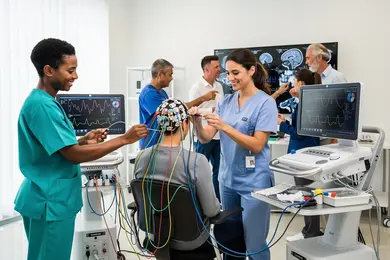
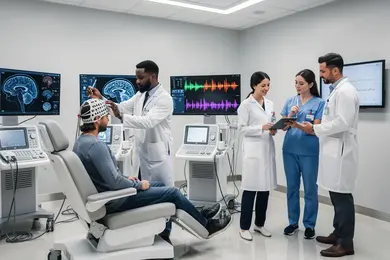
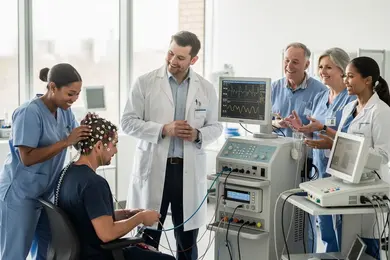
- Technical Proficiency: Graduates must demonstrate command over EEG, evoked potentials, and neurophysiological monitoring equipment. Hands-on lab training and clinical rotations help develop the confidence to operate sophisticated diagnostic tools under varied patient conditions, ensuring reliable data collection.
- Digital Competency: Familiarity with emerging technologies such as digital signal processing and advanced brain mapping software is increasingly crucial. These skills support integration of cutting-edge diagnostics and sharpen analytical accuracy, distinguishing candidates in competitive job markets.
- Critical Thinking: Employers value the capacity to troubleshoot unexpected instrument behavior or anomalous results during procedures. This involves swift decision-making grounded in both protocol knowledge and clinical reasoning, cultivated through scenario-based coursework and internships.
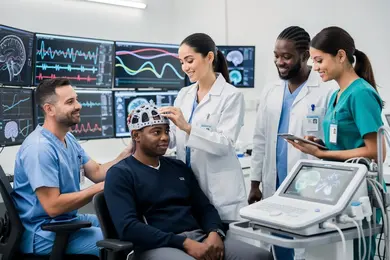
- Effective Communication: Clear articulation of complex neurodiagnostic findings to neurologists, caregivers, and patients is essential. Training programs that emphasize interdisciplinary collaboration help graduates convey diagnostic implications accurately and foster team-based patient care.
- Professionalism and Ethics: Adherence to patient confidentiality standards, including HIPAA compliance, and maintaining ethical conduct builds trust within healthcare teams. This competence often develops through supervised clinical experiences where patient interaction is critical.
- Time Management and Documentation: Precise and efficient recording of diagnostic procedures ensures continuity of care and legal accountability. Exposure to electronic health records during clinical practice supports proficiency in documentation demands.
Prospective students aiming to align with these expectations may also explore internships or certifications that emphasize these core areas while reviewing options among easy nursing programs, which often share foundational skills relevant for neurodiagnostic technology careers.
What Do Neurodiagnostic Technology Degree Programs Typically Teach?
Neurodiagnostic technology degree programs aim to equip students with practical skills and broad clinical understanding essential for working in diagnostic settings. While curricula vary, most focus on technical proficiency and patient-centered care, preparing graduates to navigate diverse healthcare environments. However, this foundation alone may not suffice in rapidly evolving clinical contexts, where adaptability and advanced analytic abilities are becoming critical.
For instance, a recent graduate may find that interpreting data from newer neuroimaging equipment requires supplementary training beyond the core program. The following points outline key competencies typically emphasized in neurodiagnostic technology degree curriculum.
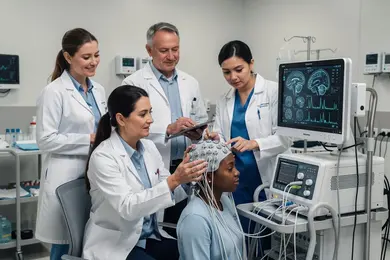
- Electrophysiological Techniques: Students learn to operate and interpret data from standard diagnostic tools like EEG and evoked potentials, forming the technical backbone necessary for entry-level clinical roles. Proficiency here ensures graduates can reliably acquire accurate neural signals, a core function demanded by employers.
- Neuroanatomy and Neurophysiology: Foundational knowledge of brain structures and neural pathways supports clinical reasoning and accurate interpretation of diagnostic tests. This biological grounding is critical for understanding pathological deviations and communicating findings effectively.
- Clinical Safety and Protocols: Ensuring patient safety through adherence to well-established protocols and troubleshooting procedures helps minimize risk during testing. Training in this area fosters professional responsibility and compliance with healthcare regulations.
- Patient Care and Communication: Programs emphasize skills in patient interaction, ethical conduct, and interdisciplinary teamwork, recognizing that diagnostic accuracy depends on clear communication and empathy in clinical workflows.
- Instrumentation and Technology Troubleshooting: Technical problem-solving skills are taught to prepare students for real-world scenarios where equipment malfunctions could compromise data integrity. These abilities contribute to maintaining operational efficiency in fast-paced healthcare settings.
- Professional Ethics and Healthcare Regulations: Instruction in legal standards and ethical considerations prepares students to navigate complex healthcare environments responsibly, supporting long-term employability and trustworthiness in clinical roles.
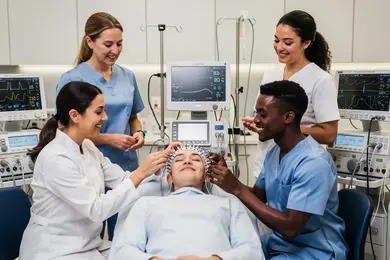
- Clinical Practicum Experience: Hands-on internships or practicums provide essential exposure to patient care and equipment use in authentic settings. While clinical hours vary by program, this experiential component is pivotal for translating classroom knowledge into operational competence.
According to the Commission on Accreditation of Allied Health Education Programs and data from the American Board of Registration of Electroencephalographic and Evoked Potential Technologists from 2024, over 85% of neurodiagnostic technology programs incorporate training in neurophysiological instrumentation, patient care protocols, and basic neuroanatomy, reflecting broad consensus on core competencies.
Prospective students assessing online, hybrid, or campus neurodiagnostic technology degree curriculum should consider how each format supports mastery of these essentials while also providing opportunities for clinical exposure and emerging skillsets like data analytics.
Prospective students determined to strengthen their employability may benefit from supplementing standard coursework with targeted technical skills or patient communication training beyond their program. For those interested in integrating broader health sciences education, resources like online masters nutrition programs may offer complementary perspectives on patient wellbeing, enriching their diagnostic practice.
Where Is the Biggest Skills Gap Between Neurodiagnostic Technology Programs and Employers?
A significant disconnect remains between what neurodiagnostic technology programs teach and the skills employers actually prioritize when hiring new graduates. A 2024 report from the National Board of Neurodiagnostic Technology, supported by a broad U.S. Department of Labor survey, highlights a key issue: graduates often lack hands-on expertise with sophisticated clinical equipment and the ability to analyze data in real time.
While academic curricula lay a solid theoretical foundation, employers consistently report deficits in practical, job-ready competencies. The gaps detailed below reflect common employer concerns and suggest targeted strategies students can pursue to better prepare for clinical demands.
- Advanced Equipment Proficiency: Despite classroom familiarity with foundational machines, many new graduates struggle to independently operate the latest neurodiagnostic devices under pressure. Employers expect technicians who can troubleshoot malfunctions immediately, which academic programs rarely simulate in sufficient depth. Internships emphasizing current technology use and supplemental certifications can narrow this gap significantly.
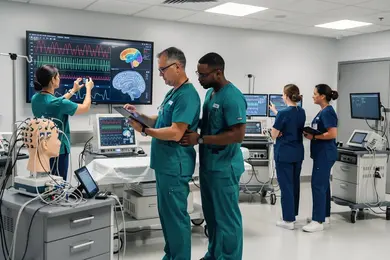
- Clinical Critical Thinking: Rigid program structures often leave students underexposed to the unpredictable nature of patient care settings, where quick adaptation and problem-solving are vital. Employers value technologists who anticipate complications rather than follow rote procedures. Participating in immersive clinical practicums and simulation labs that replicate real patient scenarios helps build this adaptive skill set.
- Communication & Teamwork: Conveying complex neurophysiological data clearly to interdisciplinary teams is frequently overlooked in neurodiagnostic training. Employers note that new technologists must improve in translating technical findings into actionable information for nurses, physicians, and patients. Engaging in collaborative projects and multidisciplinary training opportunities can enhance these essential communication skills.
- Regulatory & Documentation Skills: Compliance with evolving standards like HIPAA and accurate electronic health record management are critical workplace expectations often underestimated by students. Employers report delays in workflow efficiency due to unfamiliarity with required documentation rigor. Targeted education on healthcare regulations and hands-on practice with EHR systems during training can make graduates more workplace-ready.
Which Technical Skills Are Most Important for Neurodiagnostic Technology Careers?
Technical skills form the backbone of translating academic theory into effective clinical practice within neurodiagnostic technology careers. As diagnostic tools and healthcare systems evolve rapidly, the most valued competencies shift to match emerging technologies and heightened clinical expectations. Employers increasingly focus on adaptability alongside core proficiencies, expecting technologists to master multiple diagnostic modalities and informatics tools.
This dynamic landscape means that a skillset once considered sufficient may require continual updating. The following highlights key technical competencies that align closely with workforce demands based on 2024 data from the American Board of Electrodiagnostic Medicine and the National Center for O*NET Occupational Information Network.
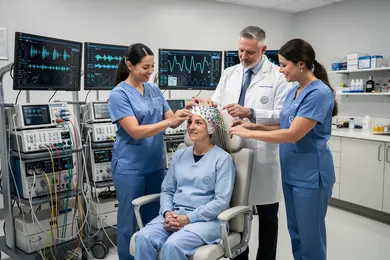
- Electroencephalography (EEG) Monitoring: Mastery of EEG is fundamental, involving both setup and interpretation skills. Students gain this through hands-on lab work and simulated patient scenarios, building a foundation essential for roles in epilepsy monitoring and sleep centers.
- Nerve Conduction Studies (NCS): These studies measure peripheral nerve function and require precise electrode placement and data accuracy. Coursework emphasizes technical precision, which employers value as critical for diagnosing neuropathies reliably.
- Evoked Potential (EP) Testing: EP procedures assess neural pathway integrity and demand both technical setup ability and attention to patient safety. Practical instruction helps students handle the intricacies of stimulation protocols under clinical supervision.
- Advanced Equipment Operation: Proficiency with digital EEG platforms and signal-processing software is increasingly demanded. Familiarity with modern devices arises from clinical practicums, enabling graduates to handle evolving equipment confidently.
- Data Management and EHR Integration: Employers prioritize technologists who navigate electronic health records and maintain cybersecurity standards. Training often includes software use and compliance protocols critical for safeguarding patient data.
- Video-EEG Monitoring: This specialized skill supports epilepsy diagnosis by combining continuous video and EEG data acquisition. Exposure to epilepsy unit workflows during internships enhances readiness for this growing niche area.
- Data Interpretation and Clinical Collaboration: Beyond data collection, employers require technologists to accurately evaluate neurophysiological findings and communicate insights effectively with physicians. Advanced coursework and clinical experience develop this analytical and collaborative ability.
Recent employer surveys indicate that over 75% of neurodiagnostic technology job openings list EEG monitoring and advanced equipment operation as top technical requisites. This underscores the necessity for students to engage deeply with both foundational and emerging diagnostic techniques to secure and sustain employment in a competitive and technologically demanding environment.
Which Workplace Skills Matter Beyond Technical Knowledge?
Career success in neurodiagnostic technology depends on more than mastering technical skills. Employers consistently emphasize professional competencies that enhance collaboration, decision-making, and adaptability in clinical settings. Graduates often encounter gaps between their technical training and real-world workplace demands, particularly when it comes to effectively communicating complex data or handling unpredictable situations.
Recognizing this, workforce studies show that nearly 70% of employers in healthcare prioritize soft skills equally or above technical expertise for neurodiagnostic technology professionals.
The following workplace skills are particularly critical beyond technical knowledge.
- Effective Communication: Clear communication is vital for interpreting and presenting diagnostic data to neurologists, nurses, and patients. Strengthening this skill through interdisciplinary projects and clinical simulations helps students translate technical information into actionable insights, fostering teamwork and patient understanding.
- Critical Thinking: Employers value the ability to assess complex data and troubleshoot equipment issues independently. Coursework that emphasizes problem-solving and real-time decision-making scenarios prepares graduates to respond confidently to clinical challenges beyond routine procedures.
- Emotional Intelligence: Managing patient anxiety and working under stressful conditions requires empathy and professionalism. Integrating experiential learning like patient interactions and mentorship programs enables students to develop these durable skills crucial for workplace integration.
- Team Collaboration: Neurodiagnostic technologists frequently work in multidisciplinary teams. Developing interpersonal skills through group assignments and clinical rotations ensures graduates can effectively coordinate care and contribute positively to team dynamics.
- Adaptability: The fast-evolving healthcare environment demands flexibility in adopting new technologies and protocols. Exposure to varied clinical settings during training fosters adaptability, enhancing employability and long-term career resilience.
- Professional Responsibility: Reliability, ethical conduct, and strong work ethic remain indispensable. Embedding professional standards in training cultivates a sense of accountability that promotes retention and advancement in healthcare roles.
For students seeking to align their education with workforce expectations, pursuing opportunities like internships and mentorships is essential. Programs that embed soft skills alongside hands-on training better prepare graduates for the nuanced realities of neurodiagnostic technology careers.
Prospective candidates may also consider supplementing their academic experience by exploring the best online nutrition degree as an example of programs designed to integrate professional competency development with technical expertise.

How Do Internships and Real-World Experience Improve Career Readiness?
Academic study alone often falls short of fully preparing neurodiagnostic technology students for the complexities of clinical work, where theoretical knowledge must be translated into practice under pressure. Real-world experiences enable learners to develop confidence and critical judgment by applying foundational concepts in authentic professional settings.
This hands-on exposure cultivates competencies highly valued by employers, such as patient interaction, troubleshooting sophisticated instrumentation, and rapid decision-making. For instance, a student who encounters unexpected technical issues during an internship must navigate problem-solving in real time, a scenario difficult to replicate in traditional classrooms.
Internships and other experiential learning placements also deepen technical skills while clarifying workplace norms, professional communication, and team dynamics-elements essential for sustainable success. Additionally, these experiences often expand students' professional networks and sharpen career focus by revealing varied clinical environments and protocols.
However, access to meaningful internships can be inconsistent due to regional constraints and differences in program design, which affects the uniformity of skill development. The National Center for Education Statistics reported in 2024 that graduates who completed an internship secured employment about 25% faster than peers without such experience, highlighting its practical impact.
To maximize the benefits of experiential learning, neurodiagnostic technology students should pursue internships early and actively engage in applied projects that challenge their problem-solving skills. Building relationships with mentors and reflecting on real-world experiences helps connect academic learning to career goals.
Ultimately, combining strong classroom performance with strategic experiential opportunities and ongoing skill refinement creates the most effective pathway to workforce readiness and long-term adaptability in this evolving healthcare field.
How Can Students Close the Neurodiagnostic Technology Skills Gap Before Graduating?
Students do not have to wait until graduation to position themselves competitively in the neurodiagnostic technology workforce. Actively cultivating workplace skills during the degree program enhances employability by bridging gaps left by purely academic study. Employers increasingly seek candidates demonstrating both technical proficiency and practical problem-solving acquired through hands-on experiences.
The National Center for Education Statistics (2024) reports that students engaged in internships and applied projects show substantially higher job readiness upon graduation. Below are key strategies students can implement to close the skills gap before finishing their degrees.
- Targeted internships: Quality internships aligned with current clinical practices provide immersive, real-world exposure critical for understanding workplace demands. Students should seek accredited programs or hospital partnerships that offer structured mentorship and updated technology experience, turning theoretical knowledge into applicable skills.
- Undergraduate research involvement: Participating in research projects encourages analytical thinking and keeps students abreast of emerging neurodiagnostic modalities. This exposure nurtures adaptability and problem-solving skills vital for evolving clinical environments.
- Certification pursuit: Earning credentials from recognized bodies such as ABRET evidences competence and often accelerates job placement. Preparing for these certifications during the program allows students to validate skills valued by employers and stand out in competitive applicant pools.
- Project-based learning: Engaging in hands-on projects simulating real clinical scenarios fosters collaboration, communication, and practical decision-making. These experiences develop competencies that classroom lectures alone rarely address.
- Selective opportunity assessment: Not all internships or research roles provide equal value. Evaluating potential experiences for alignment with industry standards ensures time invested delivers measurable career benefits without overextending academic commitments.
- Balanced workload management: Integrating experiential learning with coursework requires disciplined time management. Successfully navigating this balance helps maintain academic performance while cultivating workplace skills.
How Is the Neurodiagnostic Technology Job Market Changing Employer Skill Requirements?
Technological innovation and automation are reshaping skill requirements for neurodiagnostic technology careers. Advanced EEG systems, brain-computer interfaces, and AI-powered diagnostic tools now demand that technologists possess more than basic technical know-how. The U.S. Bureau of Labor Statistics projects employment growth in healthcare support roles exceeding average rates, signaling stronger demand for professionals who can confidently navigate these emerging neurodiagnostic technology skills.
As regulatory standards and healthcare priorities evolve, employers expect candidates to integrate sophisticated software and cross-platform data effectively, reflecting a shift toward multitasking and digital literacy.
These evolving employer demands in neurodiagnostic jobs emphasize both technical expertise and professional competencies such as critical thinking, communication, and teamwork. The World Economic Forum underlines continuous learning and adaptability as essential to meet these complex challenges.
For example, a neurodiagnostic technologist may be required to troubleshoot real-time equipment issues while also collaborating remotely with neurologists to interpret complex patient data. In this environment, practical experience gained through internships or hands-on projects often outweighs theoretical knowledge alone.
To align with changing workforce expectations, students should supplement foundational coursework with applied learning opportunities, certifications, and active professional networking. Pursuing ongoing skill development helps graduates remain competitive in a field where technology and clinical demands advance rapidly.
Resources illustrating salary trends, such as the sports data analyst salary data, highlight the importance of market-aware career planning in healthcare technology fields.
How Do Different Neurodiagnostic Technology Programs Compare in Career Preparation?
Career preparation in neurodiagnostic technology depends on much more than the degree title alone. The crucial variable is how well a program integrates practical training, clinical exposure, and professional certification readiness to meet employer expectations. For example, graduates from programs emphasizing hands-on clinical practicum with advanced diagnostic tools consistently show stronger initial job placement rates.
Yet, some programs may excel in theory but lack sufficient support for soft skills and adaptability, which are increasingly demanded by employers in rapidly evolving neurodiagnostic workplaces. Below are key factors to weigh when comparing programs in terms of career readiness.
- Hands-On Clinical Training: Programs that provide extensive supervised clinical practica allow students to apply skills in real-world settings, improving technical proficiency and confidence. Variability in clinical site quality and hours can significantly affect employability. Prospective students should compare the depth and diversity of clinical experiences offered.
- Curriculum Alignment with Industry Standards: Programs aligned with competencies from organizations like the American Board of Registration of Electroencephalographic and Evoked Potential Technologists (ABRET) better prepare graduates with relevant skills that match employer requirements. Evaluating whether course content follows current professional standards is essential.
- Soft Skills and Interdisciplinary Instruction: Despite strong employer demand, training in patient communication, data interpretation, and adaptability to new technology often varies widely. Programs embedding interdisciplinary approaches better equip students for teamwork and evolving job demands.
- Degree vs. Certificate Tracks: Certificate and associate degree programs may offer accelerated clinical placement but could limit advancement opportunities tied to research literacy and critical thinking, which bachelor's degrees typically emphasize. Understanding these tradeoffs is key to aligning education with long-term goals.
Recent workforce analysis from 2024 highlights that programs combining rigorous practical training with updated clinical curricula produce graduates with approximately 20% higher initial employability rates than those lacking these elements.
Prospective students should also explore continuing education and experiential learning outside the classroom. Those seeking a comprehensive pathway might consider a online CAHIIM accredited health information management degree to supplement their neurodiagnostic technology program practical training comparison and enhance career readiness across multiple dimensions.
How Should Students Choose a Neurodiagnostic Technology Program That Builds Career-Ready Skills?
Choosing between online, hybrid, and campus formats for neurodiagnostic technology programs requires assessing long-term impacts on skill development, employment readiness, and career adaptability. Different formats shape clinical experience access and networking opportunities, which are critical for success as reported in the 2024 National Board of Neurodiagnostic Technology analysis.
Consider these key factors when evaluating your options:
- Clinical Exposure Quality: Campus programs often provide consistent in-person clinical training, essential for mastering hands-on skills like EEG setup, while online formats rely on virtual simulations that may limit real-world practice. Hybrid models blend both, benefiting students needing flexible schedules without sacrificing practical experience.
- Technical Skill Currency: Programs updated regularly with employer feedback, such as those accredited by CAAHEP, ensure training aligns with emerging tools like advanced neuroimaging. Online and hybrid formats can deliver updated tech content efficiently, but campus students may gain more direct access to specialized equipment.
- Workforce Networking: In-person formats foster richer peer and professional connections, aiding job placement within six months post-graduation according to workforce studies. Online students must proactively engage in virtual communities to bridge this gap.
- Soft Skill Development: Communication and critical thinking are emphasized more effectively through interactive, face-to-face formats, yet well-designed hybrid courses can also nurture these abilities through collaborative projects.
- Flexibility vs. Discipline: Online learning suits independent, self-motivated learners balancing work or family, but it risks lower completion rates without structured support. Campus settings provide more routine and direct mentorship, enhancing persistence.
- Employer Perception: Many employers currently favor graduates from accredited programs with verified verified clinical experience, often more transparently demonstrated in campus or hybrid training, influencing long-term career trajectories.
References:
- Bridging the digital skills gap with work-ready junior tech talent. | AUDA-NEPAD https://www.nepad.org/skillsportalforyouth/good-practice/bridging-digital-skills-gap-work-ready-junior-tech-talent
- The Skills You Need to Succeed in Neurodiagnostics - Neuro Pathway https://myneuropathway.com/blog/the-skills-you-need-to-succeed-in-neurodiagnostics/
- Why Employers Care More About Tech Skills Than Your Degree in 2026 https://www.scholaro.com/db/News/tech-skills-vs-degree-2026-340
- Open Positions https://careers.phoenixchildrens.com/Positions/Posting/898779
- 4 ways to beat the technology skills gap and drive innovation - Digital Construction Week https://www.digitalconstructionweek.com/4-ways-to-beat-the-technology-skills-gap-and-drive-innovation/
- Neurodiagnostic Tech Career Guide & Job Description https://www.trustedhealth.com/allied-career-guide/neurodiagnostic-tech
- Top 7 Strategies for Bridging the Skills Gap in 2026 https://www.imocha.io/blog/bridging-the-skills-gap
- Skills Gap Analysis: The Secret to Future-Proofing Your Business https://www.ispring.com/knowledge-hub/skills-gap-analysis
- Neurodiagnostic Technology https://orangecoastcollege.edu/academics/career-advantage/program-areas/neurodiagnostic-technology.html
- How to Conduct a Skills Gap Analysis https://lucid.co/blog/how-to-conduct-a-skills-gap-analysis
Other Things You Should Know About Neurodiagnostic Technology
Degree programs often focus on teaching established neurodiagnostic procedures, which ensures technical proficiency but can leave graduates less prepared for evolving workplace demands. Employers increasingly value adaptability and problem-solving during non-routine cases or equipment updates. Students should seek supplemental experiences, such as cross-disciplinary projects or emerging technology workshops, to build flexibility alongside core skills. Prioritizing adaptability can improve long-term career resilience beyond what standard curricula provide.
Many neurodiagnostic technology programs offer constrained clinical hours due to logistical and accreditation limits, which may not fully replicate unpredictable, fast-paced clinical settings. This gap can impact graduates' confidence and efficiency when transitioning to real-world roles that demand rapid decision-making under stress. Candidates should weigh programs' clinical integration depth carefully and consider additional externships or simulations to better prepare for high-pressure demands.
Programs often underemphasize communication, teamwork, and patient interaction, yet these soft skills are critical for employer hiring decisions and successful workplace integration. While some graduates can self-develop these abilities through work experience or mentoring, relying on post-degree remediation risks slower advancement and potential misalignment with team dynamics. Prioritizing programs with embedded soft skill development or seeking deliberate practice during training can yield better initial job performance and career growth.
Employers appreciate both specialized expertise and versatile practitioners able to handle diverse diagnostic modalities. Early specialization can position graduates for niche roles but may limit flexibility in fluctuating job markets or smaller facilities with broader skill needs. Conversely, developing wide-ranging competencies enhances employability and adaptability but may delay deep mastery. Students should assess their career goals and local employer demands, often favoring a broad foundation with selective specialization as experience grows.