2027 Top Industries Hiring Neurodiagnostic Technology Graduates: Demand, Pay, and Growth Trends

Co-Founder and Chief Data Scientist
Faced with the decision to pursue a career in neurodiagnostic technology, a student or recent graduate often wonders which industries will offer the most viable paths forward. Some sectors may have higher demand but lower wages, while others might provide lucrative pay but limited growth. Understanding where neurodiagnostic technology graduates are hired, how salaries vary by industry, and which areas are expanding rapidly is crucial for making strategic educational and career choices.
Evaluating these factors reveals the complex tradeoffs involved in aligning skills with market needs. It also highlights shifts in employer expectations that can impact job readiness. This article explores the industries that hire the most neurodiagnostic technology graduates, identifies sectors with the highest salaries, assesses where job growth is strongest, examines evolving employer demands, and offers guidance on how students can position themselves for the most promising career opportunities.
- Key Things to Know About the Top Industries Hiring Neurodiagnostic Technology Graduates Key Things to Know About the Top Industries Hiring Neurodiagnostic Technology Graduates
- Which Industries Hire the Most Neurodiagnostic Technology Graduates? Top Industries
- Which Industries Offer the Highest Salaries for Neurodiagnostic Technology Graduates? Highest Salaries
- Which Industries Have the Fastest Growth for Neurodiagnostic Technology Careers? Growth Trends
- Which Employers Commonly Recruit Neurodiagnostic Technology Graduates? Top Employers
- Which Skills Are Most In Demand Across Neurodiagnostic Technology Industries? In-Demand Skills
- How Do Career Paths Differ Across Industries for Neurodiagnostic Technology Graduates? Career Paths
- How Do Industry Trends Affect Future Opportunities for Neurodiagnostic Technology Graduates? Industry Trends
- How Can Students Prepare for High-Demand Neurodiagnostic Technology Industries? Career Preparation
- How Do Different Neurodiagnostic Technology Degree Programs Prepare Students for Industry Careers? How Do Different Neurodiagnostic Technology Degree Programs Prepare Students for Industry Careers?
- Which Industry Is the Best Fit for Your Neurodiagnostic Technology Career Goals? Which Industry Is the Best Fit for Your Neurodiagnostic Technology Career Goals?
Key Things to Know About the Top Industries Hiring Neurodiagnostic Technology Graduates
- Hospital and outpatient neurology departments employ over 60% of neurodiagnostic technology graduates, reflecting sustained demand in acute and chronic neurological care settings with complex diagnostic needs.
- Electrophysiology labs offer top salary growth, with a 7% increase projected through 2026, driven by expanding cardiac and neurological diagnostic procedures emphasizing specialized technical skills.
- Recent data show increasing integration of tele-neurodiagnostics, signaling a shift toward remote monitoring roles that favor graduates with cross-disciplinary expertise, altering traditional on-site employment models.
Which Industries Hire the Most Neurodiagnostic Technology Graduates?
Demand for neurodiagnostic technology graduates remains centered in sectors that rely heavily on neurological assessment and patient monitoring. Employment trends from the U.S. Bureau of Labor Statistics and recent industry reports from 2024 indicate that hospitals dominate hiring, with about 65% of neurodiagnostic technology roles found in acute care settings. Nevertheless, evolving healthcare delivery models and increased research activity have diversified career opportunities across multiple industries. Below are the primary sectors consistently recruiting neurodiagnostic technology graduates, reflecting their critical roles and workforce needs.
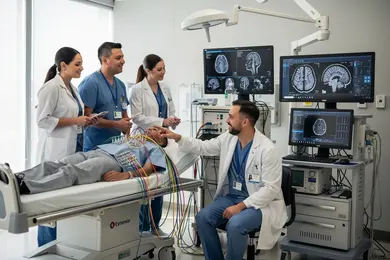
- Hospital Systems: Large and specialized hospitals offer the most robust employment opportunities due to their ongoing need for EEG, EMG, and intraoperative monitoring to diagnose neurological disorders. These environments demand precision and rapid analysis, making them ideal for graduates seeking experience in high-acuity patient care settings where acute neurological conditions are treated.
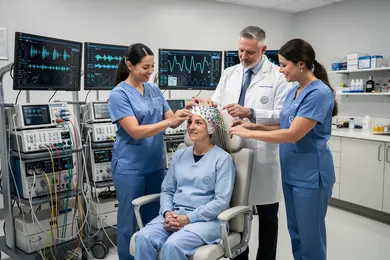
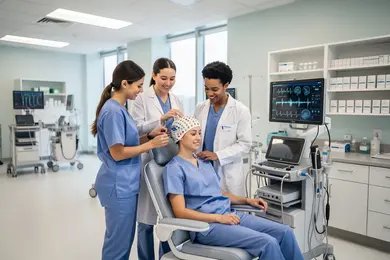
- Outpatient Care Facilities: Growing outpatient neurology clinics and diagnostic labs employ a rising number of graduates to support frequent, non-invasive testing and long-term patient management. These settings attract technologists who prefer more predictable schedules and opportunities to build ongoing patient-provider relationships outside hospital constraints.
- Research Institutions: Academic medical centers and research organizations hire neurodiagnostic technology professionals to advance neurological science through clinical trials and emerging diagnostic technologies. Careers in this sector offer exposure to cutting-edge tools and contribute to understanding neurodegenerative diseases, which are increasingly prevalent. This path suits graduates interested in innovation over routine diagnostics.
- Government and Military Healthcare: These agencies employ graduates to support both clinical and research initiatives focused on brain injury prevention and treatment. Government roles typically offer job security and benefits, alongside unique work in public health and veteran care programs, appealing to those seeking diversified neurodiagnostic applications beyond civilian healthcare.
For students and professionals considering how a neurodiagnostic technology career might evolve, exploring educational pathways such as an accelerated healthcare management degree online can complement clinical skills with administrative acumen, broadening opportunities across these key industries.
Which Industries Offer the Highest Salaries for Neurodiagnostic Technology Graduates?
Salary differences across industries for neurodiagnostic technology graduates stem largely from the complexity of diagnostic work, the technical demands of the equipment used, and the critical nature of the healthcare services provided. Work environments that handle more acute or specialized neurological conditions tend to offer higher wages due to the advanced skills required and the responsibility involved. Regional cost of living, employer type, and institutional funding also play noticeable roles in shaping compensation levels. For prospective workers, understanding these nuances is key to choosing a path that aligns both with earning goals and professional interests. Below are some of the sectors known for the highest paying neurodiagnostic technology jobs.
- Hospital Settings: Hospitals, especially those in metropolitan and research-intensive areas, provide the strongest salary potential for neurodiagnostic technology graduates. Median wages in this sector often top $70,000 annually, reflecting the demand for expertise in complex diagnostics and emergency neurological support. Roles here involve collaborating closely with neurologists and neurosurgeons, operating cutting-edge equipment on acute cases, and maintaining rigorous standards under time-sensitive conditions.
- Research Institutions: Technologists employed by research organizations benefit from salaries competitive with or higher than hospital averages. These roles focus on advancing neurodiagnostic techniques through clinical studies and trials, often requiring familiarity with novel equipment and protocols. The premium pay recognizes not only technical skill but also contributions to medical knowledge and innovation, making it a strong option for those interested in long-term career growth in specialized fields.
- Government Agencies: Positions within public health or veterans' hospitals and agencies can offer lucrative compensation that rivals hospital settings. These roles typically combine reliable funding sources with the opportunity to work on public health initiatives or specialized neurodiagnostic programs. The structured environment often includes benefits and job stability that complement the competitive salary ranges reported by the U.S. Bureau of Labor Statistics for this sector.
- Outpatient Care Centers and Physician Offices: Although traditionally offering lower median salaries between $50,000 and $60,000, these settings may appeal through regular hours and job stability. They involve neurodiagnostic procedures of moderate complexity, which aligns with their compensation levels. Graduates prioritizing work-life balance or geographic preference sometimes find these roles more fitting despite lower peak earning potential compared to hospitals or research facilities.
To navigate these options effectively, graduates should also explore demand trends specific to their specialties, including emerging opportunities that is medical billing and coding in demand can indirectly reveal about healthcare administration. Making informed decisions about employer type, industry focus, and location will ultimately determine both salary outcomes and professional satisfaction for neurodiagnostic technology careers.
Which Industries Have the Fastest Growth for Neurodiagnostic Technology Careers?
Evaluating which industries offer the fastest growth is critical for those pursuing Neurodiagnostic Technology careers because it directly impacts job availability, salary potential, and professional development over time. The speed at which an industry expands often reflects broader healthcare trends, such as demographic shifts, technological innovation, and delivery model changes, which influence demand for specialized skills. For example, a technologist choosing between hospital settings and outpatient centers should weigh not only current openings but also future growth trajectories and work environment differences. According to the U.S. Bureau of Labor Statistics 2024 Occupational Outlook, employment for neurodiagnostic technologists is expected to grow about 12% through 2032, significantly outpacing many other fields. Below are several industries leading this expansion.
- Outpatient Care Centers: These facilities are expanding rapidly as healthcare shifts toward more cost-effective, less invasive treatment models. Growth in outpatient neurology and sleep disorder clinics creates steady demand for neurodiagnostic technologists skilled in EEG and polysomnography. Such centers often provide more regular hours and less acute patient care pressure than hospitals, appealing to those valuing work-life balance.
- Hospital Settings: Hospitals remain foundational employers for neurodiagnostic technologists, driven by ongoing acute care needs and complex diagnostic procedures. While growth here is steadier and slower than outpatient facilities, hospitals offer diverse case exposure and advancement opportunities tied to integrated care teams and specialized neurological services.
- Remote Monitoring and Telemedicine: Emerging technologies enable neurodiagnostic professionals to conduct assessments and collect data remotely, addressing access gaps in underserved or rural areas. This niche is expected to expand as digital health platforms and remote patient monitoring gain broader adoption, though such roles often require adaptability to evolving tech and less traditional clinical environments.
- Research Institutions: Academic and clinical research centers demand neurodiagnostic technologists with advanced technical expertise to support neuroscience studies, device development, and clinical trials. These roles tend to be fewer and highly specialized, often requiring additional education, but they offer unique opportunities for those interested in contributing to innovation and evidence-based practice.
A recent graduate shared how initially weighing the choice between a hospital neurology department and an outpatient sleep clinic involved considering more than salary or job security. After brief stints in both, they found the outpatient setting better matched their lifestyle preferences, with regular hours allowing for clearer boundaries between work and home life. The rapid growth of outpatient centers meant more frequent openings and opportunities for specialization, which eased job searching anxiety post-graduation. However, they also recognized that peers in hospital roles benefited from a broader clinical experience, reinforcing that industry choice shapes not just employment prospects but professional identity and long-term satisfaction.
Which Employers Commonly Recruit Neurodiagnostic Technology Graduates?
Recognizing the primary employers that recruit neurodiagnostic technology graduates allows students and recent graduates to tailor their training, internships, and job searches more effectively. Employment opportunities and demand fluctuate based on specialization within the field, local healthcare infrastructure, and broader industry trends, making geographic and sector awareness essential. For example, a graduate interested in epilepsy monitoring may find more openings in certain neurological specialty centers than in general hospitals. Understanding key employer types helps align expectations with realistic hiring patterns. Below are the organizations that most frequently seek neurodiagnostic technology professionals.
- Hospital Systems: Hospitals dominate employment for neurodiagnostic technologists, with about 60% working in these settings as reported by the U.S. Bureau of Labor Statistics in 2024. These institutions offer roles in EEG laboratories, neurology wards, and intensive care units where continuous monitoring and acute neurological assessment are critical. The scale and patient volume of hospital systems provide steady demand and diverse clinical exposure.
- Outpatient Clinics and Specialty Centers: Facilities focused on outpatient services, such as neurology clinics and epilepsy centers, actively hire graduates to conduct diagnostic tests like EEG, EMG, and nerve conduction studies. These employers emphasize specialized care for conditions such as neuromuscular or sleep disorders, often allowing technologists to build concentrated expertise in targeted patient populations.
- Diagnostic Laboratories and Research Institutions: Laboratories and academic research centers recruit neurodiagnostic professionals for advanced testing, neuroimaging analysis, and participation in clinical trials. These environments tend to prioritize technical precision and innovation, offering opportunities to engage with cutting-edge methodology and contribute to emerging scientific knowledge.
- Medical Device and Technology Companies: The rise of telehealth and portable neurodiagnostic tools has expanded roles within private companies focused on equipment manufacturing, software development, and remote monitoring solutions. Technologists are employed in clinical support, training, and product development, benefiting from industry growth that parallels advancements in digital health technologies.
Which Skills Are Most In Demand Across Neurodiagnostic Technology Industries?
Skills that remain highly valuable across industries typically represent a blend of technical expertise and adaptable interpersonal abilities, both of which offer graduates resilient career paths. This is especially true within neurodiagnostic technology, where evolving clinical tools and interdisciplinary collaboration heighten the demand for a versatile skill set. Rather than skills tied to a single device or procedure, employers prefer those who demonstrate broad competencies capable of bridging hospital, research, and outpatient environments. Real-world situations-such as troubleshooting advanced digital EEG systems under time pressures while maintaining patient rapport-highlight how ingrained technical knowledge and soft skills converge. The following list outlines the skill areas most consistently prized by employers recruiting neurodiagnostic technology graduates today.
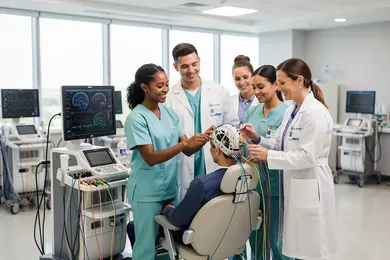
- Advanced Instrumentation Expertise: Mastery of EEG, EMG, and EP testing remains foundational. Neurodiagnostic technology programs emphasize hands-on training with current digital systems, allowing graduates to smoothly integrate into facilities adopting modern diagnostic tools. Proficiency here ensures readiness across acute care hospitals, sleep clinics, and epilepsy centers.
- Data Analysis Acumen: Employers increasingly value technicians who accurately interpret complex neurophysiological data while identifying subtle abnormalities. Coursework that combines clinical data review with exposure to electronic health records (EHR) strengthens this skill, enabling graduates to meet rising quality standards and HIPAA compliance demands across settings.
- Communication Skills: Clear, compassionate interaction with patients is vital, particularly in vulnerable populations like pediatrics and geriatrics. Strong verbal and written communication nurtures effective cooperation in multidisciplinary teams and supports detailed reporting critical to diagnostic accuracy.
- Regulatory Compliance Knowledge: Familiarity with HIPAA and institutional protocols protects patient privacy and data integrity. Training in these areas ensures graduates navigate regulatory frameworks confidently, which is a non-negotiable expectation in all neurodiagnostic workplaces.
- Critical Thinking and Problem-Solving: The ability to adapt to unexpected diagnostic challenges, such as equipment malfunctions or atypical patient presentations, is essential. Real-world clinical rotations and simulation experiences cultivate this adaptability, preparing graduates to maintain workflow efficiency under pressure.
- Teamwork and Collaboration: Coordinating with neurologists, technologists, and nursing staff calls for interpersonal flexibility and respect. Employers seek candidates who contribute positively to workplace culture while supporting collective patient care goals.
- Technological Integration Awareness: As facilities upgrade to integrated neuroimaging and digital platforms, understanding interoperability helps technologists optimize workflows. Exposure to evolving technologies during training future-proofs career progression across hospital networks and research environments.
According to recent data from the American Clinical Neurophysiology Society, over 70% of employers place top priority on advanced instrumentation expertise combined with strong communication skills when hiring neurodiagnostic technology graduates. This balance of technical skills required for neurodiagnostic technology professionals and employer expectations for neurodiagnostic technology graduates underscores the nuanced demands of the field. Those seeking to deepen their credentials may also explore advanced credentials through programs such as online MSN PMHNP programs that complement clinical aptitude with broader health care skills.

How Do Career Paths Differ Across Industries for Neurodiagnostic Technology Graduates?
Choosing an industry after earning a Neurodiagnostic Technology degree can influence career growth as much as selecting the degree itself. Different sectors emphasize distinct skills, experiences, and professional goals, shaping how graduates progress and what opportunities they encounter. For example, those aiming for leadership roles might find hospitals offer more structured advancement, while a passion for research could lead one toward academic or pharmaceutical paths. Understanding these variations helps students align their ambitions with the realities of each workplace.
Key differences in career paths for neurodiagnostic technology graduates include:
- Career Progression Structure: Hospitals typically offer a clear hierarchical path, moving from entry-level technologist positions to supervisory and administrative roles, with dedicated training that supports upward mobility. In contrast, research and outpatient settings often feature flatter structures where progression depends more on skill diversification and advanced education.
- Salary Trajectories: Hospital roles generally provide higher starting salaries-around $63,000 annually-compared to research settings, which start lower but may increase with grant-funded projects or specialized expertise. Outpatient facilities fall in between, offering moderate pay with limited salary growth due to smaller organizational size.
- Daily Responsibilities: Hospitals demand flexibility with varied shifts and high patient interaction, whereas research roles focus on data collection and study participation with less routine patient care. Outpatient centers emphasize autonomy and direct patient engagement but usually involve narrower diagnostic scopes.
- Specialization Opportunities: Advancement in hospitals often requires mastering specialized monitoring techniques and certifications, while research careers reward cross-disciplinary knowledge that can open doors to biomedical engineering or pharmaceutical roles. Outpatient settings prioritize certifications in specific modalities, such as intraoperative monitoring.
- Professional Development Support: Hospitals frequently invest in formal training and certification assistance, making them suitable for graduates seeking structured support. Research centers and outpatient facilities may rely more on self-directed learning and external qualifications, which suits self-motivated individuals.
- Occupational Mobility: According to the 2024 U.S. Bureau of Labor Statistics, professionals in research environments tend to demonstrate higher occupational mobility due to transferable skills valuable in diverse industries like pharmaceuticals or medical device manufacturing, whereas hospital technologists often experience more sector-bound career growth.
- Work-Life Balance and Environment: Smaller outpatient practices can offer greater autonomy but might lack advancement prospects, whereas hospital shifts can be demanding but come with clear roles and benefits. Graduates should weigh personal preferences against these trade-offs when choosing their path.
How Do Industry Trends Affect Future Opportunities for Neurodiagnostic Technology Graduates?
Shifts in healthcare demands and technology directly impact the career paths open to neurodiagnostic technology graduates. These trends influence not only where jobs are available but also the specialized skills that will become essential. Graduates must navigate changes in patient demographics, emerging medical practices, and evolving healthcare delivery models to remain competitive and relevant. The following points highlight several key industry trends shaping future opportunities in this field.
- Aging Population Demand: As the U.S. population grows older, the prevalence of neurological conditions such as Alzheimer's disease, epilepsy, and stroke is rising. This demographic shift is driving faster-than-average job growth for neurodiagnostic technologists, especially in hospitals and outpatient clinics, where assessments and monitoring are critical for managing chronic neurological disorders.
- Technological Advancements: Improvements in EEG, EMG, and other neurophysiological tools are broadening the scope of diagnostic capabilities. Integration of telemedicine and remote monitoring is expanding job opportunities beyond traditional clinical environments to include rural healthcare and telehealth services, requiring graduates to develop proficiency with digital platforms and remote patient management.
- Research and Funding Trends: Increased investment in neurological research and healthcare policies promoting advanced diagnostics are raising salary potential and job stability in research institutions and major hospital systems. Skilled technologists familiar with complex neurological assessments, including pre-surgical evaluations and critical care monitoring, are becoming increasingly valuable.
- Workforce Distribution Changes: Geographic disparities in healthcare access are prompting growth in neurodiagnostic roles outside urban centers. Graduates willing to work in varied settings-urban, rural, and telehealth-can tap into emerging markets where skilled practitioners remain scarce.
One recent graduate recalled facing a critical choice between a secure hospital role in a large city and a less conventional position supporting telemedicine services for rural clinics. Initially hesitant because remote work felt unfamiliar, the graduate soon appreciated how telehealth was rapidly growing due to pandemic-driven shifts and policy support. Embracing this trend not only increased their job security but also provided the chance to impact underserved communities, illustrating how being adaptable to industry trends can directly enhance long-term career prospects in neurodiagnostic technology.
How Can Students Prepare for High-Demand Neurodiagnostic Technology Industries?
Students targeting high-demand neurodiagnostic technology industries must blend education with practical experience and relevant certifications to stand out. Data from the U.S. Bureau of Labor Statistics and the American Board of Registration of Electroencephalographic and Evoked Potential Technologists (ABRET) indicate graduates from programs with strong clinical training have a distinct advantage. Approximately 70% of employers prioritize hands-on clinical experience when hiring, underscoring the critical role of immersive training. This highlights that success in neurodiagnostic technology career preparation tips isn't just theoretical knowledge but also how adeptly one applies skills in real clinical settings. Below are key strategies to position yourself competitively in industries with the strongest demand.
- Comprehensive Clinical Training: Prioritize enrollment in accredited programs offering intensive clinical rotations. These real-world exposures teach technical proficiency with diagnostic equipment and provide opportunities to interpret neurological data under supervision, essential for immediate workplace contributions.
- Internships and Externships: Engage actively in internships or clinical externships, often facilitated by your institution. These experiences offer direct insight into workplace dynamics and patient interaction, smoothing initial job transitions in hospital neurology or specialized diagnostic labs.
- Certification Acquisition: Obtain certifications like Registered Neurodiagnostic Technologist (R.N.T.) or Certified Neurophysiologic Intraoperative Monitoring Technologist (CNIM). These credentials validate your expertise to employers, many of whom mandate them for roles in top-paying sectors such as outpatient clinics and research centers.
- Continuing Education: Stay updated with evolving neurodiagnostic techniques and emerging technologies through specialty workshops and courses focusing on epilepsy monitoring, intraoperative monitoring, and sleep studies. This ongoing learning aligns with industry trends and rising demand areas.
- Soft Skills Development: Cultivate critical thinking, communication, and adaptability. These qualities distinguish candidates by enhancing teamwork, problem-solving, and patient management capabilities within fast-paced medical environments.
- Industry Networking: Participate in professional organizations like the National Society of Electroneurodiagnostic Technologists (NSET) to build connections and access job opportunities. Networking accelerates career advancement by linking you to mentors and cutting-edge research.
- Realistic Career Exploration: Assess industry subfields' growth potential and salary prospects. For example, neurodiagnostic technologists specializing in intraoperative monitoring currently see stronger hiring rates and higher salaries compared to general EEG tech roles. Aligning your training accordingly ensures practical relevance.
Integrating these preparation strategies equips students with the skills needed for success across neurodiagnostic technology jobs. For those considering adjacent fields with complementary analytical skills, exploring related areas such as sports analytics jobs may further expand career possibilities.
How Do Different Neurodiagnostic Technology Degree Programs Prepare Students for Industry Careers?
Different neurodiagnostic technology degree programs vary significantly in how they prepare graduates for diverse industry careers. This variation reflects differences in curriculum depth, clinical exposure, and the emphasis on applied skills aligned with workforce demands. For example, a graduate aiming to work in a hospital neurology department might need more extensive hands-on clinical practicum than one targeting biomedical research labs. According to 2024 data from the U.S. Bureau of Labor Statistics, programs emphasizing applied clinical skills notably enhance employment prospects across healthcare and research settings. Below are key factors prospective students should evaluate when comparing neurodiagnostic technology degree program curricula to best align with their career goals.
- Clinical Practicum Integration: Programs differ in the extent and quality of clinical practicum opportunities. Intensive, supervised hands-on experience is crucial for real-world readiness, especially in hospital and outpatient clinic environments where immediate clinical competence is expected.
- Accreditation and Certification Alignment: Accreditation by bodies like ABRET ensures curricula meet professional standards. Graduates from such programs are typically better prepared for certification exams, creating smoother pathways into specialized diagnostic roles.
- Electrophysiology Coursework: Depth in electrophysiology theory and practice varies. Programs with stronger emphasis equip students to interpret complex diagnostic data, a skill highly valued in both clinical and research careers.
- Internship and Industry Partnerships: Partnerships with neurodiagnostic labs and healthcare providers provide networking and real-world learning advantages. Students should consider programs with structured internships to enhance job market competitiveness.
- Flexible Learning Options: Programs offering online or accelerated pathways, like the medical billing and coding certificate online accelerated models, can improve accessibility for non-traditional or working students, impacting timely graduation and career entry.
- Patient Safety Training: Emphasizing patient safety prepares graduates to minimize risks and comply with healthcare regulations, a universal expectation across industries employing neurodiagnostic professionals.
- Data Interpretation Skills: Programs that integrate data analytics into their curriculum better prepare graduates for evolving roles that increasingly rely on technological proficiency.
Ultimately, no single neurodiagnostic technology degree program suits every intended industry equally. Prospective students should weigh these factors against their targeted career paths, learning preferences, and openness to gaining additional practical experience beyond classroom instruction. Understanding these differences through a critical lens ensures graduates are most competitive in healthcare, biomedical research, or medical device sectors.
Which Industry Is the Best Fit for Your Neurodiagnostic Technology Career Goals?
The best industry fit for neurodiagnostic technology graduates depends on individual priorities rather than a universal ranking. Factors like preferred work environment, specialization interests, earning goals, lifestyle preferences, and the desire to make a specific impact shape this decision. For example, one graduate might prioritize steady patient interaction and skill diversity, choosing hospitals for their stability and benefits, as highlighted in the U.S. Bureau of Labor Statistics (2024). Meanwhile, another with a focus on salary growth and flexible scheduling might prefer outpatient clinics or private diagnostic laboratories, sectors noted for rapid expansion and attractive compensation by the National Association of Health Care Recruitment (2024).
To make a well-informed choice, students should investigate employer expectations, projected industry growth, relevant skills, internships, and potential career pathways while honestly assessing their own strengths and interests. Data shows that emerging professionals increasingly value work-life balance alongside income potential, making alignment with personal goals critical. Ultimately, strong career outcomes arise from matching individual aspirations with industry opportunities, not merely pursuing the highest-paying or fastest-growing sector, reflecting a balanced view supported by workforce research and industry trends in 2024.
References
- Neurodiagnostic Technologist | Associate Degree | Fox Valley Technical College https://www.fvtc.edu/program/health-science/10-525-2/neurodiagnostic-technologist
- EEG Jobs: Your Complete Guide to a Rewarding Career in Neurodiagnostics - SpecialtyCare https://specialtycareus.com/blog-eeg-jobs-career-opportunities/
- Neurodiagnostic Career Options - Neuro Pathway https://myneuropathway.com/blog/neurodiagnostic-career-options/
- Neurodiagnostic Technologist https://explorehealthcareers.org/careers/allied-health-professions/neurodiagnostic-technologist/
- Neurodiagnostic Tech Salary Guide (+ EEG & Polysomnography) - Trusted Health https://www.trustedhealth.com/allied-career-guide/neurodiagnostic-tech/salary-guide
- Occupation Profile for Neurodiagnostic Technologists | CareerOneStop https://www.careeronestop.org/Toolkit/Careers/Occupations/occupation-profile.aspx
- EEG Careers - Neurodiagnostic Technology Institute https://neurodiagnostictechnologyinstitute.com/careers/
- Neurodiagnostic Technologist - Salary, How to Become, Job Description & Best Schools https://www.onlinedegree.com/careers/medical-healthcare/neurodiagnostic-technologist/
- ASSOCIATE OF SCIENCE IN NEURODIAGNOSTIC TECHNOLOGY - Procirca https://www.procirca.com/associate-of-science-in-neurodiagnostic-technology/
- Neurodiagnostic Technologist - Explore Healthcare Careers - Mayo Clinic College of Medicine & Science https://college.mayo.edu/academics/explore-health-care-careers/careers-a-z/neurodiagnostic-technologist/
Other Things You Should Know About Neurodiagnostic Technology
Workload intensity differs significantly among industries employing neurodiagnostic technologists, with hospital settings often demanding longer shifts and higher patient volumes compared to outpatient clinics or research institutions. Graduates should weigh the potential for burnout in fast-paced environments against the deeper clinical exposure and skill development hospitals provide. Prioritizing workplaces that balance manageable caseloads with adequate training opportunities can help sustain long-term job satisfaction and career growth.
Some industries prioritize specialized certifications-such as those focused on intraoperative monitoring-over broad neurodiagnostic credentials, which can narrow job prospects but increase pay and role specificity. Graduates must assess whether pursuing niche certifications aligns with their career goals or limits mobility across sectors. For those targeting diverse employment options, balancing general certification with targeted credentials may offer the best flexibility and advancement potential.
Employers in industries adopting advanced diagnostic tools expect recent graduates to quickly master complex equipment and software, often without extensive on-the-job training. This raises the bar for academic programs to integrate hands-on experience with emerging technologies, or graduates risk entry-level frustration and slower ramp-up times. Prioritizing programs or internships offering exposure to current clinical technologies can significantly enhance readiness and reduce workplace adaptation challenges.
Demand for neurodiagnostic technologists can fluctuate with healthcare funding, technological advancements, and demographic shifts, especially in smaller or specialized sectors like research or outpatient diagnostics. Graduates prioritizing job security might prefer larger hospital systems with more stable demand despite potentially slower wage growth. Conversely, those willing to navigate cyclical demand shifts may access unique roles and faster advancement in emerging or niche industries, accepting a higher short-term employment risk for possible long-term gains.