2027 Library Media Salary Trends Report: Are Wages Keeping Up With Tuition and Inflation?

Co-Founder and Chief Data Scientist
Consider a prospective library media student weighing the decision to pursue this degree amid rising tuition costs. Determining whether the expected financial return justifies such an investment requires more than reviewing starting salaries. Tuition fees and inflation have surged unevenly, complicating the equation of cost versus benefit. This makes analyzing the relationship between wages, education expenses, and purchasing power critical before committing to the path.
Salary growth, tuition inflation, and cost of living rarely move in sync, often obscuring the real value of a degree. Simply looking at absolute pay figures risks overlooking long-term earning potential and financial sustainability. Evaluating these variables together offers a clearer picture of affordability and return on investment. This article examines library media salary trends alongside tuition, inflation, and related factors shaping the degree's financial viability over time.
Key Things to Know About Library Media Salary Trends
- Graduate wages for library media professionals have seen only a 2% real increase since 2020, lagging behind average tuition inflation of 5%, signaling compressed post-degree financial gains.
- Key factors like geographic region and school funding heavily influence salary trajectories, meaning earning potential varies greatly and requires strategic job placement planning.
- Long-term earning growth correlates strongly with advanced certifications beyond initial degrees, indicating initial salary setbacks can be offset by targeted professional development.
- Key Things to Know About Library Media Salary Trends Key Things to Know About Library Media Salary Trends
- What Is the Current Salary Outlook for Library Media Graduates? Salary Outlook
- Are Library Media Salaries Keeping Up With Inflation? Inflation Impact
- How Do Tuition Costs Compare With Library Media Salary Growth? Tuition vs Salary
- Does a Library Media Degree Deliver a Positive Return on Investment? Degree ROI
- Which Industries Offer the Highest Salaries for Library Media Graduates? Which Industries Offer the Highest Salaries for Library Media Graduates?
- Which States and Cities Offer the Highest Pay for Library Media Professionals? Which States and Cities Offer the Highest Pay for Library Media Professionals?
- How Do Library Media Salaries Grow Throughout a Career? Career Growth
- How Do Library Media Salaries Compare With Similar Degrees? Salary Comparison
- How Is Employer Demand Affecting Library Media Salary Trends? Employer Demand
- How Can Students Maximize Their Lifetime Earnings With a Library Media Degree? Maximizing Earnings
What Is the Current Salary Outlook for Library Media Graduates?
The current salary outlook for library media graduates presents a nuanced picture shaped by geographic, institutional, and skill-based factors. According to data from the U.S. Bureau of Labor Statistics, media and communication professionals, including school librarians and media specialists, earn a median wage near $62,000 annually.
However, entry-level salaries often range from $45,000 to $50,000, with variation tied strongly to urban versus rural settings and school funding levels. For example, two recent graduates with identical library media degrees might experience different starting salaries-one working in a well-funded urban district earning closer to $50,000, while another in a smaller rural school starts nearer to $45,000, demonstrating how location and employer type critically influence early earnings within library media graduate salary trends.
Long-term salary growth in this field hinges considerably on specialization and evolving competencies. Professionals who adapt to changes by gaining expertise in digital resource management, metadata, or educational technology can often surpass $75,000 in mid-career, with certain administrative or digital media roles exceeding $80,000.
Nonetheless, these wage improvements have not universally matched inflation, diminishing the real purchasing power of many salaries. For those weighing the financial investment in library media degrees, understanding this dynamic helps frame the current wages for Library Media professionals not as fixed endpoints but as components within broader career trajectories, where skills development and job market demand profoundly shape future earning potential.
Prospective students and career changers should consider how this salary data intersects with educational costs and market trends. Just as someone researching options for a nurse practitioner school might evaluate costs against long-term financial outcomes, library media students must weigh tuition increases against realistic salary projections.
This careful balancing act is essential to making an informed decision about pursuing a library media degree given the variable economic returns and evolving nature of the profession.
Are Library Media Salaries Keeping Up With Inflation?
Library media salary growth compared to inflation reveals a concerning gap between nominal wage increases and actual purchasing power. While median wages for library media professionals have risen roughly 10-12% since 2019, this falls short of the cumulative inflation rate near 18% over the same period, according to the U.S. Bureau of Labor Statistics.
For instance, a recent graduate entering a public library media position with a starting salary that increased by 10% compared to five years ago effectively faces reduced real income when factoring in higher costs of living. This demonstrates that modest pay raises often do not compensate for inflation-driven expense increases, undercutting the financial return of this career path.
Are library media wages keeping pace with rising tuition is another critical issue for those considering or pursuing credentials in the field. Educational expenses necessary for certification have grown faster than inflation, compounding financial strain for prospective students.
This means the upfront investment in graduate degrees and certifications may not be offset by proportional salary gains. For comparison, fields such as medical coding have demonstrated different wage trends; insights into medical coding salary can provide a useful benchmark when weighing career options that require similar levels of training.
The complex relationship between library media salary trends and inflation involves sector-specific budget constraints, public funding variations, and regional economic differences. Salaries in many public-sector roles lag behind those in private or commercial information management jobs, contributing to slower real wage growth.
Prospective and current library media students must balance the intrinsic appeal of the profession with these economic realities, carefully evaluating how salary growth aligns with the long-term cost of credentials and living expenses.
How Do Tuition Costs Compare With Library Media Salary Growth?
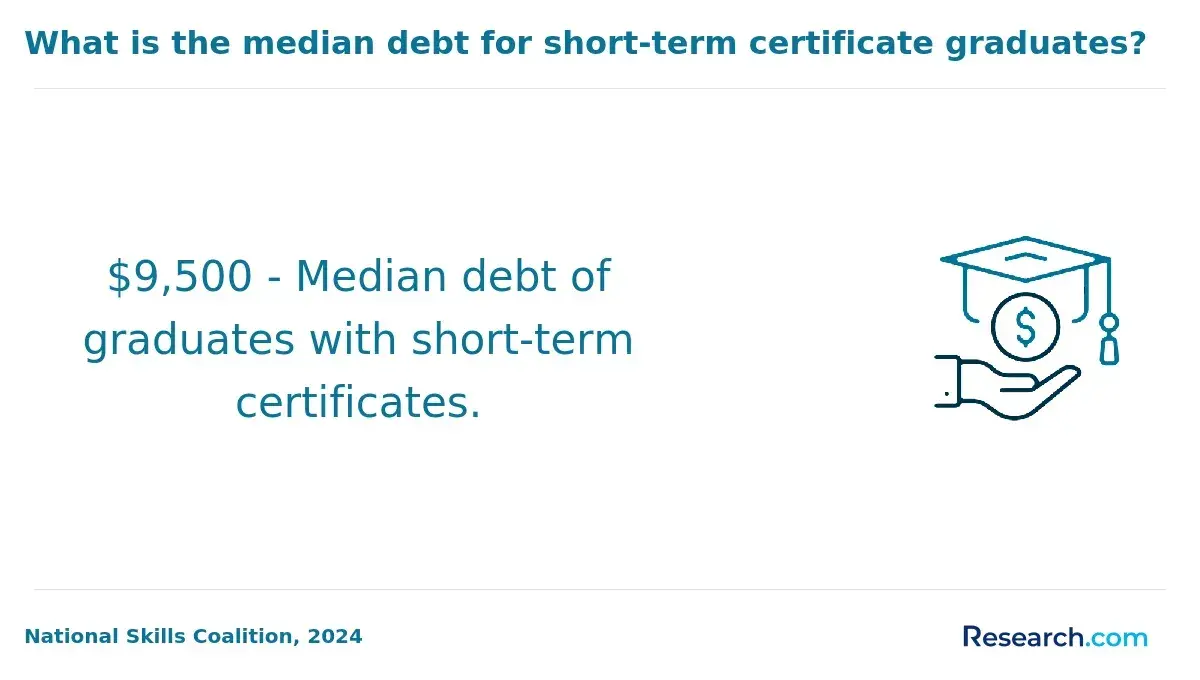
Evaluating the financial value of a library media degree requires comparing the trajectory of tuition costs against the pace of salary growth, rather than viewing each in isolation. Recent data from 2024 indicates that graduate tuition for relevant fields has surged by about 4-6% annually, outstripping general inflation and now often exceeding $20,000 at public institutions and $40,000 at private ones.
Early-career salaries for library media graduates typically start between $45,000 and $55,000, with mid-career pay rising to roughly $60,000-$75,000.
However, salary increases have generally lagged behind tuition growth, suggesting that many students face a growing mismatch between educational investment and return-especially when debt repayment is factored in. This gap highlights critical considerations: where a program is located, its cost, and how salary expectations are shaped by regional employment markets and institutional type.
For example, a recent graduate attending an expensive private program may find that their annual tuition outpaces their starting salary gains, extending the time required to break even financially. In contrast, a student enrolling in an affordable public program within a high-demand employment region may experience a more manageable repayment timeline and steadier salary growth relative to their educational costs.
Factors such as program length, financial aid availability, and local hiring trends also influence this balance. Understanding these nuances enables students to anticipate tradeoffs realistically, helping them design educational paths aligned with both financial constraints and career goals.
A library media graduate who tackled these challenges described hesitating before committing to a costly program after reviewing tuition increases alongside stagnant salary forecasts. Opting instead for a state university, they managed to reduce debt significantly but also adjusted expectations about immediate postgraduation roles and salary levels. "It wasn't an easy decision," they reflected, "because the program I wanted had a strong reputation, but the financial strain seemed overwhelming given the pay trends I saw."
Their experience underscores how closely weighing tuition inflation against realistic earning potential can inform better financial planning and career satisfaction in this field.
Does a Library Media Degree Deliver a Positive Return on Investment?
Return on investment in higher education entails weighing the total cost of obtaining a degree against the long-term benefits in career options, salary growth, and professional development, rather than focusing solely on initial wages.
For a library media degree, this balance can be complex: recent data from the National Center for Education Statistics and the Bureau of Labor Statistics in 2024 indicate that while entry-level salaries are competitive within education-related fields, their growth often fails to outpace tuition inflation and the rising cost of living.
Consider a graduate who finances a master's in library media with a significant loan; moderate salary increases and salary growth that lags behind inflation can extend the time required to recover those upfront costs, making long-term financial gains uncertain without strategic career moves.
Key factors influencing the degree's return include geographic job markets, specialization, and ongoing skill enhancement. According to research from the Georgetown University Center on Education and the Workforce, graduates who develop advanced proficiencies in digital literacy and information management tend to secure positions with improved earning potential.
Moreover, non-financial gains, such as job stability and high workplace satisfaction emphasized by studies from the American Library Association, contribute value that isn't directly reflected in salary but affects overall investment worth.
Ultimately, the financial return of a library media degree diverges based on individual circumstances, the ability to adapt to evolving professional demands, and regional employment trends, requiring a nuanced, evidence-based assessment rather than a one-size-fits-all conclusion.
Which Industries Offer the Highest Salaries for Library Media Graduates?
Salary outcomes for library media graduates vary considerably across industries, influenced by the demand for specialized knowledge management and strategic information skills. Recent data from government labor statistics and industry reports highlight that the highest-paying opportunities typically arise where information management intersects with complex organizational needs and technical proficiency.
For prospective students and recent graduates aiming to navigate financial pressures like rising tuition and inflation, understanding these salary trends helps in making informed decisions about career trajectories.
Below is a breakdown of industries that generally offer the strongest salary potential for library media careers:
- Federal Government: Salaries in this sector outpace many others because roles often combine advanced information governance with policy implications. Library media graduates may manage expansive archival systems or oversee compliance-related information, benefiting from comprehensive benefits and employment stability despite tuition inflation concerns.
- Healthcare Industry: Managing medical libraries and health information centers requires expertise in digital resources and data retrieval, driven by the push for evidence-based patient care. Positions like medical librarians often command higher pay due to the complexity and critical nature of information handled in hospitals and research facilities.
- Technology and Information Services: Corporate knowledge management roles pay well as they involve curating and streamlining data to support research and development. Proficiency in digital tools and strategic information use enhances compensation, exceeding typical education or public library salaries.
- Academic Institutions: Though offering moderate salaries compared to other sectors, academia remains a mainstay with advantages like tenure-track options and research funding that complement earning potential over time, especially for those pursuing advanced degrees.
- Private Sector Finance and Legal Services: These sectors have recently raised salary ceilings for library media professionals adept in managing specialized financial and legal information. The demand for precise, secure data handling bolsters compensation in roles supporting corporate decision-making.
Considering these dynamics and salary ranges reported in 2024, graduates focused on maximizing their earnings may weigh higher-paying industries more heavily while balancing personal career goals and educational investments. For those exploring related educational pathways, resources such as radiology tech online programs illustrate alternative approaches to healthcare sector opportunities that similarly value specialized information competencies.
Library media graduate salary by industry metrics underscore that federal government, healthcare, and technology sectors consistently rank as highest paying. These findings spotlight where strategic skills in information management translate into financial reward, aligning with workforce trends shaping library media careers today.
Which States and Cities Offer the Highest Pay for Library Media Professionals?
Geographic location significantly shapes the earning potential for library media professionals, with some states and urban centers offering substantially higher salaries than others. The highest wages typically cluster in regions with strong public education systems, higher living expenses, and well-funded libraries.
According to 2024 data from the Bureau of Labor Statistics and the National Center for Education Statistics, metropolitan areas with competitive job markets tend to provide salaries well above the national average of about $60,000 annually. However, these higher figures must be weighed against the often steep cost of living and local economic conditions.
Below are some key locations where compensation generally stands out for library media roles:
- California: California consistently ranks among the top-paying states due to its extensive educational infrastructure and robust library networks. Urban centers like San Francisco offer median salaries exceeding $70,000, buoyed by a competitive job market but accompanied by some of the nation's highest housing costs. Students must consider whether the potential salary gains offset these expenses and the high cost of living when planning their careers.
- Massachusetts: Known for prestigious educational institutions, Massachusetts supports relatively high wages for library media specialists, particularly in Boston. The region benefits from strong public funding and a concentration of academic libraries, which drive demand. However, tuition and living expenses can be significant, making it essential to evaluate long-term earning growth versus upfront costs.
- New York: Library media professionals in New York State, especially in New York City, enjoy some of the highest wages nationally, surpassing $70,000 on average. This reflects a crowded, competitive labor market with substantial public and private library funding. Candidates should assess whether these long-term job prospects justify New York's expensive real estate and living costs.
- Washington: Seattle and surrounding areas lead Washington's pay rankings for library media roles. The region's thriving tech industry contributes indirectly by boosting public sector wages and funding for community and academic libraries. The high salaries come with elevated living costs, so weighing financial gains against lifestyle factors is critical.
- Illinois: Chicago offers moderate-to-high salaries compared to many Midwestern areas, supported by larger school districts and metropolitan library systems. While wages do not reach coastal levels, lower living costs and steady demand provide a middle ground for many professionals balancing income and expenses.
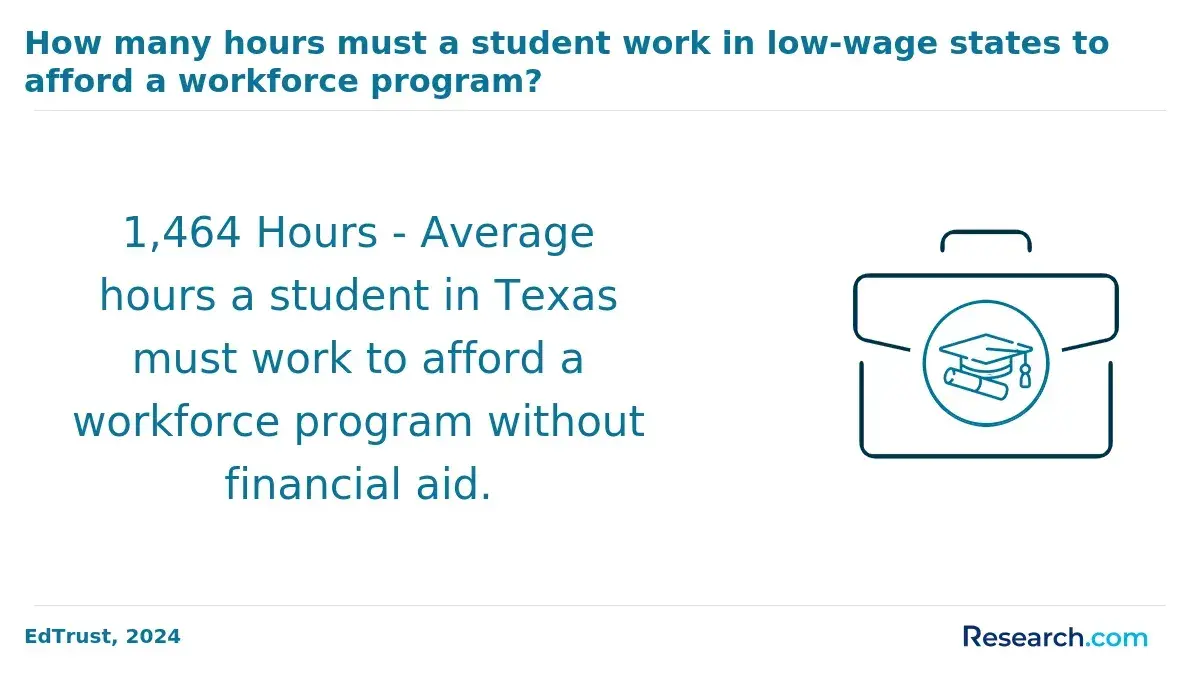
- Texas: Austin and other growing urban centers in Texas feature rising library media salaries, reflecting expanding education sectors and cultural investments. Compared to coastal cities, Texas offers a more affordable cost of living, making it attractive for new graduates prioritizing financial stability without forsaking salary growth potential.
How Do Library Media Salaries Grow Throughout a Career?
Starting salaries for library media roles typically hover around $57,000 annually, though this figure can shift based on location, institution type, and educational background. By mid-career-usually after five to ten years-salaries tend to rise by 15% to 25%, reaching roughly $65,000 to $72,000, as professionals take on more complex duties or earn additional certifications.
Experience alone doesn't guarantee pay increases; specialization in areas like digital library services or IT integration can accelerate growth despite generally modest wage inflation in public sectors. Moving beyond ten years often leads to roles with leadership responsibilities, where median salaries range from $80,000 to $90,000, and top earners in large or corporate settings may surpass six figures, demonstrating how career trajectory strongly influences long-term earnings.
Consider two graduates starting with identical library media degrees. One remains in a mid-sized public library, gaining experience but opting not to pursue further credentials, resulting in steady but limited salary growth near the mid-career median.
The other pursues additional certifications in data management and digital archives, shifting to a specialized administrative role that commands higher wages and greater job security. This scenario highlights that salary progression depends less on degree alone and more on factors like continued learning, choice of workplace, and willingness to expand skill sets.
Reports from the American Library Association and the National Center for Education Statistics emphasize that education level, geographic location, and role specialization are the strongest predictors of salary evolution over a career.
A library media graduate recalled feeling uncertain about investing time in extra certifications after a few years on the job, juggling family commitments and financial pressures. Initially hesitant, they chose to enroll in advanced courses focused on digital resources, which led to a promotion and a noticeable pay increase within two years.
The decision to expand their qualifications amid doubts reflected a calculated risk, weighing short-term sacrifice against future earning potential. Looking back, this choice proved pivotal, offering both professional recognition and a financial buffer against rising living costs, underscoring how proactive career development can shape salary growth trajectories in this field.
How Do Library Media Salaries Compare With Similar Degrees?
Library media salaries provide a steady income but generally fall short when compared to related education degrees with more technical demands. The median annual wage for library media specialists is roughly $60,000 to $62,000, according to the U.S. Bureau of Labor Statistics.
In contrast, some adjacent fields offer a higher salary potential, influenced by differences in industry demand and the technical complexity of roles. For prospective students and career changers evaluating salary trends for library media versus related fields, these distinctions have practical implications amid rising tuition costs and inflation.
The following comparisons highlight key differences in median salaries, typical career paths, and factors influencing earning potential:
- Master in Information Science: Graduates with this degree tend to earn median salaries around $75,000. This field commands higher wages due to growing demand for data management, software skills, and digital preservation, which require advanced technical expertise beyond traditional library media roles.
- Educational Technology: Positions in this area typically offer salaries between $65,000 and $72,000. Careers often involve designing and implementing digital learning tools, which leverage technology and instructional design skills to help schools and organizations innovate educational delivery.
- Library Media Specialists: Median salaries hover near $60,000 to $62,000. These roles emphasize community engagement, information literacy, and supporting learners rather than technical innovation, which limits earning growth compared to more specialized education degrees.
- Health Information Management: While less closely related, a master in health information management salary evidences how specialized information roles in healthcare can command competitive compensation. This sector's regulatory complexity and data sensitivity significantly increase earning potential.
Understanding these salary differences is crucial for those weighing the financial tradeoffs of investing in a library media degree versus related educational fields, especially as average graduate program tuition rises by about 4.5% annually according to the National Center for Education Statistics.
How Is Employer Demand Affecting Library Media Salary Trends?
Employer demand significantly shapes salary trends for library media professionals by driving competition for qualified candidates, influencing both hiring activity and compensation approaches. According to the U.S. Bureau of Labor Statistics' 2024 data, demand for school librarians and media specialists is projected to grow about 4% over the next decade, mirroring average occupational growth.
In regions with higher employer demand-often urban or high-poverty areas-districts may offer slightly higher starting salaries or occasional bonuses to attract skilled workers. However, this does not always translate into long-term wage growth, especially when budget limitations constrain districts' ability to sustain increased salaries, showing how complex the relationship between demand and pay can be.
Consider a recent graduate evaluating a career in library media who notices that starting salaries in a high-demand urban district are somewhat elevated compared to rural districts. This incentive might justify relocating but only if the candidate accounts for cost of living and the potential for slower wage increases over time.
Major factors influencing employer demand include changes in student populations, budget priorities, and regional economic conditions, all of which interact to affect salary trends. While strong employer demand can encourage faster wage growth, actual salaries also depend on experience, specialization, and the financial health of hiring organizations, emphasizing the need for careful financial planning.
Prospective students or career changers assessing the return on investment for a library media degree should weigh these employer demand dynamics alongside tuition costs and inflation.
Given the modest growth forecast, understanding where demand is strongest can guide job searches and financial decisions. Those interested in related fields may also explore different options among type of counselors to better align career goals with market realities and salary potential within education and support professions.
How Can Students Maximize Their Lifetime Earnings With a Library Media Degree?
Maximizing lifetime earnings with a library media degree requires strategic choices beyond simply obtaining the credential. Data from the U.S. Bureau of Labor Statistics and the American Library Association 2024 report reveal that advanced education, specialization, and leadership roles strongly correlate with higher salary trajectories.
For example, a graduate who pairs a master's in library science with digital archiving certification can move into roles in university libraries or corporate information centers that pay significantly more than entry-level positions. The evolving demand for skills in digital resource management and data curation means students must adapt to these growth areas to remain competitive.
Below are key strategies for sustaining career growth and increasing earning potential:
- Advanced Degrees: Obtaining a master's or doctoral degree enhances eligibility for senior roles and specialized positions, where salaries substantially exceed those at the bachelor's level, particularly in academic or research libraries.
- Specialize In Technology: Certifications in digital archiving, information technology, or educational technology tap into expanding sectors like healthcare and STEM institutions, leading to better compensation.
- Target Growth Sectors: Seeking employment in healthcare systems, government agencies, or STEM-focused organizations exploits industry trends with higher funding and robust demand for digital information management skills.
- Leadership Experience: Taking on administrative roles such as library director or information services manager generally results in notable salary increases and broader career influence.
- Professional Networking: Active engagement in professional associations facilitates access to emerging job opportunities, mentorship, and industry insights, which can accelerate promotions and salary growth.
- Continuous Learning: Pursuing ongoing education in data science and information governance keeps skills relevant, aligning careers with technological innovation and market needs.
- Geographic Flexibility: Being willing to relocate to metropolitan areas or regions with significant investment in education and technology increases chances of securing higher-paying positions.
References
- MLIS Degree Jobs & Careers: Your Complete 2026 Guide https://www.mastersinlibraryscience.org/careers/
- Good News: TV salaries beat inflation … but just barely https://www.rtdna.org/news/good-news-tv-salaries-beat-inflation--but-just-barely
- Georgia Librarian Salary https://www.librariancertification.com/librarian-salary/georgia-librarian-salary/
- Library Expenditures, Salaries Outstrip Inflation - The Scholarly Kitchen https://scholarlykitchen.sspnet.org/2016/03/29/library-expenditures-salaries-outstrip-inflation/
- Has pay kept up with inflation? - The Hamilton Project https://www.hamiltonproject.org/data/has-pay-kept-up-with-inflation/
- Librarian Career Guide | Salary, Digital Skills & MAPP Fit (25‑4021) https://www.assessment.com/education-training-and-library/librarians-and-library-media-specialists
- Electronic Journal of Academic and Special Librarianship https://southernlibrarianship.icaap.org/content/v03n01/Blessinger_k01.htm
- ROI in Higher Education - FREOPP https://freopp.org/roi-in-higher-education/
- Librarians and Library Media Specialists https://www.truity.com/career-profile/librarians-and-library-media-specialists
- Is College Worth it? | Return on Investment Analysis of College Degree https://educationdata.org/college-degree-roi
Other Things You Should Know About Library Media
Library media programs differ widely in duration, specialization, and certification requirements, which complicates salary negotiations. Candidates from shorter, less rigorous programs might face initial pay ceilings despite comparable tuition, while graduates from comprehensive or dual-certification tracks often command higher wages but invest more time and money upfront. Understanding this variation is critical when evaluating offers, as it reflects employers' perceptions of candidate preparedness and expected workload. Prioritizing programs with stronger alignment to local employer demands can improve leverage during negotiations and long-term earning potential.
Higher library media salaries are frequently tied to increased responsibilities, such as managing multiple school sites, integrating advanced technology, or leading district-wide literacy initiatives. Accepting a higher wage may entail longer hours, greater administrative duties, or nontraditional work schedules that affect work-life balance. Candidates must weigh whether the incremental pay justifies these tradeoffs, especially if their primary goal is stability rather than rapid advancement. Recognizing how work scope influences salary is key to making realistic employment decisions.
While lower tuition reduces upfront debt, program reputation often has a stronger impact on eventual salary growth in library media careers. Employers tend to favor candidates from accredited or well-known programs with demonstrated success in certification passage and placement, which justifies higher starting salaries. However, if a less expensive program delivers solid practical training and networking opportunities in a region with steady demand, it may offer better overall value. Prospective students should prioritize programs that balance affordable tuition with proven outcomes and employer recognition to optimize earning potential.
Continuing education and specialty certifications have become increasingly important for salary advancement in library media, as stagnant base wages often reflect limited initial training scopes. Employers look for professionals who actively update skills in digital media, data privacy, and instructional design to meet changing school needs. Investing time and resources in targeted professional development can unlock promotional opportunities and offset inflationary pressures on salaries. Prioritizing lifelong learning is essential for candidates seeking to sustain and improve earnings beyond initial placement.