2027 Library Media Affordability by State: Where Students Pay the Most and Least

Co-Founder and Chief Data Scientist
Deciding between two library media programs often hinges on more than advertised tuition. For example, an aspiring library media student choosing an out-of-state option promising lower sticker costs may overlook significant living expenses or higher ancillary fees that quickly erode savings.
A 2024 National Student Financial Wellness survey found that 57% of students underestimated total costs, leading many to borrow more than planned, which can burden library media graduates facing competitive salary entry points. These financial miscalculations impact long-term debt and career flexibility, especially in a field where employment outcomes vary by region and institution. This article examines library media affordability by state to reveal where students pay the most and least, helping guide informed enrollment decisions.
Key Things to Know About Library Media Affordability by State
- States with lower published tuition often have higher living costs, skewing total affordability; this tradeoff means budget-conscious library media students must analyze combined expenses, not just sticker price, to plan realistically.
- Employer demand trends favor graduates from accredited in-state programs, so selecting out-of-state schools purely for lower tuition can risk weaker local job prospects and longer placement timelines.
- Recent 2024 data show financial aid gaps widening in states reducing higher ed funding, causing delays in degree completion for library media students relying on scholarships, impacting workforce entry timing.
- Key Things to Know About Library Media Affordability by State Key Things to Know About Library Media Affordability by State
- Which States Have the Most Affordable Library Media Degree Programs? Most Affordable State Programs
- Which States Have the Highest Library Media Degree Costs? Highest State Tuition Costs
- How Much Does a Library Media Degree Cost by State? Degree Costs by State
- Why Does Library Media Affordability Vary So Much Between States? State Affordability Variations
- How Do In-State and Out-of-State Tuition Rates Affect Library Media Affordability? In-State vs. Out-of-State Rates
- How Does the Cost of Living Impact Overall Library Media Affordability by State? Living Costs and Affordability
- Which States Offer the Best Value for a Library Media Degree? Best Value State Degrees
- What Financial Aid and Scholarship Opportunities Can Reduce Library Media Costs? What Financial Aid and Scholarship Opportunities Can Reduce Library Media Costs?
- Are Online Library Media Degree Programs More Affordable Than On-Campus Options? Are Online Library Media Degree Programs More Affordable Than On-Campus Options?
- Is a Library Media Degree Worth the Cost Based on Career Outcomes and ROI? Degree ROI and Outcomes
Which States Have the Most Affordable Library Media Degree Programs?
Affordability for library media degree programs is closely tied to how states allocate public funding toward higher education and the resulting tuition structures for residents. States with strong commitments to keeping in-state tuition low, such as those in the Mountain West and Deep South, enable students to pursue degrees with significantly reduced debt burdens compared to areas where universities rely more heavily on tuition revenue.
For budget-conscious learners, this means that enrolling in programs within states offering these tuition advantages can be a strategic decision, especially if state residency is established or reachable, as in-state tuition often represents less than half the out-of-state cost. However, students relocating to pursue more affordable library media degrees must weigh these tuition savings against relocation expenses and differences in local living costs, which also factor into overall affordability.
The presence of comprehensive online degree options in many of these states further impacts affordability by reducing or eliminating additional living expenses and enabling access to resident tuition rates for remote students. This expands educational infrastructure beyond traditional campus boundaries, making degree pathways more flexible for nontraditional students or those balancing work and family obligations.
Recognizing this dynamic, some prospective students explore related cost considerations like the medical billing certification cost as a comparative benchmark for investment in allied career pathways, which also exhibit regional tuition and fee variation. Ultimately, awareness of these cost components, combined with state policies on residency and financial aid, shapes enrollment decisions and degree completion strategies, influencing long-term educational value and career outcomes for emerging library media professionals.
Which States Have the Highest Library Media Degree Costs?
The higher costs of library media degrees in certain states stem largely from public funding shortfalls, the prevalence of private institutions, and regional living expenses that collectively reshape the financial landscape for students. In states like California and Massachusetts, reduced state support for public universities forces tuition hikes, while numerous prestigious private schools charge premium rates that often exceed $40,000 annually.
Additionally, urban centers with top-ranked programs carry substantial living costs-ranging from housing to transportation-that can increase a student's budget by over 50%, a factor frequently overlooked by prospective enrollees weighing in-state versus out-of-state options. Residency policies also magnify these financial pressures, as non-resident tuition can effectively double program expenses, compelling many students to reconsider relocating or to pursue alternative programs remotely to manage overall affordability.
For budget-conscious students, these layers of cost highlight the real tradeoffs involved when selecting a program beyond just academic reputation. While high-priced states may offer stronger networks or specialized resources, the cumulative expense often eclipses what many entry-level library media positions can recoup in the short term, altering the value proposition considerably.
Decisions around attending a high-cost program must therefore balance anticipated outcomes against financial burdens, including accruing debt or foregoing more affordable, though perhaps less renowned, pathways. Moreover, the geographic cost variance should prompt careful investigation into financial aid availability, residency qualification timelines, and flexible learning options that can mitigate otherwise prohibitive expenses.
A recent graduate shared how she spent months comparing programs across states, factoring in tuition, residency rules, and cost of living before deciding. Initially attracted to a prestigious school in a major metro area, she hesitated after calculating that her non-resident tuition plus housing would nearly triple her in-state costs at a less prestigious state university.
Although uncertain whether the higher-priced program's network justified the expense, she opted for the affordable, in-state option combined with part-time work to reduce debt, reflecting cautious prioritization over brand appeal. Her experience underscores how prospective students must navigate a complex matrix of costs, policies, and long-term career impacts rather than focusing solely on institutional prestige.
How Much Does a Library Media Degree Cost by State?
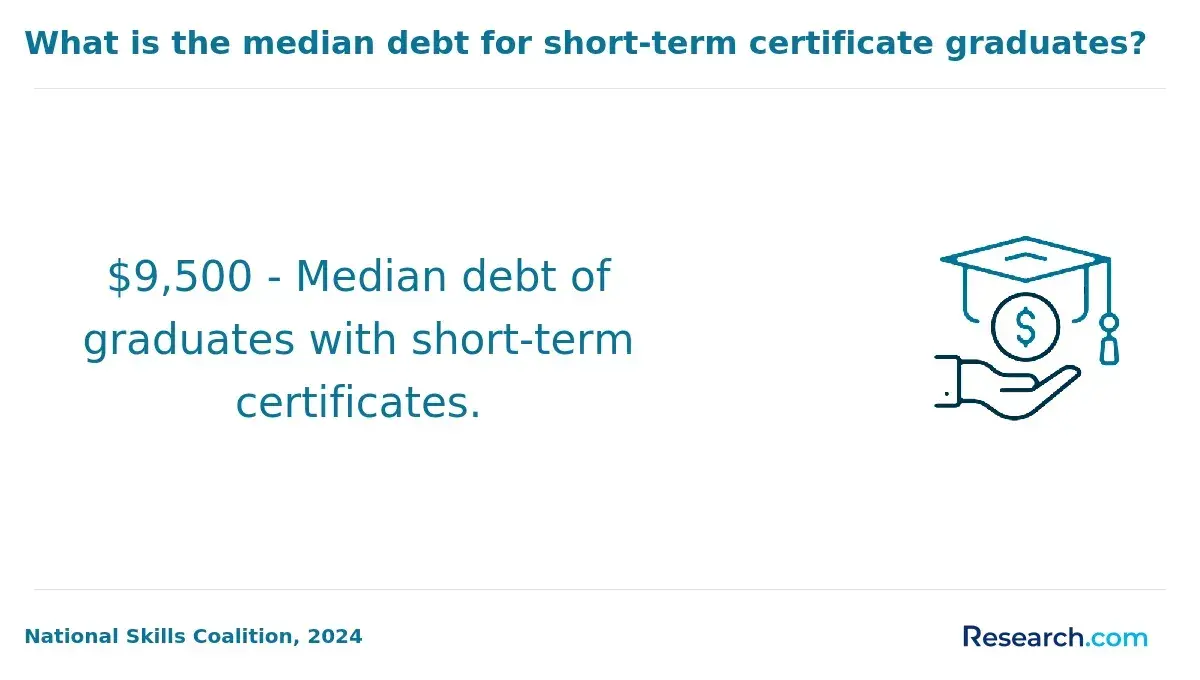
Tuition for a library media degree varies widely across states, driven largely by institutional type, residency rules, and state-level funding priorities. According to 2024 data from the National Center for Education Statistics, public graduate programs in library media fields charge in-state students anywhere from about $6,000 annually in states like Wyoming to over $20,000 in Massachusetts and New York.
This disparity reflects more than sticker price-it influences whether students can realistically attend without incurring excessive debt, especially since out-of-state tuition at public institutions often doubles or triples those rates, creating a significant financial hurdle for those willing or needing to relocate. Take California as an example: in-state tuition averages near $8,000, while out-of-state students face costs exceeding $25,000, illustrating how residency status can reshape affordability calculus.
Beyond tuition, students must weigh living expenses, which are notably higher in Northeastern states, adding layers of financial complexity that rarely appear in raw tuition figures. Meanwhile, financial aid distribution is uneven, with some states and universities offering more robust grant options that can substantially lower net costs for qualified candidates, making access to these funds a critical factor in picking a program and location.
These variations underscore the practical considerations for prospective students balancing educational goals against financial realities. The wide range of costs and support resources means that careful state-by-state comparison is essential for budget-conscious learners, particularly when weighing the trade-offs of relocating, relying on borrowing, or pursuing online alternatives. Ultimately, fiscal planning for a library media degree must integrate local economic conditions, institutional policies, and personal financing options to achieve a viable pathway without compromising long-term financial stability.
Why Does Library Media Affordability Vary So Much Between States?
Variations in state funding strategies heavily shape the affordability of library media degree programs, with states allocating more robust per-student support generally offering lower tuition for public colleges. For instance, a student in a state with strong higher education budgets might face substantially reduced resident tuition compared to those in states with leaner allocations, reflecting a direct policy tradeoff between state investment and individual cost burden.
Additionally, the mix of private versus public institutions offering library media education further complicates cost considerations; regions dominated by private providers typically see higher prices, limiting accessible options for budget-conscious learners. These affordability disparities influence enrollment behaviors, often prompting students to consider transferring or pursuing free application online colleges to bypass steep application costs and gatekeeping.
Cost-of-living differences also play a pivotal role, with states like California or New York charging more to compensate for higher operational expenses, including faculty salaries and essential program technology. In contrast, states with lower living costs tend to have more competitive pricing for library media degrees, tying affordability to local economic realities.
Demand fluctuations matter as well; while increased enrollment can spread fixed program costs, rapidly growing programs without adequate funding may drive tuition hikes. Examining regional differences in library media education costs reveals how these layered factors, including financial aid availability and residency policies, concretely affect a student's long-term educational planning and financial exposure.
How Do In-State and Out-of-State Tuition Rates Affect Library Media Affordability?
Residency-based tuition disparities significantly shape the financial calculus for students pursuing a library media degree, often dictating whether a program remains viable within a tight budget. Public institutions typically charge less than half for in-state tuition compared to out-of-state rates-2024 data from the National Center for Education Statistics notes averages of approximately $10,740 versus $27,560 annually.
This gap compels prospective students to weigh the costs of maintaining or establishing residency against transferring to a nearby state's program that may offer reciprocity or opting for online programs that standardize tuition regardless of location. Such decisions affect not only upfront tuition expenses but also living costs, eligibility for state grants, and the overall return on investment for their credential.
Students near state borders might find regional reciprocity agreements beneficial, though these are limited geographically and do not cover all institutions. Private colleges usually set flat tuition for all enrollees but present steep sticker prices that can eclipse public in-state costs, complicating the affordability comparison. For many balancing work and family, especially those in states with high non-resident premiums, in-state attendance emerges as a cost-containment strategy crucial for minimizing debt accumulation. Yet, some students accept out-of-state fees, hoping specialized programs or institutional reputations offset the initial financial burden, underscoring how tuition policy intricacies intertwine with long-term career and financial planning in library media education.
A recent library media graduate recalled applying to an out-of-state public university after relocating for family reasons, only to discover non-resident fees nearly tripled their budget. Despite an earnest attempt to qualify for residency status, the process stretched beyond their enrollment period, forcing them to absorb the higher costs.
This experience added unanticipated financial stress and influenced their choice to complete part of their coursework online, which seemed more affordable but left them uncertain about employer perceptions of online credentials versus traditional, in-state attendance. The situation highlighted how residency rules and tuition categories can unpredictably affect both academic pathways and fiscal planning for library media students.
How Does the Cost of Living Impact Overall Library Media Affordability by State?
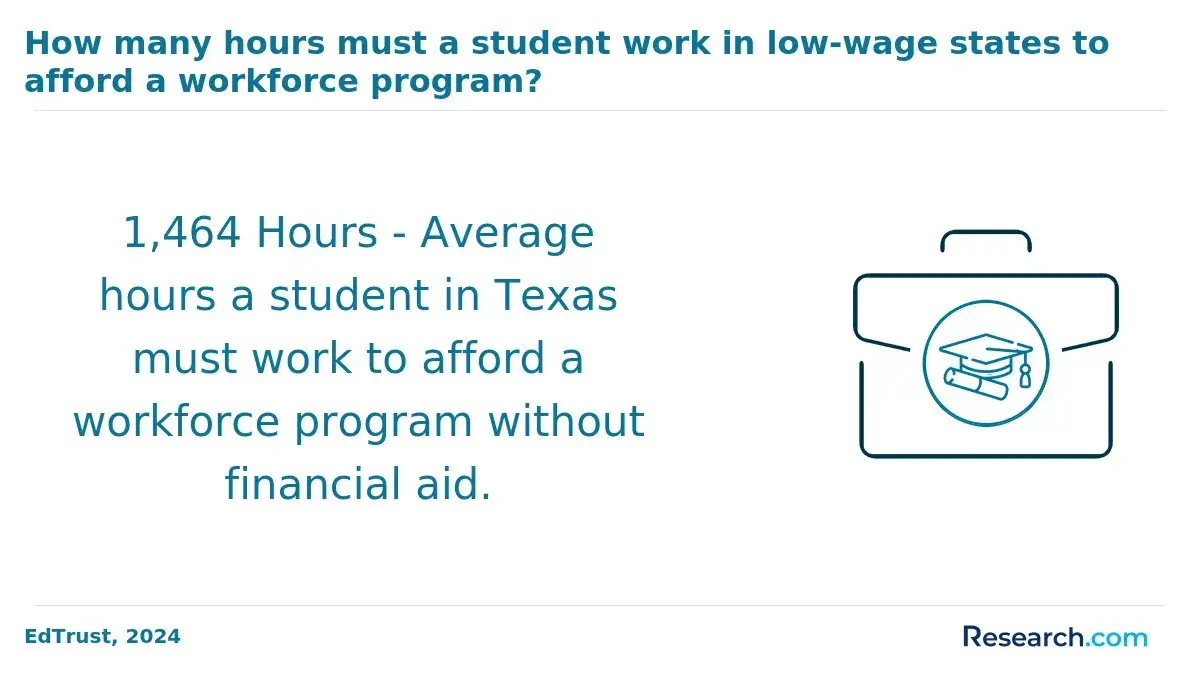
Variations in cost of living significantly reshape the financial demands students face when pursuing a library media degree by state, often outweighing differences in tuition. Housing expenses, which can represent over 40% of living costs, tend to be the decisive factor-high rents in states like California lead to a greater overall debt burden even if tuition is moderate, whereas more affordable Midwestern states allow tighter budgets but may require tradeoffs in transportation access and hours spent commuting.
For example, a student in New York may grapple with steep rental and transit costs that directly impact how much work they must juggle alongside studies, whereas an Ohio-based peer benefits from cheaper housing but must plan for added car expenses, influencing their time and financial flexibility. These disparities in regional living expenses affect library media affordability by state beyond simple price tags, shaping decisions about financial aid, enrollment, and whether to opt for in-person, hybrid, or fully online modalities.
Healthcare costs and everyday essentials add layers of complexity that can vary widely even within a state's urban and rural areas. Students weighing degree-completion strategies should also consider the long-term effects on loan amounts borrowed and working hours sustained during study, which influence academic focus and career preparedness. For those comparing options, exploring radiology tech online programs may offer insights into how alternative online healthcare pathways tackle such regional cost challenges differently.
Which States Offer the Best Value for a Library Media Degree?
Assessing the best value for a library media degree requires looking beyond simple tuition costs to include degree completion rates, financial aid structures, and local job markets. For example, states like Texas leverage in-state tuition policies and public funding to lower overall educational expenses while maintaining a completion rate near 65%, which is better than the national average. This suggests that students benefiting from residency-based tuition can reduce financial risk while accessing programs with proven outcomes. However, cost of living and available scholarships should also factor into decisions, as a cheaper tuition accompanied by high living expenses or limited aid may offset savings.
In contrast, while places such as Florida offer accessible pathways with flexible scheduling and a solid demand for library media professionals, North Carolina combines targeted graduate aid and employment opportunities that exceed $50,000 annually, presenting a strong return on investment for budget-conscious students. Conversely, states with prestigious but expensive institutions like California and New York pose tradeoffs where higher living costs and tuition might negate post-graduation salary premiums. Prospective students must weigh these complex regional differences to identify where pursuing a degree aligns realistically with their financial and career goals rather than defaulting to the lowest sticker price.
Ultimately, practical evaluation hinges on understanding how public versus private options, funding availability, and local economic conditions converge to influence total affordability and workforce integration. For many learners-especially those considering relocation or online options-recognizing the interplay between tuition policies, completion success, and job market demand is critical to maximizing the long-term value of a library media education in 2024 and beyond.
What Financial Aid and Scholarship Opportunities Can Reduce Library Media Costs?
Financial aid and scholarship opportunities significantly shape the actual cost of obtaining a library media degree, with federal programs like the Pell Grant being pivotal for many lower-income students. Despite uniform federal eligibility rules, states with higher tuition may still leave recipients facing notable expenses, underscoring the geographic inequities embedded in aid distribution.
Approximately 70% of undergraduates receive some form of financial aid, reflecting its substantial role in making programs accessible; however, students must navigate complex eligibility criteria, application deadlines, and renewal stipulations that can disrupt continuity and affect long-term affordability plans. State-specific grants and tuition reciprocity agreements further complicate the landscape, as residency requirements and program restrictions may limit who can benefit, while offering meaningful reductions where available.
Institutional scholarships and merit awards often depend on academic records or relevant experience but are unpredictable and subject to annual reassessment, adding uncertainty to financial planning. Employer tuition reimbursement, although less common in the library media field, can provide a valuable supplement for working students whose roles align with their studies. These layered sources of aid require strategic evaluation, particularly for budget-conscious learners comparing states and institutions, since the ability to stack benefits or shift to in-state rates through reciprocity can decisively influence the total cost burden and the subsequent debt load after graduation.
Are Online Library Media Degree Programs More Affordable Than On-Campus Options?
Cost differences between online and on-campus library media degree programs are often substantial but not uniform, underscoring the need for a nuanced cost comparison of on-campus versus online library media programs. Online tuition generally tends to be 15% to 30% lower, largely due to eliminated facility fees and scalable class sizes. Yet, this tuition advantage may be offset by residency requirements that restrict eligibility for in-state rates or mandate occasional campus visits, adding travel expenses.
Additionally, on-campus programs involve significant housing and commuting costs-often exceeding $10,000 annually-that online learners avoid, although technology fees for equipment and internet upgrades can offset some savings. Affordability also hinges on financial aid policies and student circumstances. Institutional scholarships often favor on-campus students, potentially narrowing the net cost gap. Furthermore, many online learners balance work and family, preserving income that offsets direct expenses, a vital factor often missing in raw tuition comparisons.
Prospective students evaluating library media degree affordability in the United States should weigh these variables carefully, particularly given variability across states and program structures. Decisions about where to enroll can materially affect both immediate costs and long-term financial outcomes depending on residency rules, aid access, and personal responsibilities.
The practical value of cost savings must be balanced with outcomes such as employer recognition of online credentials and access to support services. Those who contemplate online study should consider insights from comparative analyses like Capella vs WGU RN to BSN, which, while focused on nursing, illustrate the broader complexities of program selection across delivery modes. For library media students facing tight budgets or family commitments, weighing these tradeoffs can clarify which educational pathway best aligns with both financial constraints and career goals.
Is a Library Media Degree Worth the Cost Based on Career Outcomes and ROI?
Affordability and economic outcomes vary significantly for students pursuing a library media degree depending on state tuition rates, institutional type, and local job market conditions. States with well-funded public universities often provide lower tuition, reducing reliance on debt; by contrast, private institutions and out-of-state enrollment typically increase costs without guaranteeing higher salaries.
A prospective student in a high-cost state faces a tradeoff between immediate financial burden and potential salary gains-data from the National Center for Education Statistics indicate average education-related student debt now exceeds $30,000, underscoring the importance of assessing local salary differentials and employment rates before committing.
Career outcomes and salary potential for library media graduates in the US vary widely, with metropolitan areas and states investing in educational infrastructure often offering wages 10-15% above the national average. While job growth projections suggest steady demand, geographic mobility and graduation rates substantially affect return on investment.
Students should analyze completion rates and employer expectations for advanced certifications, or other specialized distance tracks, such as an online masters forensic psychology, recognizing that non-financial benefits such as community service and engagement with educational technology contribute to the value proposition but do not offset financial constraints. The opportunity cost of extended education or debt load merits careful weighing alongside regional market realities.
Careful comparison of tuition affordability and career pathways is essential, especially for budget-conscious learners balancing educational goals with financial risk. Ultimately, evaluating library media degree return on investment by state involves integrating debt trends, local employment data, and program quality to make an informed decision aligned with both short-term affordability and long-term career viability.
References
- Data on the Instructional Role of the Library Media Specialist—Are Schools Getting Their Money's Worth? https://schoollibraryconnection.com/content/article/2207479
- Most Affordable MLIS Programs Online, Updated for 2025 https://www.librarysciencedegrees.org/programs/online/most-affordable-mlis
- Costs of and benefits resulting from public library e-government services - The Journalist's Resource https://journalistsresource.org/economics/costs-benefits-public-library-e-government-services/
- LJ Textbook Affordability Survey: Costs Still a Concern, OER an Opportunity https://www.libraryjournal.com/story/lj-textbook-affordability-survey-costs-still-a-concern-oer-an-opportunity
- Does College Pay Off? A Comprehensive Return On Investment Analysis - FREOPP https://freopp.org/whitepapers/does-college-pay-off-a-comprehensive-return-on-investment-analysis/
- The College Affordability Gap: Insights and Impact on Families https://encoura.org/resources/wake-up-call/the-college-affordability-gap-insights-and-impact-on-families
- Salary Expectations and Career Growth in Library Science https://www.librariancertification.com/salary-expectations-and-career-growth-in-library-science/
- Library Media and Information Specialist Masters Online | Southern Arkansas University https://web.saumag.edu/lmis/
- In every corner of the country, the middle class struggles with affordability | Brookings https://www.brookings.edu/articles/in-every-corner-of-the-country-the-middle-class-struggles-with-affordability/
- College Affordability Still Out of Reach for Students with Lowest Incomes, Students of Color https://www.ihep.org/college-affordability-still-out-of-reach-for-students-with-lowest-incomes-students-of-color/
Other Things You Should Know About Library Media
Lower tuition in some states often coincides with programs that demand heavier workloads or condensed schedules, which can increase overall stress and extend time to completion. Students prioritizing affordability must consider whether they can realistically manage accelerated pacing or heavier credit loads without compromising learning depth. Opting for a moderately priced state with a balanced program timeline may lead to better mastery and fewer setbacks despite slightly higher initial costs.
States with lower affordability often have smaller or less-established library media networks, which can limit direct local employment opportunities and professional connections. This geography-driven resource gap may require students to relocate or invest more effort in virtual networking post-graduation. Prioritizing states with stronger library media communities, even at higher costs, may provide better career launch advantages and smoother transitions into employment.
Employer standards for library media credentials and experience can vary widely by state, impacting whether affordable programs meet local job requirements. In some states, cheaper programs may offer fewer practicum hours or lower accreditation standards, reducing graduates' competitiveness. Students should evaluate affordable programs critically, ensuring they align with employers' expectations in their target job markets rather than simply accepting lower sticker prices.
While tuition cost is a crucial factor, prioritizing reputation often yields better long-term career outcomes in library media. Programs with recognized expertise usually provide stronger practicum placements, updated curricula, and employer connections that translate to higher employability. Students facing financial limits might explore flexible payment plans or part-time study options at reputable in-state programs instead of opting for the cheapest available program, which may carry hidden costs or limited career impact.