2027 Library Media ROI by Institution Type: Public vs Private vs Nonprofit Online Programs

Co-Founder and Chief Data Scientist
Imagine a prospective library media student evaluating three online programs with comparable curricula but widely divergent outcomes. One public institution boasts a graduation rate surpassing 70%, while a private competitor struggles below 50%. Meanwhile, a nonprofit program offers moderate tuition yet correlates with lower average student debt.
According to a 2024 National Student Clearinghouse report, institutions with higher graduation rates tend to yield stronger long-term employment prospects, underscoring that surface similarities mask critical differences in institutional effectiveness and student success. These distinctions profoundly influence lifetime return on investment, especially amid growing concerns over student loan burdens. This article analyzes how public, private, and nonprofit online library media programs differ in ROI to guide more nuanced decision-making.
Key Things to Know About Library Media ROI by Institution Type
- Public institutions typically offer lower total costs but higher graduation variability, meaning working adults might face extended timelines affecting immediate ROI despite affordability advantages.
- Private online nonprofit programs often carry higher debt burdens, yet stronger institutional reputations can enhance employer recognition, benefiting graduates' career advancement in competitive information sectors.
- Graduation rates reported by the National Center for Education Statistics (2024) highlight nonprofit online learners' improved completion outcomes, reflecting the impact of dedicated learner support and flexible scheduling on ROI for transfer or nontraditional students.
- Key Things to Know About Library Media ROI by Institution Type Key Things to Know About Library Media ROI by Institution Type
- What Does ROI Mean for a Library Media Program and How Is It Measured? Understanding Library Media Program ROI
- How Do Public, Private, and Nonprofit Online Library Media Programs Differ in Overall Value? Value by Institution Type
- How Do Tuition Costs Affect the ROI of a Library Media Program Across Institution Types? Tuition Costs and ROI
- How Do Graduation Rates Influence Library Media Program ROI? Graduation Rates Impact ROI
- What Role Do Career Outcomes Play in the ROI of a Library Media Degree? Career Outcomes and ROI
- How Does Student Debt Impact the Long-Term ROI of a Library Media Program? Debt vs. Long-Term ROI
- How Do Flexibility and Adult Learner Support Affect Library Media Program Value? Flexibility and Program Value
- How Do Accreditation and Institutional Reputation Influence Library Media ROI? How Do Accreditation and Institutional Reputation Influence Library Media ROI?
- How Does Time-to-Degree Affect the ROI of Public, Private, and Nonprofit Library Media Programs? How Does Time-to-Degree Affect the ROI of Public, Private, and Nonprofit Library Media Programs?
- How Can You Choose the Best Library Media Program Based on Your ROI Goals? Choosing Programs by ROI
What Does ROI Mean for a Library Media Program and How Is It Measured?
ROI for a library media program should be assessed through the lens of educational and financial planning rather than simplistic cost comparisons. Students must weigh total educational costs-including tuition, fees, and student debt-against tangible outcomes like graduation rates and career prospects. For instance, public online programs may appeal with lower upfront costs, but their average completion rates near 45% and longer time-to-degree can increase overall opportunity costs.
In contrast, private nonprofit programs with higher tuition but a 60% graduation rate may offer better long-term value through enhanced learner support and potentially faster completion, which directly influence ROI calculations for various student circumstances. The calculation methods for library media program return on investment involve scrutinizing how differences in institutional reputation, program duration, and career outcomes align with individual goals.
A working professional balancing job and study might find accelerated pathways or personalized advising more valuable, even at a higher sticker price, than a cheaper but lengthier route. Student debt figures from the Education Data Initiative reveal an average debt of $25,000 for public online program graduates compared to $38,000 at private nonprofits, a gap that must be evaluated against expected employer recognition and salary potential to avoid an inflated debt burden.
Prospective students should also consider factors like how programs integrate employer partnerships or alumni networks, which influence long-term career growth beyond the starting salary alone. Because ROI in library media education reflects diverse student priorities, simple cost comparisons can obscure crucial tradeoffs. Those prioritizing affordability must recognize the risk of extended time to degree and potentially lower graduation rates, factors that elevate opportunity costs and delay workforce entry.
Alternatively, students focused on expedited credentialing and stronger professional networks might justify higher initial expenses, making ROI a nuanced calculus rather than a single metric. For adult learners seeking flexibility and streamlined progression, exploring options such as the easiest DNP program online can be illustrative of how program length and delivery format impact ROI beyond pure financial measures.
How Do Public, Private, and Nonprofit Online Library Media Programs Differ in Overall Value?
Public online library media programs often present a cost-effective pathway thanks to state funding and lower tuition, but these savings may come with tradeoffs in personalized student support and career advising. A 2024 National Center for Education Statistics report shows public graduates complete their programs on time at rates roughly 15% higher than private counterparts, suggesting stronger institutional efficiency and consistent accreditation standards valued by many employers.
In contrast, private nonprofit programs often deliver smaller cohorts and tailored guidance that can enhance learning but typically involve 25-30% higher debt levels, complicating return on investment especially for students sensitive to long-term financial burdens. Nonprofit programs targeting adult learners frequently balance flexibility and affordability while emphasizing career-aligned licensing preparation, with data from the Lumina Foundation indicating a 20% higher employment rate in library media fields within six months post-graduation compared to national averages-highlighting their appeal for working professionals prioritizing job relevance over institutional prestige.
These distinctions matter significantly depending on a student's financial constraints, professional goals, and learning preferences. While public options may suit those focused on affordability and timely credentialing, private nonprofits can appeal to those seeking more individualized support despite steeper debt risks. Nonprofit institutions specializing in adult education can offer stronger pipelines to employment but may require careful scrutiny of program quality and local employer recognition.
Given the uneven acceptance of online credentials across employment sectors, evaluating programs by graduation efficiency, student debt, and alignment with career licensing is essential for realistic outcome forecasting and sustainable educational investment. One graduate weighed her choices between a public university's lower tuition with less personalized advising, a well-known private nonprofit with reputed alumni networks but high debt, and a nonprofit adult-focused program offering flexible pacing and career services.
Concerned about long-term debt and uncertain if the private institution's name justified its cost, she ultimately chose the nonprofit program due to its stronger connections to local licensing requirements and quicker pathway to employment. Her experience underscored the importance of balancing upfront cost, support accessibility, and employer recognition when assessing overall value beyond surface-level rankings or tuition figures.
How Do Tuition Costs Affect the ROI of a Library Media Program Across Institution Types?
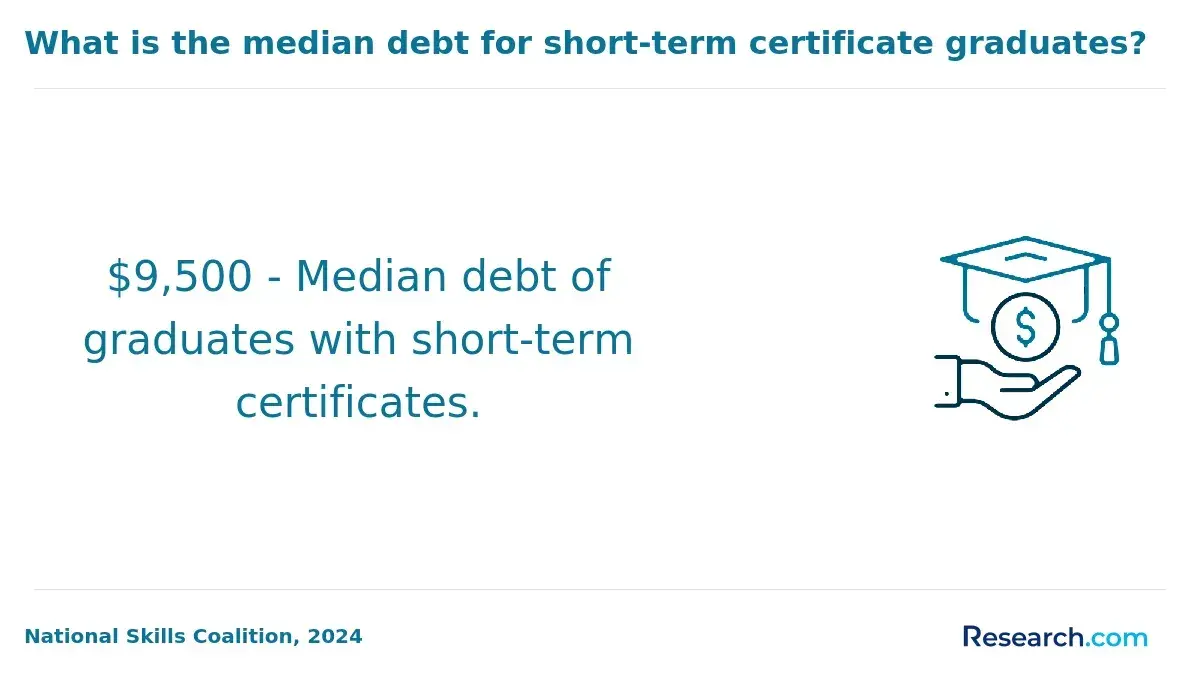
Tuition costs significantly shape the return on investment for library media programs, but the relationship is nuanced and varies by institution type. Public online programs generally offer lower net prices-often 30-40% less after financial aid according to 2024 National Center for Education Statistics data-which can reduce debt burdens and accelerate degree completion. However, lower tuition does not automatically guarantee better ROI, as students must consider factors like program quality, learner support, and time-to-degree, which directly influence employability and salary potential.
Private programs, despite higher sticker prices, sometimes provide enhanced academic resources, specialized faculty, and stronger career services that have been linked to completion rates 10-15% above public averages, according to recent Education Advisory Board research. For a working professional weighing options, investing in a private nonprofit library media program might translate into quicker job placement and higher earnings, justifying the upfront cost.
Nonprofit online programs, which often balance moderate tuition with flexibility and applied skill emphasis, may serve adult learners seeking to minimize time out of the workforce while aligning education with workforce demands, yielding a pragmatic ROI that depends heavily on individual circumstances. When comparing options, it is critical to assess net costs after aid, the likelihood of timely graduation, and post-graduation employment outcomes rather than relying solely on tuition sticker prices.
High tuition without strong completion or employment support can increase debt without improving career prospects, while lower-cost public or nonprofit programs with effective student services might offer superior long-term financial value. Ultimately, the ROI calculus requires context-specific tradeoffs between affordability, academic quality, and tangible career benefits.
How Do Graduation Rates Influence Library Media Program ROI?
Graduation rates offer a practical lens to assess the return on investment in online library media programs, but they do not alone dictate educational value. For instance, nonprofit programs tend to show roughly 6% higher completion rates within six years compared to for-profit institutions, reflecting stronger persistence and academic support systems.
However, public schools, which often serve more diverse and nontraditional learners-including part-time and transfer students-may report lower graduation rates yet deliver competitive ROI through lower tuition and robust resources tailored to these populations. Balancing time-to-degree with affordability and student support is critical in evaluating program outcomes beyond raw completion data.
While graduation rates impact on library media ROI by signaling program effectiveness and institutional commitment to student success, they are only one facet of long-term value. Programs with lower completion metrics often carry heavier debt burdens per graduate, undermining post-completion financial returns despite academic credentials. Cost-conscious students should weigh these factors alongside employer recognition and career access, since graduation rates influence institutional reputation but do not guarantee immediate workforce success.
This nuanced view helps differentiate programs that excel in managing persistence challenges and providing holistic support, crucial for many adult learners navigating complex schedules and commitments. Comparing online library media programs requires attention to completion statistics in context with affordability and service quality.
Those seeking more flexible entry criteria, such as some no entrance exam nursing schools or similar offerings, should consider how these tradeoffs affect persistence and debt. Integrating graduation rates with such practical considerations empowers prospective students to identify pathways aligned with their educational and financial goals, ensuring smarter, more informed investment decisions.
What Role Do Career Outcomes Play in the ROI of a Library Media Degree?
Career outcomes critically shape the ROI of library media degrees, as they determine how graduates leverage their credentials in an evolving job market where employment rates fluctuate by institution type. According to a 2024 report from the National Center for Education Statistics, public university alumni achieve roughly a 78% employment rate within six months of graduating, compared to notably lower rates of 72% and 70% among private and nonprofit online program completers.
These figures highlight how differences in employer networks and regional labor markets impact immediate job placement, which in turn affects graduates' ability to recoup tuition costs and manage debt. Choosing a program with strong local or institutional ties can translate into more reliable job prospects, whereas online programs with flexible formats might suffer from weaker industry engagement, influencing long-term career sustainability and mobility.
Beyond initial employment, the alignment of program curricula with employer demands-such as integrating internships, practical technology skills, and digital resource management-plays a pivotal role in enhancing a graduate's value and adaptability in a shifting professional landscape. Students weighing programs should consider how this practical experience compares against tuition expenses and time-to-degree, since programs lacking those employer-aligned elements may limit upward movement or necessitate supplemental training.
For career changers or adults balancing work and study, the tradeoff between convenience and the robustness of employer connections can influence whether the credential meaningfully advances their goals or primarily adds debt burden without proportional career gains. A graduate from a nonprofit online library media program recalled hesitating before enrolling because the career outcome data seemed less compelling than public school statistics.
After finishing the degree, they found initial job placement slower than expected, and the degree didn't guarantee internal promotions without extra effort on professional networking. Still, over two years, the practical skills acquired helped them transition to a hybrid librarian-technology role within their organization, which wasn't initially feasible. This firsthand experience underscored that while tuition and time investment raised concerns, the real test of ROI depended on ongoing career development and the degree's indirect benefits rather than immediate financial return alone.
How Does Student Debt Impact the Long-Term ROI of a Library Media Program?
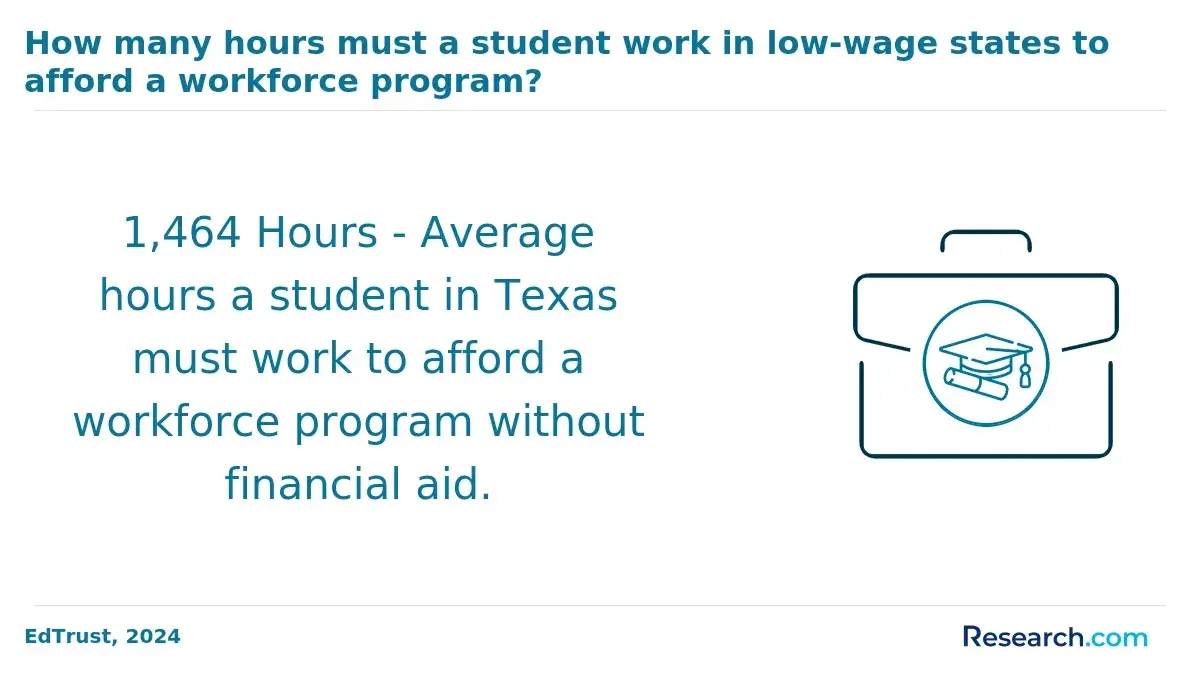
Student debt plays a decisive role in shaping the long-term return on investment for library media programs, particularly when debt levels vary significantly across public, private, and nonprofit online institutions. For example, students in private online programs face roughly 25% higher average debt than those in public counterparts, which can extend repayment timelines and reduce financial flexibility in the initial post-graduation years.
In practical terms, a learner taking on heavier debt without corresponding salary growth risks a prolonged repayment period that may limit opportunities for career shifts or additional education, especially in a field like library media where entry-level salaries tend to be moderate. This dynamic illustrates why the student debt impact on long-term library media program ROI cannot be separated from the nuanced tradeoffs between borrowing strategies, institutional costs, and program outcomes.
Comparing these financial commitments to graduation rates and default risks reveals further distinctions. Public online programs often provide lower tuition and more accessible financial aid, resulting in smaller debt burdens and better-managed repayment plans. Nonprofit institutions may fall between private and public models in cost but often offer more robust aid than private for-profits, which helps moderate debt levels and improve ROI potential.
Yet, graduates across these sectors typically face a repayment horizon close to a decade, reflecting the balance between educational value and debt management. Learners weighing these factors should consider not only the immediate costs but also employability trends, salary trajectories, and how closely program curricula align with employer expectations. This level of scrutiny is essential for understanding how student loan repayment affects library media education return on investment in real terms.
Decisions around borrowing must also factor in career advancement potential and flexibility afforded by various pathways. High debt loads demand strong engagement with market demand to realize upward mobility, whereas lower-cost options may fall short if graduation rates and financial aid are insufficient. For professionals exploring advanced degrees or career changes, insights gleaned from related fields, such as programs leading to a doctorate of healthcare administration, can offer relevant parallels in balancing debt and ROI considerations.
How Do Flexibility and Adult Learner Support Affect Library Media Program Value?
Program flexibility and targeted learner support directly shape the return on investment in library media programs by influencing persistence and time-to-degree, which in turn affect both direct and opportunity costs. Public institutions tend to prioritize asynchronous and hybrid delivery models, accommodating adults juggling employment and family, but often provide less personalized advising and career services. This tradeoff may extend completion times and increase cumulative expenses despite lower tuition, particularly for those requiring more academic scaffolding or credit transfer assistance.
In contrast, private and nonprofit providers frequently embed synchronous elements and robust advising that boost engagement and facilitate workforce alignment, though often at a higher sticker price. For example, military-affiliated students or working parents may benefit from nonprofits' specialized counseling and credit recovery support, enabling smoother progress and stronger employability outcomes. Data from the Lumina Foundation indicates structured advising increases six-year graduation likelihood by 25%, underscoring the tangible impact of support intensity on degree value beyond cost considerations.
Ultimately, evaluators must weigh how institutional models balance affordability with the depth of learner support and flexibility. Cost-sensitive students may accept a slower pace and fewer academic resources at public colleges, whereas those prioritizing career relevance and retention might find greater long-term value in private or nonprofit programs despite higher fees. Recognizing these operational distinctions helps adult learners make decisions that align with their personal circumstances, credit histories, and labor market goals rather than assuming uniform program equivalence across sector lines.
How Do Accreditation and Institutional Reputation Influence Library Media ROI?
Accreditation and institutional reputation significantly shape the ROI of online library media programs by affecting credit transferability, licensure eligibility, and graduate school acceptance-critical factors for long-term career advancement. For instance, a candidate with a regionally accredited degree is more likely to have their qualifications recognized by employers and licensing bodies, which directly impacts job prospects and salary potential.
The Council for Higher Education Accreditation (CHEA) reports that over 80% of employers prioritize applicants from accredited programs, emphasizing how accreditation serves as a baseline for assessing educational quality in this field. Institutional reputation correlates with employer recognition and network access but does not alone guarantee better employment outcomes or wages, especially where practical skills and certifications are weighted heavily.
Public institutions often offer well-accredited, affordable programs with strong student support and higher graduation rates, translating into lower debt burdens without sacrificing essential career credentials. Conversely, private or nonprofit institutions with prestigious reputations may charge premiums whose ROI depends on whether the student leverages the enhanced networking or specialized resources effectively. This tradeoff between cost, accreditation, reputation, and tangible outcomes underscores the importance of evaluating program fit and affordability alongside institutional standing to optimize long-term value in library media education.
How Does Time-to-Degree Affect the ROI of Public, Private, and Nonprofit Library Media Programs?
Extended time-to-degree in public library media programs typically increases total tuition costs and defers entry into the workforce, reducing the net return on investment. Many adult learners enroll part-time due to professional and personal obligations, which elongates completion timelines to around 4.5 to 5 years versus accelerated 3.5 to 4-year tracks often offered by private and nonprofit institutions. While these faster options can reduce debt accumulation and opportunity costs, they may also compress learning, potentially impacting mastery of complex skills crucial for employability in information management careers.
Transfer credit policies and program flexibility significantly affect how quickly students finish, directly shaping graduation timelines and outcomes. Private nonprofit programs generally report higher completion rates-around 65% within six years-compared to about 55% at public institutions, improving the likelihood of credential attainment and career progression. Decision-makers balancing work, family, and study must weigh affordability against these factors, recognizing that a shorter time-to-degree does not universally equate to better return.
Evaluating these tradeoffs is essential, especially given workforce realities such as varying DNP salary expectations and job market demands for library media professionals. Ultimately, comparing graduation timelines and ROI in online library media programs across institution types requires a nuanced understanding of how part-time versus full-time enrollment, accelerated pathways, and program rigor influence not only debt and tuition exposure but also career growth potential and long-term educational value. Students should analyze these operational dimensions carefully to optimize outcomes aligned with their unique circumstances and professional goals.
How Can You Choose the Best Library Media Program Based on Your ROI Goals?
The highest ROI in library media programs hinges on individual priorities rather than institution type alone. Public online programs typically offer lower tuition and more extensive state financial aid, leading to costs 30-50% below private institutions, which can be critical for cost-conscious learners balancing work and family obligations. However, public programs often have lower graduation rates-around 55% compared to 65-70% at many private and well-established nonprofit institutions-and federal data indicates students at private schools graduate with 20-40% higher average debt.
These financial and completion outcomes directly influence long-term ROI and must be weighed alongside personal circumstances. Employer preference frequently favors private and nonprofit institutions holding specialized library media accreditations, reflecting the importance of reputation and rigorous standards in hiring decisions. At the same time, many public programs excel in flexibility, offering cohort models, transfer-friendly credit policies, and accelerated degree pathways suited for working professionals seeking quicker workforce reintegration.
Those comparing the best online library media programs for career advancement should carefully consider how program structure, learner support, and accreditation align with their specific goals and timelines. Balancing debt burden, graduation likelihood, and employer perception is essential when evaluating competing educational investments in this sector. Prospective students with affordability as a priority might explore options such as a doctorate in counseling online to understand related program cost structures and outcomes.
References
- FEATURE: Accreditation, ROI, and the Online Academic Library https://www.infotoday.com/cilmag/nov11/stielow.shtml
- The Economics of Accreditation: Costs, Benefits, ROI - Course Accreditation https://course-accreditation.com/blog/the-economics-of-accreditation-costs-benefits-roi/
- Is Grad School Worth It? A Comprehensive Return on Investment Analysis - FREOPP https://freopp.org/whitepapers/is-grad-school-worth-it-a-comprehensive-return-on-investment-analysis/
- Implementation of a Flexible Learning Study Program in a Blended Learning Design: Perceptions of Students, Lecturers, and Employers | European Journal of Open, Distance and E-Learning https://eurodljournal.com/articles/10.65043/eurodl.155
- View of Building Evidence of the Value and Impact of Library and Information Services: Methods, Metrics and ROI https://journals.library.ualberta.ca/eblip/index.php/EBLIP/article/view/19527/15262
- Understanding the Master of Library Science (MLS) Degree https://www.librariancertification.com/understanding-the-master-of-library-science-mls-degree/
- How Student Loan Debt Impacts Your College ROI https://www.lendkey.com/blog/student-loans/how-student-loan-debt-impacts-your-college-roi/
- Library Media Specialist vs. Librarian: Career Roles https://online.uwa.edu/news/library-media-specialist-vs-librarian-career/
- The Long-Term Effects of Student Loans | ACE Blog https://ace.edu/blog/the-long-term-effects-of-student-loans/
- Institutional Accreditation and the Academic Library - A Strategy for Engagement and Representation https://www.everylibraryinstitute.org/institutional_accreditation_academic_library_report
Other Things You Should Know About Library Media
Private programs often emphasize specialized or theory-driven coursework, which can deepen conceptual understanding but may offer fewer hands-on practicums than public programs. Public online programs tend to integrate applied learning components like internships or collaborative projects more explicitly, which better prepare students for day-to-day challenges in school media centers. Choosing a private program might mean supplementing education with external field experience to build practical skills employers expect.
Nonprofit programs frequently offer more flexible pacing and modular course designs to accommodate working adults, but this can come with a tradeoff of less synchronous instructor interaction. If you need strong real-time mentorship or peer networking, public programs sometimes provide more structured schedules and cohort models. Prioritizing nonprofits for flexibility requires being proactive about seeking engagement to avoid gaps in learning support.
Employers in education often recognize degrees from public institutions as having standardized training aligned with state and district requirements, which can ease credential evaluations. Private online degrees may vary more in rigor or focus, potentially requiring graduates to demonstrate competencies through experience or certification exams. For those targeting public school districts or state-aligned roles, public programs may offer a clearer pathway to employment, while private options might suit niche or specialized media work.
While reputation matters in stressing credibility, program structure-including course delivery, practicum options, and alignment with certification standards-has a more direct impact on job readiness and earning potential. A highly reputable program with rigid, less applied curricula may yield lower immediate ROI versus a less-known but well-structured public or nonprofit program offering robust experiential learning. Choosing a program should focus first on how well it equips you with the skills and certifications demanded in your target job market.