2027 Innovation Degree Oversupply or Undersupply? Student Volume vs Employer Demand

Co-Founder and Chief Data Scientist
A prospective student weighing a degree in innovation faces a complex labor market where nearly 30,000 graduates entered U. S. programs in 2023, yet only about 22,000 related job openings were reported statewide last year. This mismatch signals potential oversupply, pressuring salaries and elevating underemployment risks.
Regional hiring disparities further complicate decisions; innovation roles cluster in tech hubs, making local markets particularly competitive or limited.
Employers increasingly seek specialized skills beyond general innovation knowledge, widening the gap between graduate preparation and actual demands. This article analyzes innovation student volume against employer demand, job growth, industry needs, regional trends, and skill gaps to clarify the field's sustainable prospects or rising competition.
Key Things to Know About Innovation Graduate Supply and Employer Demand
- Innovation graduate completions grew 12% since 2022, outpacing entry-level job openings' 5% growth, suggesting increased competition and necessitating stronger specialization to stand out.
- Employer surveys reveal demand is concentrated in technology-driven sectors, so graduates with sector-specific skills face less hiring friction, highlighting the risk of credential mismatch in broader innovation roles.
- The rising cost and time investment for innovation programs discourage mid-career entrants, intensifying supply timing mismatches and potentially limiting diverse experiential backgrounds employers increasingly value.
- Key Things to Know About Innovation Graduate Supply and Employer Demand Key Things to Know About Innovation Graduate Supply and Employer Demand
- Is There an Oversupply or Undersupply of Innovation Graduates? Graduate Oversupply or Shortage
- How is Innovation Degree Enrollment Changing? Degree Enrollment Trends
- How Many Innovation Graduates Enter the Workforce Each Year? Annual Graduate Workforce Entry
- Does Job Growth Support the Rising Supply of Innovation Graduates? Job Growth Versus Supply
- How Competitive is the Entry-Level Market for Innovation Graduates? Entry-Level Market Competition
- Which Industries Have the Greatest Demand for Innovation Graduates? Top Hiring Industries
- Where are Innovation Graduates Most in Demand? Top Geographic Demand
- Which Innovation Specializations and Degree Levels Face the Strongest Demand? Which Innovation Specializations and Degree Levels Face the Strongest Demand?
- Are Employer Skill Gaps Affecting Demand for Innovation Graduates? Are Employer Skill Gaps Affecting Demand for Innovation Graduates?
- What is the Future Supply-and-Demand Outlook for Innovation Graduates? Future Supply-Demand Outlook
Is There an Oversupply or Undersupply of Innovation Graduates?
Despite perceptions of oversupply in some innovation graduate pools, supply broadly matches employer demand when viewed through the lens of job openings and industry growth trends. Labor data reveal that while overall vacancies in innovation-related roles expand at about 5% annually, demand is highly uneven across specializations and regions.
For instance, candidates with digital innovation and technology integration skills find less competition and stronger hiring prospects in established tech hubs, whereas traditional innovation graduates without these complementary competencies often face saturated markets and elevated competition, particularly at entry-level positions.
This imbalance means that a straightforward measure of graduates to job openings obscures nuanced spatial and skill-based mismatches influencing workforce dynamics.
The student volume producing innovation graduates can create localized oversupply where educational institutions churn out degree holders disconnected from regional employer capacity or evolving skill requirements. Employers increasingly prioritize hybrid expertise-blending innovation with data analytics, AI familiarity, and design thinking-that narrows the effective candidate pool despite nominal graduate counts.
States aggressively fostering innovation ecosystems tend to experience undersupply, pressing employers to recruit beyond geographic boundaries or invest in upskilling internal talent to fill strategic and leadership roles often held by master's and doctoral-level graduates.
Prospective students should weigh these labor market signals carefully, especially as credential inflation and rising experience expectations complicate the simplistic notion that more graduates uniformly ease workforce shortages or dampen competition.
Considering the mixed signals, those evaluating whether an innovation degree aligns with workforce demand must look beyond headcounts to specialization, regional market density, and emerging employer skill demands. The challenge resembles that of complex fields where enrollment growth and changing occupational needs distort a direct graduate-to-job comparison.
For individuals seeking guidance on viable pathways, examining targeted skill acquisition-including credentials from programs identified as the easiest degree to get online-alongside regional hiring trends offers a more actionable strategy than relying on aggregate supply data alone.
How is Innovation Degree Enrollment Changing?
Enrollment in innovation-related graduate programs is growing steadily, especially at the master's and professional certification levels, driven by heightened interest in interdisciplinary skill sets that combine technology and entrepreneurship. This growth is accompanied by a significant rise in online participation, with about 40% of innovation graduate students now engaged in some remote coursework as of 2023, according to the National Center for Education Statistics.
While increased online accessibility expands opportunities for working professionals, it also raises concerns about the consistency of program quality and how employers evaluate these credentials.
Regional disparities further complicate the picture: some areas face an oversaturation of graduates competing for limited entry-level innovation roles, whereas others experience shortages, meaning national enrollment figures can be misleading when assessing local job market conditions.
The shift toward advanced specialization suggests a more selective supply of innovation graduates better aligned with employer demands for specific expertise, but undergraduate programs lag behind in growth, restricting the pipeline for foundational innovation roles.
Demographic diversification, with more women and underrepresented minorities entering these programs, may enrich the innovation workforce but simultaneously demands enhanced institutional support to ensure equitable outcomes and retention.
Misinterpreting enrollment trends-such as assuming rising graduate numbers guarantee better job prospects-can lead to unrealistic expectations, particularly in saturated sectors or regions with fewer opportunities. For prospective students and career advisors, understanding how delivery format, credential level, and geography interact to affect employment competitiveness is critical for making informed education decisions.
One innovation graduate shared that while the program's cohort size increased noticeably over recent years, especially through online classes, this raised mixed emotions. The larger, more diverse group signaled greater access and networking potential, but also stoked uncertainty about whether the expanding pool of graduates would intensify job competition after completion.
Course availability improved with new online sections, yet some core offerings became more competitive, reflecting the institution's response to demand without necessarily easing the crowded job market worries. This graduate remains cautiously optimistic but acknowledges that interpreting enrollment growth demands close attention to both market signals and personal career goals.
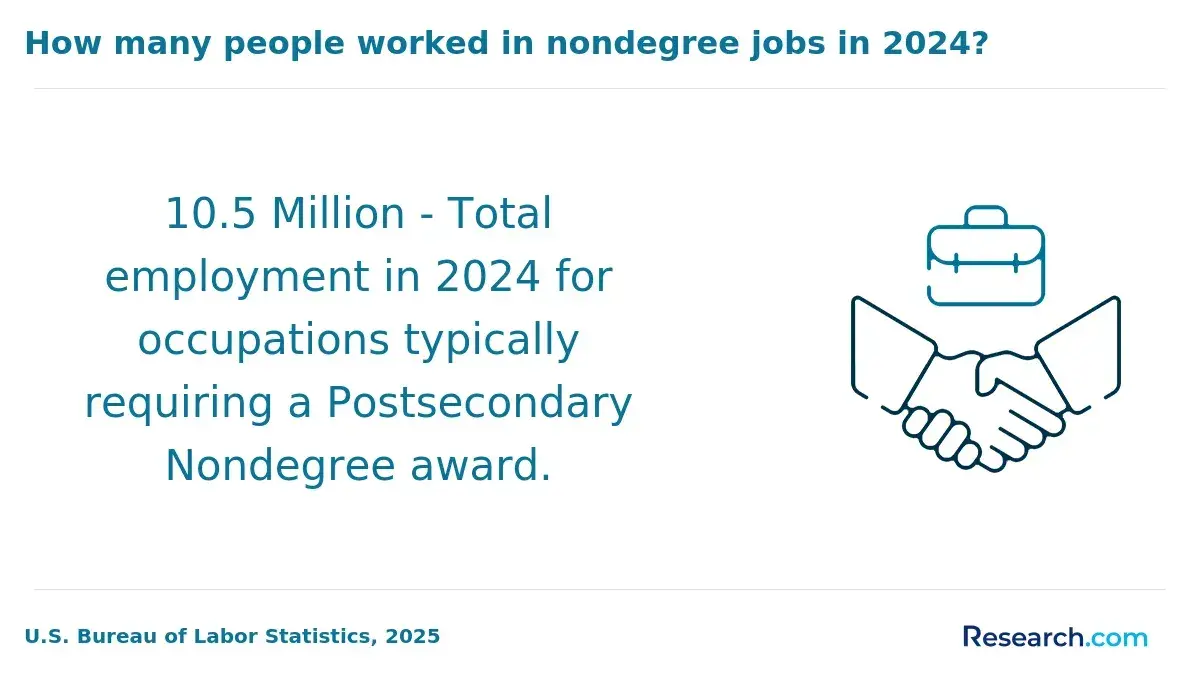
How Many Innovation Graduates Enter the Workforce Each Year?
The volume of innovation graduates entering the workforce annually offers an incomplete metric for assessing labor market balance, as underlying factors such as degree specialization, career choices, and timing significantly affect supply-demand dynamics.
Data from the National Center for Education Statistics and IPEDS reveal roughly 15,000 to 20,000 graduates with innovation-related credentials-ranging from entrepreneurship to design thinking-though this count blends undergraduate and graduate levels, as well as online and on-campus enrollments.
Crucially, many graduates delay workforce entry due to continued education or opt for positions outside strictly defined innovation roles, meaning actual competition for innovation-specific jobs occurs at a lower rate than degree completion figures suggest.
Employer demand often centers on candidates demonstrating practical experience alongside formal education, which filters the pool further and complicates simplistic supply comparisons. Regional variations in hiring, job replacement cycles, and the prevalence of informal or startup engagements further fragment workforce entry patterns and skill alignment.
For example, while a hiring manager in a tech hub may attract numerous candidates with innovation degrees, only a subset will fit the immediate needs for cross-functional expertise, applied project outcomes, and entrepreneurial initiative.
This complexity indicates that annual graduation numbers should be interpreted with caution; overestimating graduate availability can mislead talent acquisition strategies, while underestimating practical barriers to employment risks overlooking potential talent gaps in emergent or niche innovation sectors.
Does Job Growth Support the Rising Supply of Innovation Graduates?
Though data from the U.S. Bureau of Labor Statistics projects steady job growth in innovation-related sectors over the next decade, this increase may not fully absorb the surge in innovation degree holders. With graduation rates climbing about 15% annually according to the National Center for Education Statistics, the widening gap between job openings and new entrants intensifies competition-particularly at the entry and mid-tier levels where experience and specialized skills often trump academic credentials.
Graduates without focused expertise or geographic flexibility may face prolonged underemployment despite overall sector expansion, illustrating that volume alone does not guarantee favorable employment outcomes.
Regional demand for innovation degree holders varies considerably, with highly concentrated tech hubs offering more abundant opportunities that better match graduate skills. Conversely, less specialized markets experience weaker absorption, requiring applicants to pursue additional credentials or interdisciplinary experience to stand out.
Replacement demand due to retirements and turnover does create openings beyond net growth, but employers increasingly prioritize candidates who demonstrate practical experience alongside degrees. For individuals weighing their options, exploring fields such as online clinical mental health counseling through specialized paths might offer more predictable prospects in regions facing measurable shortages.
How Competitive is the Entry-Level Market for Innovation Graduates?
The entry-level market for innovation graduates in 2024 reveals a nuanced landscape where graduate supply grows faster than clearly defined job openings. Data from the U.S. Bureau of Labor Statistics and LinkedIn suggests that while innovation-related postings have increased, the pace lags behind the rising number of graduates, producing strong competition with 30 to 40 applicants per position in many listings.
Employers often prioritize candidates with hands-on experience, which many recent graduates lack, intensifying challenges in job acquisition. These conditions create an uneven market shaped by multiple intersecting factors influencing hiring outcomes.
The following points outline the predominant influences shaping competition for entry-level innovation roles:
- Applicant Volume Growth: The increasing number of innovation graduates outpaces specific entry-level roles listed, leading to crowded applicant pools. Graduates should assess whether job postings align with their specialized skill sets to avoid broad, highly competitive searches.
- Experience Expectations: Approximately 65% of entry-level roles now demand prior related experience. Candidates without internships or applied projects are at a disadvantage, underscoring the importance of practical exposure during education.
- Hybrid Skill Demand: Employers favor innovation candidates with complementary skills such as data analytics, product management, or entrepreneurship. Graduates lacking interdisciplinary expertise may face narrower opportunities.
- Role Ambiguity: Innovation jobs often reside within broader job titles, complicating direct application strategies. Job seekers must be vigilant in identifying relevant positions beyond standard innovation labels.
- Geographic Variation: Urban tech hubs feature higher job availability but also denser competition, while smaller markets have fewer openings overall. Location choices significantly affect hiring prospects.
- Sector-Specific Demand: Demand varies widely by industry, with some sectors like healthcare and manufacturing integrating innovation roles more rapidly, creating uneven employment landscapes.
- Competitive Remote Hiring: The rise of remote work expands applicant pools beyond local markets, further intensifying competition for certain innovation positions.
A recent innovation graduate recounted extensively applying to listings in a major tech hub, only to encounter repeated experience prerequisites despite entry-level labels. After several interviews where practical project experience was a decisive factor for employers, the graduate shifted focus to mid-sized cities where demand was less saturated and pursued roles combining innovation with product management tasks.
This strategic adjustment yielded more interview opportunities and gradual hiring success, illustrating how aligning specialization and geography can mitigate fierce competition in oversupplied job markets.
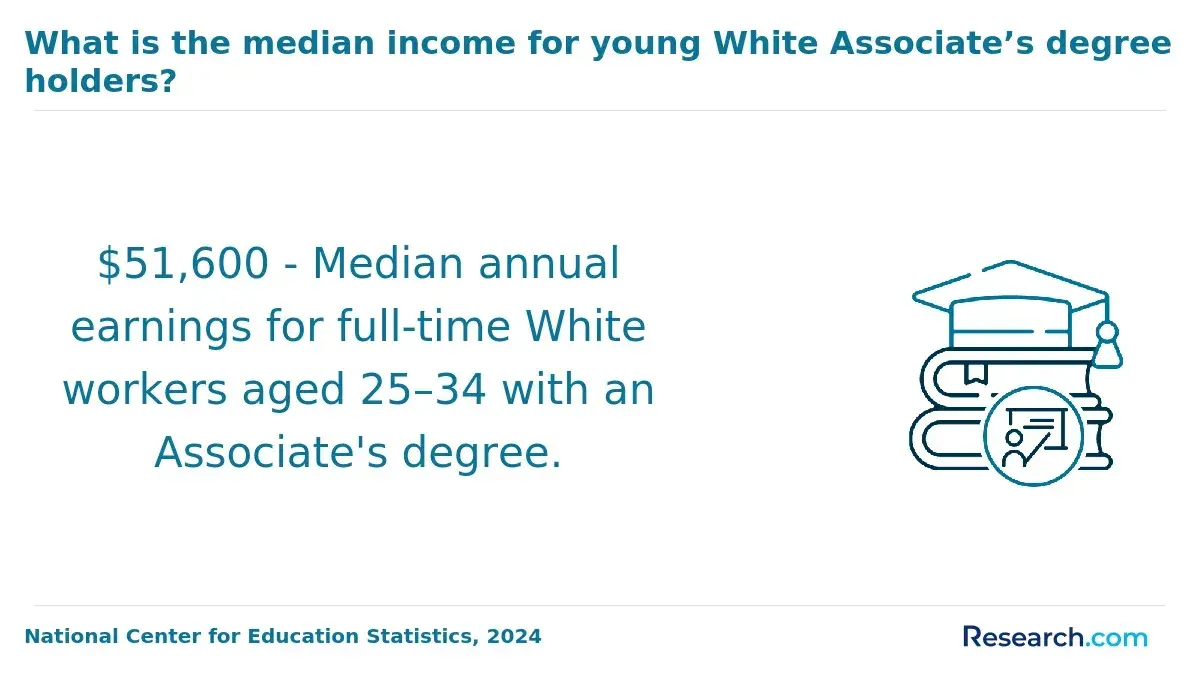
Which Industries Have the Greatest Demand for Innovation Graduates?
Employer demand for innovation graduates in the US concentrates within technology-driven and knowledge-intensive industries due to their rapid evolution and reliance on fresh skills. Graduates assessing job availability must weigh not only volume but also competitive intensity and specialized skill requirements, all of which vary by sector.
For example, a graduate might find comparatively high job postings in the tech sector but face stiff competition for roles emphasizing artificial intelligence and digital product management. Conversely, healthcare presents moderate volume but strong demand for innovation expertise connected to digital health technologies and personalized medicine.
Below is an analytical breakdown of industries showing the strongest hiring interest for innovation degree holders nationwide:
- Technology Sector: This sector leads demand, fueled by ongoing advancements in artificial intelligence, software development, and digital transformation projects. Entry roles often focus on product innovation and design thinking, with senior positions requiring expertise in managing agile innovation portfolios and complex technical solutions.
- Healthcare Industry: With the expansion of telemedicine and health tech, innovation graduates are sought for roles blending R&D and innovation management. Employers emphasize credentials combining scientific rigor with practical skills to implement cutting-edge digital health solutions.
- Advanced Manufacturing: Industry 4.0 investment drives demand for innovation graduates capable of integrating IoT and automation with sustainable practices. This sector often values candidates with cross-disciplinary skills in engineering and innovation strategy.
- Financial Services: Fintech and traditional banking increasingly rely on innovation degrees to accelerate product development and enhance customer experience. Critical competencies include agile product management and strong analytics.
- Selective Public Sector and Retail: These industries typically show lower demand due to slower technology adoption, especially outside e-commerce. Innovation roles here often require navigating bureaucratic constraints alongside modernization efforts.
Understanding the dynamics of innovation graduate job demand by industry in the US can guide informed educational and career decisions. For those considering specialized fields, such as digital health, resources like online clinical mental health counseling programs may offer complementary pathways in emerging interdisciplinary roles.
Where are Innovation Graduates Most in Demand?
National employment data for innovation graduates often masks substantial regional disparities that critically shape career prospects. Areas with concentrated technology firms, venture capital, and research institutions, such as the San Francisco Bay Area or Boston, generate intense demand, but these markets also feature high living costs and steep applicant competition.
Graduates relocating to these hubs may gain access to a broader range of roles in innovation management and product development, yet they must weigh wage premiums against housing affordability and workplace saturation. Conversely, large metros like Dallas or Austin offer growing opportunities with comparatively lower living expenses, though these markets may favor specialized skills aligned with local industry profiles, such as manufacturing innovations or fintech.
Employers in innovation-heavy sectors are increasingly challenged by talent shortages, especially in metropolitan clusters where digital transformation and sustainable production are priorities. However, this undersupply is uneven and heavily influenced by regional education pipelines and sectoral diversity, making some areas more accessible for graduates than others.
For instance, innovation professionals pursuing roles in healthcare or consulting will find markedly different demand dynamics than those targeting purely tech-driven ecosystems. Additionally, remote work's expanding role alters traditional geographic constraints but often still privileges candidates with experience from recognized innovation centers, thereby affecting who benefits most from these opportunities.
For students and degree holders, navigating these complexities means prioritizing realistic assessments beyond aggregate job counts-considering employer density, local credential expectations, and cost-of-living tradeoffs is critical. Graduates anchored in saturated or oversupplied markets risk slower employment growth despite numerous postings, whereas targeted geographic mobility to innovation clusters with structural labor deficits can yield more consistent hiring prospects.
Data from the U.S. Bureau of Labor Statistics and Lightcast in 2024 indicates the fastest growth in innovation roles remains concentrated in select urban areas, underscoring the importance of strategic location choices aligned with individual specializations and life circumstances.
Which Innovation Specializations and Degree Levels Face the Strongest Demand?
Labor market evidence from 2024 reveals that demand for innovation specializations is unevenly spread, with employer interest strongly concentrated in specific technical and strategic niches rather than broadly across all innovation credentials.
Employers increasingly prioritize candidates who combine hands-on technical know-how with advanced business and strategic skills. For example, a master's degree graduate focused on technology management typically finds more robust job prospects than a bachelor's holder with a generic innovation degree, who often faces heightened competition and must augment their profile with relevant experience or certifications.
Several distinct specialization and degree-level combinations consistently attract stronger hiring attention. These reflect industry needs for managing digital disruption, agile product lifecycles, and complex technology ecosystems. Here are key areas demonstrating the highest employer demand:
- Technology Management Master's: Leaders skilled in overseeing emerging technologies and digital transformation programs are highly sought after in sectors embracing rapid innovation. These roles demand both strategic insights and technical fluency, including experience with scalable tech implementation.
- Product Development Specialization: Professionals who integrate user-centered design principles with market strategy gain traction as innovation managers or product strategists. Hiring in software, manufacturing, and consumer goods reflects a premium on this combination.
- Digital Transformation Focus: Candidates adept at driving organizational change through digital tools and methods occupy growing roles across industries, requiring expertise in data analytics, process reengineering, and cross-functional collaboration.
- Innovation Strategy MBA Concentrations: MBAs featuring innovation or technology management tracks report particularly strong employer resonance, especially in consulting and corporate innovation labs where interdisciplinary leadership is critical.
- Doctoral Degrees for Research and Policy: Though less common, PhDs fit niche roles requiring deep analytical rigor, such as shaping innovation ecosystems within academic, governmental, or high-tech research sectors.
Data from the U.S. Bureau of Labor Statistics and LinkedIn Workforce Insights supports these observations, showing a majority of innovation-related postings call for advanced degrees coupled with dual technical and managerial competencies. This reflects employer emphasis on candidates who not only understand innovative technologies but also can apply strategic frameworks to generate market value.
Are Employer Skill Gaps Affecting Demand for Innovation Graduates?
Employer skill gaps reflect a distinction between an overall shortage of innovation graduates and a shortage of candidates with the targeted competencies required by employers. Many hiring managers prioritize applied experience, digital proficiency, and certification-backed skills, often bypassing candidates who hold broad innovation degrees but lack practical training or alignment with industry needs.
For example, a tech firm in Silicon Valley may reject applicants with theoretical backgrounds yet insufficient project portfolios or familiarity with agile management tools, forcing the company to either invest in upskilling or delay critical roles. This scenario underscores the complexity beneath regional employer demand for innovation degree holders, where volume alone does not guarantee employability.
Reservation about credential mismatches and soft skill deficiencies leads to persistent vacancies even in fields reporting innovation graduate undersupply. Employers often expect hybrid capabilities combining data analytics, strategic collaboration, and continuous professional growth beyond initial degrees, which multiplies competition for well-prepared candidates.
Graduates focused narrowly on theory without internships, certifications, or digital literacy face challenges despite an apparent labor shortage. For prospective students and current degree holders, carefully selecting programs with hands-on projects and industry partnerships is crucial. Similarly, those in specialized fields like clinical psychology masters programs online can draw parallels about the importance of tailored skills and credentials in improving market alignment.
In sum, the employer demand for innovation graduates is neither a simple case of oversupply nor undersupply but a nuanced market shaped by skill, experience, and regional variation. This dynamic creates pockets of intense competition or unmet needs depending on sector-specific qualifications and project readiness.
Understanding the granular employer expectations can help educators tailor curricula and students prioritize targeted skill development, ensuring innovation graduates remain relevant amid evolving workforce demands.
What is the Future Supply-and-Demand Outlook for Innovation Graduates?
Targeted job searches generally outperform high-volume, unfocused applications because they align graduate qualifications more closely with employer needs in specific roles and industries. For example, an innovation degree holder focusing on clean energy startups in regions with strong digital transformation initiatives will likely see better results than scattering applications broadly across unrelated sectors.
Prioritizing positions with clearly defined entry-level titles, tailoring resumes to reflect employer language, and showcasing relevant project experience can substantially improve the likelihood of progressing to interviews.
Many employers emphasize practical skills, so candidates who demonstrate problem-solving abilities and industry-specific knowledge, supported by internships or portfolio work, often convert interest into job offers more effectively.
Graduates need to allocate effort based on geographic and sector demand, acknowledging that some traditional industries or smaller markets experience oversupply of innovation graduates, limiting job openings. Aligning application timing, conducting deep market research, and selectively networking within targeted fields strengthens employment prospects, reflecting recent analyses from sources like the U.S. Bureau of Labor Statistics and Lightcast.
Despite a steady increase in innovation graduate numbers, the future hiring trends for innovation degree holders remain selective, favoring those who exhibit readiness through specialized skills and experience rather than generic credentials. Less focused approaches risk prolonged unemployment or underemployment, reinforcing the importance of strategic job searches that match qualifications closely with employer expectations.
Prospective students considering related pathways might also explore options such as an online associates in criminal justice to compare how demand varies across professional fields and ensure career decisions are informed by practical labor market realities.
References
- Innovating the Higher Ed Business Model | The Change Leader https://changinghighered.com/innovating-the-higher-ed-business-model/
- Calling all parties: Oversupply of graduates might hinder economic growth - AIESEC | Blog https://blog.aiesec.org/oversupply-graduates-might-hinder-economic-growth/
- Understanding Industry Needs: Key Skills Employers Look for in Graduates — HE Professional https://heprofessional.co.uk/edition/understanding-industry-needs-key-skills-employers-look-for-in-graduates-release
- Top Degrees in Demand for the Future: 2026 & Beyond https://skillifysolutions.com/blogs/career-growth/top-degrees-in-demand-for-the-future/
- AI’s Impact on Job Growth | J.P. Morgan Global Research https://www.jpmorgan.com/insights/global-research/artificial-intelligence/ai-impact-job-growth
- Is there an oversupply of university graduates? - VDC https://vdc.edu.au/vdc-news/is-there-an-oversupply-of-university-graduates/
- AI and Innovation Fuel Optimistic Outlook for the Global Economy: A Bright Future for Business Education https://www.swissuniversity.com/post/ai-and-innovation-fuel-optimistic-outlook-for-the-global-economy-a-bright-future-for-business-educa
- Innovation Creates Jobs but Can Increase Inequality https://www.kielinstitut.de/publications/news/innovation-creates-jobs-but-can-increase-inequality/
- What Shortages? The Real Evidence About the STEM Workforce https://issues.org/what-shortages-the-real-evidence-about-the-stem-workforce/
- AI-Proof College Majors: 10 Highest-Paying Degrees (2026) | Extern https://www.extern.com/post/best-paying-ai-proof-majors-us-2025
Other Things You Should Know About Innovation
Students pursuing an innovation degree face a crucial tradeoff between acquiring deep expertise in emerging technologies or methodologies and cultivating broad skills that bridge multiple domains. Employers often value candidates who can translate interdisciplinary insights into actionable solutions, but the risk lies in being too generalized and less competitive on technical rigor. Prioritizing programs that integrate hands-on projects with exposure to adjacent fields typically yields stronger employability, particularly in roles requiring both creativity and execution capacity.
Innovation degrees often demand significant project-based coursework, collaboration, and iteration, which can strain students' time management and stress levels. However, this intensive workload closely mirrors real-world innovation cycles, providing practical experience that employers expect. Students should assess program intensity honestly, as those who can navigate this rigour are better prepared for the fast-paced, problem-solving nature of innovation roles, while lighter programs may leave graduates underprepared for workplace demands.
In many sectors, formal innovation degrees alone are insufficient without demonstrable skills such as prototyping, user research, or agile development. Employers increasingly prioritize candidates who supplement their degree with internships, portfolios, or continuing skills development. Therefore, students should view their degree as a foundation rather than a guarantee and proactively seek experiential learning opportunities to align with employer expectations and reduce disparities between theoretical knowledge and applied performance.
Choosing between established programs and newer niche-focused curricula involves weighing reputation and network benefits versus specialized knowledge and agility. Established programs generally offer broader alumni networks and recognized credentials that facilitate entry into large firms, while niche programs may better serve students targeting cutting-edge or highly specialized innovation roles. Prospective students should align their choice with their career goals, favoring established programs for versatility and niche programs for targeted expertise, especially when backed by strong industry partnerships.