2027 Innovation Career Outcomes by Degree Level Report: Pay, Employment, and Advancement Patterns

Co-Founder and Chief Data Scientist
Evaluating career outcomes for innovation programs can overwhelm degree seekers facing stark trade-offs between educational investment and employment viability. For instance, a 2024 study by the National Career Board found bachelor's degree holders in innovation fields are 22% more likely to receive promotions within five years compared to those with associate degrees. This statistic highlights critical mobility differences, suggesting degree level substantially affects advancement potential in competitive markets.
Yet, pay gaps and employment rates vary widely across subfields and employer types, complicating straightforward comparisons. This article dissects pay, employment, and advancement patterns by degree level, equipping readers to make informed choices aligned with their career priorities.
Key Things to Know About Innovation Career Outcomes by Degree Level
- Master's degrees in innovation correlate with 18% higher advancement rates within five years, reflecting employer preference for advanced analytical skills that often translate into leadership eligibility, influencing career trajectory decisions.
- Associate credentials enable faster market entry but limit access to managerial roles, illustrating a tradeoff between immediate employment and long-term advancement potential relevant for those prioritizing time-to-work.
- Certificates deliver targeted skills with lower cost and duration but often require supplemental credentials for sustained employability, underscoring timing and financial-access considerations in pathway planning.
- Key Things to Know About Innovation Career Outcomes by Degree Level Key Things to Know About Innovation Career Outcomes by Degree Level
- What Career Outcomes Can Students Expect From Each Innovation Degree Level? Career Outcomes by Degree
- How Much Do Innovation Graduates Earn by Degree Level? Salary by Degree Level
- Which Innovation Degree Level Offers the Strongest Employment Prospects? Best Degrees for Employment
- What Entry-Level Jobs Can You Get With a Innovation Degree? Entry-Level Career Opportunities
- How Do Innovation Degree Levels Affect Career Advancement and Promotion Opportunities? Career Growth by Degree
- Is a Innovation Degree Worth It Based on Salary, Employment, and ROI? Salary, ROI, and Value
- How Do Associate, Bachelor's, Master's, and Doctoral Innovation Degrees Compare? Comparing Degree Levels
- Which Industries and Employers Hire Innovation Graduates by Degree Level? Which Industries and Employers Hire Innovation Graduates by Degree Level?
- What Skills, Credentials, and Experience Improve Innovation Career Outcomes? What Skills, Credentials, and Experience Improve Innovation Career Outcomes?
- Which Innovation Degree Level Is Best for Your Career Goals? Choosing the Right Degree
What Career Outcomes Can Students Expect From Each Innovation Degree Level?
Choosing the right credential level in innovation significantly shapes employment access and advancement potential, with certificates providing rapid entry but limited upward mobility, while associate degrees open doors to operational roles that require practical skills but may cap career growth without further study. For working adults and military-affiliated students, transfer planning and prior credit use can accelerate progression from entry-level positions to mid-tier roles, yet many employers still require a bachelor's degree as a baseline for managerial responsibilities. According to the National Center for Education Statistics, bachelor's degree holders in innovation report higher job stability and more frequent promotions within five years, emphasizing the tradeoff between the relatively quicker returns of lower credentials and the long-term advantages of more comprehensive education.
Master's and doctoral degrees cater to those targeting specialized leadership, research, or strategic positions, especially where licensing or certification alignments matter, demanding greater time investment but yielding stronger career mobility and pay growth in competitive innovation sectors. Industry data from the U.S. Department of Education's Integrated Postsecondary Education Data System shows master's graduates experience notably less employment volatility compared to bachelor's holders, underscoring the payoff for deeper specialization.
However, doctoral programs, often limited to academia or R&D leadership, pose narrower employment niches and longer completion timelines, which may challenge professionals balancing work and study. For students weighing these options, exploring flexible formats such as part-time study or internships embedded in programs-including opportunities noted among the cheapest online PhD tracks-can help integrate experience with credential advancement while managing career risks inherent in innovation degree career outcomes by educational attainment.
How Much Do Innovation Graduates Earn by Degree Level?
Earnings among innovation graduates vary not just by degree level but also by how the credential aligns with local industry demand, skill specialization, and experience. For example, those with certificates often enter roles with median salaries around $40,000 to $55,000, yet these positions tend to offer limited advancement unless supplemented with ongoing skill development. Associate degrees boost median pay to a range closer to $50,000-$65,000 but still require careful navigation of regional job markets where accelerated progress depends on employer recognition of practical abilities and relevant certifications. Bachelor's degree holders see a more substantial wage increase, typically between $70,000 and $90,000, reflecting readiness for roles involving project oversight or innovation research, although the impact of cooperative internships or prior work experience can be a game changer in securing competitive positions.
Master's and doctoral graduates generally command the highest median earnings-exceeding $95,000 and $120,000 respectively-but the payoff is tied to roles requiring leadership, strategic planning, or specialized consultancy. For professionals weighing further education, the decision includes factoring in extended time commitments, potential transfer barriers from associate or bachelor's programs, and the evolving job market's valuation of advanced degrees versus hands-on innovation expertise. Equally important is understanding employment stability: certificate and associate holders face greater volatility, especially in weaker innovation ecosystems, compared to the more resilient trajectories often observed among bachelor's and graduate degree recipients. Adult learners and working professionals, particularly, must balance the tangible costs and benefits of credential upgrades against longer-term career flexibility and employer expectations for credentials plus experience.
One innovation graduate recounted reassessing their plan after reviewing local job listings that favored a bachelor's degree for mid-level positions but prioritized demonstrated project experience over master's credentials. Initially hesitant to commit the extra years and tuition to graduate study, they ultimately decided to seek a bachelor's degree completion while gaining technical experience, seeing this as a strategic balance of education investment and timely entry into more stable, better-paying roles. Their decision highlights how localized market data and direct employer feedback can shape realistic expectations about when advanced degrees meaningfully impact earnings and career options.
Which Innovation Degree Level Offers the Strongest Employment Prospects?
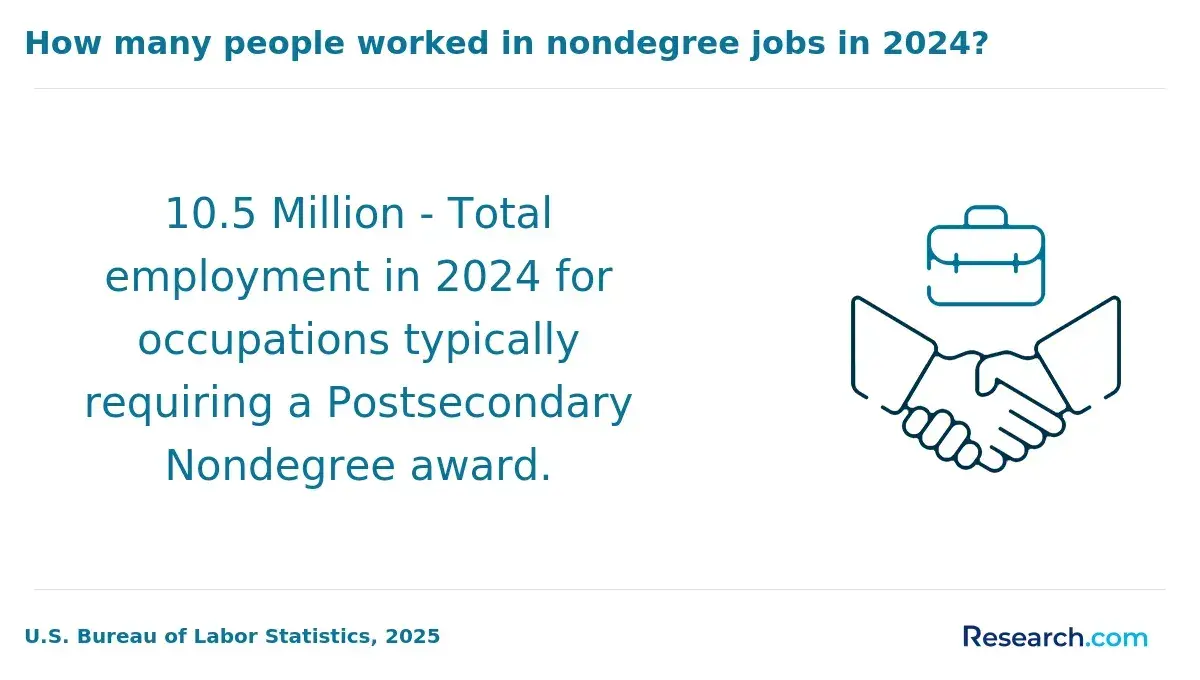
Bachelor's degrees in innovation-related fields generally provide the most reliable access to stable employment, reflecting employer expectations that often set this credential as a baseline for technical and professional roles. For example, technology firms and advanced manufacturing employers tend to require a bachelor's degree due to the technical competence and problem-solving skills it signals, which translates into significantly lower unemployment rates-around 2.1% according to 2024 Bureau of Labor Statistics data-compared to those holding certificates or associate degrees. While shorter credentials can facilitate faster labor market entry, they frequently correspond to support positions with limited upward mobility and higher job turnover, underscoring a tradeoff between immediate access and long-term career sustainability.
Master's degrees offer distinct advantages beyond initial hiring, often unlocking leadership and specialized functions such as project management or organizational change roles that value advanced expertise. This level typically affords quicker advancement and improved pay but requires greater financial and time investment. Doctoral and professional degrees, while critical for research, executive, or policy positions, involve narrower labor market demand and delayed returns on investment, which may not align with the priorities of all learners. Decisions to enter the workforce early with a certificate or associate degree, pursue a bachelor's degree directly, or progress to graduate study should carefully weigh these differences alongside regional job market conditions, employer licensing requirements, and personal career timelines to ensure alignment with realistic employment outcomes and advancement prospects.
What Entry-Level Jobs Can You Get With a Innovation Degree?
Entry-level roles available to innovation graduates vary significantly depending on degree level and prior experience, requiring careful navigation of employer expectations. Associates degree holders often find more support-focused positions requiring substantial on-the-job training, while bachelor's degree recipients typically compete for roles demanding strategic thinking and cross-functional collaboration. Recent data from the U.S. Bureau of Labor Statistics highlights that positions labeled "entry-level" often presuppose demonstrable project experience, so candidates without internships or portfolios risk being overlooked despite formal credentials. This discrepancy underscores the importance of combining formal education with practical exposure to stand out in a competitive labor market and lay a foundation for upward mobility.
Many jobs for innovation graduates emphasize transferable skills-critical thinking, adaptability, and communication-rather than narrow technical expertise, which shapes early career trajectories. Certifications in project management or methodologies like design thinking can accelerate hiring but rarely replace experience. A typical scenario involves a bachelor's graduate leveraging an internship portfolio to secure a product development coordinator role, while an associate degree holder might start in a junior analyst position to build relevant skills. Additionally, growing remote and hybrid arrangements broaden geographic access but increase candidate pools, meaning that interns or freelancers with tangible results often hold an advantage.
For those evaluating innovation degree pathways, understanding these realities is crucial: entry-level roles frequently serve as launch points into product management or strategic consulting, but progression demands sustained strategic impact and skill refinement. Earning credentials alone is insufficient without continuous development and demonstrable contributions. Students aiming for flexibility might explore hybrid credential mixing or consider advanced degrees cautiously, weighing the need for deeper expertise against workforce timing. Those interested in specialized graduate paths may consult options like the easiest MSW program to complement innovation skill sets in expanded sectors.
How Do Innovation Degree Levels Affect Career Advancement and Promotion Opportunities?
Degree level profoundly shapes promotion prospects in innovation fields by setting clear credential thresholds for leadership and specialized roles. While associate degrees offer faster workforce entry, they often restrict advancement beyond technical or support positions unless supplemented by further education. Data from the 2024 IPEDS report highlights that bachelor's degree holders generally experience quicker upward mobility into mid-level management, as many employers require four-year degrees for supervisory openings and formal licensure eligibility. This dynamic means that degree holders without additional education may face bottlenecks in internal progression, especially in sectors where certification and technical mastery factor into promotion decisions.
For working adults and transfer students balancing experience and education, the decision to pursue a bachelor's or graduate degree often hinges on accelerated career timelines and access to structured continuing education pathways, which are crucial for leadership readiness. However, higher degrees do not guarantee advancement; rather, they align with employer demand for both academic depth and professional competencies, enabling a candidate to qualify for roles that blend technical oversight with strategic responsibilities. Conversely, an associate degree may suffice for immediate employment but typically limits long-term managerial prospects, requiring professionals to weigh the tradeoff between quicker entry and delayed promotion potential carefully.
One recent innovation graduate shared that when deciding whether to pursue a master's degree after working several years with an associate credential, they hesitated due to uncertain return on investment. Their employer's promotion criteria heavily favored bachelor's or higher credentials coupled with certifications for leadership roles, which influenced their decision to enroll in a degree-completion program. This student found that the added credential not only enhanced their confidence in applying for internal openings but also opened doors to professional networks and coursework directly aligned with supervisory skills, validating the extended educational commitment despite initial doubts.
Is a Innovation Degree Worth It Based on Salary, Employment, and ROI?
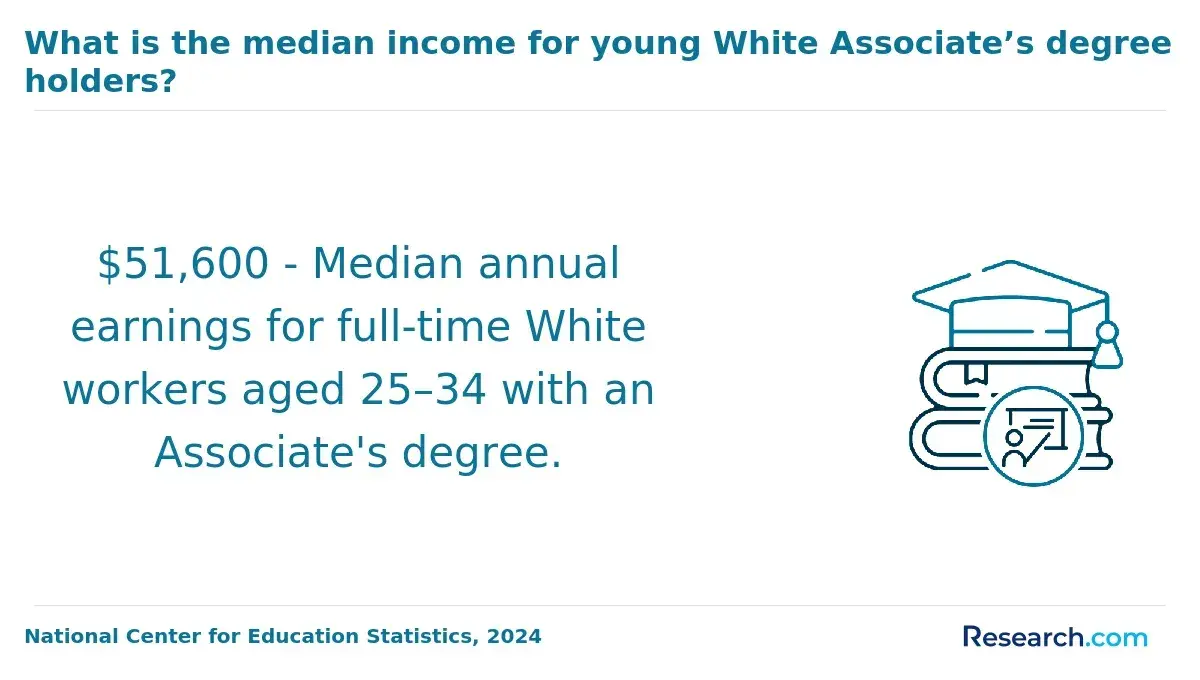
Higher wages and lower unemployment often draw students toward innovation degrees, but the value hinges on degree level, prior work experience, and regional demand. Bachelor's degree holders in innovation fields see a modest salary premium over associate-level credentials, yet the jump to master's-level programs typically yields substantially better pay and employment stability that reflect advanced skill sets and leadership readiness. However, this does not guarantee a positive financial outcome for all students; for many working adults or military-affiliated learners, the opportunity cost of extended study and higher debt burdens at the graduate level must be weighed carefully against tangible employment gains, especially in markets where innovation degree salary and employment outcomes vary widely by location and specialization.
The return on investment is further complicated by program length and delivery format. For example, completing a master's degree often adds two to three years of tuition and lost income, making part-time or flexible options critical for those balancing continued employment. In some cases, pursuing credentials through shorter, specialized alternatives such as accelerated mental health counseling programs online may offer more efficient pathways for professionals seeking quicker workforce reentry. Graduates with advanced innovation degrees generally enjoy faster promotion and managerial opportunities but must maintain continuous skills updating and networking to leverage these advantages fully. Thus, assessing educational pathways requires a nuanced view of not only salary and job stability but also debt load, time-to-completion, and employer preferences that prioritize combined experience and education.
Making an informed decision about innovation-focused education involves linking personal career goals with market realities. Transfer students and adult learners should consider how credit transferability, employer demand in local tech or emerging sectors, and program flexibility affect their ability to complete degrees without excessive disruption. Because innovation degree salary and employment outcomes fluctuate significantly by degree level and geographic region, those weighing advanced study should analyze whether the incremental benefits justify additional financial and time investments or if alternative credentials might better align with their immediate career trajectories.
How Do Associate, Bachelor's, Master's, and Doctoral Innovation Degrees Compare?
Associate degrees in innovation offer a faster, more affordable path into entry-level roles but often fall short in qualifying graduates for mid- or senior-level positions, where employers typically seek deeper expertise or leadership skills. Data from the National Center for Education Statistics in 2024 indicates these graduates face employment rates about 5-7% lower than those holding bachelor's degrees, underlining the limitations when aiming for career mobility or supervisory roles. Transferability of credits from associate to bachelor's programs varies widely, making careful planning essential for those considering further education without losing time or financial investment.
Bachelor's degrees remain the benchmark for broader career options and the standard minimum credential for leadership-track roles, as noted by the U.S. Bureau of Labor Statistics in 2024. They combine foundational knowledge with relevant work experience to support steady wage growth and greater job stability. For students weighing continuing education, master's programs can provide strategic advantages in innovation management and access to licensure or advanced credentials valued in specialized sectors. Yet, the additional time and debt incurred must be balanced against the tangible benefits of promotions or entry into upper management, especially as some employers prioritize experience equally or more than advanced degrees.
Doctoral degrees in innovation typically target professionals focused on research, policy, or academia, where deep specialization is a prerequisite but may restrict career mobility outside those arenas. Because of the rigorous demands and longer completion times, these credentials suit individuals with precise, long-term goals rather than those seeking flexible sector shifts or rapid advancement. Prospective students should weigh the likelihood of sector-specific opportunities against the commitment required, as some careers may not offer proportional rewards for the investment compared to master's or bachelor's level qualifications.
Which Industries and Employers Hire Innovation Graduates by Degree Level?
Hiring patterns for innovation graduates illustrate clear differentiation by credential level, reflecting distinct employer demands and salary structures. Associate degree holders typically find roles in manufacturing, technical support, and junior technology positions where employers emphasize hands-on skills and industry certifications over theoretical training. For example, technicians and quality control analysts often enter with shorter education timelines but may face slower advancement absent further specialization. Data from the U.S. Bureau of Labor Statistics indicates these roles favor rapid workforce integration and flexibility, making associates or certificates attractive for those prioritizing immediate employment over long-term leadership prospects.
Bachelor's graduates access wider sectors including IT, engineering, consulting, and financial services, where analytical skills and foundational management capabilities become prerequisites. Roughly 60% of these graduates secure positions in mid-level firms or startups driving product development and operations, enabling cross-disciplinary collaboration and early leadership roles. In contrast, master's degree holders command entry into specialized fields like advanced R&D, healthcare technology, and strategic consulting, where project management certifications and domain expertise weigh heavily. Doctoral holders generally concentrate in academia, research institutions, or policy-focused roles demanding deep theoretical knowledge and innovation strategy influence, with compensation and impact accordingly elevated.
Certificate holders often fill supporting roles or enter emerging tech subfields emphasizing rapid skill acquisition over degree completion. The choice to pursue higher degrees or seek certain employers hinges on balancing immediate technical employment against longer-term career trajectory and leadership potential. Public sector and regulated industries frequently require advanced degrees or licensure for meaningful progression, underscoring the practical need to align educational investments with targeted industry requirements and realistic expectations about job function and advancement.
What Skills, Credentials, and Experience Improve Innovation Career Outcomes?
Innovation career outcomes depend heavily on a strategic blend of role-specific technical skills, applied experience, and credential stacking tailored to degree level. For bachelor's degree holders, competencies such as data analysis, project management, and software proficiency serve as clear differentiators in hiring decisions, with employers frequently prioritizing candidates who present real-world readiness through internships, apprenticeships, or other hands-on experiences. For example, a working professional leveraging portfolio evidence from industry projects or military service gains a decisive edge over peers relying solely on academic credentials, highlighting how practical exposure can unlock more competitive employment access.
Graduate-level innovation professionals typically see advancement benefits from specialized certifications in agile methodologies or design thinking combined with leadership experience that signals readiness for managerial roles. Nearly 70% of employers, according to a 2024 survey by the National Association of Colleges and Employers, favor candidates demonstrating project ownership or leadership, underscoring the tradeoff between time invested in advanced qualifications versus the practical value of leadership development. Licensing and legal credentials, while rarer, open niche career pathways in areas like technology commercialization and intellectual property management that demand both technical mastery and regulatory understanding. Throughout these stages, strong communication, adaptability, and problem-solving skills remain indispensable, anchoring long-term mobility and career traction within the innovation sector.
For transfer students, adult learners, and degree completers assessing their next steps, integrating prior credits with applied learning opportunities proves critical. Portfolio documentation of applied projects significantly accelerates career progression, as shown in a 2024 College Scorecard analysis. Navigating these dynamics within innovation career advancement skills and credentials also involves weighing practical trade-offs between degree investment, credential timeliness, and alignment with employer expectations. Interested learners can explore rigorous foundational paths such as a mathematics online degree to build quantitative and analytical capabilities essential for innovation roles.
Which Innovation Degree Level Is Best for Your Career Goals?
Choosing between associate, bachelor's, and graduate degrees in innovation crucially shapes employment access and advancement trajectories, influencing how quickly and effectively learners enter and progress within the field. While associate degrees offer faster, less costly pathways appealing to adult learners and career changers, employers typically expect at least a bachelor's degree for most innovation roles, reflecting their preference for candidates with proven problem-solving and technical skills. Bachelor's programs also tend to integrate more field experience and support transfer credit strategies, providing flexible options for working professionals or military-affiliated students navigating their educational routes. Those aiming beyond entry-level roles should weigh this against potential opportunity costs and the limited upward mobility associate credentials often entail, despite their affordability and speed.
Graduate degrees-master's and doctorates-position completers for leadership roles, specialized innovation niches, and research-focused careers, though they come with higher costs and longer completion times that raise student debt considerations. According to the Integrated Postsecondary Education Data System, innovation master's degree completions grew 23% between 2020 and 2023, signaling rising employer demand for advanced credentials linked to innovation strategy mastery and licensure eligibility in certain sectors.
Importantly, innovation degree pay and employment outcomes by credential show graduate degree holders often bear 40% higher debt levels than bachelor's counterparts, making financial planning a critical factor. For those balancing work and study, part-time and transfer-friendly pathways remain key options. Prospective students can also explore flexible alternatives like the spanish programs online for veterans model, which highlights how tailored online learning supports nontraditional learners' goals.
References
- From Skills to Success: How Micro-Credentials Are Shaping the Future of Work - ICDL Global https://icdl.org/how-micro-credentials-are-shaping-the-future-of-work/
- Is College Worth it? | Return on Investment Analysis of College Degree https://educationdata.org/college-degree-roi
- Career development opportunities: better than a promotion https://www.neobrain.io/en/blog/redefining-career-growth-opportunities
- Beyond higher education: Ensuring successful outcomes - Office for Students https://www.officeforstudents.org.uk/annual-review-2019/beyond-higher-education-ensuring-successful-outcomes/
- Innovation and Entrepreneurship Careers | NWU https://www.nebrwesleyan.edu/academics/majors-and-minors/innovation-and-entrepreneurship/innovation-and-entrepreneurship-careers
- Innovation Creates Jobs but Can Increase Inequality https://www.kielinstitut.de/publications/news/innovation-creates-jobs-but-can-increase-inequality/
- Top Degrees in Demand for the Future: 2026 & Beyond https://skillifysolutions.com/blogs/career-growth/top-degrees-in-demand-for-the-future/
- The Most Employable Degrees - Goingto.Universiy https://goingto.university/choosing-a-course/most-employable-degrees/
- How does a college degree improve graduates’ employment and earnings potential? - APLU https://www.aplu.org/our-work/4-policy-and-advocacy/publicuvalues/employment-earnings/
- Top 10 Best Universities to Study Innovation Management in Europe (2025) https://www.study.eu/article/top-10-best-universities-to-study-innovation-management-in-europe
Other Things You Should Know About Innovation
The depth and focus of hands-on experience vary significantly across degree levels in innovation programs. Undergraduate programs often emphasize broad foundational knowledge with limited project scope, which may delay exposure to complex, real-world innovation challenges. Graduate-level programs tend to integrate more applied research and teamwork in industry-like settings, accelerating readiness for roles requiring strategic problem-solving and leadership. Prospective students should weigh whether earlier, intensive skill application or broader theoretical grounding better suits their career timeline and employer expectations.
Higher degree levels usually require a heavier workload, including advanced research, intensive collaboration, and sometimes teaching responsibilities that can strain work-life balance. While this effort can translate into access to higher-tier positions and faster advancement in innovation-focused firms, the demands can also delay entry into the workforce or complicate concurrent employment. Students balancing current jobs should consider that a master's or doctoral degree might boost long-term prospects but could entail short-term opportunity costs and stress that might not align with all career paths.
Employers in innovation-intensive roles often prioritize not only degree level but demonstrated ability to manage ambiguity, adapt to rapid change, and contribute to multidiscipline teams. For working professionals, selecting programs with flexible formats and relevant project work can be more impactful than simply pursuing the highest degree. Prioritizing applied learning and networking opportunities within a degree can yield better outcomes than focusing on credential prestige alone, especially when balancing ongoing employment and skill development.
Doctoral degrees in innovation can open pathways to research and executive roles that require deep specialization but may restrict career mobility due to niche expertise. Bachelor's and master's degrees typically offer broader applicability across emerging industries and may facilitate lateral career shifts more readily. Students should consider whether their goal is deep specialization with a clearer but narrower career spine or wider adaptability that supports diverse innovation roles across sectors over time.