2027 Top Industries Hiring Innovation Graduates: Demand, Pay, and Growth Trends

Co-Founder and Chief Data Scientist
Consider a prospective innovation student standing at a crossroads, eager to invest time and resources into a degree that promises dynamic career paths. The challenge lies in pinpointing which industries truly value innovation graduates and offer robust opportunities. Beyond mere employment rates, factors such as salary variations and sector growth rates shape the real landscape graduates will face. Understanding these nuances helps avoid underwhelming outcomes and directs students toward fields where their skills can thrive and evolve.
Analyzing demand, compensation, and growth trends reveals how different sectors prioritize innovation expertise and adapt to shifting market needs. This knowledge empowers students to align their educational focus and skill development with where employers are headed. The article ahead examines key industries hiring innovation graduates, highlights which offer the highest pay, explores areas of fastest growth, and details changing employer expectations. It also offers guidance on bridging the gap between graduate capabilities and the most promising career opportunities.
Key Things to Know About the Top Industries Hiring Innovation Graduates
- Technology, healthcare, and finance employ over 60% of innovation graduates, reflecting established sectors that integrate innovation for competitive advantage and sustained job availability.
- Data from 2024 shows fintech and biotech offer median salaries 15% above the national average, indicating higher earning potential aligns with rapid industry-specific innovation cycles.
- Employer demand in renewable energy and AI-driven services is growing 25% annually, signaling shifting hiring trends that favor graduates adaptable to emerging innovation ecosystems.
- Key Things to Know About the Top Industries Hiring Innovation Graduates Key Things to Know About the Top Industries Hiring Innovation Graduates
- Which Industries Hire the Most Innovation Graduates? Top Industries
- Which Industries Offer the Highest Salaries for Innovation Graduates? Highest Salaries
- Which Industries Have the Fastest Growth for Innovation Careers? Growth Trends
- Which Employers Commonly Recruit Innovation Graduates? Top Employers
- Which Skills Are Most In Demand Across Innovation Industries? In-Demand Skills
- How Do Career Paths Differ Across Industries for Innovation Graduates? Career Paths
- How Do Industry Trends Affect Future Opportunities for Innovation Graduates? Industry Trends
- How Can Students Prepare for High-Demand Innovation Industries? Career Preparation
- How Do Different Innovation Degree Programs Prepare Students for Industry Careers? How Do Different Innovation Degree Programs Prepare Students for Industry Careers?
- Which Industry Is the Best Fit for Your Innovation Career Goals? Which Industry Is the Best Fit for Your Innovation Career Goals?
Which Industries Hire the Most Innovation Graduates?
Innovation graduates are increasingly sought after by a diverse array of sectors that recognize the critical role of creativity and problem-solving in sustaining competitive advantage. Employment demand for these professionals tends to concentrate in industries that prioritize transformation and rapid adaptation to evolving technologies and market needs.
According to the 2024 Tech Talent Report, over 40% of innovation-related roles cluster within just a few key industries, which consistently drive hiring due to ongoing digital and operational innovation initiatives.
The following highlights the primary fields offering the most abundant opportunities for innovation graduates.
- Technology Sector: This industry leads in hiring innovation graduates, encompassing software firms, IT services, and cutting-edge domains like artificial intelligence and cybersecurity. Graduates here frequently focus on developing novel platforms, integrating agile methodologies, and enhancing user experience. The tech sector's prominence reflects both startups hungry for disruption and established companies investing heavily in digital transformation.
- Healthcare Industry: Healthcare's growing reliance on telemedicine, personalized treatments, and medical technology development has created rising demand for innovation graduates. These professionals contribute by redesigning patient care workflows and introducing technological advancements that improve healthcare delivery. The Healthcare Innovation Council reports a 25% year-over-year increase in related job openings as this field embraces systemic innovation.
- Finance and Consulting: Financial institutions and consulting firms recruit innovation graduates to address fintech challenges, regulatory shifts, and strategic business model reinvention. Their skills support digital project execution, risk management innovation, and long-term strategic planning, underscoring the sectors' appreciation for forward-thinking problem solvers capable of navigating complexity.
For example, a recent graduate working in a major healthcare technology startup might lead initiatives deploying AI-based diagnostic tools while collaborating with cross-functional teams to optimize integration into clinical settings. This scenario illustrates how innovation graduates apply domain expertise and interdisciplinary skills to produce tangible impact.
Since employment demand and salary trends for innovation graduates vary with economic cycles, geographic factors, and specialization, prospective students should weigh these influences carefully. Programs offering exposure to multiple sectors, including accelerated psychology programs online, can broaden career pathways and adaptability in shifting job markets.
Which Industries Offer the Highest Salaries for Innovation Graduates?
Salary variations across industries for innovation graduates stem largely from differing rates of technology adoption, market volatility, and regulatory environments. High-paying sectors often blend rapid innovation cycles with significant capital investment, raising the stakes for breakthrough developments. Consequently, roles that directly affect strategic growth or leverage cutting-edge technologies command greater financial rewards.
Understanding these dynamics helps graduates weigh immediate earnings against long-term career trajectories. Below are key industries where innovation graduate salary trends by sector show the strongest earning potential.
- Technology: This sector leads in median salaries, often exceeding $85,000 annually, driven by fast-paced advancements in artificial intelligence, cybersecurity, and cloud computing. Innovation graduates typically engage in research and development, product management, and digital transformation initiatives. The competitive landscape requires continuous skill upgrades but rewards proficiency with substantial salary growth.
- Finance: Particularly within fintech and investment banking, median salaries range between $80,000 and $90,000, reflecting the high value placed on innovation in financial products and risk management. Roles often merge quantitative expertise with innovation strategies, and performance bonuses frequently augment base pay. However, compensation can fluctuate with market volatility, demanding a tolerance for income variability.
- Healthcare and Pharmaceuticals: Innovation graduates in this industry earn between $75,000 and $85,000, working on medical devices, biotech solutions, and health IT. While regulatory complexity and longer development cycles moderate rapid salary increases, the sector offers stable and specialized opportunities, especially as personalized medicine and telehealth gain prominence.
- Manufacturing and Energy: Offering median salaries typically between $65,000 and $75,000, these industries tend to adopt innovation more slowly and experience cyclical employment. While the compensation is reasonable, professionals seeking faster salary advances might find fewer opportunities here compared to technology or finance, especially given the longer timelines for return on innovation investments.
The decision for innovation graduates involves balancing these industry-specific salary patterns with personal career goals and tolerance for income variability. For those prioritizing affordability in further education to enter these fields, researching options such as the cheapest accredited online accounting degree can provide a cost-effective foundation in complementary financial skills that enhance innovation roles.
Which Industries Have the Fastest Growth for Innovation Careers?
Evaluating industry growth is essential for innovation graduates aiming to secure roles that offer sustainability and advancement. Rapidly expanding industries usually indicate stronger demand for specialized skills, higher salary potential, and more diverse career paths. However, growth rates alone don't fully convey the complexities of long-term opportunity, as regional markets, economic shifts, and evolving employer needs all influence actual prospects.
Innovation students should therefore assess which sectors combine growth with resilient and adaptable job roles. Below are key industries currently expected to generate the most promising innovation career opportunities.
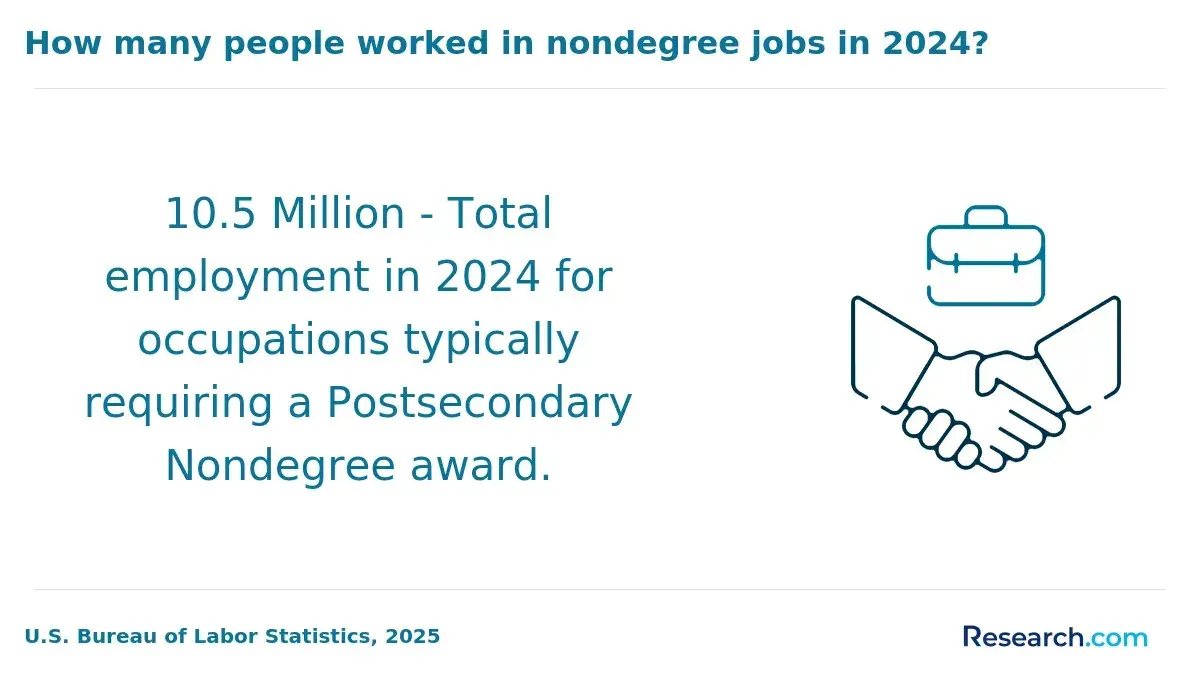
- Technology: Fueled by breakthroughs in artificial intelligence, cybersecurity, and data science, technology remains the top sector for innovation roles with projected annual growth exceeding 15%, according to the U.S. Bureau of Labor Statistics. Innovation graduates can engage in designing intelligent systems, automating workflows, and pioneering digital products in an environment prioritizing agility and rapid iteration.
- Renewable Energy: Driven by increasing investments in clean power and global carbon reduction commitments, renewable energy roles are set to expand roughly 12-14% per year. Innovation professionals here often focus on scaling sustainable technologies such as solar, wind, and energy storage, benefiting from premium pay tied to specialized expertise and the alignment with global environmental priorities.
- Healthcare Innovation: Growth near 10% is anticipated as advances in biotechnology and telehealth transform patient care. Innovation graduates contribute to developing medical devices, personalized treatment platforms, and digital health solutions, navigating complex regulations and adapting to evolving care models that accelerate demand for new technology integration.
A recent innovation graduate shared their experience choosing between career paths in technology and renewable energy. Initially drawn to tech for its rapid growth, they hesitated due to concerns about the volatility in certain subfields. After connecting with mentors and researching market stability, they accepted a role at a renewable energy startup focused on grid optimization.
This decision, made under time pressure and with incomplete information, later proved rewarding as the company's growth aligned closely with expanding clean energy mandates and offered steady professional development opportunities. Their story underscores how understanding nuanced industry dynamics beyond headline growth figures can be crucial for innovation students making career decisions.
Which Employers Commonly Recruit Innovation Graduates?
Recognizing which employers frequently recruit innovation graduates can significantly sharpen students' decisions about coursework, internships, and early career moves. This understanding helps focus efforts where demand is tangible, though hiring trends differ by specialization, regional job markets, and shifting industry priorities.
For example, a graduate targeting roles in artificial intelligence may find stronger local opportunities in technology hubs, while those interested in healthcare innovation should investigate organizations investing in medtech.
The following overview highlights employer types that reliably seek innovation talent, grounded in 2024 labor market analyses.
- Technology Firms: These companies consistently lead in hiring innovation graduates, valuing their expertise in driving digital transformation, developing software solutions, and enhancing user experience. Roles often involve product management, UX design, and AI system development. Such employers thrive in fast-evolving markets demanding agility and novel problem-solving.
- Consulting Companies: Management and strategy consulting firms recruit innovation professionals to advise clients on navigating complex competitive landscapes through strategic change and process improvement. Positions typically focus on innovation strategy, business model redesign, and technology integration, making these firms ideal for graduates who enjoy diverse, high-impact projects.
- Healthcare Organizations: The sector increasingly leverages innovation talent to implement advanced technologies like data analytics, telemedicine, and patient care optimizations. Healthcare employers recruit innovation graduates to develop solutions that improve outcomes and efficiency, appealing to those focused on tangible social impact through technology.
- Manufacturing and Industrial Companies: Employers in this category look for innovation graduates skilled in Industry 4.0 concepts such as automation, IoT applications, and smart manufacturing processes. These roles often involve optimizing production workflows and integrating intelligent systems, suited to graduates interested in combining engineering and innovation.
- Renewable Energy and Sustainability Sectors: Emerging fields are rapidly increasing recruitment of innovation graduates to design environmentally responsible solutions aligned with global sustainability goals. These organizations offer roles that blend technical innovation with policy and business strategy, suitable for graduates driven by climate and social impact priorities.
Which Skills Are Most In Demand Across Innovation Industries?
While specific technical tools and industry trends may shift rapidly, a core set of skills consistently underpins success across innovation industries. These enduring skills enable graduates and career changers to adapt to evolving demands and diverse roles within technology, healthcare, finance, and advanced manufacturing sectors. Employers emphasize capabilities that not only address immediate problem-solving needs but also support long-term growth and leadership potential.
Recognizing which skills provide broad applicability can help individuals pursue targeted learning paths during their Innovation education.
Below is a list of key skills that reflect what employers most often seek in innovation graduates and experienced professionals alike.
- Data Literacy: Employers prioritize the ability to analyze, interpret, and translate complex data into actionable insights. Skills in data visualization and statistical reasoning often develop through practical coursework and internships and are vital for roles needing evidence-driven decision-making.
- Coding and Programming: Proficiency in languages such as Python, SQL, and R remains a top requirement, supporting automation and product innovation. Hands-on projects and open-source contributions can deepen this competence, offering career mobility across many innovation sectors.
- Critical Thinking: Innovation thrives on assessing problems from multiple perspectives and formulating creative solutions. Building this skill through case studies and interdisciplinary collaboration improves adaptability and drives project success in uncertain environments.
- Effective Communication: Conveying complex ideas clearly to diverse audiences is essential. Developing this skill through presentations, report writing, and teamwork enhances a graduate's impact in cross-functional teams and external stakeholder engagements.
- Leadership and Project Management: Managing agile processes and coordinating multidisciplinary teams are increasingly demanded as organizations undergo digital transformation. Experience gained via group projects and internships in dynamic settings prepares graduates to lead innovation initiatives.
- Creativity and Design Thinking: Employers seek innovation graduates who can approach challenges with user-centric solutions and iterative development. Engaging in design sprints and prototyping exercises strengthens this ability to differentiate products and services effectively.
According to recent data from the U.S. Bureau of Labor Statistics and the World Economic Forum's reports, over 70% of hiring managers in innovation-related fields rank these technical and transferable skills as critical factors in recruitment and retention decisions.
For students exploring specialized disciplines, considering programs related to blockchain degree programs can also provide targeted expertise aligned with emerging financial technologies. Overall, the strongest career positioning arises from integrating robust technical capabilities with these core professional competencies across diverse innovation management skills for industry employers.
How Do Career Paths Differ Across Industries for Innovation Graduates?
Choosing an industry after earning an innovation degree shapes career growth just as powerfully as the degree itself. Different sectors place distinct value on specific skills, experiences, and career goals, influencing how graduates develop professionally and advance. For instance, fields like technology reward quick adaptation and cross-functional expertise, while healthcare prioritizes interdisciplinary collaboration and regulatory knowledge.
Understanding these variations helps graduates align their ambitions with realistic pathways. Below are key ways career trajectories for innovation graduates differ across industries.
- Career Pace and Progression: Technology often offers rapid advancement with leadership roles attainable within five to seven years, reflecting its competitive, high-velocity environment. In contrast, healthcare presents a steadier climb with emphasis on gaining specialized certifications, making it suited for those seeking gradual but stable growth.
- Skill Specialization: Renewable energy careers require expertise not only in innovation but also regulatory frameworks and environmental science, demanding a unique blend of technical and policy knowledge. Graduates should consider their willingness to acquire such sector-specific competencies.
- Role Mobility: Frequent role changes are common in technology due to evolving tools and market demands, benefiting professionals who value variety and continuous learning. Healthcare roles typically involve longer tenure in collaborative project management or advisory positions, favoring those who prefer stability and deep domain focus.
- Interdisciplinary Integration: Healthcare careers necessitate strong cross-disciplinary cooperation among clinical, technological, and regulatory teams, while technology emphasizes product development and user-centric innovation. The degree to which graduates enjoy or excel in multidisciplinary settings can guide industry fit.
- Long-term Growth Potential: Data from the 2024 U.S. Bureau of Labor Statistics highlights that sectors like technology and renewable energy show robust demand growth for innovation talents, but renewable energy's newer market means some career ladders remain under development. Healthcare's mature market provides established but sometimes slower paths to senior positions.
- Work Environment Dynamics: Agile, fast-paced workplaces dominate technology, appealing to those comfortable with ambiguity and rapid change. Renewable energy careers may involve balancing scientific research with public policy challenges, attracting graduates interested in sustainability and broader social impact.
- Advancement Criteria: In healthcare, advancement often hinges on acquiring advanced degrees or certifications, whereas technology emphasizes demonstrable project outcomes and innovation impact. Renewable energy positions typically demand a combination of technical mastery and strategic insight into regulatory trends.
How Do Industry Trends Affect Future Opportunities for Innovation Graduates?
Shifts in industry demands directly shape which career paths remain viable or grow for innovation graduates over time. Understanding these evolving trends is crucial because technological breakthroughs, regulatory changes, and market priorities do not change uniformly across sectors. As a result, graduates who anticipate which industries emphasize innovation differently can better align their skills with longer-term, sustainable job opportunities.
These trends influence not only the availability of roles but also the specialization and competencies employers prioritize. Below are key forces currently driving demand in ways likely to affect future innovation careers.
- Healthcare Digital Transformation:The surge in AI integration, telemedicine, and personalized health analytics is expanding roles for innovation graduates who can develop scalable digital health solutions. This trend demands fluency in data science and regulatory considerations, positioning those skilled in technology-enabled healthcare innovation for competitive salaries and strategic impact.
- Renewable Energy Growth:As climate commitments intensify globally, expertise in sustainable tech, smart grids, and energy storage is increasingly critical. Innovation professionals who combine engineering know-how with environmental systems thinking are well placed to meet employer needs that span government projects and private sector investments.
- Technology Sector Complexity:Fields such as AI, blockchain, and cybersecurity are pushing innovation graduates into niche roles that require rapid adaptability and continuous skills development. The fiercely competitive nature of tech rewards those who master software-driven innovation and emerging digital tools.
- Advanced Manufacturing Evolution:The rise of Industry 4.0 technologies like IoT and robotics is reconfiguring production, creating demand for innovation graduates who understand process automation and smart factory design. Preparing for this trend involves interdisciplinary learning combining manufacturing and data analytics.
According to the World Economic Forum's 2024 Future of Jobs Report, roles demanding innovation skills related to AI and sustainability have seen a projected growth rate of over 20% in the next five years, underscoring the importance of strategic skill alignment for graduates.
An innovation graduate recalled hesitating between pursuing a traditional tech role and a niche position in renewable energy innovation. Facing uncertainty about which sector would provide stable growth, they undertook targeted internships to assess real-world challenges and industry pace.
This direct exposure revealed that while tech roles offered swift entry, renewable energy projects promised deeper long-term engagement aligned with their values and emerging skill set. The graduate's eventual choice to pivot towards clean energy illustrates how nuanced industry trends shape career decisions beyond initial assumptions, emphasizing the value of adaptive learning and exploration.
How Can Students Prepare for High-Demand Innovation Industries?
Students targeting industries with the strongest demand for innovation graduates must develop a portfolio combining academic credentials, practical skills, and industry insight. Employers increasingly seek candidates proficient in interdisciplinary problem-solving and agile project management, especially within technology-driven sectors like healthcare, renewable energy, and fintech.
Data from the National Association of Colleges and Employers shows innovation graduates with at least one relevant internship report 20% higher starting salaries and faster job placement rates.
Below are strategic approaches to becoming competitive candidates in innovation jobs.
- Targeted Internships: Securing internships or cooperative education experiences within desired industries provides firsthand knowledge of workflows and networking opportunities. These placements enhance resumes and are often predictive of post-graduation employment success in high-demand innovation sectors.
- Interdisciplinary Skill Building: Developing skills that cross traditional boundaries-such as integrating digital literacy with project management-equips students to tackle complex challenges common in innovation jobs. Enrolling in courses that emphasize these combinations aligns with the best education pathways for innovation jobs.
- Emerging Technology Proficiency: Gaining experience in cutting-edge tools like artificial intelligence, blockchain, or sustainable design software differentiates candidates. Practical use of these technologies during academic projects or internships reflects adaptability coveted by employers.
- Research Project Participation: Engaging in interdisciplinary research or innovation incubators fosters collaboration and real-world problem solving. Such involvement cultivates critical thinking and demonstrates initiative, traits valuable to innovation employers.
- Networking and Mentorship: Building relationships through industry events and mentorship programs helps students grasp evolving trends and employer expectations. This insight informs career decisions and creates access to unadvertised opportunities.
- Certifications and Continuous Learning: Pursuing certifications in data analytics, design thinking, or agile methodologies supplements formal education with market-relevant credentials. Students can also explore quick certifications that pay well to enhance their profiles.
- Communication and Leadership: Developing strong communication and leadership skills enables innovation graduates to lead projects and collaborate effectively. These soft skills are essential complements to technical expertise in competitive innovation environments.
How Do Different Innovation Degree Programs Prepare Students for Industry Careers?
Different innovation degree programs prepare graduates for varied industry careers by emphasizing distinct skill sets aligned with market demands. The 2024 National Association of Colleges and Employers report highlights that interdisciplinary programs blending technology, business, and design thinking have the strongest link to employment success.
However, no single program fits all industries equally; students should carefully weigh how well a curriculum matches their target career path and willingness to engage in practical experiences.
Below are key factors to compare when assessing how innovation degree programs support career readiness.
- Interdisciplinary Integration: Programs combining technical, business, and creative disciplines tend to produce graduates adaptable across sectors like healthcare, manufacturing, and technology. Evaluating a program's balance in these areas reveals its applicability to diverse career paths and industry demands.
- Experiential Learning Opportunities: Hands-on experiences such as internships and co-op placements significantly enhance employment prospects and earning potential. According to the 2024 U.S. Bureau of Labor Statistics, graduates with experiential learning secure higher-paying roles and advance more rapidly.
- Entrepreneurship and Strategic Innovation: Curricula with strong emphasis here build critical skills in market analysis and business model innovation, preparing students for careers in consulting, finance, or corporate innovation units where strategic thinking is key.
- Technical Proficiency: Programs focusing on digital literacy, such as data analytics and AI, prepare students for emerging roles in software development, data science, and digital marketing. Evaluating how advanced and current the technical coursework is gives insight into future job market alignment.
- Problem-Solving and Project Management: Engineering-oriented innovation degrees often emphasize practical problem-solving and managing complex projects. Such skills are crucial in product development and process optimization roles prevalent in manufacturing and technology industries.
- Career Support Services: Access to industry networking, mentorship, and career guidance can impact job placement success. Students should assess whether programs provide robust support beyond academics to navigate hiring trends effectively.
- Curriculum Flexibility and Specialization: The ability to tailor studies toward specific industries or interests allows students to deepen expertise in areas like healthcare innovation or digital product design. Flexibility can be a deciding factor for aligning education with long-term career goals.
For students interested in cybersecurity, combining these factors with specialized courses can be essential. Exploring a cyber security course online may provide targeted skills needed for one of the fastest-growing tech sectors today.
Prospective students aiming for the strongest industry career readiness through innovation education will benefit from programs that integrate interdisciplinary knowledge, hands-on experiences, and emerging technologies while supporting personalized career pathways.
Which Industry Is the Best Fit for Your Innovation Career Goals?
The best industry fit for innovation graduates varies widely based on individual priorities such as preferred work environment, specialization interests, earning goals, lifestyle preferences, and the desire to make a particular impact. For example, one graduate may prioritize rapid salary growth and choose technology, which leads in median starting pay between $75,000 and $90,000 within artificial intelligence and product design.
Meanwhile, another graduate with the same Innovation degree might focus on meaningful societal contributions, opting for healthcare or renewable energy sectors, which emphasize ethical commitments and sustainable innovation despite somewhat lower initial salaries. These differing goals illustrate why no single industry universally outperforms others for all innovation professionals.
Students can make better career choices by thoroughly researching employer expectations, projected industry growth, necessary skills, and internship opportunities while reflecting on their personal strengths and values. According to a 2024 Pew Research Center study, graduates prioritize employers with strong ethical commitments, continuous learning, and societal impact.
Aligning these priorities with industry trends-such as the National Association of Colleges and Employers' data on hiring demand in healthcare and renewable energy-helps identify pathways suitable for long-term success. Ultimately, matching personal goals with industry realities proves more effective than simply chasing the highest-paying or fastest-growing sectors.
References:
- Innovation and Job Creation https://key.theirworld.org/resources/innovation-job-creation-and-entrepreneurship
- SDG 9: Industry, Innovation and Infrastructure https://careers.queensu.ca/sdg-guide/goal-9
- Innovation Explained: Leveraging Innovative Strategies for Career Success | Cademix Institute of Technology https://www.cademix.org/innovation-explained-leveraging-innovative-strategies-for-career-success/
- Unite! Career path guide: https://www.unite-university.eu/resources/career_path_guide_final_pdf_v1.pdf/@@download/file
- Science and research https://gradireland.com/careers-advice/science-and-research
- About https://www.careerinnovation.com/about/
- Hottest In Demand Technology Skills And Industries For 2025 https://welovesalt.com/insights/in-demand-technology-skills-industries
- Future of Work - Signal49 Research https://www.signal49.ca/trending-insights/future-of-work/
- Developing a Career Strategy - Concordia University of Edmonton https://concordia.ab.ca/student-services/career-services/career-resources/career-development-resources/developing-a-career-strategy/
- Career Pathways: An Innovation That Could Transform The Economy https://joshbersin.com/2022/10/career-pathways-the-innovation-that-could-transform-the-economy/
Other Things You Should Know About Innovation
Industries that heavily rely on rapid technological advancements or market disruption tend to fluctuate more, impacting job stability for innovation graduates. For example, sectors like tech startups and renewable energy can offer fast growth but also higher turnover and project-based employment. Graduates should weigh the excitement of dynamic environments against potential instability, prioritizing firms with balanced innovation cycles or established innovation teams to mitigate risk.
Corporate environments often provide structured career development and steadier pay but may limit hands-on innovation experiences due to bureaucracy. Conversely, startups demand broader responsibilities and faster decision-making but often lack resources and long-term job security. Innovation graduates seeking rapid skill expansion should consider startups, while those valuing predictability and mentorship might prioritize larger firms.
Initial pay can be misleading. Industries like healthcare or government may offer moderate starting salaries but stronger long-term growth and benefits, whereas sectors like tech may offer high entry-level salaries but plateau sooner. Graduates should assess not only current compensation but also career trajectories, bonus structures, and professional development opportunities tailored to innovation roles within each industry.
While a broad skillset offers flexibility, many top industries increasingly value domain-specific innovation expertise tied to their sector's unique challenges. For instance, innovation graduates focusing on fintech or biopharma innovation are often preferred over generalists in those fields. Prioritizing targeted specialization can enhance employability and relevance but may reduce mobility across industries if market demands shift.