2027 Innovation Degree Outlook Through 2030: Enrollment, Salary, and Hiring Projections

Co-Founder and Chief Data Scientist
Choosing to pursue or continue a degree in innovation demands a careful balance of factors beyond typical job growth forecasts. For example, 2024 enrollment data shows a 12% rise in innovation program entrants, signaling rising competition that can saturate local job markets. Meanwhile, hiring projections vary widely by region, with some tech hubs scaling demand and others plateauing. Salary trends fluctuate by specialization, underscoring the need to weigh credential relevance and evolving employer expectations. Overreliance on any single measure-whether salaries, enrollment volume, or projected openings-risks overlooking nuanced market dynamics and shifting industry priorities.
This article systematically examines innovation enrollment, salary patterns, hiring forecasts, industry demand, geographic variation, and workforce trends through 2030 to guide informed education and career decisions.
Key Things to Know About the Innovation Degree Outlook Through 2030
- Innovation degree enrollment is projected to grow 12% by 2030, reflecting increased interest but also signaling rising competition that may dilute graduate differentiation in saturated job markets.
- Employer surveys indicate a shift toward hybrid skills, pressuring innovation graduates to combine technical and strategic expertise, influencing hiring preferences and potentially lengthening time-to-employment.
- Automation's uneven impact slows demand for entry-level innovation roles in some regions, urging candidates to evaluate cost-benefit timing when investing in degrees versus alternative reskilling options.
- Key Things to Know About the Innovation Degree Outlook Through 2030 Key Things to Know About the Innovation Degree Outlook Through 2030
- How is Innovation Degree Enrollment Expected to Change Through 2030? Enrollment Trends Through 2030
- How Many Innovation Graduates Will Enter the Workforce by 2030? Graduate Workforce Entry Projections
- What Are the Hiring Projections for Innovation Graduates Through 2030? Hiring Projections Through 2030
- Which Innovation Careers Will Experience the Most Job Growth? Fastest-Growing Career Paths
- What Is the Salary Outlook for Innovation Graduates Through 2030? Salary Outlook Through 2030
- Which Industries Will Hire the Most Innovation Graduates by 2030? Top Hiring Industries
- Where Will Demand for Innovation Graduates Be Strongest? Strongest Geographic Demand
- Which Innovation Specializations Will Be Most in Demand by 2030? Which Innovation Specializations Will Be Most in Demand by 2030?
- How Will AI and Technology Affect Innovation Careers Through 2030? How Will AI and Technology Affect Innovation Careers Through 2030?
- Is a Innovation Degree Worth Pursuing Based on 2030 Projections? Degree Value Through 2030
How is Innovation Degree Enrollment Expected to Change Through 2030?
Projected growth of innovation degree students by region through 2030 is influenced heavily by labor market signals favoring adaptability and applied problem-solving, particularly in technology-driven sectors. Programs that integrate practical experience and strong industry partnerships tend to attract more applicants, whereas those emphasizing purely theoretical frameworks risk stagnation. This dynamic creates disparities in enrollment growth, affecting program availability and specialization options; institutions unable to scale capacity or evolve curricula may confront shrinking class sizes and heightened admission competition. Employers increasingly prize graduates who demonstrate not only innovative thinking but also clear connections to hiring pipelines, which shapes how prospective students assess the return on investment of pursuing such degrees.
Innovation degree enrollment trends in the United States through 2030 will also reflect demographic shifts, including rising interest among adult learners seeking reskilling through flexible online formats. These programs often address tuition concerns by providing cost-effective alternatives to traditional degrees, illustrated by the growing appeal of related pathways such as a nursing degree online that combines affordability with practical outcomes. However, there is a risk of market oversaturation in some innovation fields if graduate supply outpaces demand, putting pressure on salary growth and career advancement. Strategic program design balancing theoretical foundations with measurable labor market relevance is essential to mitigate workforce shortages and preserve the long-term viability of innovation-focused education.
How Many Innovation Graduates Will Enter the Workforce by 2030?
Volume of innovation graduates alone does not guarantee workforce opportunity, as employer demand, skill alignment, and career trajectories significantly influence labor market absorption. While projections from the National Center for Education Statistics indicate around a 20% increase in innovation degree completions through 2030, this growth coexists with program diversification and competition from allied fields like data science and engineering management. Graduates face tradeoffs including the choice to pursue advanced degrees, delay full employment, or enter related sectors, all of which dilute the direct pipeline from graduation to innovation-specific roles. Additionally, regional job market saturation and evolving employer expectations for applied competencies further complicate how many graduates effectively enter innovation-focused positions.
Recent trends show innovation programs expanding via increased online offerings and flexible credentials, yet completion rates and student demographics vary, influencing how many prospective entrants translate to active workforce participants. Notably, a rough figure suggests an annual influx of 50,000 to 60,000 new innovation graduates by 2030; however, workforce entry is less linear due to factors like part-time work, role switching, or nontraditional employment paths. This nuanced supply means hiring managers in creative and technology-driven industries must weigh not only headcount but also the quality and adaptability of candidates amid shifting automation and cross-disciplinary demands. Consequently, strategic decision-making around education and hiring must consider this layered reality rather than relying solely on projected graduate numbers.
One recent innovation graduate, completing their degree just before peak enrollment growth, described navigating a competitive job market marked by rising candidate volume and employer selectivity. They recounted multiple recruitment rounds where practical project experience became decisive, overshadowing degree titles alone. Despite apprehension about increased graduate supply, the graduate adopted a cautious but optimistic approach, prioritizing internships and skill demonstrations to differentiate themselves. Their experience illustrates that while the number of innovation graduates will rise substantially by 2030, individual outcomes will hinge on proactive engagement with evolving industry criteria, signaling that quantity is just one variable in a complex hiring equation.
What Are the Hiring Projections for Innovation Graduates Through 2030?
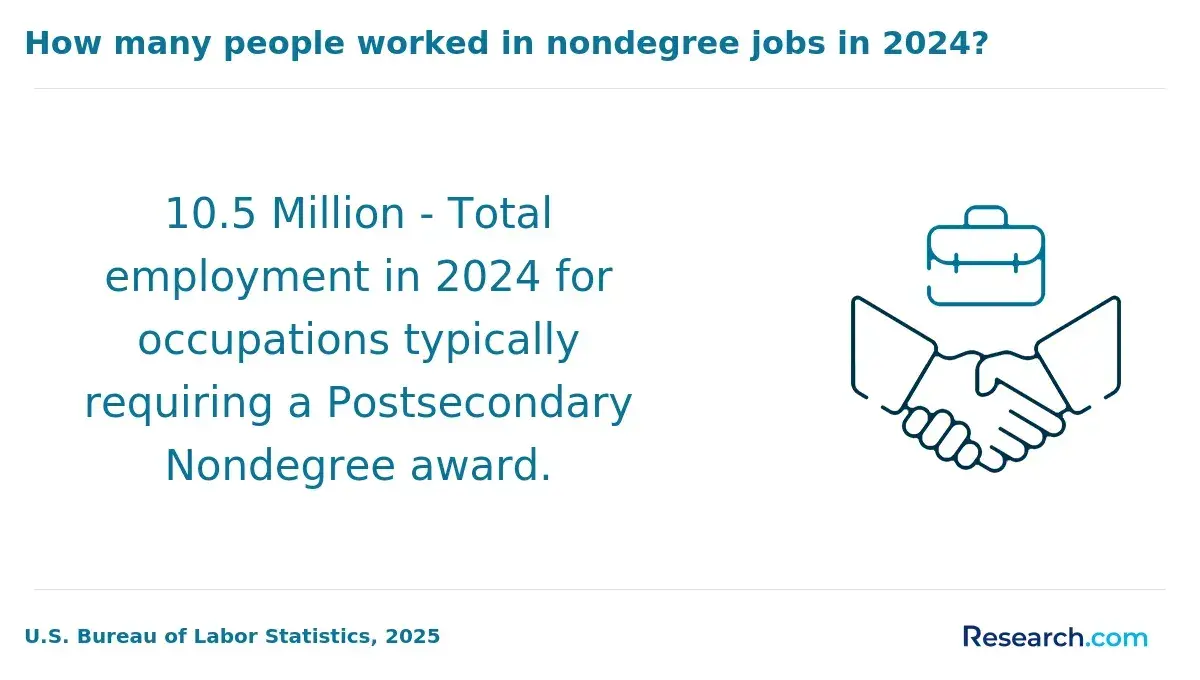
The hiring outlook for innovation graduates through 2030 is moderately strong but varies considerably by industry, role, and geography. While national data from the U.S. Bureau of Labor Statistics projects annual job growth between 7% and 10% for innovation-related occupations, such as product managers and R&D specialists, these figures mask significant unevenness. For instance, innovation roles in technology hubs or regions with heavy investment in renewable energy and healthcare may offer more abundant opportunities, whereas graduates outside these clusters might face stiffer competition and fewer openings. Additionally, the influence of automation and AI means employers increasingly seek candidates with practical interdisciplinary expertise rather than purely theoretical credentials.
The blend of expansion and replacement hiring creates a steady stream of openings nationally, but this does not necessarily translate to accessible entry-level positions for recent graduates. Employers prioritize demonstrated experience, cross-functional problem-solving, and adaptability to rapid change, which often requires internships, project portfolios, or relevant work history. Salary projections reflect this stratification, with median wages spanning from around $70,000 at entry level up to $120,000 or more for mid-career professionals who secure leadership roles. Prospective students should weigh these realities carefully, recognizing that an innovation degree's value is heavily dependent on actively cultivating applicable skills and navigating regional market dynamics rather than relying on broad growth trends alone.
Which Innovation Careers Will Experience the Most Job Growth?
Occupations linked to innovation that combine technical proficiency with creativity, such as AI and machine learning specialists, are projected to outpace average job growth through 2030, reflecting advances in automation and data analytics. However, regional demand for innovation professionals through 2030 varies widely, with roles like cybersecurity analysts seeing strong local spikes due to evolving threats, while renewable energy engineers gain ground driven by climate policies. Prospective students should weigh that some rapidly growing niches, despite high percentage increases, involve smaller total job volumes and often require adaptable skill sets beyond formal credentials to navigate multidisciplinary work environments effectively.
Interpreting workforce projections involves recognizing that salary gains often correlate with demand in areas like AI and cybersecurity, yet employers increasingly prioritize practical experience and the ability to integrate diverse technologies over narrowly specialized degrees. Innovation careers intersect with broader economic forces such as digital transformation and sustainability mandates, influencing hiring but also necessitating flexibility amid shifting regulatory and market conditions. For those assessing educational pathways, exploring accelerated options-like a 6 month LPN program-can offer strategic entry points into health technology sectors, which demonstrate rising demand due to telemedicine and bioinformatics expansion.
What Is the Salary Outlook for Innovation Graduates Through 2030?
Salary projections for innovation graduates through 2030 must be assessed in context, considering inflation rates, shifting labor market demand, credential standards, and the evolving nature of innovation roles. Wage growth often reflects not only years of experience but also the ability to integrate emerging technologies and meet employer expectations in dynamic sectors. Additionally, regional economic variations and industry-specific demand heavily shape compensation trajectories. The following key factors illustrate how salaries may evolve for innovation graduates over the next decade.
- Industry Concentration: Compensation trends vary notably between technology, healthcare, manufacturing, and consulting sectors. Innovation professionals specializing in high-growth industries like digital health or green energy often command higher salaries due to increased employer investment and competition for talent.
- Complementary Skills: Proficiency in data analytics, project management, and design thinking enhances earning potential by enabling graduates to lead complex initiatives. These capabilities are increasingly valued alongside core innovation expertise in product development and strategic roles.
- Geographic Influence: Metropolitan areas and regions with dense clusters of innovation-oriented firms typically offer above-average wages. Graduates in smaller or less economically vibrant locations may face slower salary growth despite similar experience.
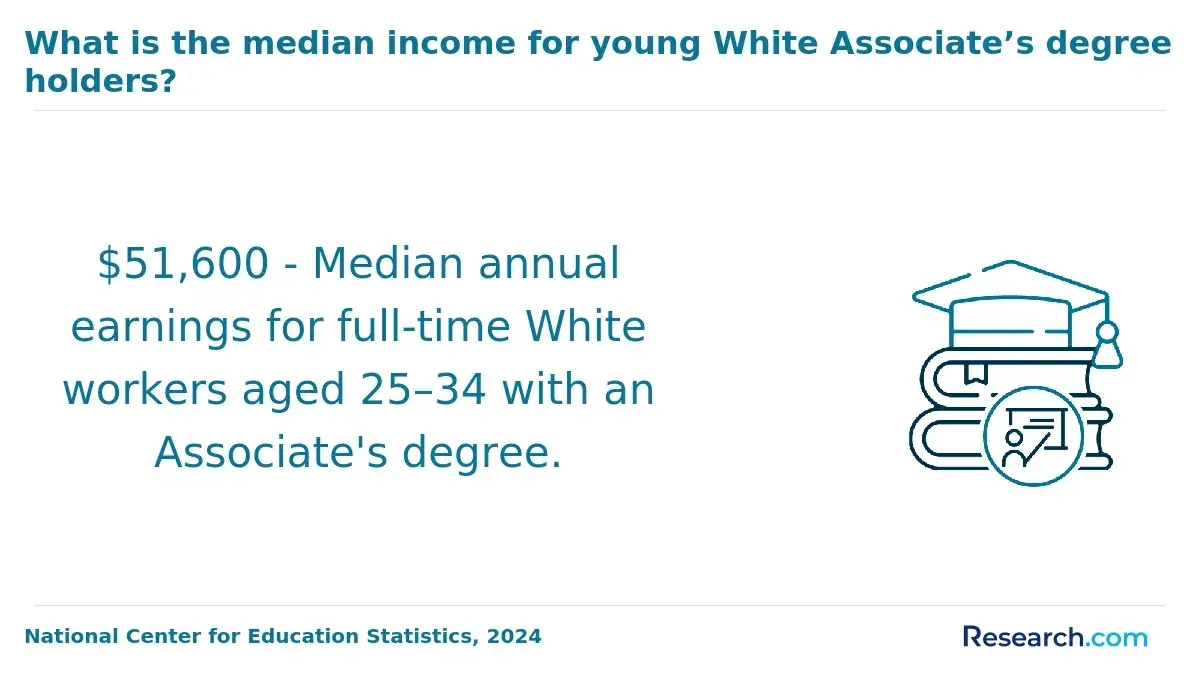
- Experience Levels: Entry salaries commonly range between $60,000 and $75,000, rising to $95,000-$120,000 with 5-10 years of relevant work experience. This wage jump reflects not only skill accumulation but also leadership responsibilities and cross-functional collaboration roles.
- Advanced Credentials: Holding graduate degrees or professional certifications in areas like strategic management or technology commercialization correlates with higher salary brackets by signaling deeper expertise and commitment to continuous learning.
- Organizational Scale: Larger companies, especially multinational firms, generally offer more competitive compensation packages compared to startups or small enterprises, though this can trade off with equity opportunities and role flexibility.
- Soft Skills and Adaptability: Employers increasingly reward innovation graduates capable of navigating ambiguity, leading change initiatives, and communicating across disciplines, which can translate to premium pay in strategic roles.
A recent innovation graduate encountered the realities of regional salary variance when negotiating an offer in a mid-sized city with limited innovation firms. Despite having strong project management skills and a relevant internship, the initial $63,000 offer was below their expectations. After researching metropolitan salary norms and presenting comparative data, the graduate secured a modest increase but accepted the position pragmatic of gaining experience. This case highlights how negotiation strategies, local market conditions, and early-career trade-offs influence entry-level compensation for innovation graduates.
Which Industries Will Hire the Most Innovation Graduates by 2030?
The employment landscape for innovation graduates through 2030 will be shaped by how distinct industries adapt to technological advancements, regulatory shifts, and evolving consumer demands. Growth sectors are those where transformational change drives both workforce replacement and expansion, demanding not only technical aptitude but also strategic problem-solving and interdisciplinary collaboration. Hiring volume projections favor sectors where innovation is integral to operational and product evolution, though competition and role accessibility vary widely. A plausible scenario illustrates that graduates focusing solely on technical skills without agility in cross-functional communication may face hurdles despite high job volume.
The top industries hiring innovation graduates in the US by 2030 encompass sectors undergoing digital transformation, sustainability integration, and service reimagination. These segments reward candidates who couple domain expertise with practical application of design thinking, agile methodologies, and data-driven decision-making. Highlights include:
- Technology Sector: Strong demand for skills in software development, digital product management, and emerging AI/machine learning roles reflects accelerated adoption of new technologies. Innovation graduates with agile problem-solving and interdisciplinary collaboration experience are especially competitive.
- Healthcare Innovation: Beyond clinical roles, opportunities arise in healthcare technology, service design, and patient experience enhancement. Firms seek graduates adept at integrating digital tools and reengineering care models amid intensifying tech-healthcare convergence.
- Renewable Energy and Sustainability: The drive for decarbonization and circular economy models fuels demand for innovation graduates able to navigate regulatory frameworks, optimize energy systems, and incorporate entrepreneurial skills for green solutions.
- Advanced Manufacturing: Industry 4.0 adoption creates openings for professionals to refine supply chains, automate processes, and develop smart factory applications. Proficiency in design thinking and rapid prototyping strengthens candidacy here.
- Service and Experience Design: Emerging roles in customer-centric innovation focus on enhancing user experience across industries, requiring a blend of creative problem-solving and data analytics.
- Financial Technology (Fintech): Expanding fintech innovation demands graduates skilled in digital product innovation, regulatory technology, and cybersecurity, reflecting broader financial sector transformation.
Considering these dynamics, graduates should strategically align their educational pathways and skills acquisition with evolving industrial demands to optimize employability. This insight aids both prospective students and current degree holders in contextualizing the innovation degree employment growth by industry 2030 amid a competitive and technology-driven labor market. For parallel considerations on digital and applied health fields, those interested may also explore options like the best online nutrition degree.
Where Will Demand for Innovation Graduates Be Strongest?
Demand for innovation graduates will concentrate in industries and regions where technology adoption and investment intersect with scalable growth potential. Coastal hubs like San Francisco and Boston continue to dominate hiring and compensation due to dense employer networks in technology services and healthcare technology, but these markets also command higher living costs and stiffer competition for jobs. Contrastingly, cities such as Denver and Atlanta offer emerging opportunities supported by expanding secondary markets and often lower expenses, though these may require graduates to navigate a tradeoff between volume of openings and sector specialization.
Specialized skills-such as data analytics, sustainable design, and agile project management-affect employability more than general credentials, especially within sectors like artificial intelligence, clean energy, and digital health where employers seek candidates bridging technical and strategic expertise. Employers in fast-evolving domains increasingly favor professionals capable of integrating multidisciplinary knowledge, meaning success depends on aligning education with specific sector demands rather than broader innovation degree titles alone. Furthermore, regional labor-market realities highlight that high nominal demand in certain metro areas can mask localized oversaturation or credential inflation.
Given cyclical trends and geographic nuances, graduates should balance prospects in leading innovation clusters against growing but less dense secondary hubs, recognizing that salary premiums may not offset cost-of-living differences or workforce competition. Labor forecasts from sources like Lightcast and the U.S. Bureau of Labor Statistics emphasize roles in R&D and product design sustained by strong policy support and investment flows, yet prospective workers must interpret these signals through practical lenses of market entry barriers and sustainable career pathways rather than raw vacancy counts. This approach enables more informed, regionally attuned decision-making through 2030 in a complex, unevenly distributed innovation labor market.
Which Innovation Specializations Will Be Most in Demand by 2030?
Employer demand for innovation specializations through 2030 is concentrated where technology, sustainability, and data intersect, reflecting evolving industry priorities. Prospective students must weigh growth projections against the skill versatility and credential requirements that influence long-term employability. For example, a student choosing between AI-driven product innovation and sustainability-focused roles should consider industry volatility, practical experience emphasis, and adaptability to regulatory changes. Data from the U.S. Bureau of Labor Statistics and Lightcast (2024) indicate that sectors centered on digital transformation and green technologies dominate hiring projections, especially where agile development and real-time data synthesis are critical. Below are key specializations expected to shape hiring patterns.
- AI-Driven Product Innovation: Serves manufacturing, healthcare, and energy sectors with demand for expertise in machine learning and IoT integration. Strong programming skills and familiarity with agile methodologies boost marketability in these fast-evolving fields.
- Sustainable Technology Development: Focuses on renewable energy and circular economy solutions. Employers seek candidates with interdisciplinary knowledge combining environmental science, regulatory compliance, and innovative design to fulfill corporate sustainability goals.
- Data-Informed Decision-Making: Emphasizes analytics and human-centered design to address complex challenges. Proficiency in data science tools and strategic thinking enhances employability across multiple industries prioritizing empirical innovation.
- Green Innovation Management: Integrates project coordination with technical understanding of eco-friendly technologies. Skills in stakeholder engagement and compliance reporting are valuable for roles in regulatory-driven sectors.
- Healthcare Innovation: Targets advancements in medical technology and service delivery. Knowledge of health informatics and agile product development frameworks is increasingly important, reflecting rising investment in healthcare digitalization.
How Will AI and Technology Affect Innovation Careers Through 2030?
Artificial intelligence and automation are poised to fundamentally redefine many responsibilities within innovation careers by 2030, shifting routine, process-driven tasks toward automation while amplifying the importance of higher-level skills such as creativity, strategic judgment, and cross-functional collaboration. For example, entry-level innovation professionals may find their traditional research and data gathering roles increasingly supplemented or replaced by AI tools, necessitating a pivot toward mastering machine learning applications, digital product development, and agile workflows. This evolving landscape favors individuals who integrate technological fluency with domain expertise, while those who fail to adapt risk stagnation or displacement in an increasingly competitive labor market shaped by technology-driven hiring trends for innovation careers in the US.
The salary outlook for innovation degrees demonstrates significant variation depending on sector and skill breadth, with roles incorporating AI competencies commanding reported premiums of 10-25% over traditional salaries. Students and current professionals should critically assess educational programs by evaluating the balance between theoretical foundations and practical exposure to AI-enabled platforms, applied projects, and certifications that align with employer expectations. Enrollment patterns indicate growing interest in interdisciplinary programs combining technology and design thinking, but outcomes and relevance vary considerably, so choices must be informed by credible workforce data rather than broad promotional claims.
Continued skill development and strategic upskilling are essential, particularly for sustaining long-term employability in innovation-centered roles increasingly shaped by artificial intelligence. This practical approach extends beyond formal degrees and includes ongoing education and relevant professional certifications to remain competitive. Those evaluating educational opportunities should consider applied experiences linked to evolving technologies, similar to the rigor found in highly structured fields such as accelerated NP programs, which emphasize real-world applicability alongside academic rigor.
Is a Innovation Degree Worth Pursuing Based on 2030 Projections?
Enrollment and hiring trends indicate that innovation degrees maintain relevance, but their value depends largely on how candidates navigate an increasingly competitive job market to 2030. According to data from the U.S. Bureau of Labor Statistics, employment growth for roles requiring innovation skills is projected to outpace average occupation growth, particularly in sectors blending technology and business strategy. Still, wage outcomes and hiring demand fluctuate widely by specialization, geography, and employer expectations, meaning prospective students must carefully assess how their chosen focus aligns with real-world openings and compensation benchmarks. For example, a graduate concentrating on product development in a tech hub may see stronger starting salaries than a peer targeting more generalized innovation roles in less dynamic regions.
The future salary outlook for innovation graduates demonstrates variability tied to adaptability and hands-on experience, notably internships. The National Association of Colleges and Employers stresses that practical experience often differentiates new graduates in starting salary offers, highlighting the need to balance academic credentials with applied skills. Moreover, prospective students must weigh tuition cost, program duration, and the quality of entry-level pathways, including experiential learning opportunities. Those exploring advanced credentials should consider the specific advantages of programs such as DSW programs online, which exemplify a growing share of specialized, flexible formats supporting career pivots. Ultimately, while innovation degree job market trends 2030 suggest steady demand, graduates should remain vigilant about evolving skill requirements and the risk of oversupply in popular degree tracks to optimize long-term workforce outcomes.
References:
- 20 Fastest-Growing Jobs for the Next Ten years - Innovations of the World https://innovationsoftheworld.com/20-fastest-growing-jobs-for-the-next-ten-years/
- The Innovation Job Market in 2026: What 420 Postings Tell Us https://axialsearch.com/insights/innovation-jobs
- Top Degrees in Demand for the Future: 2026 & Beyond https://skillifysolutions.com/blogs/career-growth/top-degrees-in-demand-for-the-future/
- The Most In-Demand Jobs for 2030 – Future of Work https://simplyagile.com/most-in-demand-jobs-for-2030/
- The future of work: Emerging job trends and the impact of AI (2025-2030) | EIT Deep Tech Talent Initiative https://www.eitdeeptechtalent.eu/news-and-events/news-archive/the-future-of-work-emerging-job-trends-and-the-impact-of-ai-2025-2030/
- How will Artificial Intelligence Affect Jobs 2025-2030 | Nexford University https://www.nexford.edu/insights/how-will-ai-affect-jobs
- Predictions for technology development by 2030 - iteo https://iteo.com/blog/post/predictions-for-technology-development-by-2030/
- What Higher Education Will Look Like in 2030: From Challenges to Change - QuadC https://www.quadc.io/blog/what-higher-education-will-look-like-in-2030-from-challenges-to-change
- Careers That Will Dominate the U.S. Job Market by 2030 https://www.floridacoastaluniversity.com/jobs-of-the-future-careers-that-will-dominate-the-u-s-job-market-by-2030/
- Artificial intelligence and the future of work: Disruptions and opportunities https://unric.org/en/ai-and-the-future-of-work-disruptions-and-opportunitie/
Other Things You Should Know About Innovation
Innovation programs often vary between highly structured curricula emphasizing specific methodologies and broader, interdisciplinary formats encouraging exploration. Students aiming for roles in established product development or corporate innovation teams might benefit more from programs with clear frameworks and applied project work, as employers expect demonstrated ability in innovation processes. Conversely, those seeking entrepreneurship or consulting careers should prioritize programs offering flexibility to tailor skills across marketing, design thinking, and technology. Balancing depth with adaptability is critical, and prospective students should evaluate how program design aligns with their immediate career goals rather than relying solely on brand reputation or broad appeal.
While innovation degrees often lead to competitive starting salaries above the average for general business or creative fields, these higher wages come with increased hiring competition, especially in tech hubs and metropolitan areas. Graduates need to demonstrate not just academic credentials but robust portfolios, real-world project experience, and cross-functional skills to stand out. Prioritizing internships or cooperative education during study can significantly tilt hiring odds. Students should consider whether short-term salary gains justify navigating a crowded job market or if they would be better served by focusing on niche industries with lower competition but steadier salary growth.
Employers increasingly expect innovation graduates to possess a blend of creative problem-solving, data literacy, and collaboration skills, delivered through experiential learning rather than theoretical coursework alone. Programs heavy on case studies or simulations without real client engagement risk leaving students underprepared for workplace dynamics and project ambiguity. The best outcomes arise from curricula integrating cross-disciplinary teamwork, agile project management, and digital tool proficiency. Students should prioritize programs with strong industry connections and opportunities for applied learning, as these experiences correlate strongly with faster job placement and career advancement.
The rigorous workload of innovation programs, often requiring significant project-based assignments and interdisciplinary study, demands sustained commitment and adaptability. Considering the field's evolving nature, graduates face periodic shifts in demand shaped by economic cycles and technological disruption. Those with a clear plan to leverage innovation skills in multiple industries or roles tend to maintain career resilience. For others, narrow specialization might increase vulnerability to market changes. Consequently, students should weigh their capacity for sustained effort and willingness to continuously upskill when deciding to pursue an innovation degree as a long-term strategy.