2027 Innovation Job Market Report: Open Roles, Salary Bands, and Hiring Momentum

Co-Founder and Chief Data Scientist
The labor market for innovation roles reflects a complex recalibration driven by shifting employer priorities and the rapid integration of emerging technologies. Fluctuations in open positions and salary bands often signal transitions in skill demand influenced by regulatory uncertainties and sector-specific investment cycles.
Recent reports from the U. S. Bureau of Labor Statistics highlight a 7% projected growth in science and technology occupations by 2028, emphasizing evolving credential expectations and geographic specialization as critical factors shaping hiring momentum. These dynamics reveal not only where talent bottlenecks persist but also how the innovation workforce adapts amid organizational restructuring and technological disruption.
Understanding these patterns aids in contextualizing compensation trends beyond surface metrics. This article examines open roles, salary ranges, and hiring activity as indicators of broader labor market shifts, offering insight into workforce demand, employer strategy, and the profession's trajectory.
The concentration of younger entrants in innovation programs suggests ongoing efforts to expand educational access, yet also signals a transformative phase in required competencies and professional integration.
Key Things to Know About Innovation Job Market
- Open roles in innovation increasingly demand cross-disciplinary skills, reflecting a tradeoff where candidates must balance technical expertise with strategic thinking, often extending education duration but enhancing versatility.
- Recent 2024 surveys show a hiring slowdown despite strong innovation outputs, signaling employers' preference for candidates with proven project impacts over generic innovation credentials, raising stakes on portfolio quality.
- The rising cost of innovation-focused degrees affects access, meaning timely entry into the workforce is critical; delayed graduation can reduce lifetime earnings, emphasizing accelerated or modular program formats for some learners.
- Key Things to Know About Innovation Job Market Key Things to Know
- How Strong Is Demand for Innovation Graduates in Today's Job Market? Demand for Graduates
- Which Innovation Careers Have the Most Open Job Opportunities? In-Demand Careers
- What Salary Bands Are Employers Offering Across Innovation Careers? Offered Salary Bands
- Which Industries Are Hiring the Most Innovation Graduates? Top-Hiring Industries
- How Does Hiring Demand Vary by State, Region, and City? Hiring Demand by Location
- What Skills Are Employers Prioritizing in Innovation Job Postings? In-Demand Skills
- Which Certifications Increase Employability and Salary Potential? High-Value Certifications
- How Do Remote and Hybrid Opportunities Affect the Innovation Job Market? Remote and Hybrid Opportunities
- Which Innovation Careers Show the Strongest Long-Term Hiring Momentum? Strongest Careers
- How Can Students Use Job Market Data to Make Better Career Decisions? Leveraging Job Market Data
How Strong Is Demand for Innovation Graduates in Today's Job Market?
Recent data from the U.S. Bureau of Labor Statistics and LinkedIn Workforce Reports in 2024 show that the demand for innovation graduates in the US remains solid but varies significantly across sectors and regions. Positions tied to innovation, encompassing roles in product development, design thinking, and R&D management, continue to grow steadily, though the pace differs depending on industry maturity and local economic conditions.
Hiring trends indicate a preference for candidates demonstrating both theoretical acumen and proven application of innovative practices, often reflected in prior projects or internships. The demand strength is uneven, with saturated urban markets presenting higher competition while emerging tech hubs and healthcare sectors maintain robust openings aligned with strategic growth initiatives.
The drivers behind this demand are closely linked to accelerating technological advancements and the increased reliance on data-driven decision-making. Industries like technology, healthcare, and manufacturing prioritize innovation graduates capable of leveraging digital tools to enhance product differentiation and operational efficiency, addressing skill shortages in these areas.
Automation and agile methodologies are reshaping workflows, creating roles that reward adaptability and cross-disciplinary collaboration. Regional economic shifts contribute as well, with some areas experiencing stronger innovation ecosystems that elevate demand, highlighting the importance of geographic factors in employment prospects. Job seekers should consider how these influences affect not only entry-level availability but also long-term positioning within evolving industry landscapes.
For candidates evaluating program choices, the fluctuating labor market conditions imply a need for continuous skill development and tangible experience over credentials alone. Innovation graduates benefit most from education pathways that provide real-world challenges and industry connections, enhancing their employability in competitive fields.
Recognizing that median salaries often track broadly with STEM averages but differ by company size and location, practical considerations such as internship quality and skill applicability become critical. Those interested in related fields might explore offerings like the cheapest MSW programs online, which reflect niche demand trends in complementary disciplines. Ultimately, assessing demand requires analyzing both current openings and the evolving nature of innovation roles to align expectations with workforce realities.
Which Innovation Careers Have the Most Open Job Opportunities?
Job opportunity distribution within innovation careers is increasingly shaped by rapid industry expansion, ongoing skills shortages, and evolving employer expectations for cross-functional abilities. Open positions are closely linked to sectors undergoing digital transformation and sustainable development, requiring professionals who combine technical expertise with strategic insight.
These roles reflect broader labor market shifts prioritizing agility, boundary-spanning communication, and practical technology deployment rather than purely technical specialization:
- Product Managers Focused on Innovation: Demand for these roles is driven by tech-centric industries aiming to accelerate new product pipelines. Employers prioritize candidates with skills in managing complex project lifecycles, cross-department collaboration, and market responsiveness. Projections from the U.S. Bureau of Labor Statistics anticipate a 12% growth in such positions over the coming years, reflecting the premium on strategic leadership in innovation processes.
- Innovation Analysts and Strategy Consultants: These professionals are sought after for expertise in emerging technologies such as AI, IoT, and sustainability platforms. Companies rely on them to navigate rapid technological shifts and inform pivot strategies, often requiring a blend of data analytics, business insight, and sector-specific knowledge. The World Economic Forum highlights these roles as critical for helping firms adapt to evolving market demands.
- Innovation Engineers and R&D Specialists: Advanced degrees or specialized training underpin high demand in this category, particularly within healthcare, manufacturing, and energy sectors. Employers emphasize expertise in continuous improvement methodologies, prototype development, and scalable process innovations. Industry surveys report a hiring momentum growth of approximately 15%, illustrating the strategic emphasis on robust innovation pipelines.
- Innovation Project Coordinators: These roles facilitate the progression of exploratory ideas through feasibility and market testing phases. While generally less technical, coordinators are essential in multidisciplinary environments that require strong organizational skills and knowledge of regulatory compliance and stakeholder communication. Their broad applicability drives consistent hiring across various industry verticals.
- Digital Transformation Specialists: Increasing demand stems from enterprises pursuing comprehensive modernization efforts. Candidates who combine IT proficiency with change management and user experience skills are especially valuable. These positions often appear in sectors such as finance, retail, and healthcare, where digital innovation directly influences competitive advantage.
- Sustainability Innovation Officers: Growth in environmentally focused roles aligns with rising regulatory pressures and corporate responsibility initiatives. Professionals who integrate sustainable design principles, lifecycle analysis, and renewable technologies find opportunities across manufacturing, energy, and supply chain management domains. Employers seek candidates capable of balancing innovation with long-term impact assessments.
Within this evolving landscape, prospective candidates pursuing a doctorate in organizational leadership online may find strategic advantage by aligning leadership development with emerging innovation sector demands. Emphasizing cross-disciplinary fluency, data-informed decision-making, and sustainable innovation management can differentiate candidates as the specialization areas with the most open job opportunities continue to expand.
What Salary Bands Are Employers Offering Across Innovation Careers?
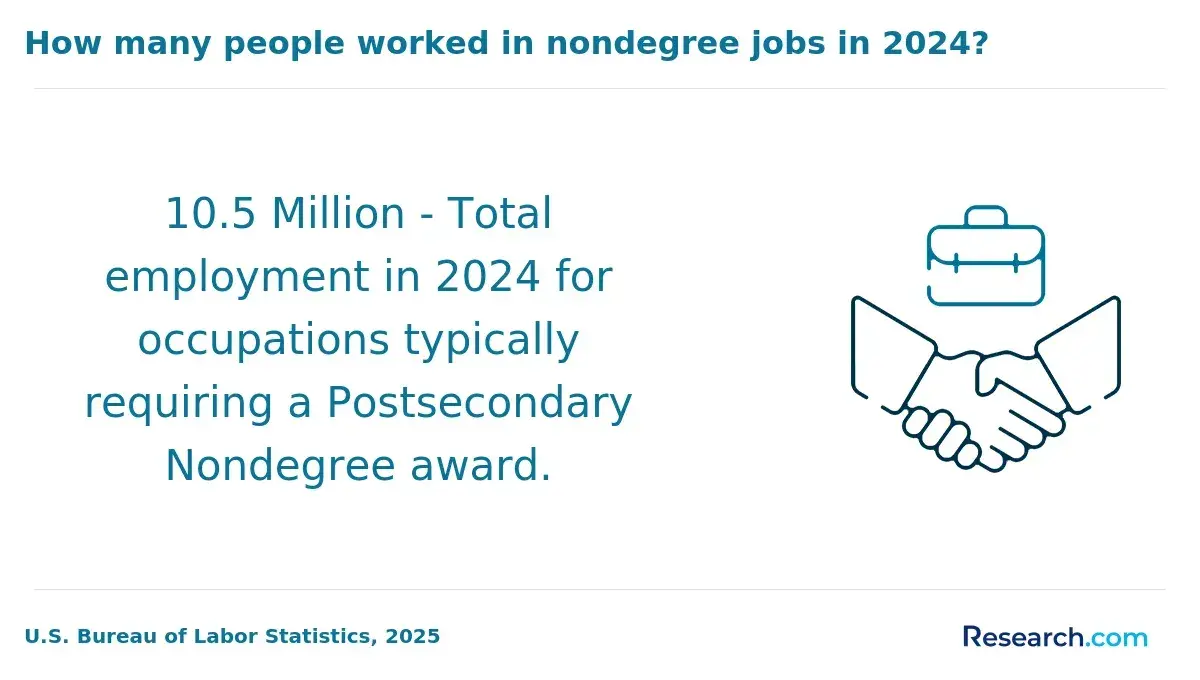
Compensation levels in innovation careers as of 2024 reveal distinct wage tiers aligned with experience and responsibility. Entry-level roles, such as innovation analysts or junior product developers, generally offer salaries between $60,000 and $80,000, reflecting foundational skill requirements and high employer expectations for adaptability rather than deep specialization, according to industry salary reports.
Mid-career professionals-including innovation managers and design strategists-typically command between $90,000 and $130,000, signaling a premium on proven leadership and project ownership within multifaceted innovation processes.
At the senior level, encompassing innovation directors and chief innovation officers, salaries range from $140,000 to $200,000 or more, underscoring the value placed on strategic oversight, cross-functional team management, and direct influence on organizational innovation trajectories.
Variability in these salary bands stems largely from factors such as specialization intensity, industry sector, company scale, and geographic location. Regions with concentrated tech ecosystems-like San Francisco and New York-tend to inflate wages due to competition for scarce innovation talent. Similarly, sectors such as healthcare innovation often offer different pay scales compared to manufacturing or consumer goods, reflecting divergent market pressures and required expertise.
Additionally, the complexity of skills-from technical proficiency to strategic business insight-shapes compensation, especially as workers ascend from adaptable contributors to decision-making leaders responsible for aligning innovation with long-term business goals.
One innovation graduate recalled feeling cautious but increasingly urgent while navigating the rolling admissions period for a specialized graduate program. The candidate initially hesitated to apply early, weighing competing deadlines and gathering necessary application materials, only to face a tighter timeline when acceptance notices began arriving from other schools.
"I was relieved once I finally submitted everything, but the waiting period felt longer than expected," they reflected. This experience highlighted the nuanced timing pressures prospective students can face, balancing thorough preparation with the unpredictability of admissions responses in a competitive field.
Which Industries Are Hiring the Most Innovation Graduates?
Demand for innovation graduates clusters in industries experiencing significant technological shifts, workforce growth, or persistent skill gaps. These sectors prioritize talent that can navigate complex transformation projects, integrate emerging technologies, and devise scalable solutions.
Rather than isolated hiring spikes, the increasing need for innovation-capable professionals reflects broader economic pressures such as digitalization, sustainability mandates, and automation adoption:
- Technology: This sector leads in hiring innovation graduates due to ongoing expansion in AI, software development, and data analytics. Employers seek candidates adept at applying creative problem-solving to optimize algorithms, improve user experiences, and advance cloud technologies. According to recent labor statistics, demand in technology innovation roles has surged by more than 15% compared to last year, driven by enterprise digital transformation efforts worldwide.
- Healthcare: The healthcare industry's uptake focuses heavily on biotech, health IT, and medical devices as it adapts to evolving patient needs and regulatory environments. Innovation graduates here are expected to contribute to personalized medicine, telehealth platforms, and integration of advanced diagnostics. This area requires strong interdisciplinary skills combining technical know-how with regulatory understanding, reflecting steady job growth aligned with health system modernization.
- Renewable Energy: Hiring growth in this sector stems from intensified global commitments to clean energy infrastructure, including solar, wind, and smart grid technologies. Innovation talent is critical for scaling sustainable solutions, improving energy efficiency, and managing complex project lifecycles. The International Renewable Energy Agency reports a 12% increase in innovation-related positions, underscoring the sector's strategic investment in green technologies.
- Advanced Manufacturing: With automation and Industry 4.0 technologies reshaping production, advanced manufacturing relies on innovation graduates to implement smart factory systems and optimize workflows. This field prizes skills in robotics, data-driven quality control, and process re-engineering. Investments in North American and European markets fuel demand as manufacturers modernize to remain competitive.
How Does Hiring Demand Vary by State, Region, and City?
Hiring demand for innovation careers varies significantly across states and broader regions, shaped by the economic structures, industry concentrations, and workforce ecosystems present in each area. Established technology hubs such as California, Massachusetts, and Washington consistently lead in openings due to their dense networks of corporations, startups, and research institutions.
Regional hiring trends for innovation careers show that the Northeast and West Coast benefit from strong finance, biotech, and software sectors driving a high volume of specialized roles. In contrast, the Midwest and Southeast offer more moderate growth centered on manufacturing innovation and logistics technology, presenting different salary expectations and cost-of-living considerations.
These variations reflect the underlying economic complexity and development stage of each region, as identified in recent labor market reports from credible sources including the U.S. Bureau of Labor Statistics and workforce analytics platforms.
At the city level, differences become even more pronounced, with metropolitan areas such as San Francisco, Boston, Seattle, and Austin commanding the highest hiring intensity, salaries, and employer competition in innovation sectors. These urban centers possess advanced infrastructure, established talent pipelines, and significant venture capital presence, all of which reinforce their market dominance.
However, smaller cities and suburban areas near these hubs can offer less saturated markets and unique innovation opportunities, balancing some of the cost-of-living challenges faced in metros. For individuals aiming to align education and job placement strategically, understanding localized demand including salary bands and competition is critical.
For instance, those considering specialized fields may explore related pathways like a real estate development degree online to complement innovation skill sets in certain regional markets. Such nuanced awareness of innovation job demand by state and city aids candidates in making informed decisions about where to pursue opportunities and how to navigate evolving employment ecosystems.
What Skills Are Employers Prioritizing in Innovation Job Postings?
Employer demand in innovation roles is shaped by rapid technological shifts, automation, and evolving industry requirements that emphasize flexible, interdisciplinary skill sets. This dynamic environment calls for more than just technical know-how; employers increasingly expect candidates to integrate analytical reasoning, collaborative leadership, and ethical awareness into their workflows.
The skill priorities reflect broader transitions where innovation teams must not only generate ideas but validate, iterate, and navigate complex social and regulatory landscapes simultaneously:
- Critical Thinking and Complex Problem-Solving: These cognitive skills are fundamental as employers seek personnel who can dissect ambiguous challenges and develop robust solutions under uncertainty. With over 65% of innovation job postings highlighting this need, critical thinking enables professionals to move beyond ideation to pragmatic, scalable outcomes-a necessity as markets demand faster and more reliable innovation cycles.
- Technical Proficiency in Data Analytics and Cloud Computing: Mastery of analytical tools, programming languages like Python and R, and cloud environments such as AWS or Azure is increasingly non-negotiable. This technical fluency supports data-driven decision-making and hypothesis testing, aligning with industry trends toward leveraging big data and scalable IT infrastructure for competitive advantage.
- Agile Project Management and Cross-Functional Collaboration: The fast-evolving innovation landscape rewards adaptability and seamless teamwork across disciplines. About 55% of innovation leaders emphasize managing agile workflows and diverse groups, reflecting a shift away from siloed roles toward integrated, iterative development models that improve responsiveness and idea-to-market velocity.
- Ethical Judgment and Sustainability Awareness: Growing attention to social impact and regulatory compliance signals that innovation must align with responsible practices. Employers seek candidates who understand the balance between disruption and trust, anticipating societal expectations and legal frameworks that increasingly influence project viability and brand reputation.
- Interpersonal and Communication Skills: Despite technological dominance, the ability to clearly articulate complex concepts and broker understanding between technical and non-technical stakeholders remains critical. This competency facilitates alignment, stakeholder buy-in, and effective scaling of innovation initiatives within organizations.
Which Certifications Increase Employability and Salary Potential?
Certifications within the innovation field function primarily as critical indicators of specialized expertise, technical aptitude, and readiness to contribute effectively in rapidly evolving environments. These credentials complement formal education by providing evidence of skills aligned with current industry demands, thus enhancing a candidate's competitive stance in recruitment and salary negotiations.
Employers often interpret certifications as proxies for both updated knowledge and practical problem-solving capabilities critical to innovation-driven roles:
- Project Management Professional (PMP): This certification signals mastery in managing complex projects, a skill vital for innovation roles that require orchestrating cross-functional teams and meeting tight deadlines. Its broad recognition supports higher job placement rates and typically leads to measurable salary premiums as organizations prioritize reliable delivery in product development and transformation initiatives.
- Certified ScrumMaster (CSM): Valued for its focus on agile methodologies, the CSM credential directly addresses industry shifts toward iterative development and adaptive planning. It helps close skill gaps in innovation teams where agility boosts speed to market and responsiveness, positively influencing hiring decisions and accelerating career progression in tech-driven environments.
- Certified Data Scientist: As data-centric strategies dominate innovation agendas, this certification demonstrates proficiency in advanced analytics critical for informed decision-making. Employers increasingly seek these credentials to validate candidates' ability to extract actionable insights, which often correlates to faster hiring times and enhanced salary negotiation leverage amid talent shortages.
- AI and Machine Learning Certifications: Given the rapid adoption of artificial intelligence across sectors, these certifications show an applicant's capability to implement cutting-edge solutions. They align strongly with current technological trends and workforce needs, providing a clear competitive advantage and contributing to above-average compensation growth in innovation roles.
- Cybersecurity Certifications (e.g., CISSP): With digital product innovation comes heightened risk, making cybersecurity credentials essential for demonstrating skills in protecting sensitive innovations. This expertise addresses critical industry vulnerabilities, lending to increased employability and salary benefits as organizations seek certified professionals to safeguard intellectual property and ensure compliance.
A graduate of an innovation degree recalled navigating the timing pressures of certification decisions during the rolling admissions cycle. They described waiting anxiously for confirmation of acceptance before investing months in exam preparation, wary that delays might impact application strength.
The uncertainty surrounding the best moment to commence certification study created tension, as securing credentials in tandem with degree completion often defined their competitiveness. This experience underscored the need for strategic planning around certification timing, balancing readiness against admissions schedules to maximize both employability and financial return potential.
How Do Remote and Hybrid Opportunities Affect the Innovation Job Market?
Labor market data from 2024 reveals that remote and hybrid opportunities are fundamentally reshaping hiring patterns within innovation roles, expanding the geographic scope for employers and diversifying talent pools. Hiring managers increasingly source candidates nationwide or globally, which intensifies competition and compels applicants to demonstrate proficiency beyond core technical skills.
Employers now prioritize digital collaboration, self-management, and asynchronous communication capabilities to maintain productivity in distributed teams, especially in technology-driven sectors. These shifts correspond with emerging salary patterns where compensation often adjusts to regional cost-of-living variations, reflecting a more layered salary band structure for innovation careers incorporating remote work trends in innovation careers.
The broader implications of remote and hybrid work models include increased geographic mobility for workers and evolving employer strategies aiming to balance salary competitiveness with local market realities. While remote work broadens access, it also compresses pay differentials, prompting nuanced regional salary normalization. Organizations face new challenges in fostering spontaneous collaboration and preserving culture, which raises expectations for candidates fluent in remote tools and structured communication.
Over time, these trends will likely recalibrate labor market dynamics, emphasizing adaptability and digital fluency, factors essential for navigating hybrid job opportunities in the innovation sector. For prospective professionals, educational options such as a graphic design degree online that incorporate remote collaboration tools and project management simulations may improve readiness for these evolving workforce demands.
Which Innovation Careers Show the Strongest Long-Term Hiring Momentum?
Long-term hiring momentum in innovation careers reflects enduring structural shifts driven by digital transformation, evolving market demands, and a sustained need for adaptive problem-solving capabilities. Rather than short-term fluctuations, these trends represent foundational changes in how organizations integrate technology and innovation to compete.
As a result, demand for specific innovation roles remains strong, supported by continuous developments in data analytics, user experience, and strategic collaboration across industries:
- Product Managers: Maintain long-term demand as organizations pivot to agile, customer-centric development processes. Their role bridges technical teams and business strategy, ensuring innovation aligns with market needs, which is essential amid ongoing digital disruption and competitive pressures.
- Data Scientists: Benefit from the explosion of data-driven decision-making. The increasing reliance on big data analytics, artificial intelligence, and machine learning means demand for professionals who can extract actionable insights will grow steadily, supported by structural skill shortages in these areas.
- User Experience (UX) Designers: They are critical as companies expand digital products and services. Their expertise ensures technological innovations remain accessible and intuitive for users, a nonnegotiable in markets where customer engagement drives success.
- Innovation Consultants: Play a rising role in helping businesses build innovation ecosystems and navigate complex regulatory and technological landscapes. Their strategic advisory functions support sustainable growth and organizational adaptability, key factors in long-term hiring momentum.
Recent data from the National Association of Colleges and Employers highlights a 12% year-over-year increase in openings for innovation-related jobs, underscoring these shifts. Regional job demand trends for innovation professionals further reveal how economic hubs prioritize cross-disciplinary collaboration roles like innovation project managers, streamlining ideation to delivery pipelines within fast-paced industries.
While educational credentials matter, practical experience, portfolio quality, and demonstrated adaptability increasingly outweigh traditional qualifications. Prospective professionals should consider how workforce expectations prioritize continual upskilling, with flexible learning paths gaining relevance. Resources like the best cybersecurity courses exemplify how targeted skill development supports career resilience in innovation and adjacent fields.
How Can Students Use Job Market Data to Make Better Career Decisions?
Students can leverage job market data from sources like current labor reports, hiring platforms, and up-to-date salary databases to evaluate demand, compensation structures, and growth trajectories within innovation fields. By examining which specializations show sustained hiring momentum and identifying salary bands linked to different roles and experience levels, they gain clarity on practical workforce needs.
Regional disparities and industry-specific trends further illuminate where emerging roles are concentrated and which skills command premium pay. This granular understanding shapes more targeted educational investments, allowing students to align their skill development with sectors exhibiting long-term viability rather than transient spikes.
When interpreting this data, students must weigh immediate job availability against enduring career stability, considering how economic cycles and technological advances influence innovation roles over time. Geographic flexibility and adaptability to evolving skill requirements also affect sustainable employability.
Overemphasis on short-term hiring surges risks misaligned expectations, so integrating labor market insights with personal interests and professional strengths proves essential. Thoughtful analysis facilitates balanced decisions, ensuring educational pathways connect meaningfully to authentic employer demands and realistic advancement opportunities in the innovation workforce.
References
- The Future of Jobs Report 2025 | World Economic Forum https://www.weforum.org/publications/the-future-of-jobs-report-2025/digest/
- Careers | Momentum https://www.themomentum.ai/careers
- Remote and hybrid work in IT. How we work after the pandemic https://nofluffjobs.com/en/insights/report-remote-and-hybrid-work-in-it-how-we-work-after-the-pandemic/
- 101 jobs that change the world https://www.ukri.org/news-and-events/101-jobs-that-change-the-world/
- Top Future Job Skills and Careers for Students in 2025 | LIS https://www.lis.ac.uk/stories/future-job-skills
- Employability next | PhD demand isn’t where you think: innovation economies outpace doctoral supply https://www.emerging.fr/post/employability-next-phd-demand
Other Things You Should Know About Innovation
Accepting a lower salary early in an innovation career can provide critical access to hands-on experience and exposure to dynamic project environments that significantly accelerate skill development. However, candidates should carefully evaluate whether the role offers clear pathways to growth and salary progression within a reasonable timeframe. Prioritizing roles at organizations with structured innovation programs and measurable outcomes will often yield better long-term returns than holding out purely for higher initial compensation in less established settings.
Deep specialization can secure roles requiring highly technical or domain-specific innovation skills but may limit mobility if market demand shifts or the niche contracts. Conversely, maintaining broader innovation competencies supports adaptability and access to a wider range of roles but risks becoming a generalist without clear competitive advantage. Candidates should align this decision with their target industries and the durability of those innovation subfields, prioritizing breadth when early in their career and layering specialization as market signals validate demand.
Variable hiring momentum means salary bands are less fixed and more sensitive to an employer's urgency and candidate availability, which creates room for negotiation-if approached strategically. Innovation professionals should leverage demonstrated project impact and transferable skills rather than relying solely on market salary data, adapting expectations to organizational contexts. Prioritizing employers with transparent career ladders and merit-based compensation ensures negotiations align with long-term progression instead of short-term gains alone.
Innovation roles often blur boundaries with product management, strategy, and R&D, resulting in fluctuating workloads and responsibilities without standardized job descriptions. Candidates must prioritize clarity on expected outputs, decision-making autonomy, and cross-functional collaboration before accepting roles. Those able to navigate ambiguous scopes while securing support for continuous learning and resource access will be better positioned to deliver sustainable innovation performance without burnout.