2027 History Career Outcomes by Degree Level Report: Pay, Employment, and Advancement Patterns

Co-Founder and Chief Data Scientist
Prospective history degree completers often confront uncertainty about how different degree levels translate into tangible career gains. For transfer students balancing credits or working adults weighing opportunity costs, understanding the pay, employment stability, and advancement trajectories attached to associate, bachelor's, and graduate history degrees is critical but frequently unclear.
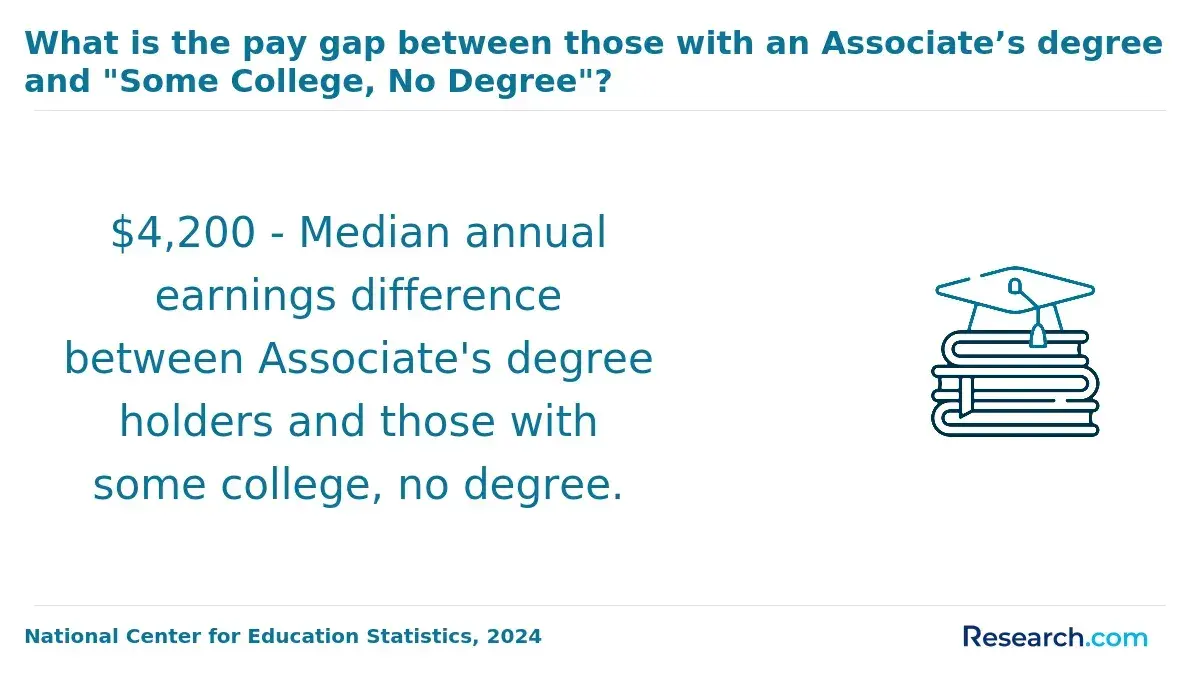
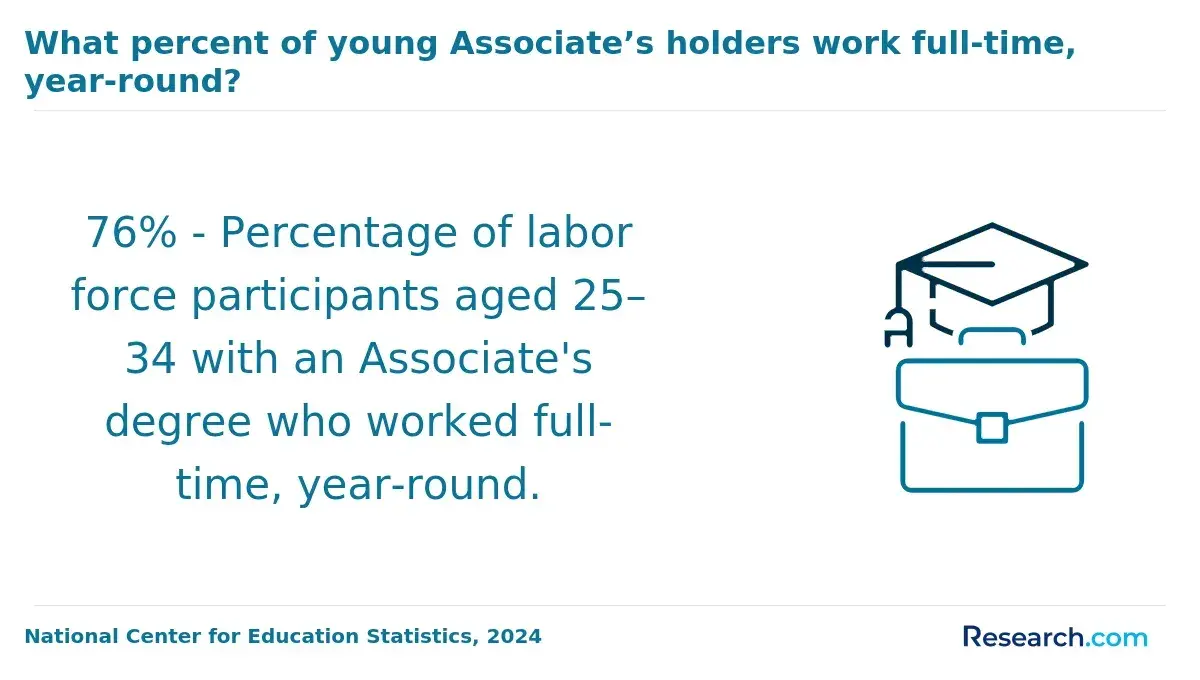
A 2024 National Center for Education Statistics study reveals that employment rates vary significantly by degree level within history fields, highlighting how educational investment intersects with labor market mobility and access. This report analyzes pay scales, job placement trends, and career growth patterns across history degree tiers to equip learners with actionable insights for informed decisions.
Key Things to Know About History Career Outcomes by Degree Level
- Associate degrees in history often lead to entry-level roles with limited advancement, reflecting a tradeoff between shorter study time and narrower job-market access compared to higher credentials.
- Employers increasingly favor master's-level history graduates for research and policy roles, underscoring the credential's importance in accessing competitive, specialized positions within cultural and governmental sectors.
- Doctoral programs require significant investment and time, delaying workforce entry; this influences career trajectory decisions, especially since tenure-track roles remain limited and reliant on broader skill diversification.
- Key Things to Know About History Career Outcomes by Degree Level Key Things to Know About History Career Outcomes by Degree Level
- What Career Outcomes Can Students Expect From Each History Degree Level? Career Outcomes by Degree
- How Much Do History Graduates Earn by Degree Level? Salary by Degree Level
- Which History Degree Level Offers the Strongest Employment Prospects? Best Degrees for Employment
- What Entry-Level Jobs Can You Get With a History Degree? Entry-Level Career Opportunities
- How Do History Degree Levels Affect Career Advancement and Promotion Opportunities? Career Growth by Degree
- Is a History Degree Worth It Based on Salary, Employment, and ROI? Salary, ROI, and Value
- How Do Associate, Bachelor's, Master's, and Doctoral History Degrees Compare? Comparing Degree Levels
- Which Industries and Employers Hire History Graduates by Degree Level? Which Industries and Employers Hire History Graduates by Degree Level?
- What Skills, Credentials, and Experience Improve History Career Outcomes? What Skills, Credentials, and Experience Improve History Career Outcomes?
- Which History Degree Level Is Best for Your Career Goals? Choosing the Right Degree
What Career Outcomes Can Students Expect From Each History Degree Level?
Career outcomes for students with different history degree levels reveal key tradeoffs between immediate job readiness and long-term career mobility. Those holding certificates or associate degrees typically qualify for entry-level roles such as archival assistants or museum technicians, yet often find advancement constrained without further credentials. For instance, a working adult who earns an associate degree may secure stable employment quickly but will face limitations moving into supervisory or specialized positions without pursuing a bachelor's degree.
Transfer students and military-affiliated learners benefit from flexible pathways to move from these initial credentials into higher degrees that expand access to leadership roles and research-focused positions. Bachelor's degree holders in history generally gain broader employment prospects in education, government, and nonprofit sectors, reflecting widely noted employer credential preferences for mid-level roles.
The U.S. Bureau of Labor Statistics highlights a bachelor's degree as a standard requirement for many operational and supervisory jobs, but professionals aiming for roles involving advanced policy analysis or archival management often encounter competitive pressure to obtain graduate degrees. The difference in advancement potential underscores the practical decision current learners face: balancing the time and financial investment of master's or doctoral degrees against the increased specialization and leadership readiness these advanced qualifications bring.
This dynamic is especially relevant for those navigating transfer planning or prioritizing the long-term payoff of graduate education over faster workforce entry. Studies such as the Integrated Postsecondary Education Data System indicate that master's graduates demonstrate greater job stability and specialization, supporting more sustainable career growth in history-related fields. Doctoral history graduates generally channel their credentials toward scholarly research, university teaching, or directing major projects, where peer-reviewed publications and recognized expertise are critical.
According to the National Center for Education Statistics, while the academic job market is highly competitive, doctoral-level historians often command better pay and leadership roles outside academia, including think tanks and policy institutes, although this comes with significant time commitments and opportunity costs. For adult learners or professionals returning to education, understanding these nuanced outcomes is essential before pursuing a Ph.D.
The degree-level decisions embedded in history degree career outcomes by credential level thus shape employment and advancement trends for history graduates in meaningful ways, informing practical workforce and academic planning considerations for many. Prospective students looking for educational options may consider exploring the cheapest online colleges that accept FAFSA near me to optimize financial and time investment in line with their career goals.
How Much Do History Graduates Earn by Degree Level?
Wage outcomes for history graduates depend heavily on degree level but must be interpreted alongside employment stability, career stage, and sector-specific demands. While bachelor's degree holders typically see median annual earnings near $60,000, those with associate degrees or certificates in related humanities fields often earn closer to $40,000, reflecting more limited job qualifications and narrower working environments.
Advancing to a master's degree may boost median pay to about $70,000 by opening access to specialized roles like museum curators or educators requiring graduate credentials, but the increased time and cost must be balanced against potential job market volatility and geographic wage disparities. Doctoral graduates can command salaries ranging widely-sometimes $70,000 to over $110,000-especially in academia or policy roles, yet these positions often involve prolonged job searches and uncertain tenure prospects, making the financial premium conditional on factors like location, research output, and institutional prestige.
For adult learners, transfer students, and working professionals, decisions to pursue higher history credentials should weigh completion timelines, credit transfer policies, and related opportunity costs against realistic advancement opportunities. Employers emphasize skills such as critical thinking and research aptitude, which may be developed outside formal credentials, influencing hiring in sectors like public administration or cultural institutions.
The incremental earnings gains after bachelor's degrees, though documented in datasets like those from the National Center for Education Statistics, do not guarantee smooth progression; many must negotiate fluctuating demand and regional labor market conditions. Ultimately, some may find that professional experience combined with a bachelor's degree offers a stronger return than extended schooling, especially when factoring in debt and time away from employment.
A recent graduate described how comparing advertised salaries and qualification requirements at local museums led to reevaluating the value of a master's degree. Initially considering graduate study to improve earnings, the candidate discovered several positions valued practical experience and undergraduate coursework equally or more.
After consulting with alumni working in cultural heritage institutions, the graduate decided to focus on internships and networking rather than immediate further education, recognizing that a delayed but targeted graduate program could be a better investment once job market clarity improved. This nuanced approach reflects how pay expectations must align with evolving employer preferences and individual circumstances rather than relying solely on degree prestige.
Which History Degree Level Offers the Strongest Employment Prospects?
For those weighing history degree levels, a bachelor's degree generally stands out for balancing employment accessibility with credible job stability. Employers frequently set a bachelor's degree as the baseline credential for roles like archivists or museum technicians, reflecting expectations for foundational academic rigor and research skills. Though associate degrees or certificates provide quicker entry points, they often confine graduates to support functions with limited upward mobility and higher risk of underemployment.
Recent data from the U.S. Bureau of Labor Statistics shows history bachelor's holders have an unemployment rate near 3.5%, notably below the national average, underscoring steady demand in cultural and educational sectors. Graduate degrees enhance prospects in both specialization and earning potential but come with distinct tradeoffs. Master's degree holders typically access leadership or niche roles in public history or education, benefiting from roughly 20% higher earnings over a decade compared to bachelor's graduates, according to the Department of Education's 2024 College Scorecard.
However, doctoral degrees, while offering the highest lifetime pay and research-driven advancement, confront a constricted academic job market where competition and institutional factors heavily influence outcomes. Thus, decisions to pursue advanced study must weigh the premium placed on specialization and seniority against longer study periods and less predictable job openings.
These distinctions highlight important strategic considerations for prospective students: entering the workforce sooner through an associate or bachelor's path may offer quicker income but limited career scope, whereas graduate degrees demand investment with potentially greater long-term returns if aligned with targeted roles. Employer credential requirements and the geographic variability of history-related positions further complicate choices, making it essential for candidates to prioritize relevant experience, such as internships or research.
What Entry-Level Jobs Can You Get With a History Degree?
Entry-level jobs available to history degree graduates vary notably depending on the degree level and practical experience. Those holding a bachelor's degree commonly find roles in education, social sciences, or the arts that emphasize critical thinking and communication but often require supplementary skills gained through internships or volunteer work. For example, a recent graduate aiming for a museum aide position may compete with candidates who have additional digital archiving or grant writing experience, reflecting an employer preference for job-ready applicants despite "entry-level" titles.
According to the U.S. Bureau of Labor Statistics in 2024, nearly 40% of history bachelor's degree holders enter such fields, underscoring both the opportunity and competitive challenges inherent to these early career paths. Graduate degrees open up pathways to more specialized or certified roles, including teaching positions requiring credentials or research roles demanding familiarity with advanced methodologies or digital resources.
The tradeoff for master's or doctoral students is often delayed workforce entry in exchange for access to jobs with clearer advancement potential, though these positions frequently demand demonstrable field-specific skills accrued via internships or practicum. Students should weigh whether gaining immediate employment through an associate or bachelor's degree versus pursuing graduate study aligns better with their long-term mobility goals, especially considering geographic and employer preferences for experiential learning.
Those exploring affordable educational options may also evaluate the cheapest online accounting degree programs as comparative benchmarks for cost-effective credentialing in adjacent fields that value analytical and administrative competencies relevant to history graduates.
How Do History Degree Levels Affect Career Advancement and Promotion Opportunities?
Graduate-level history degrees significantly enhance prospects for supervisory and specialized roles, especially in sectors like museum leadership, archival management, and academic administration. Data from the 2024 National Center for Education Statistics shows that around 60% of master's graduates in history achieve promotions within five years, compared to 35% of bachelor's holders in related fields.
Employers frequently require advanced credentials for positions involving policy analysis, digital humanities, or historiography because these programs cultivate analytical depth and leadership skills that bachelor's degrees alone often do not provide. For working adults or transfer students, pursuing a graduate degree can accelerate career mobility, but this advantage depends on validating prior experience and navigating credit transfer policies effectively.
Conversely, history professionals with only bachelor's degrees may find leadership tracks limited, particularly where licensure or certification demands a master's-level credential, such as in archival science or library studies. While certificates or associate degrees offer foundational knowledge, they rarely qualify candidates for higher roles or promotions without further education.
Mid-career individuals must weigh the immediate return on investing time in graduate study against on-the-job experience. For many employers, advanced degrees signal readiness for complex project management and strategic decision-making, yet promotions remain contingent on performance and organizational factors beyond credentials alone.
One recent history master's student shared hesitation about committing to further education after working several years in a regional museum. They noted, "I saw colleagues with just a bachelor's hitting a ceiling, especially when applying for curator roles requiring a master's. It was frustrating because I had hands-on experience but lacked the formal credentials.
Deciding to return for the degree felt like the only clear route to being considered for leadership positions, though balancing coursework with work left me cautious about the timing." This reflects common uncertainty about whether advanced study is vital or merely advantageous for career advancement in history fields.
Is a History Degree Worth It Based on Salary, Employment, and ROI?
The decision to pursue a history degree requires weighing salary potential against employment stability and the time investment needed to complete the degree. Median wages for history-related roles vary by degree level, with bachelor's holders often encountering moderate ceilings and master's or doctoral graduates accessing higher-paying, more specialized positions. However, extended time-to-completion and higher educational costs can diminish overall return on investment, especially for working adults balancing ongoing commitments.
For instance, a professional evaluating advanced study must consider whether the incremental salary improvement justifies delay in entering or advancing within the workforce, particularly in regions with limited demand for historians. Employment outcomes in history fields show steady but modest growth, and job stability often hinges on sector and geography, with government and museum roles generally offering more secure positions than private or freelance work.
Transfer students and adult learners should critically assess how program flexibility and financial aid affect their ability to maintain employment while studying, as interruptions can hinder both career mobility and loan repayment capabilities. The return on investment for history graduates is closely linked to leveraging transferable skills like research and communication into broader public policy or business contexts, emphasizing the need for realistic planning beyond degree completion.
When comparing degree paths, understanding opportunity costs is essential-bachelor's programs provide quicker entry into the market, whereas advanced degrees may only pay off where stable roles exist or where credentials are strictly required. Prospective students might also explore alternatives such as an online construction management degree for accelerated, career-ready credentialing that better aligns with immediate employment priorities. Detailed analysis of history degree salary and employment outcomes helps inform these decisions by highlighting tradeoffs in advancement potential, cost, and job market realities.
How Do Associate, Bachelor's, Master's, and Doctoral History Degrees Compare?
Choosing to stop at an associate degree in history often limits graduates to entry-level positions with constrained advancement and less job security, although it offers affordable, shorter-term education with transferable credits for future study. A bachelor's degree markedly improves employment prospects in roles such as research assistants or museum staff, with data from the College Scorecard indicating about a 75% employment rate within a year of graduation.
However, bachelor's holders frequently encounter a plateau in leadership or specialized research opportunities without further education, underscoring the tradeoff between early workforce entry and potential career ceiling. Master's degrees add value by opening doors to teaching at community colleges or engaging in specialized historical research and public history work, where nuanced skills and institutional reputation matter more than licensure.
The modest wage premium and improved job stability they provide reflect an investment that may pay off for those targeting niche roles or mid-level positions, though the decision to return must consider the cost and time involved versus tangible role differentiation. Doctorates primarily serve those pursuing academia or high-level research, demanding sustained commitment and yielding opportunities in tenured faculty positions or senior policy roles, but this path carries intense competition and expectations for extensive publication and teaching experience.
Ultimately, history students should weigh affordability, transfer pathways, and role aspirations against time investment and employer expectations. Practical experience and research output often rival formal credentials in importance, so incremental educational advancements should align with clear career objectives. For many, stopping after a bachelor's provides solid access to the workforce, while mastery and doctoral study are best reserved for those with specific ambitions in education, scholarship, or senior advisory roles within the history field.
Which Industries and Employers Hire History Graduates by Degree Level?
Employers differentiate sharply by degree level when hiring history graduates, with each credential aligning to distinct industry expectations and job functions. Associate degree holders typically fill entry-level support roles in public sector and cultural institutions, where practical skills suffice but advancement opportunities remain limited without further education. For example, local government agencies prioritize foundational archival assistance, often constrained by budget and career ladder stagnation.
According to the Bureau of Labor Statistics 2024 data, these roles often show moderate wages and regional funding dependencies, underscoring the tradeoff between accessibility and long-term growth. Bachelor's degree holders access a more diverse employment landscape that spans education, government, research firms, and media companies, with job functions emphasizing research analysis and content development.
Hiring managers generally value strong critical thinking and communication over specialized technical certifications at this level, but graduates may find upward mobility limited without experience or graduate training. Master's degree recipients, by contrast, are more competitive for specialized policy analysis, museum curation, and management roles, frequently doubling salary potential as noted by NCES, and gaining entry to federal agencies where supervisory skills are crucial.
Doctoral graduates dominate research-intensive and policy-making spheres, particularly in academia and think tanks, where leadership and publication records drive hiring and job security, though positions are fewer and more competitive. Certificate holders often supplement traditional degrees with technical skills in digital curation or data visualization, which employers increasingly demand but rarely accept as standalone qualifications.
For students deciding between stopping at a bachelor's or pursuing higher degrees, the choice hinges on whether they seek broader, generalist roles or specialized, higher-paying positions with institutional authority. This layered hiring dynamic highlights how degree level correlates directly with employer type, job responsibility, and advancement trajectory.
What Skills, Credentials, and Experience Improve History Career Outcomes?
Career outcomes for history graduates hinge more on combining specific skills, credentials, and practical experience than on degree level alone. Employers increasingly prioritize candidates demonstrating research proficiency, critical thinking, and communication skills paired with applied learning such as internships or leadership roles. For example, a bachelor's degree holder who secures an internship gains a crucial edge in a competitive job market, as over 65% of organizations emphasize practical readiness and adaptability.
This preference shifts hiring decisions toward candidates with tangible, role-relevant experience over purely academic achievements, underscoring how history degree skills for career advancement manifest in real screening practices. At the graduate level, credential stacking with certificates in areas like archival management or digital humanities markedly boosts employment outcomes by indicating specialization aligned with sector demands.
Licensure or formal pedagogical credentials become critical when pursuing education or museum curation roles, where such certifications substantially increase promotion potential. Portfolio artifacts such as published research or curated exhibitions serve as concrete demonstrations of capability and initiative. For adult learners and working professionals, integrating prior credits with these credentials and leadership experiences is a strategic pathway to enhance career mobility without redundant education.
Military or apprenticeship experience in fields like historical conservation provide additional employment security by showcasing structured experiential knowledge. Given the varied routes within history fields, prospective students evaluating their options should carefully weigh how applied experience, credentials, and focused specialization interact at each stage to improve longer-term advancement prospects.
Those assessing the return on investment of their education might also explore online interdisciplinary studies admissions and costs via online interdisciplinary studies admissions and costs as a complementary option to broaden their career-relevant skills and credentials.
Which History Degree Level Is Best for Your Career Goals?
Selecting the optimal history degree level critically shapes access to employment and advancement options. A bachelor's degree generally serves as the practical baseline for many entry-level history roles, offering relatively swift workforce entry with a 78% employment rate within a year according to 2024 data from the National Center for Education Statistics.
However, graduates targeting specialized or leadership positions increasingly find that employers require graduate credentials; master's degrees broaden eligibility for supervisory roles, public policy jobs, and flexible career shifts, while doctorates are often essential for academic research and senior museum leadership despite higher debt and competitive job markets. Tradeoffs between immediate employability and long-term specialization are pronounced.
Program factors such as credit transfer policies, accelerated formats, and internship opportunities directly impact completion timelines and career readiness, which are critical for working adults and military-affiliated students balancing opportunity costs. For those contemplating further education, it's important to recognize that advanced roles in history-related fields commonly mandate graduate or doctoral degrees, making strategic decisions about when to pursue these credentials crucial in managing student debt and maximizing professional mobility.
Students evaluating history degree career outcomes by level must weigh these dynamics carefully alongside their own career goals and timelines. Those interested in flexible pathways, including concurrent or part-time study, might find merit in exploring options like the one-year MPA model for efficient credentialing. Ultimately, aligning degree choice with realistic employer expectations and personal circumstances enhances the likelihood of sustainable career growth and fulfillment.
References
- Is College Worth it? | Return on Investment Analysis of College Degree https://educationdata.org/college-degree-roi
- Where Can Your History Degree Take You? https://www.superprof.com.au/blog/history-degree/
- What can I do with a degree in History? | Department of History https://history.tcnj.edu/what-can-i-do/
- History Majors: Beyond the Myths and Into the Workforce https://www.graydi.us/blog/gray-insights/history-majors-beyond-the-myths-and-into-the-workforce
- Careers for history graduates - Hodder Education Magazines https://magazines.hachettelearning.com/magazine/modern-history-review/25/2/careers-for-history-graduates/
- History and Cultural Studies Degree Careers and Salary in Europe - StudyinEurope.eu https://www.studyineurope.eu/history-cultural/history-cultural-degree-careers-salary-europe/
- Popular Jobs You Can Get with a History Degree https://www.dbu.edu/blog/popular-jobs-you-can-get-with-history-degree.html
- Types of College Degrees https://www.act.org/content/act/en/students-and-parents/high-school-success/what-to-do-after-high-school/college-degrees.html
Other Things You Should Know About History
Advanced History degrees like master's and doctorates require substantial time and intellectual commitment, which delays entry into the workforce. This can mean fewer years of earning potential early on and potential challenges in recouping education costs quickly. Prospective students who prioritize entering professional roles promptly should consider whether the specialized research skills and academic focus justify the additional investment compared to starting a career with a bachelor's degree. For those targeting academia or high-level policy roles, advanced degrees can be indispensable despite this tradeoff.
In many History-related careers, practical skills and relevant experience often weigh as heavily as, or sometimes more than, advanced degrees. For instance, cultural resource management, archival work, or museum positions sometimes prioritize demonstrated project management, networking, or digital skills over formal credentials beyond a bachelor's. This means that students should strategically pursue internships, fieldwork, or applied training alongside degrees to optimize employability, rather than relying solely on degree level to enhance career prospects.
Graduate History programs typically entail intense reading, extensive writing, and original research, which can significantly impact work-life balance. Doctoral candidates especially should anticipate several years dedicated to dissertation work, often conducted under less structured supervision, demanding strong self-discipline and resilience. Bachelor's programs are generally more structured with clearer course milestones, making them more manageable for students balancing education with employment or family obligations. Understanding these differences can help students align their degree choices with their personal circumstances and endurance for academic pressure.
Students balancing jobs, family, or other commitments should often prioritize programs offering flexibility-such as part-time enrollment, online coursework, or hybrid models-over those with higher prestige but rigid schedules. While top-ranked programs may grant signaling advantages, these benefits may be negated if the student struggles to complete the degree or lacks time for professional development alongside study. Choosing a program that accommodates real-world constraints can facilitate timely graduation and relevant experience accumulation, which employers often value as much as institutional reputation.