2027 History Skills Gap Analysis: What Employers Want vs What Degree Programs Teach

Co-Founder and Chief Data Scientist
A recent history graduate faces unexpected challenges while applying for jobs outside academia. Despite strong research and writing skills, employers often seek practical experience in digital tools, data analysis, or project management that many programs overlook. This gap creates barriers to entry in roles that value both historical insight and applied skills. The graduate must navigate a job market that demands more than traditional degree competencies.
Prospective history students encounter similar uncertainty when choosing degree programs without clear insight into workforce needs. Many programs emphasize theoretical knowledge but provide limited opportunities to develop marketable skills employers want. This disconnect results in underprepared graduates and missed career opportunities. This article examines the gap between employer expectations and what history degree programs teach, offering guidance on bridging this divide to improve career readiness.
Key Things to Know About History Skills Gap
- Employer surveys show 65% of History graduates lack applied data analysis skills crucial for archival and research roles, highlighting a gap between traditional coursework and workforce demands.
- Critical skills like digital humanities proficiency and advanced writing are expected but often underdeveloped, necessitating targeted extracurricular projects for meaningful skill acquisition.
- Internships and interdisciplinary coursework significantly boost career readiness, as students who engage in these show 40% higher employment rates within a year post-graduation.
- Key Things to Know About History Skills Gap Key Things to Know About History Skills Gap
- What Skills Do Employers Expect From History Graduates? Employer Expectations
- What Do History Degree Programs Typically Teach? Program Curriculum
- Where Is the Biggest Skills Gap Between History Programs and Employers? Biggest Skills Gap
- Which Technical Skills Are Most Important for History Careers? Technical Skills
- Which Workplace Skills Matter Beyond Technical Knowledge? Workplace Skills
- How Do Internships and Real-World Experience Improve Career Readiness? Career Experience
- How Can Students Close the History Skills Gap Before Graduating? Closing Skills Gap
- How Is the History Job Market Changing Employer Skill Requirements? How Is the History Job Market Changing Employer Skill Requirements?
- How Do Different History Programs Compare in Career Preparation? How Do Different History Programs Compare in Career Preparation?
- How Should Students Choose a History Program That Builds Career-Ready Skills? Choosing a Program
What Skills Do Employers Expect From History Graduates?
Employers recruiting history graduates in 2024 prioritize a complex mix of analytical thinking, technical know-how, and interpersonal skills that surpass typical academic achievements. Research from Lightcast and LinkedIn highlights a growing demand for competencies such as critical analysis, research rigor, and advanced communication, reflecting the necessity for candidates who can break down intricate information and communicate it effectively within diverse professional contexts.
This approach aligns with market trends where only 23% of job postings for history degree holders openly emphasize traditional expertise, focusing more on transferable and digital skills. Below is a detailed summary of the primary skills that embody employer expectations for history graduates.
- Critical Thinking & Analysis: Employers seek graduates who can evaluate historical data and present reasoned arguments. History curricula foster these skills through methodical examination of sources and evidence, equipping students to interpret complex narratives applicable in fields such as education, consulting, or policy development.
- Research Expertise: Proficiency in managing various archives, databases, and qualitative data is essential. These capabilities are cultivated via rigorous academic projects and enhance a graduate's ability to support evidence-based decision-making in roles that require detailed historical inquiry.
- Digital Literacy: Familiarity with digital platforms, including data analysis tools and archival software, is increasingly a baseline requirement. The World Economic Forum identifies this as a critical area, with history graduates benefitting from these skills in roles connected to digital humanities and museum curation.
- Communication Skills: Clear and persuasive writing or presentations, honed through coursework, are vital. Many employers prioritize those who can translate complex research into accessible formats tailored to diverse audiences and stakeholders.
- Project Management & Teamwork: Collaborative abilities and managing multi-faceted projects are often undervalued but prove essential. Real-world settings require graduates to juggle deadlines and coordinate with different departments, ensuring smooth workflow in multidisciplinary environments.
- Adaptability & Problem-Solving: The broad applicability of a history degree means graduates face shifting roles. Flexibility and innovative problem-solving based on historical context enable them to navigate ambiguity and contribute solutions in sectors from public policy to consultancy.
- Continuous Learning Orientation: Given evolving industry tools and methodologies, the capacity to adapt through ongoing education is key. Prospective students might explore options like the fastest EdD program online to complement their foundational skills with advanced credentials.
What Do History Degree Programs Typically Teach?
History degree programs cultivate a blend of analytical and communication skills grounded in a rigorous core curriculum. These programs emphasize investigatory approaches that go beyond memorizing dates or events to fostering critical reasoning about causes, motives, and impacts. Understanding the typical skills taught in history courses reveals how graduates develop versatile competencies transferable across diverse career paths.
For example, a student analyzing conflicting primary sources gains experience in synthesizing opposing viewpoints-a skill useful in legal research or policy analysis. Below are the major knowledge and competency areas commonly emphasized in history degree programs.
- Source Evaluation: Students learn to critically assess primary and secondary sources, distinguishing bias, reliability, and context. This foundational skill helps students construct well-grounded arguments and prepares them for professions requiring discernment of complex information.
- Research Methodology: The curriculum prioritizes mastery of historical research techniques, including archive work and digital databases. These methods refine students' attention to detail and resourcefulness, valuable in academic, curatorial, or data-driven roles.
- Historiography: Learners explore the evolution of historical interpretation and competing scholarly narratives. Awareness of historiography nurtures intellectual flexibility and deepens understanding of how history shapes and is shaped by ideology.
- Written and Oral Communication: Producing essays, presentations, and reports is integral, reinforcing the ability to convey complex ideas clearly and persuasively. Over 70% of bachelor's programs require substantial writing components, reflecting their importance in various professions.
- Thematic Specialization: Many programs encourage focus on specific domains such as political, social, or cultural history. This specialization enables students to develop expertise that can differentiate them in job markets or graduate studies.
- Critical Thinking and Contextual Analysis: Emphasis on these competencies helps students evaluate events not in isolation but within broader socio-political and economic contexts, fostering nuanced judgment applicable across analytical careers.
- Digital Literacy in History: Although present in fewer programs, digital history and data visualization skills are growing components. Familiarity with these tools enhances employability in modern research environments and interdisciplinary roles.
While traditional history curricula provide a strong intellectual foundation, students seeking practical advantages in today's workforce might complement their studies with training or experience in project management, teamwork, and technology. Those interested in interdisciplinary or technology-oriented paths might also explore a cybersecurity degree online as a potential complementary credential.
Where Is the Biggest Skills Gap Between History Programs and Employers?
The most pressing disconnect between history degree programs and employer needs lies in practical, transferable skills rather than purely academic knowledge. Research from the National Association of Colleges and Employers in 2024 shows that over 60% of employers find recent graduates lacking in digital literacy, data handling, and communication skills essential for many roles.
While critical thinking and research remain strong suits for history students, employers increasingly expect graduates to apply these abilities to solve real-world problems using modern tools. Below are key skill gaps that often challenge history graduates seeking to meet these workforce expectations.
- Digital Fluency: Many history programs still teach with traditional methods, leaving students without experience in digital archives, coding basics, or data visualization. This limits their ability to engage with evolving industry tools, making entry-level roles in cultural institutions and policy organizations harder to access. Gaining hands-on experience through internships that focus on digital humanities or technical workshops can help close this gap.
- Quantitative Analysis: Employers in public policy and research fields value candidates who can interpret numerical data alongside qualitative sources. However, history curricula rarely emphasize statistical reasoning or familiarity with software like Excel or R. Students who supplement their studies with courses in quantitative methods or data analytics certification programs improve their marketability significantly.
- Communication for Diverse Audiences: Effective storytelling across various formats-reports, presentations, or digital media-is an expectation that many history graduates struggle to meet. Translating complex historical insights into clear, actionable messages requires practice beyond academic writing. Participating in community projects or media internships can build this vital skill.
- Project Management and Adaptability: While history education often focuses on long-term research projects, it sometimes neglects skills like managing deadlines, collaborating on teams, or adapting to rapidly changing priorities. Employers in sectors such as education and cultural resource management frequently highlight these competencies as crucial. Engaging in group work and real-world assignments with set deliverables during studies can prepare students better.
One history graduate recalls the uneasy transition from school to a public policy role, where she felt overwhelmed by expectations to use data visualization tools confidently and produce concise policy briefs. Despite thorough academic training, she realized her coursework hadn't equipped her for fast-paced, cross-team communication. She sought out a short online certification in data analytics and volunteered to prepare occasional reports for a nonprofit, which gradually built her practical skills and eased her adaptation to the workplace demands.
Which Technical Skills Are Most Important for History Careers?
Translating academic knowledge from history degree programs into effective professional practice increasingly depends on technical expertise. As workplace technologies evolve, the skills valued by employers shift toward practical digital competencies that complement strong critical thinking.
History graduates who grasp how to harness modern tools can differentiate themselves, particularly as employers expect more data fluency and technological adaptability alongside contextual analysis. A 2024 report from the American Historical Association notes that over 60% of history-related job listings prioritize proficiency with digital tools or data management.
Below are some of the key technical skills that consistently enhance employability in this evolving landscape.
- Geographic Information Systems (GIS): Mastery of GIS software enables historians to visualize spatial data and analyze geographical trends, important for cultural resource management and urban research. Students often build this skill through specialized courses or internships, positioning them for roles that blend history with planning or environmental analysis.
- Database Management: Effective handling of extensive archival data using relational databases or similar platforms is essential in many institutions. Developing this skill usually involves coursework in digital humanities or project-based experience, supporting long-term roles in research and preservation.
- Digital Archiving Expertise: Familiarity with content management systems and digital repositories allows historians to curate, organize, and provide access to digitized historical records. This competency is fundamental for careers in museums, libraries, and academia where digital accessibility is paramount.
- Programming for Data Analysis: Knowledge of languages such as Python or R empowers historians to conduct quantitative analysis and create data visualizations from complex datasets. This skill is increasingly taught in interdisciplinary settings and significantly enhances a graduate's ability to uncover new insights.
- Data Interpretation and Visualization: The capability to translate large datasets into meaningful narratives using visualization tools equips historians to communicate findings effectively to diverse audiences, a growing workplace expectation across sectors including public history and government research.
- Technological Adaptability: Employers value historians who can quickly learn and apply emerging digital tools, reflecting a flexible mindset crucial to navigating shifting technologies and methodologies.
Which Workplace Skills Matter Beyond Technical Knowledge?
Career success for history graduates hinges on more than just technical expertise in the field. Employers increasingly emphasize professional or durable skills that enable graduates to adapt and contribute meaningfully across varied roles and industries. Historical knowledge provides a foundation, but the ability to communicate effectively, collaborate, and solve real-world problems shapes employability.
A 2024 report by the National Association of Colleges and Employers highlights that over two-thirds of employers prioritize soft skills like communication and adaptability when hiring history graduates, reflecting shifting workforce demands. Below are key workplace skills that matter beyond technical knowledge.
- Effective Communication: Clear written and verbal skills are critical for expressing complex ideas and historical context. History programs help strengthen these through research papers and presentations, preparing graduates for diverse roles in education, policy, or cultural sectors where articulation influences impact and decision-making.
- Critical Thinking: Analyzing sources and framing arguments is central to history, but employers desire graduates who apply this thinking to contemporary challenges. Enhancing this skill requires blending theoretical insight with practical problem-solving, making it vital for strategic roles and interdisciplinary projects.
- Collaboration and Teamwork: While history study often involves individual research, real-world work emphasizes cooperative efforts. Internships and group projects during coursework develop interpersonal skills essential for managing collaborative initiatives, especially in fields like consulting and communications.
- Adaptability: The workplace environment is fluid, demanding flexibility in tasks and goals. History graduates who demonstrate adaptability can pivot between research roles, project management, or emerging fields, increasing their career resilience and long-term growth opportunities.
- Digital Literacy: Growing reliance on digital tools means graduates should complement historical knowledge with technical fluency. Engaging with digital archives or data visualization in classes builds these competencies, expanding prospects beyond traditional history-related careers.
- Emotional Intelligence and Cultural Competency: Navigating diverse perspectives is inherent to history, but applying emotional intelligence enhances workplace relationships and leadership potential. These skills improve employability in sectors valuing nuanced understanding of cultural and social dynamics.
Integrating these professional skills alongside historical expertise better aligns graduates with employer expectations for the modern workforce. Developing such competencies through experiential learning is crucial, whether via internships or collaborative assignments.
For students interested in supplementing their history degree with quantitative and technical capabilities, exploring online data science programs can be a strategic step toward broader career readiness. Prioritizing the cultivation of career ready soft skills for history graduates fosters versatility, making them valuable assets in a competitive job market.
How Do Internships and Real-World Experience Improve Career Readiness?
Academic study in History often centers on theoretical understanding, critical analysis, and research methods, yet these alone do not fully prepare students for workforce demands. Employers increasingly seek applied competencies such as project management, digital fluency, effective communication, and collaboration-skills that classrooms may touch on but rarely develop to professional standards.
Real-world experience through internships or practicums enables students to translate scholarly knowledge into practical decision-making and workplace adaptability, fostering confidence and nuanced judgment. For example, a History student interning at a museum might apply archival research techniques to curate an exhibit, while also navigating deadlines, stakeholder feedback, and public engagement.
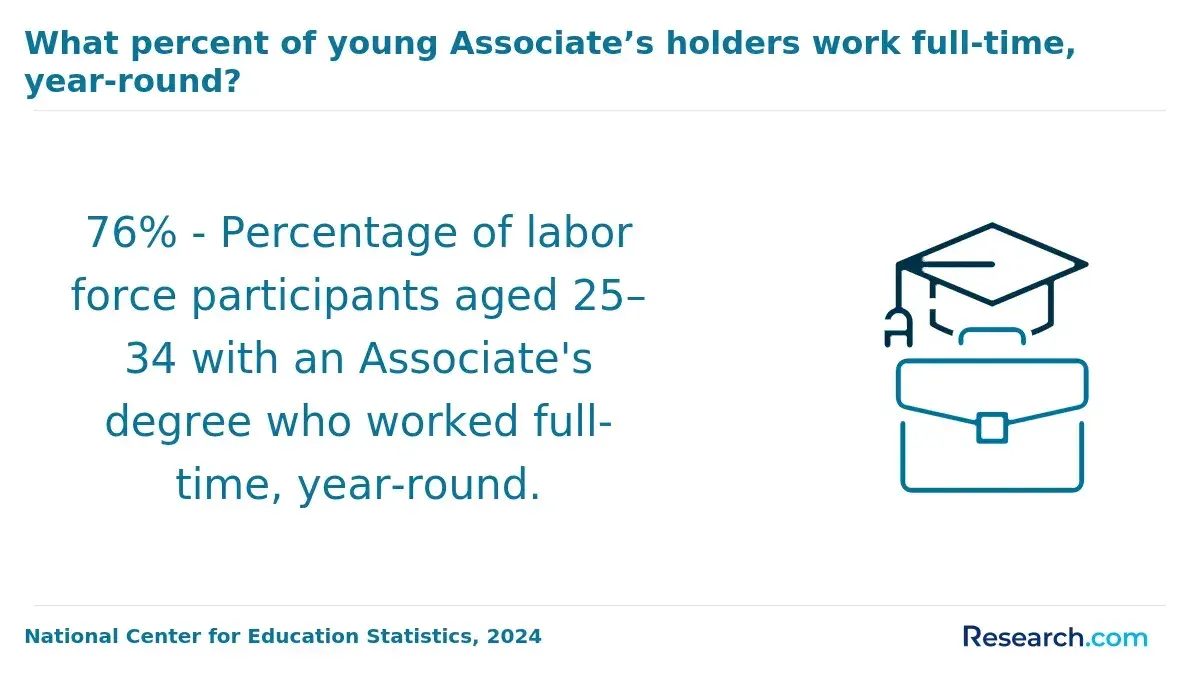
Experiential learning also cultivates essential career-building skills beyond technical abilities. Internships provide a context to develop professional communication, understand workplace culture, and build networks crucial in fields where many job openings arise through connections. According to a 2024 report from the National Center for Education Statistics, History graduates with internship backgrounds are 30% more likely to secure employment within six months after graduation than their peers without such experience.
However, these benefits depend strongly on the quality and relevance of placements, which vary widely across programs and sectors. Not all internships guarantee equal returns; structured opportunities aligned with a student's historical interests and career objectives produce better outcomes. To fully leverage experiential learning, prospective History students should pursue internships early and engage actively with applied projects that challenge their analysis and communication skills.
Building and maintaining professional relationships during these experiences can open doors not only immediately after graduation but throughout a career. Reflecting on workplace challenges and linking them to long-term goals deepens the value gained. While internships are not a standalone solution, their impact is optimized when combined with strong academic performance, ongoing skill refinement, and proactive career planning that situates practical experience within a coherent professional trajectory.
How Can Students Close the History Skills Gap Before Graduating?
Students pursuing a history degree do not have to wait until graduation to improve their employability. Actively developing practical skills during their studies enhances not only academic understanding but also adaptability to workplace demands. Employers increasingly prioritize candidates who combine critical thinking with experience in relevant settings.
Integrating career-focused activities alongside coursework is essential for gaining an edge in competitive job markets. Below are key strategies that help close the skills gap before completing a history program.
- Structured Internships: Internships offer direct exposure to workplace dynamics and industry-specific tasks, allowing students to practice skills that employers value. Engaging in internships relevant to history-such as museum work, archival research, or educational outreach-builds professional networks and improves full-time employment prospects. According to the National Association of Colleges and Employers, history students with at least one internship see a 30% higher rate of full-time employment within six months after graduation.
- Applied Research Projects: Participating in undergraduate research with a real-world focus enhances analytical abilities and communication skills. When projects incorporate practical challenges-such as evaluating policies or using digital tools-they better prepare students for workplace problem-solving in sectors like government or cultural institutions. The Council on Undergraduate Research reports that such project-based learning significantly develops competencies that employers seek.
- Relevant Certifications: Obtaining digital archiving or Geographic Information Systems certificates signals technical proficiency, an increasingly important attribute for history graduates. Though time-consuming and sometimes costly, strategic selection of micro-credentials aligned with career goals can differentiate candidates and demonstrate readiness for specialized roles.
- Cross-Disciplinary Collaboration: Working on initiatives that involve multiple academic departments or community organizations fosters adaptability and teamwork, qualities often emphasized by employers. History students who engage beyond their major gain broader perspectives and practical skills applicable to diverse job environments.
- Hands-On Experiential Learning: Internships and projects alone are not enough without thoughtful reflection and application of skills in practical contexts. Seeking roles that require active problem-solving, communication, and use of digital tools hones a graduate's ability to meet complex demands effectively.
One history graduate recalls struggling to balance coursework with the decision to join a local archive's internship program midway through their senior year. Initially hesitant about the time commitment, they found the experience pivotal-navigating real historical documents and contributing to a public exhibit gave them confidence and meaningful work samples.
When applying for jobs, this hands-on experience proved crucial in demonstrating both expertise and initiative, easing the transition into a full-time position. Their story underscores that proactive engagement and pragmatic choices before graduation make the difference in closing the skills gap.
How Is the History Job Market Changing Employer Skill Requirements?
Technological innovation and data-driven approaches are rapidly shifting employer priorities in the history job market. Automation and AI tools now complement traditional research, increasing demand for graduates skilled in digital literacy and data visualization. According to the U.S. Bureau of Labor Statistics and labor analytics firm Lightcast, employers in history-related roles increasingly expect candidates to interpret complex datasets within historical contexts, reflecting evolving employer skill requirements in history jobs.
For instance, a history graduate working at a public policy institute might be tasked with using GIS mapping software to analyze demographic trends rather than relying solely on narrative reports. These changing expectations influence both technical and professional skills, making adaptability and continuous learning essential alongside foundational academic knowledge. Employers seek history degree holders who can manage digital archives, contribute to knowledge management systems, and communicate insights through multimedia platforms, as noted by LinkedIn's workforce reports.
This convergence of skills explains why practical experiences, such as internships involving digital humanities projects, are critical for bridging traditional education with the demands of project-based roles in the gig economy. Students who combine their coursework with applied projects, certifications, and networking position themselves to thrive amid changing job market demands for history graduates.
To meet these evolving standards, history students should pursue supplementary training and experiences that enhance their technical proficiency and professional versatility. Awareness of industry trends and employer preferences helps align educational outcomes with market realities, boosting employability beyond academia. Exploring paths like a 1-year DBA program online can also provide valuable skills applicable to cross-functional roles intersecting with history expertise.
How Do Different History Programs Compare in Career Preparation?
Career preparation within history degree programs depends on more than the degree title; it hinges on the curriculum's alignment with evolving employer skill demands. The difference often lies in whether programs emphasize practical, transferable skills alongside traditional academic knowledge. According to the 2024 National Center for Education Statistics report, programs that integrate experiential learning and interdisciplinary methods show significantly higher graduate employment rates within six months.
Evaluating history degree programs requires scrutiny of specific components that directly impact workforce readiness. Consider a graduate aiming to work in public history: a program that offers internships and digital skills training equips them far better than one focused solely on lecture-based historical theory. Students should weigh several key factors when comparing programs:
- Interdisciplinary Integration: Programs that combine history with STEM-adjacent tools like GIS mapping or data analysis better prepare students for diverse roles outside academia. These interdisciplinary approaches enhance adaptability and align with employer expectations more than traditional curricula.
- Experiential Learning Opportunities: Access to internships, applied research, and digital archive projects develops practical skills such as project management and technical communication. These experiences are crucial for transitioning into competitive job markets.
- Curriculum Relevance: Balanced programs that emphasize both foundational historiographical knowledge and skills like data analysis or communication technologies help mitigate the skills gap that many employers identify.
- Resource Availability: Institutions with the commitment and infrastructure to support specialized courses and up-to-date technology offer students a tangible edge, though these resources may vary widely.
Students should remember that no single history degree universally guarantees workforce readiness; aligning a program's strengths with individual career goals and willingness to seek opportunities matters most. Those interested in combining broad academic learning with employable skills might also explore related fields. For example, prospective students curious about practical applications in fields linked to biology or environment may consider exploring animal science degrees online as a complementary pathway to diversify marketable skills alongside history.
How Should Students Choose a History Program That Builds Career-Ready Skills?
Choosing between online, hybrid, or campus formats for a history degree shapes not only your academic experience but also long-term career prospects. The 2024 National Center for Education Statistics report shows history graduates engaged in employer partnerships or experiential learning achieve higher employment and job satisfaction.
Knowing these impacts helps tailor your learning path to fit your goals and lifestyle. Consider these factors when evaluating format options:
- Networking Opportunities: Campus formats often provide face-to-face access to faculty and peers, fostering stronger professional connections. Hybrid models blend this with flexibility, while online formats may limit spontaneous networking, favoring self-motivated learners comfortable with digital communication.
- Skill Application: Experiential learning like internships or digital history projects-more accessible in campus and hybrid settings-enhances practical skills. Online students can gain these through remote partnerships but may face challenges securing hands-on experiences.
- Flexibility and Accessibility: Online programs offer maximum scheduling freedom, ideal for working adults or caregivers. Hybrid programs strike a balance, while campus formats may pose logistical challenges but deliver immersive learning.
- Academic Support: Campus students benefit from immediate access to career advising and alumni mentorship, shown by the U.S. Bureau of Labor Statistics 2024 Workforce Skills Report as linked to better job outcomes. Hybrid setups partially replicate this, whereas online students must proactively seek remote support.
- Completion Rates: Data reveal campus programs generally have higher graduation rates, but motivated online learners who thrive in self-directed environments can succeed equally well with strong institutional resources.
References
- Skills Gap Analysis: The Secret to Future-Proofing Your Business https://www.ispring.com/knowledge-hub/skills-gap-analysis
- How History Students Can Use Their Lessons in Today's Job Market https://www.historyfiles.co.uk/support/historyES297-How-History-Students-Can-Use-Their-Lessons-in-Todays-Job-Market.htm
- Historical Skill Trends – How to Interpret https://knowledge.faethm.ai/historical-skill-trends-how-to-interpret
- Skills Gap Analysis Guide https://www.aihr.com/hr-resources/skills-gap-analysis-guide/
- Some Effective Strategies to Address Skill Gaps - OnBlick Inc https://www.onblick.com/blogs/some-effective-strategies-to-address-skill-gaps
- How to Conduct a Skills Gap Analysis https://www.intellum.com/resources/blog/how-to-conduct-a-skills-gap-analysis
- How to Conduct a Skills Gap Analysis: A Leader’s Guide to Skills Gap Assessment https://www.cornerstoneondemand.com/resources/article/how-to-conduct-a-skills-gap-analysis/
- Importance of Soft Skills in the Workplace | What Employers Value https://www.ue-amsterdam.com/blog/the-importance-of-soft-skills-in-todays-workplace-what-employers-really-value
- The History and Future of Employability Skills https://theqacommons.org/the-history-and-future-of-employability-skills/
- Soft Skills, Essential Skills or Something Else? https://www.suitable.co/knowledge-center/blog/soft-skills-the-surprising-history-behind-the-term
Other Things You Should Know About History
History programs often emphasize deep contextual knowledge and critical analysis, but employers frequently seek candidates who can apply these insights in practical ways such as project management or communication. Students should prioritize courses and experiences that integrate analytic rigor with tangible outputs, like writing policy briefs or managing archival projects. This balance requires deliberate choices in electives and extracurriculars, as leaning too heavily into abstract theory may limit career flexibility.
While strong research abilities remain a cornerstone of history training, many employers place equal or greater value on concise, persuasive communication tailored to diverse audiences. Graduates who focus predominantly on methodology without developing clear writing and presentation skills may struggle to translate their expertise in business, education, or public sectors. Prioritizing communication enhances employability by making complex historical information accessible and actionable.
Degree programs traditionally silo history from other fields, but employers increasingly expect graduates to integrate knowledge from economics, digital tools, or cultural studies. This creates a practical need for interdisciplinary learning, although degree requirements often limit such exploration. Students and programs should collaborate to embed cross-disciplinary elements-like data visualization or policy analysis-to enhance adaptability in diverse career paths.
Comprehensive history curricula can be time-intensive, potentially limiting opportunities to acquire related skills such as internships or digital literacy certifications. Students face the practical decision of whether to prioritize breadth and depth in history content or to strategically reduce coursework to build applied competencies. A targeted approach focusing on core historical knowledge paired with select applied skills is often more beneficial for career readiness than attempting to master all areas equally.