2027 History Degree Completion Time Report: How Long Students Actually Take to Graduate

Co-Founder and Chief Data Scientist
Degree completion timelines for history students often extend beyond standard program durations due to a complex interplay of academic, personal, and institutional factors. Many students balance coursework with employment, family responsibilities, or transfer credit evaluations, which influence their pace. According to the 2024 National Student Clearinghouse report, average undergraduate completion times have grown amid rising part-time enrollments and increased transfer activity across disciplines.
In history, these trends intersect with the need for specialized research projects and varied course availability, which can delay graduation. Understanding these dynamics reveals critical nuances behind reported timelines, offering a grounded perspective on how long history students actually take to finish their degrees.
Key Things To Know About History Degree Completion Time
- More realistic salary and career-path planning: History completion time can vary based on thesis/research work, archival internships, or pairing the degree with a double major/minor (education, political science, museum studies) — knowing the realistic timeline helps students project when they'll actually enter the workforce or grad/law school, since career direction and salary often depend heavily on which specialization or practical experience students pursue.
- Smarter scheduling around research and archival access: Because History programs often involve research-intensive coursework, thesis projects requiring archival or primary source access, and internships at museums or historical societies with limited seasonal openings, completion time data helps students and advisors plan course loads around these often fixed-timing opportunities, avoiding scheduling conflicts that could add extra semesters.
- Clearer career outcome tradeoffs: Comparing completion time against job placement rates and starting salaries across common paths (education, law, museum/archival work, public policy, grad school) can reveal whether students who take extra time for internships or a complementary double major land stronger outcomes — helping future students weigh a faster degree against building the research and specialized credentials many history-related careers require.
- What Is the Average Graduation Time for History Students? Average Graduation Timeline
- What Factors Have the Biggest Impact on Graduation Speed? Graduation Timeline Factors
- How Does Full-Time Versus Part-Time Enrollment Affect Graduation Timelines? Full-Time vs. Part-Time Graduation Timeline
- Do Online History Students Graduate Faster Than Campus-Based Students? Online vs. On-Campus Graduation Time
- How Many Months or Years Can Transfer Credits Save? Transfer Credit Impact
- Do Accelerated History Programs Significantly Reduce Completion Time? Accelerated Program Timeline
- Which History Program Requirements Most Often Extend Graduation Timelines? Factors Extending Graduation Timeline
- Does Taking Longer to Graduate Increase the Cost of a History Degree? Impact on Program Cost
- Does Graduating Faster Improve Career Prospects? Impact on Career Prospects
- Which Scheduling Mistakes Commonly Delay Graduation? Mistakes to Avoid
What Is the Average Graduation Time for History Students?
Students pursuing a history degree in the US generally complete their programs within four to five years, closely mirroring traditional undergraduate timelines. Full-time enrollees often graduate in about four years, but a notable portion extend their studies beyond this period due to part-time enrollment or other personal circumstances. This variation means the typical graduation timeline for history majors frequently exceeds the standard four-year mark, reflecting diverse educational paths across institutions and student demographics.
Key factors influencing these graduation timelines include course load intensity, program structure, and institutional policies that shape credit requirements and course availability. History programs emphasize extensive research and writing, with prerequisite chains that can delay access to advanced seminars, thereby lengthening time to degree. Students balancing work or family commitments, pursuing minors or double majors, or transferring credits may also experience slower progression.
Additionally, internships and experiential learning, critical for employment readiness but often time-consuming, contribute further to extended completion. The National Center for Education Statistics notes that about 60% of full-time bachelor's degree students graduate within six years, with history majors clustering near five years. For students weighing academic options, understanding this variability is essential, especially when considering opportunity costs and the timing of career entry compared to peers in other fields such as STEM or business degrees.
The timing of graduation carries tangible implications for academic planning and financial investment, influencing both debt load and early workforce participation. Students and education planners should calibrate expectations around these trade-offs, recognizing how program design, enrollment patterns, and external obligations jointly shape outcomes. Those interested in career prospects within humanities or interdisciplinary realms may also consult data on the most profitable degrees to weigh the timing and value of a history degree against alternative academic options.
What Factors Have the Biggest Impact on Graduation Speed?
Graduation speed in history degree programs results from a complex interplay of academic structure, student behavior, and institutional policies, combined with external life circumstances. No single factor operates in isolation; instead, students navigate choices about enrollment intensity, course sequencing, and program format while balancing real-world commitments.
Recognizing these dynamics allows students and advisors to better manage workload distribution and optimize progression. This understanding is crucial for interpreting the wide variation observed in graduation timelines even within similar history programs.
- Enrollment Intensity: Full-time enrollment is strongly correlated with on-time graduation because it enables consistent credit accumulation aligned with degree requirements. Part-time study, common among working adults or caregivers, often extends completion timelines by reducing course loads per semester, and may also limit access to key courses offered infrequently. According to the National Center for Education Statistics, approximately 40% of history majors graduate within four years, while many part-time students fall outside this benchmark.
- Transfer Status and Credit Articulation: Students transferring from community colleges or other institutions frequently encounter delays tied to credit evaluations and course equivalencies. In history, where curriculum content and departmental requirements vary widely, accepted credits can differ substantially, causing some students to complete extra courses or repeat foundational content. Institutional policies and articulation agreements directly influence whether transfer reduces or prolongs degree duration.
- Academic Preparedness and Support Services: Students entering with strong academic foundations and timely advising typically experience quicker progress. Proactive advising helps navigate complex prerequisites and elective choices, thereby avoiding unnecessary coursework or semester delays. Empirical research from the Journal of Higher Education Research indicates that such support can reduce average completion time by up to 12% for humanities students, underscoring its systemic value beyond individual motivation.
- External Obligations and Work-Life Balance: Employment commitments, financial pressures, and caregiving responsibilities frequently compel students to opt for reduced course loads or pause studies temporarily. These realities inherently slow completion since they reduce semester credit hours and may disrupt momentum. Many history students manage these constraints by choosing flexible formats, yet these choices often trade accelerated graduation for feasibility and sustainable pacing.
- Program Structure and Institutional Policies: Variations in degree design-such as availability of accelerated pathways, online or hybrid options, and prerequisite sequencing-directly impact time-to-degree. Programs with rigid course rotations or extensive required credits in related fields create bottlenecks, while flexible or competency-based formats can accelerate progression. Institutional course offerings and policies about repeat courses or leave of absence also shape how efficiently students advance.
Considered together, these factors reflect common operational challenges that influence the average completion time for history master's degree programs. Students who strategically manage enrollment status and understand program mechanics often improve their timelines, while external pressures and institutional constraints introduce delays. For those balancing work and study, options like an online business degree may offer relevant insights into flexible formats that help mitigate some obstacles.
How Does Full-Time Versus Part-Time Enrollment Affect Graduation Timelines?
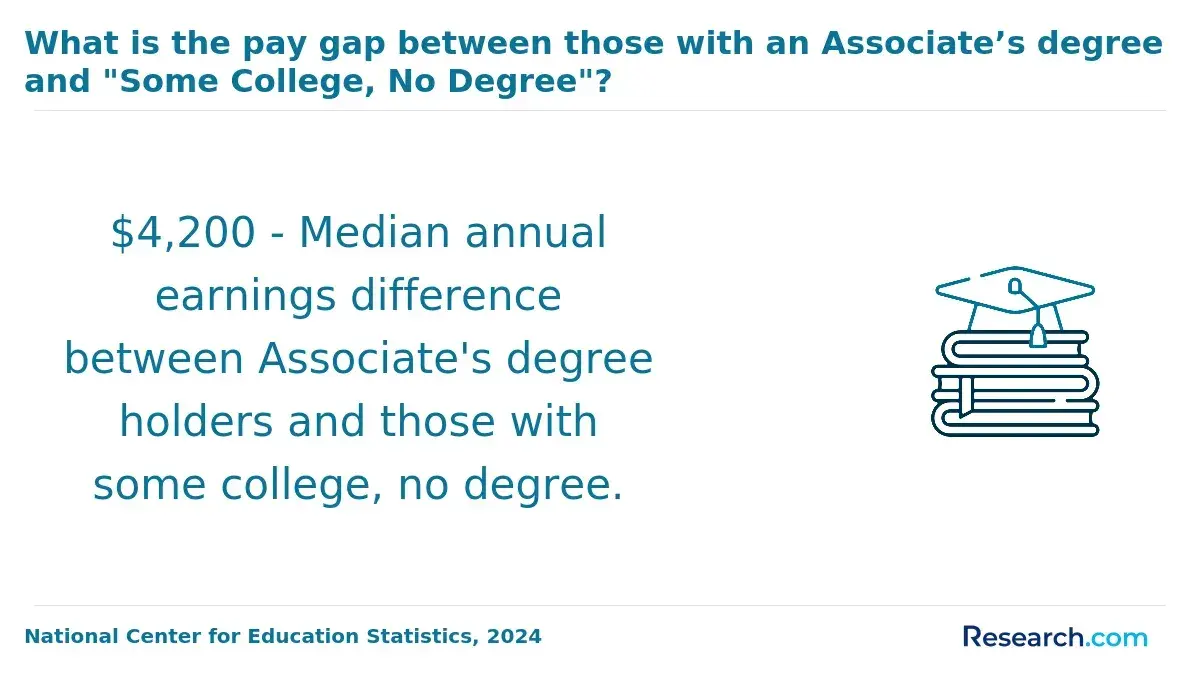
Graduation timelines for History degrees diverge markedly between full-time and part-time enrollment due to differences in course load intensity and pacing. Full-time students generally complete their degrees within four to five years, consistent with traditional undergraduate expectations. Conversely, part-time learners often extend beyond seven years, reflecting reduced credit loads and the intermittent nature of their academic engagement.
Data from the National Center for Education Statistics in 2024 highlights this disparity, showing that part-time enrollment substantially slows degree completion compared to the more continuous, credit-accumulating rhythm of full-time study. The variation in timelines stems from several interrelated factors. Full-time enrollment supports steady progress through sequential course requirements, as a heavier credit load each term facilitates meeting prerequisites and accumulating credits predictably.
In contrast, part-time students face structural constraints including limited evening or weekend course offerings, which complicates course sequencing and may cause delays. External commitments such as employment or family responsibilities also influence part-time students' availability, often necessitating academic breaks or lighter semesters that interrupt momentum. The delivery format of programs-traditional in-person versus hybrid or online-further impacts the ability to accelerate or maintain progress, with some institutions still lacking flexible scheduling options for nontraditional students.
Enrollment choices in History programs carry important long-term ramifications. Full-time students typically enter the workforce sooner, which can positively affect career trajectory and financial planning by shortening the period without full-time employment income. Navigating these tradeoffs requires prospective and current students to assess how part-time pacing aligns with their professional goals and life circumstances, given that extended enrollment can influence both immediate academic intensity and the timing of entry into History-adjacent fields.
Do Online History Students Graduate Faster Than Campus-Based Students?
The question of whether online history students typically finish their degrees faster than those attending traditional campuses involves more than just the mode of delivery. While online programs offer greater scheduling flexibility and self-paced options, which can accelerate progress for some students, outcomes vary substantially based on individual circumstances and institutional policies. A 2024 report from the National Center for Education Statistics found that roughly 40% of online history students graduate within four years, slightly higher than the 35% completion rate for campus-based learners. However, these figures reflect averages rather than guaranteed results, as many factors beyond format influence graduation timing.
Graduation speed is shaped by how programs structure course availability and how students balance academic demands with personal and professional responsibilities. Online learners often capitalize on year-round offerings and accelerated terms, allowing them to avoid gaps between semesters and accumulate credits faster. Conversely, campus-based students may contend with fixed course schedules and on-campus commitments but can benefit from face-to-face advising and structured cohort progression. Part-time enrollment, internship or research requirements, and prior credits transferred also play pivotal roles in extending or shortening degree timelines across both formats.
Choosing between online and campus pathways affects not only the pace of degree completion but also the nature of time management and long-term career entry. Online students frequently need strong self-discipline to navigate less structured environments, which can either expedite or hinder progress depending on their personal situation. Meanwhile, on-campus formats may impose more rigid progression but facilitate networking and immersive experiences, influencing readiness for workforce integration. Ultimately, the decision should consider these tradeoffs alongside how modality aligns with individual learning preferences and life constraints.
How Many Months or Years Can Transfer Credits Save?
Transfer credits can meaningfully reduce the total time required to complete a history degree, often cutting several months to over a year depending on the volume and alignment of credits accepted. According to recent data from the National Student Clearinghouse Research Center (2024), students transferring credits typically save between six to twelve months, which translates to roughly one to two academic semesters. However, these averages mask significant variability driven by how well prior coursework matches institutional requirements and whether transferred credits fulfill major coursework rather than just general education.
The actual impact on progression depends heavily on how efficiently transferred credits allow students to bypass core history classes or electives, especially in programs with sequential upper-level seminars and specialty courses. The extent of time saved through credit transfer hinges on several critical factors, including accreditation compatibility, course equivalency evaluations, residency mandates, and limits on the number of transferable credits an institution will accept. Many colleges enforce maximum thresholds for transfer credits, often requiring a significant portion of upper-division history classes to be completed in-house.
Additionally, credits from non-regionally accredited schools or coursework not directly aligned with the history curriculum may be rejected or assigned as electives, reducing their time-saving potential. Institutional policies around credit review and articulation agreements also shape how quickly students can progress, illustrating why the average months saved with transfer credits in history programs vary so widely among individuals. Consequently, transfer credits influence academic planning and degree sequencing beyond just reducing time-to-degree. Students must navigate how remaining requirements fit into their schedules while balancing the financial cost of extended study against the benefits of accelerated graduation.
For many working adults or career changers, even modest time savings can justify transfer efforts by enabling faster entry into relevant roles. Nonetheless, those targeting advanced academic or research positions should carefully assess how transferred credits affect in-depth course coverage and program prerequisites. History students considering credit transfer should also explore institutional guidelines carefully and consider all options to optimize their educational trajectory without unintended delays. Prospective students evaluating accelerated pathways might additionally compare flexible programs such as MBA programs under 30k that demonstrate varied approaches to credit transfer and time savings.
Do Accelerated History Programs Significantly Reduce Completion Time?
Accelerated history programs aim to shorten the traditional degree timeline primarily by increasing credit loads per term, condensing coursework, or enabling continuous enrollment without typical breaks. These designs often compress what would normally be a four-year bachelor's or two-year master's program into significantly less time, theoretically allowing students to graduate 15-20% faster. However, the reduction in duration depends on how institutions structure pacing, sequencing, and credit distribution rather than simply shortening the calendar length. Accelerated tracks must balance faster progression with maintaining sufficient depth and academic rigor, which influences whether these programs offer meaningful time savings or just intensified versions of standard curricula.
Whether accelerated formats truly reduce completion time hinges on several factors. First, the ability to consistently carry heavier credit loads or more frequent courses without triggering academic burnout plays a major role. Program design must ensure prerequisite courses and core requirements align tightly each term to avoid bottlenecks caused by unavailable or oversubscribed classes. Additionally, experiential components like internships or thesis requirements often remain unchanged, limiting how much overall time can be compressed. Institutions that fail to optimize scheduling or curriculum sequencing risk neutralizing any acceleration benefits, leaving students with marginal gains that do not offset increased workload stress.
These compressed timelines often trade off flexibility and downtime, intensifying academic pressure and reducing opportunities for deeper engagement with complex historical methods or research projects. While some students may thrive under this pace, others might find the accelerated model less sustainable long term, potentially impacting retention and mastery. This trade-off raises critical considerations for prospective students on their capacity to manage rigorous pacing alongside external responsibilities, and for planners assessing whether reduced time-to-degree aligns with meaningful learning outcomes.
Which History Program Requirements Most Often Extend Graduation Timelines?
Graduation timelines in history programs are frequently extended not merely due to the total credit load but because of specific curricular mandates designed to enhance academic rigor and professional readiness. These requirements, while integral to preserving program quality, often impose constraints on course sequencing and student pacing. As a result, navigating these components demands careful planning to mitigate delays inherent in their structure and administration.
- Extensive Research Projects: Capstone projects or senior theses require original research and thorough analysis, producing a substantial body of work beyond typical coursework. According to a 2024 Lightcast report, approximately 42% of history graduates reported these projects added at least one semester to their completion time, reflecting the intensive time commitment necessary to meet scholarly standards and faculty expectations.
- Foreign Language Proficiency: Mandatory language skills enable access to primary sources, especially for regionally focused studies like European or Asian history. Given that many students begin without prior language training, meeting these requirements can extend time to degree by an additional 6-12 months, as highlighted by data from the U.S. Bureau of Labor Statistics. This sequence often creates a bottleneck as language courses must be completed before upper-level seminars reliant on this proficiency.
- Comprehensive Examinations: These exams assess mastery across broad thematic or chronological scopes and require extensive preparatory work that can force students to lighten other course loads or repeat examinations. The institutional scheduling of these exams sometimes limits when they can be taken, effectively elongating degree timelines.
- Prerequisites for Specialized Electives: Advanced courses often depend on completing foundational classes that may be offered infrequently or have limited seats. This restriction requires some students to pause progression, resulting in unavoidable delays. Transfer students and working adults may face more pronounced scheduling challenges due to these structural impediments.
- Institutional Course Availability and Sequencing: Variability across schools in how often required courses are offered can introduce additional waiting periods. Some programs' administrative policies prioritize cohort progression, but rigid scheduling can inadvertently slow down students whose personal or professional obligations conflict with available time slots.
Does Taking Longer to Graduate Increase the Cost of a History Degree?
Extending the time to complete a history degree generally increases total tuition and related costs, especially when institutions charge per semester or credit hour. Students taking longer than the average four years often face higher cumulative tuition, as reflected in the National Center for Education Statistics report showing costs rising about 30% for those exceeding six years. Additionally, prolonged enrollment may reduce eligibility for certain financial aid programs or scholarships tied to standard completion timelines, amplifying out-of-pocket expenses.
Increased expenses for housing, textbooks, and student fees further add to the financial burden over time. When considering the average time to complete a history degree and tuition costs, the interplay between enrollment status and institutional pricing models significantly affects overall spending, particularly for working adults or transfer students balancing lighter course loads and intermittent semesters.
However, the impact of extended graduation time on history degree expenses is not uniform. Some programs offer flat-rate tuition or part-time enrollment options with different cost structures that mitigate cumulative price increases. Employer tuition assistance and institutional policies allowing flexible pacing without financial penalties also influence cost dynamics. Strategic enrollment decisions, such as maintaining steady course loads, can limit incremental costs associated with longer completion times.
For students weighing time-to-degree against financial implications, examining how their specific program structures tuition and financial aid is crucial. For those interested in accelerated paths, resources detailing the quickest cheapest masters degree options may provide useful context, particularly given increasing demand in related fields and their respective salary ranges identified by labor market data in 2024.
Does Graduating Faster Improve Career Prospects?
Graduating faster from a history degree program can facilitate earlier entry into the workforce, potentially positioning candidates ahead of peers in initial job searches. However, employer assessments rarely consider graduation speed as an isolated metric; instead, they emphasize a candidate's comprehensive qualifications and readiness. In fields related to history, the impact of an accelerated timeline on career opportunities hinges less on finishing early and more on how that timing aligns with market demand and the candidate's ability to demonstrate substantive skills.
The correlation between an accelerated history degree career advantages and employment outcomes depends heavily on ancillary experiences such as internships, research projects, and portfolio development. These elements often weigh more in hiring decisions than graduation speed alone, particularly as employers in education, public service, and cultural institutions prioritize demonstrated critical thinking and practical engagement. As noted in workforce data, only a minority of employers explicitly value early graduation, making the depth of skill mastery and professional networking vital components of career readiness.
Tradeoffs between finishing quickly and gaining experiential depth are crucial considerations. Accelerating degree completion can reduce exposure to enriching opportunities like study abroad or internships, which may limit the development of practical competencies and professional contacts. For many students, especially working adults or transfer students, balancing cost and time, prioritizing a well-rounded experience may better support long-term career trajectories. Prospective history graduates should carefully weigh these factors, integrating insights from educational planning resources such as a master's in training and development online programs to optimize their educational pathways.
Which Scheduling Mistakes Commonly Delay Graduation?
Graduation delays in history programs typically stem not from academic difficulty alone but from avoidable planning and scheduling errors during enrollment. These issues affect students across bachelor's, master's, and transfer pathways, disrupting steady progress regardless of format. Understanding how course sequencing, credit alignment, and enrollment timing interact with institutional policies is critical to maintaining consistent academic momentum and avoiding extended time to degree.
Common scheduling mistakes include:
- Misunderstanding Prerequisite Chains: History curricula often require sequential course completion, and neglecting this can force students to postpone essential classes by a semester or more. This is common because prerequisite complexity increases with advanced coursework, and poor tracking of these chains stalls progression.
- Uneven Credit Loads: Taking too few credits in some semesters and overloading others leads to burnout or incomplete courses. This uneven pacing disrupts consistent enrollment patterns expected by most programs, delaying graduation.
- Limited Course Availability: Required history classes may be offered infrequently or have small sections. Students who fail to plan early risk missing spots, forcing waits that extend academic timelines.
- Poor Transfer Credit Alignment: Transfer students frequently encounter delays due to courses that don't directly fulfill program requirements. Without proactive credit evaluation, students must retake courses, elongating their schedules.
- Ignoring Institutional Scheduling Policies: Certain history programs enforce strict progression rules or restrict simultaneous enrollment in key areas. Overlooking these constraints causes re-registration issues and delayed advancement.
According to a 2024 national survey by the National Student Clearinghouse Research Center, nearly 40% of history majors taking over six years cited these enrollment and scheduling conflicts as primary graduation obstacles. Strategic, informed course planning that anticipates institutional bottlenecks is essential to mitigate these delays and align academic completion with workforce entry expectations.
References:
- Picture an Online Degree at Your Own Pace https://www.snhu.edu/about-us/newsroom/education/picture-an-online-degree-at-your-own-pace
- Online Accelerated College Degrees https://www.affordablecollegesonline.org/college-resource-center/accelerated-degrees/
- Accelerated Degrees Online https://www.albright.edu/academic/undergraduate-degrees-and-certificates/applied-psychology/accelerated-degrees-online/
- Affordable Online Master's In Art & Art History | Grad School Hub https://www.gradschoolhub.com/affordable/online/masters/art-and-art-history/
- Find The Best Online Art Schools | Accredited Schools Online https://www.accreditedschoolsonline.org/liberal-arts/art-schools/online/
- 2025's Fastest Online Master’s Degrees & Accelerated Programs https://www.onlinemastersdegrees.org/features/fastest-online-masters-degrees/
- Guide to Online Accelerated Degree Programs https://www.onlineu.com/resources/accelerated-degrees
- Why Flexible Online Liberal Arts Degrees Matter » Newlane University https://newlane.edu/flexible-online-liberal-arts-degrees-matter/
- Earning an Accelerated Bachelor’s Degree Online: The Pros, Cons, and Other Considerations - Intelligent https://www.intelligent.com/best-online-degrees/accelerated-pros-and-cons/
- Southwestern College - Professional Studies https://ps.sckans.edu/news/view/110/
Other Things You Should Know About History
Thesis or capstone projects that demand original archival or field research often extend completion time beyond coursework alone. Students may encounter unpredictable delays due to access restrictions, source availability, or the iterative nature of historical analysis and writing. Prioritizing programs with clear thesis guidance and defined milestones can mitigate risks of extended timelines and improve completion predictability.
Programs mandating internships or community projects add real-world value but often extend overall time to graduate because these experiences demand substantial out-of-class commitments. Selecting internships embedded within academic terms or available locally can reduce associated time costs. When program flexibility allows, integrating internships during summer breaks is typically more efficient, though not universally feasible, so planning ahead is essential.
Working adults often face unpredictable work demands that can slow progress and extend degrees beyond nominal timelines. Prioritizing part-time study programs with flexible deadlines and course availability tends to yield better completion rates than rigid term structures. Additionally, minimizing course load during high-workload periods and accelerating when possible maximizes steady progress and reduces burnout.