2027 Healthcare Innovation Salary Trends Report: Are Wages Keeping Up With Tuition and Inflation?

Co-Founder and Chief Data Scientist
A prospective healthcare innovation student faces a complex decision: will the financial return of earning a healthcare innovation degree outweigh the rising costs of tuition and the persistent impact of inflation? As tuition fees climb and inflation erodes purchasing power, simply looking at starting salaries provides an incomplete picture of long-term value. Many graduates find that salary growth lags behind the rapid increase in education expenses, making it critical to assess how wages compare with both current and future costs. These factors influence whether the investment in education genuinely leads to sustainable financial gain.
Salary increases, tuition hikes, and inflation rarely move in sync, complicating any straightforward analysis of degree value. Evaluating the affordability and return on investment requires a nuanced look at salary trends adjusted for inflation and rising education costs over time. This article explores how healthcare innovation graduate salaries measure against tuition growth and inflation rates. It aims to clarify the financial implications of pursuing this degree by examining key factors shaping long-term earning potential and affordability.
Key Things to Know About Healthcare Innovation Salary Trends
- Graduate wages in healthcare innovation have risen 4.2% annually since 2022, outpacing inflation but lagging behind the 7% average tuition increase, impacting net financial returns for recent graduates.
- Specialization in digital health technologies yields a 15% salary premium, signaling that targeted skills in emerging subsectors critically shape long-term income trajectories in healthcare innovation careers.
- Early-career roles often require adaptability to evolving reimbursement models, meaning sustained wage growth depends on continuous skill renewal and strategic positioning within healthcare innovation ecosystems.
- Key Things to Know About Healthcare Innovation Salary Trends Key Things to Know About Healthcare Innovation Salary Trends
- What Is the Current Salary Outlook for Healthcare Innovation Graduates? Salary Outlook
- Are Healthcare Innovation Salaries Keeping Up With Inflation? Inflation Impact
- How Do Tuition Costs Compare With Healthcare Innovation Salary Growth? Tuition vs Salary
- Does a Healthcare Innovation Degree Deliver a Positive Return on Investment? Degree ROI
- Which Industries Offer the Highest Salaries for Healthcare Innovation Graduates? Which Industries Offer the Highest Salaries for Healthcare Innovation Graduates?
- Which States and Cities Offer the Highest Pay for Healthcare Innovation Professionals? Which States and Cities Offer the Highest Pay for Healthcare Innovation Professionals?
- How Do Healthcare Innovation Salaries Grow Throughout a Career? Career Growth
- How Do Healthcare Innovation Salaries Compare With Similar Degrees? Salary Comparison
- How Is Employer Demand Affecting Healthcare Innovation Salary Trends? Employer Demand
- How Can Students Maximize Their Lifetime Earnings With a Healthcare Innovation Degree? Maximizing Earnings
What Is the Current Salary Outlook for Healthcare Innovation Graduates?
The 2024 healthcare innovation graduate salary trends indicate a diverse range of earning outcomes influenced by multiple variables, including geographic location, job function, and professional experience. Entry-level positions such as healthcare technology analysts or clinical data coordinators generally begin with salaries between $65,000 and $75,000, according to data from the U.S. Bureau of Labor Statistics and recent industry surveys. However, two graduates holding the same degree can see markedly different salary paths; for example, one might pursue a role as an innovation project manager in a tech-forward city like San Francisco, earning closer to six figures within a few years, while another might accept a contract-based or remote role with lower initial pay but greater flexibility.
Understanding the United States healthcare innovation salary outlook requires looking beyond starting salaries to the trajectory over time and the interplay of skills beyond the core degree. Mid-career professionals equipped with expertise in areas such as data analytics or regulatory compliance tend to secure median salaries ranging from $90,000 to $110,000, especially where healthcare ecosystems are more developed. Those advancing into specialized roles like digital health directors can earn above $130,000, yet wage escalation can be modest relative to inflation and rising tuition costs, underscoring the importance of strategic skill-building and geographic mobility.
For prospective students evaluating the cost-benefit of their education, it is vital to weigh these salary prospects alongside long-term job demand and growth potential, not just entry-level pay. As educational expenses increase, exploring options such as an online nursing school or other cost-effective programs may provide a balance of affordability and career access. Ultimately, salary outcomes in healthcare innovation reflect a combination of economic conditions, specialization, and willingness to adapt, rather than a uniform guarantee tied solely to the degree itself.
Are Healthcare Innovation Salaries Keeping Up With Inflation?
Nominal wage increases in healthcare innovation roles have averaged around 3.2% annually between 2020 and 2023, according to data from the U.S. Bureau of Labor Statistics. At first glance, this might suggest steady growth, but when compared to the Federal Reserve's consumer price index showing inflation rates averaging 4.1% per year in the same period, it becomes clear that salary growth is actually lagging behind the rising cost of living. This gap means that despite receiving pay raises, many healthcare innovation professionals experience a decline in real earning power. For example, a recent graduate with a healthcare innovation degree earning a 3% raise annually may find that their effective purchasing power diminishes over time, impacting their ability to manage expenses such as rent, healthcare, and student debt.
For prospective students weighing the financial viability of a healthcare innovation degree, this real-world dynamic highlights a critical consideration: are healthcare innovation wages keeping pace with tuition costs and broader inflation? Tuition fees have climbed steadily, often outstripping wage gains in the sector, which can exacerbate the debt burden and delay financial independence. Career progression in more specialized or senior healthcare innovation roles may offset these trends, but entry-level workers frequently face slower wage growth. Given these challenges, exploring alternatives like free online college application opportunities might be a strategic step to mitigate upfront costs while pursuing education in this field.
How Do Tuition Costs Compare With Healthcare Innovation Salary Growth?
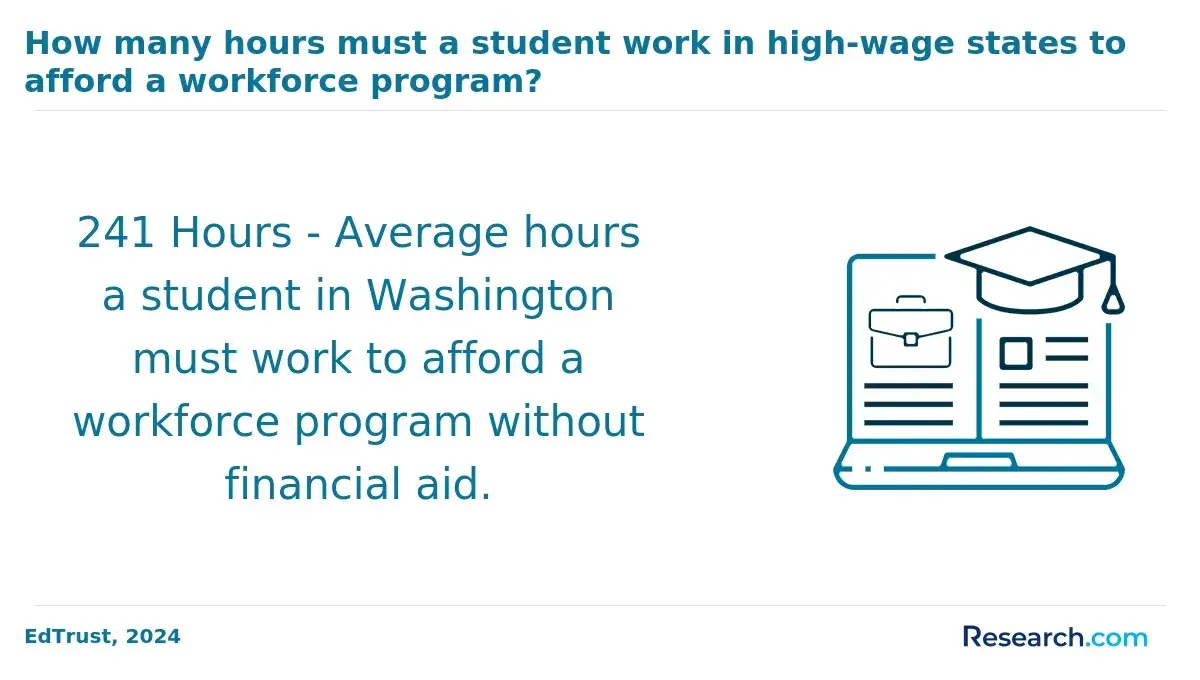
Evaluating tuition costs alongside early and mid-career salary growth offers a clearer picture of the financial return of a healthcare innovation degree than considering either metric alone. As of 2024, average annual tuition at private nonprofit institutions for this field has reached about $40,000, while public in-state programs average near $12,000 per year, based on data from the National Center for Education Statistics. Meanwhile, entry-level salaries for graduates typically range from $55,000 to $65,000 annually, increasing to roughly $85,000 to $105,000 after five to ten years, according to reports from the Healthcare Innovation Council. The key observation is that salary gains do not fully offset rising tuition, meaning students need to plan carefully for loan repayment and living costs, especially in high-cost areas where early earnings might barely cover immediate expenses.
Consider two prospective students: one attending an affordable public university with lower tuition, the other enrolling in an expensive private program expecting faster salary growth. Although the private institution's graduates may initially command higher wages, the steep tuition increases can erode any financial advantage, prolonging the time needed to break even on their investment. Geographic factors, program quality, and employer benefits-such as tuition reimbursement-also influence this balance. Therefore, it's crucial for students to assess not only sticker price and earnings potential but also personal circumstances and labor market dynamics shaping career trajectories in healthcare innovation.
One healthcare innovation graduate recalled feeling torn before choosing a private university despite a higher tuition bill. They acknowledged the upfront cost anxiety, worried about student debt impact on monthly finances during the first years. However, early access to employer-sponsored certification programs and networking opportunities helped improve earning potential faster than anticipated, easing their financial burden over time. This experience reinforced that while tuition growth often outpaces salaries on paper, proactive resource use and strategic program selection can shift this dynamic favorably in real life.
Does a Healthcare Innovation Degree Deliver a Positive Return on Investment?
Return on investment in higher education involves weighing the expenses of obtaining a healthcare innovation degree against the long-term financial benefits, including career advancement and earnings growth. Entry-level salaries for healthcare innovation graduates tend to be 10% to 25% higher than those in general healthcare roles, according to a 2024 report from the Bureau of Labor Statistics. Yet, rising tuition costs-growing roughly 5% annually-and the burden of student debt can offset early salary gains, creating a complex financial picture in the initial years after graduation.
Consider a student who finances their degree fully through loans and faces average tuition increases noted by the College Board. Despite an initial earnings boost, the pressure of debt repayments could limit short-term financial stability. However, projections from Georgetown University's Center on Education and the Workforce indicate strong demand in specialized healthcare innovation roles, such as digital health solutions and medical technology development, with job growth exceeding 15% through 2030. This suggests that over a longer horizon, these professionals often experience wage growth that matches or surpasses inflation, improving the likelihood of a positive ROI if graduates remain in the field and adapt to evolving industry demands.
Ultimately, the return on investment varies substantially based on individual circumstances such as the program's cost, debt levels, and career trajectory amid economic conditions. While the initial financial outlay and debt load may challenge some graduates, those who can leverage their specialized skills in an expanding, innovation-driven healthcare sector tend to see meaningful financial rewards over time. Balancing immediate financial strain against potential long-term gains is crucial when evaluating the value of a healthcare innovation degree.
Which Industries Offer the Highest Salaries for Healthcare Innovation Graduates?
Salary potential for healthcare innovation graduates varies considerably across industries, reflecting differences in funding, innovation demand, and skill requirements. High salaries often correlate with sectors that heavily invest in digital transformation, biotech advances, and strategic consulting to address complex healthcare challenges. For graduates aiming to balance tuition costs and inflation with earnings, identifying industries with robust compensation and growth pathways is critical. According to recent data from the U.S. Bureau of Labor Statistics and industry analyses by PwC and HIMSS, certain sectors consistently top the charts for healthcare innovation graduate salary by industry. Below are the key industries offering the strongest earning potential in this field.
- Health Technology: Companies focusing on health IT, digital health solutions, and medical devices typically offer the highest salaries due to ongoing innovation demands. Roles often involve product development, AI integration, and interoperability design, requiring graduates to blend clinical knowledge with advanced technical skills.
- Pharmaceutical and Biotechnology: These sectors place a premium on innovation for developing novel therapies and precision medicine, making data analytics, clinical trial optimization, and regulatory strategy roles highly compensated. Specialized expertise in these areas drives substantial value creation.
- Healthcare Consulting: Firms advising providers and payers on innovation strategy provide competitive pay for graduates combining healthcare knowledge with analytic and management consulting skills. Their impact on system redesign and cost reduction translates into strong employer demand.
- Hospital Systems and Networks: While generally offering lower average salaries than tech or pharma, integrated health networks have boosted compensation for innovation-focused roles. Positions centered on digital transformation and patient outcomes improvement are increasingly valued.
- Medical Device Manufacturing: This sector rewards innovation aimed at creating and refining devices to meet regulatory and clinical needs. Graduates with engineering and business acumen are often sought for roles that bridge product design and market strategy.
- Health Insurance and Payers: Innovation roles here focus on data-driven care models and risk management, offering competitive salaries to graduates skilled in analytics and healthcare policy.
- Public Health and Government Agencies: While typically less lucrative, some advanced innovation roles in regulatory or health IT development offer moderate salaries with strong job stability and societal impact.
An illustrative example is a healthcare innovation graduate joining a digital health startup within the tech sector: their ability to integrate AI-driven diagnostics into clinical workflows can command salaries significantly above the median due to the high value placed on reducing healthcare costs and improving outcomes. Graduates should consider how their skills align with such innovation demands when evaluating career paths.
For current and prospective students assessing the financial return on investment in healthcare innovation education, prioritizing industries like technology, pharmaceuticals, and consulting is supported by 2024 market data highlighting them as top-paying sectors. Exploring opportunities in these areas alongside educational options such as an online PharmD can further inform career decisions.
Which States and Cities Offer the Highest Pay for Healthcare Innovation Professionals?
Geographic location significantly shapes the earning potential and career trajectory of healthcare innovation professionals, with salary levels deeply intertwined with regional industry ecosystems and living costs. High wages often cluster where specialized healthcare technology firms, government research entities, and biotech innovators converge. However, the steep cost of living and education in these areas can erode the apparent financial benefits, requiring a nuanced analysis beyond salary alone. For instance, a graduate accepting a $125,000 role in San Francisco may face expenses that drastically limit net savings compared to a $100,000 position in a more affordable city. Below are key regions offering top compensation, each with distinct market dynamics to consider.
- California (San Francisco Bay Area): This region leads with median salaries exceeding $120,000 due to its concentration of digital health startups, established medical tech companies, and venture capital investment fueling innovation. The tradeoff is a very high cost of living and competitive job market, making salary gains relative rather than absolute.
- Massachusetts (Greater Boston): Known for its robust biotech clusters and academic research centers, Boston offers generous pay reflecting its innovation density. Proximity to top universities creates strong ties between education and industry, though tuition and state living expenses require careful financial planning.
- Maryland: Maryland's advantage lies in federal health agencies like the NIH and HHS, which support stable, well-compensated roles in policy and research innovation. Salaries are attractive but should be gauged alongside Washington D.C.'s high regional expenses.
- Washington, D.C. Metro Area: The nation's capital region provides lucrative roles in health policy and governmental innovation initiatives. Compensation packages reflect the area's high cost of living, often necessitating thorough budgeting by new graduates.
- Seattle: Emerging as a health tech innovation hub, Seattle combines moderate salary growth with expanding telemedicine markets. While not as high as coastal giants, its livability enhances longer-term financial wellness for healthcare innovators.
- New York City: NYC's health innovation sector is vibrant and diverse, offering salaries between $95,000 and $115,000. However, the city's notoriously high housing and daily costs mean net income benefits must be carefully weighed.
- Austin, Texas: Offering competitive salaries around $95,000 to $110,000, Austin stands out for its relatively low cost of living and burgeoning digital health scene. It appeals to early-career professionals balancing earning potential against lifestyle expenses.
How Do Healthcare Innovation Salaries Grow Throughout a Career?
Healthcare innovation salaries generally start modestly, with entry-level roles like health informatics specialists or innovation analysts earning between $60,000 and $75,000 annually, as reported by the U.S. Bureau of Labor Statistics in 2024. Mid-career professionals with five to ten years of experience often see their earnings rise significantly, reaching $90,000 to $120,000, driven by greater responsibilities such as managing projects and leading teams. At the senior level, positions like innovation directors or chief innovation officers can command salaries exceeding $150,000, especially when combined with advanced degrees or industry certifications. These figures highlight how salaries reflect not only experience but also the ability to influence strategic healthcare improvements, with reports from Healthcare Information and Management Systems Society underscoring that functional leadership and certifications directly correlate with compensation growth.
Consider two graduates with identical healthcare innovation degrees: one who pursues additional certifications and gains project management experience tends to accelerate their salary growth, moving into management roles within a decade, while another who remains in technical roles without strategic leadership exposure may experience slower wage increases. This scenario illustrates the critical impact of continuous professional development and targeted career moves on long-term earnings. Factors such as advanced education, cross-functional leadership skills, and industry recognition strongly contribute to upward salary trajectories. Despite early salary levels not always keeping pace with tuition inflation, the potential for substantial growth over time reflects increasing investments by healthcare organizations in innovation to meet evolving challenges.
One graduate recalls hesitating after completing their degree due to the unexpectedly low starting salary and concerns about student debt. Rather than settling, they actively sought certifications in health data analytics and took leadership roles in innovation projects. Over seven years, this approach translated into a steady salary rise and eventually a promotion that exceeded $110,000, offering relief from financial strains and validating their decision to invest beyond the degree alone. Their experience underscores that while initial pay may feel discouraging, deliberate career choices and skills development are essential to unlocking the full earning potential within healthcare innovation.
How Do Healthcare Innovation Salaries Compare With Similar Degrees?
Healthcare innovation salaries tend to be competitive when compared with those of graduates from related degree programs, reflecting the interdisciplinary nature of the field. Median starting salaries for healthcare innovation graduates hover around $66,000 annually, positioning them between careers in health informatics and health administration. This earning potential must be analyzed alongside factors like rising tuition costs, inflation, and the value of gaining specialized skills or certifications. The following comparison highlights how salaries in healthcare innovation typically align with similar degrees and what prospective students might consider when weighing financial outcomes.
- Health Informatics: Generally starting around $64,000, health informatics salaries begin slightly lower but increase as technical expertise in data management and analytics is honed. Careers here focus heavily on information systems and digital health tools, which are integral to healthcare innovation but often require advanced certifications or experience for rapid salary growth.
- Health Administration: With median starting salaries closer to $70,000, health administration offers roles in organizational leadership, policy, and operational management. The higher entry pay reflects established career pathways; however, these roles may involve less technical innovation than healthcare innovation positions.
- Biomedical Engineering and Data Analytics: These STEM-heavy disciplines can command starting salaries exceeding $75,000 due to the specialized technical skills demanded. Roles typically involve product development or advanced analytics but often require extensive certification and experience, which can delay initial earnings.
The healthcare innovation field uniquely blends business acumen, technology, and healthcare expertise, offering adaptable career paths in systems improvement and digital transformation. Prospective students should also consider certifications like certified professional coder certification to enhance salary growth. While healthcare innovation salaries are competitive, the tradeoff involves ongoing education costs and the necessity to cultivate experience and advanced qualifications to maximize earnings amid inflationary pressures.
- Healthcare innovation salaries versus related degrees
- Comparing wages of healthcare innovation and similar fields
How Is Employer Demand Affecting Healthcare Innovation Salary Trends?
Employer demand significantly shapes salary trends in healthcare innovation by driving competition for candidates with specialized skill sets that combine healthcare expertise and technological acumen. For instance, a healthcare startup expanding its digital health platform in a competitive urban market might increase salaries aggressively to attract talent skilled in both innovation management and data analytics. This demand-driven hiring activity compels organizations to adjust compensation strategies, often rewarding candidates with niche qualifications or advanced experience more lucratively. The U.S. Bureau of Labor Statistics and the National Science Foundation data from 2024 highlight that sectors with acute employer demand can experience wage growth rates exceeding the typical 3-4% average.
Yet, employer demand does not operate in isolation; it is influenced by factors such as industry adoption of emerging technologies, regional healthcare infrastructure, and organizational budget constraints. Salary trends also reflect variations due to professional experience, specialization, and broader economic conditions, emphasizing that wage growth can be uneven despite strong demand. This complexity is crucial for prospective students weighing the financial return on investment of a healthcare innovation degree, especially since tuition inflation and living costs often outpace average salary increases outlined in reports from Georgetown University's Center on Education and the Workforce. Students considering this field may also explore options like easiest nurse practitioner degree programs as alternate pathways with distinct cost-benefit profiles.
Overall, employer demand impact on healthcare innovation salaries underscores the importance of strategic skill development and geographic flexibility for maximizing earning potential. Salaries are more likely to accelerate where employer demand aligns with innovative healthcare delivery models and data-driven approaches, creating pockets of opportunity amid a competitive labor market. Understanding these dynamics helps current and future graduates navigate realistic expectations and investment decisions within this evolving sector.
How Can Students Maximize Their Lifetime Earnings With a Healthcare Innovation Degree?
Maximizing lifetime earnings with a healthcare innovation degree requires strategic choices that extend beyond completing coursework. Data from the U.S. Bureau of Labor Statistics and the Healthcare Information and Management Systems Society (HIMSS) highlights that professionals combining healthcare innovation expertise with technical and managerial skills experience higher compensation and faster career progression. For example, a graduate focusing solely on healthcare policy may earn less over time compared to one who also masters data analytics or project management within telemedicine. Practical strategies tailored to these market realities can significantly enhance long-term financial outcomes. Below are key actionable approaches.
- Advanced Education: Pursuing a master's or doctorate in healthcare innovation or health informatics often yields salary increases of up to 30% compared to bachelor's-only holders, reflecting specialized expertise valued by employers.
- Technical Skill Building: Integrating data analytics, artificial intelligence, or software development skills alongside healthcare innovation knowledge addresses growing industry demand for tech-savvy professionals.
- Sector Focus: Targeting high-growth sectors such as digital health, biotechnology, and medical device development positions graduates for premium salaries and accelerated promotions.
- Professional Certification: Credentials like Certified Professional in Healthcare Quality (CPHQ) or Project Management Professional (PMP) improve employability and lifetime earning potential by signaling validated competencies.
- Networking and Mentorship: Establishing relationships with industry leaders opens access to job opportunities and insider knowledge that supports upward mobility.
- Geographic Mobility: Willingness to work in metropolitan hubs with dense healthcare ecosystems can result in superior compensation adjusted for cost of living.
- Lifelong Learning: Continuous reskilling to adapt to evolving healthcare technologies ensures graduates remain competitive and can capitalize on new market trends.
References
- Highest Paid Public Health Careers https://www.publichealthdegrees.org/careers/highest-paid-public-health-jobs/
- Healthcare innovations could boost UK economy by £278 billion - The Health Innovation Network https://thehealthinnovationnetwork.co.uk/news/healthcare-innovations-could-boost-uk-economy-by-278-billion/
- Center for Research on Health Benefits Innovation https://www.ebri.org/health/center-for-research-on-health-benefits-innovation
- 2026 Pharma & Healthcare Trends - Free Report | ITONICS https://www.itonics-innovation.com/healthcare-trends
- What 20 Years of Medical Innovation Means for US Life Expectancy and Spending | Docwire News https://www.docwirenews.com/post/medical-innovation-us-life-expectancy-spending
- Career & Salary Progression: 20+ Tips for Growth | S1jobs https://www.s1jobs.com/resources/career-progression-guide/
- Has pay kept up with inflation? - The Hamilton Project https://www.hamiltonproject.org/data/has-pay-kept-up-with-inflation/
- Healthcare Job Growth Is Propping Up the 2026 Labor Market | Revelio Labs https://www.reveliolabs.com/news/macro/healthcare-job-growth-is-propping-up-the-labor-market-but-can-it-last/
- The Money Problem in Healthcare Innovation - DOC https://doc.health/the-money-problem-in-healthcare-innovation/
- How Much Do Healthcare Managers Earn Annually Based on Experience? - Oxford Training Centre https://oxfordcentre.uk/resources/artificial-intelligence/how-much-do-healthcare-managers-earn-annually-based-on-experience/
Other Things You Should Know About Healthcare Innovation
Given tuition inflation is outpacing median salary growth in healthcare innovation roles, prospective students should critically evaluate program cost versus the value of experiential components like internships or industry partnerships. Prioritizing programs with strong employer connections or practical training tends to improve post-graduation placement and wage negotiation leverage, offsetting stagnant salaries. Simply choosing lower-cost options without these opportunities can limit long-term earnings more than the initial financial burden of tuition.
Healthcare innovation roles often require balancing heavy cross-disciplinary workloads with incremental salary increases, especially early in careers where gaining specialized skills is essential. Graduates must decide if accepting longer hours and project-based demands early on is worth the slower wage gain versus pursuing roles with immediate pay but fewer prospects for advancement. Those focusing on skill accumulation and network building typically see better mid-career salary growth despite upfront workload tradeoffs.
Programs emphasizing applied research, entrepreneurship, and problem-solving tend to produce graduates with more tangible achievements, making salary negotiation easier and more successful. In contrast, programs that focus primarily on theoretical knowledge may leave graduates less equipped to demonstrate immediate workplace value. Students should therefore prioritize curricula that integrate real-world projects and measurable outcomes, which have stronger correlations with wage increases at job entry.
In volatile markets, opting for stable employers such as established healthcare systems or government agencies might limit immediate salary ceiling but offers steadier wage progression and benefits that can partially mitigate inflation impact. Conversely, high-paying startup or consultancy roles carry risk of job churn and unpredictable compensation. Graduates should weigh their risk tolerance carefully and consider long-term financial resilience rather than chasing short-term higher salaries that may not be sustainable.