2027 Healthcare Innovation Degree Growth by State: Where Interest Is Rising the Fastest

Co-Founder and Chief Data Scientist
Several states show sharp increases in healthcare innovation degree enrollments, reflecting varied economic and regulatory landscapes influencing these trends. States with expanding healthcare sectors and favorable online program access report notable growth, responding to workforce demands driven by an aging population and technology integration. Recent data from the National Center for Education Statistics highlights a 15% rise in enrollment among adult learners in flexible graduate healthcare innovation programs nationwide, underscoring candidates' preference for adaptable schedules amid busy careers. Understanding how regional policies, institutional capacity, and economic shifts intersect offers valuable insight for prospective students weighing timing and strategic positioning in evolving healthcare markets.
Key Things to Know About the State Where Healthcare Innovation Degree Interest Is Rising the Fastest
- States with expanding healthcare economies, like Texas, show faster healthcare innovation degree growth, reflecting employer demand for cross-disciplinary skills but often limited by slower statewide licensing reforms, challenging career entry timing.
- Florida's demographic shift toward older populations increases healthcare complexity, driving institutional investment in online programs; however, this benefits experienced adult learners more than recent grads, influencing enrollment strategies significantly.
- California's robust higher education infrastructure supports flexible admissions and diverse program formats, offering access tradeoffs where increased competition may delay matriculation despite abundant workforce opportunities post-graduation.
- Which States Are Seeing the Fastest Growth in Healthcare Innovation Degree Enrollment? States Seeing the Fastest Growth in Enrollment
- What Does Enrollment Growth in Healthcare Innovation Programs Actually Tell Prospective Students? Interpreting Enrollment Growth
- How Do Regional Job Market Conditions Drive Healthcare Innovation Degree Demand by State? Role of Regional Job Market Conditions
- Which States Have Added the Most New Healthcare Innovation Degree Programs in the Last Five Years? States That Have Added the Most Programs
- How Has the Rise of Online Education Changed Which States Lead in Healthcare Innovation Program Interest? Role of Online Education in Increased Program Interest
- What Demographic Trends Are Fueling Healthcare Innovation Degree Growth in Specific States? Demographic Trends Fueling Growth
- How Do State Funding Levels for Healthcare Innovation Services Influence Degree Program Growth? Role of State Funding Levels
- Which States Are Emerging as Unexpected Leaders in Healthcare Innovation Degree Interest? States Emerging as Unexpected Leaders in Growth
- How Does State Population Size Affect the Interpretation of Healthcare Innovation Degree Growth Data? Role of State Population Size
- What Role Do State Licensing Requirements Play in Driving or Suppressing Healthcare Innovation Enrollment? Role of State Licensing Requirements
Which States Are Seeing the Fastest Growth in Healthcare Innovation Degree Enrollment?
Enrollment surges in healthcare innovation degree programs reflect not only growing student interest but also shifting employer demand for professionals who can integrate technology with clinical, administrative, and policy functions. As the healthcare sector grapples with digital transformation and evolving care delivery models, certain regions show disproportionate increases in degree uptake, signaling hotspots of workforce development where graduates may find richer employment ecosystems or adjacent innovation clusters. Interpreting healthcare innovation degree enrollment growth by state through this practical lens reveals strategic considerations for students weighing where to study and eventually practice.
- California: The state's biotech and digital health hubs, especially near the Bay Area and Southern California, have driven a 120%+ hike in healthcare innovation enrollments. Students benefit from proximity to employers who lead in applying AI and data analytics to clinical challenges, but they must also navigate competitive markets where employer expectations demand interdisciplinary expertise.
- Texas: Rapid growth close to doubling stems from expanding healthcare systems in Houston and Dallas, paired with state-backed funding emphasizing workforce readiness. Graduates here may face opportunities tied to large hospital networks integrating innovation with population health, though regional wage scales and licensure variants must be factored into career planning.
- Massachusetts: Enrollment growth near 90% around Boston aligns with the convergence of academic medical centers, research universities, and startups focused on healthcare solutions. This environment offers a training ground rich in translational research roles but often prioritizes advanced credentials paired with real-world project experience.
- Florida: Growth exceeding 80% is influenced by demographic shifts driving demand for innovative care models and a focus on tailored master's and certificate offerings for mid-career professionals. The state's healthcare market also reflects a high proportion of outpatient and elder care services, which shapes hiring priorities and specialization trends.
- Colorado: With nearly 75% enrollment growth, Colorado's emergence as a hub for health IT startups and university-industry collaboration creates fertile ground for students targeting digital health entrepreneurship or informatics. However, the smaller market size compared to coastal states can present tradeoffs in scale and diversity of career paths.
These states illustrate how healthcare innovation degree enrollment growth is geographically clustered in well-established health technology ecosystems or regions with active public-private partnerships, rather than evenly spread nationwide. In choosing programs aligned with career opportunities, prospective students must assess how enrollment momentum reflects underlying economic and regulatory conditions shaping demand for these skills. Subsequent sections will examine how demographic trends, institutional investments, and licensing frameworks contribute to these growth disparities and inform the practical value of degree choices in different states.
For career changers and geographically flexible applicants, understanding where healthcare innovation programs expand fastest offers a data-informed perspective that goes beyond simple program availability to strategic workforce alignment, including factors such as employability prospects and the need to select between online options and in-person networks that matter in various labor markets. Additionally, those evaluating pathways might consider related academic options such as an affordable healthcare administration degree online for complementary managerial expertise within this evolving field.
What Does Enrollment Growth in Healthcare Innovation Programs Actually Tell Prospective Students?
Enrollment growth in healthcare innovation programs can signal strong market interest but does not guarantee improved career prospects or program quality. Prospective students must critically assess whether increased enrollment reflects genuine workforce demand or less rigorous admission policies that could diminish educational value.
Raw enrollment numbers offer a snapshot of interest but lack nuance. Without complementary data-retention and graduation rates, job placement records, and relevant licensure exam pass rates-growth alone is insufficient to determine a program's true effectiveness. For example, a program expanding rapidly in a state with robust healthcare tech investment might reflect real employer demand, whereas growth driven by aggressive recruiting or lowering admission standards may lead to inflated class sizes with lower student success.
Distinguishing growth driven by authentic labor market conditions versus marketing tactics is critical. Enrollment increases linked to collaboration with healthcare providers or innovation hubs often correlate with higher experiential learning and job pipeline opportunities. Conversely, unchecked expansion can signal resource strain and compromised educational outcomes.
Consider a career changer assessing programs in states with growing healthcare innovation workforces versus those with stagnant job markets but rapidly rising program enrollments; the latter may carry higher risk for return-on-investment. Engagement with current students and alumni adds practical insight beyond institutional claims.
How Do Regional Job Market Conditions Drive Healthcare Innovation Degree Demand by State?
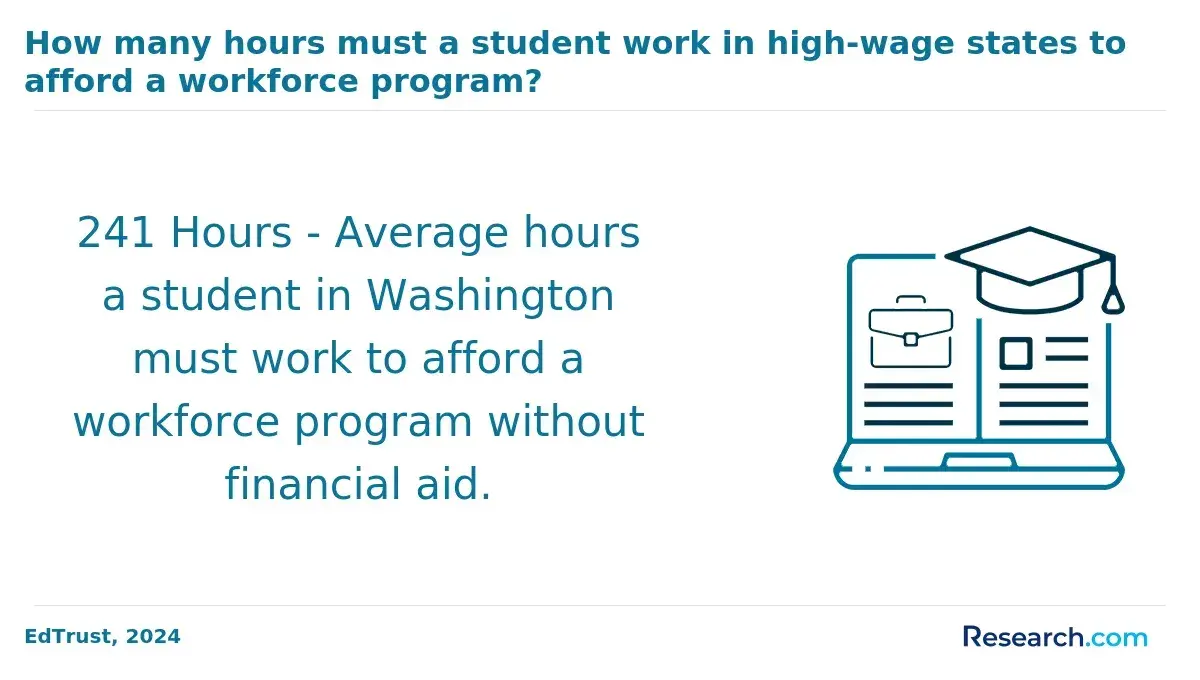
Regional job market conditions critically shape the demand for healthcare innovation degree programs, as employment opportunities in this sector vary widely by state. States with expanding healthcare infrastructures, active public sector initiatives, and targeted employer credential incentives attract more candidates to these programs. For example, graduates who study in states with strong school district hiring and healthcare system growth benefit from enhanced practicum placements that not only enrich practical experience but also improve post-graduation employment prospects and salary negotiation leverage. Ignoring these regional workforce dynamics can lead to mismatched expectations and longer job searches.
- California: Leading the nation in healthcare innovation job openings due to a vast and diverse healthcare market augmented by digital health investments and policy-driven public health programs, California offers abundant real-world practicum settings that are essential for hands-on learning and direct employer engagement.
- Texas: Experiencing rapid healthcare infrastructure growth, Texas sees a surge in innovation roles supported by employer incentives and partnerships with expanding hospital networks, which play a pivotal role in driving graduate enrollment in healthcare innovation programs.
- Florida: Driven by an aging population and increased healthcare infrastructure spending, Florida's job market reflects rising demand for professionals possessing specialized innovation credentials, particularly in school districts and large health systems.
- Washington: With strong ties to technology firms and public health expansion, Washington's employers emphasize credentialed expertise in healthcare innovation, supporting favorable salary outcomes and career progression for graduates.
- North Carolina: Focused on rural health and public service expansion, North Carolina incentivizes credentials aligned with evolving healthcare delivery models, creating targeted demand and program enrollment growth.
Prospective students evaluating healthcare innovation degree job market trends by state should integrate workforce outlooks into their decision-making. State-specific demand affects not only job availability but also the quality of practicum placements-an indispensable factor in skill development and networking. Moreover, understanding employer expectations and incentives in these regions can significantly influence long-term career trajectories. For those considering cost alongside career impact, researching masters in healthcare administration programs may further clarify educational investment decisions within healthcare innovation fields.
Which States Have Added the Most New Healthcare Innovation Degree Programs in the Last Five Years?
States that are expanding healthcare innovation degree programs reveal important strategic differences tied to their local economies and institutional priorities. Growth is not simply about more programs but the type of expansion-whether launching new offerings, enhancing online accessibility, or increasing enrollment capacity-to meet workforce demands and funding incentives. This variation profoundly shapes student options, financial competition, and alignment with employer needs.
- California: Leading in both new program introductions and online track development, California leverages its large healthcare and tech sectors alongside targeted state grants addressing workforce shortages. This creates abundant pathways but can also intensify competition for scholarships and specialized curricular spots.
- Texas: Rather than widely adding new programs, Texas institutions prioritize scaling enrollment within existing degrees to respond to high local demand, which helps stabilize tuition costs. For students, this means greater access but possibly less variety in specialization without crossing state lines.
- Florida: A hybrid approach characterizes Florida's growth with both fresh programs and online options, motivated by demographic shifts like an aging population and state policies encouraging educational access. Prospective enrollees should weigh these options against fluctuating institutional funding tied to healthcare innovation outcomes.
- Massachusetts: Rather than volume, Massachusetts focuses on refining program depth through specialized tracks, reflecting strong research institution influence and employer calls for niche expertise. Students benefit from targeted preparation but face fewer overall enrollment slots compared to other states.
- Ohio: Growth balances new program launches and capacity increases, driven by workforce shortage designations rewarding schools that successfully place graduates. This creates a more even mix of options, though applicants must consider how program quality and job market integration vary locally.
Institutional responses to accreditation criteria, state grants, and peer competition broadly underpin growth patterns. While expanded programs offer more choices, students navigate greater financial aid rivalry and must critically compare curricula and employment outcomes within and across states. A state's program quantity may signal opportunity, but quality and relevance remain paramount for long-term career impact.
A recent graduate shared that their application process was marked by uncertainty due to rolling admissions timelines varying across states. They hesitated to commit early, balancing the risk of missing spots in states with rapid program expansion against the potential of delayed acceptance notifications. This cautious approach reflected the real-world tradeoffs prospective students face: navigating program availability fluctuations while trying to secure optimal funding and fit. Their eventual decision was influenced not only by program count but by how quickly and transparently institutions communicated, highlighting that a growing market in certain states also means varying admissions dynamics that must be strategically managed.
How Has the Rise of Online Education Changed Which States Lead in Healthcare Innovation Program Interest?
The expansion of fully online healthcare innovation programs has overturned the traditional geographic constraints of graduate enrollment. Previously, students mostly chose programs within commuting distance or areas they could relocate to, limiting options and reinforcing regional enrollment patterns. Now, states with well-established online programs, recognized for accreditation and competitive tuition, draw learners from across the country, effectively serving as national education hubs rather than just local providers.
- Decoupling Of Location: State borders no longer confine student enrollment as the accessibility of quality online programs allows institutions to reach a geographically dispersed audience far beyond their physical campuses.
- Program Reputation: Institutions known for practical, outcome-driven curricula and strong industry links attract students nationwide, shifting demand towards established brands rather than regional proximity.
- Tuition And Affordability: Lower-cost online options in some states incentivize out-of-state enrollment, highlighting the tradeoff students face between program cost and licensure eligibility.
- Licensure Constraints: Despite broader access, state-specific licensure requirements remain pivotal; students must ensure their chosen program meets the regulatory standards of their intended practice location to avoid barriers to employment.
- Student Implications: Increased program accessibility benefits working professionals and career changers, but demands informed decision-making about program quality and postgraduation credential recognition to safeguard workforce mobility.
- Institutional Adaptation: Online healthcare innovation programs are developing nationally scalable, digitally engaged models but face challenges navigating varied state regulations and providing consistent student support across jurisdictions.
What Demographic Trends Are Fueling Healthcare Innovation Degree Growth in Specific States?
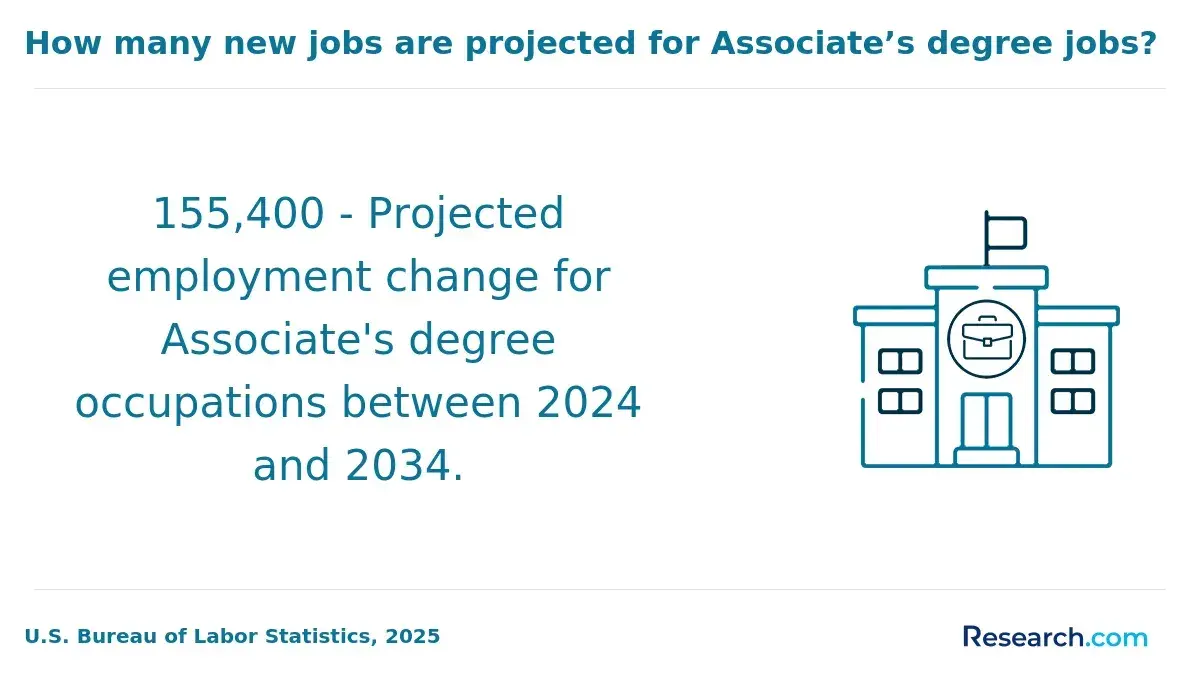
The uneven growth in healthcare innovation degree enrollment across US states reflects sharply localized workforce demands driven by diverse demographic trends. Recognizing these patterns is critical for students targeting sustainable career paths, as varying state-level factors dictate the type and volume of healthcare innovation professionals needed. For instance, a professional considering relocation to Florida should weigh the implications of an aging population demanding advanced telehealth and eldercare solutions versus a student in California who may face growing opportunities in culturally adaptive services due to immigration shifts. Such regional distinctions reveal the practical necessity of aligning educational focus with the specific workforce trajectory of a state rather than relying on generalized national trends.
- Population Aging: States like Florida and Arizona exhibit increasing healthcare complexities linked to older adults, fueling demand for specialized knowledge in chronic care technology and remote patient monitoring, which in turn boosts enrollment in related healthcare innovation programs.
- Immigration Patterns: California, Texas, and New York's expanding immigrant populations intensify the need for healthcare services that are both culturally competent and technologically flexible, prompting institutions to broaden curricula that prepare graduates for this nuanced patient base.
- Urbanization: The rapid growth in urban centers such as those in Colorado and Georgia creates dense, complex healthcare ecosystems where innovations in IT infrastructure and system integration become essential, driving interest and investment in healthcare innovation education.
- K-12 Enrollment Growth: States like Idaho and Utah with surging youth populations forecast long-term needs in pediatric and mental health services, encouraging educational programs to emphasize preventive care and early intervention technologies.
- Mental Health Diagnoses: Midwestern and Northeastern states experiencing rising mental health condition rates reveal increasing demand for digital therapeutics and behavioral health innovations, influencing enrollment among students focused on these emerging care models.
These demographic factors impact not only program enrollment but also employer expectations regarding graduate skill sets, underscoring the importance of regional labor market alignment. Prospective students evaluating healthcare innovation degree enrollment growth by state demographic factors would benefit from a nuanced view of local workforce needs to avoid investing in areas vulnerable to cyclical demand. Tools such as state health department reports and peer-reviewed public health research offer valuable data to anticipate where career stability is most likely. Those seeking comprehensive pathways can explore the best MHA programs which increasingly incorporate these demographic realities into their curricula and practical training frameworks.
How Do State Funding Levels for Healthcare Innovation Services Influence Degree Program Growth?
States that prioritize robust funding for healthcare innovation services create more fertile ground for degree program growth by fostering dependable employment avenues aligned with public sector demand. For example, higher Medicaid reimbursement rates and targeted block grants for school-based mental health programs often lead to expanded offerings and enrollment in healthcare innovation degrees. Conversely, states that underinvest frequently face stagnant or shrinking enrollment as graduates migrate toward regions where programs promise stronger local job markets. This dynamic creates a clear tradeoff for prospective students weighing program availability against realistic career opportunities in their chosen geography.
- Funding Stability: Consistent allocation to healthcare innovation services supports a sustainable job pipeline, encouraging institutions to build and maintain specialized degree offerings.
- Graduate Retention: States with substantial funding commonly retain more graduates post-degree, mitigating brain drain and strengthening local workforce capacity.
- Program Development: Legislative commitment underpins curriculum relevance and institutional expansion, directly influencing program growth.
- Career Environment Insight: Evaluating state legislative trends in healthcare innovation funding offers crucial foresight into the long-term employment landscape.
- Employment Outcomes Transparency: Prospective students should seek detailed data on in-state graduate employment rates after five years to assess real-world program impact.
A graduate recalled their own uncertainty during the rolling admissions cycle where delayed funding announcements in their state complicated decisions about applying. As programs grappled with budget constraints, offers were slow to materialize, leaving them hesitant to commit without clarity on future state support and corresponding job prospects. Eventually, they opted for a program in a more consistently funded state, a choice shaped by pragmatic concerns about stability rather than program prestige. This experience highlights how funding fluctuations translate into tangible admissions and retention challenges for both students and schools.
Which States Are Emerging as Unexpected Leaders in Healthcare Innovation Degree Interest?
States without a strong historical footprint in healthcare innovation education are now becoming unexpected contenders, revealing shifting dynamics in graduate enrollment that reflect policy, demographic, and economic changes rather than purely academic tradition. For students and professionals weighing where to invest in a Healthcare Innovation degree, these emerging states offer a mix of promising opportunities and risks tied to temporary funding versus sustained industry demand.
- Indiana: Known more for manufacturing and agriculture than healthcare innovation, Indiana's targeted investments around Indianapolis have created new accredited graduate programs. The state's participation in the Interstate Medical Licensure Compact facilitates regional practice, an important factor for graduates planning multi-state careers. Despite this, growth mostly stems from pandemic stimulus and there is lingering uncertainty about long-term institutional support.
- Mississippi: Enrollment gains here correspond with strong policy pushes to address rural healthcare workforce shortages, combining enhanced telehealth initiatives and increased graduate scholarships. The state's focus on practical workforce development aligns with increasing demand across healthcare systems, though sustaining momentum depends on political will and infrastructure, which remain unstable.
- Nevada: Nevada's surprising rise is driven by rapid urban population growth fueling healthcare diversification, particularly around Las Vegas and Reno. New programs have attracted students enticed by lower competition, but much of the enrollment uplift traces to temporary pandemic-era funds rather than entrenched academic capacity or employer pipelines.
- West Virginia: Smaller applicant pools and affordable tuition lower barriers for prospective students, with targeted workforce grants encouraging innovation education aligned to healthcare system revitalization needs. The state faces challenges from a limited industrial base, raising questions about whether local hiring demand will grow enough to absorb graduates long-term.
Emerging markets can thus offer meaningful advantages like less competitive admissions and regional hiring incentives, but students should critically evaluate whether these conditions persist beyond stimulus periods. Graduates must also consider the alignment of degree programs with practical employer expectations and licensure requirements. Many employers in healthcare innovation value certifications and experience; for details on credential options and employment outcomes, review resources covering CPC salary and career pathways.
Healthcare innovation degree growth in unexpected states signals shifting educational geographies, but practical decisions hinge on program quality, policy durability, and labor market integration-factors that vary widely by state and require careful scrutiny before committing to a graduate path. Recognizing these nuances helps prospective students navigate the tradeoffs between emerging programs and established hubs, ensuring alignment with their career goals and geographic flexibility.
How Does State Population Size Affect the Interpretation of Healthcare Innovation Degree Growth Data?
Interpreting healthcare innovation enrollment growth demands context beyond raw numbers, especially state population impact on healthcare innovation degree growth. A large state adding 2,000 new healthcare innovation graduates annually might suggest strong expansion, but if its population is tens of millions, this could indicate only a modest per-capita increase. Contrastingly, a smaller state with 300 graduates added could reflect a significantly higher growth rate relative to its size, signaling more robust market demand or emerging opportunity. This distinction affects workforce implications, as absolute growth alone can obscure levels of market saturation or unmet needs.
Evaluating state-specific data requires attention to per-capita growth ratios and workforce saturation metrics, which better capture where demand genuinely outpaces supply. Employers looking to hire new graduates typically prefer states where the ratio of licensed healthcare innovation professionals to residents falls below the national average, as these underserved markets often present stronger early-career prospects. Conversely, highly populated states with rapid enrollment growth may have more competitive environments requiring candidates to have specialized skills or local professional networks for better hiring outcomes.
Those considering healthcare innovation programs across different states should weigh these factors carefully. For instance, the choice to pursue an online master's degree in forensic psychology in a less saturated market might yield more tangible local hiring advantages compared to enrolling in a highly populated state with substantial but competitive graduate output.
What Role Do State Licensing Requirements Play in Driving or Suppressing Healthcare Innovation Enrollment?
State licensing requirements substantially influence enrollment patterns in healthcare innovation graduate programs by directly affecting the attractiveness and perceived value of education pathways. When licensing criteria are transparent, stable, and accessible, programs in those states tend to see stronger enrollment growth because students anticipate smoother transitions into licensure and employment. For example, a graduate considering programs in multiple states might favor one where licensing procedures are clearly outlined and rarely change, reducing the risk of delayed credentialing or unexpected administrative hurdles. This is especially pertinent given that employers frequently prefer-or require-candidates licensed under recognized frameworks, shaping hiring practices that elevate candidates from states with robust licensure systems.
Such employer preferences create a feedback mechanism: strong licensure infrastructure fosters program expansion by drawing more applicants, which in turn strengthens professional advocacy for regulatory refinement and consistency. Conversely, states with opaque, complex, or volatile licensing regimes often see suppressed demand; prospective students weigh these uncertainties as indicative of future career obstacles, which can erode enrollment despite the availability of programs. For career changers and geographically mobile students, understanding how the full licensing process-not just degree completion-fits into their longer-term employment plans is crucial, since post-graduate mobility and salary progression are often tied to licensure status within a given jurisdiction.
References
- Healthcare innovations could boost UK economy by £278 billion - The Health Innovation Network https://thehealthinnovationnetwork.co.uk/news/healthcare-innovations-could-boost-uk-economy-by-278-billion/
- Is Online Learning Here to Stay? Trends & Insights for 2026 https://www.calmu.edu/is-online-learning-here-to-stay-trends-insights-for-2026
- Emerging Leaders in Health and Medicine - NAM https://nam.edu/our-work/health-policy-fellowships-and-leadership-programs/emerging-leaders-in-health-and-medicine/
- Health Innovation as an Economic Growth Strategy - FP Analytics https://fpanalytics.foreignpolicy.com/2026/03/10/health-innovation-economic-growth/
- Semmelweis University Advances Healthcare Innovation with Successful Proof https://study-in-hungary.com/blog/semmelweis-university-advances-healthcare-innovation-with-successful-proof-of-concept-projects/
- Effects of Population Size and Education on Innovation https://www.jpaiassoc.ir/article_25586.html
- Healthcare Sector Attracts Analyst Attention Amid Innovation and Demographic Shifts - Annual Financial Report https://pmistegov.com/expert-time/Healthcare-Sector-Attracts-Analyst-Attention-Amid-Innovation-and-Demographic-Shifts-29-986
- Changing patient and clinician demographics are driving health care transformation https://www.scphealth.com/blog/changing-patient-and-clinician-demographics-are-driving-health-care-transformation/
- 3 Societal Shifts That Will Reshape Health Care by 2035 | AHA https://www.aha.org/aha-center-health-innovation-market-scan/2024-02-27-3-societal-shifts-will-reshape-health-care-2035
- United States: #7 in the World Index of Healthcare Innovation - FREOPP https://freopp.org/united-states-7-in-the-world-index-of-healthcare-innovation/
Other Things You Should Know About Healthcare Innovation
Employers in states experiencing rapid growth in healthcare innovation degrees tend to prioritize graduates with strong interdisciplinary skills, combining clinical knowledge with technology and business savvy. This reflects a shift toward integrated care models and digital health solutions, requiring professionals who can navigate regulatory complexity and foster innovation in real-world settings. Students should consider programs emphasizing applied projects and partnerships with local health systems, as these produce candidates better aligned with employer needs in these dynamic markets.
Cost factors strongly influence enrollment, especially for working professionals weighing return-on-investment. States with rising interest often feature either lower tuition rates or a cost of living conducive to balancing study with full-time employment. However, programs in higher-cost states might offer stronger industry connections and higher postgraduation salaries, partially offsetting expenses. Prospective students must weigh whether the immediate financial burden aligns with long-term earning potential and career advancement specific to their target state.
Rural and underserved areas are increasingly expanding healthcare innovation degree offerings to address critical workforce gaps, often leveraging online and hybrid formats to overcome geographic barriers. These programs tend to focus on skills adaptable to resource-constrained environments, such as telehealth and care coordination technology. While expansion widens access, students should assess whether curricula reflect the unique challenges and employer expectations of these regions to ensure graduates can effectively contribute upon entering the workforce.