2027 Healthcare Innovation Student Debt Report: Borrowing, Monthly Payments, and Repayment Risk

Co-Founder and Chief Data Scientist
Healthcare Innovation programs often require extended study periods and rigorous clinical or fieldwork components, which influence borrowing patterns distinct from other disciplines. Licensing demands and accreditation standards can extend time before workforce entry, increasing overall educational costs and shaping repayment timelines. The variability in post-graduation salary trajectories within healthcare roles adds complexity to monthly payment burdens and long-term debt risk.
According to a 2024 report by the National Center for Education Statistics, the median debt for healthcare-related graduate programs exceeds that of comparable fields, reflecting both specialized curriculum costs and workforce integration challenges. The diverse age distribution of students suggests evolving access points and shifting professional pathways in the field.
Key Things to Know About Healthcare Innovation Student Debt
- Healthcare innovation student debt often requires extended repayment, increasing interest costs and potentially limiting early-career financial flexibility, which may delay investments or major life decisions.
- Employers increasingly prioritize practical skills and innovation competence over degree prestige, making debt justification highly dependent on acquiring directly applicable experience alongside formal education.
- Rising tuition and program duration in healthcare innovation correlate with later repayment starts, raising risks for borrowers who face income volatility or job market shifts during this period.
- Key Things to Know About Healthcare Innovation Student Debt Key Things to Know About Healthcare Innovation Student Debt
- How Much Student Loan Debt Do Healthcare Innovation Graduates Typically Have at Graduation? Average Studen Loan Debt
- What Factors Have the Biggest Impact on Healthcare Innovation Student Loan Debt? Student Debt Key Factors
- What Is the Average Monthly Student Loan Payment for Healthcare Innovation Graduates? Average Monthly Payment
- How Do Repayment Rates Compare Between Public and Private Institutions? Public vs. Private Institution Repayment Rates
- Do Online Healthcare Innovation Graduates Have Different Repayment Outcomes Than Campus-Based Students? Online vs. On-Campus Student Loan Repayment
- Which Industries Provide the Best Financial Return Relative to Borrowing Costs? Which Industries Provide the Best Financial Return Relative to Borrowing Costs?
- Does Student Debt Affect Which Jobs Healthcare Innovation Graduates Accept? Does Student Debt Affect Which Jobs Healthcare Innovation Graduates Accept?
- What Factors Increase Student Loan Repayment Risk for Healthcare Innovation Graduates? Loan Repayment Risk Factors
- How Can Healthcare Innovation Students Reduce Student Loan Debt While Earning Their Degree? Tips to Reduce Student Debt
- How Should Prospective Students Evaluate Borrowing Risk Before Enrolling? Evaluating Student Debt Risk
How Much Student Loan Debt Do Healthcare Innovation Graduates Typically Have at Graduation?
Data from recent years indicates that healthcare innovation graduate student loan debt averages typically range from $30,000 to $60,000 at graduation, reflecting differences across credential levels and educational settings. These borrowing amounts correspond with figures reported by sources such as the National Center for Education Statistics, showing that debt accumulates through associate, bachelor's, and master's degree programs in this interdisciplinary field.
The typical borrowing amounts for healthcare innovation students vary notably by whether the program is offered at a public or private institution, as well as by the degree of specialization and program duration. Several factors drive the variation in student loan debt among healthcare innovation graduates. Private institutions often command higher tuition rates than public ones, while in-state tuition options at public colleges can reduce borrowing needs.
Scholarship availability and grant aid levels further influence how much students must finance through loans, as do enrollment patterns, where part-time students may spread costs differently over time than full-time counterparts. Additionally, students attending hybrid or fully online programs might save on relocating or commuting expenses but still bear significant technology and tuition costs. Prospective students should also consider practical choices such as consulting resources on the cheapest online FNP programs as part of a broader evaluation of affordability and borrowing strategy.
The implications of these debt patterns extend to repayment stress and career planning. Since salaries in healthcare innovation roles vary widely, particularly between technical, administrative, and consulting positions, understanding expected income against loan obligations becomes crucial for financial stability. Income-driven repayment plans may mitigate some burdens, but high borrowing can still restrict early-career flexibility, influencing decisions about job acceptance or continued education.
Balanced, informed borrowing remains essential given the evolving labor market dynamics in healthcare innovation and its still-developing value proposition within the healthcare ecosystem.
What Factors Have the Biggest Impact on Healthcare Innovation Student Loan Debt?
Student loan debt levels in healthcare innovation degree programs result from a complex interplay of institutional pricing mechanisms and individual financial circumstances. Borrowing outcomes cannot be attributed to a single cause but rather emerge from how students navigate program length, institutional costs, living expenses, and available financial aid. Understanding these factors together exposes why debt burdens vary widely among healthcare innovation students and highlights the systemic dynamics behind borrowing behavior.
- Program Length and Intensity: Longer, graduate-level programs-such as master's or doctoral degrees-tend to generate higher debt due to extended enrollment periods and greater cumulative tuition payments. Students in these programs often borrow 30% more than those pursuing shorter certificate offerings, reflecting deeper financial commitment tied to advanced specialization and anticipated labor market returns. Program length interacts with borrowing since prolonged enrollment increases living costs alongside tuition, pushing students toward larger loan amounts.
- Institutional Pricing and Residency Status: Tuition rates vary dramatically between public in-state, public out-of-state, and private institutions, substantially influencing student loan debt levels. Public universities typically offer lower tuition to residents, helping reduce borrowing, while private and out-of-state options impose higher financial demands. These pricing differences compound when combined with living expenses, altering total debt exposure and shaping decisions about where students enroll.
- Financial Aid Availability and Employer Support: Access to scholarships, grants, and employer tuition assistance significantly mitigates borrowing needs for healthcare innovation students. However, uneven distribution of aid means that roughly 40% of these students rely primarily on loans due to limited grant eligibility or lack of savings, elevating average debt. Employer-sponsored education benefits can reduce this burden but are inconsistently accessible, reinforcing disparities rooted in institutional and employment contexts.
- Living Expenses and Geographic Location: Variations in housing, transportation, and other daily costs impose additional financial strain beyond tuition, prompting students to borrow more to maintain basic living standards during study. Urban or high-cost regions intensify this dynamic, often offsetting lower tuition charges at nearby institutions and increasing cumulative student debt. These costs interact with enrollment length and institutional pricing to influence final borrowing levels.
- Career Pathway Expectations and Borrowing Behavior: Students anticipating employment in high-demand areas such as health informatics or medical device innovation may justify larger loans under expectations of higher post-graduation earnings. Conversely, those targeting emerging or less lucrative sectors tend to limit debt to reduce repayment risk. This financial calculus, influenced by labor market projections and individual risk tolerance, shapes how much students are willing to borrow relative to their career plans and expected income.
In navigating these factors, prospective students should also consider how programs like the healthcare administration degree compare in cost and support structures, as understanding the full financing context is crucial for managing long-term debt obligations effectively.
What Is the Average Monthly Student Loan Payment for Healthcare Innovation Graduates?
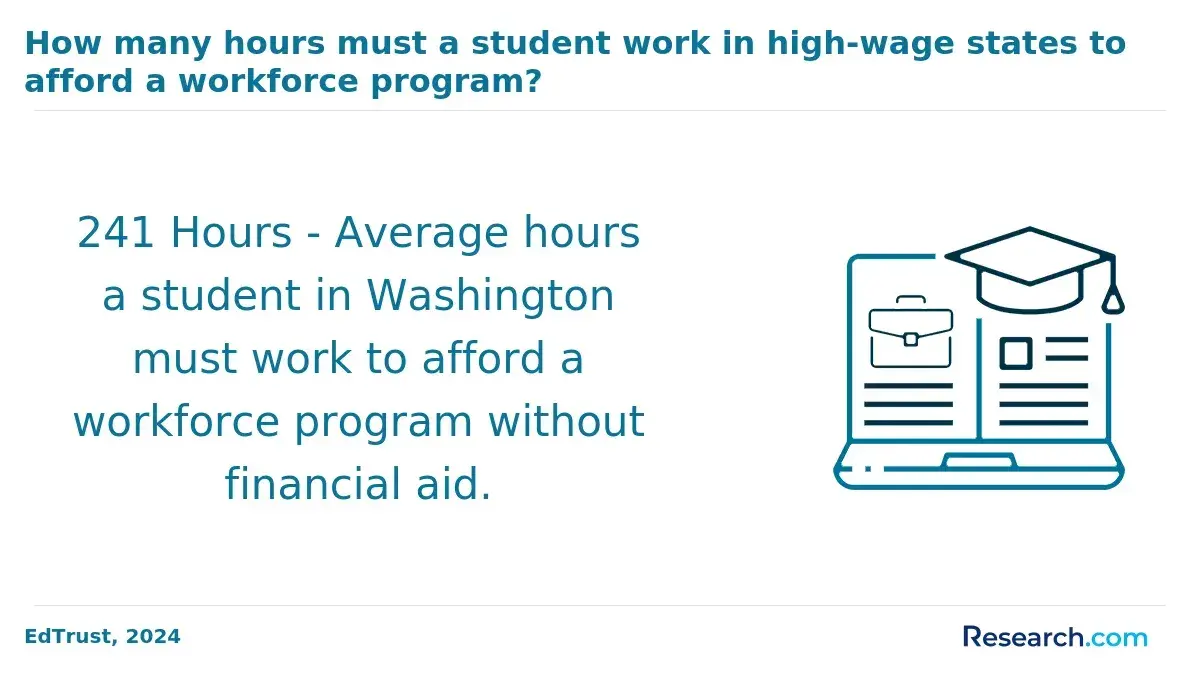
Data from the U.S. Department of Education's National Postsecondary Student Aid Study alongside 2024 Federal Reserve analyses indicate that healthcare innovation graduates' monthly student loan payments typically fall within a $300 to $600 range. This reflects median debt levels commonly between $30,000 and $60,000, though the precise amount is influenced by repayment plan choices and regional economic factors.
Variations are expected given the diversity in how graduates finance their education and the evolving loan servicing frameworks that affect amortization schedules. On average, those entering higher-paying segments such as healthcare technology management tend toward larger monthly obligations near the upper bound, while others may experience lower payments through income-sensitive programs.
The spectrum of monthly loan payments is driven primarily by the total principal borrowed, with larger debts naturally producing higher payments absent restructuring. Income-driven repayment (IDR) plans can reduce monthly costs considerably, especially for roles in government or nonprofit sectors where salaries may be modest, though this often extends the repayment duration and total interest accrued.
Standard 10-year repayment schedules provide predictable but higher monthly bills, reducing interest exposure but intensifying short-term cash flow pressures. Salary disparities across healthcare innovation career paths further complicate this picture, as wage growth does not always align with loan amortization demands, and refinancing options may alter financial outcomes based on creditworthiness and payment timing.
One healthcare innovation graduate recalls the balancing act during the rolling admissions process: initially hesitant to commit without clarity on debt limits and repayment realities, the applicant waited several weeks to gather nuanced financial aid counseling. Deciding amid uncertainty over monthly costs, the prospective student weighed potential salary offers against anticipated loan payments before finally committing to enrollment shortly before the deadline.
This experience underscored how timing and access to detailed repayment information can influence whether students proceed or pause, highlighting the strategic complexities beyond simple acceptance decisions in healthcare innovation programs.
How Do Repayment Rates Compare Between Public and Private Institutions?
Recent data from the U.S. Department of Education's College Scorecard reveals that graduates from public universities in healthcare innovation programs demonstrate noticeably higher loan repayment rates within three years of entering repayment compared to those from private nonprofit institutions. On average, about 55% of public institution alumni reduce their student loan principal within this timeframe, whereas private institution graduates average closer to 48%.
These figures reflect underlying differences in how borrowers from each sector manage debt early in their repayment journey, with public university graduates showing more consistent progress in lowering outstanding balances. The disparity in repayment rates stems from several interconnected factors. Public universities typically have lower tuition, resulting in reduced borrowing levels that translate into more affordable monthly payments relative to expected earnings.
In contrast, private nonprofit institutions often carry higher sticker prices, which push students to accumulate larger debt loads that may not align well with initial income levels, especially in a healthcare innovation field where earnings can vary widely depending on the exact career path. Additionally, some private school graduates engage in extended research or entrepreneurial ventures that delay steady income generation, further impacting early repayment capacity.
Public institutions also tend to provide more comprehensive financial counseling and targeted support services, which can improve borrowers' ability to navigate repayment options and avoid delinquency. These structural differences influence not only short-term repayment indicators but also longer-term financial stability and mobility for healthcare innovation graduates. Lower repayment stress among public university borrowers often leads to fewer defaults and greater flexibility to reinvest in professional development or savings.
Conversely, higher repayment burdens faced by private institution alumni can affect perceptions of program value and raise questions about institutional accountability in supporting sustainable graduate outcomes. Understanding these nuances aids prospective students and policymakers in evaluating the true cost-benefit dynamics of healthcare innovation educational pathways beyond just headline repayment rates.
Do Online Healthcare Innovation Graduates Have Different Repayment Outcomes Than Campus-Based Students?
Recent data from authoritative sources such as the Federal Student Aid report highlights that graduates from public institutions in healthcare innovation programs generally demonstrate higher student loan repayment rates than their private institution counterparts. Specifically, around 68% of public university graduates remain in consistent repayment three years post-graduation, whereas this figure declines to approximately 60% for graduates from private universities.
This difference reflects more than just institutional type; it underscores diverse financial aid availability, borrowing levels, and post-graduation earnings aligned with institutional missions and pricing structures. For prospective students considering healthcare innovation pathways, these repayment dynamics are crucial, particularly when contrasted with the broader trends in monthly payments campus versus online healthcare innovation students face.
Several structural factors drive the disparity in repayment performance. Public universities, often supported by state funding, typically offer lower tuition rates, mitigating the total debt burden despite similar borrowing amounts to private schools. Graduates from public institutions also tend to enter sectors with stable employment and competitive wages, improving debt-to-income ratios essential for timely repayment.
Conversely, private institutions may charge higher tuition without commensurate increases in graduate earnings or debt forgiveness options, resulting in increased repayment stress. The interplay of institutional prestige, access to federal aid, and graduate employment outcomes shapes borrowing behavior and influences long-term financial mobility for healthcare innovation degree holders.
These repayment differences have broader implications beyond numbers on a ledger. Persistent repayment challenges can strain graduates' financial flexibility, affecting their career choices and ability to invest in further education or innovation roles. Such outcomes feed back into perceptions of program value and institutional accountability, raising critical questions about how well educational investments align with labor market realities in healthcare innovation fields.
Students balancing these factors might also explore related disciplines, including programs like a biology bachelor degree online, which may offer alternative cost and employment profiles worth considering.
Which Industries Provide the Best Financial Return Relative to Borrowing Costs?
Financial return for healthcare innovation graduates varies considerably across industries, reflecting differences not only in salary levels but also in borrowing amounts and career growth trajectories. The balance between income progression and the weight of student debt shapes true return on investment (ROI).
Effective ROI analysis requires assessing how rapidly wages increase relative to loan repayment obligations and how stable employment demand supports manageable debt servicing.
- Biotechnology and Pharmaceuticals: These sectors consistently provide high entry-level salaries, often ranging from $75,000 to $90,000, positioning graduates well above typical annual loan payments estimated at around $15,000. The combination of robust hiring demand and steady salary growth helps graduates reduce loan burdens quickly, resulting in comparatively strong ROI within the first few years of employment.
- Healthcare Technology: Roles in digital health, medical devices, and data analytics generally see mid-career salaries exceeding $110,000. Although borrowing levels average between $30,000 and $50,000, the accelerated income growth in this field supports feasible monthly repayments. This industry's expanding market and demand for technical expertise contribute to faster career progression and a solid financial return relative to borrowing.
- Healthcare Administration and Policy Innovation: Despite similar borrowing levels, these areas often offer starting salaries near $50,000, which dampens repayment capacity when debt levels are high. Graduates frequently rely on income-driven repayment plans and face longer loan payoff periods, indicating a more modest ROI. Variability in institutional budgets and policy funding can also impact job stability and earnings trajectory.
- Medical Device Manufacturing: With a growing demand for innovation and regulatory compliance expertise, this industry offers competitive wages that typically rise steadily post-entry. Loan repayment burdens are somewhat eased by clear salary progression pathways, though borrowing amounts can vary widely depending on the specialized training required.
- Health Data Analytics: The increasing integration of big data in healthcare systems elevates demand for analytics professionals commanding mid-to-high earnings. Graduates with credentials in this area often experience favorable job growth and wage increases that help offset significant borrowing, improving their debt-to-income ratio over time.
Recent data from the U.S. Department of Education (2024) highlights that graduates entering industries with higher starting salaries relative to typical borrowing amounts tend to repay loans more quickly and face reduced default risk. This underscores the importance of evaluating income trajectories and repayment capacity alongside borrowing when selecting specialized healthcare innovation pathways.
Does Student Debt Affect Which Jobs Healthcare Innovation Graduates Accept?
Student debt levels heavily weigh on the initial employment decisions of healthcare innovation graduates, as the need to meet monthly repayment obligations often prioritizes immediate salary over job passion or sector alignment. According to a 2024 report from the National Center for Education Statistics, nearly 62% of graduates in this field carry average debts around $35,000, prompting many to accept positions with higher starting pay rather than lower-wage roles in nonprofits, academia, or early-stage startups.
This financial imperative narrows early career options, especially since many entry-level roles in research-oriented or policy-focused healthcare innovation typically offer compensation below market rates for commercial healthcare providers or established corporations. Graduates must balance the urgency of debt service with their preference for meaningful work, leading to trade-offs that can delay engagement with their desired sectors.
Broader behavioral and structural patterns emerge when comparing graduates burdened with significant debt against those with lesser financial obligations. Higher-debt individuals demonstrate reduced geographic and occupational mobility, limiting their ability to pursue fellowship or internship opportunities that may pay little or nothing, yet offer crucial experiential value.
Industry selection also reflects this divide, with debt-laden graduates disproportionately accepting roles within private firms offering signing bonuses and competitive wages as retention tools. Long-term career strategies are shaped by this imperative; many delay transitions toward more mission-driven or innovative healthcare settings until financial stability is achieved, a dynamic that impacts workforce diversity and innovation diffusion. Understanding these nuanced impacts on employment decisions is critical given the evolving labor market demands in healthcare innovation.
A recent healthcare innovation graduate shared how, during a rolling admissions cycle, indecision and delays in application preparation heightened anxiety about loan repayment. They described waiting on acceptance decisions while feeling pressure to secure well-compensated work immediately after graduation, fearing that postponing a high-paying job could exacerbate debt risk.
Eventually, the graduate prioritized accepting a corporate healthcare role with a signing bonus despite initial hesitation, citing the necessity of financial security amid uncertain future opportunities. This experience underscores how timing and debt-related urgency directly influence employment choices beyond just program completion.
What Factors Increase Student Loan Repayment Risk for Healthcare Innovation Graduates?
Student loan repayment risk for healthcare innovation graduates stems from a combination of high borrowing levels and variable post-graduation income stability, rather than a single factor. The complex dynamics of program costs, labor market uncertainty, and employment stability intermingle to shape an individual's financial capacity to manage debt.
Assessing repayment risk requires understanding how debt size interacts with wage trajectories and sector-specific employment conditions, which can differ widely across healthcare innovation roles.
- High Borrowing Relative to Variable Starting Salaries: Healthcare innovation programs often require significant upfront investment, but entry-level salaries in this diverse field can be inconsistent and sometimes lower than traditional healthcare roles. This imbalance constrains graduates' ability to allocate sufficient income toward debt repayment, especially as salary growth may lag behind increasing loan balances and accrued interest.
- Employment Instability and Sector-Specific Funding Patterns: Reliance on grant-based funding and project roles within healthcare innovation creates variable income streams and employment gaps. This income volatility complicates reliable loan repayment schedules, increasing financial strain compared to more stable employment sectors.
- Program Length and Limited Repayment Assistance: Extended or multiple healthcare innovation credentials increase overall debt and consequential interest accumulation. Additionally, many innovation roles lack access to employer-sponsored repayment plans that are more common in classical healthcare fields, leaving graduates to manage repayment without institutional support.
- Socioeconomic Disparities Amplifying Financial Vulnerability: Graduates from underrepresented or economically disadvantaged backgrounds, who often finance their education primarily through loans, face heightened repayment challenges due to limited financial resilience and fewer alternative support mechanisms.
According to the National Center for Education Statistics, nearly 38% of healthcare-related program graduates report difficulty keeping up with monthly loan payments within two years of repayment initiation, with innovation-focused cohorts experiencing even greater strain. For students evaluating repayment outcomes in healthcare innovation programs, considering the nurse practitioner accelerated program alongside broader educational options may provide additional perspective on income stability and borrowing tradeoffs.
Understanding student loan repayment risk factors in healthcare innovation is essential for informed decision-making and managing long-term financial health.
How Can Healthcare Innovation Students Reduce Student Loan Debt While Earning Their Degree?
Reducing student loan debt while earning a healthcare innovation degree demands intentional planning and strategic decision-making across the academic lifecycle. Students balancing educational costs with future workforce integration must combine financial awareness with academic efficiency and targeted use of institutional and external resources. This approach transcends generic budgeting by optimizing enrollment choices, aid applications, and work opportunities as part of a coherent debt minimization strategy.
- Enroll in Accredited Hybrid or Online Programs: Selecting accredited programs offering hybrid or fully online coursework can significantly lower living expenses and allow for part-time paid work. Recent data from the National Center for Education Statistics shows students in such formats borrow about 15% less on average than those in traditional in-person setups, reducing overall debt burdens.
- Maximize Healthcare-Focused Scholarships and Grants: Identifying and applying for scholarships specifically tied to healthcare innovation degrees can reduce direct borrowing needs. Many healthcare employers now provide tuition assistance, reflecting a trend towards educational investment, which students should actively pursue to minimize loan dependency.
- Integrate Paid Internships or Cooperative Education: Engaging in paid experiential learning roles minimizes reliance on loans by offsetting costs during the program. Department of Labor findings indicate that healthcare students who participate in such opportunities reduce their education-related debt by approximately 12%, showing the practical financial and employability benefits.
- Prioritize Federal Loans Over Private Borrowing: Federal student loans often offer lower interest rates and more flexible repayment options, which can ease long-term debt service. Avoiding private loans where possible reduces financial risk, ensuring manageable payments after graduation.
- Plan Academic Scheduling for Efficiency: Accelerating course completion through intensive terms or credit transfers can help students graduate sooner, limiting tuition and ancillary costs. Efficient academic planning curbs loan amounts accrued by shortening program duration and mitigating extended borrowing.
- Leverage Institutional Financial Advising and Resources: Utilizing university financial aid offices for tailored debt counseling and application assistance improves access to controlled borrowing pathways and alternative funding options. Proactive engagement with institutional resources strengthens borrowing decisions aligned with long-term affordability.
- Consider Supplemental Income Through Relevant Part-Time Work: Balancing studies with part-time employment in healthcare settings not only defrays expenses but also enhances real-world experience valued by employers. This combination supports both financial needs and career readiness without increasing loan debt.
Effective debt reduction strategies for healthcare innovation students require deliberate integration of these approaches to minimize borrowing and improve post-graduation financial outcomes. For those interested in broadening their academic options, exploring hybrid learning in related fields, such as an online sociology degree bachelor's, can provide additional context for balancing education affordability with career goals.
How Should Prospective Students Evaluate Borrowing Risk Before Enrolling?
Evaluating borrowing risk before enrolling in a healthcare innovation degree is critical for understanding long-term financial commitments. Prospective students must weigh total estimated debt against realistic post-graduation income, balancing ambition with manageability. According to the 2024 National Center for Education Statistics, median early-career salaries in healthcare fields hover around $60,000, but variation is significant by specialization and location, making personalized financial assessment essential.
- Total Debt Burden Estimation: Calculate aggregate loan amounts, including accrued interest over expected repayment timelines, to avoid surprises. This realistic view highlights the true cost of borrowing beyond sticker tuition.
- Projected Earnings vs. Repayment: Compare anticipated starting salaries and growth trajectories with monthly loan payment obligations, ensuring repayment does not exceed a prudent percentage of income.
- Program Outcomes and Employability: Review graduate employment rates and salary data within 12 months post-completion to verify that program costs align with actual market value and job prospects.
- Income-Driven Repayment and Forgiveness Options: Analyze the availability of healthcare-specific repayment plans or loan forgiveness that can materially affect financial risk over time.
- Alternative Education Pathways: Consider lower-debt routes like certificate programs or employer-sponsored education benefits that reduce loan dependence while providing relevant credentials.
- Institutional Cost Structures: Scrutinize tuition levels relative to local market demand and program reputation to detect overpriced programs with limited ROI.
- Underemployment and Job Delay Risks: Model scenarios with slower job placement or part-time employment to gauge sustainable debt levels under adverse conditions.
References
- Europe PMC https://europepmc.org/articles/pmc6179784
- Student Debt and Health Care Worker Turnover | AHA https://www.aha.org/education-events/student-debt-and-health-care-worker-turnover
- US healthcare sector: Outlook brighter, innovation a strong driver https://viewpoint.bnpparibas-am.com/us-healthcare-sector-outlook-brighter-innovation-a-strong-driver/
- HBCUs Have the Best Return on Investment https://tcf.org/content/commentary/hbcus-have-the-best-return-on-investment/
- Five big changes coming to higher education July 1 https://hechingerreport.org/five-big-changes-coming-to-higher-education-july-1/
- Is Rising Student Debt Harming the U.S. Economy? | Council on Foreign Relations https://www.cfr.org/backgrounders/us-student-loan-debt-trends-economic-impact
- Paying for a Healthcare Graduate Degree: Your Options https://www.baypath.edu/news/bay-path-university-blogs/post/paying-for-a-healthcare-graduate-degree-your-options/
- Does College Pay Off? A Comprehensive Return On Investment Analysis - FREOPP https://freopp.org/whitepapers/does-college-pay-off-a-comprehensive-return-on-investment-analysis/
- Risk-sharing: An efficient mechanism for funding student loan safety nets | Brookings https://www.brookings.edu/articles/risk-sharing-an-efficient-mechanism-for-funding-student-loan-safety-nets/
- The Impact of Student Debt on the Low-Wage Workforce https://workrisenetwork.org/working-knowledge/impact-student-debt-low-wage-workforce
Other Things You Should Know About Healthcare Innovation
Programs in healthcare innovation often vary widely in length and intensity, which directly affects when graduates start repaying loans and how manageable those payments are. Longer programs with integrated clinical or practicum components may delay repayment but can also increase total borrowing. For students prioritizing predictable finances, shorter, more structured programs with clear graduation timelines often reduce repayment risk by enabling faster entry into the workforce and consistent income streams.
While prestigious healthcare innovation programs might offer superior networking and employer recognition, they frequently come with higher tuition and living costs, escalating debt burdens. Students must weigh whether the enhanced credentials justify the additional financial strain, especially since career outcomes in healthcare innovation can be equally accessible through emerging programs with lower costs but solid employer ties. Prioritizing programs with strong industry partnerships and practical skill development may yield better long-term debt sustainability than prestige alone.
Employers increasingly expect healthcare innovation graduates to bring interdisciplinary skills and adaptability, which can extend the initial learning curve on the job and delay salary growth. Graduates facing steep early-career workload demands may find it challenging to manage high monthly loan payments, underscoring the need for loan repayment plans that accommodate income fluctuations. Prospective students should assess whether their target employers offer loan repayment assistance or flexible work arrangements to mitigate repayment stress.
Balancing affordable debt with valuable experiential learning is critical. While minimizing borrowing is important, forgoing diverse internships and applied projects that enhance employability can compromise long-term financial outcomes. Students should strategically invest in experiences that expand their professional networks and practical skills, accepting moderate additional debt only if it clearly increases postgraduation earning potential and job security, thereby improving overall repayment feasibility.