2027 Health Information Management Transfer Credit Trends: How Schools Are Adapting for Adult Learners

Co-Founder and Chief Data Scientist
Imagine a military veteran returning to civilian life, aiming to leverage prior coursework toward a health information management degree, only to find that nearly 40% of their previously earned credits don't transfer due to shifts in articulation agreements and program accreditation standards. This gap adds semesters and unexpected tuition costs, forcing urgent decisions about whether to retake courses or seek alternative credentials. A 2024 study revealed that while 75% of institutions report increasing transfer credit acceptance, only 52% extend this to specialized programs like health information management, reflecting growing caution tied to evolving healthcare regulations and data privacy requirements.
This article examines how schools adjust transfer credit policies to balance rigor and flexibility, guiding prospective students through current trends to optimize their credit transfer and degree completion strategies.
Key Things to Know About Health Information Management Transfer Credit Trends for Adult Learners
- Expanded acceptance of military and workforce training credits in health information management programs reflects institutions' recognition of nontraditional learning but may limit credit applicability due to varied transcript documentation quality.
- Automated transcript evaluation technology expedites transfer reviews, reducing administrative delays; however, algorithmic rigidity can overlook nuanced course equivalencies, affecting credit maximization and student planning accuracy.
- Community college articulation agreements have increased transfer student graduation rates by 15% since 2023, promoting efficient degree completion but also requiring adult learners to navigate varying institutional policies and credit residency rules.
- Key Things to Know About Health Information Management Transfer Credit Trends for Adult Learners Key Things to Know About Health Information Management Transfer Credit Trends for Adult Learners
- How Are Health Information Management Programs Changing Transfer Credit Policies for Adult Learners? Evolving Adult Transfer Policies
- Why Are More Health Information Management Schools Accepting Credit for Prior Learning and Work Experience? Prior Learning Credit Benefits
- How Do Health Information Management Colleges Evaluate and Award Transfer Credits Today? Transfer Credit Evaluation Process
- Which Alternative Credits Are Most Commonly Accepted by Health Information Management Programs? Accepted Alternative Credits
- How Are Health Information Management Schools Improving Transfer Pathways for Community College Students? Improved Community College Pathways
- How Can Transfer Credits Help Health Information Management Students Graduate Faster? Accelerating Degree Completion
- How Much Money Can Students Save Through Health Information Management Transfer Credit Opportunities? Cost Saving Through Transfers
- How Are Health Information Management Programs Supporting Military Students and Workforce Learners Through Transfer Credits? How Are Health Information Management Programs Supporting Military Students and Workforce Learners Through Transfer Credits?
- What Transfer Credit Innovations Are Shaping the Future of Health Information Management Education? What Transfer Credit Innovations Are Shaping the Future of Health Information Management Education?
- How Can Adult Learners Maximize Transfer Credits in a Health Information Management Program? Maximizing Your Transfer Credits
How Are Health Information Management Programs Changing Transfer Credit Policies for Adult Learners?
The evolving landscape of transfer credit policies in health information management programs reflects a deliberate expansion of credit acceptance designed to accommodate adult learners, working professionals, and military-affiliated students more effectively. Colleges are increasingly incorporating transfer credit policies for adult learners in health information management that recognize diverse educational backgrounds, including credits from community colleges and regionally accredited institutions, reducing redundant coursework and accelerating degree progression. This broadening of credit acceptance requires careful academic planning, as students must navigate varying institutional limits on transferable credits and inconsistent evaluation standards, which can significantly influence time-to-degree and affordability.
These programs also emphasize prior learning assessment methods, such as awarding credit for military training and relevant workforce experience, aligning with Department of Defense and American Council on Education guidelines to facilitate smoother credit mobility for military-affiliated students. For transfer students and degree completers, formal articulation agreements have become more common, streamlining transcript evaluations and clarifying course sequencing to prevent credit loss often experienced during institutional transfers. A 2024 report by the National Student Clearinghouse indicated that programs with flexible credit acceptance policies and PLA options achieved a 15% improvement in adult student retention, underscoring the real-world impact of these adaptations on educational access and persistence.
Students comparing schools should also consider pathways offered by accelerated healthcare programs to optimize transfer credits and reduce time-to-completion within this competitive and evolving field.
Why Are More Health Information Management Schools Accepting Credit for Prior Learning and Work Experience?
The increasing acceptance of credit for prior learning and work experience among health information management programs signals a structural shift driven by demands for flexibility and workforce alignment rather than simple institutional leniency. Schools are responding to the need to recognize diverse learning pathways-including military training, industry certifications, and employer-based competency assessments-that demonstrate relevant skills without traditional academic coursework. This trend reflects an operational strategy to streamline degree completion while maintaining academic rigor, but it also introduces challenges as assessment standards vary widely, prompting students to navigate complex credit evaluation processes that can significantly impact their time to degree and educational costs.
These evolving policies are tied closely to workforce realities in health information management, where proficiency in electronic health records, data governance, and compliance often stems from experiential learning. A 2024 report from the Council for Adult and Experiential Learning noted that students leveraging such credit pathways graduate about 25% faster, underscoring how prior learning recognition can accelerate labor market entry while reducing financial burdens. However, this faster track requires careful alignment with program standards to ensure quality, and not all experiential learning qualifies or converts equivalently, forcing students to make informed decisions about which experiences to document and submit for evaluation. The imbalance between expanding credit acceptance and maintaining curriculum integrity also means some transfer applicants face inconsistent policies that affect persistence and enrollment accessibility.
One adult learner with a background in military health administration found the process both hopeful and frustrating. While her service-related training covered much of the technical content required, the institution demanded extensive documentation and multiple rounds of portfolio review, leading to delays in credit approval. She appreciated the school's willingness to consider her experiential knowledge, but the lack of standardized assessment policies left her uncertain about how many credits would apply until late in her first term. This case illustrates the practical tradeoffs students must manage when navigating credit for prior learning options amid evolving but uneven institutional frameworks.
How Do Health Information Management Colleges Evaluate and Award Transfer Credits Today?
Transfer credit evaluation in health information management colleges has evolved into a strategic process balancing institutional standards with the practical needs of adult learners and workforce-aligned students. Rather than a routine administrative check, this evaluation integrates accreditation status, course equivalency based on learning outcomes, and adherence to residency and upper-division credit policies. For example, a student transferring from a regionally accredited community college with relevant coursework may receive full credit for foundational classes, while credits for specialized or recent courses often undergo closer scrutiny to ensure alignment with current professional competencies.
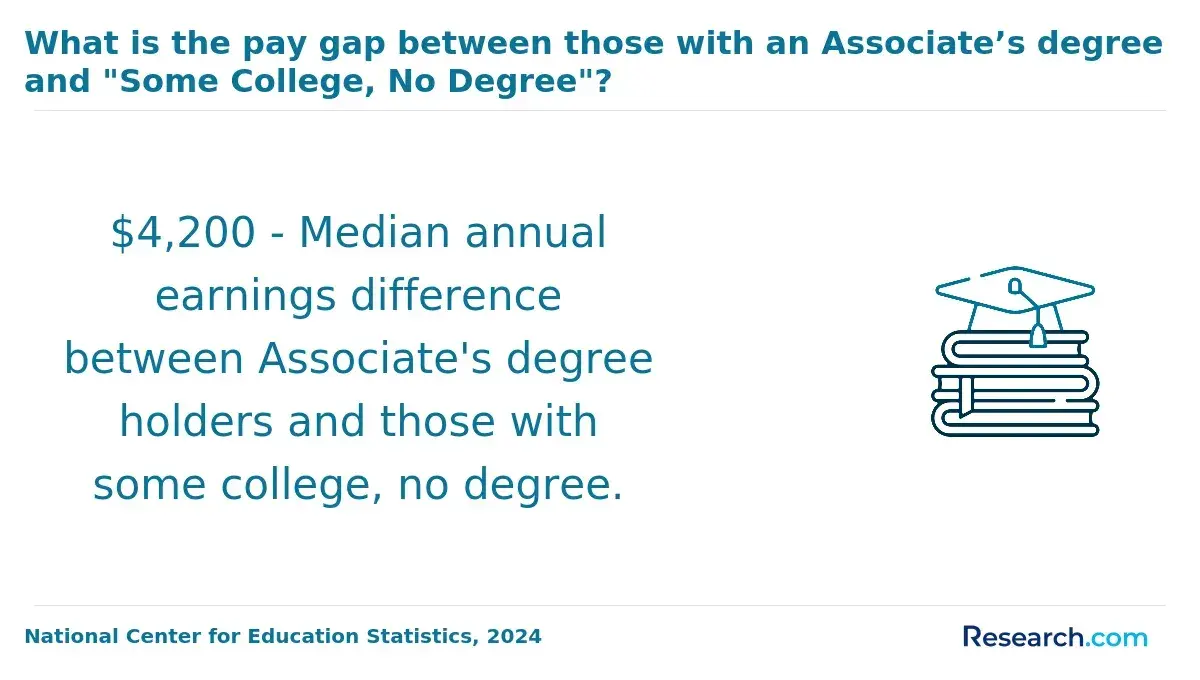
Military training and professional certifications increasingly inform credit decisions, reflecting the sector's recognition of experiential learning within healthcare operations. However, acceptance of alternative credits like vendor certifications or micro-credentials varies widely, influencing degree completion timelines and educational costs differently depending on the program's rigor requirements. Data from the National Center for Education Statistics (2024) shows nearly 40% of adult transfer students benefit from credit for prior learning, underscoring its growing role in accelerating pathways. Navigating these nuanced policies requires students to weigh tradeoffs between broad credit acceptance to shorten time-to-degree and maintaining the depth of knowledge expected by employers, particularly when advancing to upper-division or capstone coursework.
Online tools now offer preliminary credit assessments to foster transparency, but final decisions often depend on academic advisors' interpretation of how credits fulfill core, elective, or degree-specific needs. This complexity affects diverse populations-from military-affiliated learners utilizing tailored articulation agreements to degree completers pursuing advanced credentials-who must strategically plan transfers to optimize credit use without compromising qualification standards. Ultimately, transfer policies reflect an intersection of institutional quality control, evolving workforce demands, and the practical realities of adult students balancing education with career progression.
Which Alternative Credits Are Most Commonly Accepted by Health Information Management Programs?
Alternative credit acceptance has become a strategic lever for health information management programs to enhance degree accessibility and streamline completion for adult learners, rather than a mere administrative adjustment. Credit for prior learning (CPL) is frequently used to convert professional experience and training into academic credit, reflecting a pragmatic approach to valuing workforce competencies. Military training credits, often assessed through American Council on Education guidelines, are another major pathway, accommodating veterans whose skills align with program requirements. These programs must carefully navigate institutional policies such as residency limits and upper-division credit caps, which often restrict how much alternative credit can apply toward graduation, slowing progress despite initial gains.
Acceptance of standardized exams like CLEP and DSST continues to offer flexible credit opportunities, with about 58% of programs recognizing these tests, though rigor and course relevance remain key evaluation factors. Additionally, many programs integrate workforce certifications and competency-based assessments, acknowledging credentials such as Registered Health Information Technician alongside partnerships with providers supporting validated online coursework. This evolving landscape necessitates strategic transfer planning, as credit policies impact not only timelines but also affordability and job-readiness in an increasingly competitive labor market. Adult learners considering transfer must weigh these nuanced differences to determine if their existing credits meaningfully advance their academic goals within health information management.
For those seeking accelerated pathways, exploring options like a 6 month LPN program may complement transfer strategies amid program-specific credit acceptance variability.
How Are Health Information Management Schools Improving Transfer Pathways for Community College Students?
Health information management programs have prioritized improving transfer pathways due to persistent credit loss issues that extend time to degree completion and increase costs for adult learners. Nearly 40% of transfer students lose credits during transfer according to data from the National Student Clearinghouse, which underscores the urgency for clearer articulation agreements and more flexible credit acceptance policies. Institutions balancing the need for academic rigor with transfer inclusivity are expanding dual-admission partnerships and streamlined degree maps tailored to community college curricula, but the variability in course content and evaluation standards means some students still face unpredictable credit applicability. These adaptations shape student decisions by influencing how much prior coursework applies toward degree requirements, affecting academic momentum and educational accessibility, especially for working adults and military-affiliated students seeking to fast-track credential attainment.
To reduce transfer friction, many programs incorporate prior learning assessments that recognize professional certifications or relevant work experience while investing in enhanced advising support and digital tools for transparent, real-time credit evaluations. However, students must remain cautious, as not all specialized or technical credits transfer seamlessly, requiring strategic planning and ongoing communication with transfer advisors. The tradeoff often lies between choosing programs with broader credit recognition versus those offering specific HIM specialization, each affecting how swiftly a student progresses toward graduation in practical, career-relevant ways.
A community college student pursuing health information management encountered uncertainty when initially applying transfer credits from two different colleges. Conflicting information about whether a key coding course would meet program requirements led to frustration. Through persistent engagement with dedicated transfer advisors and reviewing updated articulation agreements, the student eventually received clear evaluation results confirming most credits counted toward the bachelor's degree. This clarity allowed for confident course enrollment decisions and a recalibrated plan to graduate without unnecessary delays, highlighting the tangible benefits of improved transfer pathways as well as the need for proactive student involvement during the process.
How Can Transfer Credits Help Health Information Management Students Graduate Faster?
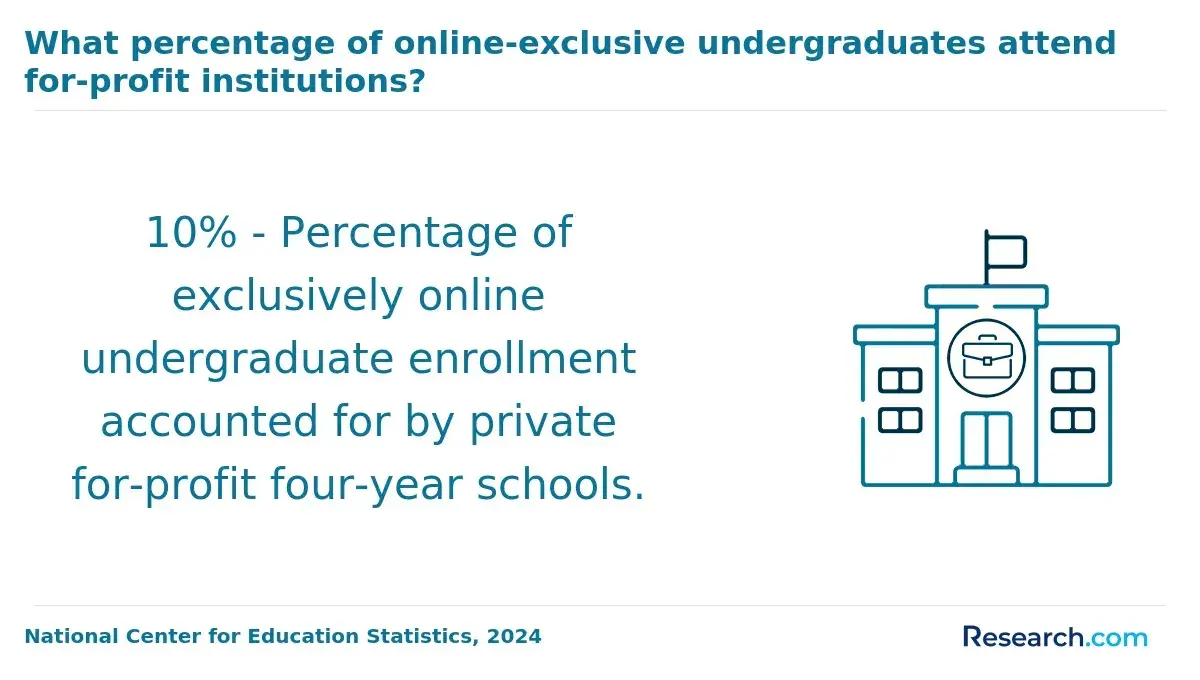
Transfer credits can potentially shorten a health information management student's path to graduation, but the impact depends heavily on how those credits align with core degree requirements rather than simply counting toward total hours. Many programs limit the application of transfer credits toward specialized upper-division courses critical for accreditation and employer expectations, meaning students must still complete substantial on-campus or online coursework within the institution.
For adult learners and working professionals, this distinction affects strategic enrollment decisions-choosing institutions with clearer articulation agreements and robust credit evaluation processes can significantly reduce time-to-degree, while ignoring specific residency or sequencing rules may prolong it despite high credit acceptance rates.
Accelerated degree completion through transfer credits in health information management is further complicated by the variability in recognizing prior learning assessments, military training, and workforce certifications. While these options provide alternative credit pathways, they often require extensive documentation and institutional approval, delaying immediate progression. Additionally, transfer credits from community colleges or non-accredited programs may transfer as electives rather than fulfilling program-specific criteria, which impacts affordability and prolongs enrollment for students balancing competing priorities. Institutions adapting to these realities increasingly incorporate flexible formats like hybrid and competency-based education to better integrate transfer credits into degree plans, but this requires proactive advising and realistic planning to avoid pitfalls.
For prospective students, understanding the nuanced transfer credit policies is essential for effective degree-completion planning in health information management programs. Practical evaluation of previously earned credits-particularly those from community colleges and workforce training-must consider how they fit into mandatory coursework and institutional policies. Resources guiding credit transfer, such as reviews of exercise science degrees online, can illuminate how transfer-friendly pathways function in practice, assisting transfer students, military-affiliated learners, and working professionals to navigate options with clarity and strategic intent.
How Much Money Can Students Save Through Health Information Management Transfer Credit Opportunities?
Transfer credit acceptance in health information management programs can significantly lower overall educational expenses, but the extent of savings hinges on institutional policies and credit applicability. For example, military-affiliated students leveraging prior learning assessments may convert extensive service experience into academic credits, sometimes earning up to 30 transferable credits, which directly reduce tuition and shorten the time to degree. However, many programs impose limits-such as a 60-credit transfer cap or strict residency requirements-that constrain how many external credits apply to degree requirements, potentially limiting the expected cost benefits despite prior coursework or experience.
Effective transfer credit strategies require careful evaluation of which courses count toward core curriculum versus electives since credits accepted as electives might not speed up graduation as much as anticipated. According to the National Student Clearinghouse Research Center (2024), around 40% of transfer students nationally save at least one semester's tuition through credit transfer, reflecting faster completion and reduced redundancy in foundational healthcare and IT classes typical of health information management degrees. Yet, adult learners and working professionals must weigh these savings against program-specific rules on equivalency and credit applicability to realistically assess financial and time investments before enrollment.
These nuanced transfer credit policies influence not only immediate tuition costs but also longer-term degree planning, affecting enrollment timing and career trajectory decisions. Students who maximize recognized experiential or prior academic credits can avoid repeating knowledge areas, aligning educational progress with workforce demands more efficiently. Nonetheless, the varied acceptance rates and elective conversion of transferred credits necessitate a tailored approach-understanding institutional cap limits, course articulation agreements, and military credit evaluations is critical to optimize savings and degree completion timelines within health information management pathways.
How Are Health Information Management Programs Supporting Military Students and Workforce Learners Through Transfer Credits?
Health information management programs increasingly recognize military training and workforce certifications as critical components in transfer credit evaluations, yet this recognition varies widely across institutions. According to the American Council on Education 2024 report, about 85% of colleges accept some form of military or professional credit, but differences in how schools assess these credentials can significantly impact the actual reduction of course requirements. For example, a military-affiliated student with extensive technical healthcare experience might find that only some certifications translate directly into academic credits, requiring strategic planning to fill remaining degree requirements without redundant coursework.
Programs often rely on prior learning assessments (PLAs) to bridge experiential knowledge with academic standards, though institutional constraints can limit consistency in credit awards. While transfer articulation agreements and credit mobility efforts aim to streamline progression, the uneven recognition of certification exams across regions means adult learners frequently face the tradeoff of accelerated entry versus supplemental classes to satisfy employer expectations for formal education and current skill competency. This complexity underscores that, despite some credit acceptance, many students must still navigate careful academic advising to optimize degree completion timelines and ensure certifications gain meaningful workforce relevance.
What Transfer Credit Innovations Are Shaping the Future of Health Information Management Education?
Emerging transfer credit assessment innovations are reshaping access and degree mobility for adult learners, military students, and transfer completers within Health information management programs. A notable shift is the adoption of AI-driven transcript evaluation systems, which have lowered credit evaluation times by up to 40%, according to a 2024 National Center for Education Statistics report. While these systems improve efficiency, students must navigate inconsistent credit acceptance criteria across institutions, complicating long-term educational planning and potentially extending degree completion timelines despite expedited credit assessments.
Expanded credit for prior learning (CPL) policies, especially for military training and workplace certifications, play a critical role in addressing the diverse backgrounds of Health information management transfer students. A 2024 Council for Adult and Experiential Learning study found that 60% of institutions widened CPL pathways, enhancing affordability and reducing time to degree. However, workforce-oriented students face tradeoffs when competencies vary by employer recognition or when competency-based education pathways lack standardization, emphasizing the need for clear guidance on flexible transfer credit policies for adult learners in health information management.
Digital credentialing platforms and strengthened transfer pathway agreements improve credit portability, but inconsistent institutional adoption still poses challenges for equitable credit recognition and academic quality assurance. For those balancing educational advancement with career progression, understanding such nuances can influence decisions that affect both educational and employment outcomes, including considerations such as regional variations in DNP salary by state.
How Can Adult Learners Maximize Transfer Credits in a Health Information Management Program?
Maximizing transfer credits in health information management programs requires adult learners to navigate institutional policies with an eye on practical career outcomes. For example, a working professional transferring from a community college must assess articulation agreements carefully; failing to verify course equivalencies early can lead to delayed graduation and increased tuition costs. Research from the National Student Clearinghouse in 2024 shows that nearly 70% of transfer credit denials occur due to missing direct course matches or misaligned learning outcomes, illustrating why targeted transcript evaluation early in the admission process is crucial to avoid wasted credits and time.
Many programs implement transfer credit caps, typically allowing 60-75% of degree requirements to be satisfied by prior coursework to uphold academic standards and employer confidence. Adult learners should also leverage opportunities for credit for prior learning (CPL), especially military training or professional experience, which the Council for Adult and Experiential Learning notes can fulfill up to 30% of degree requirements in some programs. Using degree-mapping tools alongside advising support tailored to workforce demands helps align credits strategically with graduation pathways, balancing flexibility with core curriculum residency rules.
Adult learners seeking the best strategies for transfer credit evaluation in health information management for working professionals should also consider institutional responsiveness to evolving standards and renewal of foundational courses. Programs that recognize diverse credit sources and maintain clear articulation pathways improve time to degree and long-term academic adaptability.
Those interested in comparative program options might find valuable insights by reviewing the best online EHS programs, which illustrate growing emphasis on credit transfer flexibility across related health sectors.
References
- Adult Learner Enrollment to Completion via Cross-Sector Partnerships https://changinghighered.com/adult-learner-enrollment-completion-partnerships/
- Health Information Management (A.A.S.) - Walters State Community College https://ws.edu/academics/programs/aas/health-information-management.aspx
- Online Health Information Management Degrees: Top Schools https://www.edumed.org/online-schools/health-information-management-degrees/
- University of Phoenix releases Transfer Student Guide https://www.phoenix.edu/press-release/releases-transfer-student-guide.html
- JMIR Medical Informatics - Gaps and Pathways to Success in Global Health Informatics Academic Collaborations: Reflecting on Current Practices https://medinform.jmir.org/2025/1/e67326
- The Missing Link: Adult Learners and the Transfer Process https://www.cael.org/resouces/pathways-blog/the-missing-link-adult-learners-and-the-transfer-process
- The Future of Health Information Management: What It Means for Your Organization https://www.savistarcm.com/the-future-of-health-information-management-what-it-means-for-your-organization/
- Hard up for students, more colleges are offering college credit for life experience, or ‘prior learning’ https://hechingerreport.org/to-fill-seats-more-colleges-offer-credit-for-life-experience/
- College Credit for Heroes: Accelerating Degree Completion | Journal of Veterans Studies https://journal-veterans-studies.org/articles/10.21061/jvs.v8i1.264
- Health Information Management and Technology | HVCC https://www.hvcc.edu/programs/all/business-liberalarts/health-information-management-technology-aas.html
Other Things You Should Know About Health Information Management
While a high volume of transfer credits can shorten time to degree completion, it may come with tradeoffs in learning depth and exposure to up-to-date practices specific to health information management. Programs that accept many credits often limit hands-on or practicum requirements, which are critical for developing applied skills employers expect. Students should prioritize programs that maintain rigorous clinical or experiential components even if it means accepting fewer transfer credits to ensure their degree reflects current industry standards.
Employers increasingly focus less on transfer history and more on competencies, certifications, and relevant experience. However, degrees heavily reliant on transfer credits without demonstration of current, specialized HIM coursework or practical skills may signal gaps in training. Graduates should therefore complement transfer-credit-heavy education with professional certifications or internships to bridge potential employer concerns about educational completeness.
Transfer credits from disciplines only tangentially related to health information management may not fulfill core competency requirements, causing delays in graduation or additional course mandates. Programs vary in how strictly they evaluate course content relevance, so students should verify credit applicability upfront. Prioritizing transfer credits aligned with HIM core subjects reduces risk of redundant coursework and wasted credits, streamlining degree completion without sacrificing essential knowledge.
Adult learners must weigh speed of completion against educational rigor and employability outcomes. Transfer-friendly programs offer faster paths but sometimes at the cost of fewer practical experiences that enhance long-term career success. When making a decision, learners should prioritize programs that balance flexible credit acceptance with maintained industry-relevant training and verification of core skills, ensuring both timely graduation and workforce readiness.