2027 Health Information Management Job Market Report: Open Roles, Salary Bands, and Hiring Momentum

Co-Founder and Chief Data Scientist
Shifts in health information management employment reflect deeper transformations driven by technological adoption and evolving regulatory frameworks. The integration of advanced data analytics and electronic health record systems has reshaped employer priorities, increasing demand for workers with specialized technical skills rather than traditional coding or administration expertise. Simultaneously, regulatory updates around patient privacy and data interoperability exert pressure on credential requirements, influencing salary structures and open role distribution.
Geographic concentration of healthcare facilities and organizational restructuring also drive disparities in hiring momentum. Examining open roles, salary bands, and recruitment trends reveals where workforce shortages intersect with changing skill expectations, illustrating the practical challenges in aligning educational pathways with employer demand.
Key Things to Know About Health Information Management Job Market
- Open roles in health information management remain steady but competitive; specialization in data analytics increasingly differentiates candidates, suggesting a tradeoff between broad credentials and niche skills.
- Salary bands reflect employer preference for certified professionals with practical experience, underscoring workforce demand for proven competency over entry-level qualifications alone.
- Hiring momentum correlates with healthcare digitization pace, meaning program duration and cost affect timely workforce entry and can delay capitalizing on emerging job market expansions.
- Key Things to Know About Health Information Management Job Market Key Things to Know About Health Information Management Job Market
- How Strong Is Demand for Health Information Management Graduates in Today's Job Market? Demand for Graduates
- Which Health Information Management Careers Have the Most Open Job Opportunities? In-Demand Careers
- What Salary Bands Are Employers Offering Across Health Information Management Careers? Offered Salary Bands
- Which Industries Are Hiring the Most Health Information Management Graduates? Top-Hiring Industries
- How Does Hiring Demand Vary by State, Region, and City? Hiring Demand by Location
- What Skills Are Employers Prioritizing in Health Information Management Job Postings? In-Demand Skills
- Which Certifications Increase Employability and Salary Potential? High-Value Certifications
- How Do Remote and Hybrid Opportunities Affect the Health Information Management Job Market? How Do Remote and Hybrid Opportunities Affect the Health Information Management Job Market?
- Which Health Information Management Careers Show the Strongest Long-Term Hiring Momentum? Strongest Careers
- How Can Students Use Job Market Data to Make Better Career Decisions? How Can Students Use Job Market Data to Make Better Career Decisions?
How Strong Is Demand for Health Information Management Graduates in Today's Job Market?
Demand for health information management graduates remains robust, with the U.S. Bureau of Labor Statistics projecting faster-than-average growth in related occupations through 2030. Recent LinkedIn Workforce Reports confirm consistent hiring activity across hospitals, insurance companies, and outpatient providers, reflecting the increasing reliance on precise health data management. However, competition has intensified due to a growing pool of credentialed applicants, particularly affecting those without practical experience. Regional disparities also emerge, with some U.S. regions showing stronger hiring momentum based on local healthcare infrastructure and insurance market dynamics.
The drivers behind this demand include the integration of advanced health informatics systems, an expanding healthcare sector, and heightened regulatory requirements that necessitate accurate data stewardship and compliance enforcement. Employers increasingly seek candidates skilled in electronic health record platforms, clinical coding, and data privacy frameworks like HIPAA, alongside competencies in telehealth data management and cybersecurity. Skill shortages persist in these specialized areas despite automation trends, underscoring the need for graduates to acquire both technical proficiency and hands-on experience. These evolving industry needs shape varied employer expectations, especially between large healthcare organizations and smaller providers or technology vendors serving healthcare clients, influencing regional hiring patterns for health information management graduates.
Long-term employment stability in health information management hinges on adaptability to emerging technologies and regulatory shifts. Graduates who supplement academic learning with internships or targeted certifications tend to navigate the job market more successfully. Aspiring professionals should interpret demand signals within the context of their career goals and regional labor market conditions, recognizing that specialized skills in clinical informatics and data security often dictate access to higher-quality roles and salary growth. For those considering accelerated credentialing routes, exploring options like accelerated certified medical assistant programs can provide complementary pathways within the health information and care delivery ecosystem.
Which Health Information Management Careers Have the Most Open Job Opportunities?
Job opportunity distribution within health information management careers is increasingly shaped by broader forces such as ongoing industry expansion, nationwide skills shortages, and shifting employer priorities driven by digital health innovation and regulatory pressure. Openings tend to cluster around roles that bridge clinical knowledge with technology proficiency and compliance expertise. Understanding why these positions have the highest levels of hiring activity requires examining how healthcare systems, payers, and regulatory bodies influence demand through operational needs and workforce strategies.
- Medical Records and Health Information Technicians: This role remains the backbone of health data management, with projected growth exceeding 11% over the next decade according to the U.S. Bureau of Labor Statistics. High demand stems from healthcare providers' continuous need to maintain accurate, accessible patient records amid widespread electronic health record (EHR) adoption. Employers prioritize candidates adept in data entry, privacy standards, and familiarity with EHR platforms.
- Health Information Managers and Clinical Coding Supervisors: Specialized knowledge of ICD-10 and CPT coding standards, coupled with expertise in managing clinical documentation quality, drives recruitment in this segment. Organizations increasingly seek certified professionals who can ensure compliance with evolving billing and reimbursement requirements across hospitals and outpatient services, reflecting a sustained shortage of adequately credentialed HIM managers.
- Health Data Analysts and Informatics Specialists: The expanding role of data-driven decision-making in healthcare delivery fuels demand for candidates skilled in advanced analytics tools and population health management frameworks. Large healthcare systems and insurance providers are key employers, valuing professionals capable of translating complex datasets into actionable insights that improve outcomes and operational efficiency.
- Compliance Officers and Privacy Officers: Heightened regulatory scrutiny related to HIPAA and cybersecurity concerns has elevated the need for HIM professionals who specialize in compliance oversight. These roles focus on risk mitigation and regulatory adherence within healthcare organizations, demanding expertise in legal mandates and patient data protection strategies amid an evolving regulatory environment.
- Revenue Cycle Management Specialists: As healthcare reimbursement models grow more complex, specialists who can navigate clinical documentation, coding accuracy, and payer interactions are increasingly sought after. These professionals help reduce denials and optimize revenue cycles by aligning coding, billing, and compliance processes.
- Health Information Technology Specialists: The integration and maintenance of EHR systems and other health information technologies generate continuous hiring for IT-savvy professionals within HIM. Employers look for candidates with a blend of clinical understanding and technical skills to manage system upgrades, troubleshoot issues, and support interoperability initiatives.
- Clinical Documentation Improvement Specialists: Demand for these specialists grows alongside efforts to enhance the accuracy and completeness of clinical records, impacting quality metrics and reimbursement. Their expertise in aligning clinical narratives with coding and compliance requirements positions them as essential contributors in large healthcare organizations.
Across regions, variations in health information management job openings by region often reflect local healthcare market structures and funding environments. Job seekers may also consider the trade-offs between roles that emphasize technical coding versus those focused on analytics or compliance. For those entering the field, programs offering robust clinical and technological training-such as medical billing and coding online schools-can improve alignment with these employer expectations, though certification and practical experience remain crucial in securing open positions.
What Salary Bands Are Employers Offering Across Health Information Management Careers?
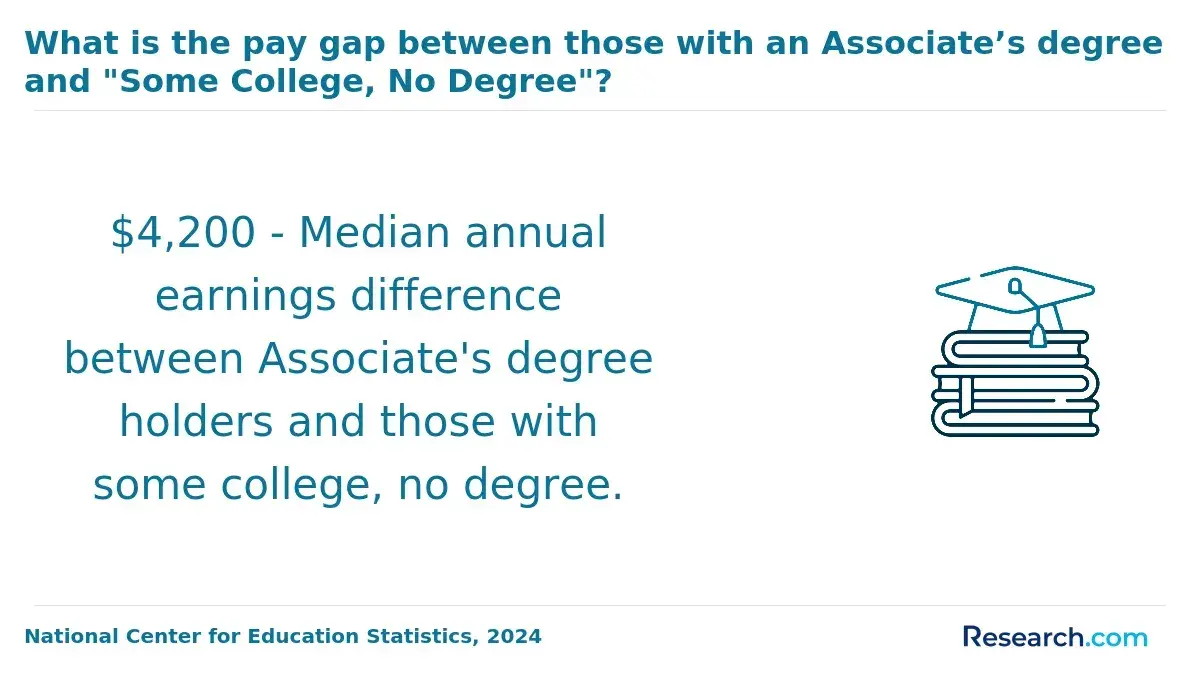
Salary bands in health information management careers reveal clear stratification aligned with expertise and responsibility. Entry-level roles such as health information technicians generally start between $40,000 and $55,000 annually, reflecting positions requiring foundational certifications or associate degrees, according to 2024 data from the U.S. Bureau of Labor Statistics. Mid-level roles-including medical coders and health data analysts-command salaries ranging from roughly $55,000 to $80,000, with compensation influenced by technical proficiencies like electronic health records experience and regulatory knowledge drawn from LinkedIn Salary Insights. Senior-level positions, such as health information managers or directors, have salary bands spanning from $85,000 to beyond $120,000, where leadership capabilities and advanced credentials like RHIA strongly impact earnings and are further modulated by geographic cost differences and institutional scale.
The variation in pay within these bands is driven by several labor market dynamics. Specialized skills in data management, compliance, and information systems heighten demand and create wage premiums, while the scarcity of candidates with both clinical and technical expertise narrows competition at the senior tier. Geographic factors contribute significantly, as urban centers and regions with high living costs or specialized healthcare institutions offer elevated salaries. Employer size and complexity also shape compensation, with larger organizations emphasizing leadership and strategic oversight, justifying upper-end salaries. These factors collectively explain why experience, credentialing, and local market conditions play a decisive role in the compensation structure, beyond the basic job title.
A recent health information management graduate shared that during their rolling admissions cycle, uncertainty about acceptance timing complicated their decision-making. They recalled, "I hesitated to commit fully because the program's responses were staggered, making it tough to plan financially or professionally." This delay forced them to weigh multiple application options simultaneously, illustrating how admissions cadence can affect candidate readiness and subsequent entry-level salary negotiation opportunities in this field.
Which Industries Are Hiring the Most Health Information Management Graduates?
Demand for Health Information Management graduates is heavily influenced by industries undergoing significant digital upgrades, workforce growth, or facing gaps in specialized skills. This demand reflects broader shifts like the integration of electronic health records, increased regulatory oversight, and the expansion of data-driven healthcare services. Employment trends show that sectors with both established and emerging data management needs actively compete for graduates equipped to navigate complex health information systems and compliance requirements. Data from the American Health Information Management Association in 2024 indicates over 70% of recent graduates secure roles within hospital systems, underscoring the concentration of demand in healthcare delivery.
- Hospitals and Health Systems: These remain the primary employers due to ongoing digital transformation projects aimed at improving patient record accuracy, interoperability, and workflow efficiency. Hospitals prioritize candidates who demonstrate proficiency in electronic health records (EHR) management, data privacy regulations, and analytical skills to support clinical decision-making.
- Health Insurance Companies: With rising regulatory complexities and the necessity for accurate claims processing, insurers seek Health Information Management professionals capable of managing intricate data sets and ensuring compliance. Graduates with strong competencies in medical coding, data analytics, and regulatory knowledge are in particular demand here.
- Government Health Agencies: Federal and state agencies are expanding their workforce to support large-scale public health reporting, policy development, and data-driven surveillance programs. The ability to align health information practices with evolving government mandates and to manage health data at scale makes these roles attractive for qualified graduates.
- Outpatient Care Centers and Clinics: The expansion of ambulatory care services increases the need for expertise in EHR systems and patient data management outside hospital settings. These organizations value Health Information Management graduates who can optimize data accuracy, streamline documentation processes, and ensure regulatory compliance in fast-paced clinical environments.
- Consulting Firms: Specialized advisory firms focusing on health IT systems, regulatory compliance, and data security recruit Health Information Management professionals to support clients across healthcare sectors. Skills in project management, risk assessment, and interoperability standards are particularly valued for these roles.
How Does Hiring Demand Vary by State, Region, and City?
Hiring demand for health information management varies considerably across states and regions, reflecting the distribution and scale of healthcare infrastructure as well as demographic pressures. According to 2024 labor market data from the U.S. Bureau of Labor Statistics and regional workforce reports, states such as California, Texas, and Florida report higher openings due to their extensive healthcare networks and aging populations. These areas benefit from diverse facility types ranging from hospital systems to outpatient and specialized care centers, which foster broader role availability but also intensify competition for qualified candidates. Regional hiring trends for health information management careers also show the Northeast and West Coast benefiting from investments in electronic health record modernization and integrative care, whereas Southern states offer more entry-level openings but at slightly lower salaries. The Midwest typically presents a steadier demand balanced with a lower cost of living, which may appeal to candidates weighing financial and professional factors.
At the city level, demand is sharply influenced by healthcare clusters, tech hubs, and urban economic ecosystems that shape employer density and hiring intensity. Metropolitan centers like New York City, Chicago, Los Angeles, and Houston concentrate numerous health information management roles across specialties, creating competitive salary bands but also higher living costs that affect total compensation value. The presence of advanced health IT infrastructure and established talent pipelines in these metros further amplifies demand, though candidates may face more rigorous qualification expectations. Conversely, smaller cities and suburban areas often offer fewer openings but provide less saturated markets where professionals may experience faster career progression through closer engagement with healthcare administrators. These geographic variances, combined with factors such as telehealth adoption and regulatory shifts, mean candidates must critically assess how location influences not only salary but also long-term employability and professional development options. For those considering educational pathways aligned with these labor markets, specialized programs like RN to BSN online programs may provide relevant training that complements evolving employer expectations in health information management.
What Skills Are Employers Prioritizing in Health Information Management Job Postings?
Employer expectations for health information management positions are shifting alongside technological advances, regulatory changes, and growing interdisciplinary demands. Hiring managers increasingly look for candidates who not only master specific technical tools but also demonstrate adaptability and analytical judgment essential to navigating complex healthcare environments. These shifts reflect broader automation trends and the need for professionals who can integrate data management with compliance and cross-functional collaboration.
- Technical Proficiency with Electronic Health Record (EHR) Systems: Fluency in platforms like Epic, Cerner, and Meditech remains critical because these systems are foundational for managing patient data. Employers view this skill as a baseline requirement, as it directly impacts data accuracy and operational continuity.
- In-Depth Knowledge of Healthcare Compliance and Privacy Regulations: Mastery of HIPAA and evolving legal standards safeguards institutions against breaches and penalties. This expertise signals to employers that candidates can responsibly handle sensitive information amid stringent regulatory oversight.
- Medical Coding Competency (ICD-10, CPT): Precise coding skills underpin accurate billing and reimbursement processes, a priority given the financial stakes and audit risks healthcare providers face. Proficiency here enhances employability by connecting clinical documentation with revenue cycles.
- Data Analytics and Reporting Abilities: The demand for candidates who can interpret health data to guide clinical and administrative decisions is rising. Analytical skills enable professionals to contribute to performance improvement and strategic planning in response to industry value-based care models.
- Strong Communication and Collaboration Skills: Effective liaison between clinical, technical, and administrative teams is vital. Candidates who translate complex data into accessible insights support organizational agility and compliance training efforts, making them valuable beyond pure technical roles.
According to the 2024 Bureau of Labor Statistics, over 70% of health information management job postings emphasize familiarity with EHR systems, highlighting the central role of technology proficiency. Additionally, approximately 65% stress compliance expertise, underscoring regulatory adherence as a non-negotiable competency. This combination of technical, legal, and interpersonal skills defines the evolving profile of successful candidates prepared for a healthcare landscape increasingly driven by digital transformation and policy complexity.
Which Certifications Increase Employability and Salary Potential?
Certifications in the health information management field function as critical indicators of specialized expertise, technical capability, and readiness to meet evolving industry demands. They serve as strategic credentials that build on formal education, making candidates more competitive in a job market increasingly shaped by rapid technological integration and regulatory complexity. Employers rely on these certifications to validate skills that align directly with their operational needs and to reduce hiring risk in a sector confronting talent shortages and stringent compliance standards.
- Registered Health Information Administrator (RHIA): This certification commands respect for its emphasis on managerial competence and broad knowledge of health data systems. Employers value RHIA holders due to their ability to oversee health information governance, compliance, and strategic data management-skills that address growing demands for data transparency and analytics in healthcare settings. Surveys show RHIA certification correlates with a median salary premium around 15%, reflecting its high market value.
- Registered Health Information Technician (RHIT): Targeted at entry- to mid-level practitioners, the RHIT credential validates proficiency in coding, data integrity, and records management-areas critical amid increasing electronic health record (EHR) adoption and reimbursement complexity. Many employers see RHITs as essential for frontline data accuracy and workflow efficiency, which corresponds to observed average salary increases nearing 12% over non-certified technicians.
- Certified Coding Specialist (CCS): Coding precision and regulatory compliance are at the heart of CCS certification, making it highly relevant as healthcare finance and compliance auditing tighten. This credential signals mastery in coding accuracy that reduces claim denials and legal exposure. As a result, CCS holders enjoy roughly a 10% salary advantage, driven by employer demand for verifiable coding expertise that supports organizational revenue cycles.
Although claims to these certifications require upfront investment, their market impact extends beyond salary into greater job stability and access to specialized roles experiencing skills shortages. By signaling validated capabilities that match evolving regulatory and technological frameworks, these certifications materially influence hiring decisions and long-term employability in health information management careers.
One recent health information management graduate recounted navigating the certification decision during a rolling application cycle. While her program encouraged early certification pursuit, she hesitated due to delayed exam availability and uncertainty about balancing work-study demands. This pause prompted a careful weighing of immediate job prospects against credential completion timelines. Ultimately, she secured her RHIT certificate after graduation, which notably improved her confidence in salary negotiations and helped mitigate anxiety over job market competition, illustrating how timing and preparation intersect with certification benefits in real-world career strategies.
How Do Remote and Hybrid Opportunities Affect the Health Information Management Job Market?
Remote and hybrid job opportunities have notably reshaped hiring patterns in the health information management field by expanding the geographic scope from which employers source talent. According to recent workforce analytics, organizations increasingly adopt flexible models to tap into broader candidate pools, reflecting a shift away from metro-centric hiring. This trend supports a growing emphasis on technical competences such as electronic health record (EHR) proficiency and data security, while also driving mid-level and senior roles to offer premium compensation due to heightened responsibilities in virtual oversight. With reported adoption rates of hybrid work arrangements rising steadily, the health information management labor market now contends with a more fluid distribution of roles and an evolving set of operational expectations tailored to flexible environments, highlighting how remote work impact on health information management careers is becoming central to recruitment strategies.
The rise of remote and hybrid roles directly influences geographic mobility and salary dynamics within health information management, diminishing traditional locational barriers and encouraging a more competitive environment for qualified candidates. Employers increasingly expect advanced communication skills and digital workflow management, balancing reduced face-to-face interaction without compromising productivity or compliance. This normalization of remote work creates a complex landscape where salary bands reflect both local cost-of-living variations and specialized skill premiums, altering long-term job market structure by favoring adaptable professionals. For those exploring educational routes, programs integrating remote collaboration tools, cybersecurity, and digital literacy prove most practical. Prospective students should consider how such competencies align with job market realities and may consult resources on the cheapest PMHNP programs to assess affordability in related healthcare fields while evaluating hybrid job opportunities in health information management.
Which Health Information Management Careers Show the Strongest Long-Term Hiring Momentum?
Long-term hiring momentum in health information management careers reflects deep structural shifts rather than transient job market changes. This momentum mirrors enduring economic and technological transformations shaping healthcare's reliance on accurate, accessible data. Sustained demand in these careers stems from accelerating digitization, increasing regulatory complexity, and growing emphasis on data analytics for clinical and operational decision-making. The long-term job outlook for health information management roles is thus characterized by consistent growth well above average occupational trends, supported by these systemic drivers.
- Health Information Technicians. These professionals manage the integrity and security of electronic health records, a core function as healthcare providers increasingly digitize patient data. The ongoing expansion of electronic health records and stricter privacy regulations solidify demand for technicians with robust compliance and data management skills.
- Health Informatics Analysts. As healthcare systems adopt predictive analytics and AI tools to improve patient outcomes and reduce costs, health informatics analysts bridge clinical insights and data technologies. Their expertise in data governance and analytics supports complex decision workflows, ensuring steady demand rooted in technological progress.
- Medical Records Specialists. Beyond simple record-keeping, specialists now focus on optimizing data for interoperability across diverse IT systems. This role remains vital because integrated health data drives care coordination, regulatory reporting, and billing accuracy, protecting its long-term employment sustainability.
- Clinical Data Specialists. These emerging roles are critical as healthcare organizations leverage big data for research and population health management. Clinical data specialists ensure data quality and compliance, meeting growing employer expectations tied to healthcare's increasing reliance on measurable outcomes.
The U.S. Bureau of Labor Statistics projects about 13% growth over the next decade in these areas, underscoring how demand aligns with broad health IT adoption and regulatory complexity. For those comparing educational pathways, understanding these labor market realities helps frame practical career decisions. Entry-level jobs may focus on transcription and coding, but upward mobility favors technical fluency and recognized credentials such as RHIA or RHIT.
Professionals exploring pathways into this field might also consider fastest and easiest LPN programs for foundational healthcare knowledge that can complement health information management skills. The strongest long-term hiring momentum in health information management careers centers on roles that integrate traditional record expertise with informatics and data analytics, reflecting a labor market shaped by evolving technology, compliance demands, and healthcare transformation.
How Can Students Use Job Market Data to Make Better Career Decisions?
Students exploring health information management careers can leverage current job market data-such as labor reports from 2024, hiring platforms, and salary databases-to evaluate demand dynamics, compensation ranges, and sector growth signals. These sources reveal which technical skills, like electronic health records proficiency and data analytics, are increasingly valued by employers, guiding students on which credentials to prioritize. Additionally, regional hiring momentum and role-specific experience requirements inform where opportunities cluster and what entry barriers exist. Such insights provide a foundation for more precise decisions about where and how to invest time and resources in education and skills development.
Interpreting this data requires balancing short-term market fluctuations with long-term career sustainability, geographic preferences, and skill alignment alongside personal interest. Students should avoid overemphasizing transient hiring spikes and instead view labor market signals as one component of a broader strategic framework. Combining data with self-assessment helps identify pathways offering stable employment prospects and growth potential without sacrificing alignment with individual strengths and goals. This nuanced approach enhances employability and career resilience within evolving health information management environments.
References
- Health Information Manager https://explorehealthcareers.org/careers/allied-health-professions/health-information-manager/
- Health information management occupations | WorkBC https://www.workbc.ca/career-profiles/health-information-management-occupations
- Careers | Momentum https://www.themomentum.ai/careers
- What Can I Do with a Health Information Management Degree? https://www.herzing.edu/degree/health-information-management
- MGMA Stat | Remote and hybrid work are here to stay, but does healthcare have room to grow? https://www.mgma.com/mgma-stat/remote-and-hybrid-work-are-here-to-stay
- Five Top Skills Every Health Information Management (HIM) Professional Needs in 2025 | Bryan University Online© https://bryanuniversity.edu/faq/five-top-skills-every-health-information-management-him-professional-needs-in-2025/
- Health Information Manager salary in Canada | CareerBeacon https://www.careerbeacon.com/en/salaries/health-information-manager
- Future Skills Centre • Centre des Compétences futures https://fsc-ccf.ca/projects/hybrid-work-models/
- Preparing for a job in health information management https://www.echima.ca/preparing-for-a-job-in-health-information-management/
- Careers in Health Information Management: Opportunities and Certifications https://harmony.solutions/insights/careers-in-health-information-management-opportunities-and-certifications/
Other Things You Should Know About Health Information Management
Choosing to enter the job market immediately often means accepting roles with lower starting salaries and narrower scope. However, gaining practical experience early can accelerate understanding of employer workflows and increase future mobility. Conversely, pursuing advanced credentials can boost long-term earning potential but may delay employment and increase upfront costs. Prioritizing a balance-gaining initial hands-on experience while continuing education part-time-is often the most pragmatic approach for sustained career growth in this field.
Salary bands often overlap significantly between entry-level and mid-tier positions depending on employer size, geographic location, and specialization. This can obscure real career progression impacts, creating situations where an entry-level role in a large hospital system outpaces a mid-level role in a smaller provider. Job seekers should carefully evaluate organizational context and benefits rather than relying solely on published salary bands, focusing on total compensation and career trajectory within specific employers rather than generic role titles.
Stable roles at well-established organizations may offer reliable hours and modest growth but could limit exposure to emerging technologies and more dynamic responsibilities. In contrast, positions in developing sectors or smaller companies often provide broader experience and faster advancement at the cost of less predictability in workload and job security. Early-career professionals need to assess their tolerance for risk and preference for structured development versus rapid skill acquisition, aligning job choices with long-term career goals rather than short-term security alone.
Programs that integrate substantial hands-on learning, such as internships or clinical rotations, tend to produce graduates who better meet employer expectations for technical and compliance skills. Those with more theoretical or generalized curricula might face longer adjustment periods on the job. Prospective students should prioritize programs with clear experiential components and strong employer connections to enhance early employability, especially in markets where practical skills heavily influence hiring decisions.