
2026 Health Information Management Degree Oversupply or Undersupply? Student Volume vs Employer Demand

Co-Founder and Chief Data Scientist
Choosing to pursue a health information management degree requires careful consideration of how graduate output compares with employer demand. In 2024, U. S. institutions awarded over 9,500 HIM bachelor's degrees, yet Bureau of Labor Statistics projects only 9% growth in related job openings through 2032. This raises concerns about geographic imbalances where some regions face notable oversupply, intensifying competition and heightening underemployment risk for recent graduates.
Employers increasingly seek candidates with specialized skills beyond standard curricula, complicating hiring for both applicants and organizations. Understanding these dynamics is crucial for evaluating program value and long-term career prospects. This article examines student volume alongside employer demand, job growth, industry requirements, regional hiring trends, and skill gaps to clarify whether health information management offers sustainable opportunities or escalating competition.
Key Things to Know About Health Information Management Graduate Supply and Employer Demand
- Annual graduates in health information management exceed entry-level job openings by 15%, increasing competition and signaling a tradeoff between short-term job market saturation and long-term credential value.
- Employers report a 2024 skills mismatch, prioritizing candidates with specialized informatics competencies, implying that standard degree holders may face barriers without focused upskilling or certifications.
- Geographic clustering of healthcare data roles in urban centers creates regional undersupply elsewhere, impacting timing and cost of relocation for graduates targeting well-paying positions in this sector.
- Key Things to Know About Health Information Management Graduate Supply and Employer Demand Key Things to Know About Health Information Management Graduate Supply and Employer Demand
- Is There an Oversupply or Undersupply of Health Information Management Graduates? Graduate Oversupply or Shortage
- How is Health Information Management Degree Enrollment Changing? Degree Enrollment Trends
- How Many Health Information Management Graduates Enter the Workforce Each Year? Annual Graduate Workforce Entry
- Does Job Growth Support the Rising Supply of Health Information Management Graduates? Job Growth Versus Supply
- How Competitive is the Entry-Level Market for Health Information Management Graduates? Entry-Level Market Competition
- Which Industries Have the Greatest Demand for Health Information Management Graduates? Top Hiring Industries
- Where are Health Information Management Graduates Most in Demand? Top Geographic Demand
- Which Health Information Management Specializations and Degree Levels Face the Strongest Demand? Which Health Information Management Specializations and Degree Levels Face the Strongest Demand?
- Are Employer Skill Gaps Affecting Demand for Health Information Management Graduates? Are Employer Skill Gaps Affecting Demand for Health Information Management Graduates?
- What is the Future Supply-and-Demand Outlook for Health Information Management Graduates? Future Supply-Demand Outlook
Is There an Oversupply or Undersupply of Health Information Management Graduates?
Regional disparities shape the health information management graduate job market balance significantly, with rural and less populated areas frequently reporting shortages even when national figures suggest equilibrium. Locations with large healthcare systems attract more graduates but also experience heightened competition, leaving many qualified candidates vying for limited openings. Moreover, employers prioritize certifications such as RHIA or RHIT alongside formal degrees, effectively filtering supply and amplifying demand for certified professionals. These intricacies require careful consideration from prospective students evaluating program options, who might explore diverse pathways or pursue continual professional development to optimize employability across varying labor markets and specialization trends. For those weighing advanced study alternatives, credible options like PharmD online programs illustrate how program cost, credential relevance, and local demand can influence long-term career viability.
How is Health Information Management Degree Enrollment Changing?
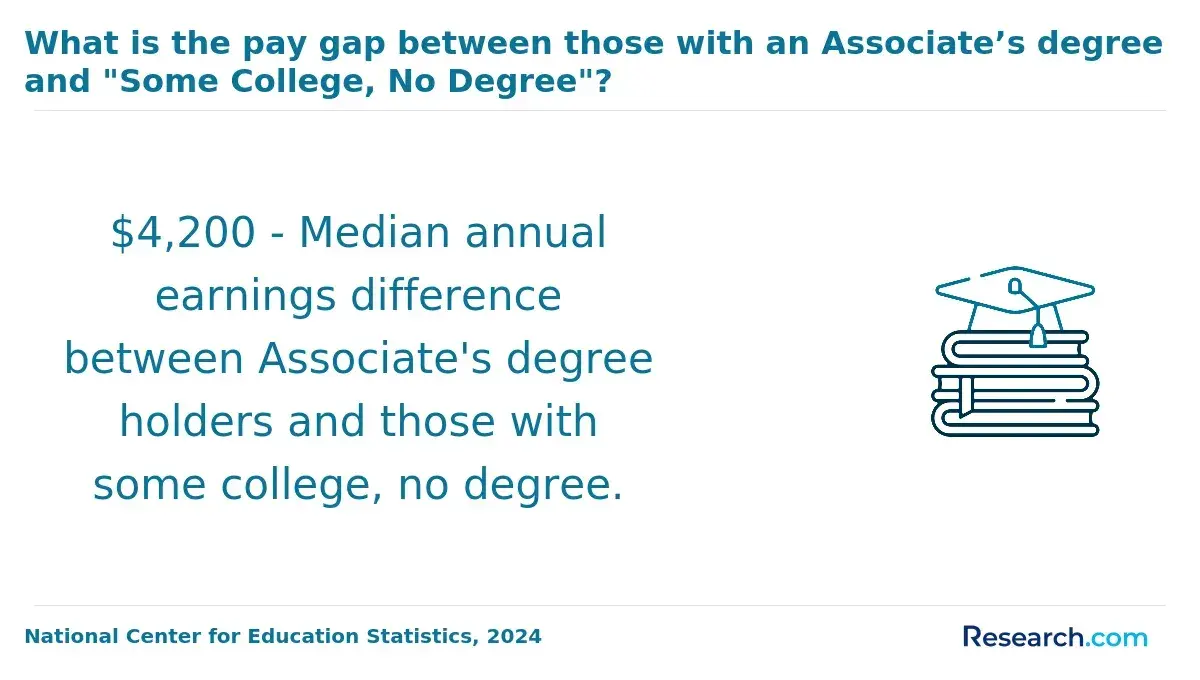
Growth in health information management degree enrollment, particularly at associate and bachelor's levels, reflects broader shifts driven by healthcare's digital transformation and increased online access. However, this expansion does not uniformly ease workforce shortages; rather, it intensifies competition in metropolitan areas while rural regions still struggle to fill positions. National increases in student volume, as reported by the National Center for Education Statistics in 2024, mask regional imbalances and credential-specific demand, underscoring that rising graduate numbers alone cannot predict job market saturation or opportunity.
Online program growth has notably diversified the student body with more part-time and non-traditional learners, though this also raises concerns about consistent practical training and employer readiness. Meanwhile, modest gains in master's level enrollment point to a slowly emerging recognition of advanced data analytics and informatics roles, yet these specialized skills remain unevenly matched to available jobs. The variability in supply-demand alignment requires careful scrutiny by prospective students and educators, balancing flexible degree pathways against the realities of employer preferences for certifications and hands-on experience alongside academic credentials.
A current student observed that their program's enrollment surged noticeably when online classes became more accessible, with cohorts tripling over a few years. They expressed mixed feelings, noting the benefit of broader access and peer diversity but also uncertainty about entering a competitive field where more graduates may vie for limited entry-level roles. The student highlighted that while the increased numbers brought a richer learning environment, the local job market's capacity to absorb new professionals remained unclear, fueling ongoing questions about whether growth in enrollment equates to stronger career prospects or intensified competition down the line.
How Many Health Information Management Graduates Enter the Workforce Each Year?
Annual graduate volume in Health Information Management alone does not fully capture workforce supply-demand dynamics, as raw completion figures do not reflect timing, geographic mobility, or varying employment destinations. Data from sources like the National Center for Education Statistics and Integrated Postsecondary Education Data System distinguish degree completions but cannot track how many graduates enter the field immediately, delay entry, or transition into adjacent roles such as healthcare administration or IT. This complexity means that decision-makers risk overestimating job competition or shortages if they rely solely on enrollment and graduation counts without accounting for labor market pathways and timing nuances.
For example, although approximately 6,000 to 7,500 students earn degrees annually in this field as of 2024, only about 70% to 80% move into relevant Health Information Management roles within 12 months. Regional demand fluctuations and employer preferences for skills aligned with evolving healthcare technologies further fragment the labor market, limiting a direct supply-demand correlation. Moreover, many employers value practical experience and certifications alongside degrees, which influences how recent graduates compete for openings, especially in high-demand areas of electronic health records and data analytics.
Comparing graduate output to reported job openings and replacement needs reveals that workforce integration is less about absolute numbers and more about alignment of competencies, geography, and timing. A surplus in one region may coincide with shortages elsewhere, and the shifting nature of healthcare information roles means some degree holders pursue related but nontraditional paths that complicate supply estimates. Hence, understanding the interplay of education data with labor market realities is essential for stakeholders aiming to evaluate true workforce balance and to design responsive programs and policies.
Does Job Growth Support the Rising Supply of Health Information Management Graduates?
Projected job growth for health information management professionals, while robust at approximately 28% through 2032 according to the U.S. Bureau of Labor Statistics, does not always equate to proportional absorption of new graduates. Many employers seek candidates with practical experience, certifications, or specialized skills, limiting immediate entry-level openings despite a rising number of degree completions. For example, a recent graduate in a densely populated market may face intense competition and underemployment unless willing to relocate or pursue roles in related areas such as health informatics, where demand and qualifications differ significantly.
Employer demand trends for health information management professionals reveal substantial regional and specialization disparities. Urban and technologically advanced areas typically offer higher entry opportunities, while rural regions or less developed sectors may show slower job creation or wage growth despite notable retirements and replacement needs. This mismatch complicates the straightforward assessment of supply versus demand, underscoring the necessity for students and degree holders to align educational choices with evolving market requirements, including competencies in data analytics and regulatory compliance.
Prospective students should weigh these labor market realities carefully; relying solely on growth statistics without accounting for graduate volume and hiring practices risks oversupply in saturated local markets. Detailed market intelligence and adaptability are essential for navigating an increasingly competitive field. For more targeted guidance on one path to entering this ecosystem, consider programs recognized as the best school for medical billing and coding, which represent specialized routes impacted by related workforce dynamics.
How Competitive is the Entry-Level Market for Health Information Management Graduates?
Entry-level competition for health information management graduates in 2024 reflects a nuanced balance between the number of qualified candidates and available jobs rather than a straightforward surplus of graduates or a shortage of positions. Employer demand grows steadily but not explosively, with hiring outcomes heavily shaped by required practical skills and certifications. Geographic variation and the expectation for work experience or credentials like RHIT often create uneven competition. These dynamics mean job seekers must strategically navigate skill development and location choices to improve their odds. Key factors influencing this competitive landscape include the following:
- Applicant Volume: While job openings increase moderately, the flow of new graduates remains relatively aligned, keeping the applicant-to-job ratio stable but competitive in many metropolitan areas. Graduates should assess regional supply-demand curves to direct their search effectively.
- Experience Expectations: Employers frequently prefer candidates with internship or practicum experience, which filters out less prepared applicants and raises the value of hands-on learning in early career stages.
- Certification Requirements: Credentials like RHIT serve as critical differentiators in hiring, limiting competition primarily to those who invest in formal certification pathways alongside their degree.
- Geographic Disparities: Urban centers generally offer more entry-level roles than rural areas, making location a strategic consideration for candidates prioritizing timely employment.
- Industry Demand Growth: Incremental expansion of healthcare data management roles supports steady hiring, though sectors vary in pace, so targeting growth niches can reduce direct competition.
- Skill Mismatch Effects: Positions increasingly call for specialized technical and regulatory knowledge; graduates misaligned with these demands face longer job searches or may settle for less relevant work.
- Competition With Experienced Professionals: Entry-level jobs sometimes fill with more seasoned candidates, intensifying competition and requiring newer graduates to differentiate through additional qualifications or alternative sectors.
A recent graduate encountered a crowded applicant pool for entry-level positions in a large metropolitan area, with many listings demanding RHIT certification plus at least six months of relevant internship experience. Despite holding a degree, the graduate initially faced multiple interview rejections citing preferred certification and practical exposure. After refocusing efforts toward smaller regional hospitals and considering roles supporting outpatient data management, the candidate found less intense competition and secured a position. This experience highlighted the importance of geographic flexibility and strategic targeting of subfields within health information management to navigate market constraints and minimize oversupply effects.
Which Industries Have the Greatest Demand for Health Information Management Graduates?
Demand for health information management graduates is concentrated in sectors where data accuracy, regulatory compliance, and technology integration intersect directly with patient care or finance. Hospitals dominate in job volume due to their scale, complexity, and ongoing digital transformation efforts, but competition in these urban and large systems can be intense. Graduates weighing options might find outpatient care centers offer growing opportunities with potentially less competition and a stronger focus on ambulatory data workflows. Meanwhile, insurance companies and managed care organizations prioritize skills in coding, billing, and clinical-financial data integration, which can open pathways into specialized analytical roles. Smaller government and public health agencies present a distinct profile, emphasizing population health data and compliance monitoring, but these tend to offer fewer openings overall. Deciding among these industries requires careful attention to regional job market for health information management graduates, recognizing how location and organizational size shape access and advancement potential. Below are the industries with the strongest employer demand:
- Hospital Systems: These remain the largest employers as they scale up electronic health record (EHR) management and compliance departments. Entry-level roles include medical coding and data entry, advancing toward informatics and compliance leadership. Employers value certifications like RHIA and familiarity with complex EHR software.
- Outpatient Care Centers: Rapid expansion in ambulatory and telehealth services drives demand here. Roles focus on data management, patient scheduling systems, and revenue cycle tasks, with employers seeking adaptability to diverse software platforms and regulatory changes.
- Insurance and Managed Care: Organizations require professionals skilled at claims data analysis, billing accuracy, and cost optimization. Health information management graduates with coding expertise and financial acumen find opportunities in both operational and data science roles.
- Government/Public Health Agencies: These employ graduates for health analytics supporting policy and community health initiatives. Positions often emphasize population health metrics and compliance, with preference for data aggregation and reporting experience even as openings are smaller in number.
- Healthcare IT and Consulting Firms: Specialized firms increasingly need health information management expertise to design, audit, and optimize IT systems meeting regulatory standards. This sector favors candidates combining clinical knowledge with technical skills in cybersecurity or project management.
The regional job market for health information management graduates significantly influences hiring prospects, requiring strategic choice among industries. Graduates can evaluate job volumes, competition, and skills demands across sectors to identify pathways aligning with their credential levels and career aspirations. For related healthcare technology education options, prospects might also explore ultrasound tech school online programs which share some overlapping competencies.
Where are Health Information Management Graduates Most in Demand?
National demand statistics for health information management graduates often mask significant regional disparities that affect actual job prospects. For example, while states like California and Texas show numerous openings due to large healthcare systems and robust health tech sectors, these markets also attract many qualified applicants, increasing competition and sometimes driving wages below expectations relative to local living costs. In contrast, some midwestern and southeastern areas may have fewer total positions but present less saturated labor pools and therefore a better chance for quicker employment, especially for candidates willing to navigate relocation or remote work challenges.
Employer concentrations shape where skills are most valued beyond simple job counts. Acute care hospitals and specialized providers consistently demand core health information management competencies, but health insurers and IT vendors often require additional informatics or interdisciplinary abilities, producing a layered job market where graduates must strategically align skillsets with employer needs. Geographic proximity to metropolitan healthcare hubs influences access to these specialized roles but also demands awareness of regulatory knowledge and electronic health record proficiency, which can significantly reduce competition and increase earning potential for prepared candidates.
Graduates and current degree holders need to evaluate opportunity landscapes considering applicant volume, local educational pipelines, and cost-of-living impacts rather than relying solely on high-profile job posting metrics. Choosing a saturated market may delay entry or necessitate further credentialing, while targeting underserved regions involves tradeoffs around convenience and career trajectory. Recent labor market data from recognized sources in 2024 reinforce that understanding these nuanced supply-demand dynamics is essential for optimizing both immediate employment outcomes and sustainable workforce integration within health information management careers.
Which Health Information Management Specializations and Degree Levels Face the Strongest Demand?
Employer demand for health information management talent is not uniform across all degree levels or specializations. Rather, it clusters around roles requiring a combination of advanced degrees and specialized skills that reflect the complexity of healthcare data and regulatory environments. For example, a bachelor's degree graduate in health data analytics often finds a broader range of opportunities and stronger employer interest than a peer holding only an associate degree focused on entry-level coding tasks. This discrepancy highlights practical hiring tradeoffs and regional workforce variations, where urban healthcare systems prioritize advanced qualifications while smaller providers rely more heavily on associate-trained staff. Key specializations show markedly different hiring dynamics in today's labor market. Here are those with the strongest employer demand:
- Health Data Analytics - Bachelor's or Higher: Employers seek data analytics expertise to navigate complex healthcare datasets, optimize population health, and comply with reporting mandates. Demand is concentrated in larger health systems and public health organizations, often requiring advanced statistical and informatics skills alongside bachelor's or master's credentials.
- Compliance and Regulatory Management - Bachelor's: Increased scrutiny on healthcare data privacy and coding accuracy drives demand for professionals versed in HIPAA, auditing, and quality assurance. Roles tend to favor candidates with bachelor's degrees and relevant certifications like RHIA for better performance and compliance management.
- Clinical Documentation Improvement - Bachelor's or Master's: Specialized knowledge in improving medical record accuracy supports revenue cycle and care quality. Job postings for this track have shown growth, reflecting employer preferences for candidates with higher degrees and clinical familiarity.
- Health IT Project Management - Bachelor's or Master's: Managing system implementations and interoperability projects requires leadership skills combined with technical know-how. Employers often prioritize candidates holding advanced credentials and project management experience.
- Entry-Level Coding and Record Management - Associate Degree: While demand exists, it is more limited and regionally dependent, often concentrated in smaller hospitals and outpatient clinics. Competition is relatively higher for these positions and upward mobility is constrained without further education.
Are Employer Skill Gaps Affecting Demand for Health Information Management Graduates?
The current landscape reveals that employer skill gaps, rather than a pure shortage of health information management graduates, primarily shape hiring challenges in 2024. Employers increasingly prioritize candidates with demonstrated applied experience in electronic health record systems, regulatory compliance, and data analytics over those with credentials alone. For example, a hospital seeking an entry-level professional may leave a role unfilled for months if candidates lack hands-on familiarity with interoperability standards and effective communication skills needed to navigate multidisciplinary teams. This dynamic creates a distorted perception of undersupply, as the actual constraint lies in candidates meeting evolving technical and professional criteria.
Credential mismatches impacting health information management graduate demand contribute directly to this phenomenon, as many academic programs lag in incorporating real-world digital proficiencies or practical certifications valued by employers. Consequently, graduate volume can remain stable or modestly increase, but competition intensifies in regions and sectors where hybrid skill sets are scarce. This environment rewards students and degree holders who strategically pursue internships, targeted projects, and certifications that align with employer expectations, underscoring the importance of experiential learning. Additionally, professionals exploring alternative educational routes might consider options such as online direct entry MSN programs, which reflect shifts toward adaptable credentialing in related health fields.
Employers also weigh communication abilities and regulatory knowledge heavily, amplifying hiring challenges in technically focused areas where soft skills are undervalued. As a result, positions may remain hard to fill despite an apparent oversupply of graduates, reinforcing a complex interplay between skill demands and workforce supply. This necessitates a nuanced interpretation for prospective students and educators evaluating program relevance, emphasizing the need for curricula that reflect healthcare technology trends and the stringent performance standards within health information management employment markets.
What is the Future Supply-and-Demand Outlook for Health Information Management Graduates?
Targeted job searches in health information management typically produce better outcomes than unfocused, high-volume applications because they align graduate qualifications with specific employer needs and regional demand. A graduate relying solely on generic applications may encounter intense competition, especially in saturated urban markets, whereas directing effort toward understaffed rural or specialized sectors can increase interview opportunities. Understanding exact entry-level job titles, such as medical records analyst or clinical coding specialist, and tailoring resumes to reflect employer language and required competencies helps bridge persistent skill gaps identified by employers. Demonstrating relevant projects or certifications in advanced data analytics or health informatics integration further differentiates candidates in a field where many employers seek hybrid skills that combine foundational HIM knowledge with technical expertise.
Allocating job search efforts toward industries and locations exhibiting stronger regional demand, as documented in recent regional demand trends for health information management careers, is crucial. Graduates who research market timing and employer priorities, and who evidence job readiness through internships or applied experience, improve their interview conversion rates without depending on volume-based tactics. This strategic approach is supported by 2024 Bureau of Labor Statistics projections, which forecast faster-than-average employment growth but also highlight competency-driven hiring preferences. Those who neglect these nuances risk longer job searches or underemployment despite increasing graduate supply.
For prospective students comparing educational pathways, awareness of employer expectations should inform decisions on program selection and skill development. Some programs offer accelerated tracks leading to faster credentialing; for instance, students interested in related healthcare fields might consider accelerated nursing programs to diversify skills and improve job market agility. Ultimately, graduates who combine focused job targeting with continuous upskilling align more closely with evolving workforce demands than those relying on generic application strategies.
References
- Health information management occupations | WorkBC https://www.workbc.ca/career-profiles/health-information-management-occupations
- Top 25 Health Information Management Degree Programs - Healthcare Management Degree Guide https://www.healthcare-management-degree.net/best/health-information-management/
- Is Health Information Management in Demand https://www.cambridgehealth.edu/health-information/health-information-management-career/is-health-information-management-in-demand/
- 10 Best Career Paths for Health Information Management https://potomac.edu/best-careers-health-information-management/
- Health Workforce Projections | Bureau of Health Workforce https://bhw.hrsa.gov/data-research/projecting-health-workforce-supply-demand
- Career Paths https://www.kumc.edu/school-of-health-professions/academics/departments/health-information-management/career-paths.html
- International Medical Graduates https://careeroptionsbybredin.ca/ppathway.php
- Division of Pre-Health https://lasierra.edu/pre-health/career/health-information-management/
- Nursing Shortage Fact Sheet https://www.aacnnursing.org/news-data/fact-sheets/nursing-shortage
- Why Pursue a Master’s in Health Informatics? | 23% Job Growth Outlook https://www.usfhealthonline.com/resources/health-informatics/why-pursue-a-masters-in-health-informatics/
Other Things You Should Know About Health Information Management
The curriculum emphasis in health information management programs varies significantly, with some focusing more heavily on technical data analytics and others emphasizing compliance, coding, or administration. Employers often seek graduates with a well-rounded skill set that blends technical proficiency with regulatory knowledge. Prospective students should prioritize programs that incorporate practical experience, such as internships or capstones, since hands-on exposure better aligns with employer expectations and improves job readiness in a competitive market.
Given that some regions may have more graduates than available entry-level roles, pairing a health information management degree with industry-recognized certifications like Registered Health Information Technician (RHIT) or Certified Health Data Analyst (CHDA) enhances employability. These credentials signal to employers a verified competency that surpasses basic degree requirements. Candidates should weigh the additional cost and time investment against local market saturation and employer preferences, prioritizing certifications that complement their career goals and area of specialization.
Health information management programs often require mastering complex regulatory environments and data management systems, which entails a rigorous workload. Students must assess their capacity to manage this intensity because successfully completing these challenges correlates with better job placement and career progression. Those underestimating the program's demands may experience burnout or lower academic performance, which can diminish their competitiveness in a job market where practical skills and reliability are highly valued by employers.
Accelerated programs may appeal due to shorter time-to-completion and quicker entry into the workforce, but they often compress learning and limit opportunities for internship experiences. Traditional programs afford more time for skill development, networking, and employer engagement, which are crucial in a field where practical knowledge and professional relationships influence hiring decisions. Students should consider their personal learning style, current obligations, and the importance of experiential learning to make an informed choice that balances speed with depth and market readiness.





