2027 Health Information Management Career Outcomes by Degree Level Report: Pay, Employment, and Advancement Patterns

Co-Founder and Chief Data Scientist
This article examines pay, employment prospects, and advancement trends by degree level in health information management to clarify these critical distinctions for informed decision-making.
Key Things to Know About Health Information Management Career Outcomes by Degree Level
- Associate degrees in health information management offer quicker entry into technical roles but limit access to leadership or specialized jobs, often requiring later credential upgrades for meaningful career advancement.
- Bachelor's level credentials align with growing employer demands for data analytics and compliance skills, reflecting a 12% job growth rate through 2030, signaling stronger mid-level career pathways.
- Master's degrees provide expanded advancement in strategy and informatics but involve longer time and cost investments, so candidates must weigh delayed earnings against potential upper-management roles.
- Key Things to Know About Health Information Management Career Outcomes by Degree Level Key Things to Know About Health Information Management Career Outcomes by Degree Level
- What Career Outcomes Can Students Expect From Each Health Information Management Degree Level? Career Outcomes by Degree
- How Much Do Health Information Management Graduates Earn by Degree Level? Salary by Degree Level
- Which Health Information Management Degree Level Offers the Strongest Employment Prospects? Best Degrees for Employment
- What Entry-Level Jobs Can You Get With a Health Information Management Degree? Entry-Level Career Opportunities
- How Do Health Information Management Degree Levels Affect Career Advancement and Promotion Opportunities? Career Growth by Degree
- Is a Health Information Management Degree Worth It Based on Salary, Employment, and ROI? Salary, ROI, and Value
- How Do Associate, Bachelor's, Master's, and Doctoral Health Information Management Degrees Compare? Comparing Degree Levels
- Which Industries and Employers Hire Health Information Management Graduates by Degree Level? Which Industries and Employers Hire Health Information Management Graduates by Degree Level?
- What Skills, Credentials, and Experience Improve Health Information Management Career Outcomes? What Skills, Credentials, and Experience Improve Health Information Management Career Outcomes?
- Which Health Information Management Degree Level Is Best for Your Career Goals? Choosing the Right Degree
What Career Outcomes Can Students Expect From Each Health Information Management Degree Level?
Master's and doctoral degrees concentrate on specialization and executive-level influence, significantly expanding career options in policy-making, informatics strategy, and academic research within health information management. Although the doctoral market is niche, it grants authority over emerging industry standards and strategic governance, while master's programs correlate with faster promotion and geographic employment flexibility, according to the National Center for Education Statistics. Adult learners targeting leadership and advanced analytics roles must consider the longer time and financial commitments against tangible returns in advancement potential and specialized expertise. Those exploring flexible programs may also assess pathways involving articulation agreements or stacking credentials to optimize the education-to-career transition. For tailored strategies, resources such as online nursing programs for working adults offer useful frameworks adaptable to health information management professionals balancing work and study demands.
How Much Do Health Information Management Graduates Earn by Degree Level?
Which Health Information Management Degree Level Offers the Strongest Employment Prospects?
Master's degrees often target leadership and specialized technical roles, potentially enhancing earning potential but usually depend on relevant work experience and employer receptivity to advanced credentials. Doctoral qualifications remain uncommon outside academic or research settings and typically do not improve traditional employment outcomes within healthcare organizations. Data from the U.S. Bureau of Labor Statistics in 2024 indicate labor-force participation rates exceeding 75% for bachelor's degree holders compared to around 60-65% for associate degree or certificate holders, underscoring the practical advantages of the bachelor's plateau in this field.
Students weighing the trade-offs between faster employment via lower credentials versus longer-term career benefits from higher degrees must consider how employer expectations, required certifications, and the complexity of roles influence these pathways. While associate and certificate programs might suit those needing rapid market entry or limited financial investment, the bachelor's degree better supports career flexibility, credential recognition, and integration of fieldwork experience. Pursuing graduate education may serve those targeting leadership or specialized informatics positions but should be balanced against experience prerequisites and sector demand.
What Entry-Level Jobs Can You Get With a Health Information Management Degree?
Entry points into the health information management workforce differ significantly depending on the degree level attained, with associate degree holders typically layering foundational skills through certification and practical experience, while bachelor's graduates are more directly positioned for roles requiring analytic capabilities or early leadership responsibilities. Many employers in this sector prioritize certifications such as Registered Health Information Technician (RHIT) or Certified Coding Associate (CCA), along with hands-on internships embedded within accredited programs, which function as critical screening tools and can accelerate advancement beyond initial placements. Graduates without these credentials or experiential learning often encounter narrower job options and longer onboarding processes, highlighting the tradeoff between immediate employability and the time investment in credentialing and skill acquisition.
How Do Health Information Management Degree Levels Affect Career Advancement and Promotion Opportunities?
In health information management (HIM), degree level substantially influences eligibility for supervisory roles and promotion pathways. Employers increasingly require a bachelor's degree or higher for advancement beyond entry-level positions, reflecting a preference for candidates equipped with analytical, regulatory, and managerial competencies that associate degree holders may lack. According to 2024 data from the National Center for Education Statistics, approximately 67% of promotion-track HIM jobs favor candidates with at least a bachelor's degree. While associate degrees often serve as accessible entry points, professionals seeking mid- to upper-level roles typically must pursue further education or certifications to gain leadership readiness and meet employer standards governing compliance oversight and strategic responsibilities.
A health information management graduate once shared hesitation about upgrading from an associate to a bachelor's degree while employed full-time. Their supervisor valued work experience but emphasized that a bachelor's credential was increasingly necessary to qualify for team lead roles and upcoming internal openings. The graduate deliberated over the time and financial investment, uncertain if it would accelerate advancement sufficiently to justify the effort. Ultimately, access to transfer credits and employer tuition support helped ease the decision, allowing them to apply confidently for supervisory positions aligned with growing organizational expectations.
Is a Health Information Management Degree Worth It Based on Salary, Employment, and ROI?
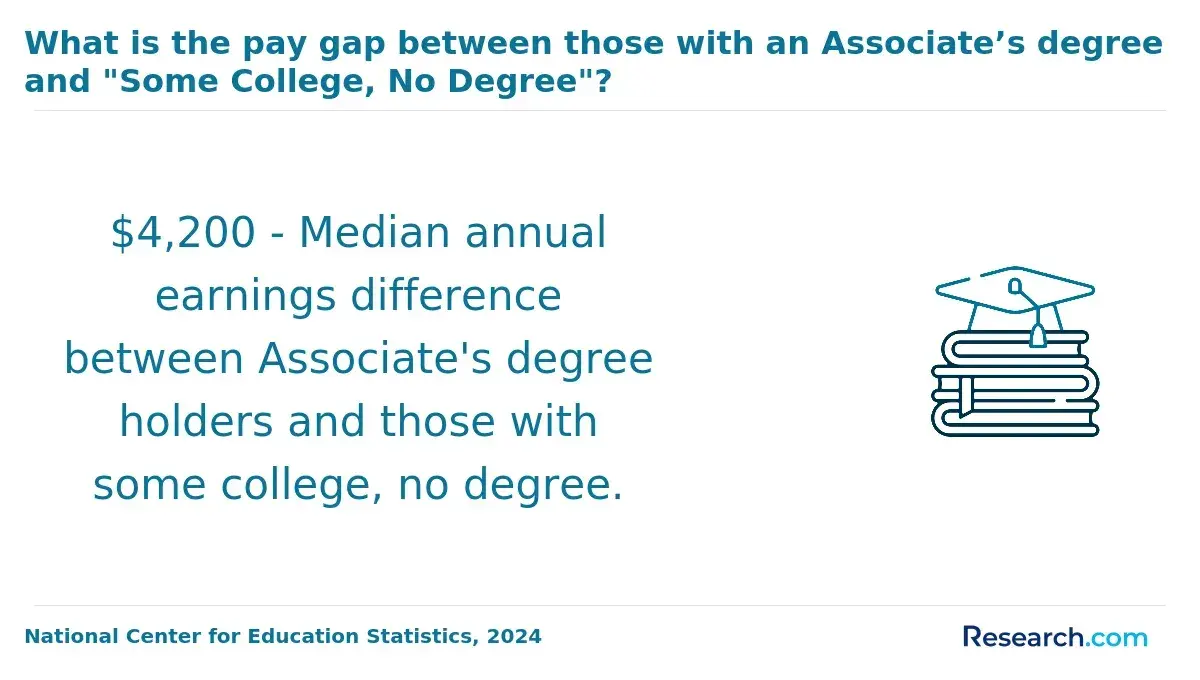
Salary outcomes for health information management degrees vary significantly across educational levels, with associate degree holders typically earning less and facing limited upward mobility compared to bachelor's or master's graduates. Employers increasingly prioritize credentialing such as RHIA certification coupled with a bachelor's degree, especially in competitive urban markets where job stability is correlated with meeting these requirements. For working adults balancing time and financial constraints, the opportunity cost of pursuing advanced degrees or certifications must be weighed against the marginal salary gains and enhanced leadership prospects, which are not guaranteed and depend heavily on local labor demand and individual career paths.
Employment outlooks remain favorable due to projected robust job growth in health information technology roles, driven by growing healthcare data needs and regulatory compliance. Nevertheless, return on investment for health information management degrees must consider not only tuition and fees but also time to completion, transfer credit policies, and available financial aid, all of which differ widely among programs. Adult learners and military-affiliated students, for instance, often benefit from flexible scheduling but should carefully evaluate how program structure aligns with career goals and regional job markets. For candidates comparing degree options, analyzing salary, employment stability, career mobility, and program costs holistically is critical in deciding if additional education in health information management justifies the investment.
Practical planning also involves understanding the interplay between degree level and career trajectory; associate degree holders may enter technical roles sooner but face limited long-term advancement, while bachelor's and master's degree holders often access supervisory or informatics-focused positions. Prospective students should also consider alternative pathways and credentialing to supplement degree credentials. Those researching broader educational options related to allied fields may explore biology degree online programs, which may offer transferable knowledge or complementary skills for healthcare data careers. Ultimately, decisions about health information management education must be grounded in an analysis of realistic outcomes and personal circumstances.
How Do Associate, Bachelor's, Master's, and Doctoral Health Information Management Degrees Compare?
The decision to pursue an associate versus a bachelor's degree in health information management significantly shapes one's career trajectory and earning potential. An associate degree can grant entry into roles like medical coding or technologist positions, with roughly 75% of graduates employed within a year, according to 2024 NCES data. However, these roles often come with limited upward mobility unless the individual continues their education, as employers typically require a bachelor's for mid-level management or specialized compliance duties. The transferability of credits from associate to bachelor's programs supports educational advancement but also reflects a practical checkpoint for those weighing time and financial investment against long-term career gains.
Bachelor's degrees broaden access to leadership-track jobs and specialized functions such as informatics or privacy management, where employer demand and job stability are higher. Master's programs build on this foundation by deepening expertise and enabling access to executive roles, often with flexible learning formats to accommodate working professionals. Yet, the salary and opportunity bump from a master's can vary by region and employer, making the cost-benefit analysis more nuanced. Meanwhile, doctoral degrees remain niche, oriented toward research and academic leadership, and while less common in direct employment, they confer advantages in large health systems where policy and innovation leadership are prioritized. Across all levels, credentialing such as RHIA remains a consistent factor, but alignment between degree level and credential relevance strongly influences hiring and advancement outcomes.
Which Industries and Employers Hire Health Information Management Graduates by Degree Level?
Employer demand for health information management graduates closely correlates with credential level, shaping distinct career entry points and trajectories. Associate degree holders generally secure technical, entry-level positions within hospitals, outpatient centers, and physician offices, where familiarity with electronic health records and coding accuracy takes precedence. These roles often feature limited supervisory responsibilities, as nearly 60% of associate-level graduates are employed in environments prioritizing operational support over leadership, according to U.S. Bureau of Labor Statistics data. Choosing to stop at this level may enable faster workforce entry but constrains upward mobility and exposure to strategic functions.
Bachelor's degree holders access broader sectors including larger healthcare organizations, insurance firms, and government agencies, positioning them for supervisory or management trainee roles that blend technical skills with regulatory understanding and policy application. Approximately 40% of these graduates ascend to leadership within five years, reflecting employer preferences for advanced problem-solving and compliance capabilities. In contrast, master's and doctoral graduates commonly move into specialized, analytical, or research-oriented roles found in academic medical centers, public health institutions, or healthcare technology companies. These roles demand expertise in data governance, informatics innovation, and regulatory strategy, with over a quarter of senior health information management job postings now favoring graduate qualifications, according to a 2024 O*NET analysis. Graduates and working professionals must weigh the accelerated job placement of certificates or associate programs against the broader advancement and niche specialization that higher degrees afford, especially given employer screening practices that increasingly emphasize formal education for complex roles.
What Skills, Credentials, and Experience Improve Health Information Management Career Outcomes?
Career outcomes in health information management depend heavily on securing a targeted mix of technical skills, certifications, and applied experience tailored to the degree level. For example, entry-level roles often require proficiency in medical coding and familiarity with electronic health records systems, with foundational certifications like RHIA significantly improving employer trust and job access. Mid-career candidates benefit from specialized credentials in coding (CPC, CCA) or data analytics, as these signal validated expertise preferred by hiring managers and can tip promotion decisions. Practical experience through internships or apprenticeships not only enhances job readiness but also accelerates early employment and upward mobility, a critical consideration for adult learners balancing education with work or military experience.
The top skills for health information management professionals go beyond technical know-how to include communication, leadership during education, and project management, which employers increasingly weigh in hiring and advancement choices. Degree completers who combine certifications with portfolio evidence and leadership exposure often unlock supervisory roles earlier, while associate degree holders might focus on certified coding skills coupled with apprenticeships to remain competitive. Understanding health information management certification requirements can help working professionals and transfer students plan credentials that align with realistic pay and advancement tradeoffs. For context on how specialized roles in healthcare sales compare, it is useful to review related fields such as pharmaceutical sales salary data to weigh the broader labor market dynamics across healthcare sector professions.
Which Health Information Management Degree Level Is Best for Your Career Goals?
Choosing the optimal health information management degree level depends on nuanced workforce factors rather than simple credential acquisition. An associate degree may suit those prioritizing swift employment access in entry-level coding or technician roles, reflecting findings from the National Center for Education Statistics that about 65% secure jobs within six months. However, limiting qualifications to this level can stall advancement in a field where many employers prefer a bachelor's degree for supervisory or specialist positions, making the baccalaureate an essential credential for sustained career mobility and broader employment outcomes. The bachelor's degree also offers more transfer credit flexibility and part-time or accelerated pathways, critical for working adults seeking a balance between ongoing employment and education, key considerations when selecting the best health information management credential for employment outcomes.
Master's degrees provide targeted specialization and typically yield faster promotions; Integrated Postsecondary Education Data System reports a 20% higher promotion rate within five years versus bachelor's holders. Yet, these programs require significant time and financial investment, often affecting adult learners and military-affiliated students differently due to opportunity cost and scheduling constraints. Many specialized roles or leadership positions may ultimately necessitate graduate credentials or certification, reaffirming the importance of strategic long-term planning. For some aiming beyond master's scope, exploring an online doctorate in counseling or related doctorates may factor into career trajectories tied to research or policy. Aligning degree choice with realistic employer expectations and personal circumstances remains paramount for effective health information management degree level comparison for career advancement.
References
- What Are the Differences in Salary Level for Different Degrees in Healthcare Management? | MHA Salary https://www.healthcare-management-degree.net/faq/what-are-the-differences-in-salary-level-for-different-degrees-in-healthcare-management/
- Careers in Health Information Management: Opportunities and Certifications https://harmony.solutions/insights/careers-in-health-information-management-opportunities-and-certifications/
- 10 Best Career Paths for Health Information Management https://potomac.edu/best-careers-health-information-management/
- Division of Pre-Health https://lasierra.edu/pre-health/career/health-information-management/
- The Importance of Skillset and Location on Salary https://dc.uthsc.edu/cgi/viewcontent.cgi
- Health Information Management Professionals https://altcareers.csmls.org/careers/health-information-management-professionals/
- Master’s in Health Informatics vs. Health Information Management https://www.publichealthdegrees.org/online/mhi/masters-health-informatics-vs-health-information-management/
- Health Info Management: Scope, Salaries & More | Get Course https://getcourse.com.au/blog/exploring-career-health-information-management
- Health Information Management Careers https://www.ultimatemedical.edu/blog/explore-careers-health-information-management/
- Health Information Management Degree | HIM Jobs and Salary https://www.healthadministrationdegrees.com/specialty/health-information-management-degree/
Other Things You Should Know About Health Information Management
Advanced degrees in health information management often require significant time commitments, which can delay entry into the workforce or extend the period of balancing work and study. While master's or doctoral programs may open doors to specialized roles or leadership positions, the additional years of education do not always translate to proportional career flexibility or immediate payoffs. For working adults or those needing quicker labor market entry, a bachelor's degree typically offers a stronger balance between investment and career versatility, making it a more practical option for many.
Certain certifications valued by employers in health information management are more accessible or aligned with specific degree levels, especially bachelor's and master's graduates. These credentials often affect hiring decisions and salary negotiations more than the degree itself. Students should prioritize programs that integrate or strongly support certification preparation since the ability to obtain these credentials can significantly influence employability and upward mobility, sometimes outweighing the degree's nominal prestige.
Traditional on-campus programs can provide richer networking and hands-on experiences but may pose challenges for working students in terms of scheduling and commute. Online or hybrid formats enhance accessibility and flexibility but often require higher self-discipline and may offer fewer direct employer connections. Prospective students should evaluate how these models align with their learning styles and time constraints, as the ability to complete a program efficiently without burnout is a critical factor in realizing desirable career outcomes.
Given that career advancement in health information management can be influenced by both experience and formal education, some graduates find value in entering the workforce earlier to build practical skills and professional networks. Prioritizing immediate employment allows for income generation and on-the-job learning, which can sometimes compensate for a lack of advanced degrees in the short term. However, those targeting specialized or executive roles should plan for continued education strategically, balancing work experience with credential accumulation to avoid stagnation.