2027 Food Industry Management Career Outcomes by Degree Level Report: Pay, Employment, and Advancement Patterns

Co-Founder and Chief Data Scientist
Deciding whether to pursue an associate, bachelor's, or graduate degree in food industry management poses significant challenges for adult learners balancing career goals with time and financial constraints. A 2024 workforce study found that bachelor's degree holders in this field experience 22% higher employment stability compared to those with only associate degrees, highlighting degree level as a pivotal factor in job security.
However, advanced degrees do not always guarantee faster managerial advancement, complicating the return-on-investment calculus for many. Navigating these nuances requires a clear understanding of pay scales, employment rates, and upward mobility across degree levels in food industry management. This article analyzes those patterns to aid informed educational and career decisions.
Key Things to Know About Food Industry Management Career Outcomes by Degree Level
- Associate degrees often lead to quicker job entry but limit access to upper management, reflecting employer preference for bachelor's credentials in supervisory roles within food operations.
- Employers increasingly value master's credentials for strategic roles, signaling a shift toward specialized expertise that enhances advancement but narrows practical entry points.
- Certificate programs offer cost-effective credentialing with faster completion, yet their limited scope may delay career progression compared to traditional degrees that better support long-term growth.
- Key Things to Know About Food Industry Management Career Outcomes by Degree Level Key Things to Know About Food Industry Management Career Outcomes by Degree Level
- What Career Outcomes Can Students Expect From Each Food Industry Management Degree Level? Career Outcomes by Degree
- How Much Do Food Industry Management Graduates Earn by Degree Level? Salary by Degree Level
- Which Food Industry Management Degree Level Offers the Strongest Employment Prospects? Best Degrees for Employment
- What Entry-Level Jobs Can You Get With a Food Industry Management Degree? Entry-Level Career Opportunities
- How Do Food Industry Management Degree Levels Affect Career Advancement and Promotion Opportunities? Career Growth by Degree
- Is a Food Industry Management Degree Worth It Based on Salary, Employment, and ROI? Salary, ROI, and Value
- How Do Associate, Bachelor's, Master's, and Doctoral Food Industry Management Degrees Compare? Comparing Degree Levels
- Which Industries and Employers Hire Food Industry Management Graduates by Degree Level? Which Industries and Employers Hire Food Industry Management Graduates by Degree Level?
- What Skills, Credentials, and Experience Improve Food Industry Management Career Outcomes? What Skills, Credentials, and Experience Improve Food Industry Management Career Outcomes?
- Which Food Industry Management Degree Level Is Best for Your Career Goals? Choosing the Right Degree
What Career Outcomes Can Students Expect From Each Food Industry Management Degree Level?
Career trajectories in food industry management significantly reflect the credential level attained, revealing stark differences in role eligibility, employer expectations, and advancement pathways. Certificate holders typically gain rapid workforce entry but encounter limited upward mobility without further education or practical experience, often starting in roles like production assistants or quality control technicians. Those with associate degrees improve their supervisory prospects by gaining a broader operational understanding, with many leveraging these programs as stepping stones through transfer pathways toward bachelor's credentials-the common prerequisite for mid-level management roles where leadership readiness and problem-solving skills are critical. The practical tradeoff here involves balancing quicker entry against the potential delay in accessing higher-paying, stable positions that often demand more comprehensive academic preparation.
Bachelor's degree holders in food industry management enjoy enhanced employment options, including supervisory and specialist roles, and benefit from stronger retention and credentialing opportunities that support mid-career progression. Master's degrees further concentrate on leadership development and strategic expertise, positioning graduates for senior management and consultancy posts that require cross-functional knowledge and decision-making influence. For working professionals or military-affiliated learners, understanding how prior credits and online options such as online master's programs fit into accelerated timelines can be crucial for reducing time investment while maximizing career impact. Doctoral qualifications remain niche but command significant respect and influence in academia, policy advising, and innovation sectors where advanced research drives industry standards, underscoring the limited but high-authority mobility they confer.
These employment and pay trends for food industry management graduates underscore the importance of aligning credential choices with realistic workforce outcomes and long-term goals. Prospective students must weigh the immediate gains of certificates and associate degrees, which facilitate entry and moderate job stability, against the broader economic resilience and leadership pathways afforded by advanced degrees. Employer preferences increasingly favor candidates demonstrating both practical experience and academic depth, making transfer planning and degree articulation critical for adult learners seeking to avoid credential redundancy and optimize career progression.
How Much Do Food Industry Management Graduates Earn by Degree Level?
Earnings for food industry management graduates vary sharply by credential level, but these figures must be weighed alongside practical challenges such as time investment, experience requirements, and regional labor market differences. Entry-level jobs available to certificate and associate degree holders typically offer median wages between $35,000 and $45,000, reflecting roles that emphasize operational skills but lack strategic authority or leadership scope. Moving into bachelor's degree territory raises median starting salaries to approximately $50,000-$65,000, where employers reward broader competencies in business, compliance, and supply chain functions; however, this jump often involves multiple additional years of study and potential loss of income during full-time education. Those considering master's or doctoral pathways should recognize that while median wages can surpass $70,000-$80,000, the payoff is tightly linked to specialization, research engagement, and employer-sectors which vary widely in their valuation of advanced credentials.
Unemployment rates also decline with higher education levels, sitting near 3% for bachelor's degree holders compared to around 6% for those with certificates, highlighting a notable stability premium that may justify the upfront costs for some. Yet, the decision to pursue advanced qualifications is not straightforward for working adults or military-affiliated students balancing employment, family, and transfer credit constraints. Geographic factors and industry specialization further complicate earnings predictions, as some regional food sectors prioritize hands-on experience over academic credentials. Therefore, pay statistics should not be viewed in isolation but rather alongside career flexibility, time to completion, and employer hiring preferences to inform whether an additional degree matches individual long-term professional goals.
A recent graduate shared how, despite initially considering only a bachelor's degree, reviewing local job postings and employer interviews revealed many management roles preferred candidates with at least a master's, especially for strategic planning positions in larger food companies. The prospect of two extra years of education and associated costs felt daunting, particularly while managing a part-time job and family responsibilities. Balancing the immediate salary boost from entry-level positions against the uncertain but higher long-term income potential of graduate education required careful deliberation. Ultimately, this graduate opted to gain initial work experience with a bachelor's while pursuing a flexible, part-time master's program, reflecting a pragmatic approach to navigating pay disparities and career advancement within the food industry management field.
Which Food Industry Management Degree Level Offers the Strongest Employment Prospects?
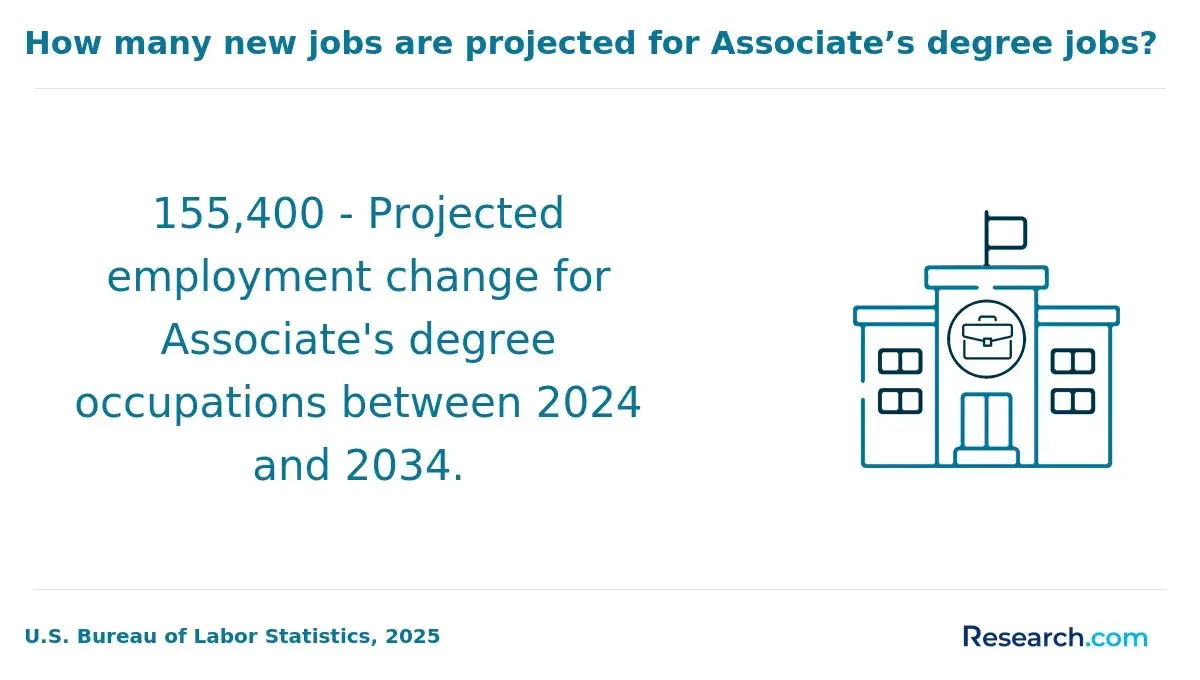
Employers in the food industry increasingly prioritize candidates with bachelor's degrees for management and supervisory roles, reflecting the complexity of supply chains and regulatory environments that demand comprehensive skill sets. While associate degrees and certificate programs offer quicker workforce entry in operational positions, these credentials often limit upward mobility, as evidenced by a 15% higher unemployment rate within two years for associate degree holders compared to bachelor's graduates according to the National Center for Education Statistics. For many workers, starting with an associate credential may provide immediate employment but typically necessitates subsequent transfer to a bachelor's program to access more stable and advanced roles.
Master's degrees serve more specialized functions, often becoming de facto requirements for senior leadership and strategic positions, including operations directors and supply chain analysts, with about one quarter of such roles explicitly seeking graduate-level qualifications. However, these advanced degrees generally enhance career progression rather than initial hiring prospects, and pursuing a master's while employed may offer a meaningful pathway to niche expertise or leadership. Doctoral programs remain largely relevant for research, policy, or academic jobs and do not broadly affect employment opportunities within typical food industry roles, highlighting a clear delineation between practical workforce demands and specialized professional tracks.
What Entry-Level Jobs Can You Get With a Food Industry Management Degree?
Entry-level food industry management jobs in the United States often reflect a balance between degree level and practical experience, where candidates with associate degrees usually access frontline supervisory or technical support roles. These positions tend to emphasize foundational operational oversight and compliance tasks but may offer limited upward mobility without supplemental credentials or internships. In contrast, bachelor's degree holders are more likely to be considered for management trainee programs or analyst roles, especially within larger companies that value formal advancement pipelines and applied regulatory knowledge, such as HACCP or FDA standards. Employers frequently expect demonstrated proficiency in inventory management software and problem-solving skills, adding pressure on graduates to secure internships or practicum experiences during their studies to enhance employability.
Licensure is uncommon, but certifications like ServSafe or Lean Six Sigma are increasingly signals of commitment to best practices and can distinguish candidates amid competitive hiring pools. Geographic factors also influence entry points, as urban centers with dense food production hubs offer more diverse roles, though remote options remain rare for positions tied to production. The National Center for Education Statistics reports that over 60% of food industry management career opportunities for recent graduates with fieldwork experience found employment within six months, underscoring the practical advantage of experiential learning. Students weighing associate versus bachelor's pathways should consider how each aligns with their desired job stability, skill-building potential, and longer-term mobility, often finding that advanced degrees or certificates complement initial roles and support sustainable career growth in this complex sector.
For those interested in related management education, programs such as the best online construction management degree courses illustrate how focused training combined with industry-relevant credentials can impact employment outcomes, offering a useful parallel for evaluating food industry management curricula and their career implications.
How Do Food Industry Management Degree Levels Affect Career Advancement and Promotion Opportunities?
Advancement in food industry management is heavily conditioned by educational attainment, with degree levels serving as practical filters for promotion and leadership eligibility. Entry-level roles often accept certificates or associate degrees, but these credentials typically limit upward mobility to supervisory positions without much strategic responsibility. A bachelor's degree broadens managerial competencies, frequently positioning candidates for mid-level management and increasing promotion speed by about 30%, according to recent data from the National Center for Education Statistics. Beyond this, graduate degrees and specialized certifications are increasingly important for roles demanding expertise in regulatory compliance, supply chain strategy, and leadership, especially as employers prioritize verifiable skills over tenure alone. This dynamic means adult learners and transfer students must weigh shorter credential programs that offer immediate job entry against longer pathways that enhance career timing and leadership readiness.
Employers also factor in practical experience and formal verification of competencies in food safety and financial management alongside academic achievements. Since licensure and certification requirements rise with role complexity, degree completion impacts not only eligibility but also internal promotion trajectories and industry credibility. For working professionals, prior credits and continuing education facilitate smoother transitions to advanced roles, yet the return on investment varies depending on individual work history and employer expectations. Deciding to pursue a higher degree often depends on balancing the need for formal credentials against the practical advantage of demonstrated skills and knowledge applied in real workplace settings.
One food industry management graduate recalled debating whether to upgrade an associate degree to a bachelor's after gaining several years of supervisory experience. Although the workplace valued hands-on skills, the company's promotion policy favored bachelor's holders for regional management slots. The graduate described feeling hesitant at first, questioning if additional schooling would translate into tangible opportunity, but ultimately found that completing the bachelor's clarified eligibility for leadership roles and removed barriers to internal mobility, making the educational investment feel cautiously worthwhile in a competitive job market.
Is a Food Industry Management Degree Worth It Based on Salary, Employment, and ROI?
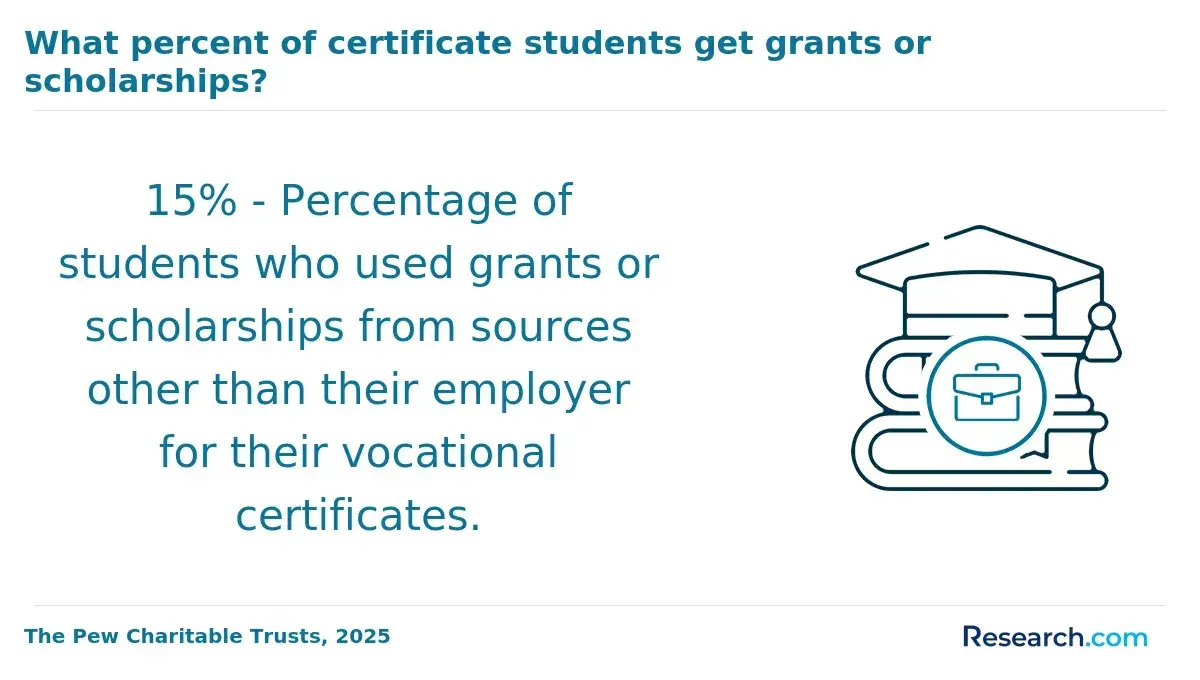
Salary and employment outcomes within the food industry management sector vary significantly depending on educational attainment, making it necessary to carefully weigh the financial and career tradeoffs before pursuing this degree. Workers holding a bachelor's degree generally receive higher median wages and benefit from more stable, full-time employment compared to those with associate degrees or certificates. However, this premium must be balanced against the opportunity cost and potential debt, especially for adult learners or transfer students whose time-to-completion may be shortened by prior credits or part-time study. Employers increasingly expect candidates to hold industry-specific credentials and practical experience, so graduates without relevant certifications or internships may struggle with underemployment despite their degree level.
The return on investment for food industry management graduates also depends on regional labor demand and the ability to leverage degree credentials into specialized roles like supply chain coordination or food safety compliance. Degree holders tend to have better access to these advancement pathways, but fragmented industry networks and varying employer preferences can complicate job searches. For working professionals considering further education, the cost and duration of bachelor's programs-averaging between $40,000 and $60,000-must be justified by tangible pay increases and career mobility. The risk of stagnant wages or missed income due to extended study periods can undermine ROI, especially without strong career planning or financial aid.
Those evaluating the food industry management degree salary and employment outcomes should also consider how degree completion compares to alternative pathways such as targeted certifications or shorter credential programs, which might offer faster entry or promotional potential. Practical factors like part-time enrollment, transfer credits, and applied training weigh heavily in determining real-world value. For individuals exploring related fields or seeking broader administrative roles, resources such as paralegal school online might provide insight into how accelerated credential programs operate and their potential benefits.
How Do Associate, Bachelor's, Master's, and Doctoral Food Industry Management Degrees Compare?
Career outcomes for food industry management vary distinctly across degree levels, with each shaping employment entry points and advancement differently. Associate degrees often serve as a pragmatic route into operational roles, but their limited transferability and narrower scope constrain longer-term mobility without further study. For example, a graduate with an associate degree may secure supervisory positions in food production but will likely encounter a ceiling without pursuing a bachelor's, which employers usually expect for mid-level management and technical specialization, including licensing requirements in regulatory compliance.
Bachelor's degrees broaden access to leadership roles by combining business fundamentals with industry-specific skills, enhancing both job stability and specialization opportunities in areas like supply chain or product development. However, returning for a master's can unlock strategic and consulting roles that require deeper expertise, albeit at the cost of significant time and financial investment and lower completion rates due to professional obligations. Master's programs frequently accept previous graduate credits, supporting credential stacking for those balancing work and study, a critical consideration in maximizing career flexibility and leverage.
Doctoral degrees remain rare and targeted toward research, policy, and academic careers within food industry management, offering unparalleled specialization but demanding extended study periods and greater debt risk. The niche demand for these qualifications, often tied to regulatory or institutional leadership, limits their practical accessibility and utility for most professionals. Data from the U.S. Department of Education suggest employer credential expectations peak at the master's level for senior roles, making doctoral pursuit a specialized path that prioritizes influence over direct employment prospects or licensure concerns, which are generally less relevant at this stage.
Which Industries and Employers Hire Food Industry Management Graduates by Degree Level?
Hiring patterns for food industry management graduates reveal marked distinctions by degree level, reflecting employer preferences for varying degrees of technical expertise, leadership capacity, and specialized knowledge. Associate degree holders largely fill operational and entry-level supervisory roles in manufacturing plants, grocery chains, and regional foodservice companies, where practical skills and hands-on experience weigh more heavily than advanced management training. For example, a candidate with an associate degree might enter a food processing facility overseeing line operations, a role with limited upward mobility without further education, contrasted with bachelor's graduates who often qualify for broader mid-level management positions in national corporations managing supply chains, quality programs, or regulatory compliance.
Bachelor's credentials are frequently a minimum requirement for roles demanding coordination of cross-functional teams and data analysis, reflecting employer expectations of foundational leadership and food science knowledge. In contrast, master's graduates are typically recruited by larger food conglomerates, government agencies, and consulting firms seeking strategic management, policy design, or research capabilities, where advanced analytical skills and innovation leadership are paramount. Doctoral qualifications, while uncommon, remain essential for highly specialized research, academic positions, or senior policy advisory roles that require deep subject matter expertise and a proven research portfolio. These distinctions underscore a practical tradeoff: pursuing higher degrees opens access to strategic and policy-driven roles but often entails several more years of study and a narrower employer base focused on credentials and demonstrated expertise.
Certificates cater to experienced professionals targeting compliance, quality assurance, or sustainability standards without committing to full degree programs, meeting employer demand for adaptable technical skillsets amid evolving regulatory landscapes. According to the U.S. Bureau of Labor Statistics 2024 data, associate degree holders comprise a significant share of operational roles but exhibit slower wage growth compared to bachelor's and master's-level peers, emphasizing the importance of matching educational investment with realistic industry expectations and career ambitions.
What Skills, Credentials, and Experience Improve Food Industry Management Career Outcomes?
Mid- and upper-level roles in food industry management demand a strategic blend of advanced technical skills, practical certifications, and leadership experience. Candidates with bachelor's degrees typically excel by demonstrating competencies in supply chain optimization, data analysis, and team leadership-skills that align with evolving employer expectations for analytical decision-making. For example, a manager progressing from an associate degree level who gains ServSafe certification and applies on-the-job experience can initially access entry-level supervisory roles but often reaches a promotion plateau without further credential stacking or exposure to complex operational analytics. This practical reality highlights how degree level combined with focused certifications shapes flexibility and advancement potential.
At the associate degree level, the emphasis remains on foundational technical skills such as inventory control, food safety, and basic financial literacy, aligning employers' demand primarily with certification-based readiness. The integration of internships, apprenticeships, or military experience significantly boosts employability and promotion likelihood by providing applied problem-solving exposure unavailable through coursework alone. Soft skills-including communication, adaptability, and conflict resolution-often distinguish candidates for mobility, especially when formal leadership roles have supplemented academic credentials. Navigating food industry management certification and licensing requirements strategically is critical for individuals balancing prior educational credits, work experience, and the need to future-proof their roles within this dynamic sector.
Emerging credential stacking-combining food safety, quality assurance, and supply chain certifications-continues to redefine career trajectories by enhancing employment stability and progression speed, especially for advanced degree holders. Graduates who tactically assemble academic credentials with practical certifications and relevant work experience have measurable advantages validated by 2024 College Scorecard data. For adult learners and transfer students, this sometimes involves prioritizing certifications aligned with current employer needs over general coursework. Those exploring alternative education options might also consider fields related to operational management, such as photography degrees online, to diversify their skill portfolios within niche food marketing or brand management segments.
Which Food Industry Management Degree Level Is Best for Your Career Goals?
Aligning degree level selection with realistic employment and advancement expectations is crucial for maximizing return on investment in food industry management. For instance, while an associate degree may suit candidates aiming for prompt entry into supervisory or assistant management roles, this path offers limited specialization and advancement prospects. Workforce data from the National Center for Education Statistics highlights that only about 55% of associate degree holders secure full-time employment within a year, indicating tangible barriers regarding employability and role mobility compared to higher credentials. Such decisions impact opportunity costs, especially for working adults balancing time, tuition, and career timelines.
By contrast, bachelor's degrees in food industry management open broader roles including mid-level management and specialized functions in supply chain, quality assurance, or product development. These programs typically facilitate credit transfer and incorporate practical field experience, traits valued by employers and important for upward mobility. The Integrated Postsecondary Education Data System reports a roughly 20% higher employment rate within 12 months for bachelor's graduates compared to associate degree holders. This difference reflects the degree's stronger alignment with employer expectations for both immediate job placement and structured advancement pathways, making it the preferred option for many planning longer-term career growth or needing recognized specialization.
Graduate degrees target professionals aspiring to executive leadership, strategic innovation, or research-focused careers and often require relevant work experience prior to enrollment. The higher cost and extended completion timelines are justified by significant gains in professional mobility and leadership eligibility, according to labor market analyses. Working professionals and military-affiliated students can find tailored programs, including EdS to EdD bridge programs online, suited for advanced career pivots or academic roles. Carefully assessing how degree level intersects with specific career goals and workforce realities ensures better alignment between education investments and actual advancement opportunities in food industry management career advancement by degree level.
References
- Career Advancement Opportunities for Food Service Workers https://medixcollege.ca/Home/NewsArticle/career-advancement-opportunities-for-food-service-workers/
- Improving Your Chances of Promotion: How to Get Ahead In The Food Manufacturing Industry https://foodindustryhub.com/improving-your-chances-of-promotion-how-to-get-ahead-in-the-food-manufacturing-industry/
- Food-Related Jobs and Careers in the Food Industry https://www.ficsi.in/food-industry-job-portal
- Food industry jobs | Green People Recruitment https://www.greenpeoplerecruitment.com/en/professionals/industries/food/
- What’s the difference between Associate’s, Bachelor’s, Master’s, and Doctoral degrees? https://www.topmanagementdegrees.com/difference-between-degrees/
- Why I chose to study Food Industry Management (FIM) instead of Food Science https://www.uoguelph.ca/oac/news/why-i-chose-study-food-industry-management-fim-instead-food-science
- Food Business Management https://www.ciachef.edu/cia-new-york-food-business-management-bachelors-degree-program/
- Food Science Degree Careers and Salary in Europe - StudyinEurope.eu https://www.studyineurope.eu/food-science/food-science-degree-careers-salary-europe/
- Food Jobs, Food Industry Jobs, Food Manufacturing Jobs https://jobs.foodmanufacture.co.uk/
- Food Industry Management https://www.niagara.edu/programs/food-industry-management/
Other Things You Should Know About Food Industry Management
Longer programs, such as bachelor's and master's degrees, often lead to higher pay and advancement potential, but the increased time and financial commitment can impact current income and personal obligations. Working professionals should prioritize shorter programs or credentials that align closely with their immediate job requirements if rapid reentry or workforce continuity is critical. Those targeting managerial roles that explicitly require advanced credentials should plan for the longer-term payoff, ensuring the program's curriculum matches industry expectations to maximize return on investment.
Associate and bachelor's programs typically integrate more hands-on training, internships, and applied learning, which employers value for entry- to mid-level positions. Master's and doctoral programs tend to emphasize research, strategic analysis, and leadership theory, which may delay direct industry immersion but improve eligibility for senior roles. Students must assess whether their current career stage benefits more from immediate practical skills or from deeper strategic expertise, balancing experiential learning opportunities against academic rigor for their career trajectory.
Employers in food industry management frequently set clear credential floors for roles, often requiring at least a bachelor's degree for non-entry positions and a master's for senior management or specialized roles. Investing in degrees beyond what employers explicitly demand may yield diminishing returns if the additional education does not include distinct skills or leadership training. Thus, aligning degree level with documented credential requirements of target employers ensures that time and resources spent on education effectively support career progression.
Degree specialization can offer distinct advantages in niche areas like supply chain management, quality assurance, or regulatory compliance, making candidates more competitive for targeted roles within food industry management. However, broad curricula provide flexibility to pivot across functions and adapt to shifting industry needs. Students uncertain about their precise career focus should prioritize broader programs that build diverse competencies, reserving specialized degrees for those with a clear, defined career path to avoid limiting future opportunities unnecessarily.