2027 Food Industry Management Salary Trends Report: Are Wages Keeping Up With Tuition and Inflation?

Co-Founder and Chief Data Scientist
Consider a prospective food industry management student weighing the decision to enroll amid rising tuition fees and economic uncertainty. Evaluating the financial return of a food industry management degree requires more than comparing starting salaries to education costs. Inflation and changes in purchasing power can erode gains, complicating the assessment of whether wages keep pace with expenses. Understanding how salary growth aligns-or diverges-with these factors is critical for making informed choices about higher education investments.
Salary increases, tuition inflation, and overall cost of living rarely move in tandem, making surface-level salary figures insufficient for gauging long-term value. Prospective students and recent graduates must analyze the interplay of these variables to estimate realistic earning potential and economic resilience. This article examines salary trends, tuition costs, inflation, return on investment, affordability, and the key factors shaping the financial prospects of a food industry management degree over time.
Key Things to Know About Food Industry Management Salary Trends
- Food industry management graduate salaries have only modestly outpaced inflation since 2024, indicating that rising tuition costs may erode real post-degree income growth for many students.
- Specialization in supply chain analytics within food industry management correlates with a 15% higher starting salary in 2024, implying strategic focus areas can significantly impact early earning potential.
- Long-term salary growth is heavily influenced by industry experience and networking over initial degree prestige, highlighting the importance of professional engagement beyond formal education.
- Key Things to Know About Food Industry Management Salary Trends Key Things to Know About Food Industry Management Salary Trends
- What Is the Current Salary Outlook for Food Industry Management Graduates? Salary Outlook
- Are Food Industry Management Salaries Keeping Up With Inflation? Inflation Impact
- How Do Tuition Costs Compare With Food Industry Management Salary Growth? Tuition vs Salary
- Does a Food Industry Management Degree Deliver a Positive Return on Investment? Degree ROI
- Which Industries Offer the Highest Salaries for Food Industry Management Graduates? Which Industries Offer the Highest Salaries for Food Industry Management Graduates?
- Which States and Cities Offer the Highest Pay for Food Industry Management Professionals? Which States and Cities Offer the Highest Pay for Food Industry Management Professionals?
- How Do Food Industry Management Salaries Grow Throughout a Career? Career Growth
- How Do Food Industry Management Salaries Compare With Similar Degrees? Salary Comparison
- How Is Employer Demand Affecting Food Industry Management Salary Trends? Employer Demand
- How Can Students Maximize Their Lifetime Earnings With a Food Industry Management Degree? Maximizing Earnings
What Is the Current Salary Outlook for Food Industry Management Graduates?
Current wages for food industry management professionals show notable variation influenced by experience, location, and sector specialization. Entry-level graduates often start with salaries between $45,000 and $60,000, a range that struggles to keep pace with rising inflation and tuition costs reported by the U.S. Bureau of Labor Statistics in 2024. However, a graduate working in a large metropolitan area within multinational food manufacturing might earn significantly more compared to another who remains in a smaller regional market or a mid-sized service operation. This disparity illustrates how two graduates holding the same degree can experience markedly different salary outcomes based on career path choices and geographic factors, a key insight for those weighing short-term earnings against long-term potential.
Examining food industry management graduate salary trends highlights that while early wages may appear modest, there is substantial opportunity for growth, particularly for professionals who pursue specialized credentials in logistics, sustainability, or quality assurance. Mid-level managers moving into senior operational or supervisory roles can access salaries nearing $90,000 to $110,000, especially in sectors like supply chain management that address ongoing industry challenges such as disruption and regulatory shifts. Prospective students should interpret salary data alongside projected job demand and advancement potential, recognizing that strategic investments in certifications and location choice often yield better returns over time, rather than focusing exclusively on entry-level compensation.
With inflation sitting around 4-5%, nominal wage increases reported by major industry bodies have not always matched cost-of-living growth, complicating financial planning for recent graduates. Yet, those who invest in targeted skill development and understand market dynamics may leverage their food industry management degree more effectively. For students seeking flexible educational options that support career enhancement, exploring programs like MSW online programs can offer insights into accelerated learning formats beneficial for balancing work and further education. Ultimately, evaluating long-term earning potential requires balancing immediate salary expectations with career trajectory and industry demands.
Are Food Industry Management Salaries Keeping Up With Inflation?
Nominal wage increases in food industry management have not consistently maintained pace with inflation, leading to a decline in real earnings for many in the field. Data from the U.S. Bureau of Labor Statistics shows that median food service manager wages rose about 4.2% from 2021 to 2023, whereas inflation measured by the Consumer Price Index increased approximately 6.5%. This gap means that despite earning more dollars on paper, the purchasing power of these wages has effectively diminished, presenting a challenge for those relying on such salaries to offset living expenses.
Consider a recent graduate who took on student debt to complete a food industry management degree as tuition costs surged by nearly 5% annually, outpacing inflation. While their starting salary grew modestly, it did not keep up with the combined pressures of inflation and educational expenses. This real-world tension illustrates why expressing wage growth without factoring in inflation and rising tuition can misrepresent the value of a food industry management degree. Prospective students should weigh these economic realities carefully, especially as wages for food industry management salary growth versus inflation show a persistent shortfall.
Several factors moderate the relationship between wages and inflation in this sector. Regional demand, experience level, and specialized skills may grant some managers better real income growth, though entry-level positions often experience the most wage compression. For those evaluating the financial return of their education, understanding these nuances is critical. Exploring financing options such as online mental health counseling programs (CACREP-accredited) may provide alternative, cost-effective educational pathways in related fields when balancing tuition investment against salary expectations.
How Do Tuition Costs Compare With Food Industry Management Salary Growth?
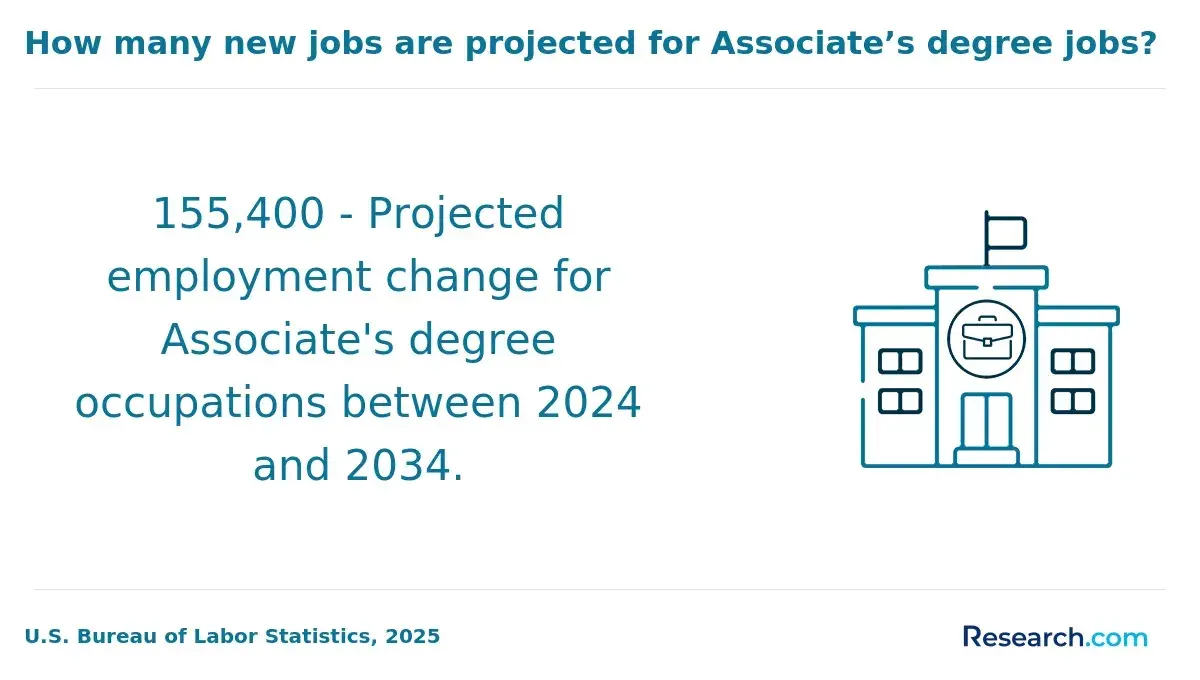
Evaluating the cost of a food industry management degree against salary growth reveals a nuanced financial picture that neither figure alone can fully capture. Recent data from the National Center for Education Statistics and the U.S. Bureau of Labor Statistics indicate that average in-state tuition for a public four-year program now approaches $11,500 annually, while starting salaries for graduates hover around $45,000. Over a decade, tuition has surged roughly 40%, outstripping inflation, while wage increases have averaged only 3% to 4% annually, barely matching rising living expenses. This divergence means that although graduates see steady income growth, their real purchasing power may stagnate or decline when balanced against growing education debt and costs.
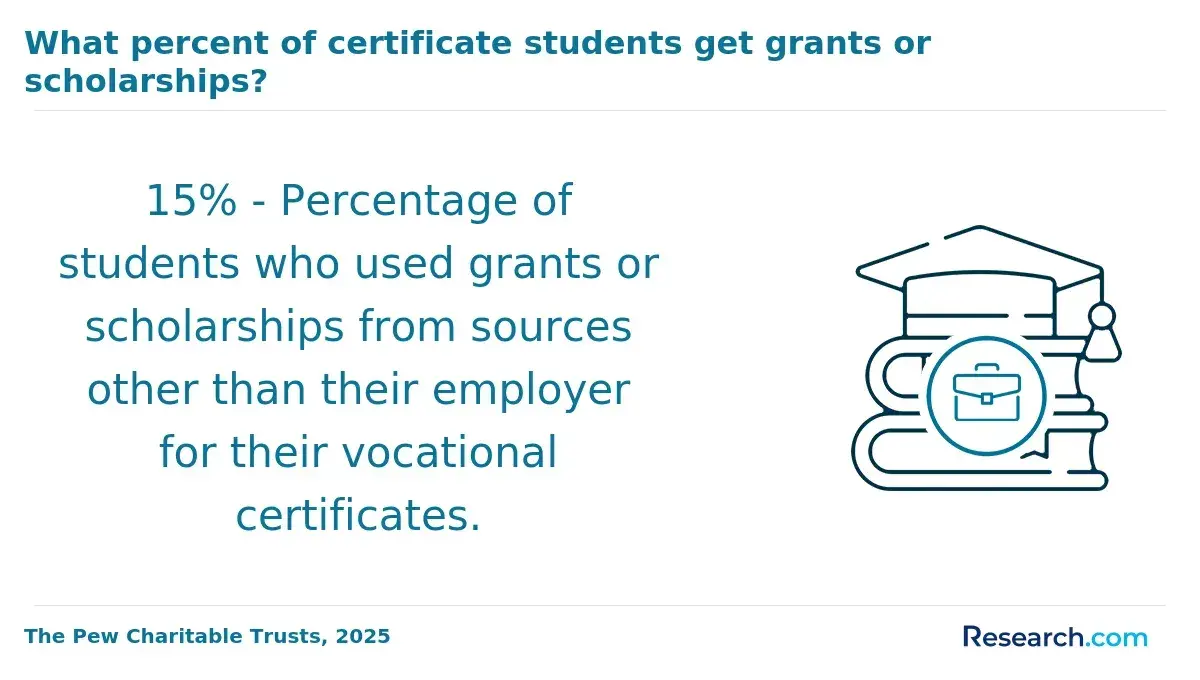
Consider a student enrolling in 2024 who faces rising tuition rates that add thousands more each year compared to a decade ago. If this student finances the degree primarily through loans, the slow wage growth relative to tuition inflation could lengthen repayment timelines and increase financial strain, especially early in their career. Conversely, another graduate who secures scholarships or attends a lower-cost institution may better manage this imbalance, easing pressure during entry-level years. Factors like loan interest rates, geographic cost of living, and individual career progression all influence how tuition and salary interact, underscoring that financial outcomes vary widely rather than reflect a uniform return on investment.
One food industry management graduate shared that choosing between a prestigious private university with high tuition and a more affordable public option was a persistent struggle. They recall hesitating over taking on substantial debt despite the allure of potential networking advantages tied to the private institution. Ultimately, the decision came down to balancing anticipated salary growth with manageable debt levels, a calculation complicated by the realization that initial offers wouldn't drastically outpace those of peers from less expensive programs. This experience highlighted the importance of assessing both immediate and long-term financial implications rather than focusing solely on degree prestige or entry salary.
Does a Food Industry Management Degree Deliver a Positive Return on Investment?
Return on investment (ROI) in higher education goes beyond initial salary figures, requiring a careful assessment of tuition costs weighed against long-term earnings and professional advancement. For food industry management graduates, median starting salaries hover around $48,000 per year according to 2024 National Center for Education Statistics data. While this entry-level pay may seem modest compared to rising tuition fees-especially as these costs have increased faster than average inflation during the past five years-the full financial picture emerges when considering sustained wage growth and sector-specific demand.
For example, a graduate facing $30,000 in annual tuition might see starting salaries that are initially outpaced by education expenses. However, wages in food industry management typically rise at approximately 3% annually, and many professionals can expect salaries reaching between $85,000 and $100,000 within a decade. This progression reflects the industry's ongoing need for managers proficient in supply chain oversight, regulatory compliance, and consumer insights. Such specialized skills often accelerate promotion opportunities, offsetting early debt burdens and making the degree a viable investment over the long term.
Ultimately, the ROI of a food industry management degree depends on variables like regional job markets, employer scale, and individual career trajectories. While the growing tuition burden poses a challenge, the balance between moderate entry pay and substantial mid-career earnings contributes to a generally positive return. Those weighing this degree should consider not only immediate financial demands but also how expertise in this evolving industry can yield gains that outpace educational costs over time.
Ultimately, the ROI of a food industry management degree depends on variables like regional job markets, employer scale, and individual career trajectories. While the growing tuition burden poses a challenge, the balance between moderate entry pay and substantial mid-career earnings contributes to a generally positive return. Those weighing this degree should consider not only immediate financial demands but also how expertise in this evolving industry can yield gains that outpace educational costs over time, particularly when comparing options such as the easiest PhD to get.
Which Industries Offer the Highest Salaries for Food Industry Management Graduates?
Salary trends for food industry management graduates clearly show that compensation varies widely depending on the sector. While many roles exist across food production, retail, and services, the highest salaries tend to cluster in specialized, technically demanding industries. Graduates targeting fields with complex supply chains, innovation, or strategic oversight often find more lucrative opportunities that reward expertise beyond general management skills. For instance, a graduate with experience in supply chain logistics at a consulting firm may earn significantly more than one managing a regional restaurant, reflecting industry-specific demands and growth potential.
Here are the top-paying food industry management careers by sector:
- Food Manufacturing: This sector leads in compensation due to the operational complexity involved with packaged foods and beverages. Roles often require managing quality assurance and large-scale production processes, with median salaries frequently above $95,000 and top jobs exceeding $120,000, according to recent BLS data.
- Food Technology Innovation: Companies focusing on alternative proteins, sustainable packaging, or food safety technologies pay premiums for graduates blending business acumen with technical expertise. This industry is expanding rapidly, rewarding those who keep pace with emerging trends.
- Consulting and Supply Chain Logistics: Specialized firms providing optimization and regulatory compliance services for food distribution offer competitive salaries between $80,000 and $110,000. These roles value analytical skills and deep knowledge of food regulations, rewarding experienced graduates.
- Restaurant and Hospitality Management: While generally offering lower median wages compared to manufacturing or technology sectors, executives and regional managers in large chains can earn competitive incomes driven by scale and incentive models. Graduate programs such as a hotel and restaurant management degree online can provide an edge here.
- Food Safety and Regulatory Agencies: Positions in government or private oversight agencies require strong compliance knowledge. These roles typically pay well compared to entry-level jobs and are crucial for risk management in complex food systems.
- Specialty Retail and Wholesale Distribution: High-level managers working with specialty or organic foods benefit from niche market growth and supply chain sophistication, offering above-average salaries for professionals skilled in market analysis and inventory management.
Which States and Cities Offer the Highest Pay for Food Industry Management Professionals?
Geographic location remains a critical factor in determining the earning potential for food industry management professionals. While some states and metro areas offer significantly higher salaries due to local economic dynamics, these gains often come with tradeoffs including elevated living costs and tuition expenses. Balancing salary prospects with affordability is essential for students and graduates assessing their long-term financial outlook after completing a food industry management program. Below are key states and cities where compensation tends to be highest, along with considerations relevant to each market.
- California: California's foodservice management salaries rank among the highest nationally, with urban centers like San Francisco often exceeding $90,000 annually. This premium is driven by a dense hospitality industry combined with complex regulatory demands and high operational costs. However, the state's steep cost of living, especially housing and education expenses, can significantly reduce net earnings.
- New York: New York City leads with elevated wages and accelerated advancement opportunities fueled by its vast culinary and hospitality sectors. Managers here benefit from robust industry networks but must weigh compensation against one of the highest living expense indexes in the U.S., which can impact disposable income.
- Massachusetts: Boston and surrounding areas offer strong pay rates supported by a concentration of corporate foodservice operations and hospitality institutions. The state's competitive salaries reflect the premium on experienced management amid an expensive housing market and increasing tuition costs.
- Texas: Growing foodservice markets in Texas cities like Austin provide moderate salaries ranging from approximately $60,000 to $75,000 but compensate with a relatively low cost of living. This balance may lead to better overall financial stability for recent graduates despite somewhat lower nominal wages.
- Florida: Florida exemplifies expanding opportunity in food industry management with slightly lower wages than coastal high-cost states but with notably affordable living and education expenses. This environment appeals to those prioritizing entry points and cost control in their career planning.
- Boston Metro Area: Beyond Massachusetts broadly, the Boston metro area stands out for high managerial pay linked to specialized foodservice sectors and educational institutions demanding skilled leaders. Prospective professionals should anticipate high salary offers tempered by expensive housing and tuition inflation.
- Raleigh, North Carolina: Raleigh reflects emerging foodservice growth with increasing demand for management talent. While pay is below top-tier urban centers, the city offers a manageable cost of living and expanding career prospects, producing a compelling value proposition for new graduates weighing opportunity costs.
How Do Food Industry Management Salaries Grow Throughout a Career?
Food industry management salaries generally start in the $45,000 to $55,000 range for entry-level roles such as assistant managers or supervisors, based on 2024 data from the U.S. Bureau of Labor Statistics. Earnings tend to grow steadily with experience, typically reaching between $65,000 and $85,000 in mid-career positions after five to ten years. Advancement into senior roles like operations director or executive positions often pushes salaries beyond $100,000, with median compensation reported at $110,000 to $130,000 by the Food Marketing Institute. However, this growth is far from uniform; factors such as geographic location, the specific sector within the food industry, and continuing education or certifications play significant roles in shaping individual trajectories.
Consider two graduates who both hold a food industry management degree. One pursues additional certifications and targets regional operations management, gradually increasing responsibility and salary. The other remains in a local supervisory position without pursuing further qualifications, experiencing slower wage growth. This divergence highlights that long-term salary progression depends heavily on proactive professional development and the willingness to navigate organizational complexities. Despite favorable headline figures, salary growth must be weighed against rising tuition costs and inflation-approximately 4.5% annually in early 2024-making the timing and cost of education an essential consideration for prospective students.
One graduate recalled hesitating before enrolling in an advanced certification, worried about the upfront expense amid existing debt. After deciding to invest two years into professional development while continuing full-time work, the payoff came in the form of a promotion to regional manager earning significantly above the industry median. The relief that followed, knowing the initial financial strain was offset by faster salary growth, underscored the importance of strategic decisions rather than relying solely on the degree itself to unlock higher earnings.
How Do Food Industry Management Salaries Compare With Similar Degrees?
Food industry management salaries generally hold steady alongside several closely related degrees, but nuanced differences in career paths and industry sectors influence earning potential over time. While entry-level wages can appear competitive with hospitality or agricultural economics fields, the distinct economic drivers and employer types in each area contribute to diverging salary trajectories. Prospective students aiming to understand these dynamics should consider both short-term pay and long-term stability before committing to a degree program. Below is a comparative overview highlighting key differences in salary trends for food industry management versus related degree programs.
- Hospitality Management: Median wages for food industry management graduates align closely with hospitality managers, with both fields reporting starting salaries near $59,000 to $60,000 according to the U.S. Bureau of Labor Statistics (BLS) 2024 data. Hospitality careers typically focus on service and event management, which may offer varied seasonal income but also opportunities in diverse geographic markets.
- Business Administration: Business administration degrees tend to command higher starting salaries, around $65,000 per year as shown by the National Association of Colleges and Employers (NACE), largely due to the broader corporate and finance roles accessible to graduates. These roles often come with accelerated salary growth but may face volatility tied to market shifts.
- Agricultural Economics: Salaries for agricultural economics graduates start at a similar level to food industry management but show greater growth potential in analytical and agribusiness management roles, per reports from the Economic Research Service 2024. This field benefits from specialized expertise that supports efficiency and innovation in food production supply chains.
- Food Production and Retail: Food industry management offers stable demand anchored in the essential nature of food supply and consumer markets, which can buffer against economic downturns better than some corporate sectors. This stability is a meaningful consideration as tuition and inflation rise, impacting return on investment in education.
When evaluating the long-term benefits of a degree, students should also explore options in related fields such as online graphic design programs that may diversify skill sets relevant to marketing or product development within food-related industries. Understanding Food Industry Management salary comparison by degree aids learners in making strategic educational investments aligned with their career goals and economic realities.
How Is Employer Demand Affecting Food Industry Management Salary Trends?
Employer demand directly shapes salary trends in food industry management by intensifying competition among employers to attract and retain qualified candidates. For example, in a rapidly growing metropolitan area with a surge of new restaurants and foodservice outlets, managers who can navigate supply chain challenges and operational complexities become particularly valuable. This localized demand surge often pushes wages higher as companies adjust compensation to stand out, demonstrating how employer demand impact on food industry management salaries emerges from shifting market dynamics and regional growth patterns.
Despite this upward pressure, salary trends also depend on factors like experience, specialization, and broader economic conditions, including inflation and organizational budget constraints. According to 2024 data from the U.S. Bureau of Labor Statistics, while job openings for food industry management roles have increased steadily, wage growth has not fully matched rising tuition fees and living costs, creating a nuanced salary landscape for new graduates. Those evaluating their long-term prospects should note that strong employer demand can accelerate wage increases but must be weighed against the total cost of education and local market demand for specific skills.
Major drivers of employer demand include regional population growth, expansion of dining establishments, and supply chain complexities requiring skilled management, as reported by the National Restaurant Association and Institute for Supply Management. Prospective students and career changers may benefit from exploring accredited EdS to EdD programs that emphasize management skills adaptable across industries and regions, helping to improve earning potential amid evolving salary trends and job market outlook for food industry management professionals.
How Can Students Maximize Their Lifetime Earnings With a Food Industry Management Degree?
Maximizing lifetime earnings with a food industry management degree requires more than just obtaining the credential. Strategic specialization, practical experience, and geographical choices significantly affect long-term income outcomes. For example, a graduate focusing on sustainable food production who gains lean certification and networks in metropolitan agribusiness hubs is positioned for faster salary growth. The following key strategies, supported by 2024 industry data, highlight critical actions to enhance earning potential over a career.
- Targeted Specialization: Concentrate on high-demand areas like supply chain logistics, food safety compliance, or organic food production. These specialties offer above-average salary growth and meet rising industry needs, as confirmed by recent U.S. Bureau of Labor Statistics data.
- Geographic Mobility: Relocate to metropolitan or agribusiness centers where food processing companies cluster. Data shows professionals in these regions receive superior compensation packages compared to rural areas.
- Professional Certifications: Earn credentials such as Certified Food Scientist (CFS) or Lean Six Sigma to stand out. Certifications elevate candidates into leadership tracks, boosting promotion chances and income ceilings.
- Internships and Networking: Engage with industry associations and secure internships during your studies to build valuable connections. These networks often translate into access to higher-paying job opportunities post-graduation.
- Leadership Development: Cultivate skills in managing cross-functional teams and operations early on. Graduates who assume managerial roles, especially in large or multinational companies, experience accelerated earnings growth over time.
References
- 15 Top Culinary Degree Careers | CIA Culinary School https://www.ciachef.edu/blog/what-can-you-do-with-a-culinary-degree/
- Food Industry Jobs in Ireland: Your Ultimate Guide to Careers and Salaries https://qsp.ie/page/news/82/Food-Industry-Jobs-in-Ireland-Your-Ultimate-Guide-to-Careers-and-Salaries-
- What are the highest salaries in US Food Production?|The Sterling Choice https://thesterlingchoice.com/blog/the-top-paying-positions-in-us-food-production/
- Food and Beverage - Workforce Transitions and Trends https://www.gray.com/insights/future-forecast-food-beverage-workers/
- Careers In the Food Industry https://tastycareers.org.uk/careers-in-the-food-industry
- Why Inflation & Salary Increases Are Different https://wcbc.ca/inflation-vs-salaries/
- Impact of Cost Structure on Indonesia Food Industry Value Added https://sijdeb.unsri.ac.id/index.php/SIJDEB/article/view/559
- Beyond the Restaurant: Career Opportunities for Restaurant Managers - International Culinary Studio https://www.internationalculinarystudio.com/beyond-the-restaurant-career-opportunities-for-restaurant-managers/
- Why I chose to study Food Industry Management (FIM) instead of Food Science https://www.uoguelph.ca/oac/news/why-i-chose-study-food-industry-management-fim-instead-food-science
- Business and Management Degree Careers and Salary in Europe - StudyinEurope.eu https://www.studyineurope.eu/business/business-management-degree-careers-salary-europe/
Other Things You Should Know About Food Industry Management
Entry-level salaries can vary widely depending on geographic location and employer type, which means that investing additional time and money in specialized certifications could be necessary to stand out. For students in regions or sectors with lower starting wages, prioritizing certifications that align with trending industry needs-such as supply chain analytics or sustainability standards-can improve salary prospects and job security. However, those already in higher-paying markets might find the return on certification investment less immediate, so careful cost-benefit analysis based on local wage data is essential.
Balancing full-time study with part-time or internship roles can delay degree completion but may accelerate salary growth post-graduation via early practical experience. Full-time students without work experience often face slower initial salary increases, whereas those who juggle both may gain a competitive edge in hiring and negotiation. The tradeoff lies in managing academic workload without sacrificing critical hands-on experience that employers increasingly expect in food industry management roles.
Wage growth in food industry management is often indirectly impacted by volatility in commodity markets and supply chain challenges, as companies adjust budgets and wages to maintain profitability. During periods of high instability, firms may slow salary increases or freeze hiring, which constrains upward mobility despite rising inflation and tuition costs. Professionals should weigh job stability and sector health alongside salary expectations when evaluating long-term career plans in this field.
Program reputation can open doors initially but does not guarantee long-term salary growth; practical skills and experiential learning often drive sustained financial advancement. Students should prioritize programs offering robust internships, real-world projects, and industry connections that translate into measurable workplace competencies. This pragmatic approach tends to yield better salary trajectories because employers in this sector value demonstrable problem-solving abilities over pedigree alone.