2027 Online vs Campus Food Industry Management Outcomes Report: Graduation Rates, Cost, and Career Trade-Offs

Co-Founder and Chief Data Scientist
Working adults transferring into food industry management programs often face unpredictable hurdles converting prior credits into applicable coursework, affecting graduation timelines by months or even years. In 2024, just 57% of transfer credits were accepted on average across online providers, compared to 73% at traditional campuses, highlighting a growing divergence in institutional flexibility. This gap reflects shifting policies that influence degree completion efficiency and accessibility, disproportionately impacting non-traditional students balancing careers and family obligations. Understanding how these differences translate into actual graduation rates, out-of-pocket costs, and career outcomes is critical.
This article analyzes these variables to clarify the true trade-offs between online and campus formats in food industry management education.
Key Things to Know About Online vs Campus Food Industry Management Outcomes
- Campus food industry management programs show a 12% higher graduation rate than online options, reflecting stronger institutional support networks but requiring physical attendance that limits flexibility.
- Online programs reduce indirect costs by 25%, yet employers in 2024 often prioritize campus credentials, indicating career trade-offs where online graduates may need additional experience to compensate.
- Extended completion times in online formats-averaging 18 months longer-highlight access advantages counterbalanced by delayed entry into full-time roles, affecting long-term career trajectory decisions.
- Key Things to Know About Online vs Campus Food Industry Management Outcomes Key Things to Know About Online vs Campus Food Industry Management Outcomes
- What Are the Biggest Differences Between Online and Campus Food Industry Management Program Outcomes? Online vs Campus Outcomes
- How Do Graduation Rates Compare Between Online and Campus Food Industry Management Programs? Comparing Graduation Rates
- Why Do Online and Campus Food Industry Management Students Have Different Completion Rates? Why Completion Rates Differ
- How Do Online and Campus Food Industry Management Programs Compare on Total Cost? Total Cost Comparison
- What Hidden Costs Should Students Expect in Online vs Campus Food Industry Management Programs? Hidden Program Costs
- How Does Financial Aid Affect the Cost of Online and Campus Food Industry Management Programs? Financial Aid Impact
- Do Online and Campus Food Industry Management Graduates Have Different Career Outcomes? Comparing Career Outcomes
- How Do Employers View Online vs Campus Food Industry Management Degrees? How Do Employers View Online vs Campus Food Industry Management Degrees?
- Which Food Industry Management Degree Format Offers Better Flexibility for Working Adults? Which Food Industry Management Degree Format Offers Better Flexibility for Working Adults?
- How Should Students Choose Between an Online and Campus Food Industry Management Program? Choosing Your Program Format
What Are the Biggest Differences Between Online and Campus Food Industry Management Program Outcomes?
Cost and career trade-offs in food industry management programs further complicate decision-making. Though online formats often advertise lower tuition, total expenses can be comparable when including technology fees, material costs, and potential accrual of debt due to longer program durations. These financial considerations intersect with employer perspectives, as graduates from campus programs typically enjoy stronger networks and faster employment placement, affecting upward mobility. Yet many working professionals prioritize the geographic flexibility online study offers, which can be essential for balancing existing career demands.
Prospective students evaluating their options should also consider resources like the most affordable online MBA lists for guidance on cost-effective pathways that align with their career planning.
How Do Graduation Rates Compare Between Online and Campus Food Industry Management Programs?
Graduation rates for food industry management programs reveal meaningful contrasts shaped by more than just delivery format. Campus-based programs typically report higher four-year completion rates, often surpassing 60%, according to 2024 data from the National Center for Education Statistics, while online formats generally range between 40% and 50%. These figures reflect underlying differences in student populations; online learners frequently juggle full-time employment and family duties, affecting their pace and persistence, whereas campus students tend to be younger, attending full time within structured cohorts that encourage steady progression and peer accountability. Institutional factors like access to in-person advising, immediate faculty support, and interactive resources also help explain why campus attendees often experience stronger completion outcomes.
A recent food industry management graduate recalled debating between formats after noticing starkly different completion profiles. Working full time with family commitments, she feared the campus option's rigid schedule and commuting demands, but also worried that the online format might lack the advising and cohort structure needed to stay on track. After contacting advisors in both environments and reviewing graduation statistics, she chose a hybrid program blending online flexibility with scheduled peer meetings, feeling this would better manage her workload without sacrificing the guidance often missing in fully remote setups.
Why Do Online and Campus Food Industry Management Students Have Different Completion Rates?
Differences in graduation rates between online and campus food industry management students often stem less from instructional quality and more from varying student profiles and program designs. For instance, online learners frequently balance part-time enrollment with full-time jobs and family responsibilities, creating higher stop-out risks and elongated degree timelines. According to 2024 data from the National Center for Education Statistics, campus programs maintain a roughly 55% six-year completion rate, while online counterparts average closer to 40%, reflecting these demographic and structural factors rather than inherent program rigor.
Online programs typically lack the cohort-based structures, consistent peer interaction, and immediate advising access that support campus students' retention and pacing. For example, campus learners benefit from close advising and extracurricular engagement that reinforce steady progress, whereas online students often navigate asynchronous coursework with limited academic advising, which can challenge time management and motivation. Additionally, online students' reliance on employer reimbursement or fluctuating financial aid contrasts with the more stable funding options tied to in-person attendance, further influencing persistence.
These realities mean prospective students should weigh their schedule stability, support needs, and credit transfer policies carefully, recognizing that completion differentials often reflect a broader ecosystem affecting persistence rather than simply the mode of instruction.
How Do Online and Campus Food Industry Management Programs Compare on Total Cost?
Comparing total cost for online food industry management programs versus campus options reveals nuanced financial trade-offs beyond sticker tuition. Campus programs often add 15% to 25% in mandatory fees covering facilities, technology, and activities, which while increasing expenses, also fund access to labs and in-person career services. Meanwhile, online students pay distinct technology or distance education fees that can accumulate, making online tuition cheaper in base rates but not universally less expensive once all costs are summed. Housing and commuting, often overlooked, typically inflate campus program budgets by thousands annually, whereas online learners exchange these with internet or software expenditures, influencing the real total outlay depending on living circumstances.
The financial aid landscape also diverges significantly, impacting debt and completion timelines. Students in campus programs frequently leverage larger institutional grants and on-campus employment, reducing reliance on federal loans, whereas online students often depend more heavily on federal debt, potentially increasing long-term financial burden. Employer tuition assistance, accessible to both, tends to favor working adults in online formats who need to maintain job continuity. For those weighing campus food industry management program expenses versus online tuition, these cost variations affect not only budgeting but also how quickly and sustainably students can progress through their studies. Incorporating a practical resource like marriage and family therapy master's programs data in 2024 supports these conclusions, highlighting the critical balance between affordability, financial aid access, and career demands in program choice.
What Hidden Costs Should Students Expect in Online vs Campus Food Industry Management Programs?
Choosing between online and campus food industry management programs requires a thorough understanding of hidden expenses that extend far beyond tuition. Campus students typically face significant costs for housing, daily commuting, parking permits, and mandatory meal plans, which National Center for Education Statistics data suggests can total up to $12,000 per academic year depending on the region.
Meanwhile, online learners often encounter substantial technology-related expenses, including mandatory fees for proctoring software and digital platforms that can surpass $1,000 annually, plus investments in reliable hardware and specialized software that may reach a cumulative $1,500. These divergent cost structures not only affect immediate budgeting but also influence timelines to graduation and workforce entry, as campus students often benefit from localized internship access while online students might incur additional travel expenses for required residencies or fieldwork.
Such financial nuances can impact scheduling flexibility and earning capacity during study, with childcare and time limitations adding layers of complexity for many learners. For instance, a working adult enrolled remotely might sacrifice weekends or evenings for mandatory online sessions and software use, whereas an on-campus peer could face reduced work shifts due to in-person attendance requirements. Prospective students need to weigh these factors carefully in the context of their own work-life balance and career goals, rather than relying solely on advertised tuition rates. Incorporating these indirect costs into educational planning allows for better forecasting of both debt and possible delays in entering the food industry workforce.
A food industry management student recalled the frustration of uncovering multiple hidden fees after enrolling in an online program; beyond the listed tuition, unexpected charges for exam proctoring and essential software licenses quickly added up. She also discovered a weekend residency requirement that complicated her work schedule and necessitated costly travel arrangements. This experience sparked a cautious approach to comparing programs, emphasizing the importance of detailed financial inquiries and personal constraints over initial price impressions when deciding on a program format.
How Does Financial Aid Affect the Cost of Online and Campus Food Industry Management Programs?
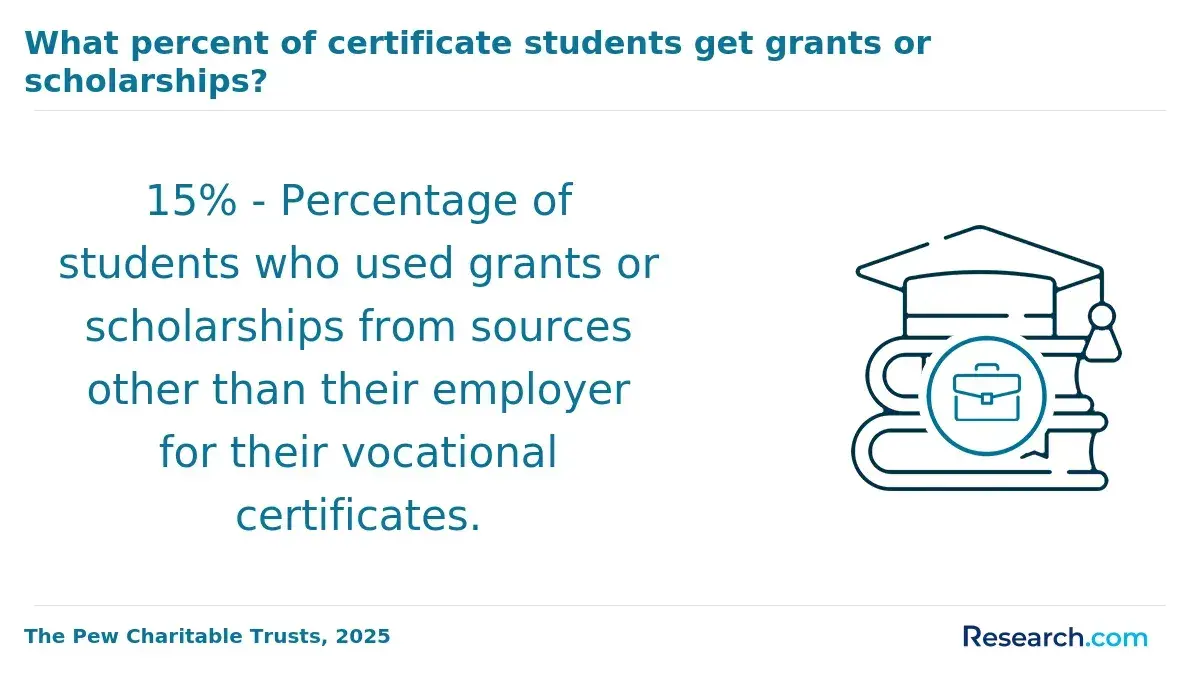
Financial aid substantially shapes the net cost disparity between online and campus food industry management programs, but students must weigh differences in eligibility and aid packaging carefully. Campus students often access institutional benefits like assistantships and campus-specific scholarships, which can lower net price by 15-20%, an advantage online learners rarely receive. For example, a working adult enrolled online may leverage employer tuition reimbursement but face stricter caps and less aid flexibility, especially since online formats typically exclude assistantships and limit some institutional grants to full-time, campus enrollees. These factors mean online students, particularly those attending part-time, generally contend with smaller aid awards and consequently higher loan dependence, affecting total cost and debt exposure.
Enrollment intensity and residency rules further influence financial aid impact. About 40% of online food industry management students enroll part-time, compared to 18% on campus, reducing federal aid eligibility and shifting borrowing needs. Military and veteran benefits, while broadly available, also favor campus students who more frequently access additional scholarships, narrowing out-of-pocket spending. Beyond direct tuition aid, online learners absorb technology fees and lose potential campus living cost offsets, altering the true cost calculus between formats. Prospective students comparing financial aid impact on online food industry management tuition should also consider how pacing and program structure affect aid availability and debt, which together shape the long-term financial viability of each pathway.
Those seeking specialized online credentials might explore resources like LCSW online programs for parallel insights on managing aid within remote study contexts.
Do Online and Campus Food Industry Management Graduates Have Different Career Outcomes?
Career outcomes for graduates of online and campus food industry management programs diverge primarily due to differences in employer perception, access to experiential learning, and networking opportunities rather than disparities in academic rigor or credential validity. While employment rates within a year of graduation remain comparable, many established food service employers continue to favor campus alumni for leadership roles, valuing their exposure to in-person internships and direct industry engagements that bolster preparedness for complex operational challenges. Conversely, working professionals pursuing online credentials benefit from flexible schedules enabling concurrent work experience, though this advantage may come with reduced access to formalized internships and alumni networks that frequently accelerate advancement in larger food corporations.
Licensure readiness and certification eligibility-critical milestones in food industry careers-tend to be consistent across both learning formats when programs are accredited and include targeted preparation. However, online graduates often carry lower debt burdens due to eliminated relocation and living costs, potentially easing financial stress post-graduation but sometimes coinciding with slower early-career wage growth linked to weaker employer recognition. Importantly, the diploma or transcript typically does not indicate delivery mode, yet perceived differences in rigor and networking impact recruiter attitudes, especially in high-profile food industry settings where face-to-face leadership experience remains prized.
Choosing between online and campus food industry management pathways hinges on individual career priorities: candidates seeking immediate immersion in industry environments and robust professional connections may lean toward campus programs for their structured internships and alumni access. Meanwhile, individuals balancing employment with education may opt for online options that afford practical work flexibility but require proactive local networking to compensate for fewer institutional opportunities. According to the National Center for Education Statistics, near parity in employment outcomes suggests neither path is inherently superior, but the trade-offs in experiential breadth, employer relationships, and financial commitments must guide informed decision-making.
How Do Employers View Online vs Campus Food Industry Management Degrees?
Employer evaluation of online versus campus food industry management degrees hinges primarily on institutional accreditation and program quality rather than delivery format alone. According to a 2024 report from the National Association of Colleges and Employers, 68% of employers view degrees from regionally accredited institutions as comparable regardless of whether they were earned online or on campus. However, employer preferences often reflect nuances such as the reputation of the institution, program rigor, and the extent of experiential learning opportunities. For example, programs with embedded internships or practicums tend to signal stronger practical readiness, which can offset concerns about online delivery in more traditional hiring settings.
In practice, hiring managers in food service companies may weigh an online degree less favorably if it lacks clear hands-on components or employer-recognized affiliations, especially when candidates possess similar qualifications. Conversely, graduates from online programs that offer robust real-world projects and maintain transparent curriculum standards can effectively mitigate bias, particularly as awareness of online learning grows.
Data from the U.S. Department of Education's Integrated Postsecondary Education Data System further indicate that early career salary growth and job placement rates do not significantly differ by degree format once accreditation and relevant experience are accounted for. Ultimately, candidates should prioritize program attributes like applied experience and institutional credibility over format alone, recognizing how their work history and demonstrated competencies influence hiring outcomes more heavily than whether the credential was earned online or on campus.
Which Food Industry Management Degree Format Offers Better Flexibility for Working Adults?
Online food industry management degree options for working adults present distinct scheduling advantages, but flexibility is nuanced rather than absolute. While online programs often allow asynchronous coursework and reduced commute times, they may still require synchronous labs, practicums, or limited campus visits, which can disrupt carefully balanced work and family commitments. In contrast, campus-based programs impose fixed class schedules and commuting challenges, often making it difficult for shift workers or caregivers to maintain steady academic progress. These structural differences influence persistence and graduation timing substantially, with online learners more frequently able to pause or transfer credits when life interferes, as campus programs tend to follow rigid cohort models and semester timelines.
The choice between online versus campus food industry management flexibility for professionals also impacts cost exposure and career continuity. Working adults enrolled online often avoid indirect expenses like transportation and childcare during commuting hours, which can offset tuition variations. However, reduced face-to-face networking and immediate access to experiential learning on campus may affect employability outcomes, especially where employers prioritize hands-on experience. Employer-supported education increasingly favors formats aligned with corporate schedules, yet tangible practicalities of on-site engagement remain a significant factor in long-term career positioning in the food industry sector.
Deciding how to balance these trade-offs requires understanding specific program demands and personal work-life constraints, as illustrated by a parent juggling evening shift work who might choose an online degree for pacing flexibility but must still accommodate mandatory in-person practicums. For those seeking the easiest MBA to get into or comparable pathways, carefully weighing these real-world conditions alongside academic objectives is critical for informed, sustainable workforce development.
How Should Students Choose Between an Online and Campus Food Industry Management Program?
Graduation rates for food industry management programs often differ notably between online and campus formats, with campus-based programs averaging around 62% compared to 45% for fully online tracks, reflecting differences in student engagement and access to resources. Students weighing how to choose between online and campus food industry management programs should consider how the structure affects persistence and sequencing of specialized courses, as well as opportunities for internships and hands-on experience highly valued by employers. For example, someone balancing full-time work and caregiving might favor online flexibility, but must also reckon with potentially reduced networking and mentoring access, which can limit career mobility in this practical field.
Cost comparisons add complexity since online programs do not always translate into lower overall expenses; while campus programs average about $28,000 annually, online options can range from $20,000 to $25,000 plus hidden technology costs. Career outcomes hinge on more than tuition alone, as many employers in the food industry prioritize demonstrated real-world exposure that campus programs more readily facilitate. Prospective students should align their financial constraints, schedule stability, and workplace demands with how each format supports career-ready skills, avoiding assumptions that online automatically means cheaper or better. Those seeking flexibility might also explore related credentials such as a one year MPA for adaptable scheduling without sacrificing employer recognition.
References
- Business Management - Understanding Costs & Financial Aid Options - Cincinnati State https://www.cincinnatistate.edu/business-management-degree-understanding-costs-and-how-to-make-it-affordable/
- Food Industry Management https://www.niagara.edu/programs/food-industry-management/
- Urban Institute Report Reveals Hidden Costs of Higher Education and Calls for Policy Response https://www.higheredtoday.org/2024/02/26/the-housing-and-food-gaps-in-thousands-of-dollars-comparing-student-budgets-and-policy-solutions-across-institutions/
- The Hidden Costs of College: What Students Don’t Plan For – The Coach Space https://thecoachspace.com/blog/hidden-costs-of-college/
- How to Choose Between a Part-Time and Full-Time Online MBA https://findmbaonline.com/articles/how-to-choose-between-a-part-time-and-full-time-online-mba
- Study Food Industry Management in the USA https://www.studyusa.com/en/field-of-study/395/food-industry-management
- USask graduate thrives in Food Industry Management degree https://www.sasktoday.ca/saskatoon-today/saskatoon-news/usask-graduate-thrives-in-food-industry-management-degree-12312315
- MSc in Food Industry Management - UNISG - University of Gastronomic Sciences https://www.unisg.it/en/course/msc-in-food-industry-management/
- Tuition Info - CIA School of Graduate and Professional Studies https://masters.culinary.edu/tuition-info/
- Why I chose to study Food Industry Management (FIM) instead of Food Science https://www.uoguelph.ca/oac/news/why-i-chose-study-food-industry-management-fim-instead-food-science
Other Things You Should Know About Food Industry Management
Hands-on experience is critical in food industry management, but online programs often struggle to replicate in-person internships, lab work, or direct exposure to food production environments. Campus-based programs typically provide more immediate access to industry-standard facilities and face-to-face mentoring, which can accelerate skill acquisition. Students prioritizing extensive practical training should lean toward campus formats, while those comfortable supplementing online coursework with local internships might find online options workable, albeit with additional effort to secure relevant real-world experience.
Online programs demand higher self-discipline, as students must manage asynchronous content and deadlines without the structured daily schedule of campus classes. This independence can benefit working adults but also increases the risk of procrastination or uneven workload distribution. Campus programs impose more consistent rhythms through scheduled classes and mandatory group projects, which can aid in pacing but conflict with external job commitments. Prospective students should prioritize format alignment with their time management skills and external responsibilities to prevent burnout or delayed graduation.
Networking is a critical pathway to internships and job offers in food industry management; campus programs naturally foster stronger peer, faculty, and employer connections through in-person activities. Online programs can struggle to replicate this dynamic, often relying on virtual events that may not match the depth or spontaneity of campus networking. Students who lack existing industry contacts might prefer campus programs to build relational capital, while those already embedded in relevant work environments could leverage online studies with less impact on their professional network growth.
While online programs often present lower direct costs and fewer relocation expenses, students must weigh these savings against potential compromises in experiential learning and network development, which significantly influence job placement quality. For working adults aiming for rapid career advancement in management roles, investing in a campus program might yield greater returns despite higher upfront costs. Conversely, those prioritizing affordability and schedule flexibility may accept longer timelines and supplemental external experiences when choosing online, making this trade-off a strategic choice based on immediate financial capacity and long-term career ambitions.