2027 Remote Work Report for Food Industry Management Graduates: Flexible Roles, Pay, and Hiring Trends

Co-Founder and Chief Data Scientist
Food Industry Management graduates often face a puzzling dilemma when entering the remote job market. Many roles in this sector still demand on-site presence for quality control and supply chain oversight, limiting fully remote options. Meanwhile, entry-level positions offering flexibility tend to underpay or require cross-disciplinary skills beyond food systems knowledge.
Recent data from the US Bureau of Labor Statistics shows a mere 12% growth in remote roles specific to Food Industry Management, highlighting a cautious hiring trend. This report explores available flexible roles, realistic pay expectations, and hiring patterns to help graduates make informed decisions about remote career paths.
Key Points About Working Remotely for Food Industry Management Graduates
- Remote Food Industry Management roles average $58,000 annually, with pay influenced by specific job functions and employer scale, informing realistic salary expectations for graduates entering flexible remote work.
- Typical remote positions include supply chain coordinator, quality assurance analyst, and product development specialist, requiring expertise in data management and communication critical for non-production environments.
- Graduates should focus on companies with strong remote frameworks and highlight digital skills and adaptability, as hiring prioritizes candidates demonstrating sector knowledge and effective virtual collaboration.
- Key Points About Working Remotely for Food Industry Management Graduates Key Points About Working Remotely for Food Industry Management Graduates
- Are there remote work opportunities in the Food Industry Management industry? Remote Opportunities
- Which Food Industry Management niches offer remote roles? Which Food Industry Management niches offer remote roles?
- What entry-level Food Industry Management roles allow remote work? Entry-Level Roles
- What is the average salary of Food Industry Management graduates who are working remotely? Average Salary
- Do remote Food Industry Management jobs pay the same as on-site roles? Pay Comparison
- What benefits do remote Food Industry Management employees receive? What benefits do remote Food Industry Management employees receive?
- Where can Food Industry Management graduates look for remote jobs? Where to Find Jobs
- What do Food Industry Management employers look for in candidates? What do Food Industry Management employers look for in candidates?
- How can Food Industry Management graduates prepare for remote roles? Preparing for Remote Roles
- How can Food Industry Management graduates if remote roles are a good fit for them? How can Food Industry Management graduates if remote roles are a good fit for them?
Are there remote work opportunities in the Food Industry Management industry?
Remote work opportunities in Food Industry Management are scarce, especially for entry-level roles. Less than 12% of job postings offer fully remote positions, while about 28% allow hybrid arrangements. These figures reflect a market demand still anchored to on-site operational duties like supply chain oversight and quality control.
Flexibility varies by region due to local compliance laws and company policies. For example, firms in states with stricter labor regulations may limit remote options to roles with well-defined off-site workflows. Conversely, organizations leveraging cloud-based inventory and analytics tools enable some managerial tasks to be done asynchronously.
A typical scenario might involve a supply chain analyst conducting data reviews remotely but visiting facilities for vendor assessments. This hybrid model suits roles complementing essential on-site responsibilities without fully replacing them, aligning with the 60% of food and beverage companies enforcing return-to-office policies.
Understanding this dynamic helps graduates weigh remote work prospects against their career goals, noting that entry-level positions favor hands-on experience over remote flexibility, which often requires specialized technical expertise to qualify.
Which Food Industry Management niches offer remote roles?
Remote Food Industry Management job opportunities concentrate in specialized niches where work depends largely on digital communication, data analysis, or regulatory oversight rather than on-site production activities. For example, a Supply Chain Coordinator might manage supplier relationships and logistics through cloud platforms, enabling remote collaboration without daily presence at warehouses or plants. This shift is underscored by an 18.6% rise in hiring for remote and hybrid roles across these specialties, reflecting a labor market trend favoring flexibility in non-production functions. Below is a list of key niches suitable for flexible remote roles within Food Industry Management.
- Supply Chain Coordination: This niche focuses on managing relationships with vendors and overseeing logistics processes through digital tools. The reliance on communication platforms allows professionals to operate remotely, coordinating deliveries and resolving issues without physical site visits.
- Product Development and Quality Assurance: Professionals here emphasize documentation, regulatory compliance, and market analysis rather than hands-on lab work. This workflow suits asynchronous environments as coordination with lab teams and regulatory bodies can be managed via remote communication.
- Food Safety Consulting: Increasingly conducted through remote audits and virtual training, this role enables consultants to provide expert advice across multiple clients without travel, reducing downtime and expanding client reach.
- Marketing and Brand Management: Specialists leverage digital platforms for consumer insight gathering, campaign planning, and performance tracking. These tasks depend predominantly on data analytics and software, making remote work feasible and productive.
- Data Analytics for Food Industry Trends: Analysts interpret sales, consumer behavior, and production efficiency data to guide strategic decisions. Their work is inherently remote-friendly, relying on data access and digital reporting tools rather than physical presence.
The feasibility of remote work depends heavily on each niche's operational demands. Food production and distribution require on-site presence due to their tangible nature, limiting remote roles. Graduates should consider that success in remote roles also depends on mastering digital collaboration and project management tools, along with industry knowledge. Those exploring flexible remote roles in Food Industry Management careers may also want to investigate related education pathways, such as online EdD programs, which can strengthen skills relevant to leadership and strategy in these remote niches.
What entry-level Food Industry Management roles allow remote work?
Remote work in Food Industry Management at the entry-level is unevenly distributed, favoring corporate and analytical roles that leverage digital tools for workflow management. Entry-level remote roles allow graduates to apply core industry knowledge while building skills in data handling and communication without the constraints of physical production environments. The following list summarizes key flexible remote jobs for Food Industry Management graduates, illustrating practical hiring requirements, primary functions, and why these positions are conducive to remote execution.
- Supply Chain Coordinator: This role requires knowledge of inventory systems and basic logistics. Responsibilities include tracking shipments, managing vendor relationships, and ensuring supply continuity using platforms like SAP or Oracle. Digital coordination and real-time data updates make this role suitable for remote work.
- Food Quality Analyst: Entry-level hires analyze quality data and lab reports to ensure compliance with industry standards such as HACCP. Maintaining documentation in digital ISO-certified systems enables efficient remote monitoring of product quality.
- Procurement Assistant: Typically requiring familiarity with purchase order systems and vendor negotiations, this role manages supplier communications and data entry through cloud-based procurement software, allowing for flexible remote participation.
- Product Development Coordinator: Involves supporting cross-department project workflows, compiling research data, and handling documentation. Use of project management tools such as Asana or Trello facilitates effective collaboration from remote locations.
- Marketing Analyst (Food Brands): Requires skills in market data analysis and digital reporting tools, focusing on consumer trends and brand performance. Remote work is enabled by access to online analytics platforms and reporting software.
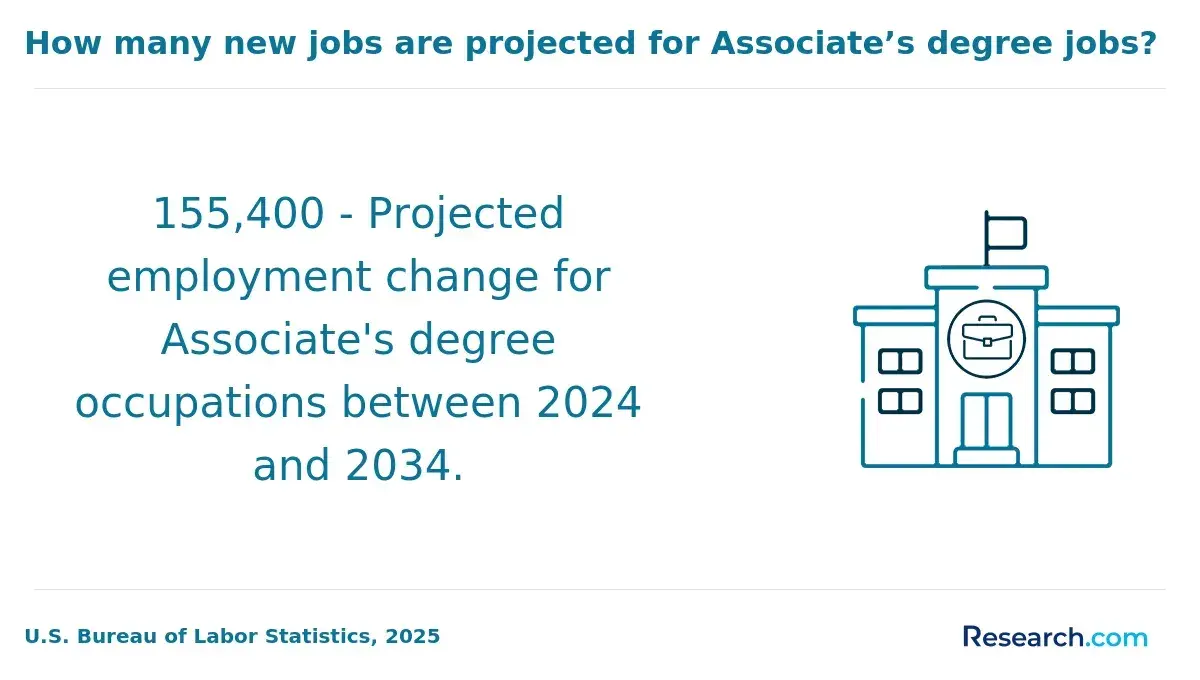
Remote entry-level roles typically demand proficiency with digital communication and foundational certifications like APICS CPIM or HACCP, which address employer expectations for practical knowledge. For example, a Food Quality Analyst working remotely may still need onsite sampling experience but performs the bulk of data evaluation at a distance. According to a 2024 survey analyzing job board listings, remote or hybrid positions for entry-level Food Industry Management roles increased by 32%, underscoring a structural shift in hiring practices. However, these roles often offer starting salaries 8-12% lower than on-site equivalents, indicating tradeoffs between flexibility and compensation.
Graduates considering remote paths should weigh these dynamics carefully. Hybrid roles can provide exposure to hands-on environments while building digital management skills valuable in fully remote contexts. This balanced approach supports sustainable career development beyond initial entry points often found in purely remote positions. Those exploring options might also investigate related fields, including obtaining credentials in a cheap online engineering degree program, which can complement Food Industry Management expertise in supply chain and production technology.
What is the average salary of Food Industry Management graduates who are working remotely?
The average remote salary for Food Industry Management graduates at entry-level typically falls between $48,000 and $58,000 annually. These figures mainly represent hybrid roles since fully remote positions are scarce due to the industry's operational demands. Entry-level compensation reflects a balance between remote flexibility and the need for on-site expertise.
Earnings vary notably based on the role's technical requirements or specialized certifications. For instance, remote positions requiring advanced knowledge in production logistics or data analysis often offer salaries closer to the upper range. Conversely, purely administrative or coordination roles may trend toward the lower end, mirroring employer caution in compensating fully remote workers without direct supervision.
When compared to similar fields like hospitality management or supply chain coordination, Food Industry Management salaries remain competitive but generally align with entry-level remote pay scales of $45,000 to $55,000. Approximately 22% of new professionals occupy partly or fully remote roles, a modest increase linked to tech integration in logistics, yet median salaries here still hover near $52,000, highlighting cautious wage growth despite evolving work setups.
Graduates aiming for remote careers should weigh these average salary trends against opportunities to build essential hands-on skills. Those exploring flexible study options might consider specialized or accelerated business programs for relevant credentials, such as the accelerated business programs, to improve remote employability and compensation potential.
Do remote Food Industry Management jobs pay the same as on-site roles?
Remote Food Industry Management jobs typically pay 7-12% less than on-site roles, driven by employer policies linking wages to an employee's location rather than standard national rates. This pay gap often challenges graduates seeking flexible work without sacrificing income.
Compensation varies notably with geographic region. Employers use localization pay models, meaning a remote worker in a lower-cost area may earn less than a peer on-site in a high-cost city despite equal responsibilities. This structural approach affects total compensation beyond just base salary.
Some organizations attempt to balance costs by reducing travel stipends and increasing home-office allowances. Nevertheless, a 2024 workforce study found 63% of companies applying localization do not equalize wages fully for remote roles, highlighting an ongoing disparity in pay equity.
For graduates, the practical implication is a trade-off between flexibility and potential salary reduction. Evaluating remote offers requires careful consideration of employer pay policies and location-based pay adjustments to understand real earning potential over time.
What benefits do remote Food Industry Management employees receive?
Remote Food Industry Management roles supply benefit packages that balance flexibility with essential support to offset physical absence from traditional workplaces. For example, a manager in a decentralized food service company might utilize a monthly home office stipend to create an ergonomic setup, increasing work efficiency without commuting delays. According to recent industry surveys, 68% of decentralized food firms provide allowances for remote work infrastructure, underscoring the importance of maintaining productivity off-site. Below are key benefits designed to sustain remote employee engagement and professional stability.
- Paid Time Off and Personal Days: Remote positions often come with PTO that matches or slightly exceeds on-site roles. Additional personal days help employees manage work-life balance challenges tied to remote settings, such as caregiving or unexpected home disruptions.
- Healthcare Coverage: Medical, dental, and vision insurance in remote packages generally align with on-site offerings but may vary based on company scale and location. This ensures access to essential health services despite geographic separation.
- Home Office and Internet Stipends: Monthly allowances for office equipment and internet costs reflect a critical investment in connectivity and ergonomic support, directly influencing daily productivity for remote employees.
- Professional Certification and Training Support: Many employers fund ongoing education to keep remote staff skilled amid rapid industry changes. This perk addresses skill maintenance without the networking opportunities an in-person environment might provide.
- Retirement Savings Plans: Retirement options remain standard, though limited in-person engagement can reduce participation rates and access to advisory services, challenging long-term financial planning for remote workers.
A Food Industry Management professional shared that while the home office stipend alleviated the upfront cost of setting up a functional workspace, the lack of informal mentorship and networking sometimes felt isolating. They noted, "The benefits cover essentials but require me to proactively seek out training and advice remotely, which can feel urgent when trying to stay competitive." This experience highlights how benefit structures support core needs but demand individual initiative to fully leverage career development opportunities in remote roles.
Where can Food Industry Management graduates look for remote jobs?
Remote job hunting for Food Industry Management graduates demands an approach that balances broad access with industry-specific focus. While generalist sites offer volume, they often produce an overwhelming number of unrelated listings. For example, a graduate searching for entry-level roles in food safety consulting may find Indeed flooded with irrelevant postings, whereas a targeted search on niche platforms can yield higher-quality matches faster. Leveraging a blend of professional networks, specialized job boards, and recruitment agencies improves both efficiency and outcome. Below are key online channels uniquely suited to this sector that offer practical routes to bona fide remote opportunities.
- Indeed and Glassdoor:These generalist platforms operate extensive job databases allowing filtered searches to isolate remote positions related to food industry supply chain and vendor management roles. Their widespread use by employers makes them a starting point despite occasional signal-to-noise issues, useful for gaining broad market visibility.
- Good Food Jobs and Poached Jobs:These niche job boards concentrate exclusively on food service and production employment, streamlining the application process to roles requiring sector-specific expertise. They connect candidates directly to companies prioritizing flexible work arrangements through highly relevant filters and curated listings.
- Professional Networks like IFT and FMI:Membership-based communities offer member-only forums where exclusive remote projects and internships appear before public posting. This early-access model rewards proactive networking and delivers targeted opportunities often absent from open job boards.
- LinkedIn Remote Job Postings:As remote postings on LinkedIn for entry-level candidates have grown 37.8% recently according to industry data, it reflects employer reliance on this platform's algorithmic match and robust recruiter tools, enhancing credibility and access efficiency for job seekers.
- Recruitment Agencies Specialized in Food and Beverage:These agencies utilize proprietary portals and host virtual hiring events focusing on flexible roles. Their targeted vetting process helps reduce applicant competition by funneling qualified candidates to companies with genuine remote hiring intentions.
What do Food Industry Management employers look for in candidates?
Remote Food Industry Management employers emphasize practical expertise combined with technological agility to navigate decentralized operations effectively. Consider a procurement manager who must leverage supply chain software from a home office to forecast demand and adjust orders promptly. To meet these evolving demands, hiring managers prioritize specific qualifications that signal readiness for remote coordination and data-driven decision-making. The key skills include:
- Supply Chain Software Proficiency: Mastery of platforms like SAP and Oracle NetSuite is essential for tracking inventory and optimizing procurement remotely. Demonstrated competence with these tools ensures operational fluidity without onsite supervision.
- Food Safety Certifications: Credentials such as HACCP and ServSafe remain foundational, confirming candidates' adherence to regulatory standards and risk management practices irrespective of physical location.
- Advanced Data Analytics Skills: Expertise in Excel and business intelligence tools like Tableau or Power BI enables analysis of complex datasets to generate actionable insights. This analytical acumen is crucial to solving problems and supporting decisions in dispersed teams.
- Remote Collaboration Tools Familiarity: Experience with Slack, Microsoft Teams, or cloud project management software is vital for maintaining communication flow and team cohesion across distances.
- Digital Literacy and Situational Judgment: Employers increasingly assess candidates' ability to manage real-world food industry challenges via virtual simulations and portfolio case studies, ensuring practical impact in distributed environments.
Recruiters note that digital operational expertise is now rated as "critical" by 72% of employers in this sector, a significant indicator of remote work skills valued by Food Industry Management employers. Graduates with hybrid technical and practical competencies position themselves well for longevity in remote roles. For learners exploring flexible pathways to boost these qualifications, reviewing the recommended degrees for work from home jobs can provide strategic guidance on accelerated program options.
How can Food Industry Management graduates prepare for remote roles?
Food Industry Management graduates entering remote roles must align their technical skills and remote work practices with specific job demands. For example, a graduate performing virtual supply chain audits for a food distributor needs advanced digital tools mastery and disciplined remote work habits. Preparation pathways should focus on building digital competencies and relevant project experience. The following strategies help graduates adapt to the remote-work environment effectively:
- Advanced Digital Skills Development: Gain proficiency in supply chain software, data analytics tools, and collaboration platforms like Slack or Microsoft Teams. Completing targeted certifications or bootcamps on remote project management or digital supply chain technologies provides actionable skills that employers seek in off-site candidates.
- Reliable Remote-Work Infrastructure: Establish a toolkit with high-speed internet, dependable hardware, and experience with cloud-based applications. This setup ensures consistent productivity and enhances credibility when managing remote tasks with minimal supervision.
- Project Portfolio Creation: Develop a portfolio featuring independent virtual projects such as digital inventory tracking simulations or data-driven market analyses. This demonstrates practical remote readiness and initiative, which many employers weigh alongside formal education.
- Interdisciplinary Training Integration: Combine Food Industry Management knowledge with IT and data fluency through interdisciplinary courses or workshops. This multidisciplinary approach meets growing employer demands for adaptable, tech-savvy professionals capable of managing complex food systems remotely.
- Remote-Readiness Program Participation: Engage in structured upskilling programs focused on remote work skills. Studies show graduates who complete such training report a 35% higher hireability rate, indicating the tangible impact of formal preparation on employment prospects.
Food Industry Management graduates preparing for remote roles can benefit from targeting specific skill sets and understanding the flexible work environment in their field. Integrating practical training with remote collaboration tools enhances job readiness, while learning about industry-specific digital platforms boosts hiring prospects in a competitive market. For those interested in expanding digital and flexible learning skills, an online MFA degree offers a model of comprehensive remote education that mirrors this integration of theory and applied digital competency.
How can Food Industry Management graduates if remote roles are a good fit for them?
Determining if remote roles suit Food Industry Management graduates requires evaluating personal work style, role responsibilities, and industry demands. For example, a graduate handling vendor relations remotely must manage communication across time zones and monitor supplier performance without in-person supervision. Assessing these dynamics helps identify fit and future performance potential. The following criteria assist graduates in making informed decisions about remote work compatibility in Food Industry Management.
- Self-Discipline and Time Management:Remote roles demand strong self-motivation to handle tasks independently without direct supervision. Graduates should honestly assess their ability to prioritize and complete work on schedule in unstructured environments, as lapses can undermine operational continuity in supply chain or marketing functions.
- Role Suitability for Remote Execution:Consider if job duties, such as procurement analysis or marketing strategy, can be effectively managed off-site. Positions involving on-site quality assurance or inventory control may limit remote flexibility and require hybrid or in-person presence.
- Technology Access and Digital Fluency:Ensuring access to reliable hardware, software, and stable internet is non-negotiable. Proficiency with digital tools for communication and data management is crucial since managing operational dashboards and supplier data remotely demands technical competence.
- Communication Proficiency:Remote collaboration relies heavily on clear, proactive communication across virtual platforms. Graduates must evaluate their confidence in maintaining visibility with dispersed teams and handling delays or misunderstandings without face-to-face cues.
- Tolerance for Social Isolation:Remote work often involves slower relationship-building and fewer informal interactions. Graduates should consider their comfort with limited in-person networking, as sustaining motivation and integration into team culture can be challenging.
- Work-Life Balance Expectations:A recent survey found 58% of distributed Food Industry Management employees reported better balance, but only 34% felt fully supported. Graduates should anticipate variability in organizational support and weigh flexibility advantages against potential resource gaps.
- Long-Term Retention Risks:Turnover in remote Food Industry Management roles trends about 12% higher than in traditional settings. Evaluating personal adaptability to less structured environments will help mitigate career disruption risks.
One Food Industry Management graduate in an online program described initially doubting their fit for remote work due to concerns about staying connected with the team. After trial remote collaborations during internships, they realized setting strict daily goals and scheduling regular virtual check-ins helped counter isolation and maintain accountability. That experience, combined with solid tech skills, confirmed remote roles aligned with their working style despite initial hesitation.
References
- Introduction to Food Industry Management https://ncaedu.ng/diploma-programs/diploma-in-food-industry-management-where-management-meets-culinary-artistry/
- 300+ Free Food Industry Training Courses - BiaBiz https://bia-biz.com/300-free-food-industry-trainings/
- Why I chose to study Food Industry Management (FIM) instead of Food Science https://www.uoguelph.ca/oac/news/why-i-chose-study-food-industry-management-fim-instead-food-science
- Food Production Online Courses - EIT Campus https://eit-campus.eu/food-production-online-courses
- Online Restaurant & Culinary Management | Institute of Culinary Education https://www.ice.edu/online-programs/restaurant-culinary-management
- Tuition Info - CIA School of Graduate and Professional Studies https://masters.culinary.edu/tuition-info/
- PART-TIME | INTERLAKE CAMPUS FOOSP-CT Food Services Management https://catalogue.rrc.ca/Programs/GC/Parttime/FOOSP-CT/PrinterFriendly
- Best LMS for Food & Beverage Industry Training Programs https://ekhool.com/industry/lms-for-food-and-beverages
- Certificate in Fundamentals of Food Production Management | DkIT https://www.dkit.ie/courses/certificate-in-fundamentals-of-food-production-management
- Master Innovation and management in the food industry | Junia, engineering school in France https://www.junia.com/en/academics/master-food-science/
Other Things You Should Know About Food Industry Management
Remote positions in Food Industry Management often require strong alignment with a company's communication model and culture, as daily coordination relies heavily on digital tools. Graduates should investigate whether prospective employers use structured asynchronous workflows or expect frequent real-time collaboration, since misalignment can lead to frustration and reduced productivity. Prioritizing opportunities at organizations with transparent communication norms and clear expectations helps mitigate remote work isolation and supports career development in this field.
Remote jobs in this industry tend to either focus narrowly on specific operational tasks or require broader strategic involvement due to reduced on-site supervision. Graduates need to assess whether they prefer roles demanding deep expertise with limited cross-functional exposure or positions where multitasking across supply chain, compliance, and marketing is standard. Choosing based on these tradeoffs affects skill growth trajectories and long-term employability, so prioritizing personal career goals and willingness to manage workload variety is essential.
Remote roles often come with less hands-on training and fewer informal learning opportunities, which can slow professional growth. Graduates should seek employers who provide formal onboarding programs and assign remote mentors to help navigate company procedures and industry nuances. Without these supports, early career remote workers risk delayed competency development and weaker workplace integration, impacting job satisfaction and advancement potential.
Unlike on-site roles, remote positions frequently blur lines between professional duties and personal time, especially in dynamic food industry settings with variable demands. Graduates must realistically evaluate their ability to establish and maintain boundaries to prevent burnout and maintain productivity. Those who cannot compartmentalize work hours or lack a dedicated workspace may find remote roles detrimental to long-term career sustainability, making this a crucial factor in job selection.