2027 Audio & Music Career Outcomes by Degree Level Report: Pay, Employment, and Advancement Patterns

Co-Founder and Chief Data Scientist
Facing a decision about pursuing an audio & music degree often involves navigating unclear career outcomes tied to each degree level. For working professionals or transfer students weighing the cost and time investment, understanding how associate, bachelor's, or graduate degrees influence employment and advancement is critical.
Recent 2024 data from the National Employment Metrics reveals bachelor's degree holders in audio & music experience 15% higher job stability but only marginally better pay growth than associate degree holders, highlighting nuanced tradeoffs between credential level and career mobility. This article analyzes pay, employment rates, and advancement trends by degree level to guide informed educational choices.
Key Things to Know About Audio & Music Career Outcomes by Degree Level
- Associate degrees generally offer faster entry into audio & music technician roles but limit advancement due to narrower skill depth, affecting long-term job stability and pay growth potential.
- Bachelor's degree holders access broader creative and managerial roles; 2024 labor data show 35% higher employment rates in leadership positions, reflecting employer preference for versatile credentials.
- Advanced degrees often delay workforce entry and incur higher costs, with only 12% of professionals holding master's or doctorates, indicating selective return on investment based on niche specialization.
- Key Things to Know About Audio & Music Career Outcomes by Degree Level Key Things to Know About Audio & Music Career Outcomes by Degree Level
- What Career Outcomes Can Students Expect From Each Audio & Music Degree Level? Career Outcomes by Degree
- How Much Do Audio & Music Graduates Earn by Degree Level? Salary by Degree Level
- Which Audio & Music Degree Level Offers the Strongest Employment Prospects? Best Degrees for Employment
- What Entry-Level Jobs Can You Get With a Audio & Music Degree? Entry-Level Career Opportunities
- How Do Audio & Music Degree Levels Affect Career Advancement and Promotion Opportunities? Career Growth by Degree
- Is a Audio & Music Degree Worth It Based on Salary, Employment, and ROI? Salary, ROI, and Value
- How Do Associate, Bachelor's, Master's, and Doctoral Audio & Music Degrees Compare? Comparing Degree Levels
- Which Industries and Employers Hire Audio & Music Graduates by Degree Level? Which Industries and Employers Hire Audio & Music Graduates by Degree Level?
- What Skills, Credentials, and Experience Improve Audio & Music Career Outcomes? What Skills, Credentials, and Experience Improve Audio & Music Career Outcomes?
- Which Audio & Music Degree Level Is Best for Your Career Goals? Choosing the Right Degree
What Career Outcomes Can Students Expect From Each Audio & Music Degree Level?
Career outcomes for students holding various audio & music degrees are shaped significantly by the credential level, which directly impacts access to employment and opportunities for role advancement. For instance, those with associate degrees or certificates typically secure technical or support roles like studio assistants or live sound technicians, where hands-on skills are valued but leadership and creative responsibilities remain limited. The practical consequence for adult learners or working professionals at this stage is a need to plan transfers or pursue additional credentials to move beyond entry-level positions. According to recent IPEDS data, bachelor's degree holders in audio & music see notably enhanced employment rates and are more frequently positioned in roles involving project oversight or client engagement, reflecting employer preferences for a blend of technical expertise and business acumen.
Bachelor's degrees frequently act as a pivotal credential for ascending to specialized positions within sound engineering, music production, or multimedia design, where creative collaboration and technical mastery converge. Meanwhile, master's programs-often incorporating research or internships-are strategically suited for learners targeting advanced niches such as acoustics research or academic roles, supporting both career mobility and higher responsibility levels. However, the extended time and financial investment required for graduate education necessitate careful consideration, especially for military-affiliated students or working adults balancing immediate job demands with long-term goals. For those eyeing highly specialized or faculty positions, doctoral degrees emphasize innovation and scholarly authority but offer fewer direct industry role transitions, reinforcing the importance of thoughtful educational sequencing and credential stacking in managing employment and advancement patterns for audio & music graduates overall.
Institutional and employer expectations within the audio & music labor market underscore the critical role of real-world experience and progressive credential-building, which enable learners to navigate evolving job requirements and regional industry demands effectively. Internships and practical learning opportunities often bridge gaps in formal education levels, facilitating smoother transitions to higher-paying or leadership roles. This adaptive approach aligns closely with findings that emphasize employer preferences tied to the technical complexity of roles and collaborative creativity. Prospective students and current degree completers should also note emerging resources such as online BCBA masters programs for parallel credential advancement, reflecting broader trends in interdisciplinary skills crossing traditional audio & music boundaries.
How Much Do Audio & Music Graduates Earn by Degree Level?
Earnings among audio & music graduates vary considerably by degree level, but the distinctions have more to do with the nature of roles accessible than a simple pay scale ladder. For example, positions requiring a bachelor's degree often combine technical skill with creative or managerial responsibilities, leading to median salaries around $54,000 as reported by the Bureau of Labor Statistics in 2024. In contrast, certificate or associate degree holders generally occupy more narrowly technical or support roles, with wages closer to $35,000. Importantly, the time and expense to progress from a certificate or associate degree to a bachelor's must be weighed against the prospective income increase and career durability, especially considering slower wage growth and higher job instability common in lower-credentialed roles.
Moreover, master's degree holders, though a smaller group in this workforce, gain access to leadership, academic, or production management positions where earnings jump above $68,000. This tier also benefits from lower unemployment rates and faster advancement, but the extra years of study and often specialized course requirements can delay income realization and complicate credit transfer for working adults or military-affiliated learners. Geographic factors and employer demands for advanced software proficiency or music production expertise often further favor those with comprehensive bachelor's or graduate-level training. Students pondering further education beyond an associate degree must therefore carefully consider both immediate entry opportunities and long-term return on investment in skills and credential elevation.
One recent graduate found that comparing local job postings with published salary data influenced their decision to complete a bachelor's rather than accepting an associate degree and certificate. They noted that while certificates allowed quicker entry into studio assistant roles, employers consistently preferred candidates with bachelor's degrees for even moderately advanced technician positions, citing software knowledge and project oversight as key differentiators. Balancing the cost and time required to finish the bachelor's gave them pause, but conversations with hiring managers and review of turnover rates convinced them the payoff included more stable earnings and clearer promotion paths, validating the additional commitment despite initial frustration over delayed full workforce participation.
Which Audio & Music Degree Level Offers the Strongest Employment Prospects?
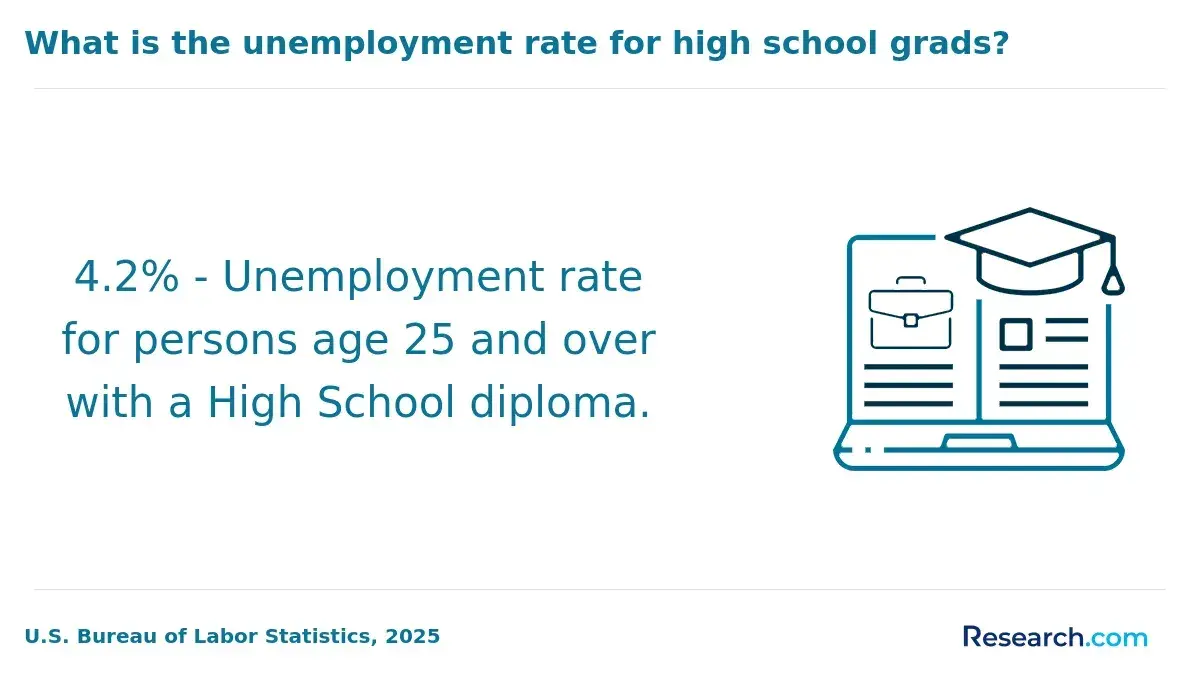
Employers in audio & music fields overwhelmingly prioritize bachelor's degrees when assessing candidates for stable, technically demanding roles, particularly in competitive urban markets where credential inflation is pronounced. Data from the U.S. Bureau of Labor Statistics shows employment rates for bachelor's degree holders are roughly 15% higher than for those with only associate degrees or certificates. This preference stems from four-year programs' comprehensive curricula and embedded internships, which provide deeper theoretical knowledge and practical experience, factors often decisive in interviews and hiring decisions. While certificates or associate degrees may enable quicker workforce entry as live sound technicians or studio assistants, these positions frequently offer limited long-term salary growth and upward mobility, constraining career trajectory without further credentialing.
For individuals weighing whether to enter the workforce early or invest additional years in education, the tradeoff includes balancing immediate employment against longer-term advancement potential. Master's and doctoral qualifications, though less common, unlock access to niche academic roles, senior technical leadership, and specialized sound design positions, but come with a more competitive job market and require a focused career strategy. The College Scorecard data indicates master's graduates earn about 20% more than bachelor's holders on average, suggesting monetary returns for advanced study if aligned with market demand. However, such degrees demand significant time and financial investment and are best suited to those targeting research, teaching, or highly specialized technical domains.
Students and working professionals should consider regional labor conditions and employer expectations carefully-while an associate degree or certificate may suffice for entry-level and hands-on positions, rising credential standards mean that bachelor's degrees increasingly serve as the baseline for sustainable employment and meaningful advancement. Decisions to transfer credits further, pursue graduate studies, or remain in a shorter program should weigh immediate job placement against potential wage premiums and leadership opportunities available with higher credentials. For those prioritizing long-term occupational variety and resilience to industry fluctuations, bachelor's degrees remain the most pragmatic foundation.
What Entry-Level Jobs Can You Get With a Audio & Music Degree?
Entry-level audio and music jobs vary notably with the degree attained, shaping early professional trajectories. Graduates holding an associate degree generally access roles emphasizing basic technical proficiency, such as studio assistants or live event support, which often serve as foundational positions but may limit immediate advancement without substantial hands-on experience. Conversely, bachelor's degree holders are more likely to secure specialized positions in audio post-production or junior producer roles, where employers expect a blend of theoretical knowledge, software fluency, and a robust portfolio developed through internships or freelance projects. According to the U.S. Bureau of Labor Statistics (2024), many entry-level postings still require prior documented experience, highlighting the sector's competitive entry despite the "entry-level" label.
Entry points in audio and music careers demand not only technical skills but also transferable abilities like teamwork and communication, which influence job stability and opportunity for growth. Remote work is limited early on due to the equipment-intensive nature of many roles, though partial telework options gradually appear in editing and production. Students weighing associate versus bachelor's degree pathways should consider how degree level impacts access to roles that build critical skills and credentials needed for future mobility or graduate study. Those exploring flexible educational options might find comparative data useful on programs like the cheapest online business management degree, which illustrates broader trends in balancing cost, credential value, and career foundation across disciplines.
How Do Audio & Music Degree Levels Affect Career Advancement and Promotion Opportunities?
Advancement in audio & music careers frequently depends on holding a bachelor's degree rather than an associate degree or certificate, as employers increasingly require demonstrated theoretical grounding and project coordination skills for supervisory roles. Data from 2024 National Center for Education Statistics and Lightcast reveal that individuals with four-year degrees often secure promotions faster and gain access to leadership training that remains largely unavailable to certificate holders. While entry-level technical positions typically remain accessible to those with shorter credentials, these roles often lack stability and upward mobility, making continued education critical for those seeking managerial or specialized tracks. The reality for many working adults and transfer students is balancing the immediate job readiness of shorter programs against the longer-term potential unlocked by advanced degrees.
The timing of career progression also changes when factoring in prior experience. Those who enter bachelor's programs with associate credits or workplace skills tend to accelerate eligibility for leadership opportunities, as their combined profile aligns better with employer expectations for mid-level management. Specialized certifications and ongoing skill development in areas like digital audio workstations often complement degree attainment but rarely substitute for it in promotion decisions. For adult learners weighing the effort to extend education, the question hinges on whether added credentials enhance internal mobility and supervisory eligibility within their current employer or target sector, where position requirements can be rigid yet vary widely based on organizational size and culture.
One audio & music graduate reflected on their choice between completing a bachelor's degree or relying on several professional certificates accumulated during studio work. Initially cautious about returning to school full-time, they realized after discussing promotion criteria with a senior manager that supervisory roles in their company routinely required a bachelor's credential, not just experience or technical skills. This prompted them to pursue transfer options that counted prior work-related credits, improving their confidence in seeking leadership roles without sacrificing years of on-the-job learning.
Is a Audio & Music Degree Worth It Based on Salary, Employment, and ROI?
Salary outcomes for audio & music degree holders vary significantly by degree level and local demand, challenging a simple assessment of whether such a degree is worth the investment. Entry-level positions accessible with associate degrees or certificates often offer lower pay and less employment stability, requiring students to weigh the opportunity costs of time and tuition against limited advancement potential. Bachelor's degrees typically provide access to more specialized roles such as music directors or sound engineering technicians, with modest wage improvements and a higher likelihood of sustained career mobility, especially in markets like Los Angeles or Nashville where demand clusters more heavily.
Evaluating employment and return on investment for audio & music graduates also requires factoring in variable income streams and the freelance nature of much work in the field. Graduate degrees may open academic or higher-level production opportunities but do not guarantee substantial pay increases proportionate to additional educational costs and extended time to completion. For adult learners, transfer students, or working professionals, balancing part-time study with continuing work can mitigate debt burdens but often delays income growth and complicates financial planning for those assessing long-term career builds.
Ultimately, prospective students should prioritize practical experience, internships, and portfolio development alongside formal credentials, since employer preferences tend to emphasize demonstrable skills over academic qualifications alone. Prospective learners interested in comparative program analysis may also explore the best online schools for construction management to understand different approaches to accelerated learning paths and ROI assessment in related industries.
How Do Associate, Bachelor's, Master's, and Doctoral Audio & Music Degrees Compare?
Choosing between associate, bachelor's, master's, and doctoral degrees in audio & music significantly shapes one's career trajectory, particularly in navigating the balance between rapid workforce entry and long-term advancement. An associate degree often leads to quicker employment in technical support or assistant roles but limits mobility unless supplemented by experience or further education. For example, a sound technician with an associate degree might secure entry-level work swiftly but face barriers moving into supervisory positions without a bachelor's credential or substantial industry connections.
Bachelor's degrees remain the standard for mid-level positions, offering a broader foundation that blends theory and practice, which matches employer preferences for adaptable professionals. According to 2024 reports from the National Center for Education Statistics, about 85% of bachelor's holders find employment in audio & music fields, reflecting smoother career entry and better credit transfer opportunities for graduate studies. Master's programs, by contrast, cater to those targeting leadership roles or specialized expertise in areas like advanced sound design or academia, providing more stability and wage growth despite higher costs and extended study time.
Pursuing a doctoral degree is typically reserved for individuals aiming at academic research or high-level innovation rather than immediate industry demand, given the substantial time investment and narrow job market. In practice, mixing demonstrated portfolio quality with relevant credentials tends to outweigh formal licensing in many creative sectors, although niche fields such as acoustics may still require specialized certification. Prospective students should weigh immediate employability against the potential for leadership and research opportunities when deciding how far to advance their academic credentials in audio & music.
Which Industries and Employers Hire Audio & Music Graduates by Degree Level?
Employers differentiate hiring based on degree level, with associate degree holders in audio & music landing primarily in technically focused roles within local studios, broadcasting, and live events. These positions emphasize hands-on skills like sound editing and equipment operation, suitable for candidates prioritizing immediate employment without extended academic investment. Conversely, bachelor's graduates gain access to mid-to-large companies in film, video games, and multimedia, where technical ability is augmented by project management and creative collaboration. Data from the National Center for Education Statistics shows about 65% of bachelor's-level audio & music graduates work in such environments, highlighting how this degree balances versatility with broader industry entry points.
Graduate-level credentials, including master's and doctoral degrees, align with leadership and research roles in academia, advanced production studios, and tech companies developing innovative audio technologies. These employers expect strong analytical skills and evidence of scholarly or applied research achievements.
Meanwhile, certificate programs serve professionals seeking targeted technical skills for roles in live sound reinforcement or post-production, focusing on practical competence over formal credentials. Students must weigh the tradeoff between immediate employability, often attainable with shorter programs, against the longer-term opportunities in research, management, or specialization that higher degrees enable. Understanding employer emphasis on portfolios, hands-on experience, and credential recognition is critical when evaluating career and educational pathways for audio & music fields.
What Skills, Credentials, and Experience Improve Audio & Music Career Outcomes?
Employers in the audio and music fields prioritize candidates who combine strong technical skills with verified industry credentials and practical experience, as these elements distinctly influence employment access and advancement. For example, proficiency in digital audio workstations and sound design software remains a baseline, but earning certifications such as Audio Engineering Society credentials or Pro Tools certification often serves as a differentiator at the associate or bachelor's degree level. This credential value, when combined with applied learning like internships, bridges the gap between academic knowledge and workforce demands, enhancing readiness for both entry-level roles and promotion opportunities.
More than 60% of hiring managers in audio-related jobs emphasize transferable soft skills alongside technical abilities, making experiential learning through apprenticeships or relevant projects critical. Leadership experience and portfolio depth further affect career mobility by demonstrating project management and diverse production capabilities. Adult learners, military-affiliated students, and working professionals evaluate these factors differently, balancing the practical benefits of credential stacks with the tailored knowledge that higher degrees or licensure preparation can provide in specialized areas. To optimize outcomes, students should weigh these trade-offs carefully, integrating relevant industry credentials and applied experience aligned with their degree level and goals.
Prospective students must also consider how credential combinations impact long-term flexibility, as shorter pathways with concentrated experiential components often lead to faster employment but may limit niche licensure options. In audio and music, this nuanced balance shapes both initial pay and promotion potential. Learners benefit from deliberate credential planning that factors in prior credits and real-world exposure, similar to comparative strategies found in related fields such as the asha accredited online SLP master's programs, where program rigor and practical requirements intersect.
Which Audio & Music Degree Level Is Best for Your Career Goals?
Employers in the audio and music industries often differentiate hiring and advancement opportunities based on degree level, making the choice of credential crucial for aligning education with career goals. An associate degree may suit those seeking rapid workforce entry into technical or support roles, but these paths can limit upward mobility without further credentials or experience. In contrast, bachelor's degrees enhance eligibility for broader positions-including production and sound design-and correlate with higher initial employment rates; National Center for Education Statistics data indicates approximately 82% of such graduates secure jobs within six months, outperforming associate degree holders. Students balancing work, transfer-credit strategies, or part-time study should weigh the practical value of bachelor's credentials against opportunity costs and program duration when planning their education in audio & music degree career outcomes by level.
Graduate degrees serve specialized needs, particularly for leadership, academic, or research roles, but incur notably higher costs and debt burdens. A U.S. Department of Education report highlights that graduate students have a 25% greater chance of advancement within five years but often face 30% higher debt than undergraduates. These tradeoffs affect long-term financial flexibility and may not suit every working professional. Prospective students should also consider programs emphasizing field experience and transfer options, as hands-on involvement strongly predicts placement success. For those exploring alternative pathways, including online formats, a master's in instructional design offers a model of cost-effective graduate study relevant to some interdisciplinary audio and music specializations.
References
- Music Career Opportunities: 25+ Career Opportunities in the Music Industry | C&S Music https://candsmusic.com/music-career-opportunities/
- Music https://www.careerpilot.org.uk/job-sectors/subject/music
- Music Majors: Salary Info & Career Options - Grad Degree https://graddegree.com/majors/visual-and-performing-arts/music/
- Job Placement - Recording Connection https://recordingconnection.com/job-placement/
- How to Choose the Right Music Program for Your Career Goals https://www.mi.edu/in-the-know/choose-right-music-program-career-goals-2/
- What Can I Do with a Music Degree? Transferable Skills & Career Paths https://waterbear.org.uk/blog/what-can-i-do-with-a-music-degree-transferable-skills-career-paths/
- 10 Types of Music Degrees - Inside Music Schools https://insidemusicschools.com/blog/the-10-different-types-of-music-degrees/
- Careers You Can Pursue With a Music Production & Audio Engineering Degree https://www.pointblankmusicschool.com/blog/careers-you-can-pursue-with-a-music-production-and-audio-engineering-degree/
- What kind of career and salary can I expect with my online Bachelor's degree in Music? https://www.onlineschoolscenter.com/career-salary-online-bachelors-degree-music/
- Earning a Degree in Music https://musiciandevelopment.com/2017/04/24/earning-a-degree-in-music/
Other Things You Should Know About Audio & Music
Employers in audio & music fields often prioritize hands-on skills and relevant experience over purely academic credentials. Degree programs that integrate internships, studio time, and real-world projects tend to provide a clearer advantage in employability than those focused mainly on theory. Prospective students should therefore prioritize programs with strong industry connections and opportunities for practical learning to align more closely with employer expectations and increase job readiness.
For most audio & music roles, the added time and cost of a master's or doctoral program do not translate into immediate career acceleration or higher starting pay. If rapid entry into the workforce is a priority, a bachelor's degree paired with portfolio development and industry networking is generally more efficient. Advanced degrees may be more appropriate for roles centered on research, academia, or highly specialized technical expertise, rather than for gaining early industry placement.
Associate degrees in audio & music usually require less time and financial investment but often deliver narrower technical training, limiting flexibility for career shifts. Conversely, bachelor's programs often combine technical skills with broader creative and business knowledge, providing greater versatility but demanding a longer, more intensive commitment. Graduate programs are typically more specialized and research-oriented, which can restrict immediate job options but enhance prospects in niche areas. Students should evaluate how each program's structure aligns with their preferred pace of study and career adaptability.
While theoretical knowledge deepens understanding, audio & music employers typically expect graduates to demonstrate tangible audio production and sound design skills. Programs steeped primarily in theory without sufficient applied components risk leaving students underprepared for industry demands. Unless you aim for an academic or highly technical research role, prioritizing programs that balance theory with substantial hands-on training will better support smoother transitions into professional environments.