2027 Audio & Music Degree Completion Time Report: How Long Students Actually Take to Graduate

Co-Founder and Chief Data Scientist
Completion timelines for audio & music degrees often diverge sharply from official program lengths due to real-world demands. Many students balance creative projects, internships, or part-time work that extend their studies beyond traditional expectations. According to the National Center for Education Statistics (2024), only about 40% of bachelor's degree seekers graduate within four years, highlighting how varied progression paths can be.
Transfer credits, course availability, and evolving technology requirements in audio and music fields further complicate timelines. This article examines how these practical factors shape actual degree completion times, offering insight into the patterns prospective students should consider when planning their education.
Key Things to Know About Audio & Music Degree Completion Time
- Most students take longer than the advertised program length. Only about 45% of first-time, full-time bachelor's students graduate within four years, while roughly 64% finish within six years, making the actual completion time longer for many learners.
- The average college graduate is often older than expected. The median age of bachelor's degree recipients is around 23 years, while master's degree recipients are typically in their early 30s, reflecting the growing number of adult and returning students.
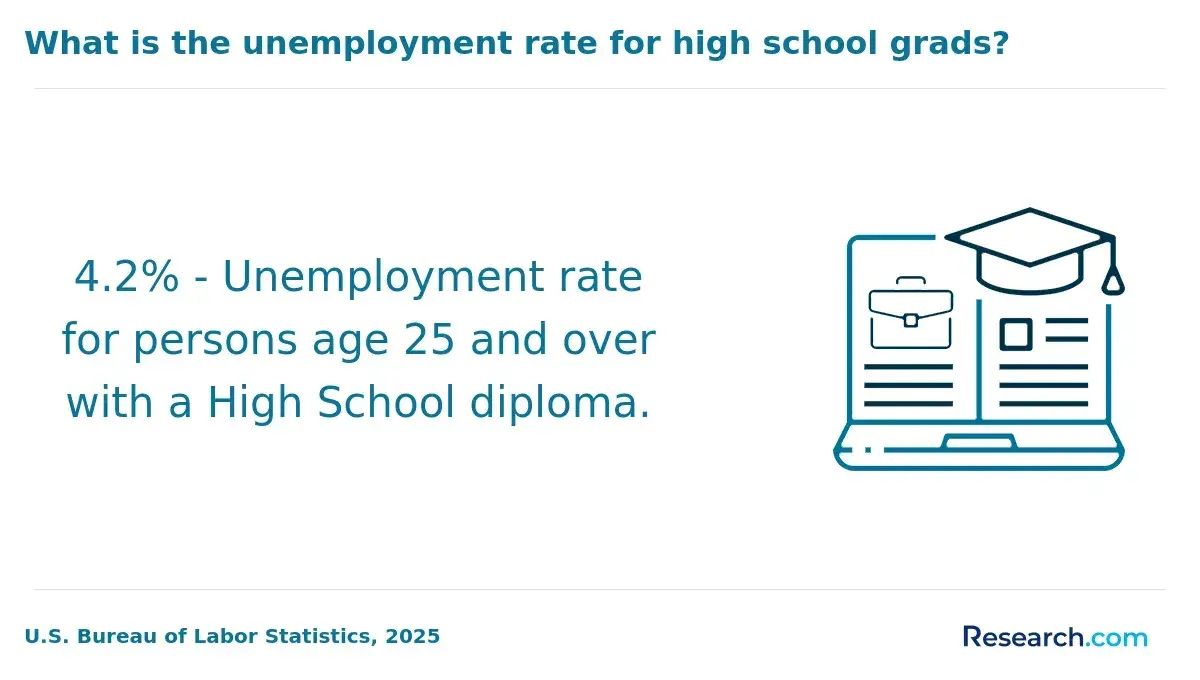
- Completing a degree can significantly increase lifetime earnings. Workers with a bachelor's degree earn roughly 65% more per week than those with only a high school diploma, and graduate degree holders typically earn even higher median wages over their careers.
- What Is the Average Graduation Time for Audio & Music Students? Average Graduation Timeline
- What Factors Have the Biggest Impact on Graduation Speed? Graduation Timeline Factors
- How Does Full-Time Versus Part-Time Enrollment Affect Graduation Timelines? Full-Time vs. Part-Time Graduation Timeline
- Do Online Audio & Music Students Graduate Faster Than Campus-Based Students? Online vs. On-Campus Graduation Timeline
- How Many Months or Years Can Transfer Credits Save? Transfer Credits
- Do Accelerated Audio & Music Programs Significantly Reduce Completion Time? Accelerated Program Timeline
- Which Audio & Music Program Requirements Most Often Extend Graduation Timelines? Factors Extending Graduation Timeline
- Does Taking Longer to Graduate Increase the Cost of a Audio & Music Degree? Impact on Program Cost
- Does Graduating Faster Improve Career Prospects? Impact on Career Prospects
- Which Scheduling Mistakes Commonly Delay Graduation? Mistakes to Avoid
What Is the Average Graduation Time for Audio & Music Students?
Completion times for audio & music degree programs typically center around the traditional four-year bachelor's timeline, but many students require additional time. Part-time enrollment is common, especially among those balancing employment, internships, or family duties, extending the typical duration closer to five or six years. According to the National Center for Education Statistics (NCES) data updated in 2024, most audio & music students finish within a four to six-year window, reflecting varied pacing based on individual circumstances. This typical degree completion timeline for audio and music programs underscores that while the four-year plan is a benchmark, it is by no means the universal standard.
Several factors explain the variation in graduation time. Credit load and program structure critically shape student progression; audio & music degrees often include intensive hands-on studio or performance hours that demand extended effort, especially for those developing advanced production skills or pursuing minors and certifications concurrently.
Transfer students frequently face delays caused by non-transferable credits, while the format of study-online versus on-campus-also influences pacing due to differing scheduling flexibilities. The interplay of these elements moves beyond simple completion statistics, highlighting real-world tradeoffs inherent in student choices and institutional designs.
The impact of extended timelines reaches beyond academic schedules into financial and career planning. Longer enrollment can enrich portfolios and skill sets valued by employers but may delay workforce entry and increase educational costs. This nuanced balance calls for deliberate academic planning that weighs the benefits of additional training against the potential economic and timing penalties.
Prospective students may explore options like EdD programs for accelerated pathways, understanding that audio & music programs differ in their flexibilities and constraints depending on institutional priorities and industry expectations.
What Factors Have the Biggest Impact on Graduation Speed?
Graduation speed in audio & music degree programs is shaped by a complex interplay of factors rather than a single determinant. Academic planning decisions, program structure, and individual student circumstances create variability in completion timelines. Recognizing how these influences interact allows students to strategically approach course loads, enrollment status, and program formats, ultimately affecting how soon they graduate.
- Enrollment Intensity: Whether students enroll full-time or part-time is among the most decisive factors in graduation speed. Full-time enrollees typically progress through the program faster, completing most requirements within four to five years, while part-time students, balancing jobs or family, frequently extend their studies. Data from the National Center for Education Statistics indicates that about 62% of full-time undergraduates in arts-related programs finish within six years, compared to only 38% of part-time students, underscoring the impact of enrollment status on audio & music degree completion.
- Transfer Credits and Prior Coursework: Students who enter with transferable credits from community colleges or previous institutions can shorten time to degree completion if those credits are accepted. However, inconsistent evaluation processes across schools cause variability; some programs integrate transfers seamlessly, accelerating progress, while others restrict credit acceptance, effectively prolonging degree timelines due to redundant coursework.
- Program Structure and Curriculum Flexibility: Degrees that offer flexible sequencing-such as online, evening, accelerated, or modular courses-enable students to tailor schedules around personal constraints, facilitating faster completion. Conversely, rigid curricula with fixed course sequences, mandatory capstones, internships, or ensemble participation often impose additional semesters, especially in programs emphasizing practical studio experience and complex project requirements.
- External Obligations and Financial Constraints: Many audio & music students juggle employment alongside studies, which typically necessitates reducing their semester course load and extends academic duration. Financial aid availability and support services like tutoring or counseling mitigate delays but vary widely among institutions, directly influencing whether students maintain steady progress or face interruption.
- Academic Preparedness and Motivation: Students entering with strong foundational skills and clear career objectives usually navigate degree requirements more efficiently, minimizing setbacks or remedial coursework. In contrast, academic deficiencies or uncertainty about career goals can lead to prolonged trajectories, as students require additional time to attain core competencies and fulfill degree prerequisites.
These variables do not operate in isolation. For example, enrollment intensity often synchronizes with external demands, while program design mediates how credit transfers accelerate progression. A nuanced grasp of these dynamics equips prospective and current audio & music students to set realistic expectations and engage proactively with their academic pathways.
For those exploring related fields or support structures, resources like CACREP accredited online counseling programs provide relevant comparative insights into program flexibility and student support mechanisms.
How Does Full-Time Versus Part-Time Enrollment Affect Graduation Timelines?
Graduation timelines for audio & music degrees vary significantly between full-time and part-time enrollment, with full-time students typically finishing within the traditional four-year period. This accelerated pace results from a heavier course load each term, which allows continuous progress through both theory and practical components integral to audio & music programs.
Conversely, part-time students, often balancing external obligations, generally require six years or more to complete their degrees. Data from the National Center for Education Statistics in 2024 confirms this disparity, showing that full-time enrollment consistently correlates with faster degree completion in creative and technical disciplines like audio & music.
The length of degree programs is shaped by several intertwined factors. Credit load per semester directly influences progression speed, but course sequencing in specialized audio & music tracks can be restrictive-key classes and studio labs may only be offered during certain terms, limiting flexibility, especially for part-time students. Program delivery models that incorporate synchronous, hands-on experiences further constrain scheduling, demanding consistent in-person attendance.
External responsibilities such as employment and family care often compel part-time learners to spread coursework over more semesters, which while aiding work-life balance, slows academic momentum due to fewer courses taken each term and potential gaps between sequence-dependent classes.
Enrollment choices impact more than just time to degree; they affect financial planning, academic intensity, and workforce entry timing. Full-time students face greater immediate financial commitments but can leverage faster graduation to enter the industry earlier, benefiting from employer preferences for timely degree completion as an indicator of discipline and readiness. Part-time pathways, while extending academic timelines, offer crucial financial and personal stability for nontraditional students but may delay exposure to full-time job markets and internships essential in audio & music fields.
These tradeoffs underscore the importance of aligning enrollment status with individual circumstances and career goals within the complex dynamics of audio & music education.
Do Online Audio & Music Students Graduate Faster Than Campus-Based Students?
The common assumption that online audio & music students consistently graduate faster than their campus-based counterparts is nuanced and does not hold universally. Recent findings from the National Center for Education Statistics show that about 55% of students in fully online audio & music degree programs complete their studies within six years, slightly ahead of the 50% completion rate for traditional campus students.
Yet, completion times vary widely depending on individual program structure and student circumstances rather than modality alone. Rather than a simple speed advantage, accelerated completion often hinges on how programs leverage online flexibility and how students manage competing demands.
Graduation speed in both online and campus formats is shaped by factors such as scheduling flexibility, course pacing, and student engagement with the curriculum. Online programs often provide asynchronous classes and offer accelerated terms or prior learning credits, enabling self-directed learners-particularly working adults and transfer students-to progress more rapidly.
Conversely, on-campus students may encounter longer timeframes due to fixed class schedules, commuting, or required in-person internships. Part-time enrollment patterns and the balance between academic, professional, and personal responsibilities also strongly influence how quickly degrees are completed across both delivery models.
Choosing between online and campus modalities influences how students navigate workload intensity and time management demands, which directly affect their entry into the workforce. While online pathways can condense academic timelines if well-structured and supported, they require high self-motivation and discipline. Campus settings may offer more structured support but often come with longer total time-to-degree because of logistical constraints.
Understanding these dynamics helps prospective audio & music students weigh the tradeoffs between flexibility, support, and program pacing when aiming for timely graduation.
How Many Months or Years Can Transfer Credits Save?
Transfer credits can substantially reduce the overall duration required to complete an audio & music degree, with time saved ranging from several months to more than a year depending on the volume and applicability of credits accepted. Studies from the National Center for Education Statistics and analyses conducted in 2024 show that students transferring around 30 credits-roughly one full academic year-can shorten their degree completion timeline by approximately 12 to 18 months.
However, these savings are not uniform across all students due to the complex interplay between prior coursework relevance, institutional credit policies, and degree requirements. The impact of transfer credits on audio & music degree completion time varies significantly based on how well previous courses align with the new program's curriculum and whether foundational or specialized credits are eligible for transfer.
Several critical factors shape the actual months saved with transfer credits in audio & music programs. Accreditation compatibility between institutions determines baseline credit acceptance, while course equivalency evaluations ensure that transferred classes meet specific program learning outcomes. Many audio & music programs impose residency requirements that mandate a minimum number of credits completed in-house, limiting how much external coursework can accelerate graduation.
Additionally, institutional policies often set maximum transferable credit caps, so even extensive prior study may face diminishing returns in time reduction. For instance, practical or performance-based courses frequently require in-person components that do not transfer easily, restricting the accelerated progression gained from transfer credits.
Beyond the immediate time savings, transfer credits influence academic planning and financial considerations, as students must navigate sequencing to fulfill both general education and essential hands-on training components. Effective use of transfer credits can lower tuition costs and reduce exposure to additional semesters, but they also demand careful alignment to avoid gaps in critical skills employers expect in the music industry.
Students considering transfer should weigh these nuances when evaluating programs, alongside other educational pathways, such as a real estate degree online, to optimize both time-to-degree and preparedness for workforce entry.
Do Accelerated Audio & Music Programs Significantly Reduce Completion Time?
Accelerated audio & music degree programs aim to reduce the traditional four-year completion timeline by increasing course loads per term or offering continuous year-round enrollment. These programs compress the study schedule to accelerate progression, often targeting a 20-30% reduction in time to graduation. However, this design typically involves more intensive pacing rather than fewer credit requirements, forcing students to adapt to denser workloads and tighter course sequencing. The intention is to shorten the duration without compromising program content, but the practical results depend heavily on how individual institutions organize their curricula and manage prerequisite structures.
Whether accelerated formats truly shorten completion times hinges on critical factors like the number of credits per term, the feasibility of condensing internships or capstone projects, and how prerequisite courses are scheduled. Many programs maintain traditional requirements for experiential learning and portfolio development, which can be difficult to expedite. Students often face intensified semesters where multiple demanding courses run simultaneously, requiring heightened time management and resilience. Delays can still occur when course availability or sequencing forces students to stretch beyond the intended timeline, negating some benefits of acceleration.
The trade-offs involved include heavier workloads that may impact learning depth and scheduling flexibility, particularly for working adults or transfer students balancing external commitments. Accelerated pacing can limit opportunities for broader exploration or in-depth skill mastery that slower paths allow. While some full-time students adapt quickly and enjoy a shortened path, others may experience burnout or sacrifice experiential opportunities crucial for career readiness.
Consequently, accelerated degrees are not universally faster in practice and require weighing intensity against educational quality and professional preparedness.
Which Audio & Music Program Requirements Most Often Extend Graduation Timelines?
Graduation timelines in audio & music degree programs are frequently prolonged not merely by overall credit requirements but by specific embedded curricular components that govern pacing and progression. These mandates aim to ensure graduates possess industry-relevant skills and comprehensive portfolios, yet they create structural scheduling constraints.
The intersection of experiential learning, rigorous sequential coursework, and institutional policies often produces bottlenecks that extend time to degree beyond initial estimates.
- Internship and Cooperative Education Placements: Programs typically require multiple semesters of supervised work experience to cultivate practical skills. While essential for employability, the need to secure and complete quality placements can delay progression, especially when availability varies by semester or depends on competitive application processes.
- Portfolio or Capstone Projects: Culminating large-scale creative or technical projects demonstrate mastery but often span several terms. Coordinating these projects alongside ongoing coursework and external commitments can slow completion, as iterations and faculty reviews demand sustained effort and time.
- Advanced Music Theory and Technical Coursework: These challenging classes have significant learning curves, leading some students to repeat courses or take prerequisite classes, thereby lengthening degree timelines. This reflects the increasing complexity of digital audio tools and theoretical frameworks essential for professional readiness.
- Transfer Credit Limitations and Residency Requirements: Many institutions restrict the number of credits transferable from other schools, mandating additional semesters on campus. For transfer students aiming to combine technical training with complementary electives, this institutional policy can substantially increase time to degree.
According to a 2024 labor market analysis by Lightcast, nearly 40% of employers in the audio and music sectors prioritize candidates with substantial hands-on experience, explaining the emphasis on internships and practical projects despite their scheduling challenges. Understanding these factors helps prospective students and advisors anticipate realistic completion timelines, balancing comprehensive preparation with personal circumstances and career aims.
Does Taking Longer to Graduate Increase the Cost of a Audio & Music Degree?
Taking longer to graduate with an audio & music degree typically raises the total tuition and associated expenses, especially in programs charging per semester or credit hour. Many institutions require ongoing fees for access to studios, equipment, or technical resources, which accumulate with extended enrollment. Additionally, students may lose eligibility for certain financial aid packages after a standard timeframe, increasing out-of-pocket costs.
The average financial impact of extended graduation time for audio & music students includes higher tuition, living costs, and delayed earnings, as extended study postpones entry into a competitive workforce where many employers value timely degree completion. This dynamic emphasizes the practical importance of understanding enrollment pacing and tuition structures when planning duration and cost.
However, some degree programs adopt flat-rate tuition or offer employer tuition assistance, which can moderate the cost increase from longer completion timelines. Part-time enrollment pricing also influences overall expense accumulation, as reduced per-term costs may balance out longer durations. Still, course load adjustments and transfer credit policies affect how costs accrue and the feasibility of flexible pacing without financial penalty.
Careful academic planning can optimize these factors, helping students weigh the tradeoffs involved. Prospective students evaluating options might also consult resources like those on the fastest masters degree online to align expectations with program demands and career timing in audio & music fields.
Does Graduating Faster Improve Career Prospects?
Graduating faster from an audio & music degree program can influence the timing of entering the workforce, potentially allowing students to begin job searches and capitalize on market openings earlier. However, employers typically do not assess candidacy based solely on how quickly the degree was completed. Instead, hiring decisions focus on the demonstrated quality of skills, practical experience, and the candidate's ability to meet evolving technical requirements. The audio & music degree graduation time and career impact hinges less on velocity and more on how that timeline aligns with an individual's professional preparedness and readiness to contribute.
The benefits of faster degree completion in audio & music depend heavily on internship exposure, the strength of a portfolio, networking achievements, and mastery of relevant competencies. These elements send crucial signals to employers about a candidate's hands-on capabilities and industry engagement. Without substantive real-world projects or industry connections developed during the academic term, a shorter graduation timeline may not enhance hiring competitiveness. Conversely, students who combine accelerated study with significant experiential learning are better positioned to leverage quicker entry into the labor market.
Ultimately, the trade-off between speed and experiential depth is central to long-term career development. While a faster path can reduce education costs and accelerate initial employment opportunities, it may limit chances for internships and collaboration projects that build professional networks and advanced skills.
Prospective students should carefully evaluate their ability to maintain or improve employability through comprehensive skill development rather than focusing narrowly on finishing early. For those seeking to optimize their educational plan, options like an EdD without dissertation may provide tailored pathways that balance efficiency with depth.
Which Scheduling Mistakes Commonly Delay Graduation?
Delays in graduation within Audio & Music degree programs frequently stem not from academic difficulty but from planning and scheduling errors during enrollment and course selection. These issues impact students across various program levels and delivery formats, undermining steady progress through degree requirements. Understanding how course sequencing, credit loads, and institutional policies interact can help avoid unnecessary extensions in time to degree.
- Inconsistent Course Sequencing: Misalignment of prerequisites disrupts smooth academic progression by forcing students to wait for unavailable courses or repeat content. This is common due to rigid curriculum structures in Audio & Music programs requiring strict order, where missing one course cascades delays down subsequent terms.
- Uneven Semester Loads: Overloading or underloading semesters-often resulting from balancing work and life commitments-can cause burnout or inability to secure essential courses during high-demand periods. This imbalance extends time to graduation as credit requirements remain unmet within the planned timeframe.
- Part-Time Enrollment Without Strategic Planning: Many working students reduce their course loads but fail to anticipate the multiplied duration effect, significantly extending program length. Without clear pacing aligned to program milestones, part-time study accumulates prolonged coursework duration.
- Ignoring Nontraditional Terms: Avoiding summer or winter sessions restricts opportunities to complete prerequisites or electives sooner, increasing overall time spent. Many Audio & Music curricula permit credits through these term options, but students often underutilize them.
- Delayed Credit Transfers: Administrative lags in recognizing prior coursework cause duplication or missed progression opportunities. Transfer students are particularly vulnerable when institutions do not promptly assess or accept external credits aligned with Audio & Music degree requirements.
- Elective Misselection: Choosing electives unrelated to degree progress wastes limited enrollment slots and hinders advancement toward graduation. Careful alignment of electives with core and concentration requirements is essential to maintain efficient completion pathways.
According to a 2024 report by the National Center for Education Statistics, nearly 40% of students extending their degree timelines cite improper course sequencing as a primary factor. These structural and enrollment missteps interact with program sequencing rules and credit policies to delay completion and inhibit timely labor market entry.
Other Things You Should Know About Audio & Music
Programs with a stronger emphasis on practical experience-such as studio work, live performances, or production projects-often require more time due to the scheduling and iterative nature of these activities. Students must allocate additional hours outside of class to complete portfolio work or collaborative projects, which can extend the overall timeline. Prioritizing programs with a clear, integrated practical component is advisable for those aiming to enter the workforce quickly with applicable skills, even if it means a longer degree completion time.
Specializations like sound design, music technology, or audio engineering often include distinct capstone projects or internships that add to the coursework load. These requirements can extend graduation timelines if programs don't offer flexibility in sequencing or credit waivers for experience. Students should weigh the tradeoff between depth and duration: selecting a niche specialization may delay graduation, but it can increase employability in targeted roles, which justifies the additional time invested.
The 2027 Audio & Music Degree Completion Time Report indicates that students who balance work and study often take longer to graduate. Effective time management and leveraging resources like academic advisors can help minimize delays while maintaining work commitments.
Internships and co-op placements can lengthen degree completion but often provide vital industry connections and practical experience highly valued by employers. For audio & music students, these opportunities can be decisive for launching a career in competitive job markets. Prioritizing internships within your degree path is recommended, even at the cost of additional terms, as this hands-on exposure typically improves job readiness and long-term earning potential.