2027 Audio & Music Degree Outlook Through 2030: Enrollment, Salary, and Hiring Projections

Co-Founder and Chief Data Scientist
Choosing to pursue or continue an audio & music degree requires balancing multiple uncertain factors. While national enrollment in music programs grew by over 12% between 2020 and 2023, this rise may intensify graduate competition in saturated markets. Simultaneously, hiring projections predict modest job growth concentrated in major metropolitan areas, highlighting significant regional disparities. Salary trends show volatility across industry segments, with technological advancements reshaping credential demands and favoring specialized skills.
Employers increasingly prioritize practical experience alongside formal education, complicating long-term career planning. This article analyzes audio & music enrollment, salary patterns, hiring projections, industry demand, geographic opportunity, and workforce shifts through 2030 to guide informed decisions.
Key Things to Know About the Audio & Music Degree Outlook Through 2030
- Audio & music program enrollments have declined by 12% since 2024, reflecting tighter budgets and shifting student priorities; this signals a potential oversupply of graduates in some regions, pressuring job market competition.
- Employer surveys in 2024 show rising demand for graduates with specialized digital audio skills but widening gaps in traditional live sound expertise, prompting providers and students to prioritize adaptable, tech-focused curricula.
- Automation in audio production reduces entry-level roles, delaying practical experience opportunities and increasing costs for students who must invest in advanced certifications to maintain employability through 2030.
- Key Things to Know About the Audio & Music Degree Outlook Through 2030 Key Things to Know About the Audio & Music Degree Outlook Through 2030
- How is Audio & Music Degree Enrollment Expected to Change Through 2030? Enrollment Trends Through 2030
- How Many Audio & Music Graduates Will Enter the Workforce by 2030? Graduate Workforce Entry Projections
- What Are the Hiring Projections for Audio & Music Graduates Through 2030? Hiring Projections Through 2030
- Which Audio & Music Careers Will Experience the Most Job Growth? Fastest-Growing Career Paths
- What Is the Salary Outlook for Audio & Music Graduates Through 2030? Salary Outlook Through 2030
- Which Industries Will Hire the Most Audio & Music Graduates by 2030? Top Hiring Industries
- Where Will Demand for Audio & Music Graduates Be Strongest? Strongest Geographic Demand
- Which Audio & Music Specializations Will Be Most in Demand by 2030? Which Audio & Music Specializations Will Be Most in Demand by 2030?
- How Will AI and Technology Affect Audio & Music Careers Through 2030? How Will AI and Technology Affect Audio & Music Careers Through 2030?
- Is a Audio & Music Degree Worth Pursuing Based on 2030 Projections? Degree Value Through 2030
How is Audio & Music Degree Enrollment Expected to Change Through 2030?
Enrollment in audio & music degree programs is expected to grow moderately through 2030, influenced heavily by regional demographic trends and program adaptability. Regions experiencing an expanding population of college-age students will likely see a corresponding uptick in enrollment, particularly where institutions offer online and hybrid options that widen access. However, enrollment growth of 3% to 7% projected by the National Center for Education Statistics remains modest compared to STEM fields, signaling that competition for applicant attention will intensify. Programs that fail to evolve with market demands risk stagnation, as students increasingly weigh the practical return on investment, with many opting instead for pathways that clearly connect education to employment outcomes.
These enrollment patterns will directly affect program availability and specialization within audio & music degree offerings by 2030. Increasing demand for skills in immersive audio and game sound design, for example, may lead some institutions to expand niche curricula, while others might reduce class sizes or discontinue underperforming tracks due to limited applicant pools. Prospective students should interpret growth projections cautiously; a moderate increase in graduate supply coupled with shifting employer expectations could create localized oversaturation in traditional music production careers while leaving gaps in emerging technical specialties. For those considering a degree in this field, comparing options like online nursing degrees highlights the critical decision of balancing program costs, modality, and market-aligned skills to maximize long-term employability.
How Many Audio & Music Graduates Will Enter the Workforce by 2030?
The total number of audio & music graduates entering the workforce by 2030 will likely outpace degree completions due to varying employment pathways, further education, and workforce churn. While increasing enrollment trends suggest steady growth in program graduations, not all graduates immediately transition into industry roles. Some choose to pursue advanced degrees, pivot to related fields, or work part-time roles outside their primary career goals. Consequently, the actual influx of entry-level professionals competing for traditional audio roles will be lower than raw graduation numbers suggest, amplifying competition in core markets where employer preferences increasingly favor candidates with substantial practical experience and technological proficiency.
Government labor statistics project about a 6% growth in employment for sound engineers, producers, and related specialists through 2030, which points to a moderately expanding need for skilled professionals beyond degree conferrals alone. Yet, this growth coincides with broader digital media shifts that demand adaptability and continuous skill updates beyond formal education credentials. Many programs have increased online enrollment options and curriculum alignment with industry technology, but this does not guarantee uniform workforce absorption, especially as economic cycles and regional job distributions fluctuate. Students should weigh prospects not only by projected graduate volume but also by the quality of experiential training and network access that influence actual job placements.
A recent audio & music graduate recognizes the tension between rising graduate numbers and finite hiring pipelines. As they approached graduation, they found multiple peers targeting similar entry-level roles in streaming and content studios, prompting strategic decisions about internships and freelance projects to strengthen portfolios. Despite modest growth projections, they remain cautious about market saturation and prioritize specialized skills in emerging audio software to differentiate themselves. Their cautious optimism reflects the nuanced reality that while workforce demand grows, the influx of new graduates and the evolving nature of industry roles require deliberate career navigation and resilience.
What Are the Hiring Projections for Audio & Music Graduates Through 2030?
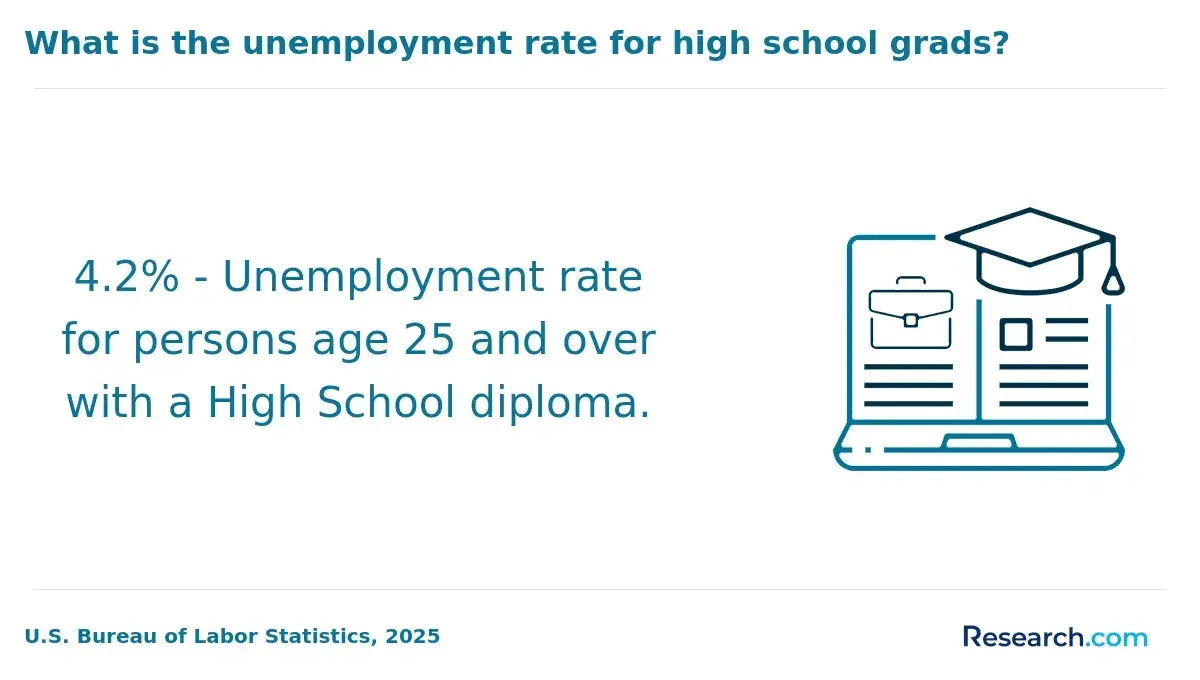
The demand for audio & music graduates through 2030 is moderate but uneven, reflecting steady industry needs tempered by technological disruption and shifting market dynamics. Employment growth in sound engineering and related roles is projected to align with average occupational expansion at about 4%, according to the U.S. Bureau of Labor Statistics. However, this aggregate figure masks significant variation by specialization and region, as opportunities cluster heavily in metropolitan centers like Los Angeles and Nashville, while automation and AI tools reduce entry-level job availability. Graduates focusing narrowly on traditional production roles may face stiffer competition, especially where automation limits routine task demand.
Replacing retiring workers and supporting new media formats drive roughly 12,000 annual openings nationally, per recent labor market analyses, but these openings require more than basic technical skills. Employers increasingly prioritize candidates with diverse portfolios, freelance experience, and the ability to collaborate across multiple disciplines, along with business savvy and adaptability to emerging audio technologies such as immersive VR sound design. For example, a graduate targeting stable positions in corporate media or educational content may find better career resilience than one competing in highly competitive music industry sectors dominated by freelancers and internships. Geographic and economic realities-such as the concentration of roles in specific urban hubs and growing remote work models-further complicate straightforward interpretations of job projections.
Which Audio & Music Careers Will Experience the Most Job Growth?
Job growth projections through 2030 indicate that careers combining technical skills with creative audio production will deliver the strongest opportunities, particularly for those with formal audio & music education. Roles such as sound engineering technicians and audio-visual equipment installers are expected to outpace average occupational growth due to rising demand in streaming services, live events, and multimedia content creation. However, students weighing entry into this field must consider that higher percentage growth in niche occupations may not translate to the largest number of annual openings, and regional hiring trends for audio & music professionals vary significantly, affecting local employment prospects and wage potential.
The surge in roles like music producers, sound designers, and live sound technicians reflects the industry's pivot toward immersive and hybrid event formats, which require ongoing technical upskilling beyond traditional music training. For instance, a prospective student attracted to music production should balance the steady 8-10% growth against the need for hands-on expertise with evolving digital audio tools rather than solely relying on artistic credentials. Conversely, traditional positions such as session musicians or school-based music teachers face slower growth, partly hindered by AI-assisted music production and shifts toward digital learning. These employment trends highlight the importance of selecting educational paths aligned with the dynamic demands of audio & music careers and may prompt some learners to explore a broader range of programs, including online colleges with no application fees to reduce barriers to entry and expand skill acquisition options.
What Is the Salary Outlook for Audio & Music Graduates Through 2030?
Salary projections for audio & music graduates through 2030 must be viewed alongside inflation trends, evolving labor demands, credential expectations, and changes within related occupations. Although the U.S. Bureau of Labor Statistics predicts only modest wage growth around 5% by 2030, this rate largely aligns with inflation, implying limited real increases in pay without differentiation. Graduates' earning potential will heavily depend on specialization, geographic location, and keeping pace with emerging technologies. Below are key factors expected to shape compensation outcomes within the field.
- Market Demand Variability: Demand for audio engineers and music professionals fluctuates across media, gaming, and entertainment sectors, influencing salary opportunities. Areas with growing digital media production tend to offer higher pay, rewarding those who can navigate multiple platforms and formats.
- Specialization Premiums: Expertise in immersive audio, sound design for interactive media, or post-production can command salaries above median wages. Niche skills that are scarce and tied to emerging technologies provide a critical advantage.
- Geographic Location Impact: Compensation widely differs between regions; urban hubs with dense media industries often offer salaries 20-30% above national averages, while smaller markets typically lag behind.
- Freelance Income Fluctuations: Many graduates experience irregular earnings due to contract-based work, necessitating strong self-management and networking to stabilize income over time.
- Technological Proficiency: Proficiency in digital audio workstations and continuous tech upskilling is essential to maintaining relevance and improving pay scales in a rapidly changing environment.
- Experience and Reputation: Mid-career professionals with established portfolios and industry connections can expect salary growth beyond entry-level brackets, particularly by targeting roles in production or sound design.
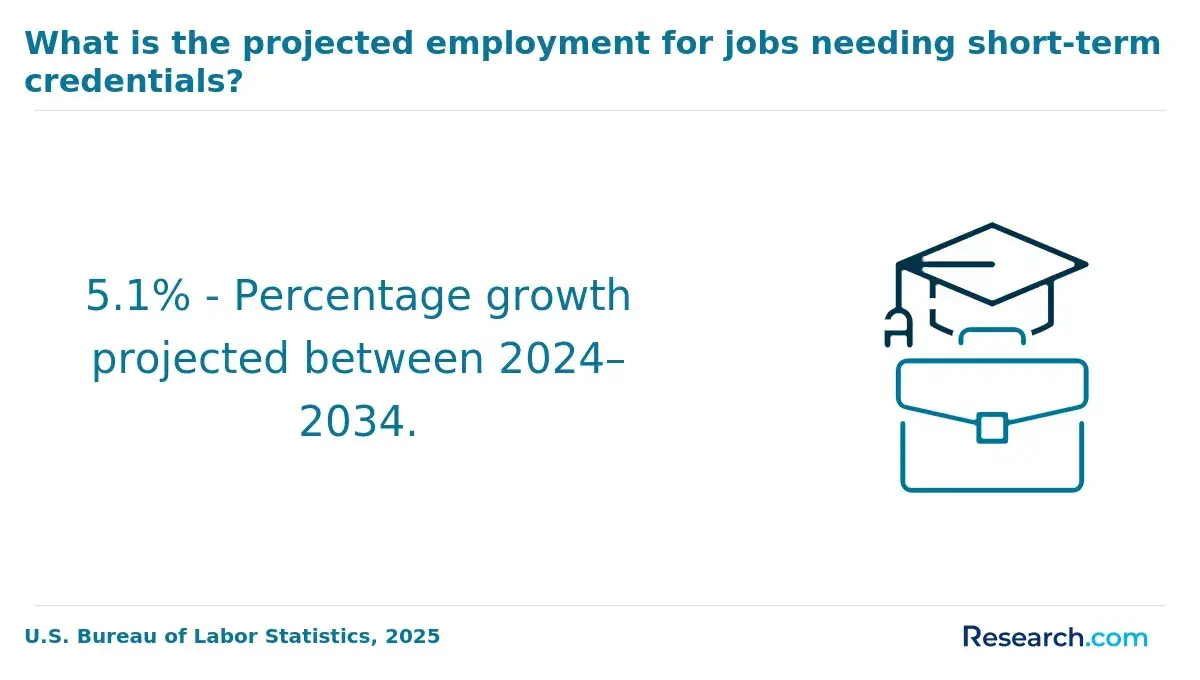
- Credential Expectations: Employers increasingly value practical certifications and demonstrable project experience, which can offset the competitive wage pressures in traditional degree paths.
A recent graduate entering the field accepted an assistant sound engineer role in a mid-sized city after a prolonged job search. Although initial offers were lower than hoped, the candidate pragmatically weighed cost-of-living adjustments against salary and negotiated a modest increase by emphasizing specialized skills acquired through internships. This strategic trade-off accepted smaller, stable wages upfront while planning to build a portfolio conducive to higher-paying opportunities within two to three years, illustrating how salary outlooks can be managed through informed decision-making rather than expectation of rapid wage escalation.
Which Industries Will Hire the Most Audio & Music Graduates by 2030?
Projected hiring trends for audio and music graduates through 2030 reveal shifting workforce demands shaped by technological innovation, evolving consumer habits, and sector-specific growth patterns. Rather than uniform expansion, the most robust opportunities will arise where multimedia integration, live experience enhancement, and digital content proliferation converge. Graduates who combine adaptability with technical skills in digital production, immersive audio application, and content monetization stand to navigate these competitive domains most effectively. The following industries represent the leading sources of hiring volume and offer a practical framework for assessing employability and career trajectories within the audio and music industry hiring trends by 2030.
- Recorded Music Production: This traditional sector continues to employ sound engineers, producers, and composers with steady demand for original music content. Technological democratization intensifies competition, making versatile digital proficiency and rapid adaptation to evolving tools essential for gaining entry-level and advanced roles.
- Live Event Management: Recovery from pandemic-related disruptions is fueling growth in concert touring, festivals, and theatrical audio production. Positions for audio technicians and sound designers are expanding, with an emphasis on mastering sophisticated live sound technologies that improve audience engagement.
- Virtual and Augmented Reality Audio: Rapid adoption of VR/AR platforms creates demand for specialists skilled in spatial audio and interactive soundscapes. Opportunities in gaming, virtual concerts, and metaverse environments favor candidates with cross-disciplinary abilities in audio engineering and software development.
- Broadcasting and Podcasting: Continued podcast audience growth and diversified audio storytelling increase roles for sound editors and producers focusing on high-quality sound delivery and content retention strategies. This sector offers more stable employment, though monetization challenges affect job accessibility.
- Digital Content Creation: The surge in streaming services and immersive media drives hiring for audio professionals who can develop and optimize audio tracks for multiplatform distribution, requiring skills in metadata management and content adaptation.
Given these dynamics, graduates should weigh the relative stability of sectors like broadcasting against the innovation-driven but competitive VR/AR audio design field. Pursuing credentials and experience that align with emerging multimedia platforms enhances long-term employability. For those considering broader allied health fields related to audio technologies, short-term credentialing options like 1 year radiology tech programs online might offer alternative or complementary pathways worth exploring.
Understanding the top U.S. industries employing audio and music graduates informs strategic decisions about specialization, skills acquisition, and geographic flexibility in a complex labor market influenced by technological and consumer-driven change.
Where Will Demand for Audio & Music Graduates Be Strongest?
Demand for audio & music graduates through 2030 will concentrate primarily in metropolitan hubs where media production and technology sectors remain densely clustered. Cities like Los Angeles, New York City, Austin, and Seattle continue to dominate hiring due to their large networks of studios, production firms, and tech companies integrating audio expertise into multidisciplinary projects. However, the high cost of living and intense applicant competition in these urban centers require candidates to balance potential salary gains against financial and lifestyle tradeoffs, particularly when entry-level roles often necessitate specialized experience and proficiency with industry-standard software.
Emerging tech corridors in states such as Georgia and North Carolina are gaining relevance by attracting creative investment and expanding local audio-related job markets, often providing more accessible cost-of-living conditions but sometimes offering fewer high-profile opportunities compared to established media hubs. Additionally, the rise of remote work models facilitates access to roles that were traditionally geographically tethered, yet it may also intensify nationwide competition and necessitate stronger portfolios or niche technical skills to stand out. Data from Lightcast in 2024 underscores this geographic stratification, showing that proximity to innovation clusters and diversified industry presence remains a sizable factor in both job availability and expected career trajectory.
Employers emphasize combined theoretical and practical competencies-graduates are expected to deliver not only creative sound design but also technical adaptability suited for evolving platforms like virtual and augmented reality. This specialization heightens the value of internships and real-world project experience, signaling that regional hiring dynamics are layered by occupational niches and evolving media formats. Students and professionals must therefore weigh local hiring density against credential expectations and evolving software demand to make informed decisions, as national averages often mask the uneven distribution of opportunity and competition within the audio & music employment landscape.
Which Audio & Music Specializations Will Be Most in Demand by 2030?
Demand within audio & music specializations is increasingly shaped by technological integration and evolving media consumption patterns, with data from the U.S. Bureau of Labor Statistics and Lightcast signaling notable shifts through 2030. Students must weigh the growth potential and skill requirements when selecting their focus, as some areas meld creative artistry with advanced technical expertise, boosting employability and long-term adaptability. For example, a student debating between traditional audio engineering and emerging spatial audio should consider not only current market demand but also how each specialization aligns with trends in immersive experiences and digital media production. The following specializations demonstrate the most robust projected employer demand and reflect industry priorities that transcend basic skill sets.
- Audio Engineering and Sound Design: Foundational to most audio careers, these skills remain essential for playback optimization, equipment mastery, and technical troubleshooting. Demand persists in recording studios, gaming, and post-production, but graduates benefit from adding software proficiency and multimedia workflows to improve job flexibility.
- Spatial Audio and Virtual Reality Sound: Bolstered by growth in gaming, film, and interactive media, expertise in 3D audio environments taps into immersive technology sectors. This requires familiarity with specialized software platforms and integration into broader XR (extended reality) development pipelines.
- Digital Music Production: As independent distribution and streaming platforms expand, professionals adept with composition, mixing, and mastering software remain in high demand. Understanding music business models and copyright licensing enhances competitive advantage.
- Audio Post-Production for Film and Television: Tied to entertainment industry resurgence, these roles demand precision editing, dialogue replacement, and sound effect creation within tight production schedules, often requiring collaboration with directors and producers.
- Podcast and Audiobook Production: Sustained popularity of on-demand spoken content drives growth here, with roles focused on recording quality, editing, and content management. Multitasking skills combining technical and creative abilities are prized.
- Live Sound Engineering: Despite economic fluctuations impacting touring and large events, demand persists for professionals managing sound reinforcement, mixing, and live performance audio. Adaptability and networking remain crucial for freelance viability.
Choosing a specialization should incorporate employment volatility, salary variability, and the capacity to combine technical and creative skills strategically. Professionals melding audio technology knowledge with multimedia and business acumen generally fare better navigating fluctuating contract opportunities.
How Will AI and Technology Affect Audio & Music Careers Through 2030?
Technology in audio and music careers through 2030 is set to augment and partially automate routine tasks rather than wholly redefine them. Roles focused on manual editing and mixing may increasingly rely on AI tools to handle repetitive processes, shifting the skill requirements toward hybrid proficiency in creative artistry and technical management. For example, an entry-level sound engineer will likely need to complement traditional audio skills with capabilities in AI-enabled production software and data-driven sound design, as failure to adapt risks stagnation in lower-wage roles. This changing landscape demands careful evaluation of curriculum relevance, emphasizing applied technology projects and certifications aligned with industry trends.
The future of audio and music jobs with AI automation will emphasize interdisciplinary expertise, with employers seeking candidates versed not only in musical creativity but also in coding, digital rights management, and advanced synthesis techniques. Positions requiring AI oversight or technical support typically command salaries 10-15% higher, making technical upskilling a practical imperative for salary growth and career resilience. Programs lacking integrated technology components face declines in enrollment and weaker graduate employability as students pursue education that matches evolving workforce needs. Those evaluating education pathways should weigh the balance of creative development and technical proficiency, understanding that routine tasks are increasingly automated while judgment, creativity, and ethical oversight remain essential.
The shifting enrollment trends reflect demand for technology-augmented curricula that prepare students for this hybrid workforce. Prospective professionals should also consult relevant data, such as the autopsy technician salary reports for broader workforce context, to make informed decisions about educational investments. Aligning skills development with these changes is crucial for positioning oneself strategically in an evolving industry shaped by artificial intelligence and automation.
Is a Audio & Music Degree Worth Pursuing Based on 2030 Projections?
The career outlook for an audio & music degree through 2030 reflects a challenging employment landscape, with the U.S. Bureau of Labor Statistics projecting only about 1% growth in jobs for musicians and composers over a decade. This slow expansion suggests a relatively saturated market where competition is intense and steady job placement uncertain. For a prospective student evaluating tuition costs, time to degree completion, and the credential's influence on early-career roles, these factors highlight the necessity of developing a diverse skill set and portfolio beyond formal education to remain competitive.
Median salaries for graduates can vary widely depending on specialization and industry sector but generally trail behind many STEM and business fields, with producers and directors averaging around $74,000 annually, while entry-level positions often pay substantially less. Enrollment data indicates modest growth in programs, aligning with hiring realities where employers increasingly prioritize practical technical skills over credentials alone. This environment may lead graduates to pursue freelance or contract work, emphasizing the importance of strategic career flexibility and networking, particularly as workforce conditions vary by region and employer demand.
Students choosing this pathway should carefully weigh the degree's long-term return against evolving labor market conditions, specifically considering how specialization impacts employability. Those interested in adjacent opportunities might explore alternatives such as online PsyD programs accredited for potentially broader career options. Overall, understanding the nuanced us audio and music degree employment projections is critical for making an informed decision regarding investment and career potential in this field.
References
- Audio Engineer Salaries - What You Can Expect To Earn https://darkhorseinstitute.com/audio-engineering-salaries/
- Music Career Opportunities: 25+ Career Opportunities in the Music Industry | C&S Music https://candsmusic.com/music-career-opportunities/
- Top 5 Career Paths for Audio Engineering Graduates | MI https://www.mi.edu/in-the-know/top-5-career-paths-audio-engineering-graduates/
- 5 Career Paths for Audio Engineering Graduates | ICMP London https://www.icmp.ac.uk/blog/five-career-paths-audio-engineering-graduates
- Canadian Occupational Projection System https://occupations.esdc.gc.ca/sppc-cops/occupationsummarydetail.jsp
- Audio Engineering Employment Outlook https://www.sheffieldav.com/education/audio-engineering-employment-outlook
- Learn more about a guide to in-demand specializations 2030 https://studyfans.com/en/blogs/789
- Top Professions by 2030: Which Roles Will Dominate the Market? https://alte.edu.ge/en/jobs-of-the-future-which-roles-will-be-most-in-demand-by-2030
- Careers You Can Pursue With a Music Production & Audio Engineering Degree https://www.pointblankmusicschool.com/blog/careers-you-can-pursue-with-a-music-production-and-audio-engineering-degree/
- Top Careers in Music and Audio You Didn’t Know Existed | OIART https://www.oiart.org/news/top-music-audio-careers
Other Things You Should Know About Audio & Music
The best outcomes come from programs that integrate strong technical training-such as audio engineering, sound design, and software proficiency-with opportunities for creative expression and composition. Employers often prioritize candidates who can both operate complex equipment and contribute original ideas or musical content. Prospective students should consider programs that offer hands-on projects alongside theory, as an overemphasis on one side limits adaptability in today's evolving industry.
Smaller programs with experienced faculty who maintain active industry connections often provide better mentorship and networking opportunities than large, impersonal programs. These relationships can lead to internships and job placements, which significantly influence early career success. Prospective students should prioritize programs where instructors have verifiable professional experience in audio & music fields over ones that rely heavily on adjunct or generalist faculty, even if it means a less well-known institution.
Audio & music degrees demand significant time for both practical training and creative work, often with irregular hours mimicking real industry conditions. While high workload can improve skill depth, it also risks burnout and dropout if not managed properly. Students should realistically assess their capacity to sustain rigorous schedules, as overloading without adequate support can hamper learning quality and delay graduation, ultimately affecting career entry timing.
Given market shifts and technology integration, graduates benefit from adding competencies such as digital marketing, project management, or coding alongside audio & music training. These interdisciplinary skills increase employability, especially in freelance, independent production, or entrepreneurial roles. Prioritizing programs or courses that encourage cross-disciplinary learning can provide a competitive edge, enabling professionals to adapt as industry demands evolve beyond pure audio expertise.