2027 Audio & Music Salary Trends Report: Are Wages Keeping Up With Tuition and Inflation?

Co-Founder and Chief Data Scientist
A prospective audio & music student weighs the decision to invest in a degree amid rising tuition fees and economic uncertainty. As they analyze the cost of education, they also consider whether the salary outcomes justify this investment. Inflation further complicates the picture, eroding purchasing power and altering the true value of future earnings. This scenario highlights the challenge of assessing whether an audio & music degree provides adequate financial returns in today's economic climate.
The relationship between salary growth, education costs, and inflation rarely moves in sync, making simple salary comparisons insufficient. Evaluating long-term earning potential requires understanding these dynamics together rather than focusing on income alone. This article examines audio & music salary trends alongside tuition increases and inflation to assess return on investment, affordability, and the factors shaping the degree's financial value over time.
Key Things to Know About Audio & Music Salary Trends
- Audio & Music graduate wages grew 1.8% annually since 2021, lagging behind 3.2% average inflation, reducing real income and challenging postgrad return on investment amid rising tuition costs.
- Long-term earning potential hinges on niche specialization, with audio software development roles yielding 25% higher salaries than general production, highlighting skill-driven wage disparities.
- Industry networking quality correlates strongly with income growth; a 2024 study shows graduates with robust mentorships saw a 15% faster salary increase, reflecting critical non-technical career capital.
- Key Things to Know About Audio & Music Salary Trends Key Things to Know About Audio & Music Salary Trends
- What Is the Current Salary Outlook for Audio & Music Graduates? Salary Outlook
- Are Audio & Music Salaries Keeping Up With Inflation? Inflation Impact
- How Do Tuition Costs Compare With Audio & Music Salary Growth? Tuition vs Salary
- Does a Audio & Music Degree Deliver a Positive Return on Investment? Degree ROI
- Which Industries Offer the Highest Salaries for Audio & Music Graduates? Which Industries Offer the Highest Salaries for Audio & Music Graduates?
- Which States and Cities Offer the Highest Pay for Audio & Music Professionals? Which States and Cities Offer the Highest Pay for Audio & Music Professionals?
- How Do Audio & Music Salaries Grow Throughout a Career? Career Growth
- How Do Audio & Music Salaries Compare With Similar Degrees? Salary Comparison
- How Is Employer Demand Affecting Audio & Music Salary Trends? Employer Demand
- How Can Students Maximize Their Lifetime Earnings With a Audio & Music Degree? Maximizing Earnings
Key Things to Know About Audio & Music Salary Trends
- Audio & Music graduate wages grew 1.8% annually since 2021, lagging behind 3.2% average inflation, reducing real income and challenging postgrad return on investment amid rising tuition costs.
- Long-term earning potential hinges on niche specialization, with audio software development roles yielding 25% higher salaries than general production, highlighting skill-driven wage disparities.
- Industry networking quality correlates strongly with income growth; a 2024 study shows graduates with robust mentorships saw a 15% faster salary increase, reflecting critical non-technical career capital.
What Is the Current Salary Outlook for Audio & Music Graduates?
The salary outlook for audio and music graduates remains nuanced, shaped by factors such as inflation, tuition inflation, and the evolving job market. According to recent data from the U.S. Bureau of Labor Statistics in 2024, median earnings for audio engineers and music producers hover around $54,000 annually. However, entry-level roles often start near $35,000, reflecting an industry where freelance gigs and contract work are common and pay can vary significantly. This means that two graduates with identical degrees may find themselves in very different financial situations depending on whether they secure stable positions in high-demand markets or rely primarily on variable gig assignments.
Considering average earnings for audio and music degree holders requires a broader perspective beyond initial salaries. While incremental growth in wages has roughly matched inflation over recent years, tuition costs have outpaced these gains, squeezing graduates' net financial returns. For example, one graduate may enhance income stability by supplementing production work with live sound engineering or teaching, while another who focuses solely on freelance projects might face unpredictable income. This dynamic underscores the importance of diversified work streams and realistic expectations about long-term career progression rather than focusing narrowly on starting pay. Prospective students should also carefully evaluate the return on investment in education and explore the best degrees to get when weighing these tradeoffs.
Long-term salary trajectories for audio and music graduates can improve with experience, networking, and specialization, particularly in niche areas or larger metropolitan regions. Data from the Future of Music Coalition and other industry reports suggest that nearly 60% of recent graduates engage in multiple income sources to stabilize earnings, indicating a sector where adaptability is vital. Those who leverage opportunities in teaching or music licensing tend to have steadier income growth, aligning more positively with projected job demand. Thus, interpreting current salary trends for audio and music graduates demands an appreciation of how market variability and career choices profoundly affect outcomes beyond the commonly cited median or entry-level figures.
Are Audio & Music Salaries Keeping Up With Inflation?
Nominal wage growth in audio and music-related occupations between 2020 and 2023 has averaged around 4-6%, according to data from the U.S. Bureau of Labor Statistics. However, this salary growth falls short of the cumulative inflation rate exceeding 7% over the same period, meaning many graduates face a decline in real earnings. For example, a recent audio graduate earning $50,000 in 2020 might see a nominal raise to $53,000 by 2023, but adjusted for inflation, this increase does not maintain the purchasing power they initially had, effectively reducing their financial capacity and standard of living.
When evaluating audio and music salary growth versus inflation, it is crucial to recognize that nominal salary increases alone do not guarantee improved economic security. Factors such as rising tuition costs for music-related programs-up nearly 20% in recent years-compound the financial challenges graduates face. Moreover, the industry's trend toward freelance and contract work introduces income volatility that can further erode wage gains. Prospective students should weigh these economic realities carefully, considering resources such as an executive MBA online for potential skill diversification amid a volatile job market.
How Do Tuition Costs Compare With Audio & Music Salary Growth?
Examining tuition costs alongside salary growth for audio & music graduates reveals a widening gap that challenges the financial justification of this degree. Data from the National Center for Education Statistics and recent 2024 labor reports show that tuition at public four-year colleges has climbed nearly 3.7% annually over the past decade, almost doubling in real terms, while early-career salaries for graduates typically fall between $35,000 and $40,000, with mid-career earnings ranging from $50,000 to $60,000. When adjusting for inflation and fluctuating living costs, wage increases of roughly 2% annually fail to keep pace with rising education expenses, creating pressure that longer repayment periods can intensify. This comparison reveals that focusing solely on tuition or salary figures misses the broader financial picture graduates face when considering return on investment over time.
For example, a recent graduate taking on $40,000 in student debt to cover tuition might anticipate starting with a $37,000 salary that barely grows with inflation, complicating the breaking even point over a decade or more. Another student with scholarships or lower debt might navigate similar salary conditions with less financial strain, highlighting how individual funding strategies greatly influence outcomes. Factors such as geographic location, freelance work variability, and specialization also impact the earnings side, while tuition inflation remains largely uncontrollable. Understanding these dynamics enables prospective students to evaluate how tuition price rises compare with realistic salary trajectories, factoring in both economic trends and personal financial circumstances rather than relying on isolated statistics.
One audio & music graduate recalled hesitating before enrolling due to escalating tuition costs that outpaced her friends' salary improvements. Despite a passion for the field, she carefully budgeted to minimize loans and sought alternative income sources during school. Graduating with manageable debt, she acknowledged her early earnings required patience and strategic networking but felt relief that her financial planning softened the mismatch between debt load and income growth. Her experience illustrates how deliberate funding choices and realistic expectations can bridge the gap between rising tuition and modest salary increases, underscoring the nuanced decisions students must weigh today.
Does a Audio & Music Degree Deliver a Positive Return on Investment?
Return on investment (ROI) for an audio & music degree hinges on weighing the total cost of education against the potential for sustained income and professional advancement over time, rather than solely on entry-level salaries. While graduates often start with salaries between $30,000 and $45,000 per year-below the average for college graduates-the long-term financial picture can improve considerably. For example, a graduate entering sound engineering might initially struggle with tuition debt exceeding $160,000 for a four-year program at private institutions, but through experience and networking, could surpass $70,000 annually within ten years, according to data from the Economic Policy Institute in 2024.
That scenario underscores how ROI is influenced heavily by factors such as career specialization, ongoing skill development, and certifications in evolving music technology fields. The purchasing power of wages in creative industries faces challenges from inflation, often lagging behind other sectors, yet graduates who adapt to niches like film scoring or multimedia production find opportunities that may counterbalance these pressures. Furthermore, the passion and unique talents nurtured through an audio & music degree can open doors to emerging digital platforms, creating income streams that do not immediately reflect in traditional salary measures.
Ultimately, the ROI of an audio & music degree varies widely depending on individual choices and broader economic conditions. Major challenges remain, including the high cost of tuition and the relatively modest starting salaries, as noted by the U.S. Bureau of Labor Statistics and the National Center for Education Statistics. Still, for those committed to continuous learning and industry engagement, the degree can yield positive returns over time-particularly when strategic career moves emphasize experiences and credentials beyond the classroom.
Which Industries Offer the Highest Salaries for Audio & Music Graduates?
Audio & music graduates face a complex landscape when evaluating potential career paths, where salary potential varies significantly across industries due to factors like commercial demand, technical skill requirements, and evolving market trends. Data from the U.S. Bureau of Labor Statistics and the National Association of Colleges and Employers highlights that the highest paying industries for audio and music graduates tend to combine creativity with advanced technical expertise. While starting salaries might not immediately offset educational costs or inflation, long-term wage growth is most promising in sectors that demand specialized audio skills alongside versatility in digital platforms.
For those weighing options against rising tuition fees, such as with an online real estate bachelor's degree or comparable investments, understanding where highest earning potential lies is critical. The following industries generally offer the strongest salary prospects for audio & music professionals:
- Film and Television Production: High-budget projects in this sector provide some of the top salaries for sound engineers, mixers, and music producers. The complexity of audio post-production and the demand for cinematic quality soundscapes require advanced technical skills and experience, often rewarding those with strong industry connections and portfolio diversity.
- Video Game Industry: Rapid growth in immersive gaming has created high-paying roles for composers and sound designers. This sector rewards innovation, adaptability to new audio technologies, and a deep understanding of interactive sound design, making it a lucrative option for graduates with specialized training in digital audio tools.
- Broadcasting and Telecommunications: Careers in radio production, podcasting, and live broadcasting often offer competitive pay, particularly for professionals skilled in both storytelling and technical audio engineering. Employers in this field value the ability to engage audiences while maintaining high production standards, which can lead to stable salaries and advancement.
- Advertising and Marketing Agencies: Creating compelling commercial soundtracks or sonic branding requires creativity and precision, with agencies offering above-average compensation for audio professionals who can deliver memorable and effective audio content that drives campaigns.
- Corporate In-House Studios: Companies employing audio talent for marketing, training, and product demos provide steady work with respectable pay and benefits. While salaries may be somewhat lower than entertainment industries, the job security and predictable schedules present an important consideration for many graduates.
- Virtual and Augmented Reality: Emerging tech fields demand cutting-edge audio innovation, with roles often among the best compensated for early-career professionals. Specialization in spatial audio and immersive sound design is highly prized, allowing graduates to leverage niche expertise in a growing market.
In assessing audio and music salary trends by industry, graduates should consider where their skills align with both current demand and future growth areas to maximize their return on education investment.
Which States and Cities Offer the Highest Pay for Audio & Music Professionals?
Geographic location heavily influences earning potential for audio & music professionals, where industry concentration and living costs create distinct advantages and tradeoffs. As salary growth often ties closely to local demand, understanding these dynamics helps recent graduates and career changers assess whether higher pay offsets expenses like housing and debt. The U.S. Bureau of Labor Statistics and recent market surveys from 2024 reveal that the top-paying states and metros cluster in regions with dense entertainment hubs and media infrastructure. Below are key areas offering the highest compensation, each with unique factors affecting long-term career decisions.
- California: Leading the nation, California's audio & music wages are boosted by major recording studios and entertainment firms in Los Angeles and the Bay Area. Median annual salaries for experienced professionals exceed $70,000, reflecting strong demand in film, television, and music production. However, high living costs and competitive markets require balancing income against expenses and job stability.
- New York City: New York's diverse media ecosystem-including music publishing, broadcasting, and live venues-supports audio & music salaries that often surpass national averages by 15-20%. While the city's pay is attractive, steep housing prices and urban living costs can erode disposable income for early-career workers.
- Nashville, Tennessee: Known as "Music City," Nashville draws recording engineers and producers with salaries modestly above the national median. Its thriving country and contemporary music industry offers a lower cost of living compared to coastal hubs, providing a practical balance for graduates prioritizing affordability.
- Austin, Texas: Emerging as an entertainment hotspot, Austin's growing music scene and tech integration foster expanding job opportunities. Salaries lag behind top markets but benefit from relatively affordable housing and state tax advantages, appealing to professionals seeking upward mobility without exorbitant expenses.
- Atlanta, Georgia: Atlanta's evolving entertainment industry produces steady demand for audio & music roles, though wages are generally lower than coastal metros. The city's cost-effective living and increasing industry investments present a viable option for those weighing long-term career growth against initial salary limitations.
How Do Audio & Music Salaries Grow Throughout a Career?
Starting salaries in audio & music fields often hover between $30,000 and $45,000 annually, according to recent data from the U.S. Bureau of Labor Statistics and the National Association of Colleges and Employers. As professionals move beyond entry-level roles, those with five to ten years of experience typically see increases into the $50,000 to $70,000 range. This growth is largely tied to gaining technical mastery, such as proficiency with advanced audio software, and building industry connections that lead to higher-profile projects. Yet, salary advancement is not uniform; it heavily depends on deliberate efforts to specialize and expand one's skill set within the field's evolving landscape.
Individuals reaching senior or managerial positions after a decade or more may earn $80,000 or more, with some top talent in major markets achieving six-figure incomes, as reflected in 2024 industry reports. Two graduates holding the same Audio & Music degree might experience divergent salary paths-one focusing on steady work in smaller local studios, the other pursuing advanced certifications and networking aggressively in larger production hubs. The latter often secures roles demanding both creative and leadership abilities, which are critical drivers of compensation beyond technical skills. Overall, continuous education, geographic mobility, and the ability to adapt to new technologies stand out as key factors influencing long-term earning potential in this sector.
One graduate recalled feeling uncertain early on when deciding whether to take a lower-paying internship at a major music studio or accept a full-time position at a smaller company. Opting for the internship, they invested several years developing high-demand skills and cultivating relationships with industry veterans. This strategic choice initially delayed stable income but ultimately led to senior roles with significantly better pay and a broader range of projects. Their experience highlights how career decisions early in the path can either constrain or accelerate salary growth over time, especially when balanced against the uncertainty of industry fluctuations and personal financial pressures.
How Do Audio & Music Salaries Compare With Similar Degrees?
Salary outcomes for audio & music graduates reflect a nuanced landscape shaped by industry demand, technical expertise, and evolving career pathways. While these graduates often command median salaries between $45,000 and $55,000, variations emerge when compared with professionals holding degrees in related fields. Earnings data from the U.S. Bureau of Labor Statistics and the National Association of Colleges and Employers highlight how these differences play out in real-world scenarios, such as a recent graduate weighing freelance sound engineering against communications roles. Below is an informed comparison of audio & music degree salary trends with similar programs:
- Communications Degrees: Graduates in journalism, public relations, or corporate communications typically earn median salaries ranging from $55,000 to $65,000. These fields benefit from broader organizational roles and clearer advancement trajectories, which often translate into higher initial pay compared to audio & music careers focused on production and technical roles.
- Creative Arts Fields: Degrees in theatre or visual arts usually start lower or comparable to audio & music but may lack the technological integration that enhances earning potential in music production and sound engineering. Audio & music graduates often leverage technical skill sets that boost entry-level salaries beyond many traditional creative arts programs.
- STEM Disciplines: Degrees in computer science, engineering, and related STEM fields significantly outpace audio & music with median salaries frequently exceeding $75,000. The direct applicability of STEM credentials to high-growth, well-funded industries creates a steeper salary curve and more predictable financial returns post-graduation.
- Technical Certifications: While not degrees, certifications in audio engineering or software used in music production can augment earnings, especially for those pursuing freelance or contract work, a common supplemental income path for audio & music graduates facing stagnant wage growth amid inflation.
Considering long-term growth, some students explore accredited online electrical engineering programs to pivot toward more lucrative technical careers. Evaluating audio & music degree salary comparison data helps clarify tradeoffs between passion and earning potential in a climate of rising tuition and inflation.
How Is Employer Demand Affecting Audio & Music Salary Trends?
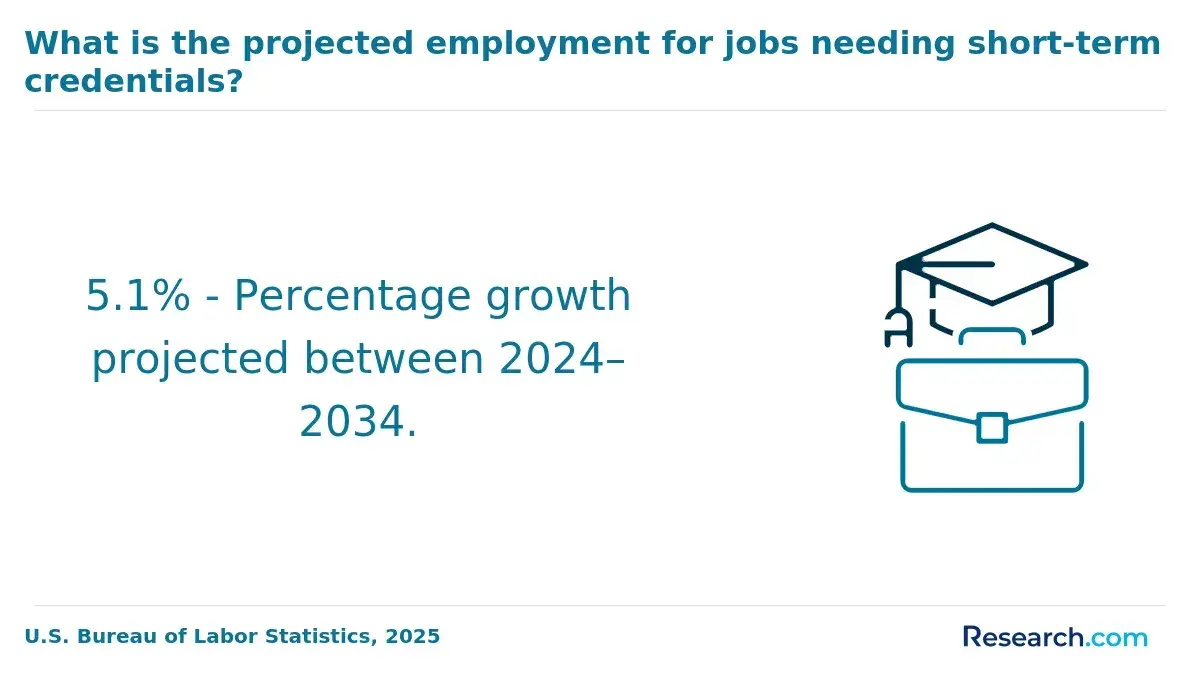
Employer demand plays a defining role in shaping audio & music salary trends by affecting competition for qualified professionals, hiring volumes, and employer compensation strategies. According to 2024 data from the U.S. Bureau of Labor Statistics, job growth for audio engineers and music producers is moderate at about 5% over the next decade, indicating steady but limited hiring pressure. For example, a mid-career sound designer specializing in immersive audio technologies might command higher wages due to scarcity of niche skills, while more generalists face stagnant salaries. This differentiation stems from employer preferences for candidates with the latest production technology expertise, driving selective wage increases rather than broad-based raises.
Major factors shaping employer demand include the expanding digital media landscape, streaming platforms' content needs, and advertising industry growth, all sustaining baseline salary levels but not always offsetting inflation or tuition rises. While strong demand can accelerate wage growth, salaries also depend heavily on experience, specialization, broader economic conditions, and organizational budget constraints. Entry-level positions, for instance, often offer stable but limited pay, requiring prospective students to consider whether rising education costs justify anticipated earnings. Those exploring alternative pathways might compare options like an electrical engineering degree online for veterans, where different market forces may produce distinct salary dynamics.
Ultimately, employer demand impact on audio music salaries reveals a nuanced reality: it supports stable employment but does not guarantee wage increases aligned with educational expenses. Prospective students and recent graduates should interpret these trends carefully, recognizing that stronger employer demand influences hiring frequency and wage premiums selectively, based on specific industry needs and individual skill sets.
How Can Students Maximize Their Lifetime Earnings With a Audio & Music Degree?
Maximizing lifetime earnings with an audio & music degree requires more than technical ability; it demands strategic skill alignment and market awareness. Recent 2024 data from the U.S. Bureau of Labor Statistics and industry analyses show that integrating strong technical skills with business acumen or digital production expertise markedly improves financial outcomes. For example, a graduate who combines audio engineering proficiency with knowledge of emerging immersive sound technologies often earns significantly more than peers focusing solely on traditional music roles. Practical steps during study and early career stages can position students for sustained income growth. Below are key strategies based on recent authoritative data that students should prioritize.
- Technical Specialization: Focus on high-demand areas such as audio engineering, sound design for gaming and film, or music production for digital platforms. Specialization aligned with growth sectors typically commands superior salaries.
- Professional Networking: Build connections and secure internships in industries with strong wage growth like technology, entertainment, and advertising. Early industry engagement accelerates job placement and salary progression.
- Certification and Continuous Learning: Obtain certifications in leading audio software and stay current with advances such as spatial audio. This enhances employability and adaptability in a rapidly evolving market.
- Diversified Income Streams: Engage in multimedia collaborations, freelance composing, or entrepreneurship to supplement traditional salaries and reduce income volatility.
- Graduate Education: Pursue advanced degrees or professional development programs that research shows can boost lifetime earnings by 20% or more when combined with relevant career moves.
- Business Acumen Development: Cultivate skills in marketing, contracts, and project management to leverage technical talents into higher-paying roles or independent ventures.
- Adaptability to Technological Trends: Prioritize emerging formats like immersive and interactive audio, which present expanding opportunities with premium compensation.
References
- Has pay kept up with inflation? - The Hamilton Project https://www.hamiltonproject.org/data/has-pay-kept-up-with-inflation/
- Top Paying Jobs in the Music Industry: Career Guide in 2026 https://htlmusicbusiness.academy/2026/05/03/top-paying-jobs-in-the-music-industry/
- Research Finds a College Degree Remains a Sound Investment Despite Rising Tuition https://www.aera.net/Newsroom/Research-Finds-a-College-Degree-Remains-a-Sound-Investment-Despite-Rising-Tuition
- What Can You Do with a Music Degree? https://majoringinmusic.com/what-can-you-do-with-a-music-degree/
- “We’re losing both schools and parents”: The Cost of Music Education | Music Mark https://www.musicmark.org.uk/news/were-losing-both-schools-and-parents-the-cost-of-music-education/
- Top Careers in Music and Audio You Didn’t Know Existed | OIART https://www.oiart.org/news/top-music-audio-careers
- Do increases in public sector wages affect inflation? :: Public Sector Economics https://www.pse-journal.hr/en/archive/do-increases-in-public-sector-wages-affect-inflation_13377/
- Audio and Music Production Salary 2025: $0 Median | Upstaff https://upstaff.com/salaries/audio-and-music-production/
- Is College Worth it? | Return on Investment Analysis of College Degree https://educationdata.org/college-degree-roi
- Understanding the ROI of Investment in Music School Management Platforms - Opus1 https://opus1.io/resources/understanding-the-roi-of-investment-in-music-school-management-platforms/
Other Things You Should Know About Audio & Music
Given the relatively slow wage growth in audio & music fields compared to rising tuition costs, students should weigh the benefits of intense specialization against acquiring complementary skills such as digital marketing, business management, or programming. Employers increasingly value hybrid skill sets that expand the roles graduates can fill, which may enhance employability and potential salary. Prioritizing programs offering interdisciplinary training or dual competencies can help graduates adapt to evolving job markets and improve long-term earnings, even if direct audio & music wages remain flat.
Most audio & music jobs rely heavily on freelance, contract, or gig-based work where hourly rates and consistent hours fluctuate widely. This makes assessing "salary" less straightforward-annual income can vary significantly with market demand and project availability. Graduates should factor in irregular work patterns and lack of benefits, which reduce net earnings and financial stability, rather than just headline wage figures. Planning for income volatility and cultivating diverse client networks or recurring engagements becomes critical for sustaining earnings in this sector.
Programs emphasizing real-world experience, internships, and industry connections tend to produce graduates with stronger portfolios and networks, which are key factors employers consider when offering higher pay. Conversely, purely academic or theoretical programs may leave students less prepared for practical demands, limiting initial salary offers. Prospective students should prioritize programs that integrate hands-on production, collaboration with industry professionals, and career services that facilitate negotiated pay or entry into better-paying roles.
In a context where wages are lagging and inflation pressures persist, controlling education costs is paramount. Choosing lower-tuition programs with solid practical training and industry links can reduce debt burden and financial risk without significantly sacrificing job readiness. While program prestige can open doors, its payoff is less certain if wages remain stagnant; students benefit more from affordable education that leads directly to employable skills, especially in fields with inconsistent salary trajectories.