2027 How Employers Are Changing Hiring Criteria for Audio & Music Graduates in the AI Era

Co-Founder and Chief Data Scientist
A prospective audio & music graduate recently completed their degree, expecting it to secure a competitive edge in the job market. However, the rapid integration of artificial intelligence into creative industries has shifted employer expectations beyond traditional credentials. According to a 2024 report from the U. S. Bureau of Labor Statistics, nearly 40% of employers now prioritize AI-related competencies and adaptability alongside formal education when evaluating candidates for roles involving audio and music production.
As AI tools reshape workflows and creative processes, the hiring criteria for audio & music graduates are evolving significantly. Employers increasingly value not only technical proficiency but also an ability to collaborate with AI technologies and demonstrate transferable skills like critical thinking and communication. This article examines these shifting hiring trends, the growing importance of AI literacy, and effective strategies that students and recent graduates can adopt to remain relevant and competitive in the AI era.
Key Things to Know About the Changing Hiring Criteria for Audio & Music Graduates in the AI Era
- Employers increasingly expect audio & music graduates to integrate AI tools in creative processes, reflecting a 27% rise in AI-related job requirements since 2023, pressuring students to master specific software workflows.
- AI literacy now complements traditional skills, making adaptability and technical fluency crucial; graduates lacking these are often overlooked despite strong artistic portfolios, reshaping hiring priorities.
- Graduates demonstrating transferable skills like data analysis, coding, and cross-disciplinary collaboration rank higher competitively, highlighting a shift from purely artistic proficiency to hybrid technical-artistic capabilities.
- Key Things to Know About the Changing Hiring Criteria for Audio & Music Graduates in the AI Era Key Things to Know About the Changing Hiring Criteria for Audio & Music Graduates in the AI Era
- How Is AI Changing What Employers Look for in Audio & Music Graduates? How Is AI Changing What Employers Look for in Audio & Music Graduates?
- Which AI Skills Are Employers Expecting Audio & Music Graduates to Have? AI Skills
- Which Human Skills Are Employers Looking for in Audio & Music Graduates? Human Skills
- How Are AI Tools Changing Daily Work in Audio & Music Careers? AI Workplace Tools
- How Are Employers Evaluating Audio & Music Candidates Beyond Academic Credentials? Hiring Criteria
- How Are Audio & Music Degree Programs Adapting to AI? AI Curriculum
- Which Industries Are Changing Hiring Expectations Most for Audio & Music Graduates? AI and Industry Expectations
- How Is AI Changing Career Growth for Audio & Music Professionals? AI and Career Growth
- How Should Audio & Music Students Prepare for AI-Driven Hiring? Career Preparation
- How Should Students Choose a Audio & Music Program for the AI Era? How Should Students Choose a Audio & Music Program for the AI Era?
How Is AI Changing What Employers Look for in Audio & Music Graduates?
Employers in the audio & music industry now expect graduates to do more than demonstrate traditional technical skills; they prioritize the ability to effectively collaborate with AI-driven tools. A 2024 report from the National Association of Colleges and Employers reveals that over 65% of organizations hiring in creative fields seek candidates familiar with AI-related technologies, doubling the interest noted in 2021. This shift underscores a growing demand for professionals who can leverage AI-powered software not only for production and sound design but also to augment creative decision-making processes. For example, a sound engineer who understands machine learning algorithms can refine automated mixing techniques, producing higher-quality outputs while retaining artistic intent.
The evolving music industry hiring criteria in the AI era emphasize adaptability and cognitive flexibility alongside technical proficiency. According to the Berklee Institute of Creative Entrepreneurship, adaptability to AI tools ranks among the top competencies employers require, reflecting a preference for graduates who blend artistic creativity with AI literacy. Despite increasing automation, human judgment remains crucial-because interpreting AI-generated audio content and making nuanced creative choices depend on critical thinking. The World Economic Forum's Future of Jobs Report further highlights this by noting a 50% rise in demand for digital literacy and problem-solving skills among audio professionals, illustrating that successful candidates embrace continuous learning to stay ahead in a rapidly changing environment.
Which AI Skills Are Employers Expecting Audio & Music Graduates to Have?
Employers hiring audio & music graduates increasingly expect candidates to demonstrate practical AI competencies alongside traditional discipline-specific knowledge. This shift reflects AI's growing integration into music production, sound engineering, and audience analytics, requiring professionals to apply AI tools rather than simply understand them theoretically. Practical AI degree skills allow graduates to navigate automated systems, enhance creative workflows, and deliver data-driven insights that meet industry demands. For example, a recent labor market study highlights that employers prioritize candidates who can directly operate or customize AI-driven mixing platforms to accelerate production timelines. Below are five essential AI skills employers look for in audio & music graduates.
- AI-Driven Music Production Software: Understanding and proficient use of AI-based production tools, such as generative audio models and automated mixing systems, enable graduates to streamline workflows and experiment creatively at scale. Employers expect applicants to demonstrate experience with current software platforms that incorporate AI functionalities, which students can build through project-based learning or internships that focus on these technologies.
- Machine Learning for Sound Design: Applying machine learning algorithms to develop new sound textures or automate audio effects is increasingly valuable. Graduates who can train or fine-tune models to generate or manipulate audio content provide distinctive creative input. Developing this skill involves gaining basic competence in algorithms relevant to audio pattern recognition and synthesis, often requiring programming basics and hands-on experimentation.
- Data Analysis for Audience Engagement: Employers demand expertise in analyzing listener data to tailor music recommendations and marketing strategies using AI analytics. Graduates skilled in interpreting streaming metrics or social media trends can influence content creation and distribution decisions. Strengthening this skill involves combining data literacy with domain knowledge, and students can enhance their capabilities via coursework in statistics and data visualization.
- Programming and Integration: Functional knowledge of programming languages like Python and the ability to integrate AI frameworks with digital audio workstations (DAWs) remain crucial. This skill allows graduates to build custom tools or optimize existing AI workflows, making them more adaptable in diverse production environments. Early exposure to coding and DAW plugin development projects is recommended to develop proficiency.
- Ethical AI Deployment: Managing biases in algorithmic music curation and maintaining artistic authenticity amid automation are critical concerns. Graduates who understand ethical challenges in AI deployment not only meet employer expectations but also contribute to socially responsible industry practices. Engaging with case studies and ethical frameworks related to AI in the arts helps students cultivate this discerning perspective.
Which Human Skills Are Employers Looking for in Audio & Music Graduates?
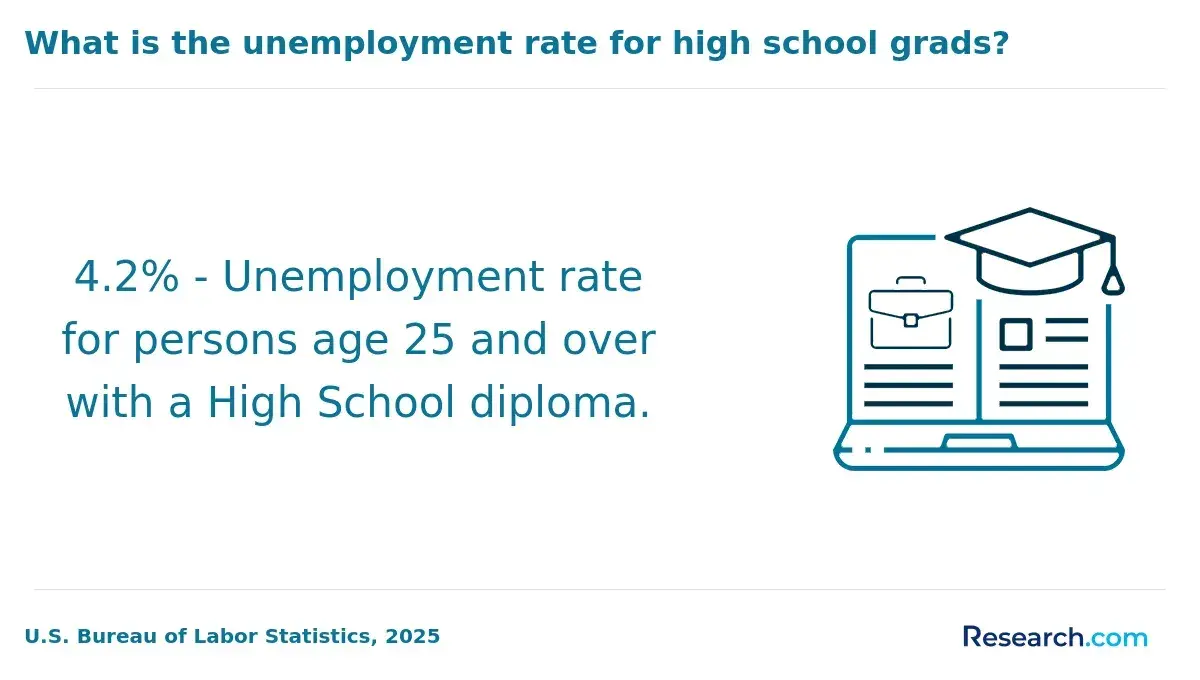
As artificial intelligence automates more routine tasks within audio and music industries, the emphasis shifts toward human capabilities that AI cannot replicate or replace. Employers increasingly seek graduates who offer skills that enhance collaboration with AI tools, ensuring technology serves creative and interpersonal goals rather than supplanting them. This shift reflects evolving workforce data from the U.S. Bureau of Labor Statistics and the World Economic Forum's 2024 Future of Jobs Report, highlighting interpersonal and cognitive talents as key differentiators. Below are five core human skills growing in importance for audio and music graduates in this changing landscape.
- Emotional Intelligence: Understanding and managing emotions remains essential in music settings where clients and collaborators often rely on nuanced communication. This skill enriches interactions, allowing graduates to interpret feedback sensitively and maintain rapport, which AI cannot easily replicate. Developing empathy and active listening through real-world engagements or mentorships can sharpen this skill.
- Creative Problem-Solving: AI generates content effectively but struggles with original innovation or troubleshooting unanticipated issues. Graduates demonstrating inventive thinking-such as experimenting with novel sound design or hybrid AI-human workflows-stand out. Cultivating this skill demands practice with diverse projects and openness to non-linear thinking.
- Adaptability: Rapid tech evolution requires flexibility to learn new tools and shift approaches promptly. Beyond technical literacy, adaptability involves embracing iteration and creative pivots. Engaging with emerging software and seeking feedback from interdisciplinary teams can reinforce this readiness.
- Collaborative Teamwork: Cross-functional projects often unite audio professionals with AI experts and other creatives. Effective collaboration hinges on clear communication and the ability to translate technical concepts across disciplines. Participation in group productions or co-creative environments hones this capability.
- Multidimensional Creativity: The demand is less for routine generation and more for uniquely human originality blended with technological assistance. Graduates who fuse traditional musicianship with AI tools to craft innovative soundscapes add distinct value. Encouraging experimentation and diverse musical influences nurtures this skill.
One recent graduate recalls a project where an AI system handled baseline audio mixing, but unexpected client preferences required rapid adjustment to mood and tone. Initially hesitant, the graduate applied emotional intelligence to interpret subtle feedback and collaborated closely with developers to tweak AI parameters. This experience underscored how adaptability and interpersonal skills complemented technical proficiency to meet artistic goals effectively, reinforcing that human insight remains central even as AI tools reshape workflows.
How Are AI Tools Changing Daily Work in Audio & Music Careers?
AI tools are reshaping the daily workflow of audio & music professionals by automating many time-consuming tasks like editing, mixing, and mastering. This automation allows producers to shift their focus from technical minutiae to higher-level creative decisions. For example, an audio engineer might use AI-powered plugins to quickly identify and correct subtle inconsistencies in a recording, accelerating the production timeline and freeing up time to experiment with new sounds or arrangements. According to a 2024 report from the National Association of Music Industry Professionals, over 65% of audio & music producers now utilize AI-driven software, reflecting a significant adoption rate that transforms traditional studio workflows.
As AI handles routine processes, employees are increasingly expected to interpret AI outputs critically and adapt them to fit artistic intentions, emphasizing skills such as judgment, creativity, and collaboration. This shift means that technical relevance alone is no longer sufficient; professionals must understand how AI models work and how to integrate them ethically and effectively within the creative process. Evidence from the U.S. Bureau of Labor Statistics shows a growing trend in job postings requiring familiarity with AI alongside conventional digital audio workstations, highlighting changing employer expectations. Productivity studies demonstrate that while AI tools can boost efficiency by up to 30%, maintaining originality and quality depends on an operator's ability to thoughtfully oversee and refine AI contributions, underscoring the necessity for hybrid creative-technical expertise in the field.
For newcomers and recent graduates, building competence in AI-enhanced software and data interpretation is becoming essential to remain competitive. Employers now prize candidates who not only master traditional audio engineering but also demonstrate versatility in managing AI-driven processes within hybrid workflows. This evolving landscape demands a blend of technical fluency and artistic adaptability, positioning professionals who embrace AI as collaborators rather than just users-thereby redefining the nature of audio & music careers in a technologically advancing industry.
How Are Employers Evaluating Audio & Music Candidates Beyond Academic Credentials?
Employers in the audio & music industry are increasingly moving beyond traditional academic credentials to assess candidates through a more nuanced lens of practical experience and AI-driven skill assessment for audio & music graduates. Recent data from leading industry surveys indicate that hiring managers prioritize tangible proof of hands-on expertise-such as portfolios demonstrating integration of machine learning algorithms in sound synthesis or real-world projects using intelligent audio editing platforms-over GPA or formal coursework alone. For example, a candidate with a well-curated digital portfolio showcasing AI-enhanced mixing techniques often gains more traction than one with solely strong academic records. This shift reflects a growing recognition that real-world problem-solving and adaptability to AI technologies are critical for meeting the evolving demands of production environments.
Soft skills like collaboration, critical thinking, and lifelong learning increasingly weigh into hiring decisions as much as technical proficiency. Employers expect candidates to work effectively within interdisciplinary teams and to remain current with rapid advancements in AI-enabled audio tools. Hiring managers value candidates who can demonstrate not just isolated competencies but an ability to navigate complex projects with evolving technology. Pursuing certifications and specialized training, either through formal institutions or online modules, further signals a candidate's commitment to continuous skill development, making these credentials a significant complement to traditional education. Many early professionals also boost their profile by engaging in bookkeeping courses or other technical training that supports a rounded business and creative acumen.
The rationale behind this broader evaluation is clear: conventional credentials alone no longer guarantee success in an AI-enabled job market. By placing emphasis on practical experience, project portfolios, and up-to-date AI literacy, employers are embracing holistic hiring practices that better predict workforce effectiveness. Candidates who can showcase applied talents and innovative thinking not only improve their employability but also position themselves as adaptable assets in a field where technology and creative expression continually intersect.
How Are Audio & Music Degree Programs Adapting to AI?
Audio & music degree programs are increasingly integrating AI-focused content to better align with employer expectations, as demonstrated by a 2024 National Center for Education Statistics report showing over 65% of arts-related programs now include AI modules or electives. This incorporation often involves interdisciplinary coursework combining audio fundamentals with machine learning, data analytics, and digital signal processing. For instance, students frequently gain proficiency in AI-driven software like neural audio synthesis, equipping them to contribute to innovative workflows such as algorithmic composition or automated sound mixing-skills that reflect workforce demands highlighted by a Brookings Institution study, which found 72% of creative industry employers expect AI competence.
Despite this shift, programs face the challenge of maintaining artistic rigor while fostering technical fluency. Not all institutions can provide equal access to advanced AI tools, which may create disparities in graduate readiness. Furthermore, employers value candidates who exercise critical thinking and ethical judgment when working with AI outputs rather than relying unquestioningly on automation. This balance encourages programs to emphasize soft skills alongside technical training, preparing students for nuanced collaboration between creativity and AI technology.
Educational institutions are adapting through ongoing curriculum revisions, experiential learning opportunities, and partnerships with industry to provide real-world AI applications. Graduates who engage with AI tools in contexts ranging from sound design to composition tend to develop a deeper understanding of how AI impacts creative intent and artistic decision-making. Such approaches not only enhance immediate employability but also foster adaptability and lifelong learning, which are essential as AI technologies continue to evolve within the audio and music fields.
Which Industries Are Changing Hiring Expectations Most for Audio & Music Graduates?
The speed at which different industries adopt AI profoundly shapes their hiring expectations for audio & music graduates. Sectors with direct, high-impact applications of AI in content creation or user experiences tend to update job requirements more rapidly than those with slower adoption cycles. For example, a graduate comparing roles in gaming versus traditional music production may find that coding and AI tool fluency are critical in gaming studios, while traditional creative skills remain more emphasized in some music labels. Understanding these industry-specific shifts is essential for making informed career decisions and tailoring skill development. Below is a concise outline of five industries where hiring expectations are evolving most markedly due to AI.
- Entertainment and Streaming: AI is transforming sound design, mixing, and mastering workflows in this sector. Employers increasingly seek candidates proficient in AI-driven plugins and algorithmic composition to enhance production efficiency, reflecting a more than 40% growth in AI tool usage since 2023, per the Recording Industry Association of America.
- Gaming: Studios prioritize adaptive audio expertise, where AI dynamically responds to gameplay. Graduates combining creative sound design with coding and AI integration are in high demand, as noted by the International Game Developers Association's 2024 survey highlighting this skill set's rising importance.
- Advertising and Marketing: With AI personalizing audio content for targeted campaigns, agencies value professionals adept at leveraging AI analytics to optimize audio branding. Nearly 60% of firms expect these competencies, according to a 2024 Deloitte report, making data fluency and strategic thinking key assets.
- Technology Firms: Companies working on voice assistants, augmented and virtual reality require graduates who can merge audio creativity with machine learning knowledge to build immersive experiences. The U.S. Bureau of Labor Statistics reports a 35% increase in AI-related roles within these tech sectors, emphasizing cross-disciplinary collaboration.
- Music Production Companies: Although more traditional overall, these firms are integrating AI tools into complex audio workflows. Graduates who understand AI-driven sound engineering techniques are better positioned as companies blend artistry with efficiency gains from technology adoption.
One recent audio & music graduate faced a crossroads when deciding between job offers from a gaming startup and a well-known music label. Initially drawn to the music company's creative legacy, the graduate hesitated upon learning the gaming position required not only sound design skills but also proficiency with AI-based adaptive audio coding. After researching workforce trends and technology adoption rates for 2024, the graduate recognized the longer-term value in mastering AI integration skills emphasized in gaming, which promised faster career growth. This experience underscored that success increasingly depends on identifying the distinct, evolving technological demands across industries rather than relying solely on traditional artistic credentials.
How Is AI Changing Career Growth for Audio & Music Professionals?
The pace at which artificial intelligence is adopted varies widely across industries, driving distinct hiring expectations for audio & music graduates. Sectors with higher AI integration rapidly demand hybrid skills that blend creative artistry with technical proficiency in AI-assisted production tools. In contrast, industries slower to adopt these technologies maintain more traditional criteria, focusing on core musical skills. This uneven adoption means graduates must tailor their expertise to specific industry demands to maximize employability. Understanding where AI-driven transformations are most profound helps students and early-career professionals prioritize skill development aligned with market needs.
Industries changing hiring expectations most for audio & music graduates include:
- Media and Entertainment: This sector leads in adopting AI for sound design, automated mixing, and personalized content creation. Employers seek graduates skilled in AI-enhanced software to produce innovative audio experiences and optimize workflows, reflecting a 40% workforce shift emphasizing AI tools.
- Gaming: AI-driven sound synthesis and adaptive audio environments are reshaping game audio design. Graduates must combine programming knowledge with sound artistry to meet evolving user interaction demands and immersion standards.
- Advertising and Marketing: Rapid AI adoption enables real-time sound content customization and data-driven audio branding. Professionals with expertise in AI-informed creative processes gain an advantage in crafting targeted audio campaigns.
- Music Production and Recording: Automated mastering and intelligent mixing services reduce manual tasks, so employers favor candidates proficient in AI tools that augment creativity and efficiency within production pipelines.
- Education and Research: Integration of AI in audio curricula and new digital tools push institutions to seek educators and researchers who understand AI's impact on sound generation and pedagogy, enhancing hybrid technical-artistic skills.
Early-career audio & music professionals adapting their skills to these sector-specific AI advancements see measurable benefits. According to the World Economic Forum's 2024 Future of Jobs report, such adaptability correlates with a 25% higher promotion rate. Pursuing advanced technical competencies alongside artistic mastery-potentially through programs like an online master's degree in history with integrated tech skills-can further position graduates competitively in a rapidly evolving job market focused on AI impact on career growth for audio professionals.
How Should Audio & Music Students Prepare for AI-Driven Hiring?
Preparing for AI-driven hiring in audio & music requires more than just earning a degree; it demands a blend of technical expertise, AI literacy, and human-centered skills. According to a 2024 report by the World Economic Forum, over 60% of music-related creative industries have integrated AI tools, shifting employer expectations toward candidates who excel in both traditional audio production and AI-driven technologies. Developing practical skills in AI music production techniques and mastering interdisciplinary collaboration in AI-enhanced audio environments are essential. The following strategies outline how students can meet these evolving demands effectively.
- Integrate AI Literacy: Gain proficiency in AI-driven software platforms such as generative music algorithms and automated mixing tools. This technical knowledge differentiates candidates by aligning with the tools employers now prioritize, and students can build these skills through targeted coursework and hands-on projects.
- Pursue Interdisciplinary Learning: Complement audio & music training with subjects like computer science, data analytics, or AI ethics. This broadened knowledge base fosters versatility and critical thinking, essential in navigating AI's creative and ethical implications within the industry.
- Engage in Practical Projects: Participate in internships or collaborative projects that utilize emerging AI tools. Real-world experience demonstrates adaptability and innovative problem-solving, traits that employers consistently seek in an AI-driven job market.
- Develop Collaborative Skills: Learn to work alongside AI systems creatively while maintaining artistic vision. Employers value professionals who can integrate technology without sacrificing human-centered creativity or critical judgment in sound design.
- Explore Career Pathways Strategically: Investigate roles combining project management and audio expertise, such as those requiring a project manager bachelor degree. These interdisciplinary roles reflect workforce trends emphasizing coordination between technical, creative, and administrative functions.
How Should Students Choose a Audio & Music Program for the AI Era?
Choosing an audio & music program today requires evaluating more than cost or reputation; students must consider how well a curriculum equips them for AI-driven workplace demands. As employers increasingly seek graduates proficient in AI-enabled production, data analysis, and digital sound design, rigid adherence to traditional skills without technology integration may limit career opportunities. For instance, a graduate proficient in conventional music theory but lacking experience with AI-enhanced sound synthesis could fall behind peers who mastered adaptive algorithm design and machine learning applications. Evaluating programs through a modern lens ensures alignment with industry realities. Key factors to examine include:
- AI Integration in Curriculum: Programs should embed AI fundamentals within core courses, reflecting trends from the National Center for Education Statistics and IEEE studies showing better employment outcomes for graduates versed in AI-driven audio engineering.
- Hands-on Technology Experience: Access to industry-standard AI tools and internships simulating real-world projects nurtures market-ready skills beyond theory.
- Interdisciplinary Learning: Combining coding, AI ethics, and music theory fosters adaptability vital for ongoing innovation in a rapidly evolving field.
- Collaborative Projects: Opportunities to work in teams on AI-powered creative tasks mirror workplace dynamics, building critical thinking and communication skills.
- Continuous Learning Culture: With 68% of employers valuing ongoing AI education (EDUCAUSE 2024), programs encouraging lifelong skill development support sustained career growth.
References
- AIVA https://www.aiva.ai/
- Best AI Music Generators: The Best Tools to Create Songs https://suno.com/hub/best-ai-music-generator
- New Music Industry Jobs Created by AI | Orphiq https://orphiq.com/resources/ai-music-industry-jobs
- Integrating Artificial Intelligence into University Music Education: Opportunities and Challenges https://www.clausiuspress.com/article/15463.html
- What Employers Want in 2026: AI Skills, Soft Skills and Industry Experience https://shooliniuniversity.com/blog/what-employers-want-in-2026-ai-skills-soft-skills-and-industry-experience/
- Careers You Can Pursue With a Music Production & Audio Engineering Degree https://www.pointblankmusicschool.com/blog/careers-you-can-pursue-with-a-music-production-and-audio-engineering-degree/
- How Music Schools Are Adapting to AI, Synths, and the New Sound Aesthetic https://www.side-line.com/music-schools-adapting-to-ai-synths/
- The Role of AI in Modern Music Production https://www.lccm.ac.uk/blog/the-role-of-ai-in-modern-music-production/
- Open Positions https://music.ai/careers/
- Music AI Researcher/Engineer - Careers - Songscription AI https://www.songscription.ai/careers/founding-music-ai-researcher
Other Things You Should Know About Audio & Music
Employers increasingly expect audio & music graduates to demonstrate both breadth and depth in their work. A diverse portfolio showing proficiency in AI-assisted production, sound design, and traditional techniques tends to signal adaptability. However, overemphasizing breadth can dilute perceived expertise. Graduates should prioritize building a focused set of strong competencies in key areas relevant to their target roles while integrating AI tools meaningfully to reflect current industry workflows.
Practical experience with real AI-driven audio projects often outweighs academic theory in hiring decisions. Employers view hands-on projects as clearer evidence of a candidate's ability to integrate AI tools into creative processes and solve problems. Graduates should therefore seek internships or collaborative projects that showcase this integration. Formal coursework remains important but should be complemented by demonstrable, applied skills that signal readiness to contribute immediately.
AI tools can automate routine audio tasks, shifting employer focus toward creative output that also meets technical precision. Graduates face the challenge of balancing artistic experimentation with the consistent quality standards employers demand. Those who over-prioritize open-ended creativity without mastering AI-enhanced workflow efficiency risk being seen as less reliable. Prioritizing a structured process that leverages AI for both innovation and quality control is generally more valued.
While knowing employer-specific AI platforms can be advantageous, overly focusing on proprietary tools may limit flexibility in a rapidly evolving job market. Employers often value candidates with foundational AI knowledge who can quickly adapt to different platforms. Graduates should prioritize mastering core AI concepts and widely used software, then selectively learn proprietary systems based on targeted job opportunities. This approach balances immediate employability with long-term career resilience.