
2027 MPH Programs: Questions About Research Software Access After Graduation

Co-Founder and Chief Data Scientist
An MPH program may teach you to analyze public health data using university-licensed software, but that license may end when you graduate. The distinction matters if you plan to keep working on a research project, build a portfolio, or enter an analyst role without an employer-provided license. This guide explains which access may continue, which usually needs separate approval, and how to compare programs based on skills you can use after your student account closes.
Key Things You Should Know
- Do not assume alumni access: Student software licenses, research databases, cloud computing, and university accounts can have different expiration dates and eligibility rules.
- Separate access from permission: Keeping a software license does not grant continuing rights to restricted datasets, identifiable records, or a former research team's files.
- Choose for transferable skills: Ask for written access terms, then favor training that includes reproducible workflows and tools you can legally use after graduation.
What research software access do MPH programs provide after graduation?
There is no standard post-graduation software benefit for MPH alumni. During enrollment, a university may provide software through a student license, computer lab, virtual desktop, research group, or course-specific account. Each arrangement has its own contract and eligibility rules. Graduation may end access immediately, after a grace period, or when an account is deactivated; a general alumni account does not necessarily preserve student entitlements.
These categories should be checked separately because a program's statement that it "provides statistical software" does not explain what happens later.
| Resource | What determines access after graduation |
| Installed statistical software | License terms, device activation, and the student account's expiration |
| Virtual labs or research computing | University account status and authorization from the service or research group |
| Research databases and journals | Library subscription terms and any separate alumni-library benefit |
| Project datasets and shared drives | Data-use agreements, project approvals, and the data owner's authorization |
Access also differs across MPH and related public health graduate pathways. A research-intensive track may offer more computing support while enrolled, but that does not imply a longer alumni entitlement. Compare the specific resources and exit rules, not the degree label alone.
Why does CEPH accreditation matter for MPH research training?
Accreditation by the Council on Education for Public Health (CEPH) helps applicants identify public health programs assessed against educational standards, including expectations relevant to evidence use and applied public health work. Check the accreditor's listing for the specific school, unit, or program and confirm that the MPH you intend to enter falls within its scope. Institution-level accreditation is a different question.
CEPH accreditation does not require an MPH program to give alumni continuing access to a particular statistical package or database. Use accreditation to assess educational standing, then inspect course descriptions, assignments, computing support, and alumni policies to judge research preparation. The same distinction matters when comparing lower-tuition undergraduate public health pathways with graduate study: neither a low price nor an accreditation label establishes a specific software entitlement.
What software skills should MPH students learn for public health research?
Learn the workflow before committing to a brand. For most MPH research or evaluation work, that means importing data, checking definitions and missing values, cleaning records without overwriting originals, producing descriptive summaries, selecting an appropriate analysis, and communicating uncertainty. A reproducible script or documented sequence of steps is more portable than a screenshot of a completed assignment.
R and Python can be used without an ongoing commercial software license, although particular cloud services, add-ons, and datasets may still carry costs or restrictions. SAS, Stata, SPSS, and other licensed tools may be valuable when employers or research partners use them. Ask whether coursework teaches the underlying methods well enough to move between tools. Spreadsheet skills also matter for quality checks and reporting, but a spreadsheet alone is not preparation for every epidemiologic or statistical task.
Students aiming for advanced methodological research may need substantially deeper statistics, programming, and supervision than a generalist MPH provides. A public health doctoral degree comparison guide can help frame that longer-term choice, but a doctorate is not necessary merely to obtain software skills.
Some institutions offer alumni library services or other limited benefits; others reserve licensed resources for current students, faculty, and staff. An alumni email address, if retained, is not proof that a student license, off-campus journal access, or research-computing account remains valid. Publishers, software vendors, and universities may apply different rules to the same person.
Database access and data-use permission are separate. A graduate might be allowed to read an article but not download a restricted project dataset - or might retain authorized access to a dataset through an employer after university access ends. Before leaving a project, ask the principal investigator or data steward what files may be retained, whether an agreement must be amended, and how approved work will continue. Do not copy identifiable or protected records to a personal device as a workaround.
If continued access is essential for future doctoral work, include computing and research-resource costs in your funding questions. A budget planning for a public health PhD comparison is relevant to that separate decision; starting another degree solely to regain a software license is rarely a sound substitute for checking direct license and training options.
Both formats can teach software effectively through demonstrations, guided datasets, coding assignments, feedback, and supervised projects. The useful comparison is not whether a class is online, but whether students can run the required tools on their own devices and get help when an installation, virtual lab, or data connection fails.
An online course may use a remotely accessed lab that works only while the student account is active. A campus course may rely on lab computers unavailable outside scheduled hours. Either format may involve live help sessions or group analysis work. Applicants balancing employment or caregiving should check the actual meeting times, technical-support hours, and assignment deadlines rather than assuming online means asynchronous.
Delivery format is separate from admission policy. If online study is part of your comparison, review online public health master's entry requirements alongside the program's technology requirements; neither an accessible application nor a convenient format guarantees usable software access after graduation.
MPH curricula commonly include foundational work in epidemiology and biostatistics, but the required depth and the software used vary. Epidemiology addresses how population-health questions, study designs, and sources of bias shape an analysis. Biostatistics develops the ability to summarize data, estimate relationships, interpret uncertainty, and recognize when a method's assumptions may not hold. Neither course title alone establishes proficiency with a particular package.
For an analyst-oriented path, examine the sequence beyond the foundation: data management, regression, surveillance, survey methods, program evaluation, qualitative methods, or more advanced electives, as appropriate to your goal. Check prerequisites and whether an applied project requires you to clean data and document decisions yourself. If a weak prior statistics grade is a concern, public health graduate admission after academic setbacks provides context; demonstrated preparation also matters once the coursework begins.
Request answers from the program, library, and IT or licensing office rather than relying on a general admissions promise. Ask for terms that apply to your intended entry term and delivery format, preferably in writing.
These questions distinguish useful training from access that exists only briefly.
- Which software, databases, virtual labs, and computing resources are included for students, and which require separate fees or approvals?
- What event ends each resource - course completion, graduation, account deactivation, or a stated license date?
- Can students install software on personal devices, and are online learners eligible for the same tools and technical support?
- Can graduates retain their own code, synthetic examples, and nonrestricted portfolio work, and what review is required before sharing project materials?
- Who can confirm alumni-library benefits and the rules for continuing work on a faculty or partner dataset?
If application logistics also affect your shortlist, compare MPH application options without academic references separately. A convenient application process should not outweigh unanswered questions about training, licensing, or data permissions.
MPH completion time depends on required credits, full-time or part-time enrollment, course availability, and the timing of applied work. Tuition may be charged per credit, term, or program; mandatory fees, travel, and software not covered by the school can change the total. Because these terms vary by institution and entry term, a general MPH price or completion date would not reliably describe your options.
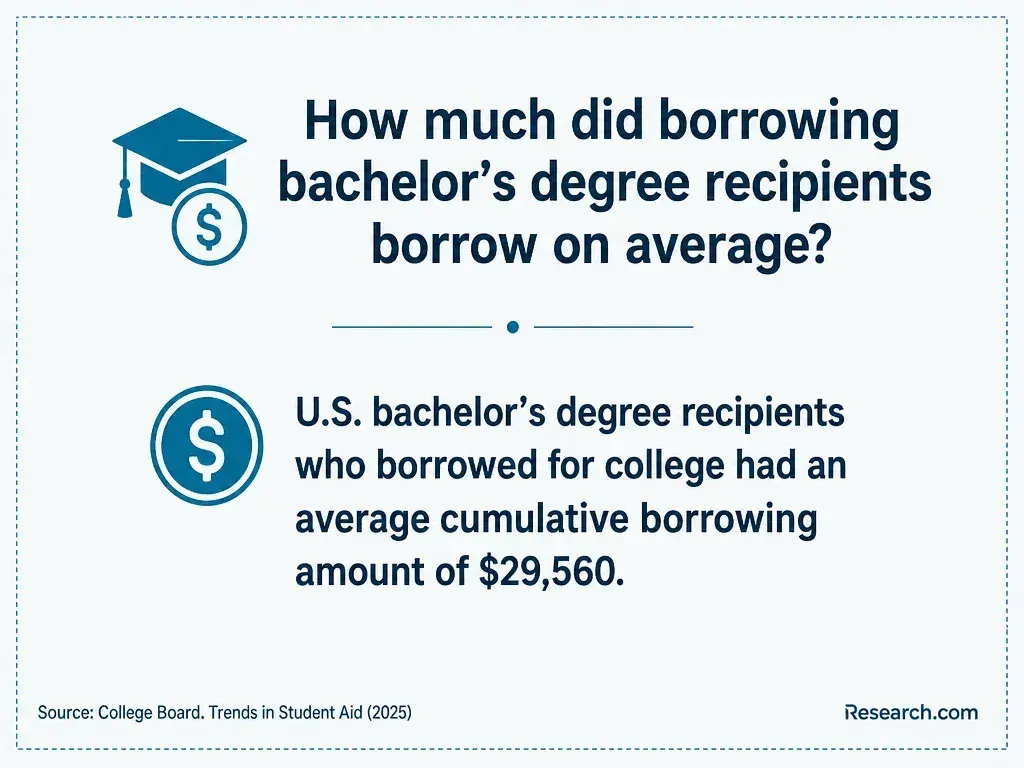
For this decision, calculate the cost of usable training, not tuition alone. Compare the total charges with the courses and supervised analysis opportunities you can actually take, then ask whether a post-graduation license would be an additional expense. Low-cost public health master's degrees can provide a starting shortlist, but confirm each current charge and software policy directly. If you need only one tool for an existing job, a targeted methods course or employer training may cost less than an MPH.
Depending on prior experience and methods preparation, MPH graduates may pursue program evaluation, surveillance, research coordination, health data analysis, or epidemiology-related roles in public agencies, health systems, universities, and nonprofits. The work differs: a research coordinator may manage protocols and records, while an analyst may clean datasets, check data quality, produce reports, and explain limitations to decision-makers. Some epidemiologist and specialist research roles expect stronger methods training or relevant experience.
A useful hiring portfolio demonstrates a defensible question, a documented workflow, appropriate interpretation, and clear communication - not continued possession of the university's software. Share only work you have permission to disclose; a public dataset or a clearly labeled synthetic example may be safer than repurposing field-site records. If financing the degree depends on reaching a particular role, check eligibility for university-funded aid for online MPH programs as part of the decision, rather than assuming a future job will cover the cost.
What salaries and job outlook can MPH research careers offer?
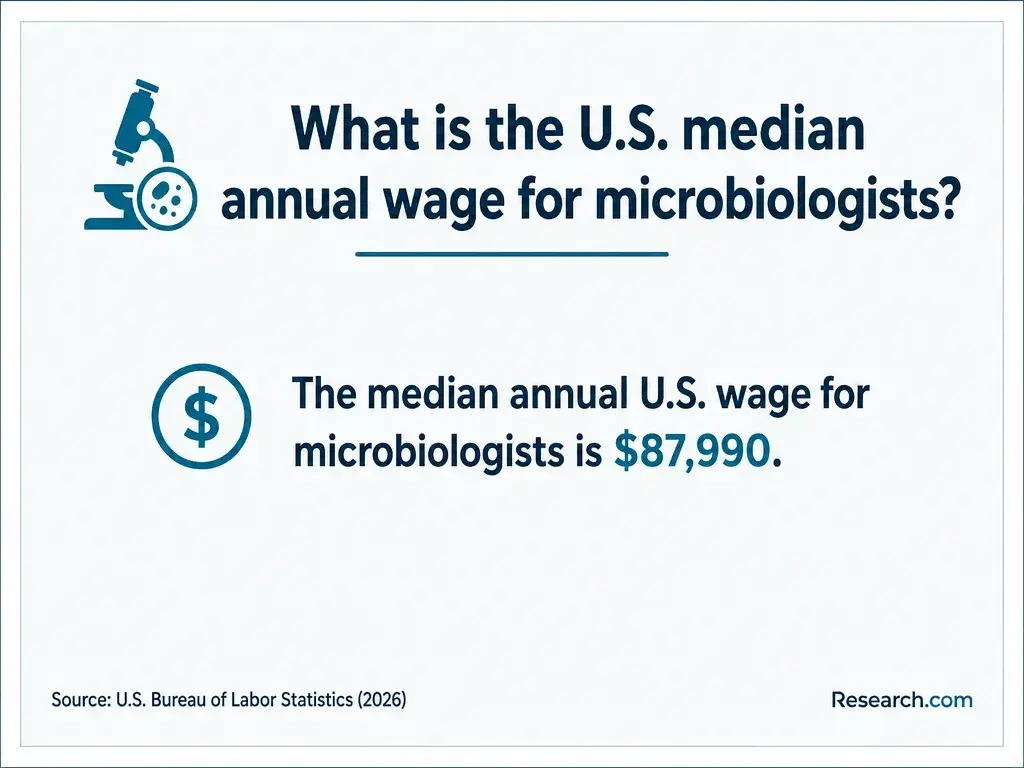
Pay and hiring prospects depend on the occupation, location, employer, technical responsibilities, and experience - not on the MPH credential alone. The US Bureau of Labor Statistics reports occupation-wide wage and employment projections for roles such as epidemiologist and statistician, but those categories are not interchangeable with every MPH analyst or research coordinator job. An occupational median is not an expected starting salary for a graduate.
Compare current postings for your target role with their required methods, software, and degree expectations, then use occupation-specific figures as context. Public health graduate salaries by career can help organize that comparison. If the jobs you want chiefly require demonstrated analysis in tools available through an employer, paying more for a program because it advertises a student software license may offer little long-term value.
Other Things You Should Know About Public Health
Often you can retain your original code, but check course, research-team, and project agreements first. Code containing credentials, confidential data, or restricted partner information may need to be removed or rewritten before you share it.
Publicly available datasets may remain available from their original providers, subject to their terms. Files obtained through a restricted university agreement require separate permission; having downloaded them as a student does not establish continuing rights.
Not for every job. Transferable statistical reasoning helps you learn a new tool, but an employer may require proficiency in a specific package or established workflow. Check target job postings and practice with the tools they name.
Confirm the deactivation date, export permitted personal work and documentation, remove restricted material from personal storage, and arrange any authorized project handoff. Verify licenses and data permissions before attempting to continue research independently.
- Guidance on HIPAA & Cloud Computing | hhs.gov https://www.hhs.gov/hipaa/for-professionals/special-topics/health-information-technology/cloud-computing/index.html
- An Overview of Data Management in Human Subjects Research | nih.gov https://pmc.ncbi.nlm.nih.gov/articles/PMC10898467/
- Licensing Procedures Frequently Asked Questions | ed.gov https://nces.ed.gov/statprog/instruct_licensing_faq.asp
- Research Data Access and Ownership | University Policies and Standards https://policy.oregonstate.edu/policy/research-data-access-and-ownership
- Social Science Software | Data-Intensive Social Science Center https://dissc.yale.edu/social-science-software
- Statistical Software Site Licenses - URI ITS https://its.uri.edu/statistical-software-site-licenses/
- Chapter 5: Research Data | duke.edu https://policies.provost.duke.edu/docs/chapter-5-research-data
- Ownership and Transfer of Research Data | lehigh.edu https://research.lehigh.edu/policies-guidance-forms/ownership-and-transfer-research-data
- Will I still have access to online library resources... - Ask Us! https://answers.hshsl.umaryland.edu/faq/343851
- Research Data & Security Guidance Topics (A-Z) | unl.edu https://research.unl.edu/researchcompliance/research-data-security-guidance-topics-a-z/


